
35,000+ smart investors are already getting financial news, market signals, and macro shifts in the economy that could impact their money next with our FREE weekly newsletter. Get ahead of what the crowd finds out too late. Click Here to Subscribe for FREE.
February is when Canadian heating systems work their hardest. Cold snaps stretch for days. Wind chills push furnaces into overdrive. Many homeowners assume high bills are simply the price of winter. Often, small habits make things worse. A thermostat set too high can add hundreds over a season. Drafts around doors quietly waste heat all month. Even neglected filters raise costs without warning. Here are 14 home heating mistakes Canadians make that drive up February bills.
Cranking the Thermostat Too High
14 Home Heating Mistakes Canadians Make That Spike Bills in February
- Cranking the Thermostat Too High
- Ignoring Furnace Filter Changes
- Blocking Vents with Furniture
- Letting Drafts Go Unsealed
- Heating Unused Rooms Fully
- Skipping Annual Furnace Maintenance
- Relying Heavily on Space Heaters
- Forgetting to Use Ceiling Fans
- Leaving Curtains Open at Night
- Using Outdated Thermostats
- Ignoring Attic Insulation Levels
- Running Bathroom and Kitchen Fans Too Long
- Setting Back Temperatures Too Drastically
- Overlooking Humidity Levels
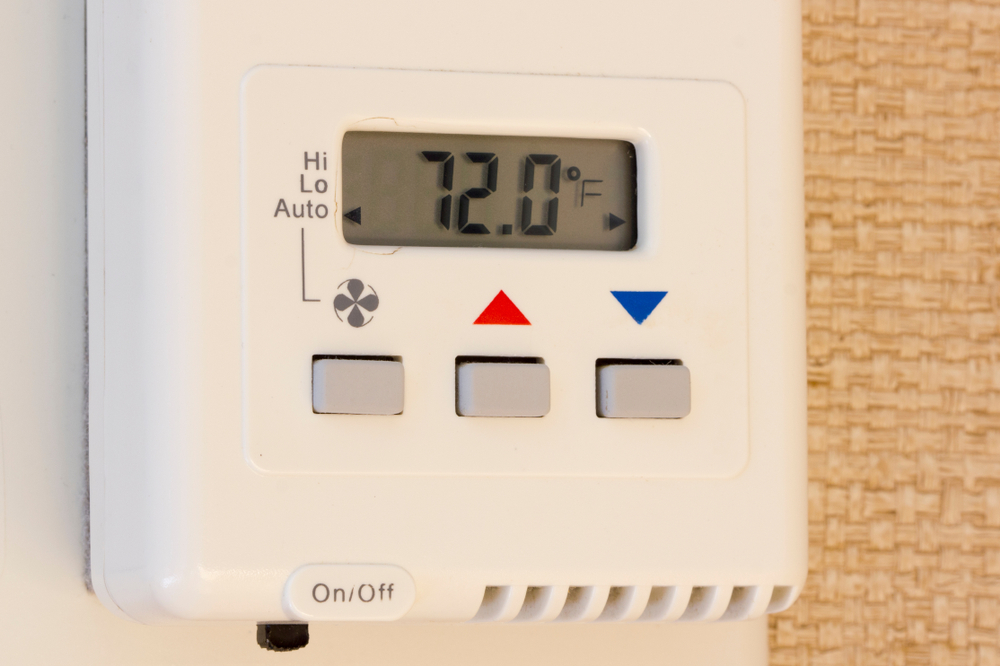
When temperatures plunge, many people turn the thermostat up several degrees. That quick fix feels comforting. It also drives steady energy use all day. Each degree above 20°C can increase heating costs by about 2%. In February, that adds up quickly. Homes do not warm faster just because the setting is higher. The furnace runs longer instead. A consistent setting works better. Lowering the temperature overnight saves more than most expect. Programmable thermostats make this simple. Even a small adjustment can trim noticeable dollars off the monthly bill.
Ignoring Furnace Filter Changes
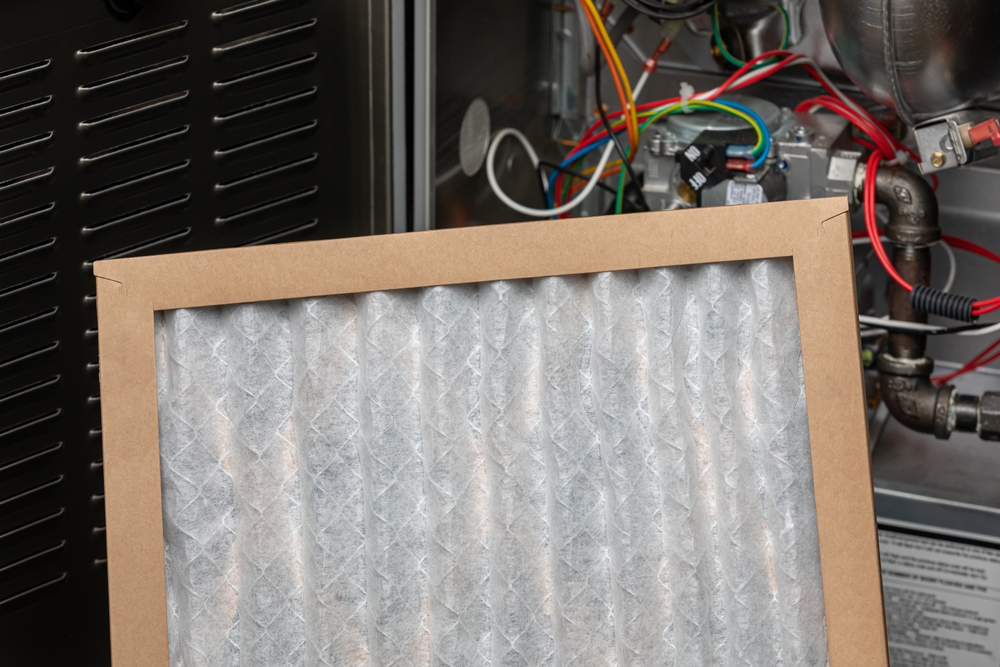
Furnace filters trap dust, pet hair, and debris. When clogged, airflow drops. The system must work harder to push warm air through vents. That extra strain increases electricity or gas use. Filters should be checked monthly in winter. Many homes need replacements every one to three months. February is often the peak usage time. A dirty filter can also shorten furnace life. Replacement filters are less expensive than repair costs. Clean airflow keeps the system efficient. This small maintenance step prevents higher bills and unexpected breakdowns during the coldest weeks of the year.
Blocking Vents with Furniture
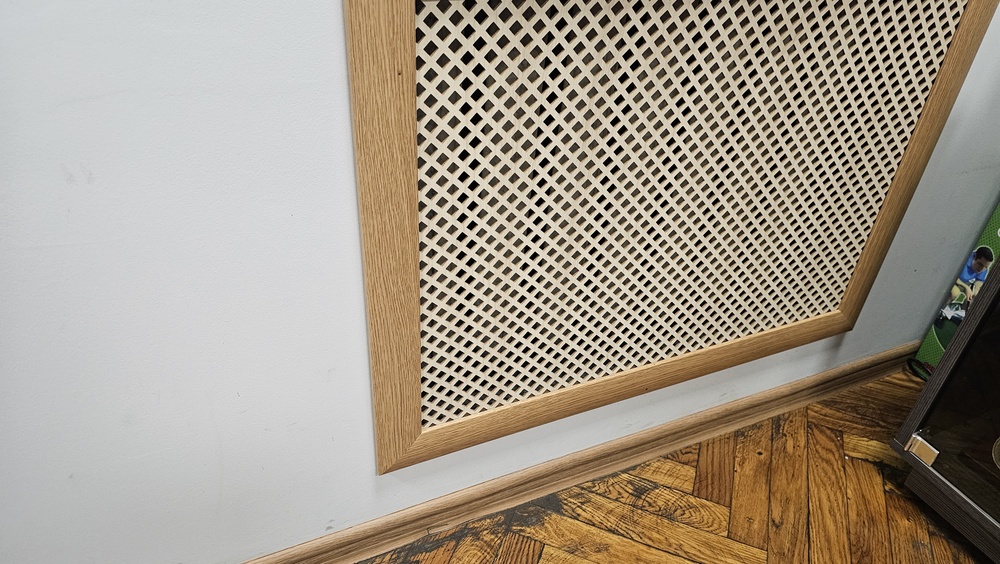
Sofas, dressers, and curtains often cover heating vents. Warm air then circulates poorly. Rooms feel colder, even though the furnace is running. Many homeowners respond by raising the thermostat. The system repeatedly cycles to maintain the set temperature. That wastes energy. Vents need open space to distribute heat evenly. Check floor and wall registers throughout the house. Move furniture a few inches if needed. Clear airflow improves comfort without higher settings. It is a simple fix that many overlook. In February, blocked vents quietly drive up energy use across the home.
Letting Drafts Go Unsealed
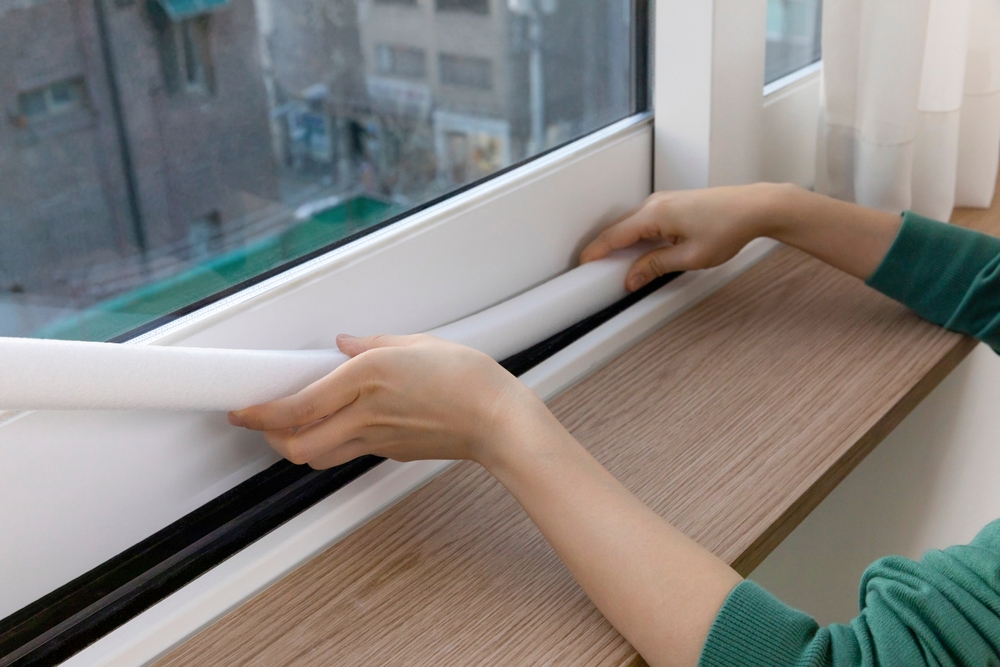
Cold air seeps through gaps around windows and doors. February winds make the problem worse. Even small cracks allow heat to escape steadily. The furnace compensates by running longer cycles. Weather stripping and caulking are affordable solutions. Temporary plastic window kits also reduce heat loss. Door sweeps block cold air at the bottom. Many homes also lose significant warmth through attics and basements. Sealing gaps can lower heating costs by noticeable margins. Drafts may seem minor, but over the course of weeks, they cause steady heat loss, pushing monthly bills higher.
Heating Unused Rooms Fully
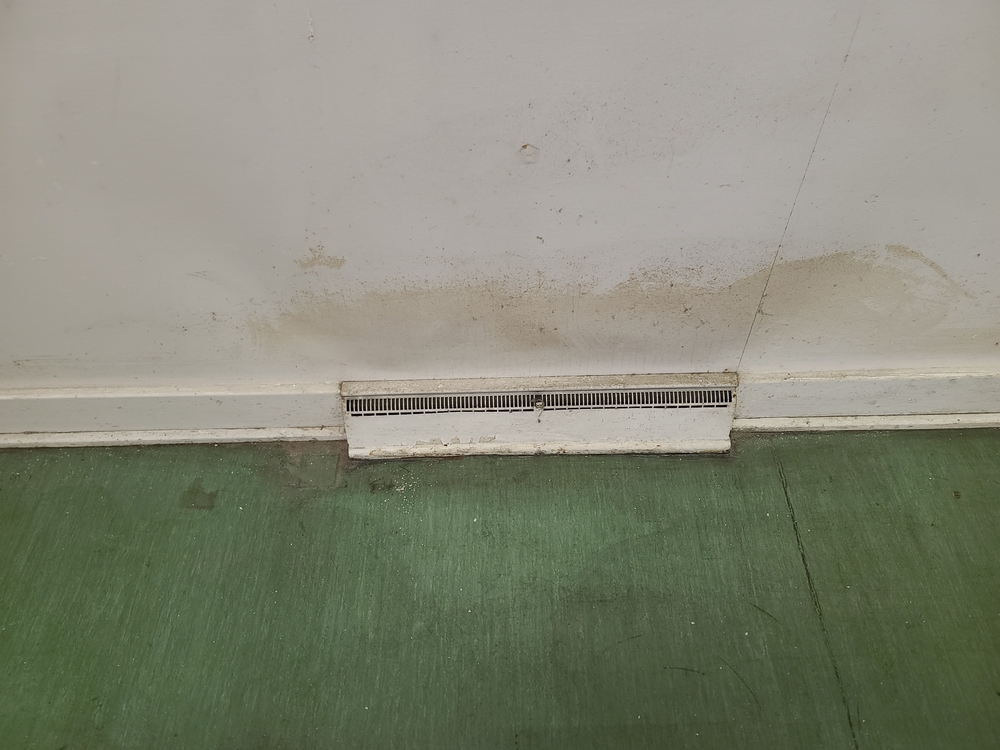
Spare bedrooms and storage spaces often stay empty in winter. Yet many homes heat every room equally. That means paying to warm a space no one uses. Closing doors can help contain heat where needed. Some systems allow partial vent adjustments. Zoned heating systems offer better control. Even without upgrades, mindful use of space matters. Keeping guest rooms slightly cooler reduces strain on the furnace. In February, consistent sub-zero temperatures make every heated square foot count. Directing warmth to active areas helps lower overall consumption without sacrificing comfort in daily living spaces.
Skipping Annual Furnace Maintenance
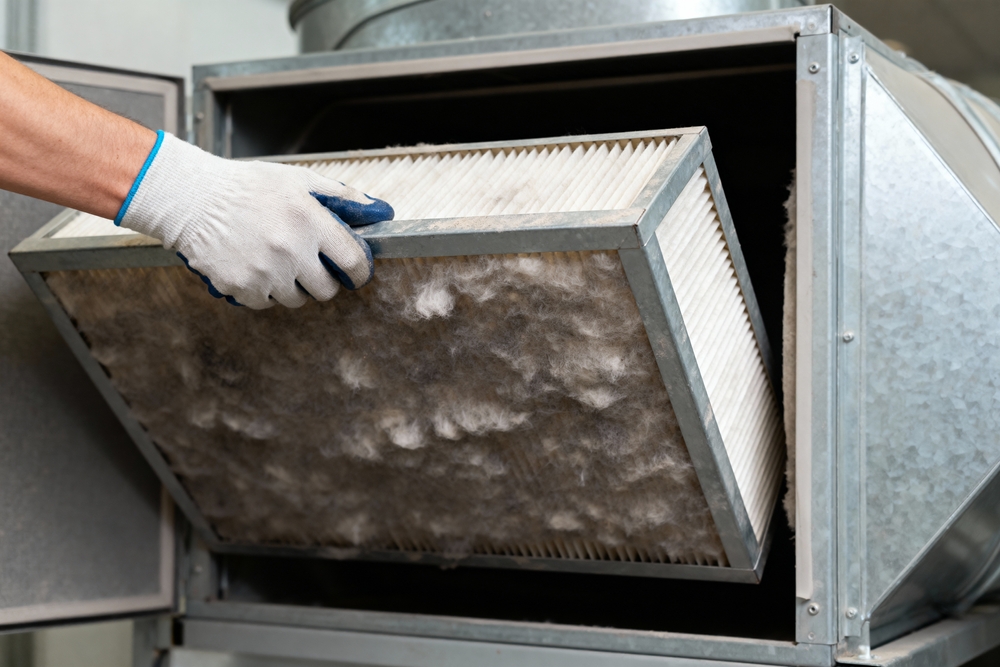
Many homeowners delay professional inspections. The furnace is still running, so it appears fine. Over time, efficiency drops. Dust builds up on burners and heat exchangers. Components wear unevenly. A neglected system uses more fuel to produce the same warmth. Annual maintenance keeps parts clean and calibrated. Technicians can spot small issues early. Repairs cost less before major failures occur. February breakdowns are expensive and stressful. Regular servicing keeps energy use steady and predictable. A well-maintained furnace performs better during the coldest stretch of winter and avoids surprise spikes in utility costs.
Relying Heavily on Space Heaters
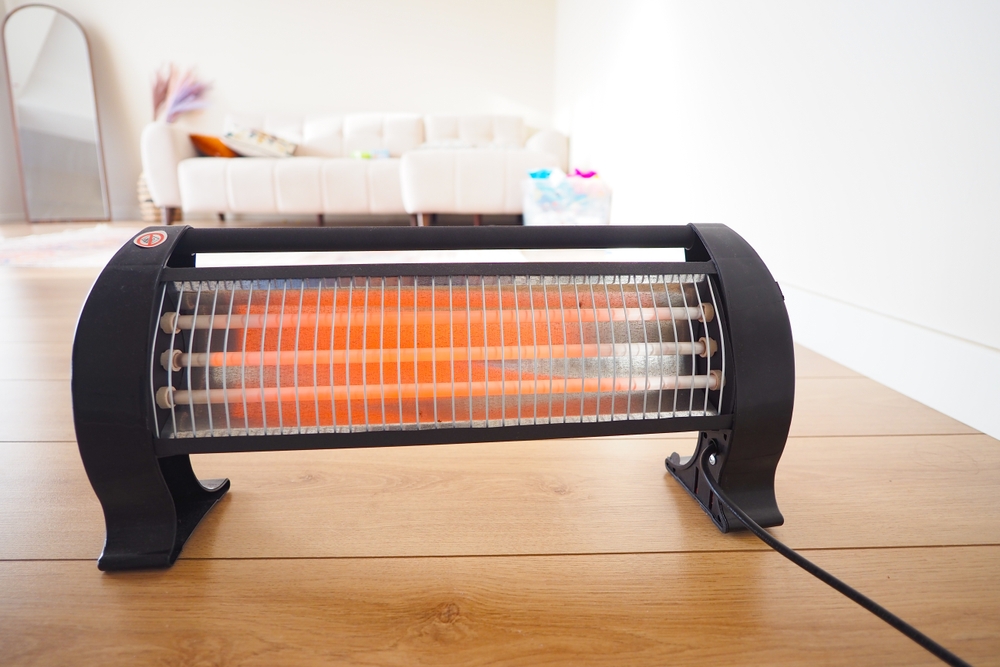
Portable space heaters seem practical for cold corners. They can quickly warm small areas. However, operating multiple units sharply increases electricity bills. Many draw 1,500 watts each. That adds noticeable daily costs. Space heaters also strain older wiring. They work best for short-term use. If a room consistently feels cold, insulation or ventilation balance may be the issue. Using space heaters as a primary solution becomes expensive. In February, extended usage compounds the problem. Addressing airflow issues or sealing gaps usually saves more money than installing additional heaters throughout the house.
Forgetting to Use Ceiling Fans
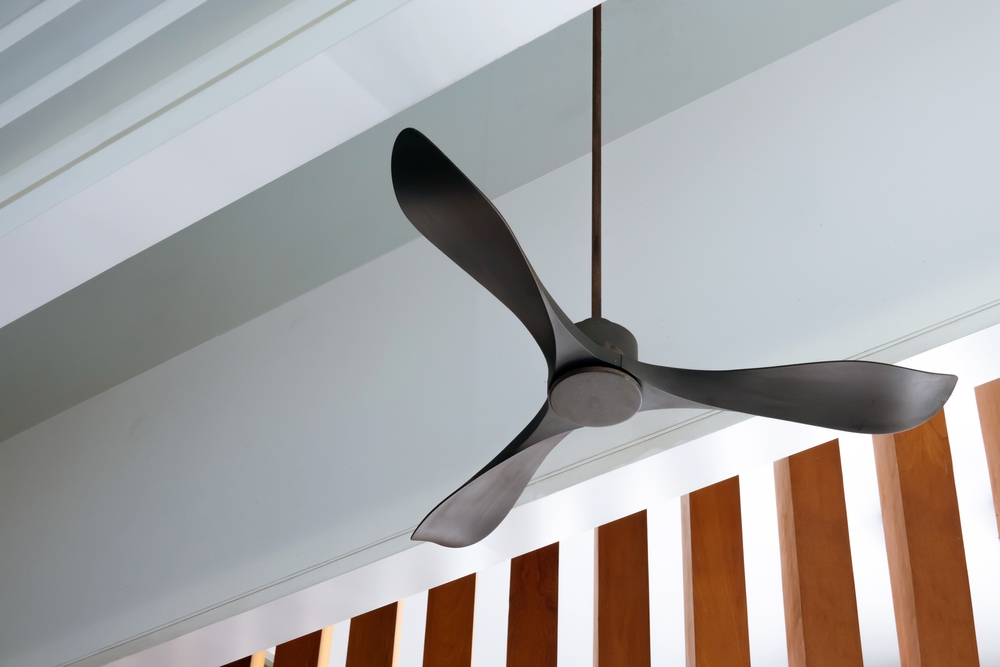
Ceiling fans are not just for summer. Warm air rises and gathers near ceilings. In winter, reversing the fan direction pushes heat downward. This simple adjustment improves circulation. The furnace does not need to run as long. Many people overlook this feature entirely. Fans use less electricity than heating systems. Running them on low speed helps distribute warmth evenly. February heating bills often reflect uneven air movement. Improving the use of existing airflow tools can help stabilize indoor temperatures. That keeps rooms comfortable without raising thermostat settings during the colder months.
Leaving Curtains Open at Night

Windows lose heat quickly after sunset. Glass provides limited insulation against freezing temperatures. Leaving curtains open allows warmth to escape. Thick curtains add an extra barrier. Closing them at night helps trap indoor heat. During sunny days, opening curtains can let natural warmth in. Timing matters. February nights are long and cold across much of Canada. Small habits around window coverings influence energy use. Simple routines can reduce overnight heat loss. Adjusting curtains costs nothing but attention. Over a month, that steady reduction in loss shows up clearly on utility statements.
Using Outdated Thermostats
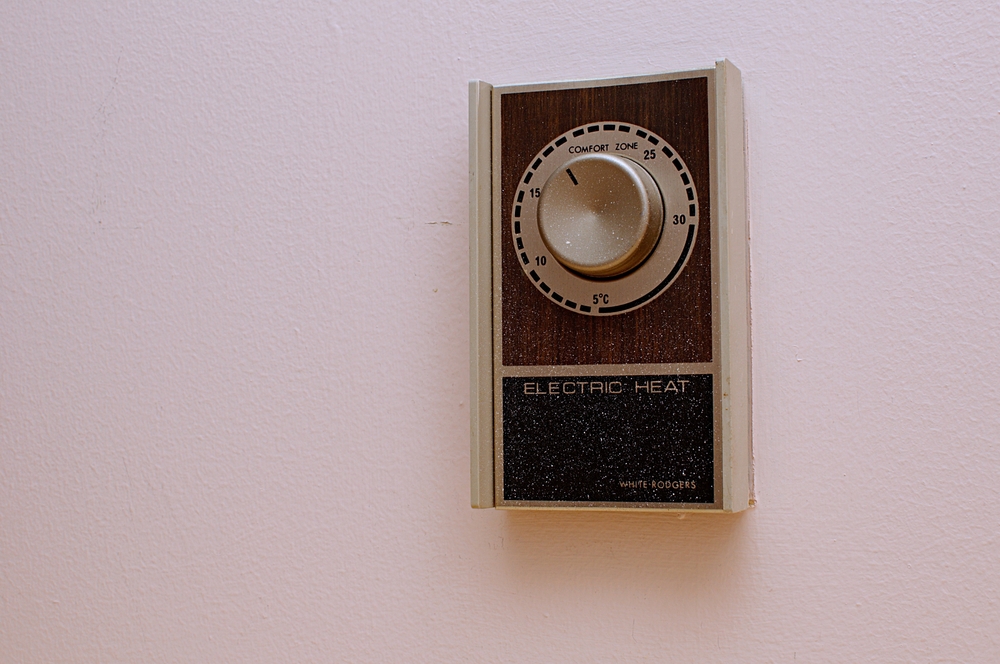
Older manual thermostats lack precise controls. Temperature swings become common. The furnace cycles more often than necessary. Modern programmable or smart thermostats regulate heating better. They allow automatic setbacks during sleep or work hours. Even a few degrees difference saves measurable energy. Some utility companies offer rebates for upgrades. February heating demand is high, so small inefficiencies become expensive. Upgrading the control system can improve comfort and cut waste. Accurate temperature management prevents unnecessary runtime. Better scheduling also reduces daily heating peaks that drive up monthly electricity or gas charges.
Ignoring Attic Insulation Levels
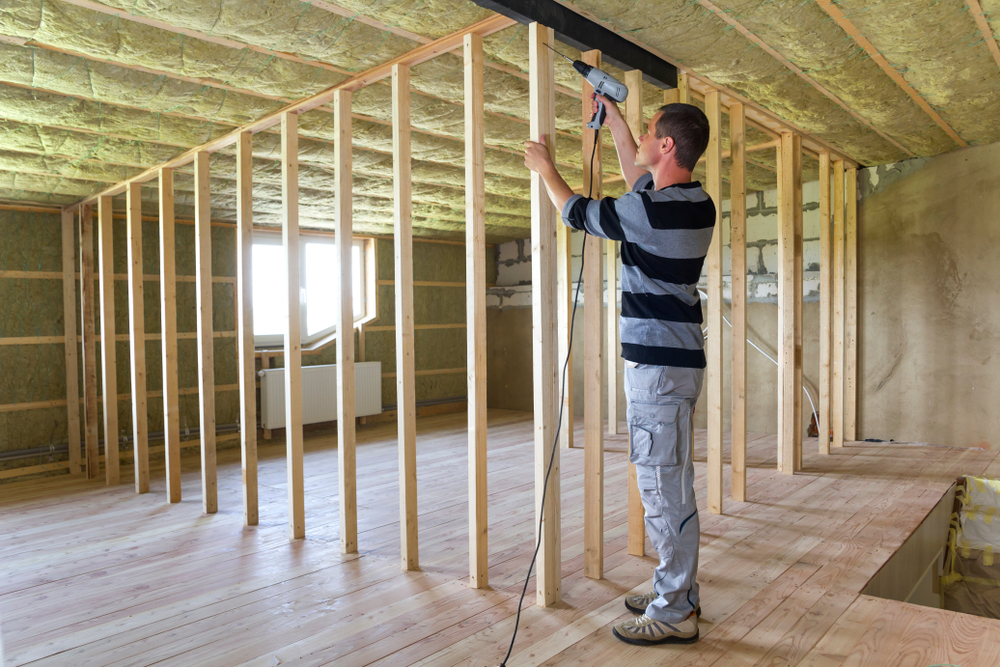
Heat naturally rises toward the roof. Without proper attic insulation, warmth escapes steadily. Many older Canadian homes lack adequate coverage. Upgrading insulation can significantly reduce heat loss. Insulation levels are measured in R values. Higher ratings provide better cold resistance. February weather exposes weak insulation quickly. Ice dams on roofs sometimes signal heat escaping upward. Adding insulation lowers long-term energy use. It also improves indoor comfort. Although upgrades require an upfront cost, savings accrue over the winters. Proper attic coverage keeps heated air inside where it belongs.
Running Bathroom and Kitchen Fans Too Long
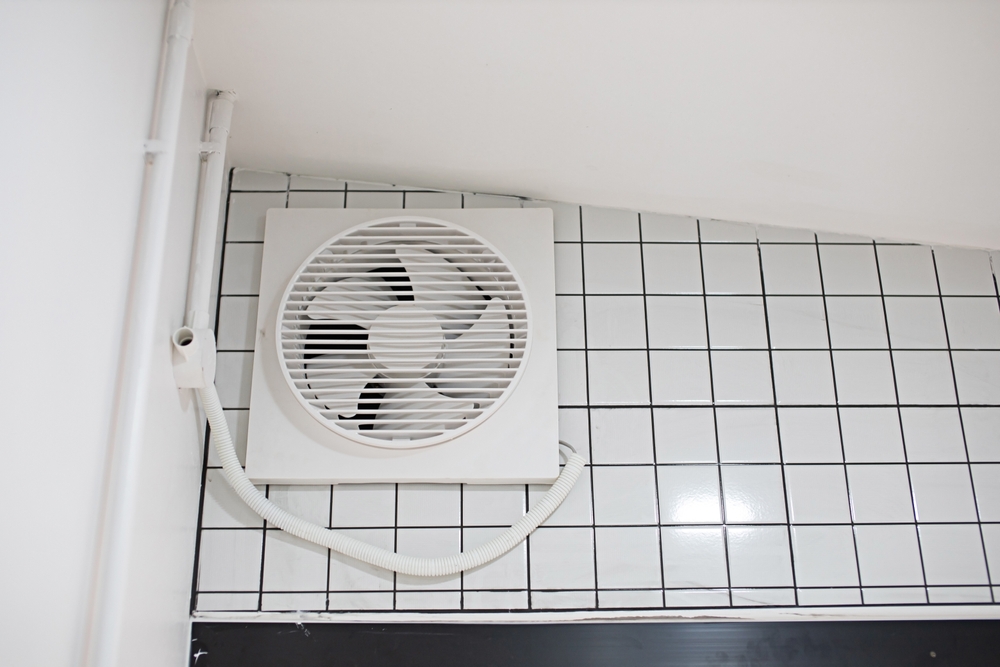
Exhaust fans remove moisture and odors. They also expel warm air. Leaving them on longer than necessary increases heat loss. In winter, that loss becomes costly. Fans should run only as long as needed. Timers help manage usage. Kitchens and bathrooms cool quickly when fans operate continuously. The furnace must compensate. In February, dry, cold air makes fresh intake lower indoor temperatures quickly. Balanced ventilation matters. Using exhaust systems wisely prevents steady heat escape. Small changes in daily habits reduce strain on the heating system throughout the coldest month.
Setting Back Temperatures Too Drastically
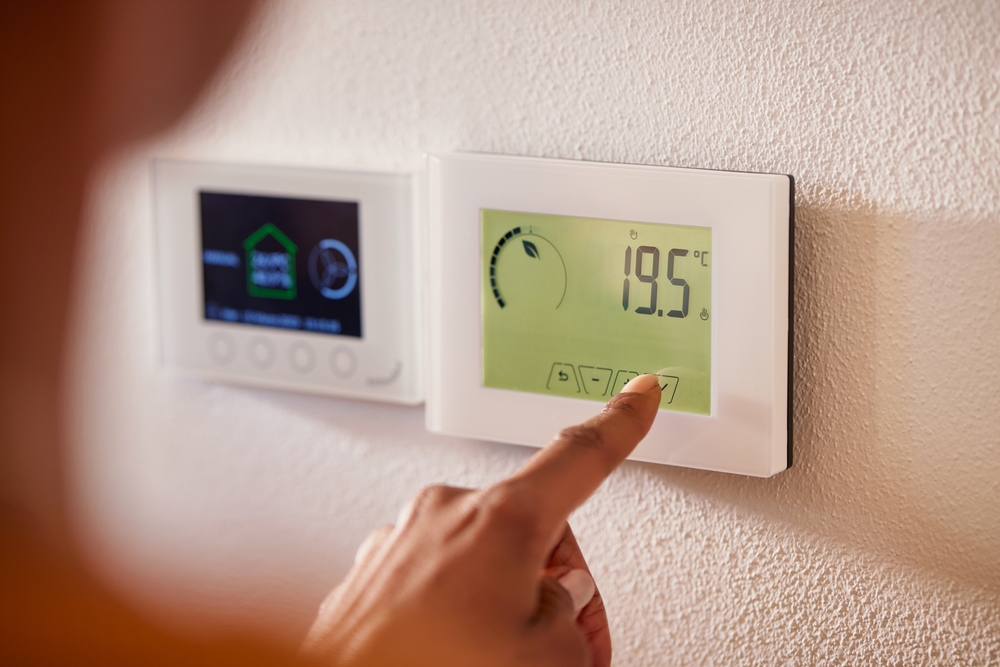
Lowering the thermostat while away saves money. Dropping it too far can backfire. The furnace must work harder to restore warmth. Large temperature swings increase runtime. A moderate setback works better. Many experts suggest reducing by a few degrees only. Smart thermostats automate gradual changes. February mornings can be extremely cold. Rapid reheating during peak hours raises consumption. Balanced adjustments keep savings consistent. The goal is steady efficiency, not dramatic shifts. Thoughtful temperature management prevents spikes that appear when the system struggles to recover from deep overnight drops.
Overlooking Humidity Levels
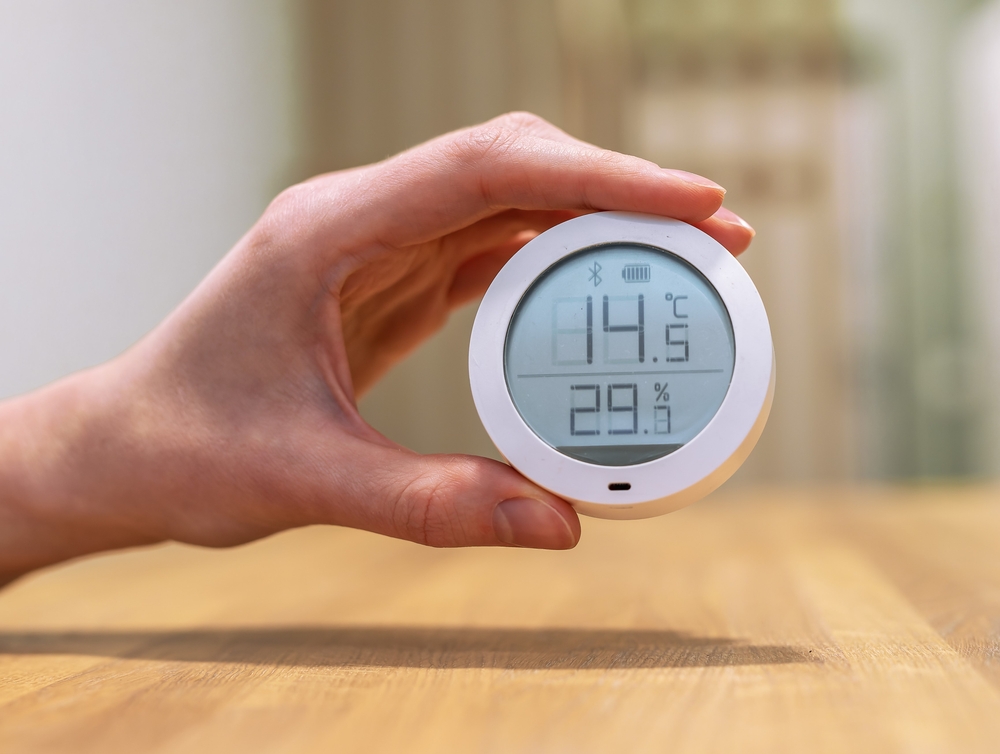
Dry winter air feels colder than humid air. Many households compensate by raising the thermostat. Proper humidity improves comfort at lower temperatures. Whole-home humidifiers can help maintain balance. Ideal indoor humidity typically ranges from 30 to 40 percent in winter. Excess dryness affects skin and breathing. It also makes rooms feel cooler than they are. Managing moisture allows lower thermostat settings without discomfort. The February air across Canada is often very dry. Addressing humidity can reduce the need to increase heating and help keep energy costs steady throughout the month.
This Options Discord Chat is The Real Deal
While the internet is scoured with trading chat rooms, many of which even charge upwards of thousands of dollars to join, this smaller options trading discord chatroom is the real deal and actually providing valuable trade setups, education, and community without the noise and spam of the larger more expensive rooms. With a incredibly low-cost monthly fee, Options Trading Club (click here to see their reviews) requires an application to join ensuring that every member is dedicated and serious about taking their trading to the next level. If you are looking for a change in your trading strategies, then click here to apply for a membership.