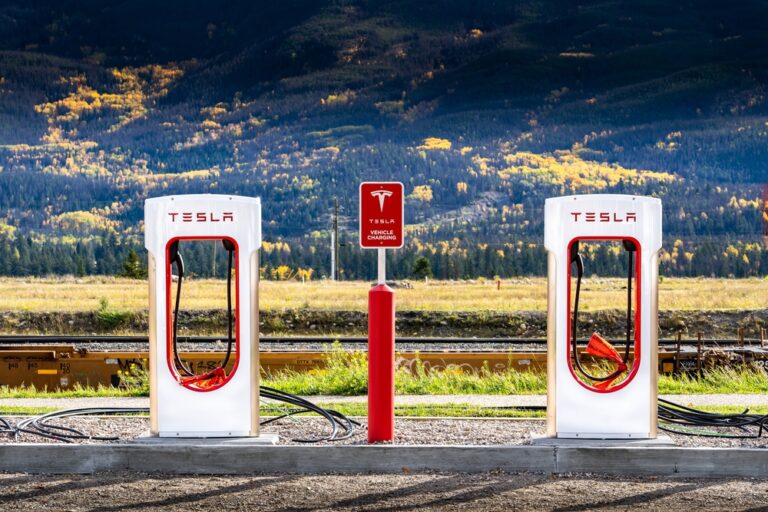
35,000+ smart investors are already getting financial news, market signals, and macro shifts in the economy that could impact their money next with our FREE weekly newsletter. Get ahead of what the crowd finds out too late. Click Here to Subscribe for FREE.
Electric vehicles are becoming more common on Canadian roads, but winter affects purchase decisions in significant ways. Cold temperatures affect batteries, charging times, and daily driving habits. Many buyers focus on rebates and fuel savings while skipping practical questions that matter once the snow arrives. Winter exposes weaknesses faster than any brochure or showroom test drive. From home charging limits to range drops and heating costs, the details add up quickly. Asking the right questions before signing can prevent frustration, extra costs, and buyer’s regret later. Here are 15 questions Canadians should ask before buying an EV this winter.
How Much Range Will I Lose in Winter Driving?
15 Questions Canadians Should Ask Before Buying an EV This Winter
- How Much Range Will I Lose in Winter Driving?
- Can I Charge at Home During Extreme Cold?
- How Long Does Charging Take in Cold Weather?
- How Well Does the EV Heat the Cabin?
- What Happens If I Park Outside Overnight?
- How Does Winter Affect Battery Longevity?
- Are Winter Tires Mandatory for This EV?
- How Does Regenerative Braking Work on Ice and Snow?
- What Public Charging Options Exist Near Me in Winter?
- How Does Cold Weather Affect Driving Performance?
- Can I Precondition the Battery Before Driving?
- How Accurate Is the Winter Range Display?
- What Happens During a Power Outage?
- Are Winter Maintenance Costs Different?
- Does This EV Suit My Winter Driving Patterns?
- 22 Groceries to Grab Now—Before another Price Shock Hits Canada
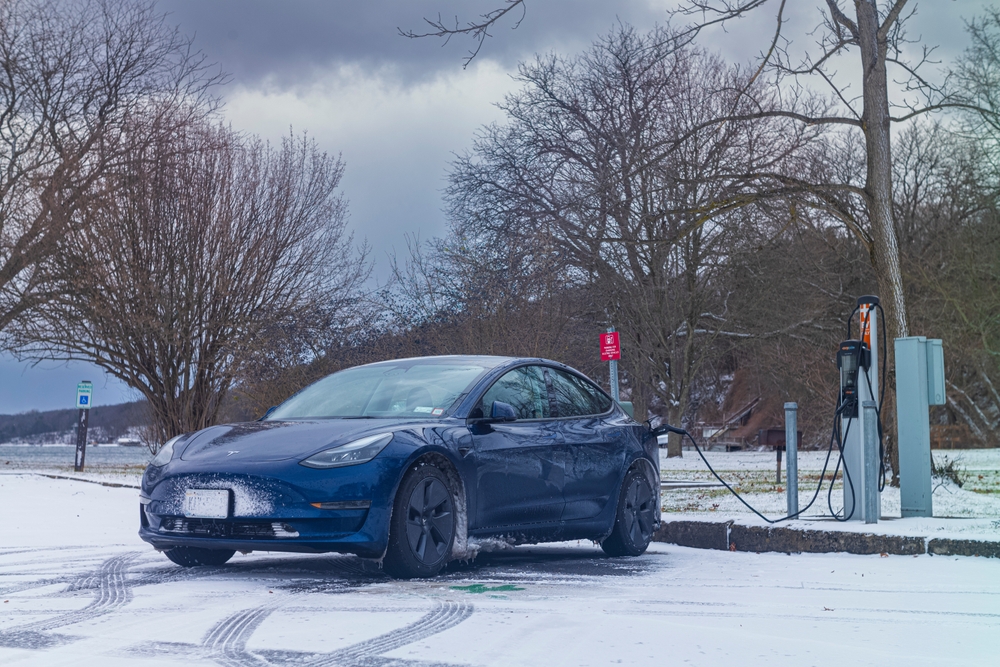
Cold weather reduces EV range more than many buyers expect. Battery chemistry degrades at low temperatures, reducing available energy. Heating the cabin pulls power directly from the battery, unlike gas vehicles. Short trips in winter can be worse than long highway drives. Snow, slush, and winter tires also increase rolling resistance. Some drivers see range drops between twenty and forty percent. Real-world winter range matters more than advertised numbers. Consider Canadian winter testing, not mild-climate estimates. Ask how the range changes during cold starts and highway speeds. This helps plan commutes, errands, and charging stops without surprises.
Can I Charge at Home During Extreme Cold?
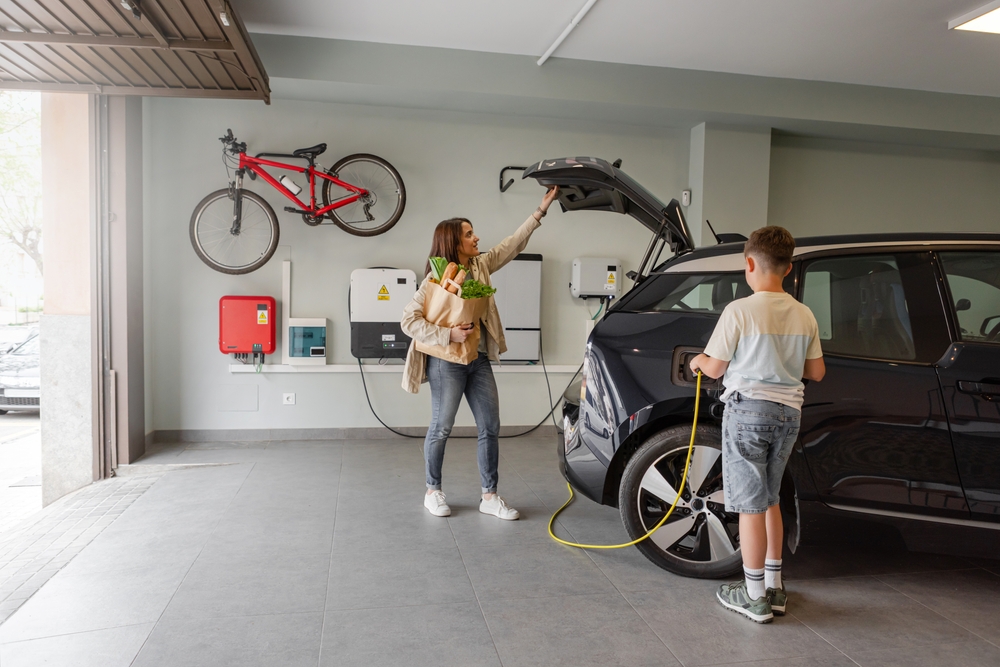
Home charging becomes more important during the winter months. Public chargers may be slower or occupied during cold snaps. Ask if your electrical panel can support a Level 2 charger. Older homes may need costly upgrades. Outdoor chargers must be able to withstand freezing temperatures safely. Some cords stiffen and become harder to manage. Charging speed can slow if the battery is very cold. Ask whether the vehicle charges the battery while plugged in. This improves charging efficiency. Reliable overnight charging reduces daily stress and avoids mid-winter charging lineups. Home charging readiness often determines winter EV satisfaction.
How Long Does Charging Take in Cold Weather?
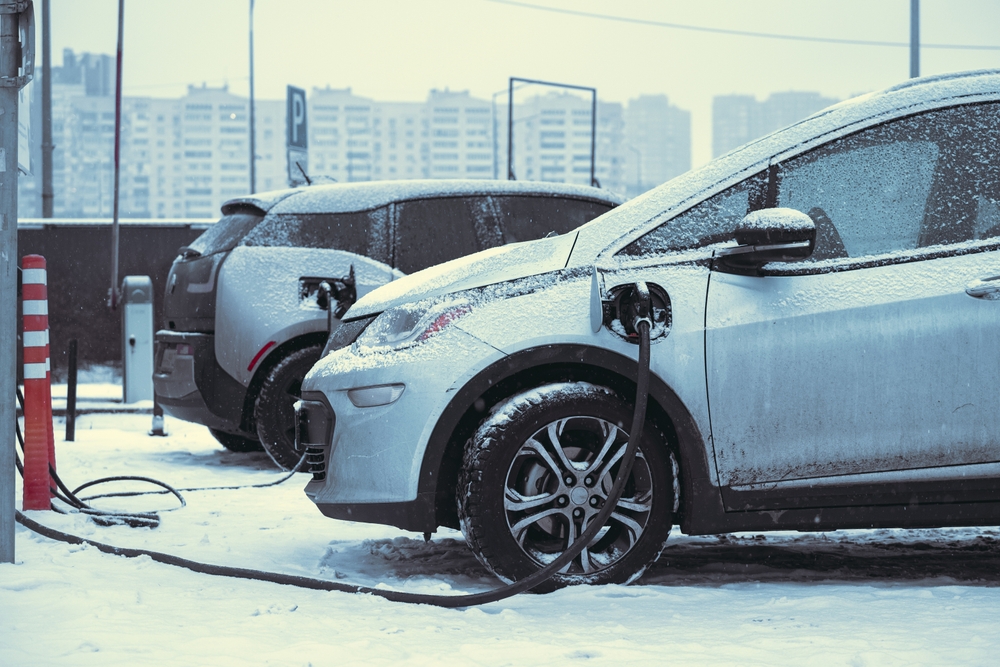
Charging times increase when batteries are cold. Fast chargers may deliver less power until the battery warms. Short charging stops can feel longer during winter trips. Ask how the vehicle manages battery heating during charging sessions. Some models warm the battery automatically. Others require manual settings or longer drives beforehand. Charging curves matter more than peak charging speeds. A fast charger rating means little if winter conditions slow delivery. Ask for winter charging examples, not summer demonstrations. Understanding realistic charging times helps plan road trips and daily use during colder months without frustration.
How Well Does the EV Heat the Cabin?
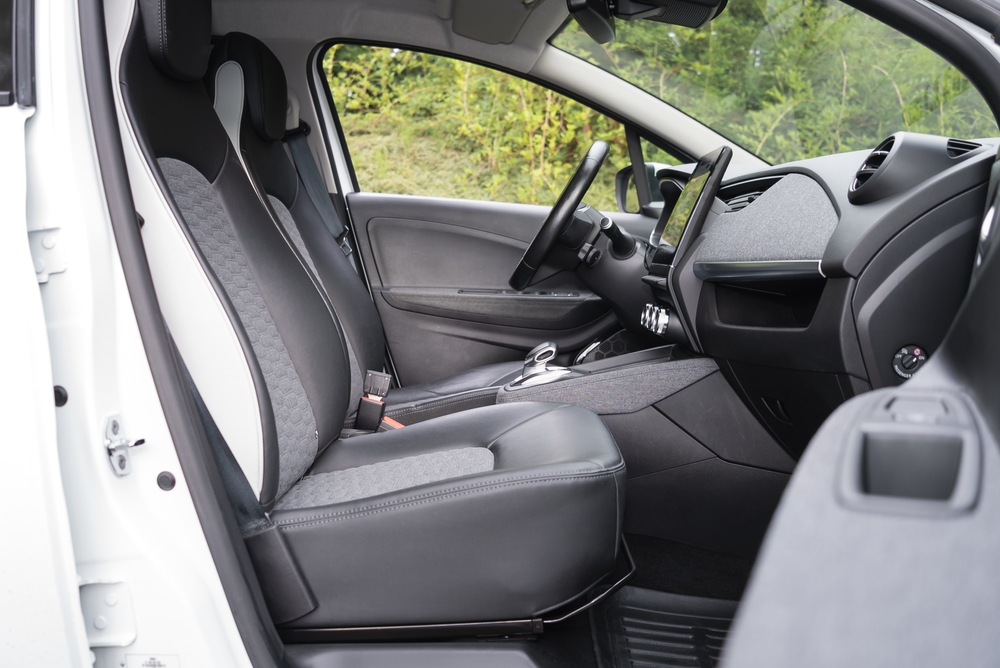
Cabin heating affects comfort and range. Some EVs use resistive heaters, which draw more power. Others use heat pumps, which work better in moderate cold. Heat pumps lose efficiency in extreme temperatures. Ask how the system performs below minus fifteen degrees. Heated seats and steering wheels use less energy than cabin air heating. Ask if these features are standard or optional. Good cabin heating matters during short trips when batteries stay cold. Comfort issues often appear in winter first. Knowing the heating limits helps avoid disappointment during long, cold commutes.
What Happens If I Park Outside Overnight?
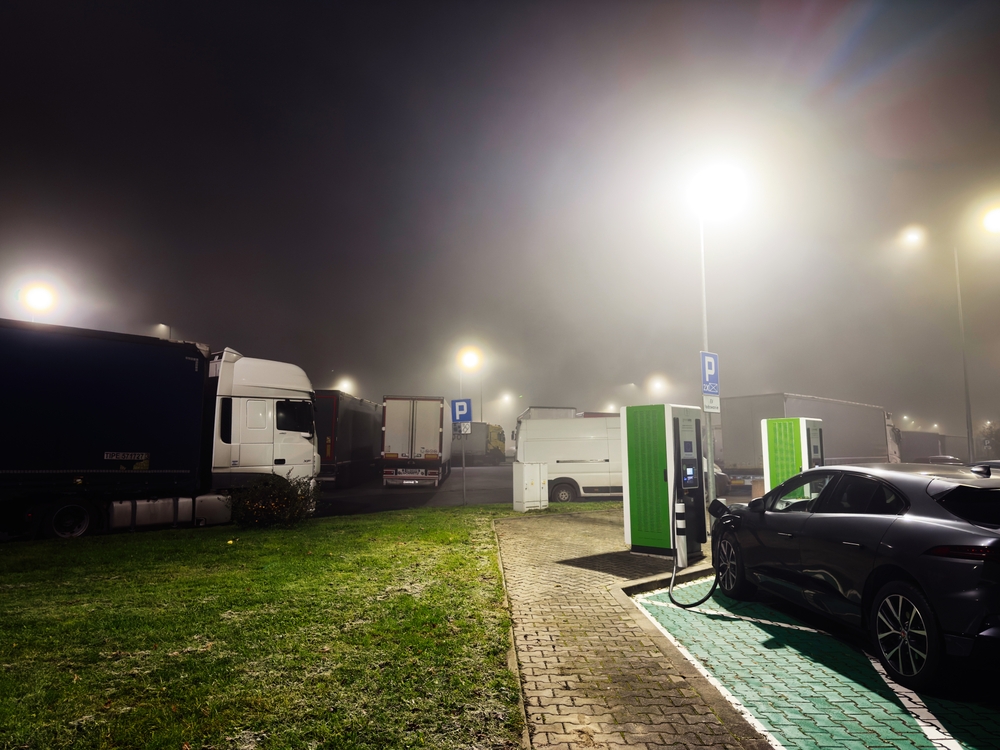
Parking outdoors exposes the battery to sustained cold. Cold-soaked batteries deliver less power at startup. Ask how long it takes for normal performance to return. Some EVs limit acceleration until the battery warms. Ask whether the vehicle allows scheduled preconditioning while parked. This feature can warm the battery and cabin using grid power. Without it, range loss may be worse each morning. Outdoor parking is common in many Canadian cities. Understanding the effects of overnight cold helps plan daily driving and charging habits realistically.
How Does Winter Affect Battery Longevity?
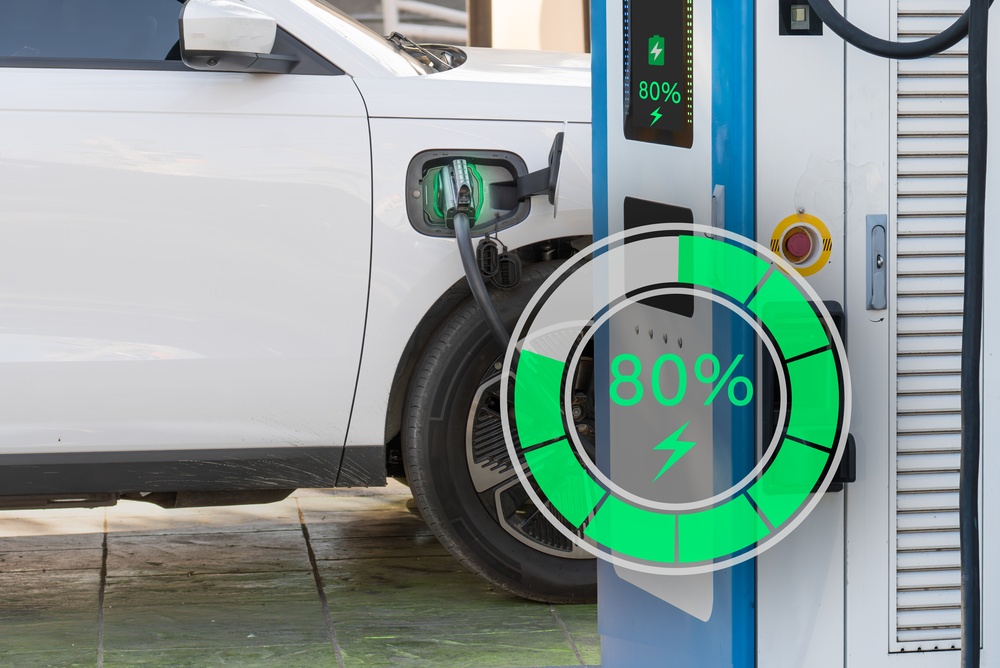
Cold weather impacts battery aging differently from heat. While extreme heat accelerates degradation, repeated cold fast charging can add stress. Ask how winter charging habits affect long-term battery health. Frequent fast charging during cold months may increase wear. Ask about thermal management systems and warranties. Understand what battery degradation is considered normal. A long warranty helps, but does not eliminate inconvenience. Battery health affects resale value and long-term costs. Knowing how winter use fits into battery design gives a clearer picture of ownership beyond the first few years.
Are Winter Tires Mandatory for This EV?
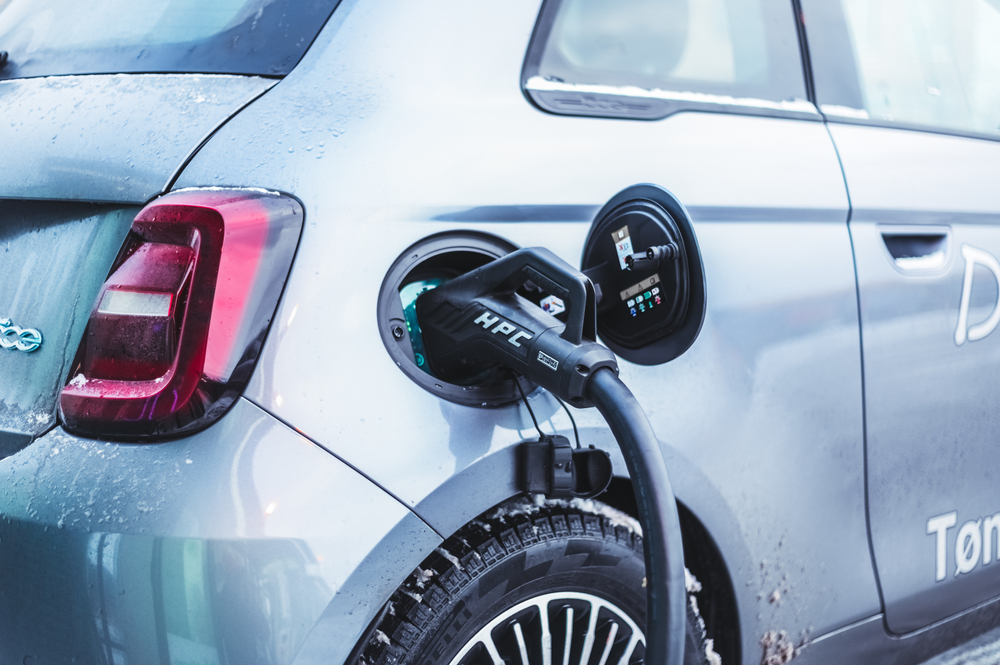
Winter tires are strongly recommended for EVs due to their weight and torque characteristics. EVs are heavier than gas-powered vehicles due to their batteries. Extra weight improves traction but increases stopping distance without proper tires. Ask about approved winter tire sizes. Some EVs require specific tire ratings for efficiency and safety systems. Ask how winter tires affect range. Expect a small reduction. Regenerative braking may behave differently on slippery roads. Knowing tire requirements helps budget accurately and plan seasonal maintenance without surprises when winter arrives.
How Does Regenerative Braking Work on Ice and Snow?
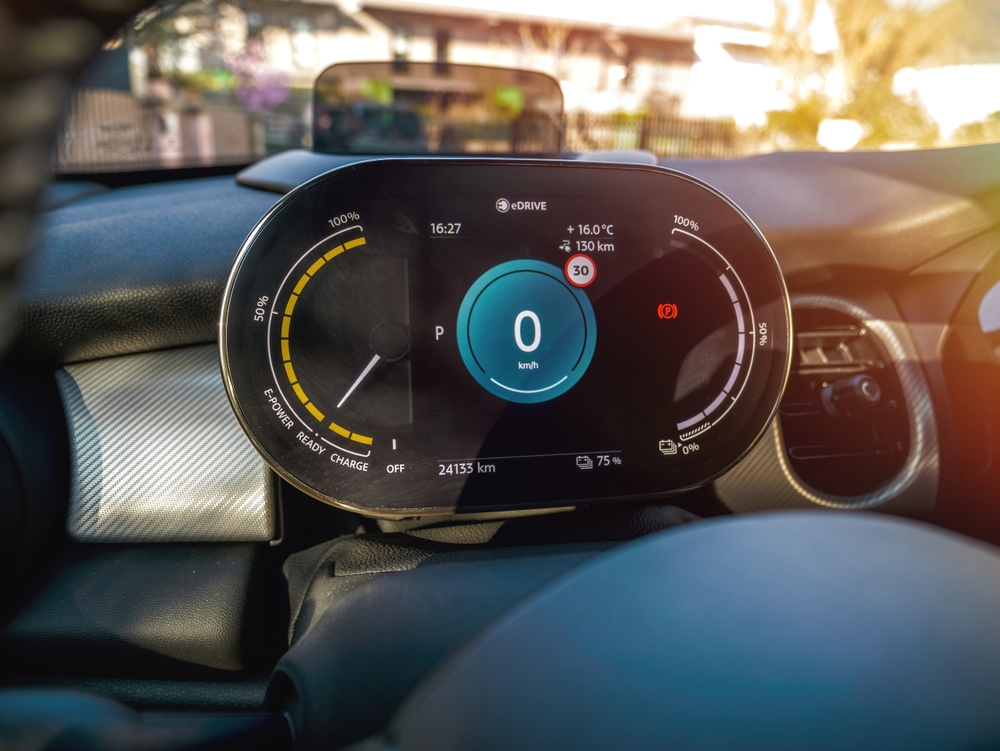
Regenerative braking behaves differently on slippery surfaces. Sudden regen can cause wheel slip if not managed well. Ask whether the system automatically reduces regeneration in winter conditions. Some EVs allow adjustable regen levels. Others rely on software to intervene. Winter driving feels different when lifting off the accelerator slows the car aggressively. Predictability matters more than efficiency on ice. Ask for winter driving demonstrations or owner feedback. Understanding regenerative braking behavior improves confidence and safety on snow-covered roads.
What Public Charging Options Exist Near Me in Winter?
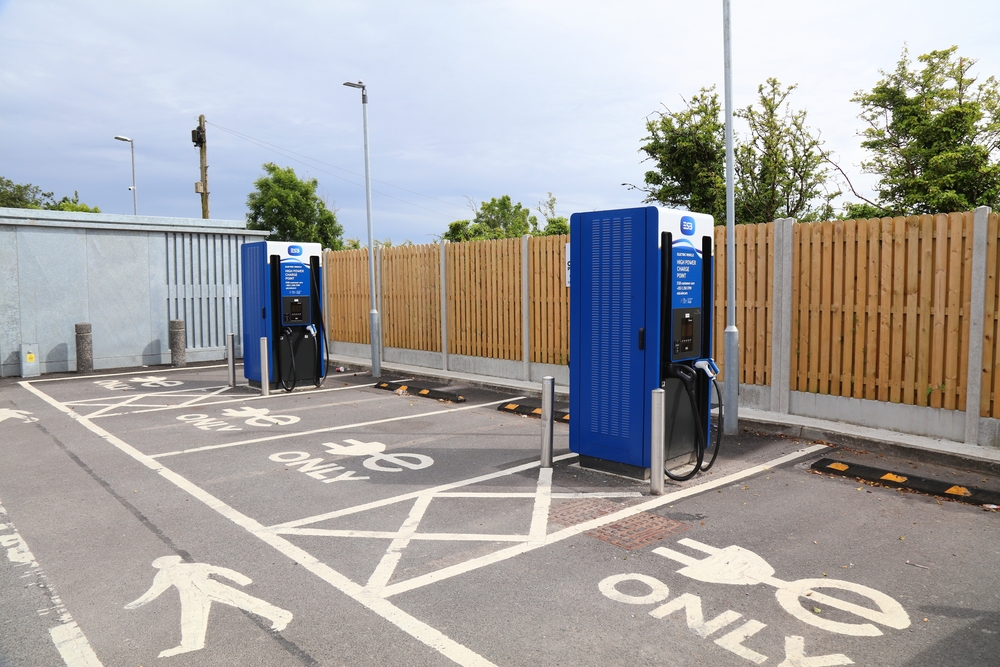
Charging availability matters more during winter. Cold weather increases demand at public chargers. Snow removal and maintenance affect charger access. Ask which networks operate reliably in your area. Some chargers go offline during extreme cold. Check whether stations are covered or exposed. Look for chargers near indoor parking or heated locations. Apps may not accurately reflect winter reliability. Local winter experiences matter more than national maps. Knowing realistic charging options helps prevent range anxiety during harsh weather.
How Does Cold Weather Affect Driving Performance?
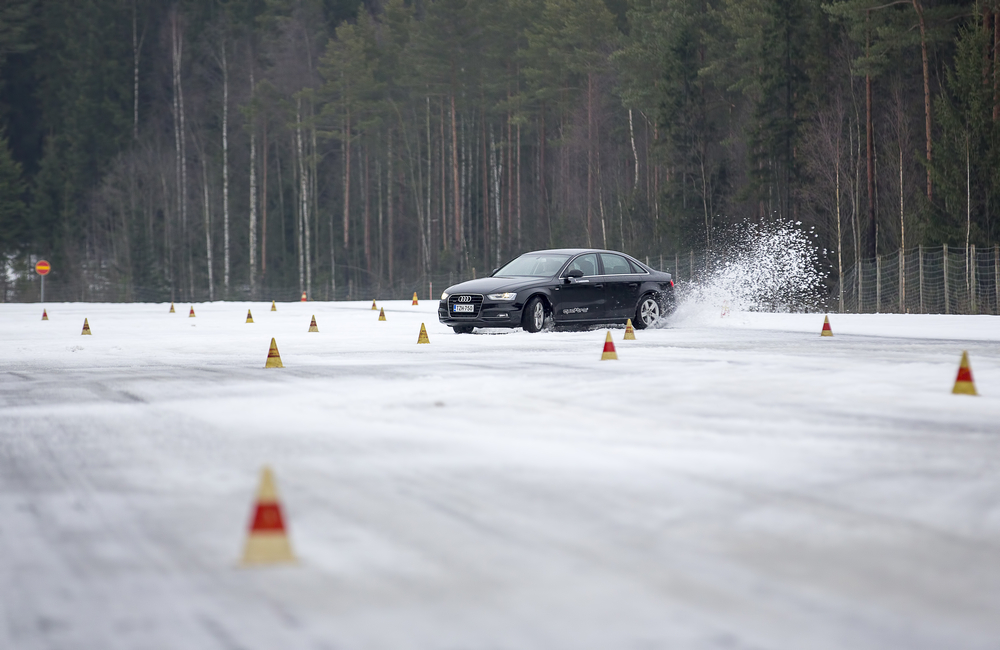
Cold batteries deliver power differently. Some EVs limit acceleration until warmed. Traction control works harder on snow-covered roads. Ask how the vehicle handles winter driving dynamics. Weight distribution improves stability but can increase stopping distances. All-wheel drive helps, but does not replace winter tires. Ask about torque delivery tuning in winter mode. Smooth power matters on icy roads. Understanding how performance changes affect driving habits helps set realistic expectations and promotes safer driving when temperatures drop.
Can I Precondition the Battery Before Driving?
Preconditioning helps warm the battery and cabin before driving. This improves range and comfort. Ask whether preconditioning works when the vehicle is unplugged or only while charging. Some systems require scheduling through an app. Others need manual activation. Ask how long preconditioning takes in extreme cold. Grid-powered warming saves battery energy. This feature is most important for early-morning drives. Without it, range and performance may suffer until the vehicle warms naturally. Preconditioning convenience strongly affects winter ownership experience.
How Accurate Is the Winter Range Display?
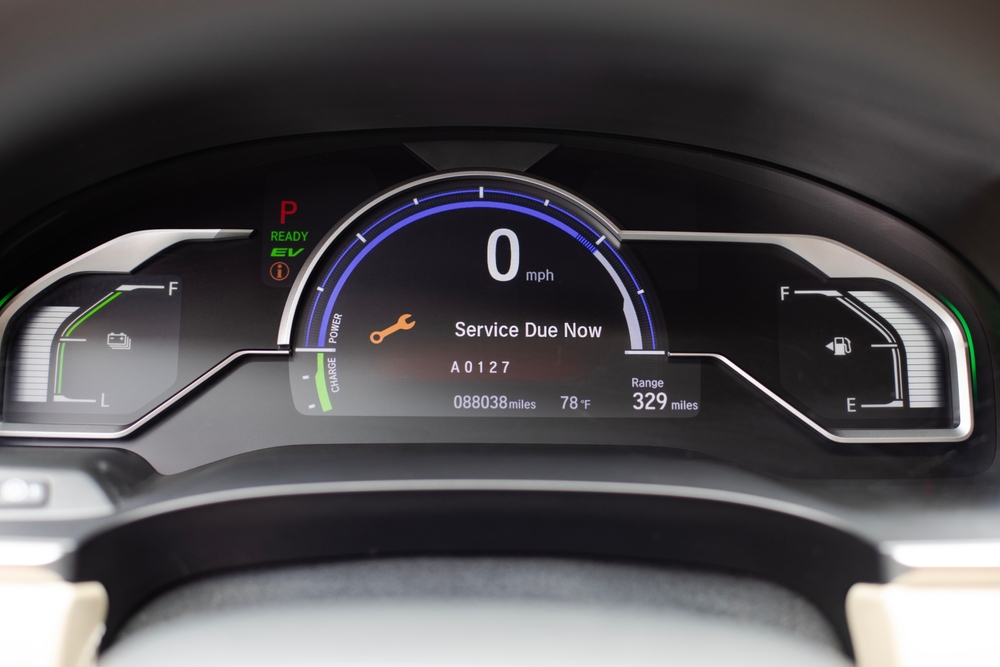
Range estimates fluctuate more in winter. Cold starts can show alarming drops. Ask how the vehicle calculates remaining range. Some systems adjust quickly based on driving behavior. Others lag behind real conditions. Ask whether winter efficiency history influences predictions. Sudden changes confuse new owners. Understanding range display behavior reduces anxiety. Determine whether the estimate improves over the next few winter weeks. Predictable range information helps plan trips with confidence, even when temperatures fluctuate daily.
What Happens During a Power Outage?
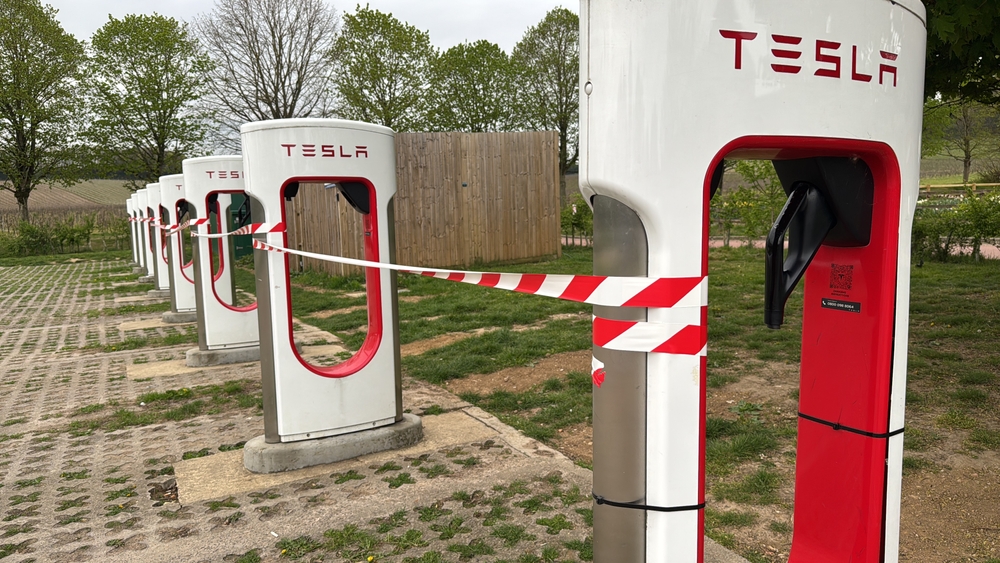
Winter storms increase power outage risk. Home charging may stop unexpectedly. Ask how the EV behaves with a very low battery during outages. Some owners rely on public chargers during storms. Ask about nearby backup charging options. Consider whether the EV can power small devices in emergencies. Some models offer vehicle-to-load features. Others do not. Understanding outage scenarios helps plan winter resilience without assuming uninterrupted electricity access.
Are Winter Maintenance Costs Different?
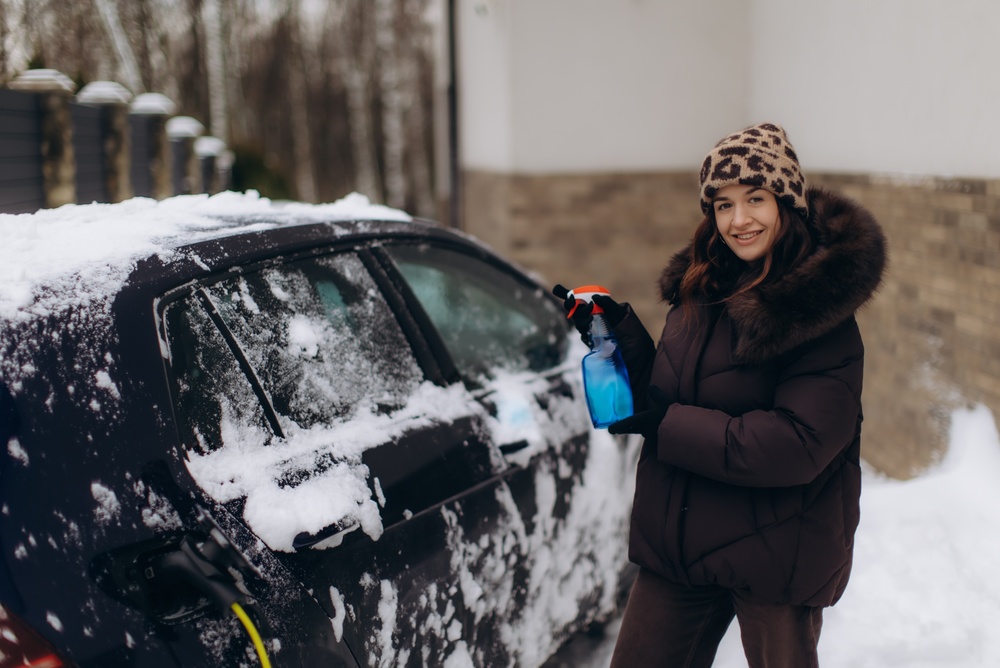
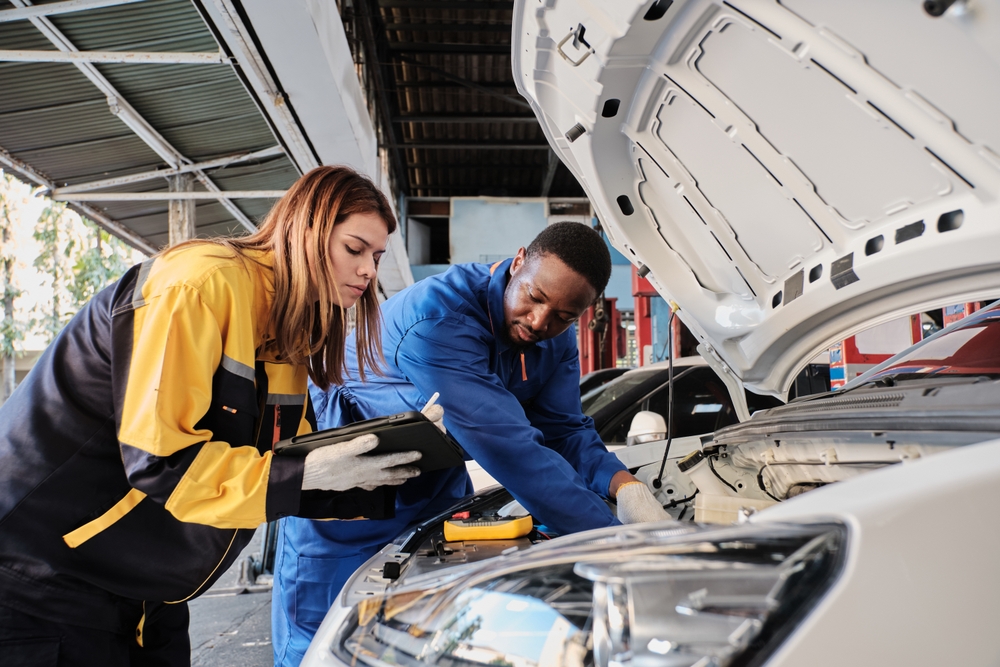
EVs still need winter maintenance. Brake systems may behave differently due to regenerative braking. Ask about brake servicing intervals. Salt and slush affect suspension and underbody components. Ask whether battery cooling systems require winter checks. Software updates may address winter performance issues. Understand seasonal inspection needs. While EVs have fewer fluids, winter still brings wear points. Knowing realistic maintenance expectations avoids assuming zero winter costs.
Does This EV Suit My Winter Driving Patterns?
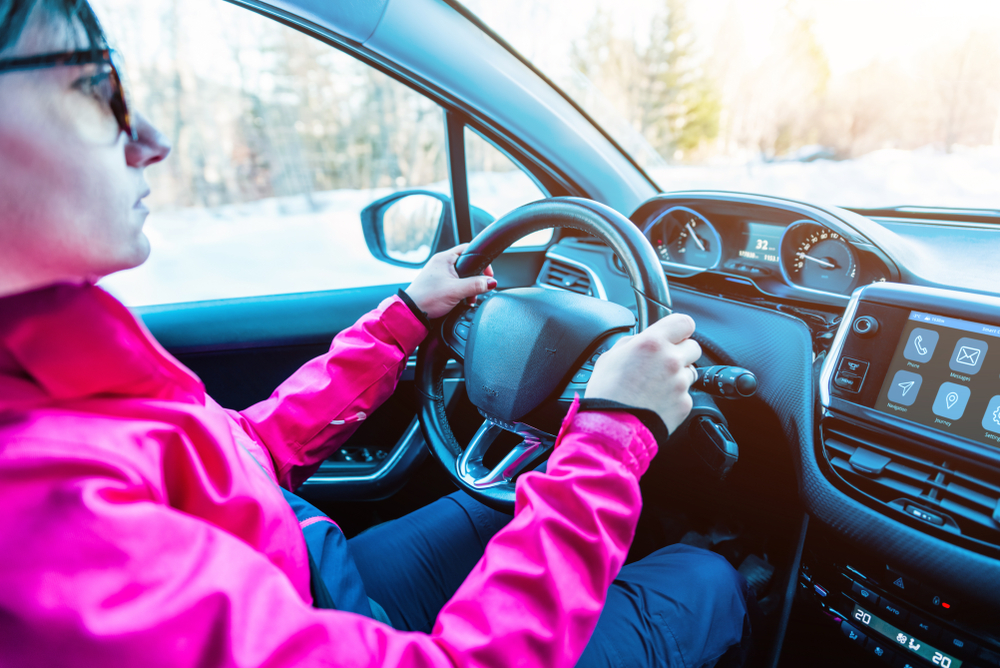
Personal driving habits matter more in winter. Short trips cause repeated cold starts. Long highway drives drain batteries faster in cold weather. Ask whether the EV fits your routine, not average usage. Urban drivers may manage easily with home charging. Rural drivers face longer distances and fewer chargers. Consider daily mileage, parking conditions, and travel frequency. Winter exposes mismatches quickly. Honest self-assessment helps choose the right vehicle, not just the popular one.
22 Groceries to Grab Now—Before another Price Shock Hits Canada

Food prices in Canada have been steadily climbing, and another spike could make your grocery bill feel like a mortgage payment. According to Statistics Canada, food inflation remains about 3.7% higher than last year, with essentials like bread, dairy, and fresh produce leading the surge. Some items are expected to rise even further due to transportation costs, droughts, and import tariffs. Here are 22 groceries to grab now before another price shock hits Canada.
22 Groceries to Grab Now—Before another Price Shock Hits Canada
This Options Discord Chat is The Real Deal
While the internet is scoured with trading chat rooms, many of which even charge upwards of thousands of dollars to join, this smaller options trading discord chatroom is the real deal and actually providing valuable trade setups, education, and community without the noise and spam of the larger more expensive rooms. With a incredibly low-cost monthly fee, Options Trading Club (click here to see their reviews) requires an application to join ensuring that every member is dedicated and serious about taking their trading to the next level. If you are looking for a change in your trading strategies, then click here to apply for a membership.