
35,000+ smart investors are already getting financial news, market signals, and macro shifts in the economy that could impact their money next with our FREE weekly newsletter. Get ahead of what the crowd finds out too late. Click Here to Subscribe for FREE.
Canadian car shoppers are noticing unfamiliar EV badges appearing on dealer websites and at auto shows. These brands are from China and are arriving faster than expected. Rising vehicle prices, tighter supply chains, and shifting trade routes are all part of the story. Automakers are seeking markets with strong demand and thin competition. Canada fits that description in 2026. Here is why Canadians are suddenly seeing more Chinese EV brands in 2026 (what it means for prices).
Canada Became a Price-Sensitive EV Market
Why Canadians Are Suddenly Seeing More Chinese EV Brands in 2026 (What It Means for Prices)
- Canada Became a Price-Sensitive EV Market
- Trade Routes Shifted Faster Than Expected
- Battery Costs Gave Chinese Brands an Edge
- Canadian Regulations Did Not Block Entry
- Dealership Models Are Changing
- Prices Are Forcing Comparisons Across Segments
- 22 Groceries to Grab Now—Before another Price Shock Hits Canada
Electric vehicles in Canada have become increasingly expensive. Interest rates remain elevated, and incentives have narrowed. Many middle-income buyers feel priced out of mainstream EV options. Chinese automakers see this gap clearly. They specialize in lower-cost production and simplified trims. That approach matches what cautious buyers want right now. Canada also has strong urban EV demand and expanding charging networks. Together, these factors create a market focused on value rather than prestige. Chinese brands are stepping in where established manufacturers pulled back. Their timing reflects financial pressure on households, not sudden curiosity about foreign badges or novelty alone.
Trade Routes Shifted Faster Than Expected
Global auto trade patterns changed after years of supply disruptions. Manufacturers no longer rely on single regions. Chinese EV companies already export heavily to Europe, Southeast Asia, and Latin America. Canada became a logical next step. It offers political stability, clear safety standards, and predictable regulations. Compared to the United States, Canada can be easier to enter initially. Some brands arrive through partnerships, others through distributors. None waits for full factory investments. This approach lowers risk and speeds entry. As shipping routes normalize, vehicles that once operated regionally now move globally. Canadian buyers are seeing the result on dealership lots.
Battery Costs Gave Chinese Brands an Edge
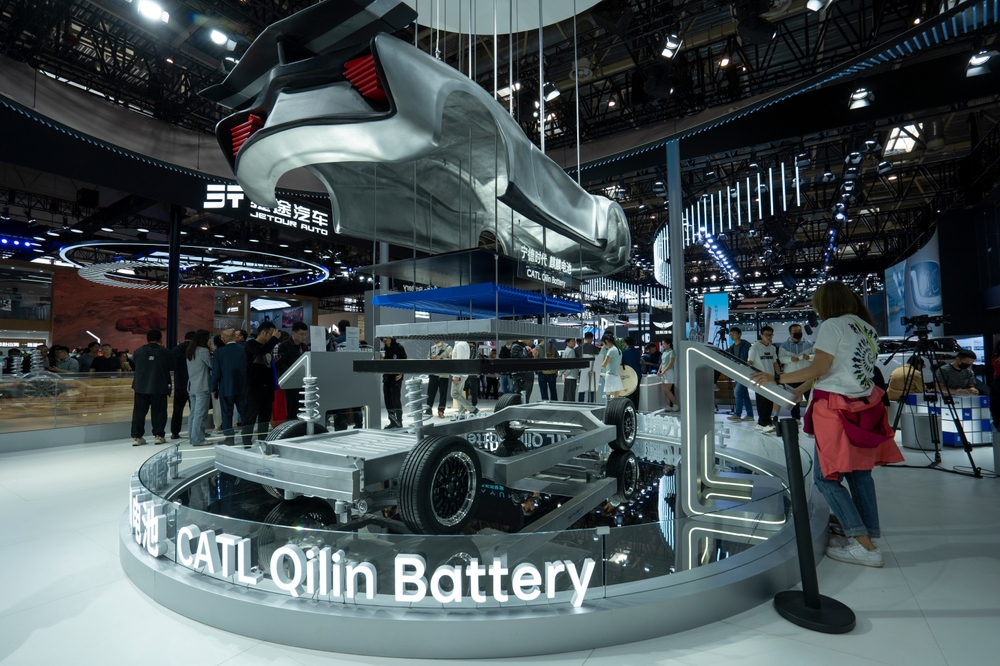
Battery prices shape EV affordability more than any other component. Chinese manufacturers control much of the global battery supply chain. They source materials, refine cells, and assemble packs domestically. This reduces costs at every step. Western automakers often rely on external suppliers, which adds markup. When prices rise, those costs are passed on to buyers. Chinese brands can hold prices steadier. In 2026, that advantage matters more than brand history. Buyers first compare the range and sticker price. Battery efficiency and production scale let Chinese EVs compete aggressively. The pricing difference is not accidental. It reflects years of vertical integration and scale.
Canadian Regulations Did Not Block Entry

Canada enforces safety and emissions regulations, but they are neither transparent nor consistent. Chinese automakers quickly adapted their vehicles to meet these standards. Many already comply with European regulations, which are similar. Homologation costs remain manageable compared to those in the United States. Canada also lacks aggressive domestic EV protection policies. There is support for local production, but no outright barriers. This openness attracts foreign brands. Regulators focus on consumer safety rather than brand origin. As long as requirements are met, vehicles can enter. Chinese EV companies prepared for this years ago. Their readiness explains why launches feel sudden, even though planning started earlier.
Dealership Models Are Changing
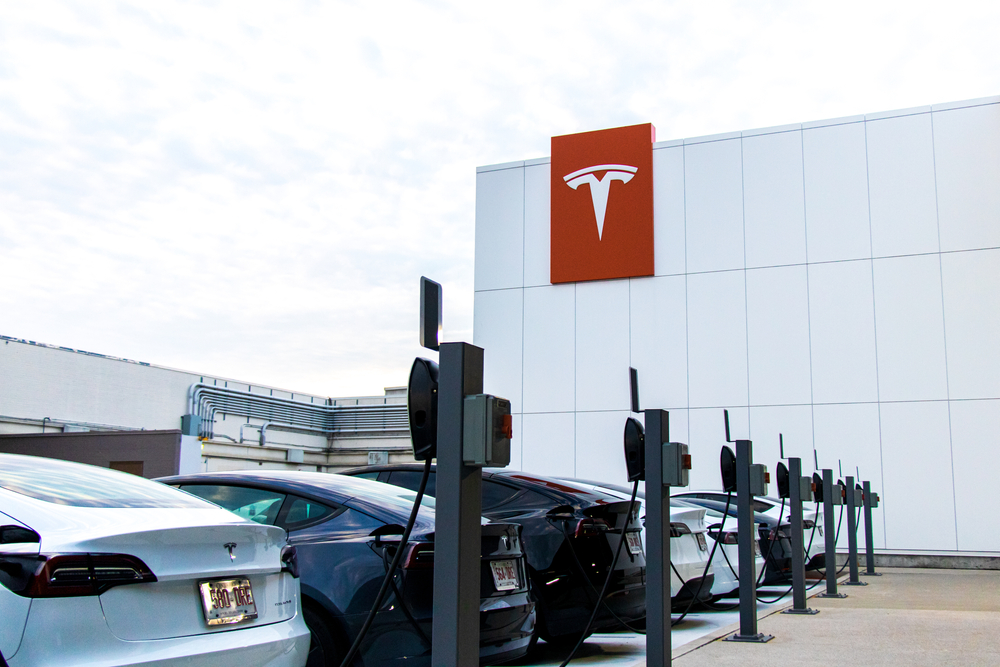
Traditional dealerships struggle with inventory costs and margin pressure. Some welcome new brands offering different sales models. Chinese EV companies often support direct-to-consumer or hybrid approaches. This reduces overhead and speeds rollout. Dealers get simpler lineups and faster turnover. Buyers see fewer upsells and shorter wait times. These brands often focus on a small number of models. That keeps training and servicing simpler. In a slow sales environment, dealers value predictability. Chinese EVs provide that. Their arrival reflects dealership economics as much as consumer demand. The retail side of the industry is adapting alongside manufacturers.
Prices Are Forcing Comparisons Across Segments

When a lower-priced EV offers strong range and features, comparisons shift quickly. Buyers stop comparing brand prestige and start comparing value. Chinese EVs often include advanced driver aids and large screens as standard. Established brands charge extra for similar features. This puts pressure on pricing across segments. Entry-level EVs face the biggest impact. Some mid-range models may follow. Even buyers who never choose a Chinese brand benefit indirectly. Competition forces adjustments. In 2026, EV pricing in Canada reflects this new reality. The presence of Chinese brands changes negotiation dynamics, expectations, and what buyers consider reasonable for the money.
22 Groceries to Grab Now—Before another Price Shock Hits Canada

Food prices in Canada have been steadily climbing, and another spike could make your grocery bill feel like a mortgage payment. According to Statistics Canada, food inflation remains about 3.7% higher than last year, with essentials like bread, dairy, and fresh produce leading the surge. Some items are expected to rise even further due to transportation costs, droughts, and import tariffs. Here are 22 groceries to grab now before another price shock hits Canada.
22 Groceries to Grab Now—Before another Price Shock Hits Canada
This Options Discord Chat is The Real Deal
While the internet is scoured with trading chat rooms, many of which even charge upwards of thousands of dollars to join, this smaller options trading discord chatroom is the real deal and actually providing valuable trade setups, education, and community without the noise and spam of the larger more expensive rooms. With a incredibly low-cost monthly fee, Options Trading Club (click here to see their reviews) requires an application to join ensuring that every member is dedicated and serious about taking their trading to the next level. If you are looking for a change in your trading strategies, then click here to apply for a membership.