
35,000+ smart investors are already getting financial news, market signals, and macro shifts in the economy that could impact their money next with our FREE weekly newsletter. Get ahead of what the crowd finds out too late. Click Here to Subscribe for FREE.
Electric vehicle talk in Canada has a familiar rhythm. New brands appear, disappear, then quietly return to the conversation. Chinese electric vehicles are back in the headlines for practical reasons, not hype. Price pressure, supply gaps, and shifting rules are pushing buyers to reconsider options once dismissed. Dealerships are also watching closely, even when sales are not allowed yet. Canadians are asking new questions about safety, reliability, and access. Here is Why Canadians Are Suddenly Talking About Chinese EVs Again (What Changes in 2026).
Canadian EV prices remain stubbornly high
Why Canadians Are Suddenly Talking About Chinese EVs Again (What Changes in 2026)
- Canadian EV prices remain stubbornly high
- Model shortages keep limiting consumer choice
- Battery technology discussions have shifted tone
- Trade rules and tariffs feel less predictable
- Used EV markets are forcing new comparisons
- Public trust is being rebuilt slowly
- 22 Groceries to Grab Now—Before another Price Shock Hits Canada

Electric vehicles still cost more than many buyers expected by now. Entry prices have not fallen fast enough. Incentives help, but they rarely bridge the full gap. Chinese EVs are known for aggressive pricing in other markets. Canadians notice that similar models abroad cost far less. This comparison spreads quickly online and in group chats. As budgets tighten, price differences feel personal. Buyers are questioning why cheaper options are unavailable here. This frustration fuels renewed interest, even without official sales. In 2026, cost pressure grows as incentives phase out for some buyers. That timing keeps Chinese EVs in the conversation.
Model shortages keep limiting consumer choice

Canadian EV buyers still face limited model variety. Many brands focus on higher trims. Affordable base versions sell out quickly or never arrive. Waitlists stretch for months. Chinese manufacturers offer a wide lineup in other countries. Hatchbacks, small SUVs, and city cars remain rare here. Canadians notice the gap when comparing catalogs online. This mismatch creates demand without supply. In 2026, more buyers want second vehicles or urban commuters. Existing brands may not meet that need. The shortage keeps attention on alternatives, even hypothetical ones. Discussion grows because people want options, not brand loyalty lectures.
Battery technology discussions have shifted tone

Battery safety once dominated criticism of Chinese EVs. That conversation has cooled. Global data now shows fewer dramatic differences than before. Canadians are hearing more about battery chemistry choices. Lithium iron phosphate packs are common in Chinese models. These batteries trade off range for durability and stability. Cold weather performance remains debated, but updates are improving results. In 2026, battery life matters more than acceleration numbers. Used EV buyers also care about degradation. These practical concerns make Chinese design choices sound less risky. The tone shifts from fear to comparison. That alone keeps the topic alive.
Trade rules and tariffs feel less predictable

Canadians sense that trade policy is in flux. Rules feel temporary rather than fixed. Automotive supply chains already look fragile. Chinese EVs highlight that uncertainty. Even without imports, policy talk keeps resurfacing. People want to know what could change next. In 2026, elections and global trade disputes add tension. Consumers dislike uncertainty when planning large purchases. This leads to speculation and debate. Will rules tighten or loosen? Will prices rise further? Chinese EVs become a symbol of larger trade questions. That symbolic role keeps them part of everyday conversation.
Used EV markets are forcing new comparisons
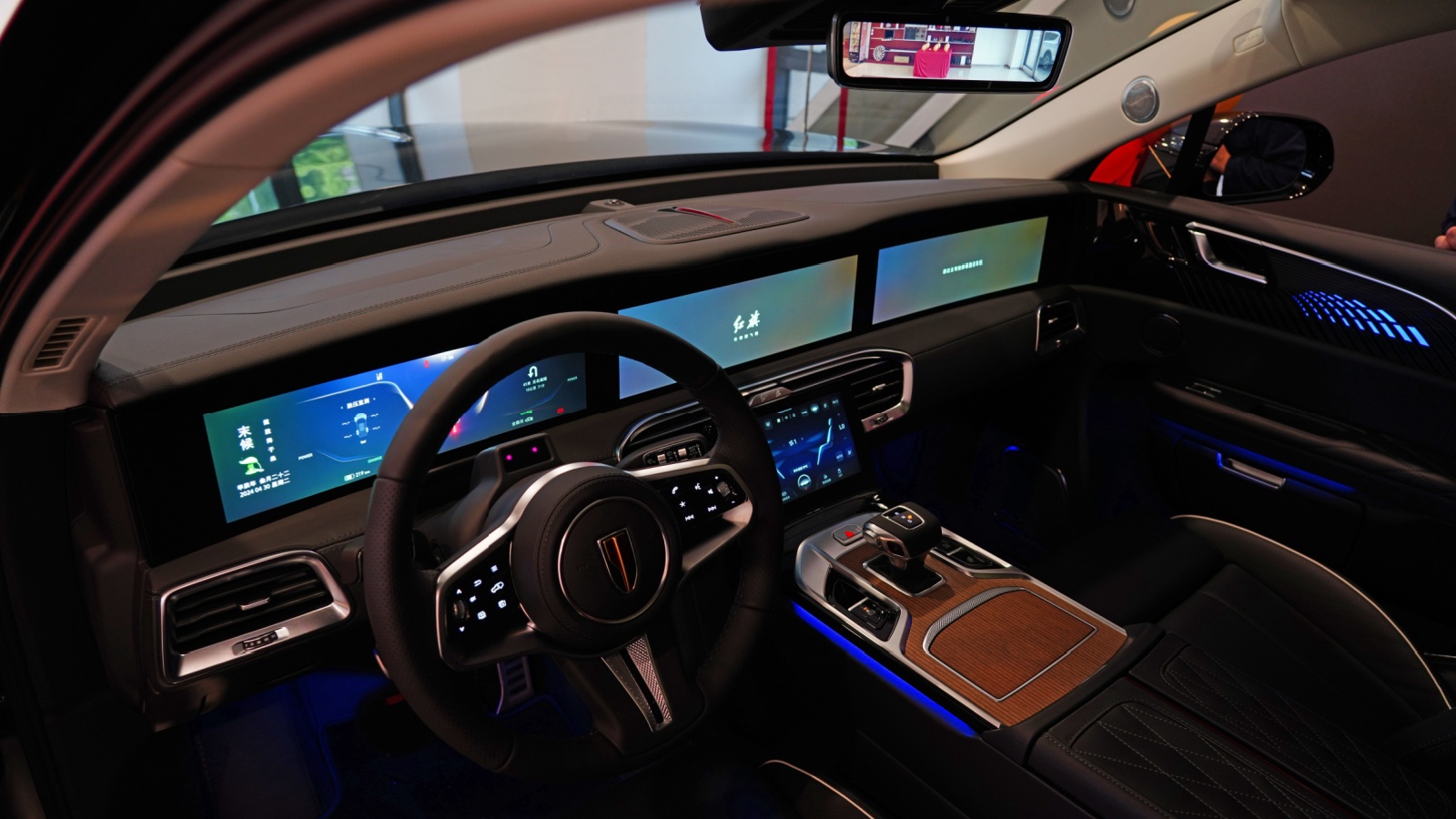
The used EV market is expanding unevenly. Some models hold value. Others drop quickly. Canadians shopping online are comparing global reliability data. Chinese EVs appear in those searches. Even if unavailable locally, their resale performance abroad becomes reference material. Buyers ask why certain features cost extra here. Software updates and warranty lengths draw attention. In 2026, more first-generation EVs exit leases. Comparison becomes unavoidable. The used market encourages practical thinking. That mindset favors broad research, not brand tradition. Chinese EVs enter discussions as data points, not purchases.
Public trust is being rebuilt slowly

Trust does not flip overnight. It builds through repetition. Canadians are seeing Chinese EVs operate successfully elsewhere. Fleets, taxis, and delivery services provide visible proof. Reports focus less on origin and more on outcomes. Range claims, charging speeds, and repair frequency matter. In 2026, trust grows through the absence of scandal. Quiet reliability changes opinions faster than marketing. People talk because doubts are fading gradually. The conversation is cautious, not excited. That restraint makes it credible. Chinese EVs are discussed as possibilities, not miracles.
22 Groceries to Grab Now—Before another Price Shock Hits Canada

Food prices in Canada have been steadily climbing, and another spike could make your grocery bill feel like a mortgage payment. According to Statistics Canada, food inflation remains about 3.7% higher than last year, with essentials like bread, dairy, and fresh produce leading the surge. Some items are expected to rise even further due to transportation costs, droughts, and import tariffs. Here are 22 groceries to grab now before another price shock hits Canada.
22 Groceries to Grab Now—Before another Price Shock Hits Canada
This Options Discord Chat is The Real Deal
While the internet is scoured with trading chat rooms, many of which even charge upwards of thousands of dollars to join, this smaller options trading discord chatroom is the real deal and actually providing valuable trade setups, education, and community without the noise and spam of the larger more expensive rooms. With a incredibly low-cost monthly fee, Options Trading Club (click here to see their reviews) requires an application to join ensuring that every member is dedicated and serious about taking their trading to the next level. If you are looking for a change in your trading strategies, then click here to apply for a membership.