35,000+ smart investors are already getting financial news, market signals, and macro shifts in the economy that could impact their money next with our FREE weekly newsletter. Get ahead of what the crowd finds out too late. Click Here to Subscribe for FREE.
Winter travel in Canada looks calm on paper and chaotic in practice. Flights sell out faster. Weather shifts without warning. Roads close with little notice. Many travelers assume small delays are manageable. Winter proves otherwise. A missed connection can mean sleeping at an airport. A closed highway can turn a short drive into an overnight ordeal. These problems rarely start with storms alone. They begin with planning gaps, timing errors, and false assumptions. Here are 21 Winter Travel Mistakes That Get Canadians Stuck, Stranded, or Rebooked.
Booking Tight Flight Connections in Winter
21 Winter Travel Mistakes That Get Canadians Stuck, Stranded, or Rebooked
- Booking Tight Flight Connections in Winter
- Ignoring Regional Weather Differences
- Driving Long Distances Without Winter Route Planning
- Renting Cars Without Winter Tires
- Packing Inadequate Cold-Weather Clothing
- Assuming Flights Will Be Rebooked Quickly
- Traveling Without Flexible Accommodation Plans
- Relying Solely on Airport Food Options
- Underestimating Deicing Delays
- Scheduling Early Morning Departures After Storms
- Forgetting Vehicle Emergency Kits
- Trusting GPS Without Local Knowledge
- Overbooking Daily Itineraries
- Ignoring Airline Weather Waivers
- Choosing Remote Airports in Peak Winter
- Assuming Trains Are Weather-Proof
- Forgetting Insurance Coverage Details
- Checking In Too Late During Storms
- Overestimating Airport Transportation Options
- Ignoring Personal Fatigue and Stress
- Expecting Winter Travel to Run Normally
- 22 Groceries to Grab Now—Before another Price Shock Hits Canada

Winter delays compound quickly across Canadian airports. Snowfall in one city affects flights nationwide. Short layovers leave no margin for deicing delays. Taxi times increase during winter weather. Gates change more often during disruptions. Baggage transfer slows when crews work in freezing conditions. Airlines do not wait for connecting passengers during peak delays. Missed connections lead to long rebooking lines. Some routes only run once daily in winter. Overnight stays become common when seats vanish. Travelers often assume airlines will fix everything. Winter schedules offer fewer recovery options. Longer connections reduce stress and protect itineraries.
Ignoring Regional Weather Differences
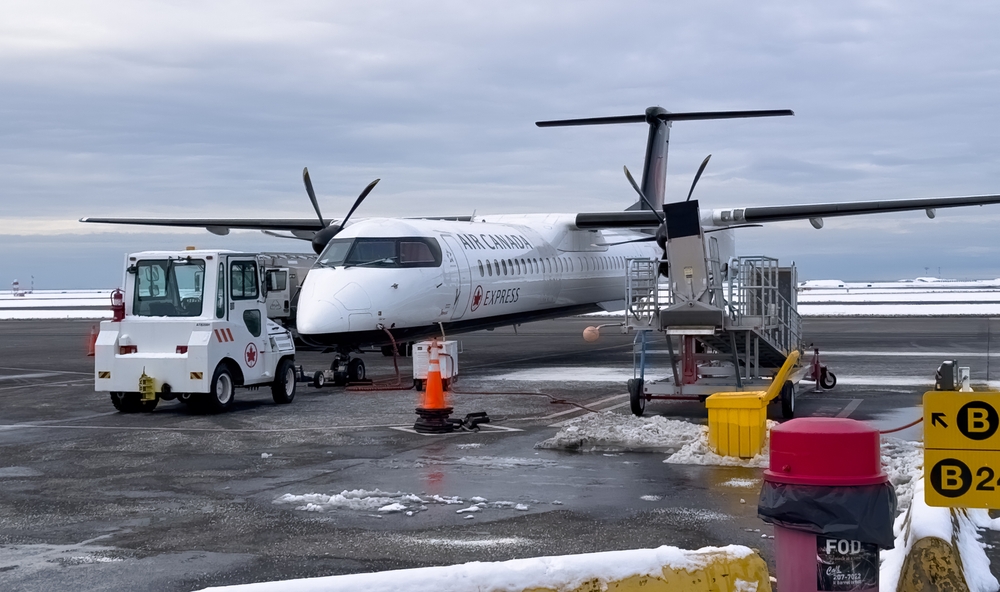
Canada’s weather varies sharply by region. Clear skies in Toronto do not mean calm conditions in Winnipeg. Coastal storms affect Atlantic airports differently. Prairie cold can ground aircraft despite light snowfall. Mountain passes close with little notice. Travelers often check only departure weather. Arrival conditions matter just as much. Connecting cities may face severe disruptions. Weather apps sometimes lag behind aviation advisories. Airlines base their decisions on runway safety. Ground crews need workable conditions. Ignoring regional patterns causes surprise delays. Checking multiple forecasts improves planning. Local advisories offer better insight than national summaries.
Driving Long Distances Without Winter Route Planning
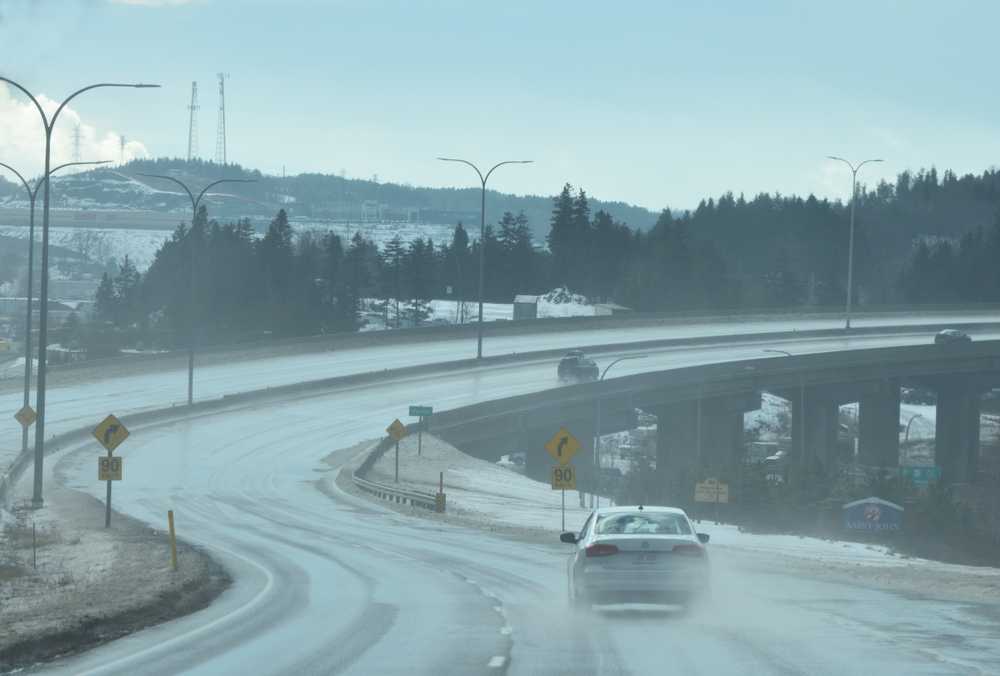
Winter driving changes familiar routes. Secondary highways close first during storms. Plows prioritize major corridors. Cell service drops in rural stretches. Gas stations close earlier in winter in towns. Snowdrifts reduce visibility on open highways. Ice forms faster near lakes and rivers. GPS reroutes may suggest unsafe roads. Daylight hours shrink in the winter months. Fatigue sets in earlier during cold drives. Emergency help may take hours to arrive. Travelers underestimate these factors. Planning winter-safe routes prevents dangerous situations and delays.
Renting Cars Without Winter Tires
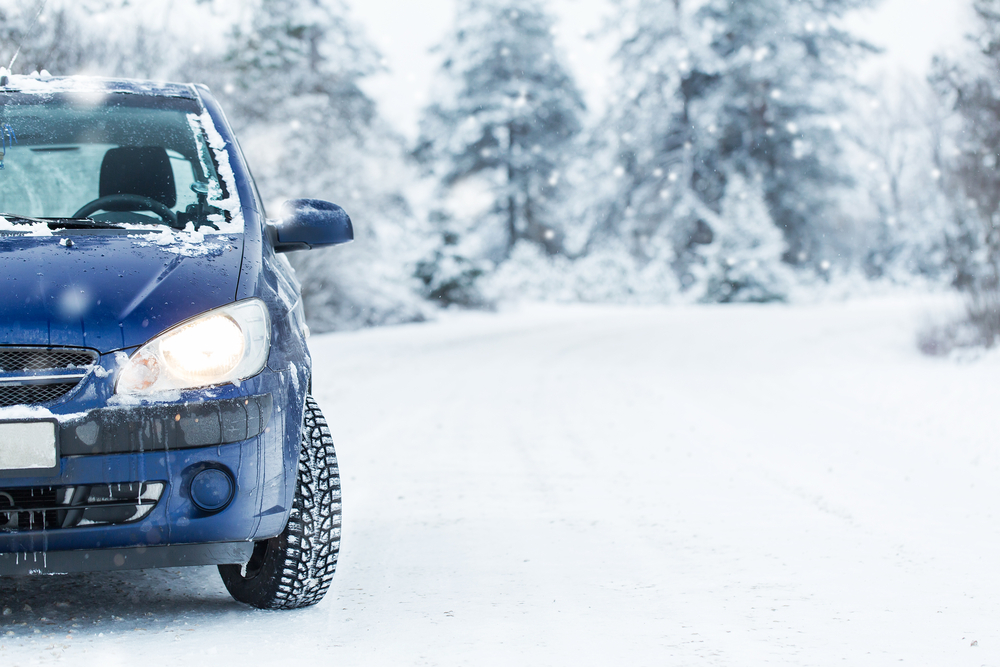
Not all rental vehicles include winter tires. All-season tires struggle on ice. Traction control cannot replace proper tires. Braking distance increases dramatically without winter rubber. Rental counters rarely highlight this detail. Some provinces do not mandate winter tires. Mountain areas strongly recommend them. Insurance coverage may not protect against unsafe choices. Drivers feel confident until conditions worsen. Snow-packed roads reduce steering control. Recovery options are limited during storms. Choosing winter tires lowers risk. It also improves confidence on unfamiliar roads.
Packing Inadequate Cold-Weather Clothing
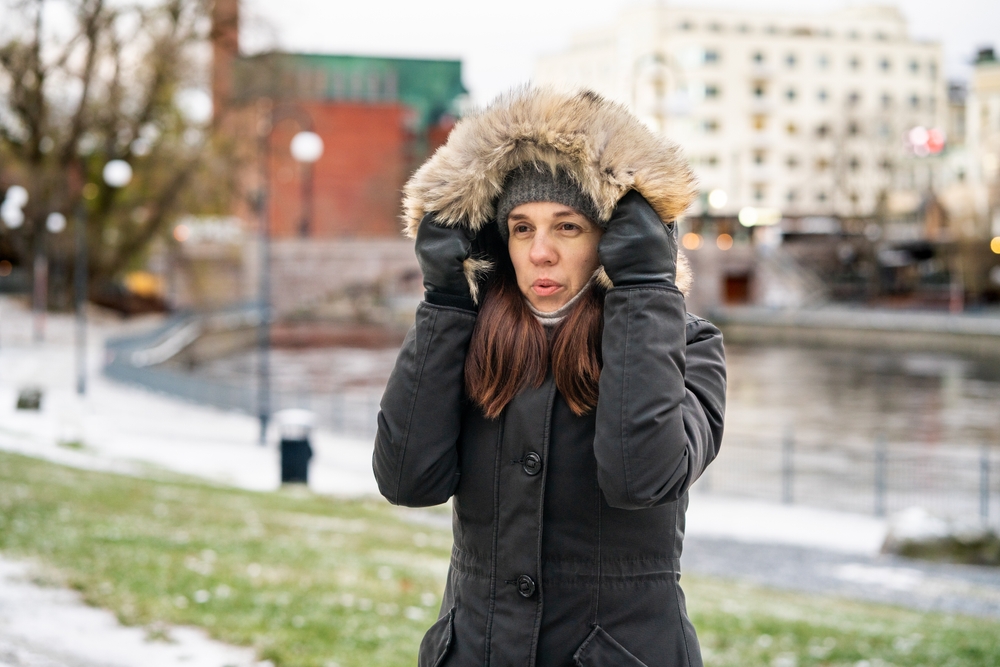
Travel disruptions often involve waiting. Airports get cold during overnight delays. Roadside breakdowns expose travelers to wind chill. Luggage sometimes gets delayed separately. Carry-on bags need essential layers. Fashion jackets offer little insulation. Cotton traps moisture in cold conditions. Gloves and hats matter more than expected. Footwear affects mobility on ice. Travelers assume indoor warmth. Winter travel proves otherwise. Proper layering protects comfort and safety. Packing smart reduces stress during unexpected waits.
Assuming Flights Will Be Rebooked Quickly
Winter rebooking is slow. Aircraft availability drops during storms. Crews time out under duty rules. Hotels fill quickly near airports. Call centers get overwhelmed. App notifications lag behind real conditions. Some routes have limited daily frequency. Passengers wait hours for options. Airlines prioritize operational recovery first. Travelers assume same-day fixes. Winter schedules rarely allow that. Planning buffers and backup stays helps. Expecting delays makes decisions calmer and faster.
Traveling Without Flexible Accommodation Plans

Hotels sell out fast during disruptions. Airport hotels fill first. Nearby towns may also be full. Last-minute rates spike sharply. Travelers without reservations scramble. Some properties close during the winter off-season. Transportation to distant hotels becomes limited. Ride-share availability drops in storms. Public transit runs on reduced schedules. Waiting inside terminals becomes common. Flexible booking policies offer security. Refundable rates reduce panic. Winter travel rewards adaptable lodging plans.
Relying Solely on Airport Food Options
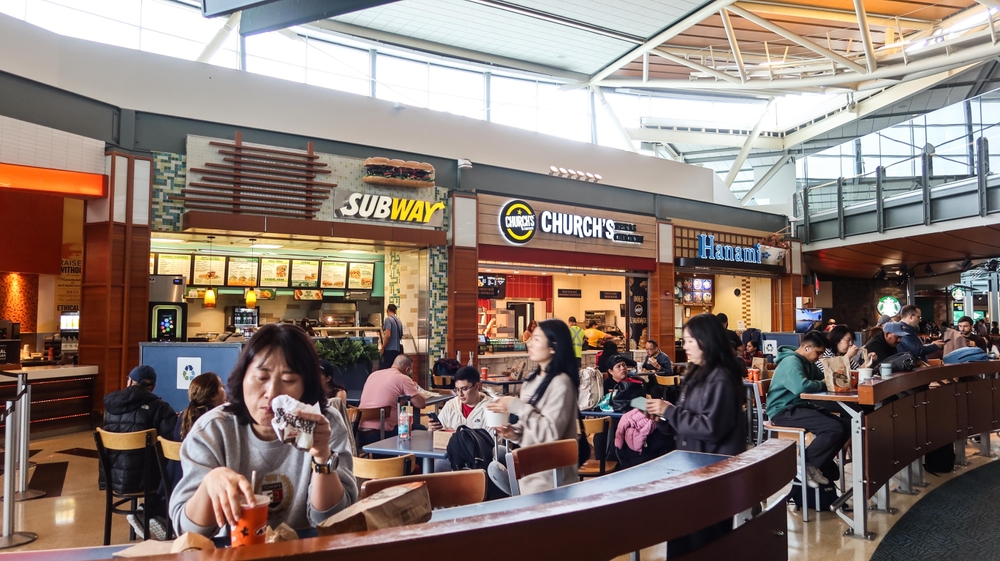
Winter delays extend beyond meal hours. Airport restaurants close overnight. Staff shortages affect winter operations. Vending machines empty quickly during disruptions. Travelers with dietary needs struggle. Nearby stores may be inaccessible. Long waits increase fatigue. Hunger worsens decision-making. Carrying snacks prevents discomfort. Water access also becomes limited. Cold conditions increase dehydration risk. Small preparations make long waits manageable. Food planning reduces frustration during winter delays.
Underestimating Deicing Delays
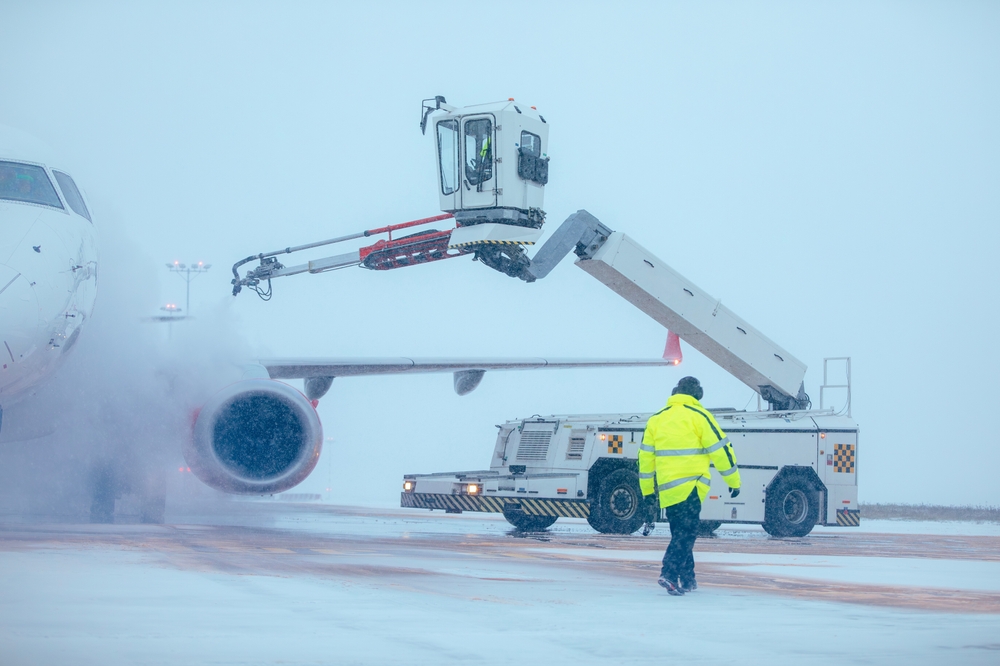
Deicing takes time and resources. Queues form during heavy snowfall. Each aircraft requires individual treatment. Weather conditions dictate holdover times. Planes may return for repeat deicing. Ground crews face safety limits. Visibility affects operations. Runway congestion increases during storms. Travelers assume boarding means departure. Winter processes extend timelines. Deicing protects safety but delays schedules. Understanding this reduces anxiety. Patience improves winter travel experiences.
Scheduling Early Morning Departures After Storms
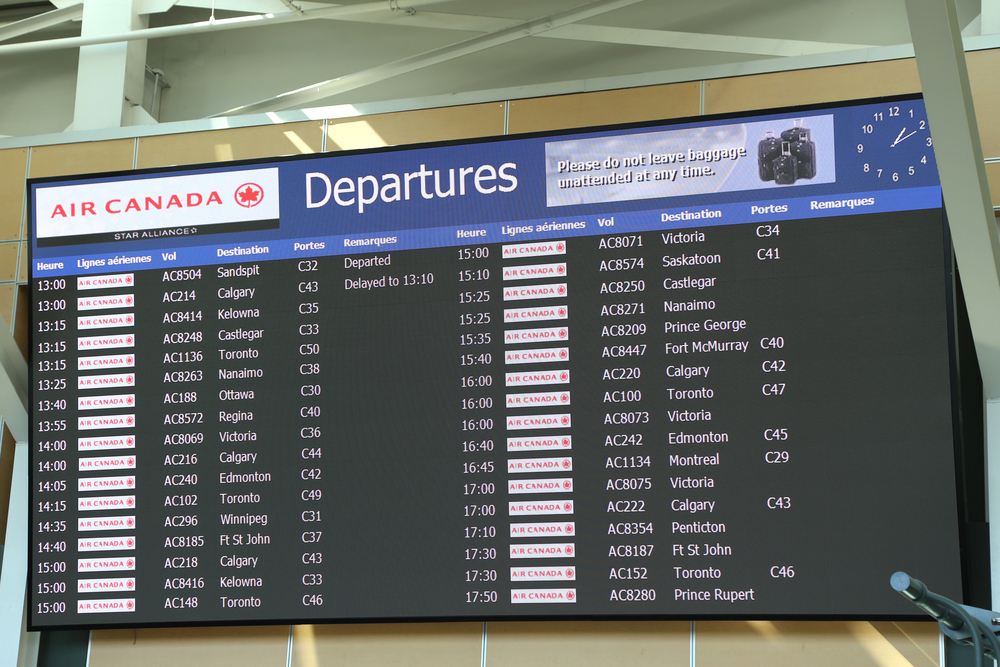
Snow removal continues overnight. Crews clear runways before peak hours. Early flights often face residual delays. Aircraft arrive late from previous legs. Overnight maintenance backlogs occur. Staffing shortages impact morning schedules. Weather assessments delay clearances. Travelers expect the first flights to be safest. Winter contradicts this assumption. Midday flights allow recovery time. Later departures reduce cascading delays. Timing choices matter more in winter.
Forgetting Vehicle Emergency Kits
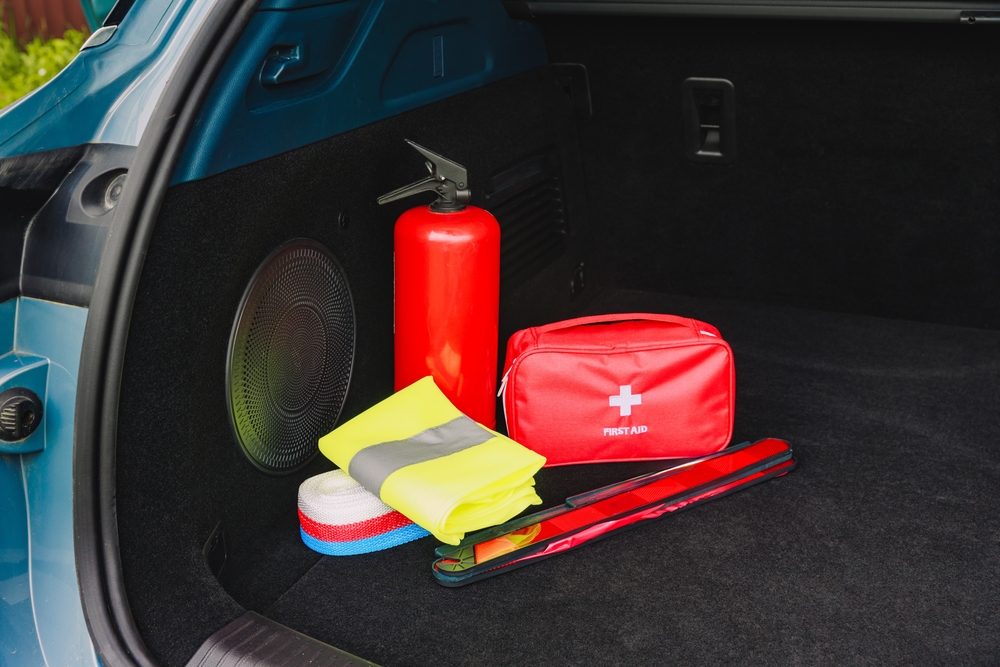
Winter vehicle breakdowns escalate faster than most drivers expect. Cold temperatures drain batteries quickly. Visibility drops within minutes during snow squalls. Tow trucks often take hours to arrive in rural areas. Without supplies, even short waits become dangerous. Emergency kits provide basic protection. Blankets help prevent hypothermia. Flashlights improve visibility during low light. Shovels assist when snow traps tires. Sand or traction mats improve grip. Food and water support long delays. Many drivers skip preparation because trips seem short. Winter conditions punish that assumption quickly.
Trusting GPS Without Local Knowledge
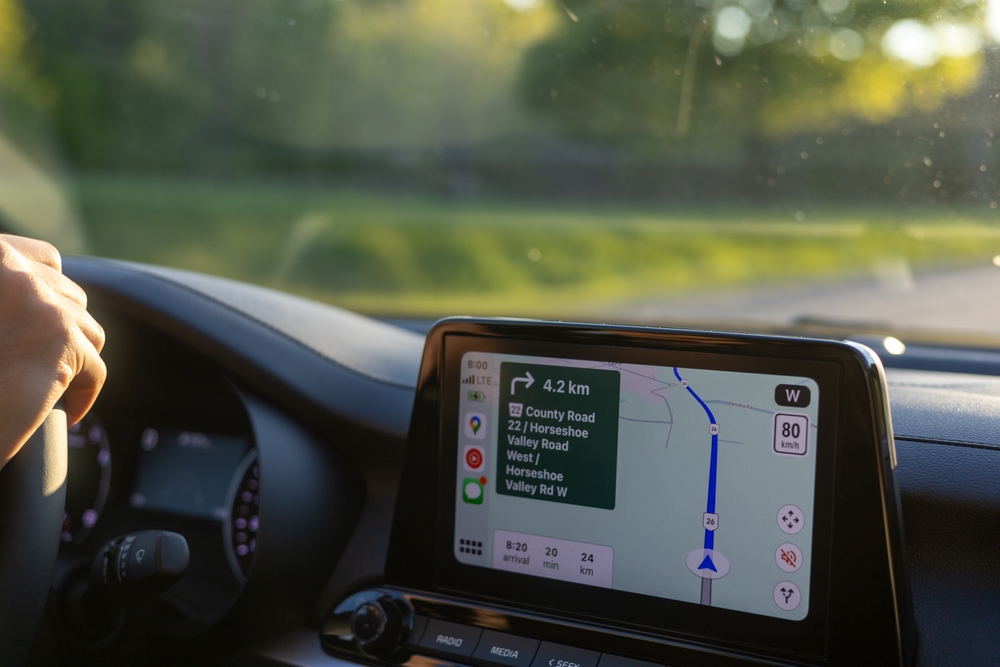
GPS systems prioritize speed, not safety. Winter road conditions change faster than mapping updates. Secondary roads receive less snow clearing. Rural detours may remain icy for days. Navigation apps lack weather context. Drivers follow directions into hazardous areas. Local advisories update more accurately. Highway closures redirect traffic suddenly. Elevation changes affect ice formation. Lakes and open fields increase drift risks. Locals avoid certain routes during storms. Combining GPS with regional alerts improves outcomes. Blind trust in navigation increases winter driving danger significantly.
Overbooking Daily Itineraries
Winter travel slows everything. Transit delays compound easily. Attractions close due to weather. Short daylight limits activity windows. Travelers plan packed schedules anyway. Missed reservations create stress. Refunds become complicated. Tight timelines leave no recovery room. Weather forces constant adjustment. Flexible days absorb disruptions better. Leaving gaps protects enjoyment. Fewer commitments allow adaptation. Winter trips reward patience. Overbooking turns delays into failures. Slower planning supports calmer decisions. Realistic pacing matters more than ambition during winter travel.
Ignoring Airline Weather Waivers
Airlines issue weather waivers before major disruptions. These allow free flight changes. Many travelers overlook them. Waivers appear in emails or advisories. Waiting removes flexibility options. Once flights are canceled, choices narrow. Seats disappear quickly. Waivers apply even when flights operate. Early changes protect itineraries. Apps sometimes hide waiver details. Checking airline advisories saves money. Acting early avoids lines and stress. Winter travelers benefit from proactive changes. Ignoring waivers increases rebooking difficulty during storms.
Choosing Remote Airports in Peak Winter
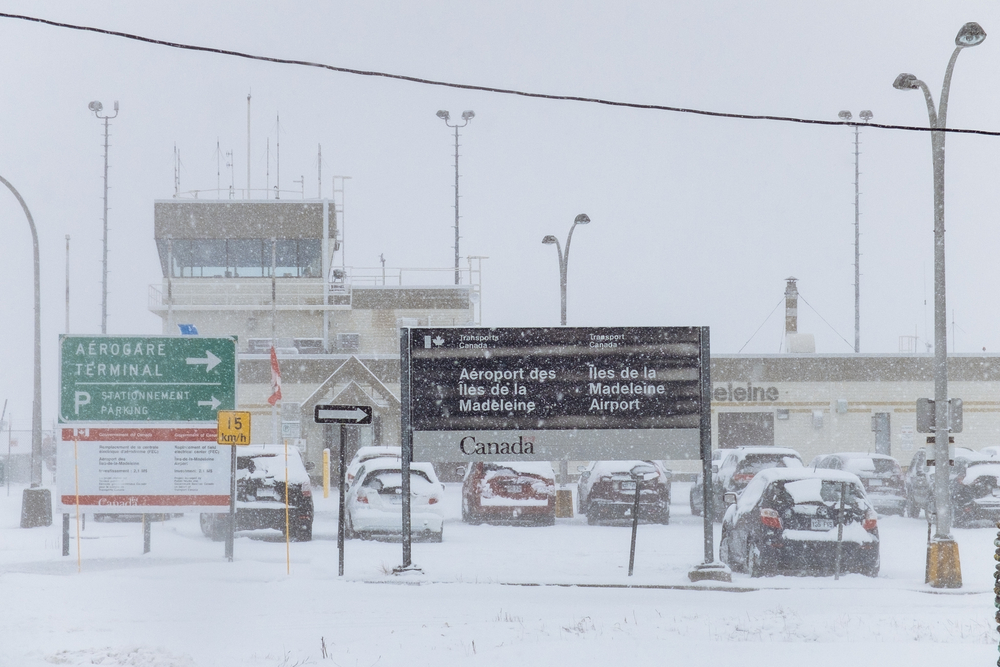
Smaller airports face greater winter strain. Snow removal takes longer. Staffing resources remain limited. Flight frequency drops during off seasons. Rebooking options become scarce. Weather hits rural regions harder. Ground transportation becomes unreliable. Nearby hotels may close seasonally. Larger hubs recover faster. More flights create flexibility. Remote airports feel convenient until disruptions occur. Winter magnifies these differences. Choosing larger airports improves recovery options. Accessibility matters more than proximity during winter travel.
Assuming Trains Are Weather-Proof
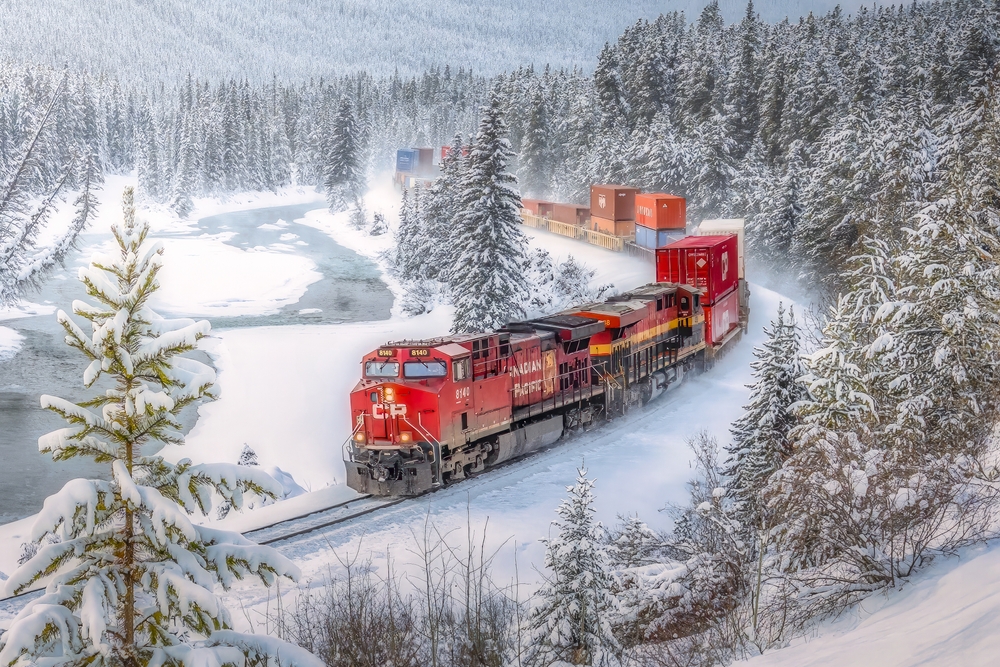
Train travel still faces winter disruption. Track switches freeze in extreme cold. Snow accumulation affects signals. Repairs take longer in remote areas. Delays ripple across routes. Heating systems struggle during cold snaps. Food services may pause. Passenger comfort varies by carriage. Schedule padding remains limited. Travelers expect reliability. Winter conditions challenge that belief. Planning buffers applies to rail travel too. Cold affects infrastructure everywhere. Trains offer stability, not immunity, during winter travel.
Forgetting Insurance Coverage Details
Travel insurance varies widely by policy. Some exclude weather-related disruptions. Coverage depends on purchase timing. Delay thresholds differ by provider. Claims require documentation. Receipts become essential. Many travelers never read the terms. Assumptions lead to denied claims. Medical coverage matters for winter injuries. Rental vehicles need separate coverage checks. Understanding policy limits prevents surprises. Winter increases claim likelihood. Insurance only helps when travelers know what qualifies. Reviewing coverage before departure protects finances during disruptions.
Checking In Too Late During Storms
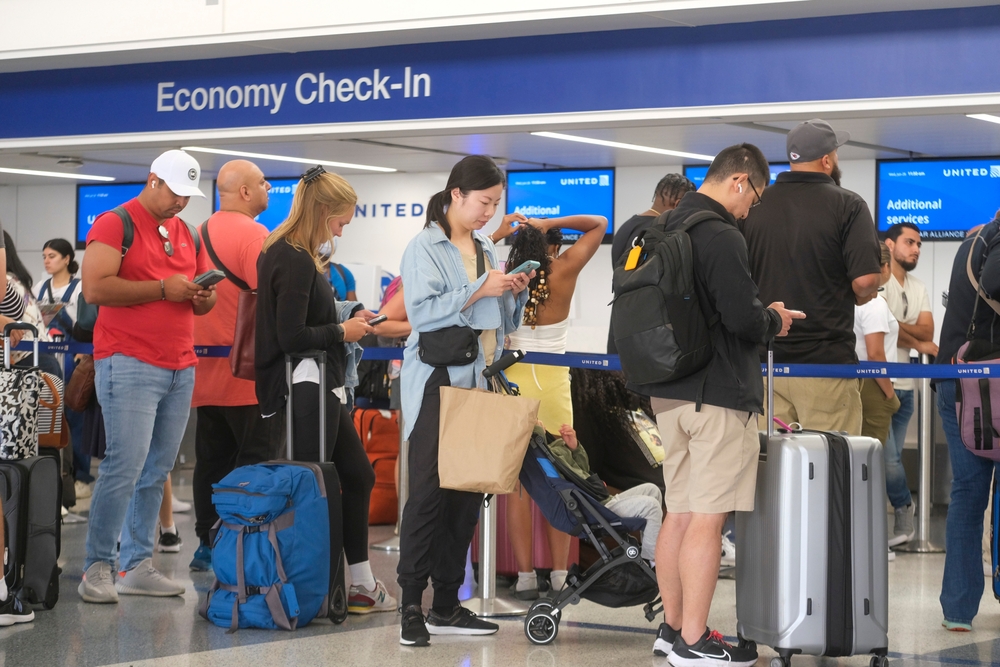
Early check-in improves travel flexibility. Airlines reshuffle seats during disruptions. Late check-ins lose priority. Standby lists fill quickly. Overbooked flights drop passengers. Checked bags risk separation. App systems may crash during storms. Counter lines grow fast. Timing matters more in winter. Early check-in protects options. Being proactive improves rebooking chances. Waiting limits alternatives. Winter disruptions reward early action. Delayed check-ins reduce control during chaotic travel periods.
Overestimating Airport Transportation Options
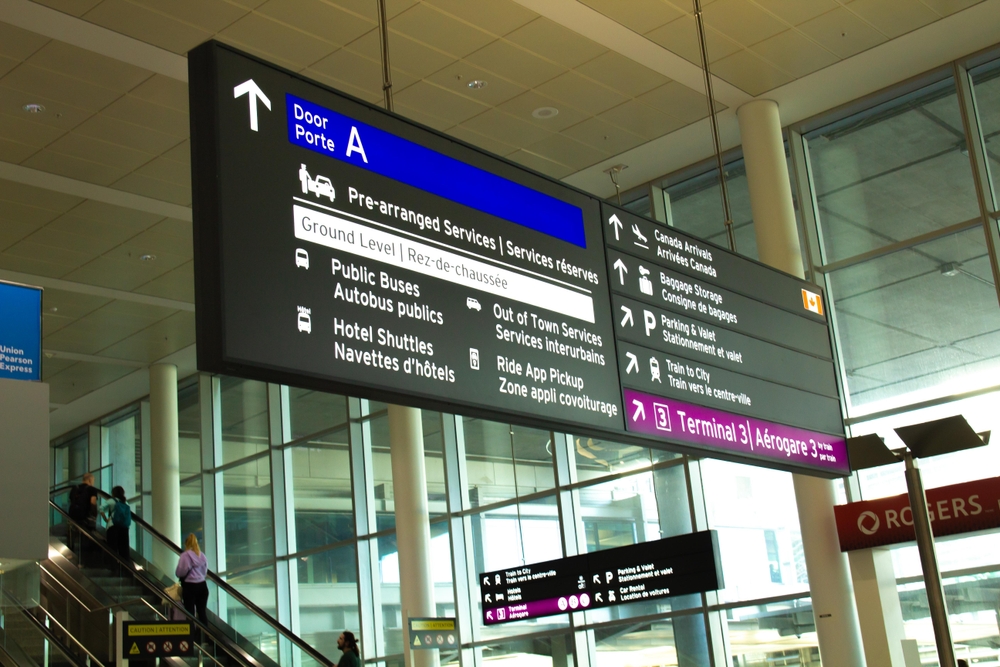
Winter reduces transportation reliability. Ride-shares decline in storms. Taxis operate more slowly. Public transit cuts service. Highway closures trap vehicles. Hotel shuttles suspend operations. Walking becomes unsafe on ice. Travelers assume normal access. Winter conditions change mobility quickly. Prearranged transportation provides security. Backup plans prevent being stranded. Transportation failures compound flight delays. Planning ground transport matters as much as booking flights during winter travel.
Ignoring Personal Fatigue and Stress

Cold weather drains energy faster. Long delays increase exhaustion. Hunger worsens concentration. Decision fatigue causes mistakes. Driving while tired increases accident risk. Stress escalates conflict. Travelers push through discomfort. Winter demands pacing. Rest improves judgment. Breaks restore focus. Recognizing limits prevents poor choices. Fatigue management supports safety. Winter travel tests patience more than skill. Self-awareness reduces errors. Managing stress improves outcomes during prolonged winter disruptions.
Expecting Winter Travel to Run Normally
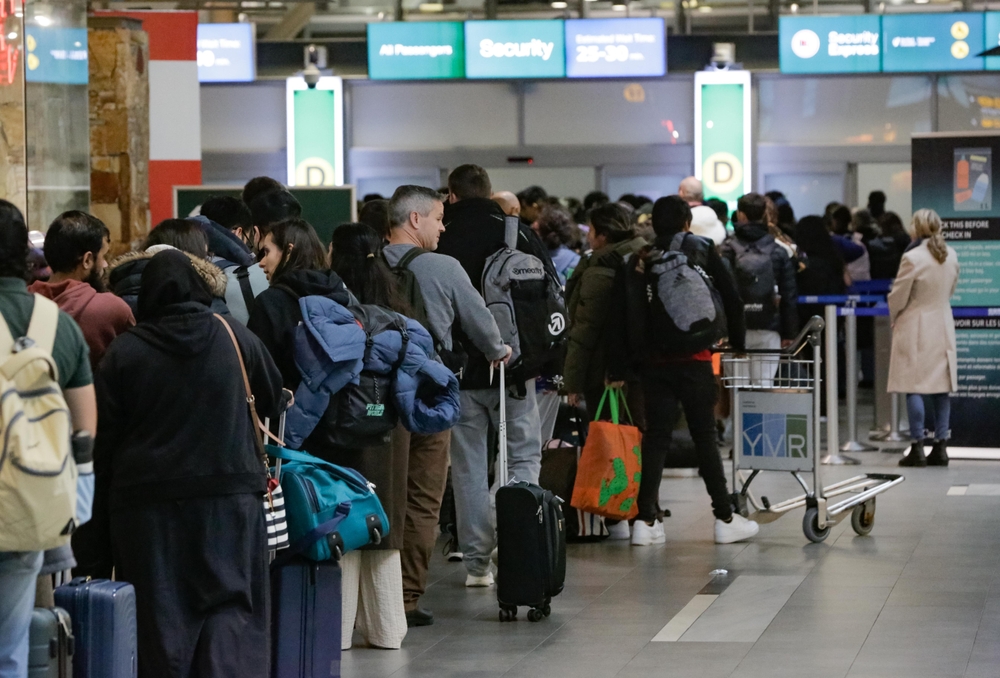
Expectation causes most frustration. Winter disrupts systems by default. Schedules remain tentative. Infrastructure operates under strain. Safety dictates decisions. Flexibility defines success. Travelers who adapt fare better. Planning for disruption prevents panic. Acceptance reduces stress. Winter travel requires mindset shifts. Normal operations resume eventually. Fighting reality worsens experiences. Prepared travelers regain control faster. Expecting delays leads to calmer decisions. Winter travel works best when uncertainty is assumed, not resisted.
22 Groceries to Grab Now—Before another Price Shock Hits Canada

Food prices in Canada have been steadily climbing, and another spike could make your grocery bill feel like a mortgage payment. According to Statistics Canada, food inflation remains about 3.7% higher than last year, with essentials like bread, dairy, and fresh produce leading the surge. Some items are expected to rise even further due to transportation costs, droughts, and import tariffs. Here are 22 groceries to grab now before another price shock hits Canada.
22 Groceries to Grab Now—Before another Price Shock Hits Canada
This Options Discord Chat is The Real Deal
While the internet is scoured with trading chat rooms, many of which even charge upwards of thousands of dollars to join, this smaller options trading discord chatroom is the real deal and actually providing valuable trade setups, education, and community without the noise and spam of the larger more expensive rooms. With a incredibly low-cost monthly fee, Options Trading Club (click here to see their reviews) requires an application to join ensuring that every member is dedicated and serious about taking their trading to the next level. If you are looking for a change in your trading strategies, then click here to apply for a membership.