
35,000+ smart investors are already getting financial news, market signals, and macro shifts in the economy that could impact their money next with our FREE weekly newsletter. Get ahead of what the crowd finds out too late. Click Here to Subscribe for FREE.
Crossing the border often feels casual. A weekend trip. A quick shopping run. A vacation habit. Many Canadians assume small purchases are harmless. That assumption causes problems. The Canada Border Services Agency enforces strict import rules. These rules apply even to personal items and gifts. Intent does not matter at the checkpoint. Only the item does. Food, plants, weapons, medications, and wildlife products are frequent issues. Here are 27 Border “Souvenirs” Canadians Keep Buying That the CBSA Can Seize.
Fresh fruits bought at U.S. grocery stores
27 Border “Souvenirs” Canadians Keep Buying That the CBSA Can Seize
- Fresh fruits bought at U.S. grocery stores
- Homegrown vegetables from visiting relatives
- Raw meat purchased from foreign butcher shops
- Homemade sausages and cured meats
- Unpasteurized cheese from roadside markets
- Live plants bought from nurseries
- Seeds purchased for home gardening
- Herbal supplements with restricted ingredients
- Over-the-counter medications are not approved in Canada
- Prescription drugs without proper documentation
- Cigars exceeding personal allowance
- Large quantities of alcohol bought on sale
- Switchblade knives and prohibited weapons
- Replica firearms and realistic toy guns
- Fireworks purchased legally abroad
- Wildlife products made from animal parts
- Ivory jewelry and decorative items
- Coral and seashell souvenirs
- Cultural artifacts taken without export permits
- Counterfeit designer goods
- Large amounts of cash were not declared
- Drone equipment is restricted by regulation
- Food products containing prohibited ingredients
- Cosmetics with banned substances
- Homemade alcohol and infused spirits
- Internet purchases shipped to border pickups
- Items bought legally abroad but banned in Canada
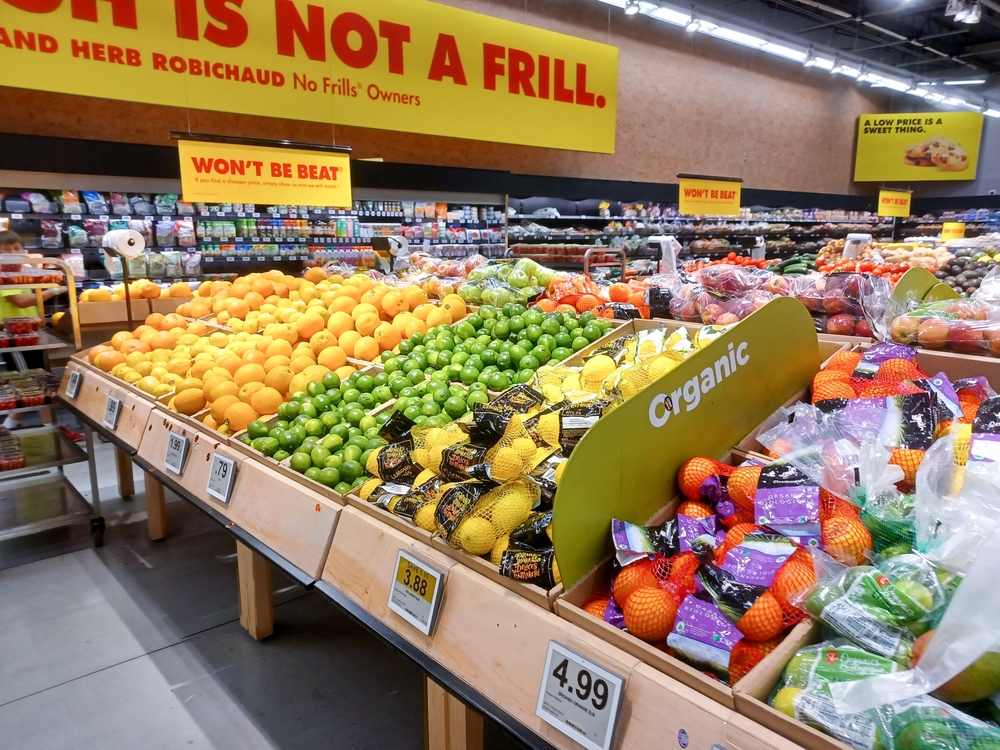
Fresh fruit seems harmless. It is not. Many fruits carry pests and plant diseases. Apples, citrus, berries, and stone fruit are common problems. Even one piece can trigger a seizure. Stickers and receipts do not help. Washing the fruit does not help either. Border officers focus on agricultural risk. Commercial packaging does not change that risk. Some fruits are allowed seasonally. Rules change often. Officers expect travelers to declare everything. Undeclared fruit can lead to fines. Declared fruit may still be seized. The safest choice is to eat it before returning or leave it behind.
Homegrown vegetables from visiting relatives
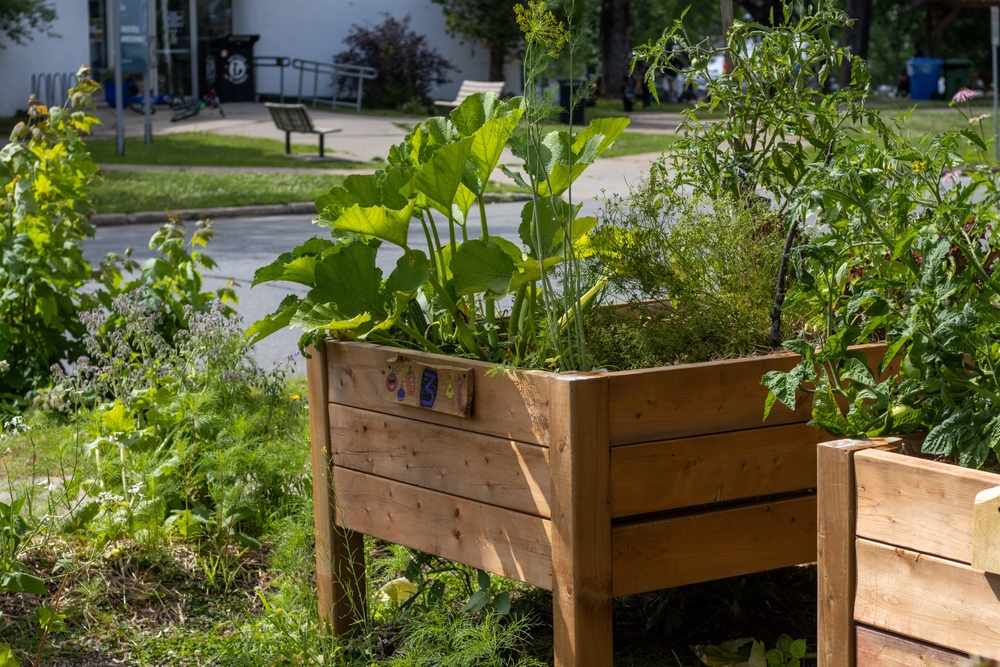
Vegetables grown at home feel personal and safe. Border rules treat them differently. Soil can carry insects and plant diseases. Potatoes, tomatoes, peppers, and leafy greens are common targets—even small quantities matter. Gift intent does not change enforcement. Plastic bags do not protect against seizures. Officers often seize vegetables immediately. Fines may follow if not declared. These rules protect Canadian agriculture. Many travelers learn this at the checkpoint. The safer option is to enjoy the produce while visiting. Do not bring it back across the border.
Raw meat purchased from foreign butcher shops
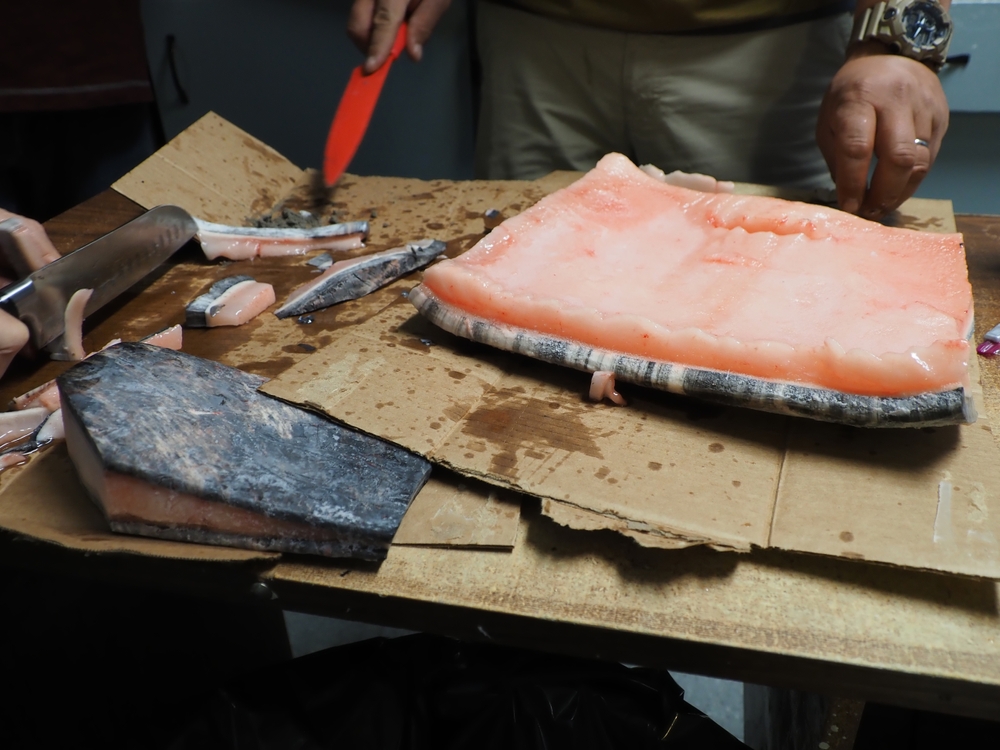
Raw meat is heavily regulated. This includes beef, pork, lamb, and poultry. Risks include animal diseases and parasites. Packaging labels rarely matter. Freezing does not make it acceptable. Meat from specialty butcher shops raises extra concerns. Some cooked meats are allowed. Even those rules change by country. Officers often seize raw meat without discussion. Fines are possible for non-declaration. Travelers frequently assume personal use is fine. It usually is not. When unsure, leave raw meat behind. Canadian stores offer safer options.
Homemade sausages and cured meats

Cured meats feel safer than raw meat. Border rules disagree. Homemade sausages lack inspection records. Curing does not eliminate disease risk. Vacuum sealing does not help. These items are often seized. Even gifts from family are treated strictly. Officers cannot verify preparation methods. Commercial labeling sometimes helps. Homemade products never do. Declaring the item does not guarantee entry. Seizure is common. Fines can apply if items are hidden. Enjoy these foods while traveling. Do not treat them as souvenirs.
Unpasteurized cheese from roadside markets
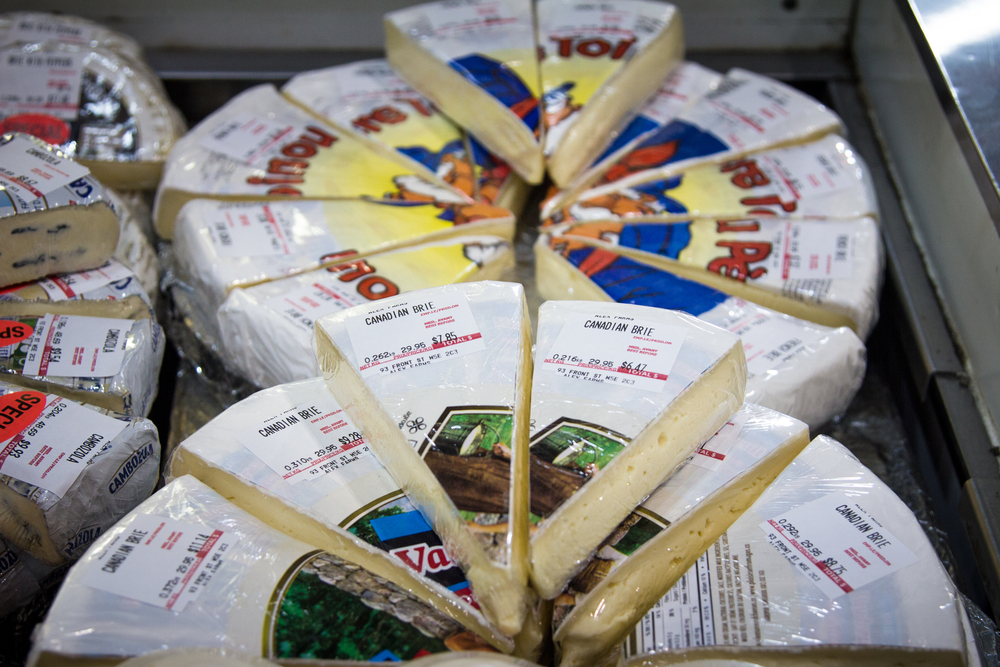
Unpasteurized cheese is popular in some regions. It is tightly controlled in Canada. Raw milk products can carry bacteria. Listeria is a major concern. Many roadside markets sell these cheeses legally there. That legality does not cross borders. Packaging claims often confuse travelers. Officers rely on ingredient lists and origin. If unsure, they seize it. Fines can follow for non-declaration. Some pasteurized cheeses are allowed. Rules vary by country and the age of the cheese. When in doubt, skip it.
Live plants bought from nurseries
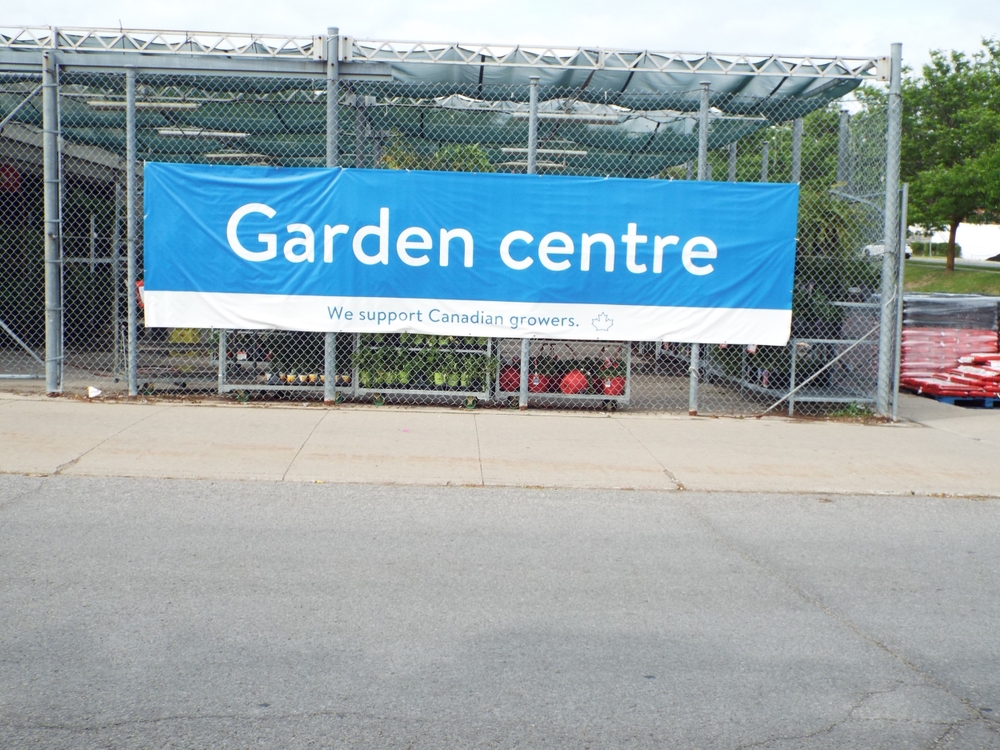
Live plants pose serious biosecurity risks. Insects and fungi hide easily. Soil increases the risk further. Nursery receipts do not help. Plant tags do not guarantee approval. Import permits are often required. Most travelers do not have them. Officers frequently seize live plants. This includes herbs and houseplants. Even small pots matter. Declaring the plant does not guarantee entry. These rules protect ecosystems. Enjoy plants where you buy them. Do not cross borders with them.
Seeds purchased for home gardening
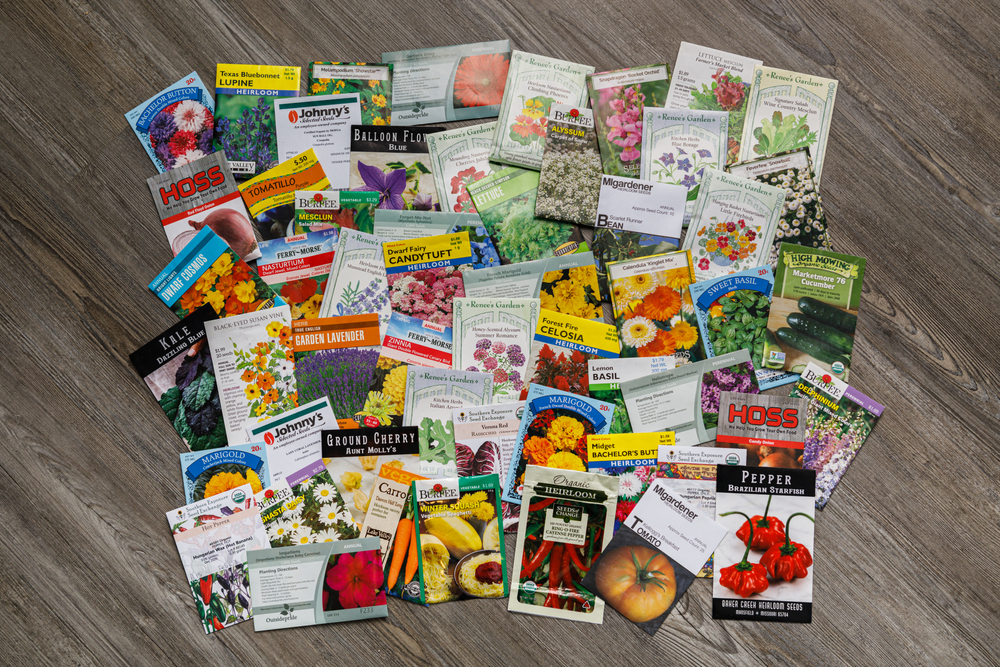
Seed packets look harmless. Many are restricted. Seeds can carry invasive species. Some require permits. Online listings rarely mention border rules. Officers inspect packaging closely. Unapproved seeds are seized. Even flower seeds cause issues. Agricultural protection drives enforcement. Declaring seeds is required. That does not mean approval. Fines may apply for hiding them. Canadian nurseries sell approved seeds. Buy them at home instead.
Herbal supplements with restricted ingredients
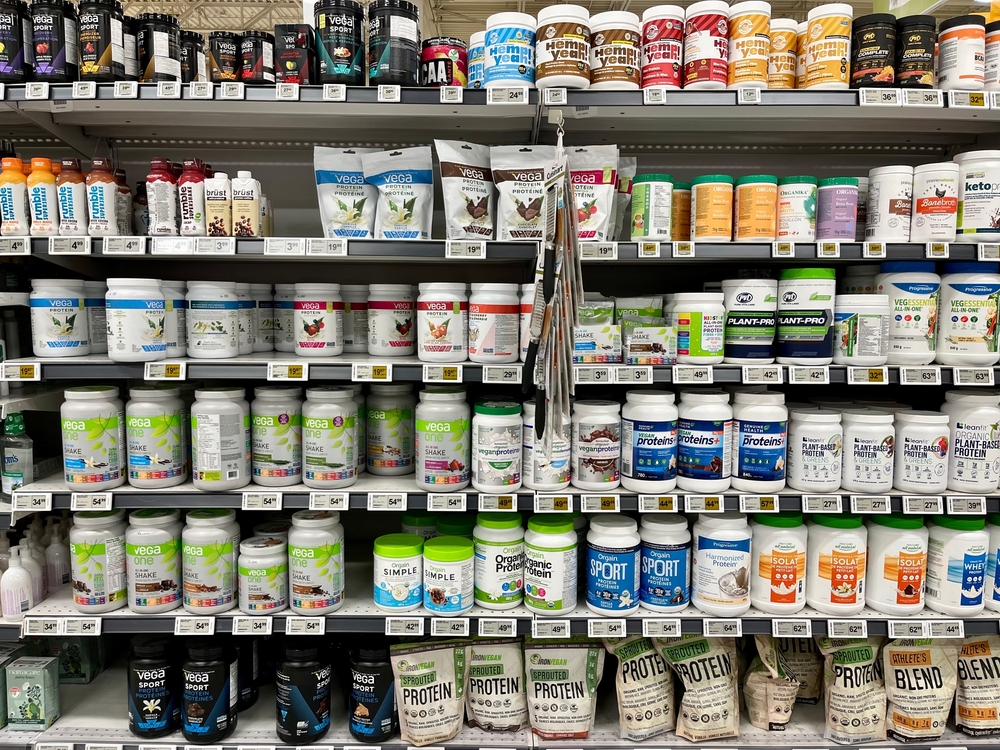
Herbal supplements vary by country. Some contain ingredients banned in Canada. Others exceed allowed dosages. Labels may be unclear. Natural does not mean approved. Border officers treat supplements as health products. They review ingredients carefully. If something is prohibited, seizure follows. Some products require prescriptions in Canada. Travelers often assume store-bought items are fine. That assumption fails often. Declare all supplements. Expect some to be taken.
Over-the-counter medications are not approved in Canada
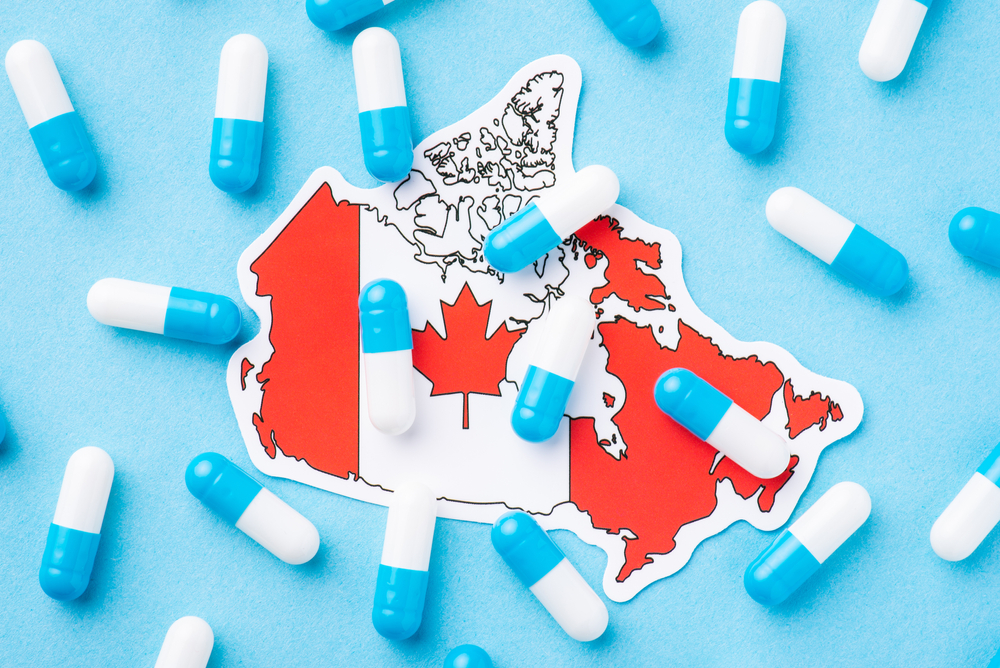
Medication rules differ by country. Some common drugs abroad are restricted here. Codeine combinations are a frequent issue. Certain sleep aids also cause problems. Packaging language matters. Ingredient names differ by region. Officers check active components. If not approved, seizure follows. Personal use does not guarantee entry. Quantity matters too. Always declare medications. Keep them in original packaging. Even then, approval is not guaranteed.
Prescription drugs without proper documentation

Prescription medications require proof. A valid prescription helps. Loose pills raise suspicion. Foreign prescriptions may not be accepted. Large quantities are especially risky. Controlled substances face stricter checks. Officers may seize medication lacking documentation. Fines can apply for hiding items. Always carry prescriptions. Keep labels visible. Declare everything honestly. When unsure, consult official guidance before travel.
Cigars exceeding personal allowance
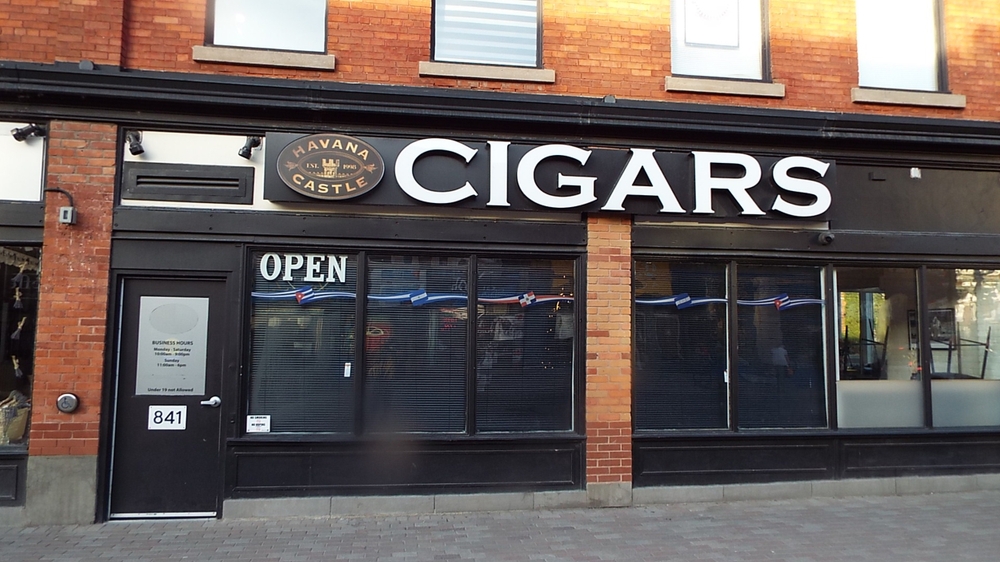
Tobacco limits at the border are firm. Quantity matters more than price or brand. Many travelers assume a few extra cigars will slide through. That assumption often fails. Allowances are strict and clearly defined. Anything beyond that can be seized or taxed heavily. Cuban cigars raise extra scrutiny due to trade rules. Packaging does not protect against enforcement. Splitting quantities between travelers can also cause issues. Officers track totals carefully. Undeclared excess may be seized entirely. Declaring does not guarantee approval. Tobacco souvenirs frequently end up costing far more than expected.
Large quantities of alcohol bought on sale
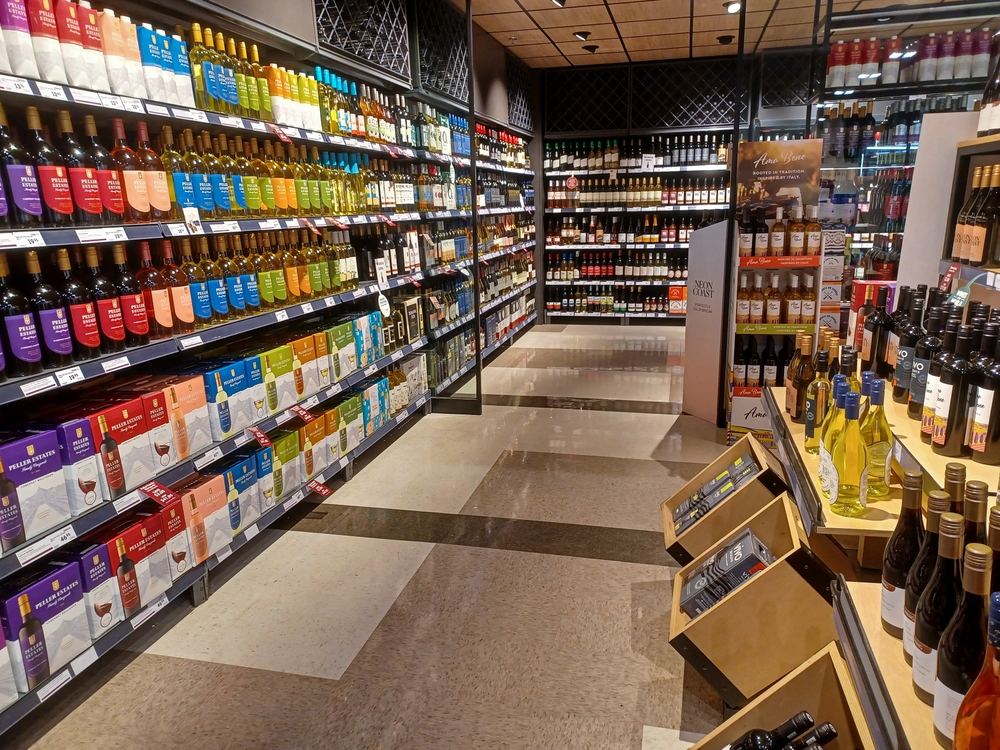
Alcohol allowances are limited and specific. Bottles add up faster than most people realize. Border officers calculate the total volume carefully. Sale pricing or duty-free purchases do not change limits. Homemade alcohol raises additional concerns. Some spirits are restricted regardless of quantity. Exceeding the allowance usually means paying duty. Failing to declare can lead to seizure. Officers often confiscate undeclared alcohol entirely. Declaring everything avoids penalties but not extra costs. Alcohol bargains across the border often lose value once border rules apply.
Switchblade knives and prohibited weapons
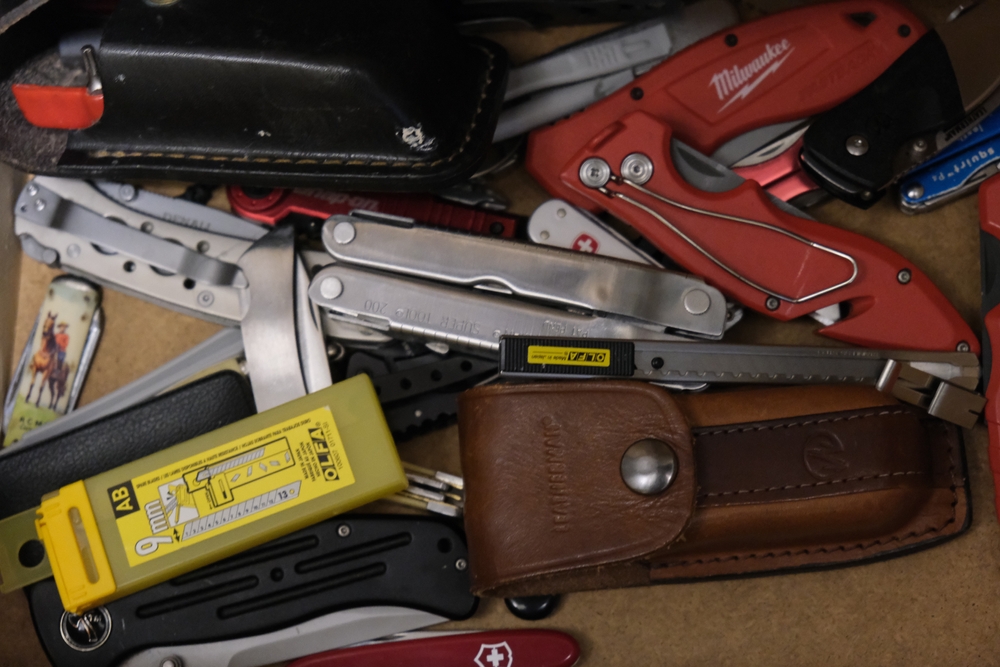
Weapon laws differ sharply by country. Items sold legally elsewhere may be banned in Canada. Switchblade knives are a common issue. Certain batons, knuckles, and concealed blades are also prohibited. Collectible value does not matter. Neither does intent. Border officers seize prohibited weapons immediately. Declaring them does not make them admissible. Penalties or charges can follow in serious cases. Many travelers buy these items casually. They become serious problems at the border. Souvenirs should never involve legal risk or confiscation.
Replica firearms and realistic toy guns
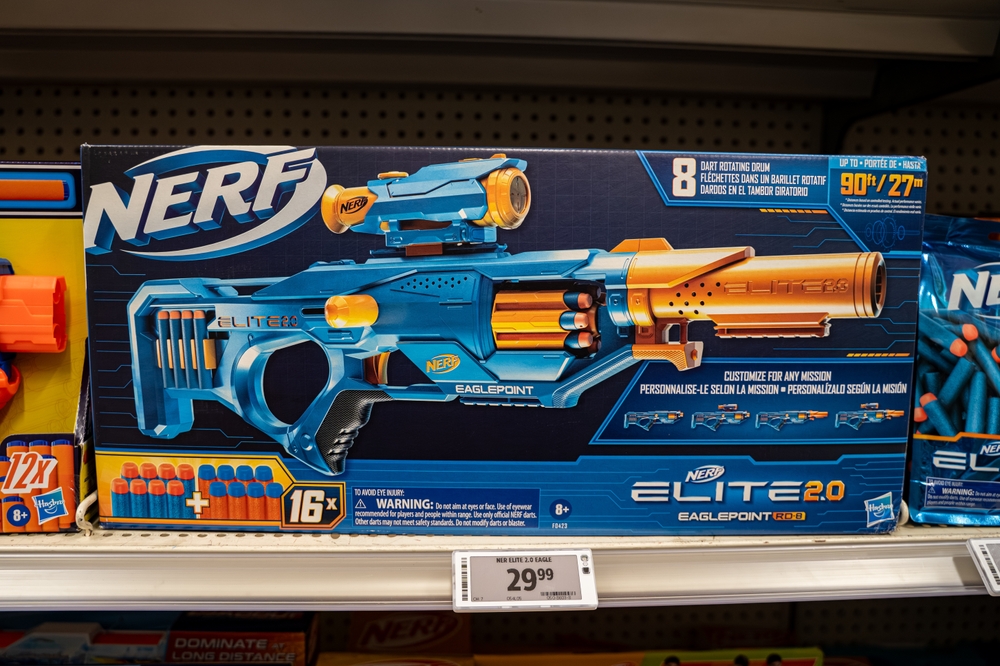
Replica firearms raise safety concerns. Appearance matters more than function. Even non-working replicas can be seized. Toy guns that look realistic cause problems. Airsoft guns also face strict review. Border officers assess how easily an item could be mistaken for a real firearm. Intent does not matter. Age of the buyer does not matter. These items are often seized without debate. Declaring them does not guarantee entry. Realistic weapon replicas create unnecessary border delays and permanent loss of the item.
Fireworks purchased legally abroad
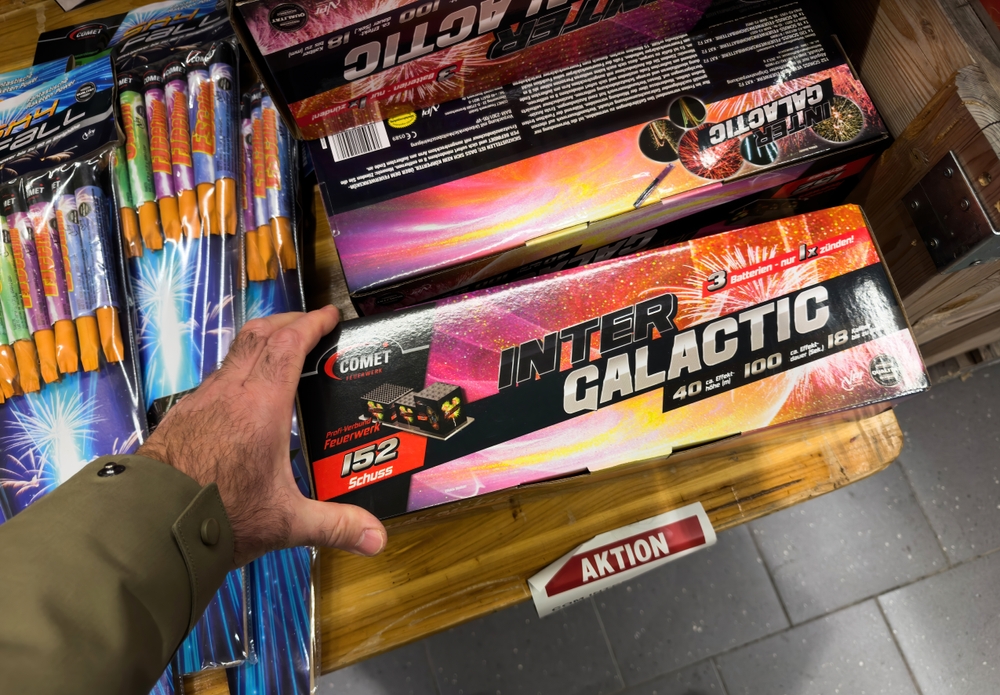
Fireworks laws vary widely by country. Many fireworks sold legally elsewhere are restricted in Canada. Import permits are often required. Personal use does not change that rule. Packaging labels rarely help at the border. Safety concerns drive strict enforcement. Border officers frequently seize fireworks. Declaring them does not guarantee approval. Penalties may follow for non-declaration. Even small novelty fireworks can be problematic. Enjoy fireworks where they are legal to use. Do not attempt to transport them across international borders.
Wildlife products made from animal parts
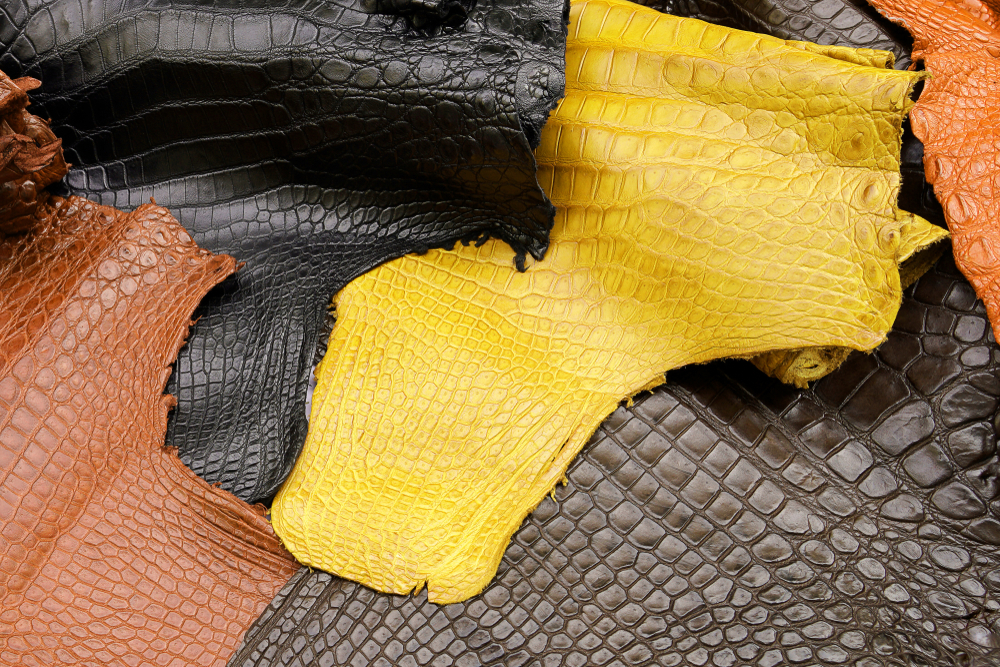
Products made from animal parts face heavy regulation. This includes skins, bones, teeth, and feathers. Items may be banned under international agreements. Endangered species protections apply even to souvenirs. Sellers often claim legality without proof. Border officers require documentation. Without it, a seizure is likely. Fines can be significant. Even small items can trigger enforcement. Decorative value does not matter. Cultural explanations do not help. Wildlife souvenirs create serious border issues and should always be avoided.
Ivory jewelry and decorative items

Ivory imports are tightly controlled. Even antique ivory requires proof of age. Many travelers lack proper documentation. Jewelry and small carvings are common seizures. International wildlife laws apply strictly at the border. Declaring ivory does not guarantee entry. Officers err on the side of protection. Penalties can be severe. Sellers often downplay restrictions. Personal use does not matter. Ivory items create legal risk and permanent loss. Avoid ivory entirely to prevent border complications.
Coral and seashell souvenirs

Coral is protected wildlife. Many seashells are restricted as well. Beach souvenirs often violate environmental rules. Small size does not matter. Sellers rarely explain export laws. Border officers frequently seize coral items. Environmental protection drives enforcement. Declaring these items does not guarantee approval. Permits are usually required. Most travelers do not have them. Natural souvenirs may feel harmless, but they often trigger seizures. Leave coral and shells where they belong.
Cultural artifacts taken without export permits
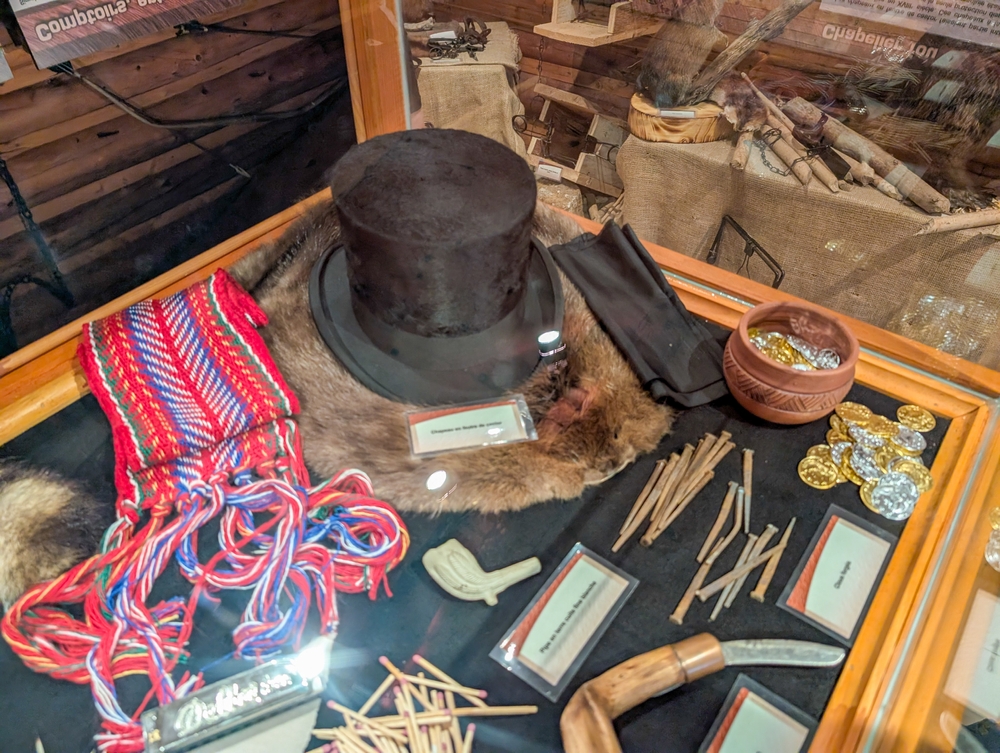
Some countries restrict the export of cultural property. Artifacts may include tools, pottery, or carvings. Travelers often do not realize this. Canada respects foreign cultural protection laws. Border officers may seize undocumented items. Receipts alone may not prove legal export. Age and historical value increase scrutiny. Declaring the item does not fix missing permits. These seizures are common and permanent. Modern replicas are safer purchases. Avoid items that appear historical or culturally significant.
Counterfeit designer goods

Counterfeit goods are illegal to import. This includes bags, watches, shoes, and clothing. Price does not excuse possession. Border officers inspect suspicious items carefully. Logos and stitching raise red flags. Seizure is common. Fines may apply. Declaring counterfeit items does not help. These goods violate trademark laws. Travelers often underestimate enforcement seriousness. Cheap knockoffs frequently disappear at the border. Buying counterfeit souvenirs creates unnecessary risk and financial loss.
Large amounts of cash were not declared

Cash reporting rules are strict. Amounts above the threshold must be declared. Multiple currencies count together. Travelers often forget this. Failure to declare can lead to seizure. Even legally earned money may be held. Proof of source may be required. Border officers treat this seriously. Declaring cash does not create taxes. Hiding cash causes major delays. Many seizures start with a simple oversight. An honest declaration avoids stress and long investigations.
Drone equipment is restricted by regulation
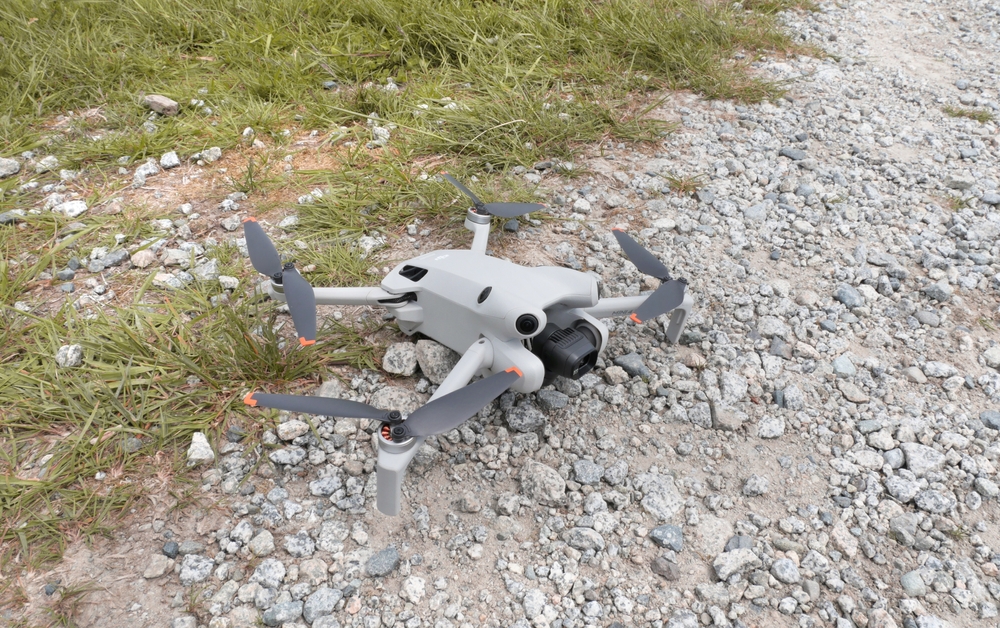
Drone imports face technical rules. Weight, frequency, and battery type matter. Some models exceed allowed specifications. Commercial drones raise extra scrutiny. Border officers may seize restricted equipment. Declaring a drone is required. Approval is not guaranteed. The use rules also apply after entry. Many travelers buy drones without checking regulations. Border enforcement focuses on safety and airspace control. Drone souvenirs frequently create unexpected problems.
Food products containing prohibited ingredients
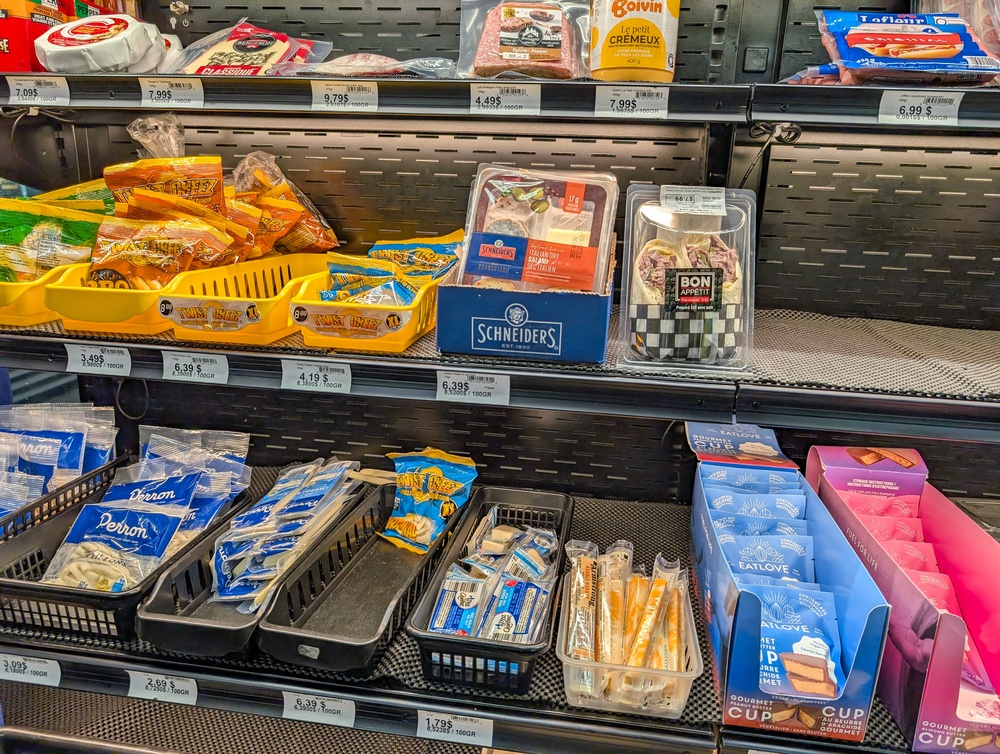
Processed foods can still cause issues. Meat powders and dairy ingredients matter. Flavor packets often contain restricted components. Labels may not be clear. Border officers inspect ingredient lists closely. Seizure is common for non-compliant foods. Declaring helps, but does not guarantee entry. Even shelf-stable items raise concerns. Stick to simple packaged snacks. Complex foods often disappear at inspection.
Cosmetics with banned substances
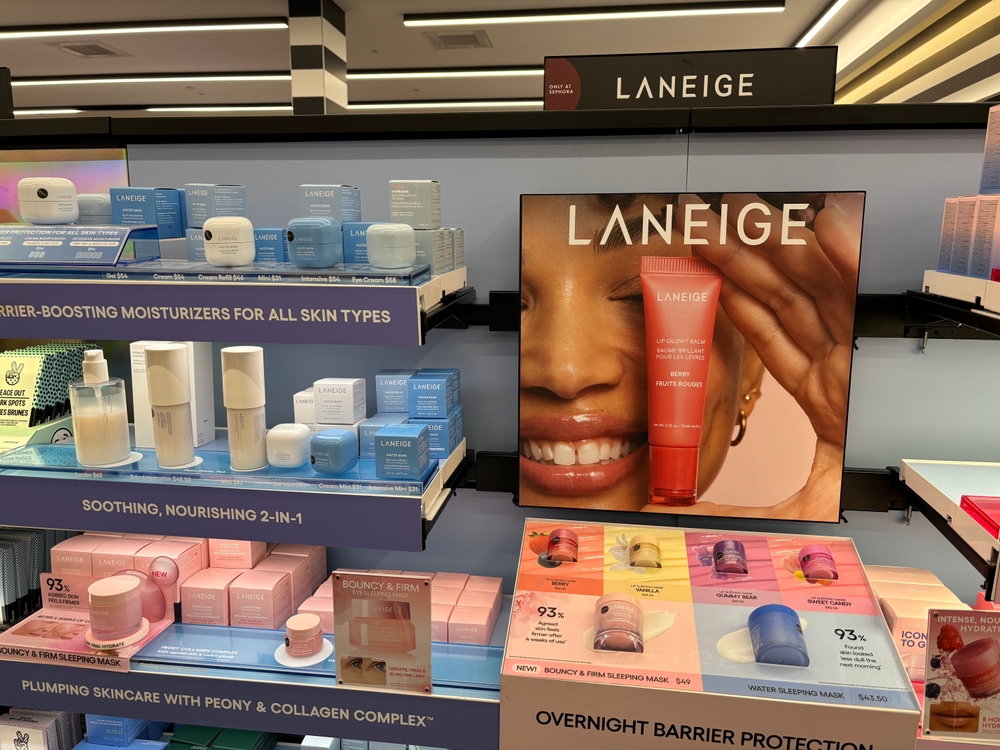
Cosmetic rules vary by country. Some ingredients are banned in Canada. Skin-lightening products are common offenders. Mercury content raises concern. Labels may hide restricted substances. Border officers may seize suspicious cosmetics. Declaring items does not ensure approval. Testing may occur. Personal use does not change enforcement. Buy cosmetics from approved Canadian retailers. Border seizures of beauty products are more common than travelers expect.
Homemade alcohol and infused spirits
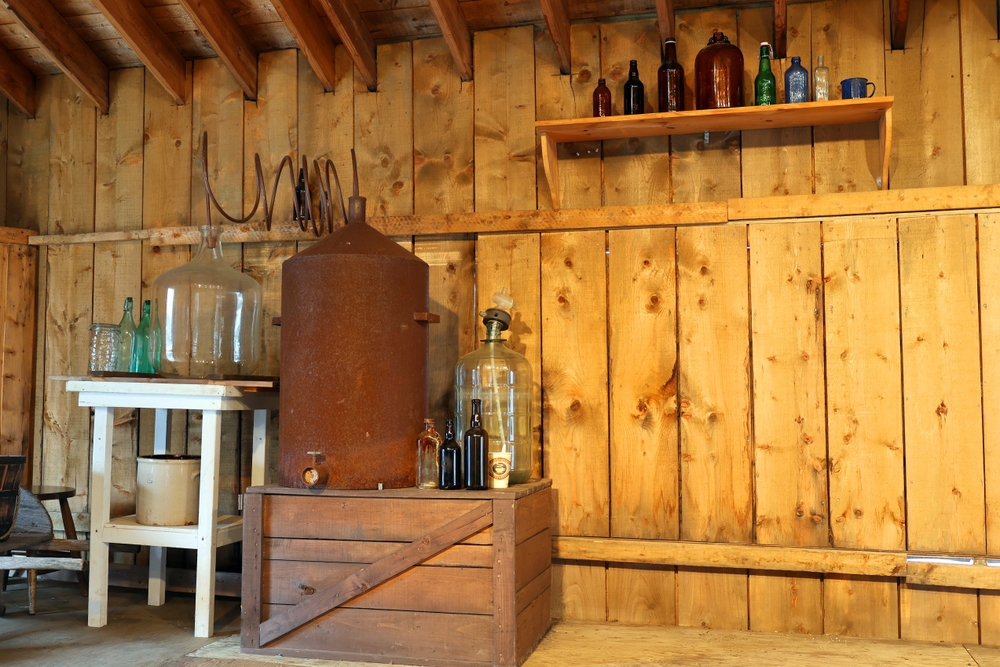
Homemade alcohol creates immediate problems at the border. Infused spirits often lack ingredient lists or verified alcohol content. Border officers cannot confirm safety or legality. Personal use does not change enforcement. Gifts are treated the same as personal purchases. Even small bottles raise concerns. Declaring homemade alcohol rarely leads to approval. Seizure is common. Commercial labeling matters more than intent. Travelers often underestimate how strictly alcohol imports are regulated. Homemade drinks that feel thoughtful often become confiscated items at inspection.
Internet purchases shipped to border pickups
Border pickup services do not bypass customs rules. All imported items are still inspected. Undeclared goods create serious issues. Quantity matters, especially when items appear commercial. Some products are prohibited regardless of purchase method. Border officers examine invoices and packaging closely. Declaring everything is required. Many seizures involve border pickup parcels. Travelers assume convenience equals simplicity. It does not. Border pickups frequently lead to confiscated items, delays, and unexpected penalties.
Items bought legally abroad but banned in Canada
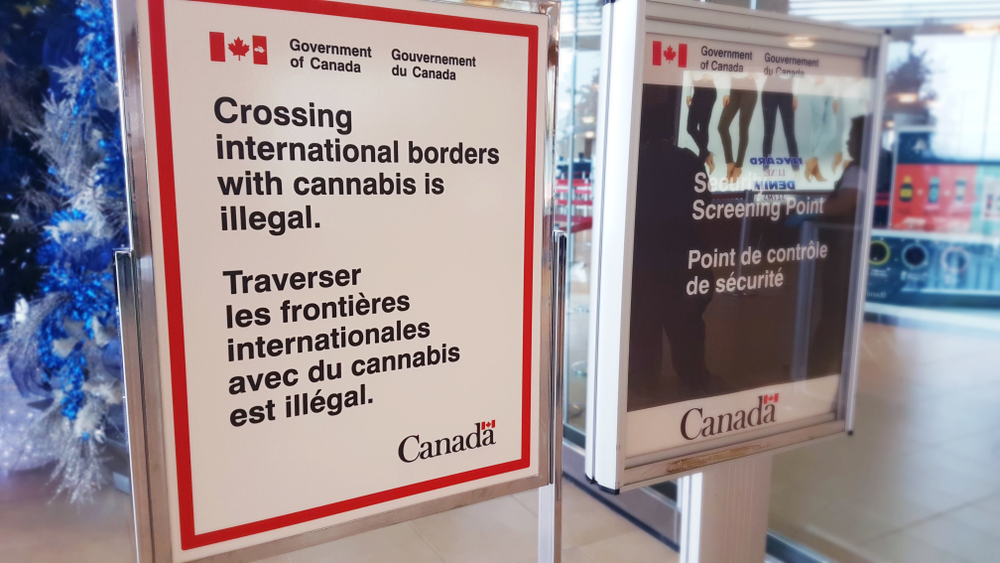
Legality in another country does not apply in Canada. This misunderstanding causes many seizures. Weapons, medications, and wildlife products are common examples. Travelers rely on store legality or local advice. Border officers enforce Canadian law only. Intent does not matter. A seizure follows when rules conflict. Research before purchasing matters. The border is not flexible. Many souvenirs disappear simply because buyers assume legality crossed borders.
This Options Discord Chat is The Real Deal
While the internet is scoured with trading chat rooms, many of which even charge upwards of thousands of dollars to join, this smaller options trading discord chatroom is the real deal and actually providing valuable trade setups, education, and community without the noise and spam of the larger more expensive rooms. With a incredibly low-cost monthly fee, Options Trading Club (click here to see their reviews) requires an application to join ensuring that every member is dedicated and serious about taking their trading to the next level. If you are looking for a change in your trading strategies, then click here to apply for a membership.