35,000+ smart investors are already getting financial news, market signals, and macro shifts in the economy that could impact their money next with our FREE weekly newsletter. Get ahead of what the crowd finds out too late. Click Here to Subscribe for FREE.
Grocery prices in Canada have climbed fast, and many households feel the squeeze every week. Staples cost more, packages feel smaller, and checkout totals shock even careful shoppers. Complaining helps nobody, so Canadians are quietly changing habits. Some shifts are small. Others require planning. None involves extreme sacrifice. From smarter shopping routines to new food sources, people are adapting in practical ways. Here are 19 clever ways Canadians are fighting back against soaring grocery prices.
Planning Meals Around Weekly Flyers
19 Clever Ways Canadians Are Fighting Back Against Soaring Grocery Prices
- Planning Meals Around Weekly Flyers
- Buying Store Brands Without Hesitation
- Cooking Larger Batches and Freezing Portions
- Choosing Frozen Produce More Often
- Shopping Fewer Stores With More Discipline
- Reducing Food Waste Through Better Tracking
- Eating Less Meat Without Eliminating It
- Using Loyalty Programs More Strategically
- Shopping With Cash Back Apps and Receipts
- Buying Seasonal Produce Only
- Splitting Bulk Purchases With Friends or Family
- Cooking More Meals From Scratch
- Choosing Cheaper Cuts and Using Them Well
- Skipping Convenience Items Without Guilt
- Using Smaller Shopping Baskets More Often
- Watching Unit Prices More Carefully
- Avoiding Grocery Shopping While Hungry
- Growing Small Amounts of Food at Home
- Accepting Changed Habits as the New Normal
- 22 Groceries to Grab Now—Before another Price Shock Hits Canada
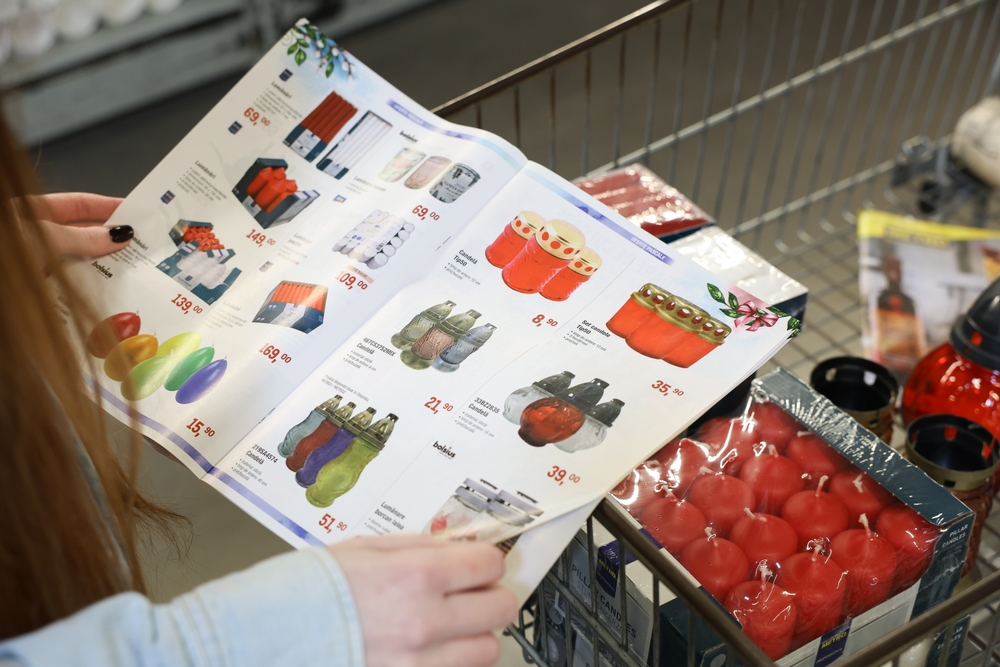
Many Canadians now plan meals after checking flyers, not before. This flips the old routine. Instead of shopping for recipes, they cook what is discounted. Meat, produce, and pantry deals shape weekly menus. This approach cuts impulse buying and reduces waste. It also makes sale items feel intentional rather than random. Families often keep a running list of flexible meals. Stir-fries, soups, and casseroles adapt easily to changing prices. Over time, flyer-based planning becomes faster. Shoppers learn store patterns. They know when deals repeat. The habit lowers grocery bills without cutting portion sizes or skipping meals.
Buying Store Brands Without Hesitation

Private label products once carried a stigma. That has mostly disappeared. Canadians are buying store brands confidently across many categories. Pantry items, dairy, frozen foods, and snacks often taste identical. The price gap keeps widening. Shoppers notice packaging changes and improved quality. Many store brands now use the same suppliers as national labels. The savings add up quickly across a full cart. Families who once mixed brands now switch fully. Loyalty shifts from logos to value. This change feels permanent. Once shoppers trust a store brand, they rarely switch back unless quality drops or pricing changes sharply.
Cooking Larger Batches and Freezing Portions

Batch cooking has become a money saver. Canadians cook larger portions and freeze leftovers deliberately. This reduces repeat grocery trips. It also limits expensive takeout nights. Soups, sauces, stews, and pasta freeze well. Even breakfast items get prepared ahead of time. Freezers now function like backup pantries. People label containers clearly and rotate meals. The habit saves both time and cash. It also cuts food waste. Leftovers no longer spoil in the fridge. Instead, they become planned meals. Batch cooking works especially well for households juggling busy schedules and rising food prices simultaneously.
Choosing Frozen Produce More Often

Fresh produce prices fluctuate wildly. Frozen options offer stability. Canadians increasingly rely on frozen fruits and vegetables. Nutritional value remains strong. Shelf life improves dramatically. Waste drops close to zero. Frozen berries replace fresh ones in smoothies and baking. Vegetables work well in soups, stir-fries, and casseroles. Shoppers avoid paying premium prices during off seasons. Freezers store months of supply. This reduces urgent store visits. Frozen produce also cooks quickly. That helps busy households. The switch feels practical rather than restrictive. For many families, frozen now feels like a smart default instead of a compromise.
Shopping Fewer Stores With More Discipline

Many shoppers once hopped between stores chasing deals. Rising fuel costs changed that behavior. Canadians now choose fewer stores and shop with discipline. They learn one store’s pricing cycles deeply. They build lists and stick to them. Fewer trips mean fewer impulse purchases. Time savings matter too. Some households rotate stores weekly rather than daily stops. Others assign one primary store and one backup. This strategy balances savings and convenience. It also reduces burnout. Constant deal chasing can feel exhausting. Focused shopping keeps costs predictable and routines manageable during tight grocery months.
Reducing Food Waste Through Better Tracking

Food waste quietly drains budgets. Canadians are paying closer attention. Fridges get organized more intentionally. Leftovers move to eye level. Older items get priority. Some households keep a simple inventory list. Others plan meals around what needs to be used first. This habit prevents forgotten produce from spoiling. It also reduces duplicate purchases. Waste reduction feels boring but effective. Every item used fully stretches dollars further. Over weeks, the savings become visible. Families often feel surprised by how much they used to throw away. Less waste means fewer shopping trips and better value from every grocery dollar.
Eating Less Meat Without Eliminating It

Meat prices push many budgets over the edge. Canadians respond by reducing portions, not eliminating meat. Meat becomes a flavor rather than the centerpiece. Dishes rely more on beans, lentils, eggs, and grains. Stir-fries and stews stretch smaller amounts further. This shift feels realistic. People still enjoy familiar meals. They simply rebalance plates. Protein variety improves. Grocery bills drop quietly. Families rarely announce the change. They just notice lower costs. Over time, taste preferences adjust. Smaller meat portions feel normal. The savings continue week after week without feeling restrictive.
Using Loyalty Programs More Strategically

Loyalty programs once felt optional. Now they feel necessary. Canadians track points and offers carefully. Apps show personalized discounts. Shoppers plan trips around bonus point events. Some delay purchases to maximize rewards. Others stack offers with sales. Points turn into free groceries or gift cards. The process feels more intentional than before. People learn program quirks quickly. They know which offers matter and which do not. Loyalty strategies require attention but not obsession. Used well, they soften rising prices. Over time, the rewards feel like delayed discounts that help balance grocery budgets.
Shopping With Cash Back Apps and Receipts

Cash back apps gained popularity as prices climbed. Canadians scan receipts for small refunds. The amounts seem minor at first. Over months, they add up. Some apps reward specific brands. Others reward any purchase. Shoppers check offers before buying. This shapes brand choices. The habit encourages mindful spending. It also adds a sense of control. Instead of feeling powerless, shoppers feel proactive. Scanning receipts takes little time. The savings accumulate quietly. Cash back does not replace discounts. It complements them. Combined with sales and points, it helps stretch grocery budgets further.
Buying Seasonal Produce Only
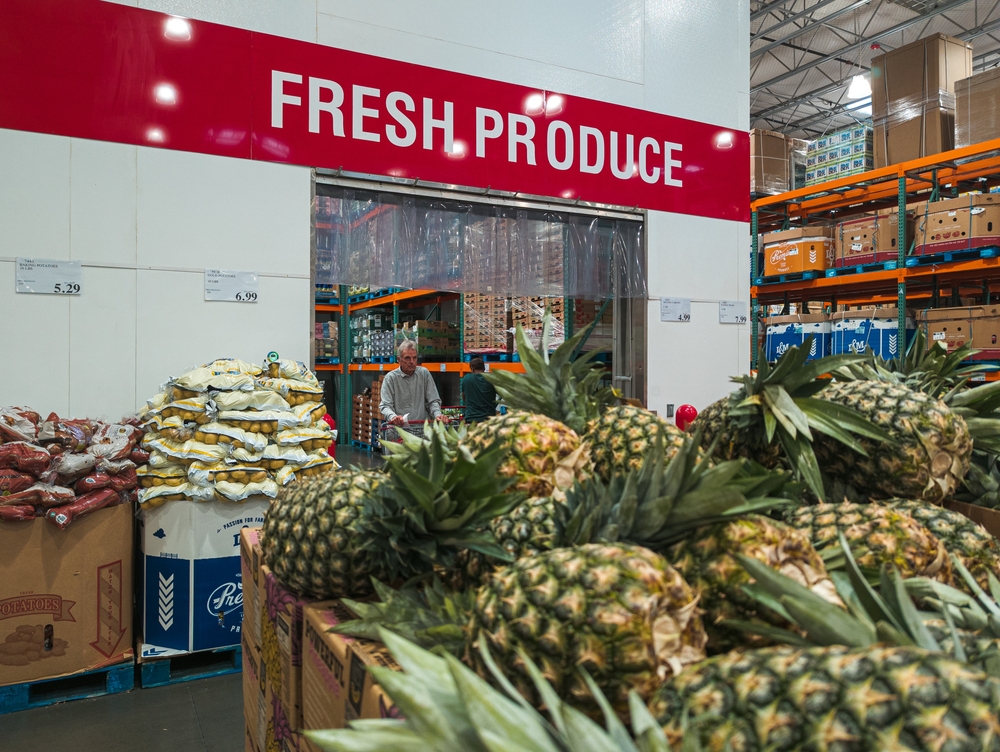
Seasonal eating is no longer trendy. It is practical. Canadians focus on produce grown locally and in season. Prices drop when supply rises. Quality improves at the same time. Out-of-season items feel less tempting now. Shoppers wait rather than overpay. Seasonal cooking becomes routine. Recipes adjust naturally. Squash, apples, and root vegetables dominate colder months. Berries and greens return in warmer seasons. This approach reduces sticker shock. It also supports local growers. Seasonal buying feels grounded and realistic. Over time, it trains shoppers to expect price swings instead of fighting them.
Splitting Bulk Purchases With Friends or Family

Bulk buying saves money but creates storage issues. Canadians solve this by splitting purchases. Friends or relatives share warehouse-sized items. Costs drop without excess clutter. Staples like rice, flour, and cleaning products work well. Coordination requires communication. Some groups rotate buying responsibilities. Others split costs immediately. The approach builds trust and saves cash. It also reduces waste. No one hoards more than needed. Bulk sharing feels communal rather than extreme. For households with limited space, it offers access to lower prices without committing to massive quantities at home.
Cooking More Meals From Scratch

Prepared foods carry higher price tags. Canadians are returning to basic cooking. Scratch meals cost less and stretch ingredients further. Simple sauces replace packaged ones. Homemade soups replace canned versions. Baking replaces expensive snacks. The learning curve feels manageable. Many recipes stay simple. Cooking skills improve naturally. Over time, preparation becomes faster. Grocery lists shrink. Ingredient costs feel more predictable. Scratch cooking also reduces packaging waste. Families notice better control over flavors and portions. While not glamorous, this shift quietly lowers grocery bills and builds confidence in the kitchen.
Choosing Cheaper Cuts and Using Them Well

Premium cuts feel harder to justify now. Canadians choose cheaper cuts instead. Chicken thighs replace breasts. Tougher beef cuts go into slow-cooked meals. Flavor improves with time and technique. Slow cookers and pressure cookers help. These tools turn inexpensive cuts tender. Shoppers learn which cuts suit which recipes. This knowledge spreads quickly. Online tips help too. The result feels satisfying. Meals remain filling and flavorful. Grocery bills drop noticeably. Choosing cheaper cuts feels like skill, not sacrifice. It rewards patience and planning rather than impulsive buying.
Skipping Convenience Items Without Guilt
Convenience foods cost more for the saved time. Canadians now evaluate those costs honestly. Some convenience items remain worth it. Others do not. Pre-chopped vegetables, shredded cheese, and single-serve snacks get reconsidered. Shoppers ask simple questions. Can this be done at home easily? Is the time saved worth the price? Many choose to do small prep themselves. It becomes routine. This shift does not mean extra work daily. It means choosing convenience selectively. The result is a more intentional cart with fewer high markup items.
Using Smaller Shopping Baskets More Often

Large carts invite overspending. Canadians increasingly use baskets or small carts. Physical limits slow impulse buying. Shoppers feel the weight of choices immediately. This creates awareness. It encourages sticking to lists. Shorter trips also reduce waste. People buy what they can carry easily. The habit works well for frequent shoppers. It turns grocery runs into focused tasks. There is less wandering and fewer extras. This simple change requires no apps or planning. It relies on human behavior. Smaller baskets naturally encourage restraint without feeling restrictive or forced.
Watching Unit Prices More Carefully
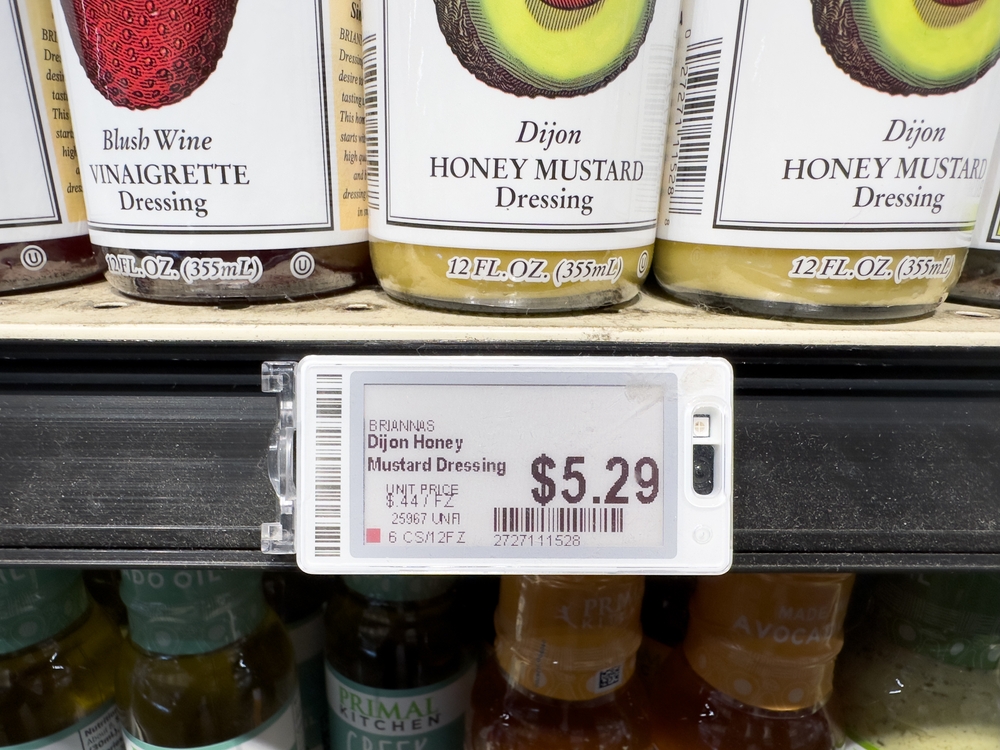
Sticker prices can mislead. Canadians now read unit prices closely. Cost per gram or litre matters more than packaging. Larger does not always mean cheaper. Smaller packages sometimes offer better value. Shoppers compare brands using unit pricing tags. This habit develops quickly. Once learned, it becomes automatic. It cuts through marketing tricks. Promotions feel clearer. Decisions become faster. Unit pricing shifts focus from appearance to value. Over time, it leads to consistent savings. This skill empowers shoppers to make smarter choices regardless of brand loyalty or flashy sales signs.
Avoiding Grocery Shopping While Hungry

Hunger drives poor decisions. Canadians take this advice seriously now. They eat before shopping. Even a small snack helps. This reduces impulse buys significantly. Hungry shoppers overestimate needs. They add unnecessary items. Shopping fully creates calm decisions. Lists feel easier to follow. Cravings lose power. This habit costs almost nothing. Yet it saves money every trip. Over weeks, the difference shows. Fewer snacks appear at checkout. Bills feel more predictable. Avoiding hunger while shopping feels simple but effective. It reminds people how psychology influences spending more than prices alone.
Growing Small Amounts of Food at Home

Home gardening has returned quietly. Canadians grow herbs, greens, and simple vegetables. Even small spaces work. Balconies and windowsills produce useful food. Herbs replace expensive store-bought versions. Lettuce and tomatoes supplement meals. The goal is not full self-reliance. It is modest savings and freshness. Gardening also changes habits. People value produce more. Waste decreases. Homegrown food feels rewarding. While savings vary, the habit builds awareness. It also provides a sense of control. Growing even small amounts helps offset grocery costs emotionally and financially.
Accepting Changed Habits as the New Normal

Perhaps the biggest shift is acceptance. Canadians stop waiting for prices to fall quickly. They adapt instead. New habits feel permanent. Old routines no longer make sense. This mindset reduces frustration. People focus on what they can control. Shopping becomes intentional rather than emotional. Budgeting feels calmer. Expectations adjust. Acceptance does not mean giving up. It means responding realistically. This shift allows other strategies to stick. When habits feel normal, they require less effort. Over time, this mental adjustment becomes one of the most effective tools against rising grocery costs.
22 Groceries to Grab Now—Before another Price Shock Hits Canada

Food prices in Canada have been steadily climbing, and another spike could make your grocery bill feel like a mortgage payment. According to Statistics Canada, food inflation remains about 3.7% higher than last year, with essentials like bread, dairy, and fresh produce leading the surge. Some items are expected to rise even further due to transportation costs, droughts, and import tariffs. Here are 22 groceries to grab now before another price shock hits Canada.
22 Groceries to Grab Now—Before another Price Shock Hits Canada
This Options Discord Chat is The Real Deal
While the internet is scoured with trading chat rooms, many of which even charge upwards of thousands of dollars to join, this smaller options trading discord chatroom is the real deal and actually providing valuable trade setups, education, and community without the noise and spam of the larger more expensive rooms. With a incredibly low-cost monthly fee, Options Trading Club (click here to see their reviews) requires an application to join ensuring that every member is dedicated and serious about taking their trading to the next level. If you are looking for a change in your trading strategies, then click here to apply for a membership.