
35,000+ smart investors are already getting financial news, market signals, and macro shifts in the economy that could impact their money next with our FREE weekly newsletter. Get ahead of what the crowd finds out too late. Click Here to Subscribe for FREE.
Owning a home in Canada has always come with expenses beyond the mortgage. Extreme weather is now quietly adding more. Floods, wildfires, heat waves, and freeze cycles are changing how homes age, how insurers price risk, and how cities maintain infrastructure. Many of these costs never appear on a listing sheet or lender estimate. They show up later through higher bills, repairs, and lost value. Here are 16 hidden costs of owning a home in Canada’s new era of extreme weather.
Rising Home Insurance Deductibles
16 Hidden Costs of Owning a Home in Canada’s New Era of Extreme Weather
- Rising Home Insurance Deductibles
- Basement Flood Mitigation Upgrades
- Landscaping Damage and Soil Erosion
- Higher Heating System Wear
- Cooling Costs in Previously Mild Regions
- Roof Damage from Freeze-Thaw Cycles
- Foundation Cracks and Shifting
- Increased Tree Maintenance and Removal
- Exterior Material Degradation
- Higher Water Bills from Climate Adaptation
- Loss of Property Value in Risk Zones
- Emergency Preparedness Expenses
- Mold Remediation Risks
- Municipal Infrastructure Pass Through Costs
- Shortened Lifespan of Outdoor Systems
- Mental and Time Costs of Constant Repairs
- 22 Groceries to Grab Now—Before another Price Shock Hits Canada

Insurance premiums usually get the attention, but deductibles are quietly rising too. Many policies now carry higher out-of-pocket costs for weather-related claims. Flooding, wind damage, and hail often come with separate deductibles. A single storm can leave homeowners paying thousands before coverage starts. Some insurers also apply percentage-based deductibles tied to home value. That means larger homes face larger upfront losses. Claims history matters as well. One weather claim can raise future deductibles. Over time, insurance protects less while costing more. Homeowners must budget for losses insurance that no longer fully absorbs today.
Basement Flood Mitigation Upgrades
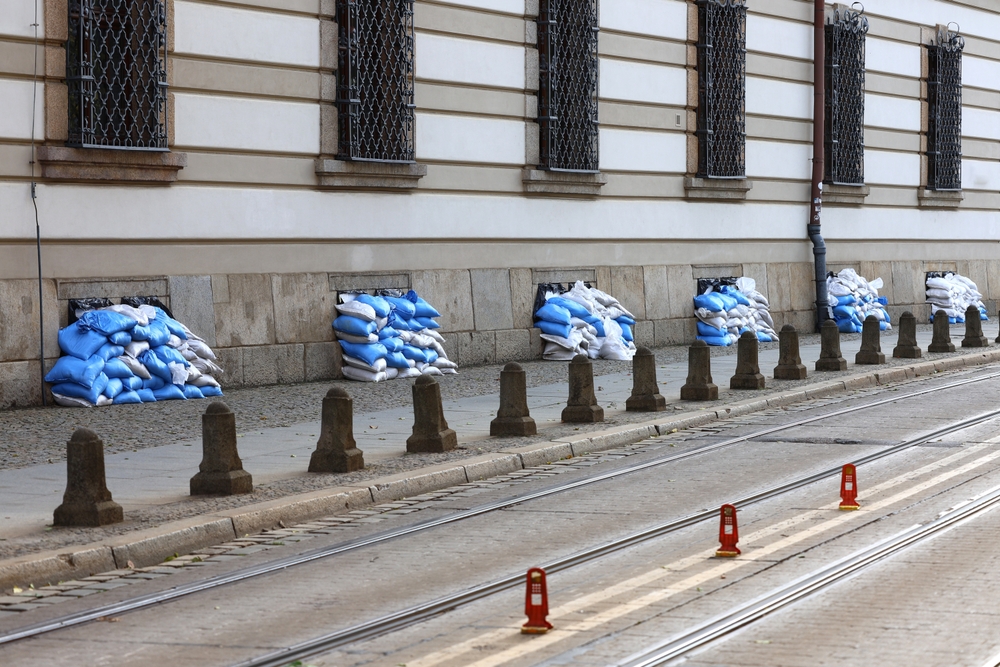
Heavier rainfall is overwhelming older drainage systems in many neighbourhoods. Municipal sewers back up more often during storms. Homeowners now pay for an optional prevention. Backwater valves, sump pumps, and battery backups are becoming necessities. Installation costs can reach several thousand dollars. Maintenance adds an ongoing expense. Pumps fail, and valves need inspection. Insurance coverage often requires these upgrades for flood protection. Without them, claims may be denied. Finished basements face higher stakes due to damage risks. Flood prevention has become a recurring household cost rather than a one-time improvement.
Landscaping Damage and Soil Erosion
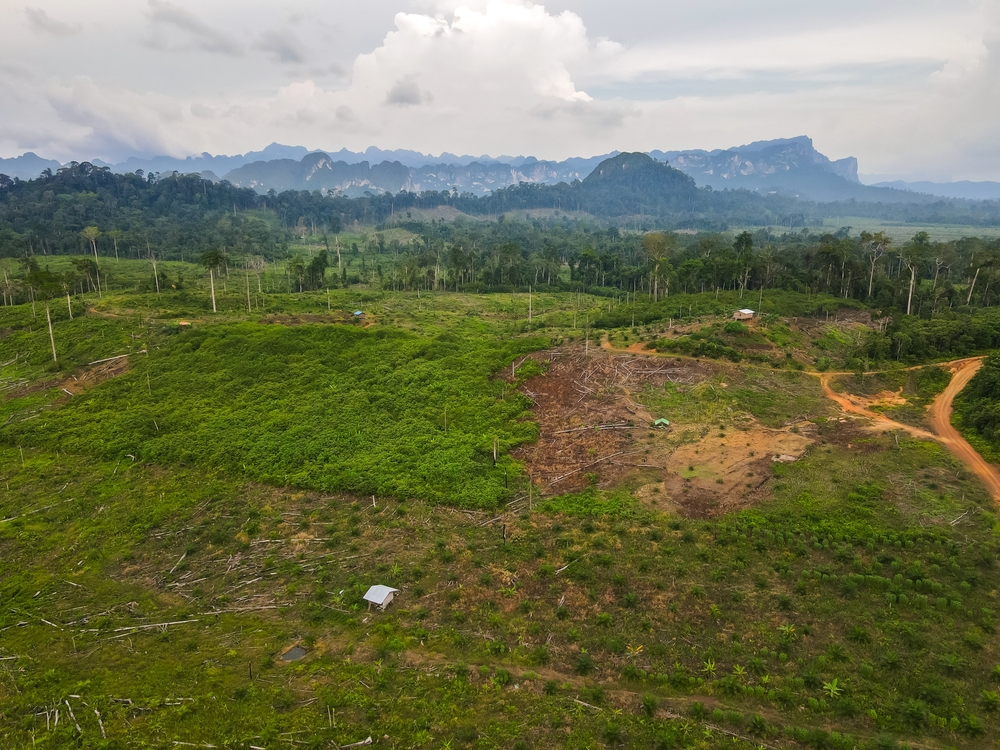
Extreme rain followed by drought damages yards in new ways. Soil washes away during storms, then hardens during dry periods. Lawns struggle to recover between extremes. Retaining walls, grading work, and drainage channels are needed more often. Trees fall due to saturated soil and high winds. Removing them costs money and may require permits. Replacing plants becomes routine instead of occasional. Insurance rarely covers yard damage unless structures are hit. Landscaping budgets now include repair cycles tied to weather patterns rather than homeowner preference or aesthetics alone.
Higher Heating System Wear
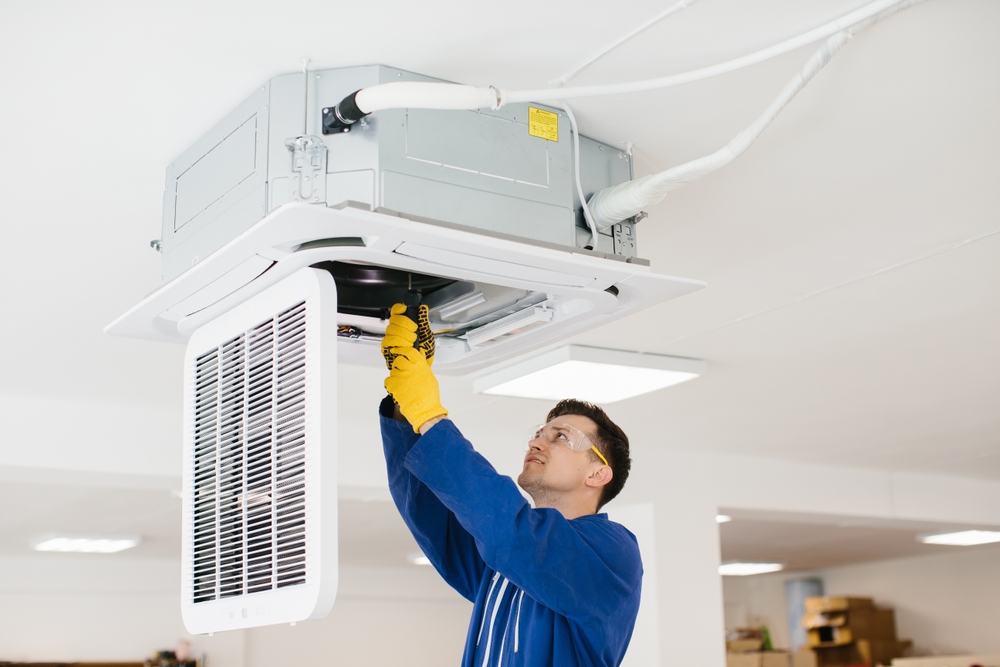
More temperature swings strain heating systems. Cold snaps arrive suddenly and last longer in some regions. Furnaces cycle harder and more often. Heat pumps struggle during extremes and rely on backup heat. This increases wear on components. Repairs happen sooner than expected. Replacement timelines shorten. Emergency service calls cost more than planned maintenance. Fuel usage also spikes during erratic cold periods. Budget estimates based on past winters no longer hold. Homeowners pay through higher bills and shorter equipment life. Heating reliability has become a hidden cost of climate volatility.
Cooling Costs in Previously Mild Regions
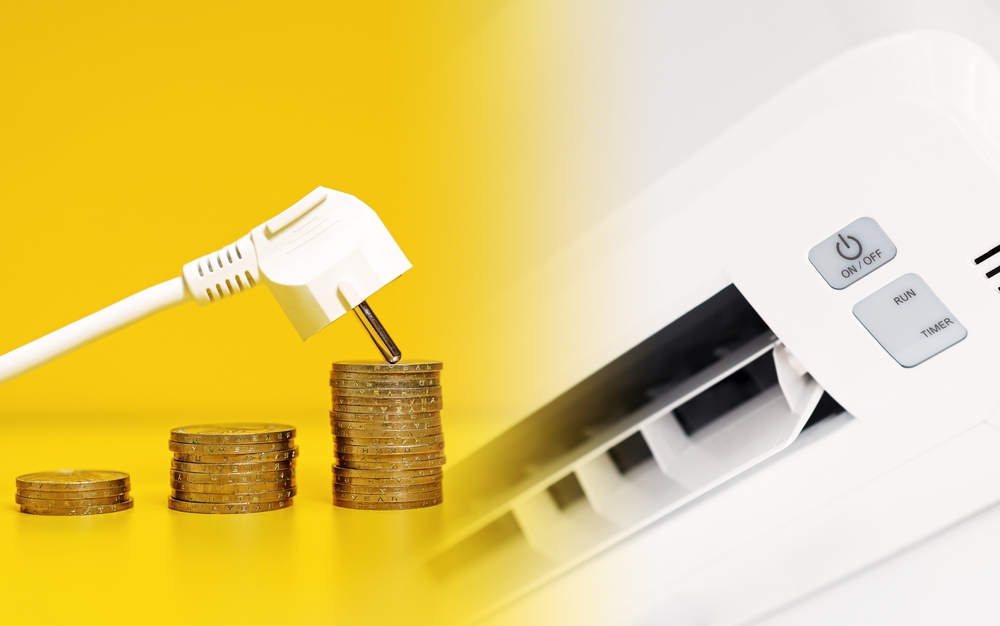
Many Canadian homes were never designed for prolonged heat. Heat waves now last longer and arrive earlier. Air conditioning installation has become common in older houses. Electrical upgrades may be required to support new systems. Operating costs rise during extended hot periods. Portable units strain circuits and raise fire risks. Window units affect insulation and security. Maintenance adds expense as usage increases. Cooling was once a comfort upgrade. It is now a functional requirement in many areas. Home budgets reflect this shift through installation, energy, and repair costs.
Roof Damage from Freeze-Thaw Cycles
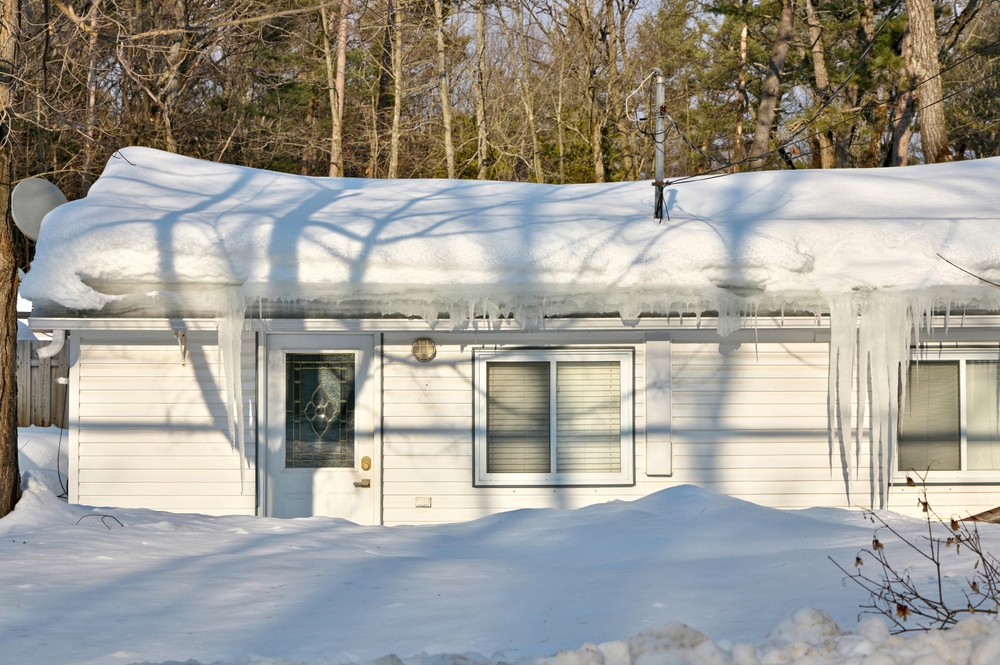
Frequent freeze-thaw cycles are hard on roofing materials. Ice expands in small cracks, then melts and refreezes. Shingles loosen faster than expected. Flashing fails around vents and chimneys. Leaks appear without obvious storm damage. Repairs become routine rather than rare. Full roof replacement may come earlier than planned. Insurance may deny claims tied to gradual wear. Attic insulation issues worsen ice dam formation. Preventive measures cost money and time. Roof lifespan estimates from past decades no longer match current weather stress patterns.
Foundation Cracks and Shifting
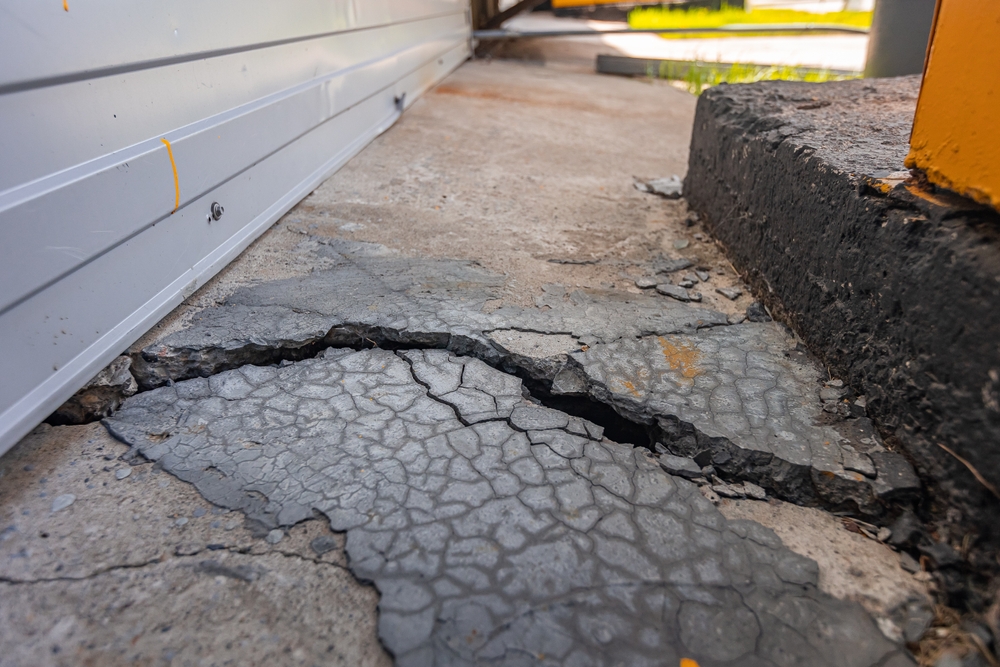
Soil moisture changes affect foundations over time. Heavy rain followed by drought causes soil to expand and contract. Foundations shift under repeated stress. Small cracks appear and slowly widen. Water intrusion becomes more likely. Repairs often fall outside insurance coverage. Structural assessments add cost before any work begins. Fixes can involve drainage changes, underpinning, or sealing systems. These are expensive and disruptive. Early signs are easy to ignore until damage spreads. Foundation stability has become a long-term financial concern tied to changing weather behavior.
Increased Tree Maintenance and Removal
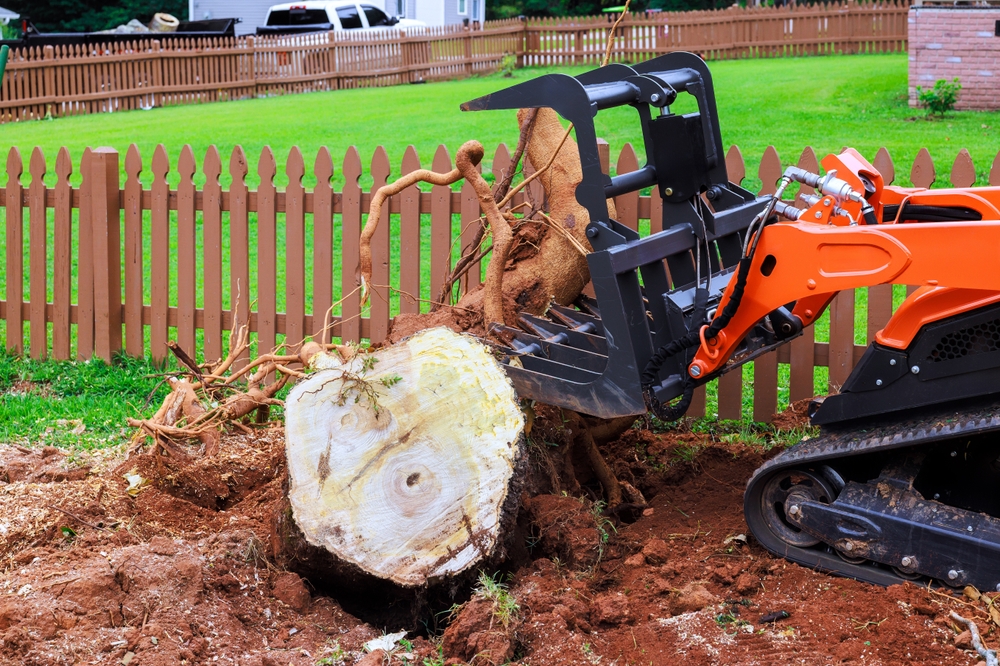
Trees face stronger winds, heavier snow, and wetter soil. Branches break more often during storms. Entire trees fall without warning. Homeowners must pay for trimming to reduce risk. Emergency removal after storms costs significantly more. Damage to roofs, fences, and vehicles adds expense. Insurance may cover impacts but not preventive work. Municipal rules sometimes require professional arborists. Replacement trees may fail due to heat or drought. Yard safety now includes ongoing tree management costs driven by unstable weather patterns rather than natural aging alone.
Exterior Material Degradation
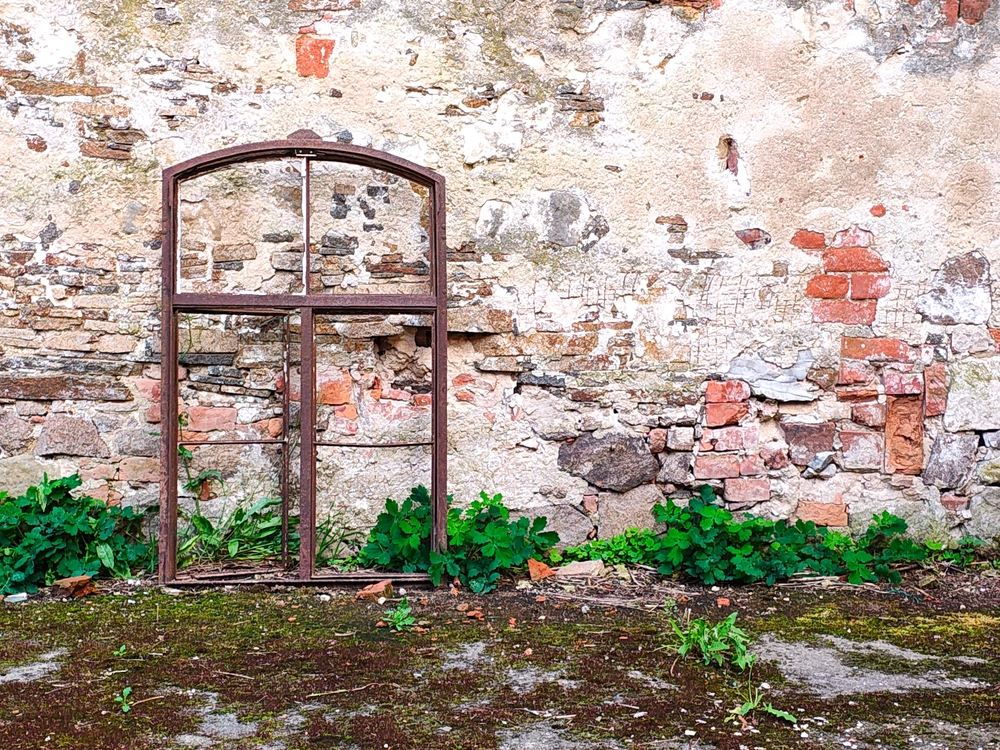
Siding, paint, and masonry suffer under harsher conditions. More UV exposure fades finishes faster. Moisture penetration increases during intense rainfall. Wood swells and cracks. Brick mortar deteriorates more quickly. Repainting and sealing cycles shorten. Materials once expected to last decades need attention sooner. Repairs often happen in stages, increasing labor costs. Insurance usually excludes gradual deterioration. Homeowners absorb these expenses directly. Exterior upkeep budgets must account for faster degradation. Weather resilience now influences material choices and long-term maintenance planning more than appearance or trend preferences.
Higher Water Bills from Climate Adaptation

Extreme heat increases water usage for cooling and landscaping. Drought conditions limit municipal supply, raising rates. Homeowners invest in irrigation adjustments and drought-resistant plants. Leaks emerge as pipes expand and contract. Older plumbing suffers from pressure changes. Rainwater systems require installation and upkeep. Some municipalities charge stormwater fees based on runoff. Bills rise quietly through small increases across services. Water affordability becomes part of climate adaptation costs. These expenses accumulate slowly but steadily, often without clear links to individual weather events.
Loss of Property Value in Risk Zones
Homes in flood plains or fire-prone areas face changing market perceptions. Buyers factor climate risk into offers. Appraisals reflect future insurance and repair costs. Some lenders adjust lending terms. Resale timelines lengthen. Disclosure requirements reveal past claims or damage. Even well-maintained homes lose value due to location risk. Mitigation efforts help but rarely eliminate concern. Owners may need to invest heavily to preserve value. Climate exposure has become a pricing factor beyond neighbourhood trends, schools, or renovations previously driving home valuation decisions.
Emergency Preparedness Expenses
Extreme weather requires readiness. Homeowners purchase generators, backup batteries, and emergency supplies. Installation adds electrical and ventilation costs. Fuel storage requires safe handling. Maintenance is ongoing. Storm kits expire and need replacement. Some municipalities recommend home resilience upgrades. These costs are rarely reimbursed. Power outages last longer and occur more often. Preparedness shifts from optional to expected. Each item seems small alone. Together, they create a recurring expense category tied to climate uncertainty. Emergency readiness has become part of standard household financial planning.
Mold Remediation Risks
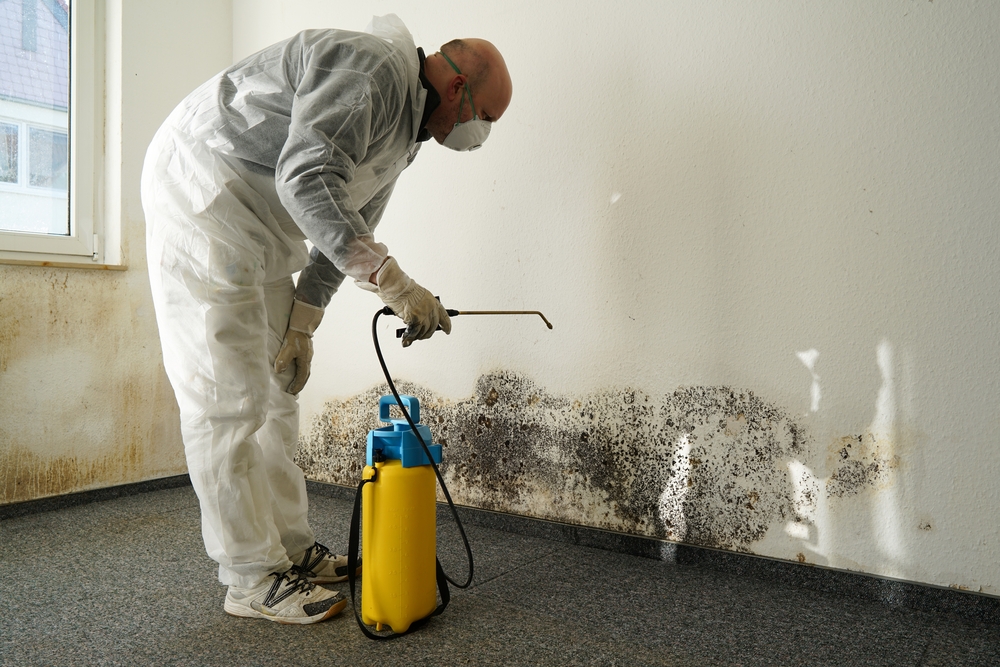
Higher humidity and flooding increase mold growth risks. Basements and crawl spaces are especially vulnerable. Small leaks create hidden problems behind walls. Detection requires professional testing. Remediation is costly and disruptive. Insurance coverage varies and often excludes gradual moisture issues. Health concerns add urgency and stress. Preventive dehumidification increases energy use. Ventilation upgrades may be required. Once mold appears, resale disclosure becomes mandatory. Even minor cases reduce buyer confidence. Mold management has become a hidden cost linked to wetter conditions and building design limits.
Municipal Infrastructure Pass Through Costs
Cities face higher repair costs from weather damage. Roads, sewers, and drainage systems require upgrades. Municipalities recover costs through taxes and fees. Homeowners pay indirectly over time. Special levies fund flood protection or fire prevention. Development charges rise for new projects. Older neighbourhoods see targeted assessments. These costs rarely appear as climate-related. They show up as routine increases. Homeowners absorb them without choice. Climate stress on public infrastructure quietly shifts financial responsibility onto private property owners through local taxation.
Shortened Lifespan of Outdoor Systems
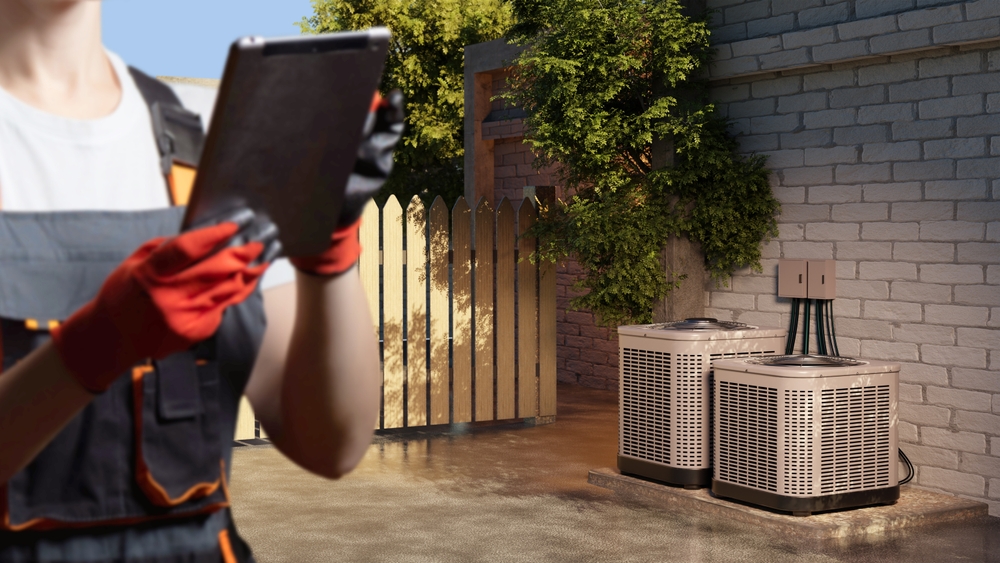
Decks, fences, and sheds face harsher conditions. Moisture causes rot and corrosion. Heat warps materials. Wind loosens anchors. Repairs happen more often than expected. Replacement cycles shorten. Treated wood still requires sealing. Metal fasteners rust faster. Insurance does not cover gradual damage. Homeowners adjust maintenance schedules and budgets. Outdoor living spaces cost more to keep safe and usable. What once lasted twenty years may now last half that. Weather volatility reshapes expectations for durability and ongoing upkeep costs.
Mental and Time Costs of Constant Repairs
Extreme weather adds planning stress. Homeowners monitor forecasts and prepare repeatedly. Time off work is used for repairs. Contractor availability drops after storms. Prices rise during demand spikes. Decision fatigue sets in. Small issues feel urgent. Long-term projects get delayed. These costs rarely appear in financial planning. Stress affects quality of life and productivity. Homeownership becomes more demanding. The burden grows quietly through accumulated effort. Climate pressure turns maintenance into an ongoing responsibility rather than an occasional task, changing the lived experience of owning property.
22 Groceries to Grab Now—Before another Price Shock Hits Canada

Food prices in Canada have been steadily climbing, and another spike could make your grocery bill feel like a mortgage payment. According to Statistics Canada, food inflation remains about 3.7% higher than last year, with essentials like bread, dairy, and fresh produce leading the surge. Some items are expected to rise even further due to transportation costs, droughts, and import tariffs. Here are 22 groceries to grab now before another price shock hits Canada.
22 Groceries to Grab Now—Before another Price Shock Hits Canada
This Options Discord Chat is The Real Deal
While the internet is scoured with trading chat rooms, many of which even charge upwards of thousands of dollars to join, this smaller options trading discord chatroom is the real deal and actually providing valuable trade setups, education, and community without the noise and spam of the larger more expensive rooms. With a incredibly low-cost monthly fee, Options Trading Club (click here to see their reviews) requires an application to join ensuring that every member is dedicated and serious about taking their trading to the next level. If you are looking for a change in your trading strategies, then click here to apply for a membership.