35,000+ smart investors are already getting financial news, market signals, and macro shifts in the economy that could impact their money next with our FREE weekly newsletter. Get ahead of what the crowd finds out too late. Click Here to Subscribe for FREE.
Greenland rarely dominates Canadian headlines, yet its role inside NATO is growing louder. Military upgrades, diplomatic tension, and Arctic logistics are all converging there. For Canadians, this matters more than many assume. Our northern borders sit beside the same routes, waters, and airspace, drawing global attention. Decisions made near Greenland often ripple westward toward Canada. These changes shape defense spending, northern development, Indigenous communities, and foreign policy choices. Here are 14 things Canadians don’t realize NATO’s Greenland drama means for our North.
Canada’s Arctic Suddenly Looks Less Remote to Allies
14 Things Canadians Don’t Realize NATO’s Greenland Drama Means for Our North
- Canada’s Arctic Suddenly Looks Less Remote to Allies
- NORAD Responsibilities Become Harder to Postpone
- Arctic Shipping Routes Gain Strategic Meaning
- Canadian Sovereignty Claims Face Subtle Testing
- Indigenous Communities Feel Strategic Shifts First
- Arctic Surveillance Expands Beyond Defence
- Defence Spending Gets an Arctic Lens
- Russian Arctic Activity Feels Closer
- Climate Change Becomes a Defence Issue
- Arctic Diplomacy Becomes More Visible
- Civilian Infrastructure Gains Security Importance
- Search and Rescue Obligations Grow Quietly
- Northern Policy Becomes Alliance Policy
- Canada Loses the Option to Wait
- 22 Groceries to Grab Now—Before another Price Shock Hits Canada

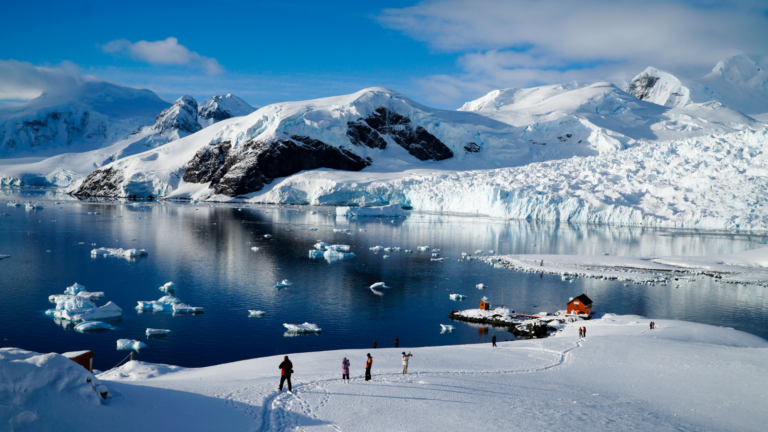
Greenland’s growing role inside NATO reshapes how allies see the Arctic. Canada’s North no longer feels distant in defence planning. Military maps increasingly link Greenland, Northern Canada, and Alaska as a single space. That change carries expectations. Allies now view Canada’s Arctic as active territory, not a symbolic frontier. This raises questions about readiness and reliability. Infrastructure, response time, and visibility start to matter more. Canada faces pressure to maintain a presence year-round. The North becomes something Canada must actively manage. Greenland helps shift that perception faster than many realize.
NORAD Responsibilities Become Harder to Postpone

Greenland hosts key early warning systems tied to continental defence. As NATO focuses more on Arctic security, NORAD moves closer to the centre. Canada cannot treat upgrades as long-term ideas anymore. Radar coverage gaps and aging systems attract attention. Greenland’s role highlights how shared defence depends on speed and clarity. Allies expect seamless coordination across northern airspace. Delays become harder to justify politically. Investment decisions gain urgency. Canada’s obligations grow clearer. NORAD modernization shifts from debate to expectation. Greenland makes those expectations harder to ignore.
Arctic Shipping Routes Gain Strategic Meaning
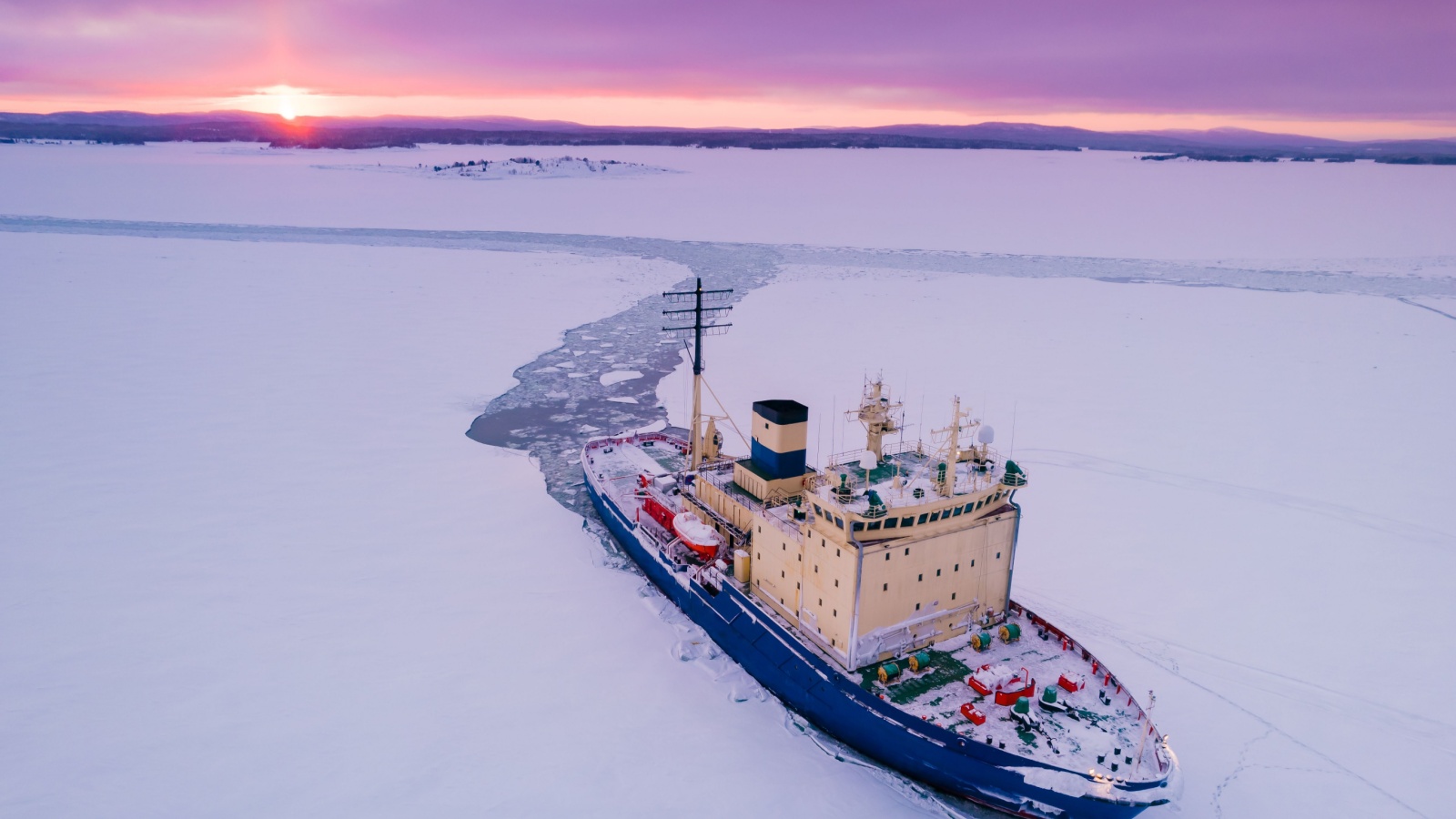
Melting ice around Greenland has pushed shipping routes into defence discussions. Canada faces similar pressure in the northern waters. Increased traffic brings monitoring challenges. Commercial ships and military movements now overlap more often. This creates risks without clear boundaries. Canada must watch activity without escalating tension. Ports, navigation systems, and response plans face new demands. Greenland shows how shipping routes turn strategic quietly. Canada’s Northwest Passage enters the same conversation. Control becomes practical, not theoretical. The Arctic’s role in trade and security grows intertwined.
Canadian Sovereignty Claims Face Subtle Testing

NATO cooperation does not erase borders. It complicates them. Greenland’s military use increases allied presence near Canadian claims. Canada must demonstrate control through action. Patrols, monitoring, and documentation become routine tasks. Silence invites assumptions during crises. Allies may move quickly if clarity is lacking. Canada needs firm rules and a consistent presence. Greenland shows how sovereignty depends on daily practice. Legal claims matter less without activity. The North rewards attention. Canada cannot rely on distance to protect its authority.
Indigenous Communities Feel Strategic Shifts First
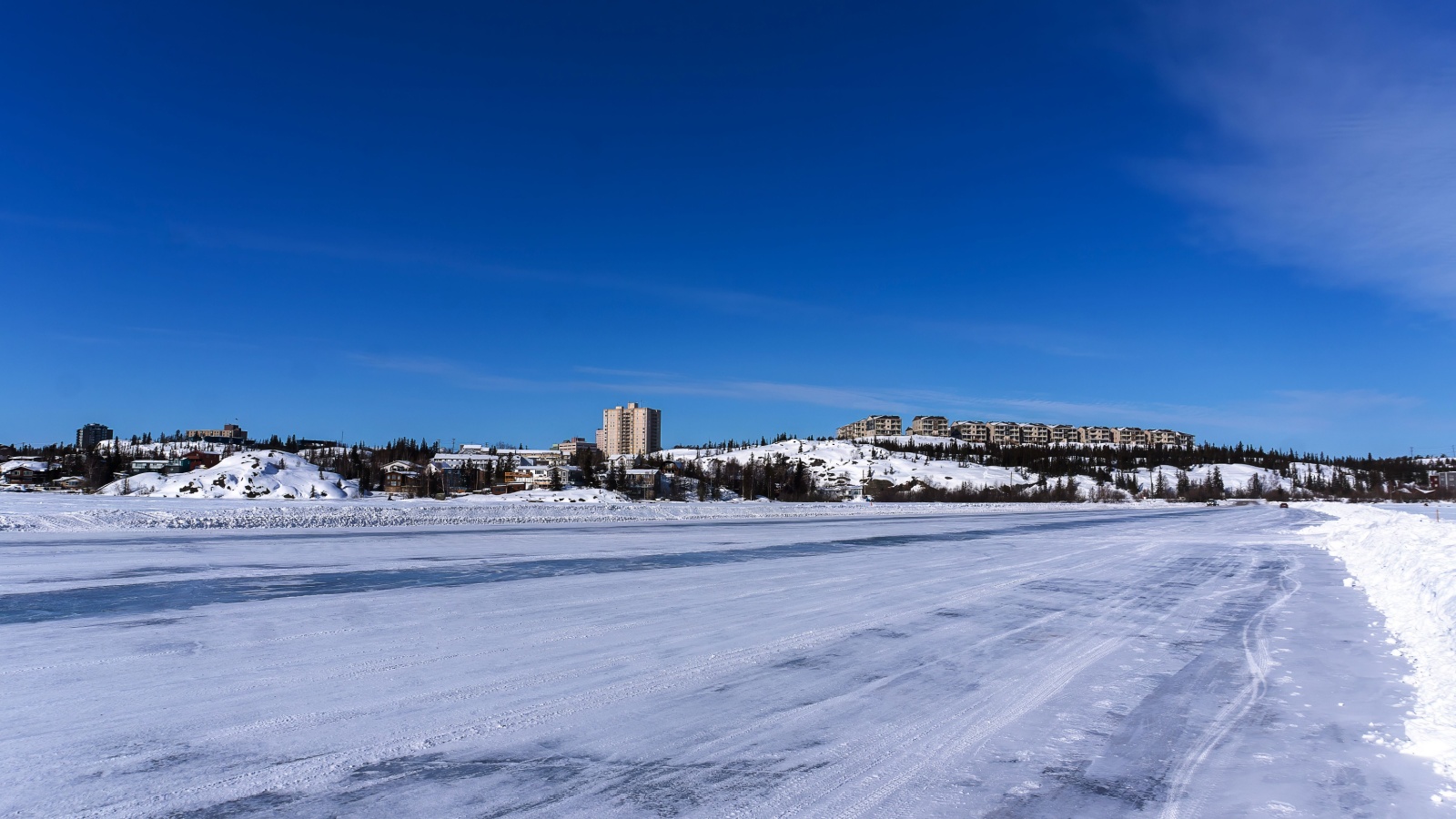
Northern communities sit where policy meets reality. Greenland’s buildup hints at similar attention toward Canada’s Arctic settlements. Increased flights and operations affect daily life. Infrastructure projects often cross Indigenous land. Consultation becomes necessary and complex. Security goals can strain local priorities. Canada must balance alliance demands with trust. Greenland shows how fast strategic interest reshapes communities. Ignoring voices risks long-term harm. Respectful planning reduces friction. The Arctic magnifies consequences quickly. Communities feel change before policy debates catch up.
Arctic Surveillance Expands Beyond Defence

Greenland’s systems track more than threats. Weather patterns, civilian flights, and movement data all get monitored. Canada faces a similar expansion in the North. Surveillance affects research, transport, and local activity. Data sharing with allies increases quietly. Questions arise about control and use. Who owns the information matters. Greenland shows how monitoring grows without public attention. Canada needs clear rules early. Undefined boundaries create confusion later. Transparency builds trust. The Arctic becomes a space of constant observation.
Defence Spending Gets an Arctic Lens

Greenland strengthens arguments for Arctic investment across NATO. Canada hears calls to match allied efforts. Defence budgets face a new framing. Spending links directly to credibility. Arctic neglect looks risky to partners. Governments must explain delays clearly. Greenland highlights gaps faster than reports do. Canada’s North becomes proof of commitment. Funding debates shift tone. Defence stops feeling distant. The Arctic turns budget choices into signals. Allies read those signals closely.
Russian Arctic Activity Feels Closer
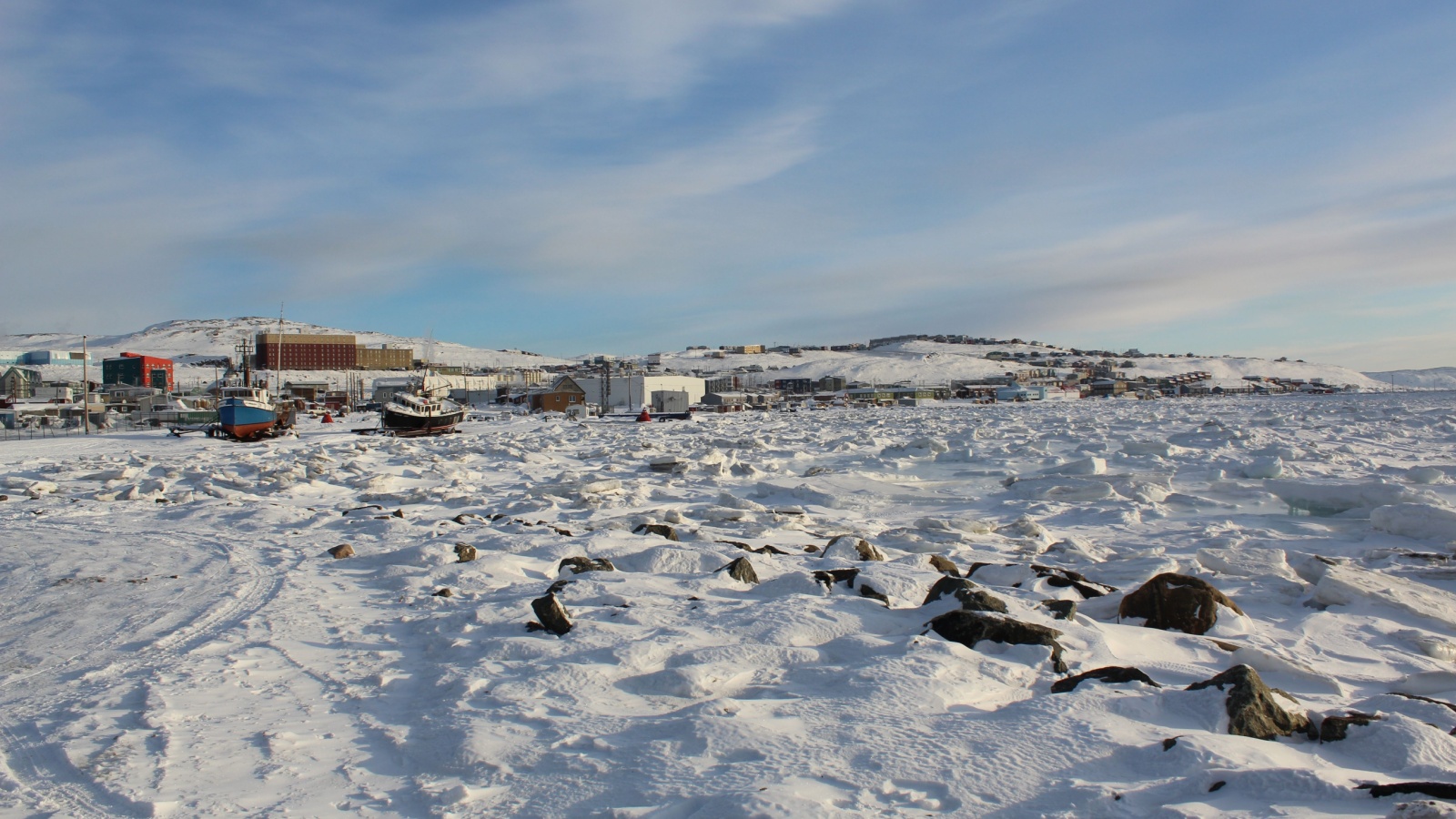
Greenland sits near Russian Arctic routes. NATO watches carefully. Canada shares similar exposure. Rising tension near Greenland raises alert levels across the region. Exercises and patrols increase. Canada must respond calmly. Overreaction escalates risk. Underreaction invites pressure. Greenland shows how quickly the Arctic balance tightens. Geography offers no buffer. Canada operates in the same environment. Stability requires a steady presence. The North demands vigilance without panic.
Climate Change Becomes a Defence Issue

Greenland’s melting ice drives security urgency. NATO treats climate effects as an operational reality. Canada faces the same challenges. Thawing ground weakens runways and facilities. Weather shifts complicate planning. Equipment reliability suffers. Greenland shows how the environment shapes defence readiness. Canada cannot separate climate planning from security planning. Adaptation becomes part of defence. The Arctic exposes weaknesses quickly. Ignoring climate risks costs readiness. Preparation matters more than prediction.
Arctic Diplomacy Becomes More Visible

Greenland pulls Denmark deeper into NATO Arctic talks. Canada faces similar diplomatic pressure. Arctic cooperation grows louder and faster. Quiet agreements become formal discussions. Expectations shift toward action. Canada must communicate clearly to avoid assumptions. Silence can mislead partners. Greenland shows that diplomacy no longer stays behind closed doors. Statements and commitments carry weight. Canada’s role faces scrutiny. The Arctic turns foreign policy into daily practice.
Civilian Infrastructure Gains Security Importance
Greenland’s ports and airports support NATO operations. Canada’s North mirrors this reality. Civilian systems now carry defence roles. Failures carry larger consequences. Maintenance becomes strategic work. Investment decisions affect readiness. Greenland shows how ordinary infrastructure becomes critical. Canada must plan accordingly. Power, transport, and communication systems matter more. The Arctic connects daily life to security outcomes. Reliability becomes a defence issue.
Search and Rescue Obligations Grow Quietly
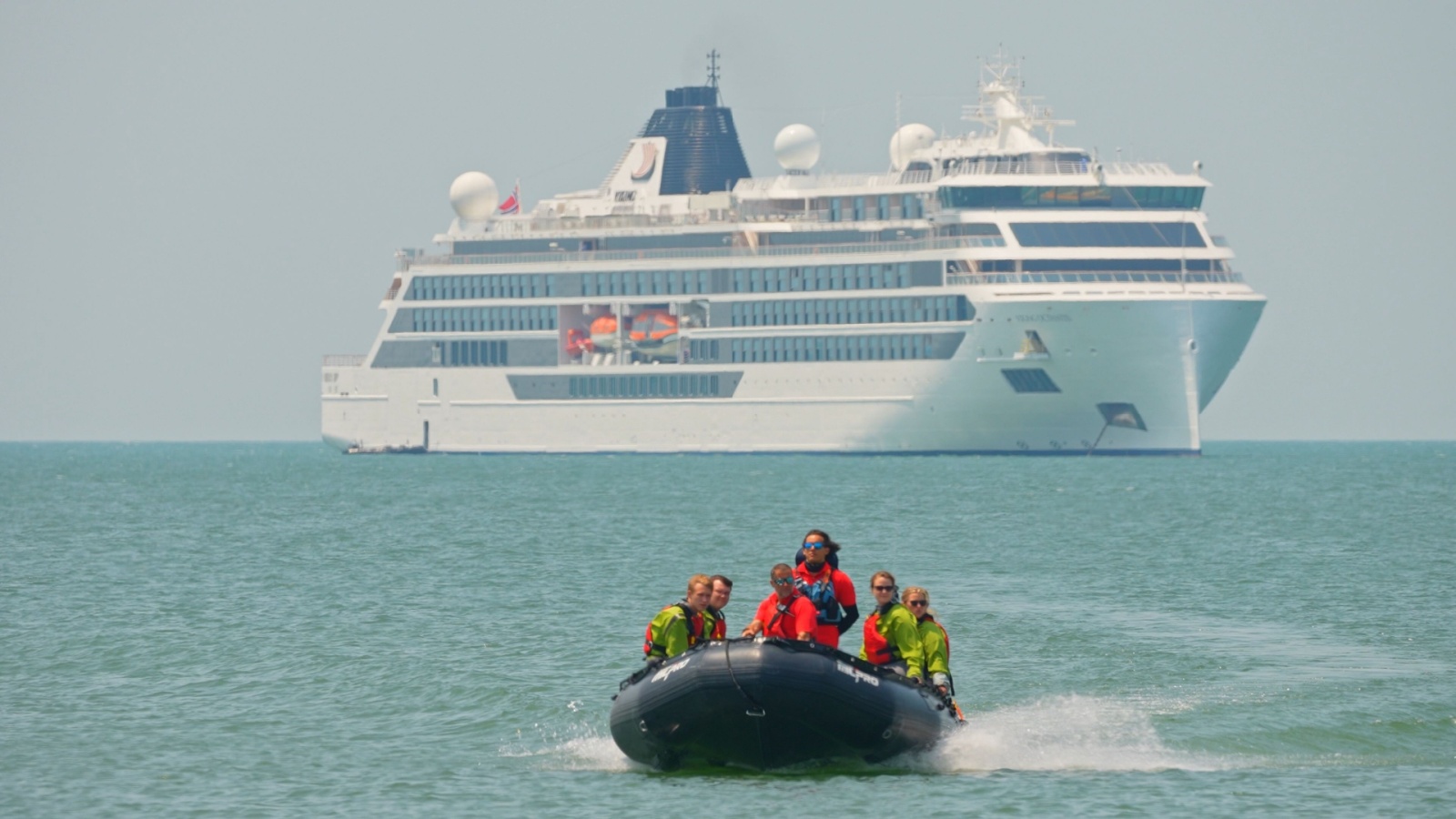
More activity brings more accidents. Greenland faces rising rescue demands. Canada’s North follows the same path. Long distances strain response times. Equipment availability matters. Staffing levels matter. Allies expect dependable support. Failures harm trust. Greenland highlights how humanitarian duties expand alongside military presence. Canada must prepare without spectacle. Planning saves lives. The Arctic leaves little margin for delay. Readiness extends beyond defence.
Northern Policy Becomes Alliance Policy

Greenland ties domestic choices to NATO expectations. Canada’s northern policies face similar scrutiny. Housing, transport, and services affect readiness. Weak systems reduce reliability. Allies notice gaps quickly. Canada must align policy with promises. Greenland shows how domestic neglect becomes an international concern. The North reflects national priorities clearly. Investment sends signals. Consistency builds confidence. Policy choices ripple outward.
Canada Loses the Option to Wait
Greenland removes the luxury of delay. Arctic change moves quickly. NATO planning speeds up timelines. Canada cannot pause safely. Decisions arrive sooner than expected. Preparedness beats reaction. Greenland acts as a warning and signal. The North demands attention now. Waiting carries costs. Action does not require alarm. It requires presence. Canada’s choices today shape future control. The Arctic does not slow down.
22 Groceries to Grab Now—Before another Price Shock Hits Canada

Food prices in Canada have been steadily climbing, and another spike could make your grocery bill feel like a mortgage payment. According to Statistics Canada, food inflation remains about 3.7% higher than last year, with essentials like bread, dairy, and fresh produce leading the surge. Some items are expected to rise even further due to transportation costs, droughts, and import tariffs. Here are 22 groceries to grab now before another price shock hits Canada.
22 Groceries to Grab Now—Before another Price Shock Hits Canada
This Options Discord Chat is The Real Deal
While the internet is scoured with trading chat rooms, many of which even charge upwards of thousands of dollars to join, this smaller options trading discord chatroom is the real deal and actually providing valuable trade setups, education, and community without the noise and spam of the larger more expensive rooms. With a incredibly low-cost monthly fee, Options Trading Club (click here to see their reviews) requires an application to join ensuring that every member is dedicated and serious about taking their trading to the next level. If you are looking for a change in your trading strategies, then click here to apply for a membership.