
35,000+ smart investors are already getting financial news, market signals, and macro shifts in the economy that could impact their money next with our FREE weekly newsletter. Get ahead of what the crowd finds out too late. Click Here to Subscribe for FREE.
Mega-fires are no longer rare events in Canada. They are becoming seasonal threats with long-term costs. Warmer winters, drier forests, and longer fire seasons are changing how provinces plan for risk. Preparedness now matters as much as geography. Some regions invest heavily in crews, planning, and early detection. Others remain exposed due to terrain, funding gaps, or growing populations near forests. This ranking looks at how ready each province and territory appears for the next major wildfire. Here are 14 provinces and territories ranked by how prepared they are for the next mega-fire.
British Columbia
14 Provinces and Territories Ranked by How Prepared They Are for the Next Mega-Fire

British Columbia faces wildfire seasons every year, which has forced serious preparation. The province funds one of the country’s largest wildfire services. It invests in aerial firefighting, fuel management, and evacuation planning. Local governments coordinate closely with provincial crews. Public alert systems are widely used and frequently tested. Communities near forests receive regular risk messaging. Indigenous fire stewardship is gaining stronger support. Challenges remain due to terrain and population growth. Still, experience matters. British Columbia has learned through costly seasons. That history has shaped faster response times. It has also pushed long-term planning further than most regions.
Alberta

Alberta combines strong funding with centralized wildfire coordination. The province operates a large fleet of aircraft and trained crews. Oil and gas infrastructure has increased fire planning standards. Early detection systems cover high-risk zones. Evacuation protocols are clear and regularly updated. Municipalities run drills after major fire seasons. Public awareness campaigns are visible during the spring. Climate pressure remains intense, especially in boreal regions. Still, Alberta has improved after recent disasters. Lessons from past evacuations shaped better communication. While risk remains high, preparedness continues to grow.
Quebec

Quebec has expanded wildfire readiness after severe seasons in the north. The province increased staffing and modernized equipment. It improved coordination with municipalities and forestry agencies. Large forest coverage creates serious exposure. Still, planning has accelerated quickly. Fire bans and alerts now arrive earlier. Monitoring systems reach remote regions more effectively. Community preparedness varies by region. Southern population centers benefit from strong emergency services. Northern areas remain harder to protect. Even so, Quebec has shifted from a reactive to a planned response. That shift places it among the better-prepared provinces.
Ontario

Ontario manages wildfire risk across vast and diverse landscapes. The province runs an organized aerial firefighting program. Fire crews receive regular training and equipment upgrades. Northern communities face higher exposure than southern cities. Emergency communication systems are reliable and tested often. Ontario integrates wildfire planning with broader disaster response. Forest management practices reduce some fuel buildup. Challenges include remote access and aging infrastructure. Still, coordination between agencies remains strong. Ontario’s preparation benefits from scale and funding. While not immune, the province is better positioned than many peers.
Yukon
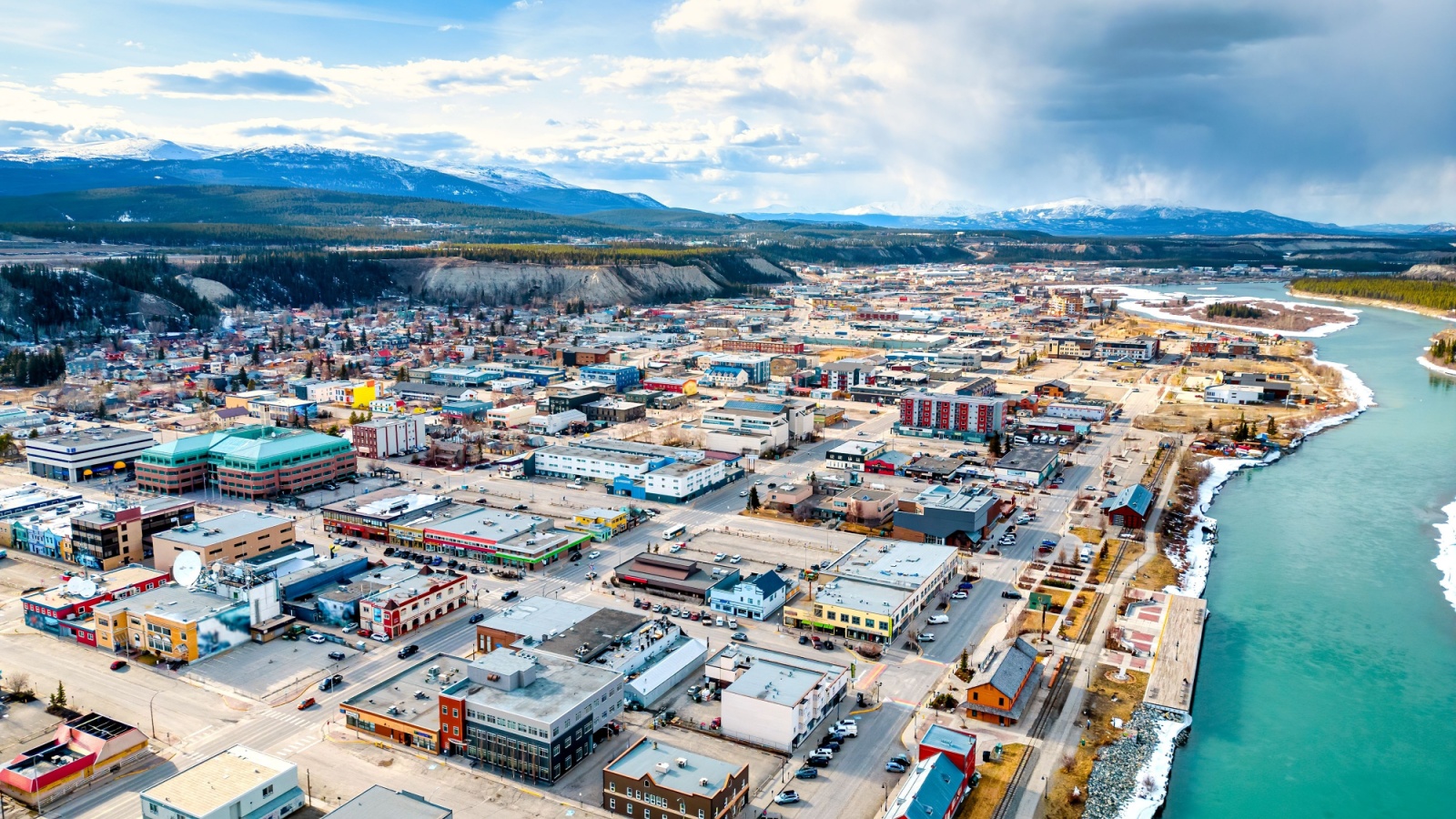
Yukon experiences fewer fires than southern provinces, but plans carefully. The territory invests in early detection and rapid response. Smaller populations allow faster evacuations when needed. Coordination with federal agencies strengthens capacity. Indigenous fire knowledge plays an active role. Aircraft access is prioritized due to remoteness. Infrastructure remains limited in some regions. Long distances challenge sustained firefighting efforts. Still, preparation levels are high relative to size. Yukon treats wildfire risk as a serious threat. That awareness keeps readiness higher than expected.
Northwest Territories

The Northwest Territories face growing wildfire seasons each year. Large boreal forests dominate the landscape. The territory relies on early detection and mutual aid. Planning focuses on protecting communities rather than full suppression. Evacuation planning has improved after recent events. Air support plays a major role due to isolation. Infrastructure limits remain a challenge. Staffing shortages can stretch response times. Still, planning has grown more realistic. Preparedness focuses on damage reduction and safety. That approach reflects current fire realities.
Saskatchewan

Saskatchewan sits between prairie and forest fire risks. Northern regions face the greatest exposure. The province maintains trained wildfire crews and aircraft. Planning coordination with municipalities is improving. Public awareness remains uneven across regions. Infrastructure gaps exist in remote communities. Fire seasons are becoming longer and less predictable. Response capacity is solid but stretched during severe years. Saskatchewan has increased funding recently. Preparedness is improving but remains inconsistent. The province sits near the middle of the readiness rankings.
Manitoba

Manitoba experiences wildfire risk mainly in northern forests. The province operates a dedicated wildfire program. Aircraft and crews are deployed seasonally. Evacuation planning has improved after past emergencies. Coordination with Indigenous communities remains uneven. Remote access challenges slow response in some areas. Public communication has become more frequent. Budget limits affect long-term fuel management. Manitoba is not unprepared but faces constraints. Readiness depends heavily on seasonal conditions. The province continues to adjust as risks rise.
Nova Scotia

Nova Scotia shocked many with its recent extreme wildfire events. Historically, wildfire planning was limited. The province has since expanded preparedness efforts. Emergency alerts and public messaging improved quickly. Fire services received additional training and resources. Dense forests near communities increase risk. Volunteer departments remain central to response. Infrastructure limits remain a concern. Planning improvements are still recent. Nova Scotia is adapting fast but remains vulnerable. Experience has accelerated change, though gaps persist.
New Brunswick

New Brunswick has extensive forest coverage and a moderate fire risk. Preparedness has historically been modest. Recent seasons prompted stronger planning. Fire detection systems are improving. Coordination with municipalities remains uneven. Rural areas rely heavily on volunteer services. Public awareness campaigns are limited. Infrastructure challenges persist in remote zones. Funding levels trail larger provinces. While readiness is improving, capacity remains constrained. New Brunswick remains exposed during severe seasons.
Newfoundland and Labrador

Newfoundland and Labrador face wildfire risk mainly in forested regions. Cooler climates once reduced concern. That assumption no longer holds. Preparedness systems remain limited. Firefighting resources are smaller than national averages. Evacuation planning varies widely by community. Geographic isolation complicates rapid response. Public awareness has increased after recent events. Investment remains modest. Planning has not fully caught up to changing risks. The province is early in its preparedness shift.
Prince Edward Island

Prince Edward Island has low wildfire frequency. That has limited investment in preparedness. Forest areas are smaller but close to communities. Fire services focus mainly on structural response. Wildfire planning remains basic. Evacuation routes are short but limited. Climate change introduces new uncertainty. Public awareness remains low compared to Western regions. Resources for large fires are limited. Mutual aid would be required during major events. Preparedness remains minimal relative to emerging risks.

Nunavut faces unique wildfire challenges due to tundra landscapes. Fires are rare but increasing in some regions. Preparedness systems are limited. Infrastructure is sparse across communities. Response relies heavily on federal coordination. Evacuation options are constrained by geography. Firefighting equipment is minimal. Planning focuses on community safety rather than suppression. Awareness of wildfire risk is growing. Capacity remains low compared to southern regions. Nunavut ranks near the bottom for readiness.

Remote Arctic communities face the greatest preparedness gaps. Fire response resources are extremely limited. Access delays can stretch for days. Infrastructure does not support large evacuations. Planning relies on external assistance. Communication challenges remain during emergencies. Climate shifts may increase vegetation fires. Local capacity remains thin. Preparedness focuses on survival rather than prevention. These areas remain Canada’s most vulnerable zones. Risk awareness is rising faster than readiness.
22 Groceries to Grab Now—Before another Price Shock Hits Canada

Food prices in Canada have been steadily climbing, and another spike could make your grocery bill feel like a mortgage payment. According to Statistics Canada, food inflation remains about 3.7% higher than last year, with essentials like bread, dairy, and fresh produce leading the surge. Some items are expected to rise even further due to transportation costs, droughts, and import tariffs. Here are 22 groceries to grab now before another price shock hits Canada.
22 Groceries to Grab Now—Before another Price Shock Hits Canada
This Options Discord Chat is The Real Deal
While the internet is scoured with trading chat rooms, many of which even charge upwards of thousands of dollars to join, this smaller options trading discord chatroom is the real deal and actually providing valuable trade setups, education, and community without the noise and spam of the larger more expensive rooms. With a incredibly low-cost monthly fee, Options Trading Club (click here to see their reviews) requires an application to join ensuring that every member is dedicated and serious about taking their trading to the next level. If you are looking for a change in your trading strategies, then click here to apply for a membership.