
35,000+ smart investors are already getting financial news, market signals, and macro shifts in the economy that could impact their money next with our FREE weekly newsletter. Get ahead of what the crowd finds out too late. Click Here to Subscribe for FREE.
Canada’s dollar does not fall quietly. When the loonie slips, prices shift in ways most people only notice later. Some items cost more because Canada buys them in U.S. dollars. Other products can drop in price because exporters benefit. Shoppers often feel confused when shelves change unevenly. A weaker currency touches food, fuel, tech, and travel. It also affects habits inside Canadian homes. Here are 15 everyday items that will get cheaper (or pricier) if the Loonie falls.
Gasoline
15 Everyday Items That Will Get Cheaper (or Pricier) if the Loonie Falls
- Gasoline
- Imported Fresh Fruit
- Smartphones
- Coffee
- Clothing From Global Brands
- Canadian Beef
- Electronics Accessories
- Travel Outside Canada
- Prescription Drugs
- Canadian-made furniture
- Streaming Subscriptions
- Imported Alcohol
- Home Renovation Materials
- Dairy Products
- Used Cars
- 22 Groceries to Grab Now—Before another Price Shock Hits Canada

Gas prices often climb when the loonie weakens. Oil is traded globally in U.S. dollars. Canadian refiners pay more when converting currency. That cost usually reaches drivers fast. Even small drops in the dollar can raise prices per liter. Taxes and regional supply still matter. Currency adds extra pressure at the pump. Rural drivers feel this more due to longer distances. Delivery costs also rise. That can affect food prices later. Electric vehicles do not escape fully. Electricity infrastructure still depends on imported parts. Fuel volatility becomes harder to predict during currency slides.
Imported Fresh Fruit
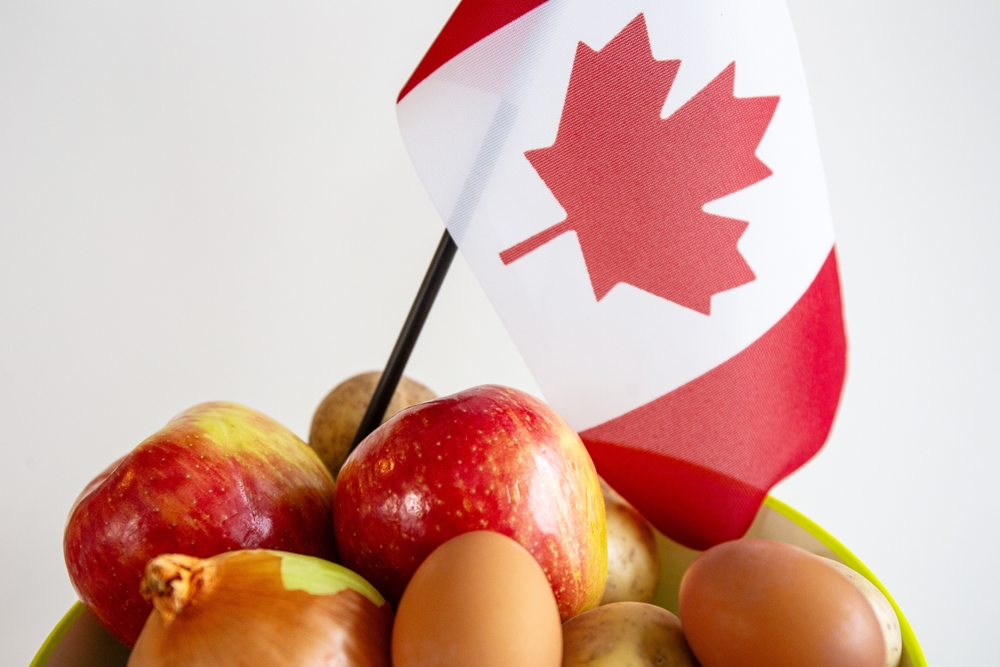
Many fruits come from warmer countries. Bananas, citrus, and berries are often priced in U.S. dollars. A weaker loonie raises wholesale costs. Grocery stores then pass those increases to shoppers. Seasonal sales may soften the blow. Winter months usually feel sharper price jumps. Canadian growers cannot replace all imports. Supply chains stay dependent on foreign farms. Packaging and transport add extra costs. Families notice this during weekly shopping trips. Buying frozen fruit sometimes becomes cheaper. Local apples and root vegetables gain appeal during longer downturns.
Smartphones

Phones almost always get pricier with a falling loonie. Most devices are priced in U.S. dollars. Manufacturers rarely absorb currency losses. Retail prices rise instead. Sales may look generous, but start from higher bases. Carrier contracts can hide the increase. Monthly payments stretch longer. Repair parts also cost more. That raises service fees. Older models stay on shelves longer. People delay upgrades. Second-hand markets grow busier. Accessories follow the same pattern. Cases and chargers creep upward in price over time.
Coffee
Coffee prices often rise quietly. Beans are traded internationally in U.S. dollars. Currency weakness increases import costs. Roasters feel pressure first. Cafes adjust prices later. Grocery brands may shrink package sizes instead. That hides increases from quick comparisons. Premium blends feel the change fastest. Coffee shop visits become less frequent for some buyers. At-home brewing grows. Sales of bulk bags have become popular. Currency shifts mix with climate risks. Together, they keep prices unstable for longer stretches.
Clothing From Global Brands

Most major clothing brands manufacture overseas. Prices are usually set in U.S. dollars. A falling loonie raises wholesale costs. Retailers adjust tags slowly but steadily. Seasonal clearance helps temporarily. Basics still climb. Shoes and outerwear feel sharper increases. Online shopping adds duties and currency conversion fees. Returns become less attractive. Canadian-made clothing gains interest. Thrift shopping grows. People hold onto items longer. Sales cycles change timing. Fashion trends slow when replacement costs feel higher.
Canadian Beef
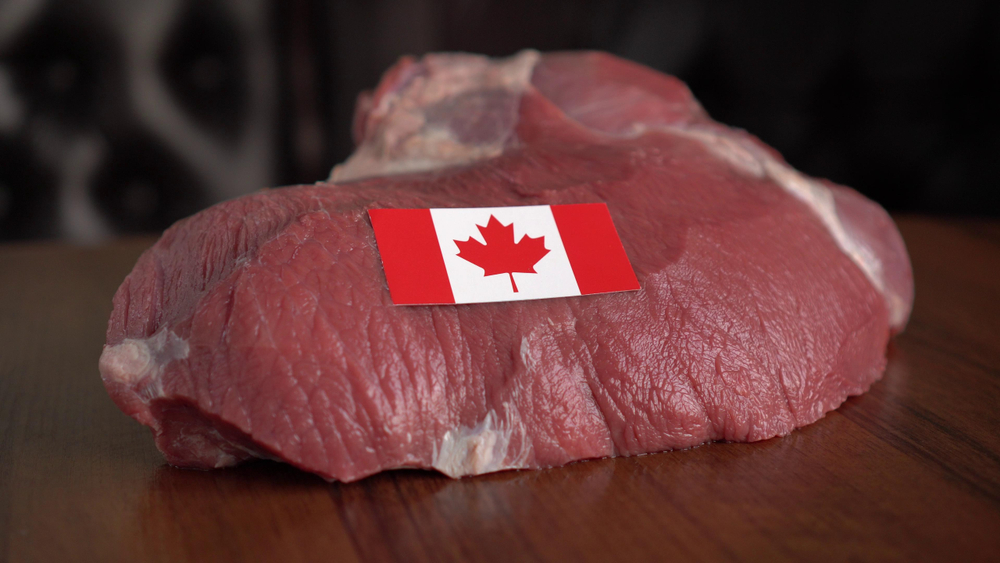
Canadian beef can become cheaper at home. A weaker loonie helps exporters. Foreign buyers pay less in their currency. Demand abroad often rises. That boosts production incentives. Domestic supply can increase. Prices may stabilize or dip. This depends on weather and feed costs. Grocery stores promote local meat more aggressively. Restaurants may feature beef specials. Import competition weakens. Consumers see better value compared to imported proteins. Price drops are not guaranteed. They usually appear gradually rather than suddenly.
Electronics Accessories

Accessories feel currency changes faster than big devices. Chargers, cables, and headphones are imported cheaply. Margins are thin. Currency drops push prices up quickly. Retailers adjust shelves within weeks. Quality alternatives cost more. Cheap options disappear faster. Online marketplaces reflect changes instantly. Shipping fees rise, too. Bulk packs lose appeal. Repair instead of replacement becomes common. Small price hikes add up over time. Households notice when replacing multiple items at once. The effect feels constant rather than dramatic.
Travel Outside Canada

International travel becomes more expensive. Flights are priced mostly in U.S. dollars. Hotels abroad follow similar patterns. Food and entertainment cost more once converted. Currency fees add extra pain. Trips feel shorter due to budget limits. Canadians choose closer destinations. Road trips are gaining popularity. Domestic tourism sees more interest. Travel insurance also rises. Booking earlier helps slightly. Reward points lose value abroad. Spending habits shift fast when exchange rates stay weak for months.
Prescription Drugs

Many prescription drugs are imported. Prices depend on foreign suppliers. A weaker loonie raises procurement costs. Government price controls slow changes. Private plans feel increases sooner. Out-of-pocket costs can rise gradually. Generic drugs may hold steadier pricing. Shortages complicate matters. Pharmacies adjust fees. Patients notice differences during refills. Long-term treatments feel heavier on budgets. Cross-border comparisons become common. Currency pressure adds to existing supply concerns in healthcare systems.
Canadian-made furniture

Locally made furniture can look more attractive. Imported pieces cost more with currency drops. Domestic producers gain pricing room. Materials still matter, though. Some inputs are imported. Labor remains the highest cost. Local showrooms promote value messaging. Custom orders increase. Delivery times stretch slightly. Quality becomes a selling point. Shoppers weigh longevity more carefully. Prices do not always fall. They often rise more slowly than imported alternatives. The gap shapes buying decisions during extended currency weakness.
Streaming Subscriptions

Many streaming services bill in U.S. dollars. Prices adjust quietly after currency shifts. Monthly fees rise without much warning. Promotions rarely offset long-term changes. Bundles become more common. Users reassess subscriptions. Some services get cancelled. Ad-supported tiers grow. Currency fees add small but steady costs. Annual plans lose appeal. Exchange rates influence corporate pricing decisions. Entertainment budgets tighten gradually. Households rotate services instead of keeping many active at once.
Imported Alcohol
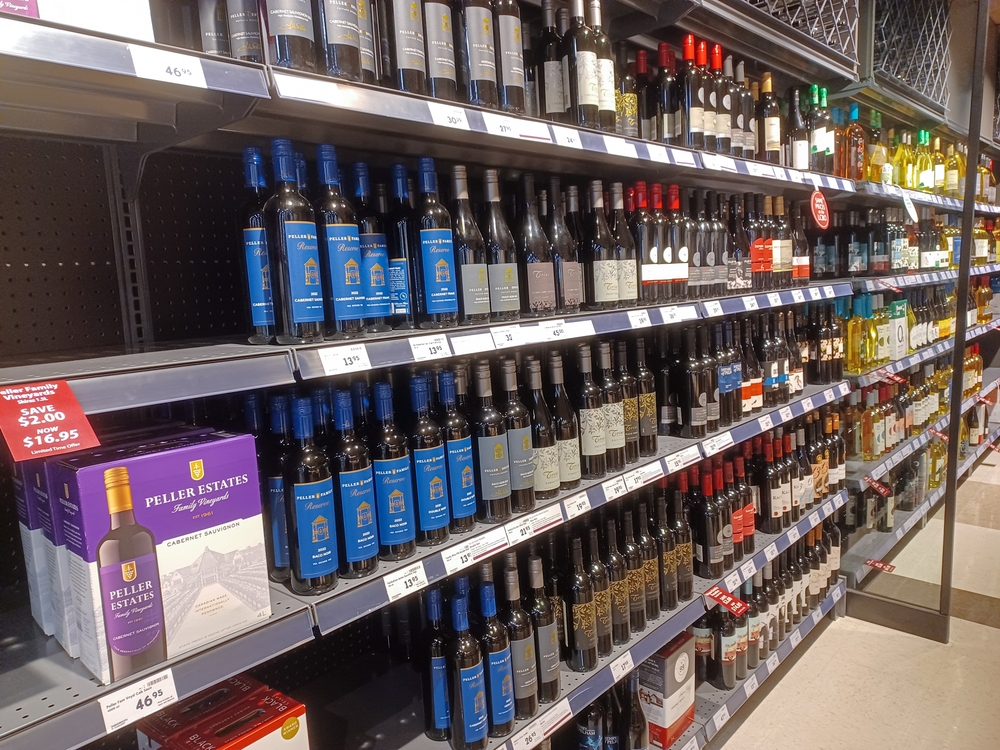
Wine and spirits from abroad cost more. Products are priced in foreign currencies. A weaker loonie raises landed costs. Provincial markups magnify increases. Price jumps appear on shelves with delays. Premium bottles feel sharper hikes. Consumers trade down. Local beer and spirits gain attention. Canadian wineries benefit slightly. Restaurant wine lists change composition. Special occasion purchases decline. Currency effects linger longer due to inventory cycles. Alcohol budgets shift toward fewer but planned purchases.
Home Renovation Materials
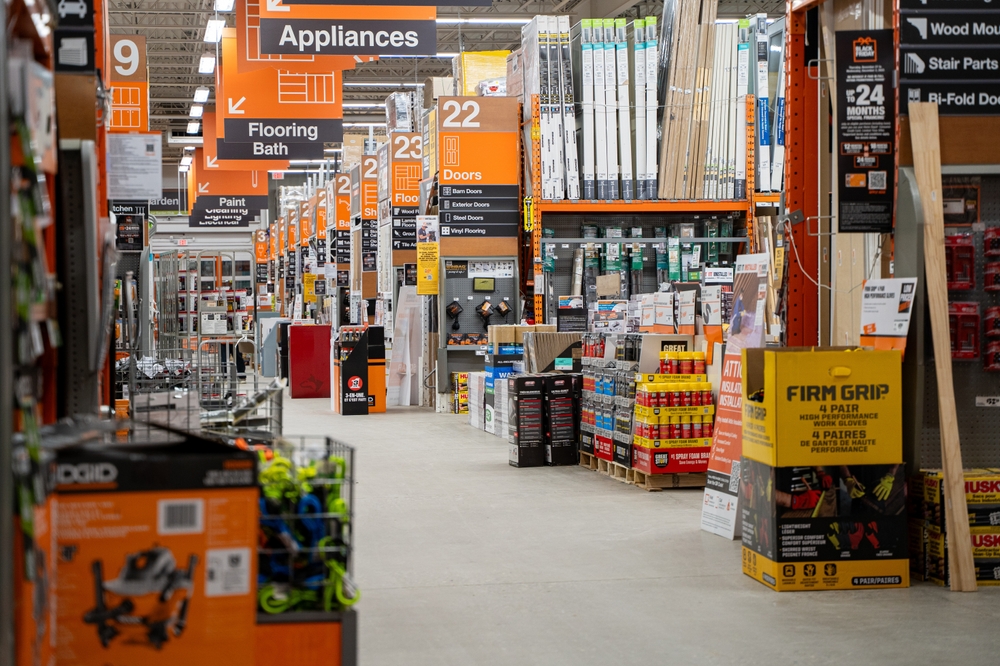
Renovation supplies often include imported components. Lumber pricing varies by source. Fixtures and appliances rely on foreign parts. Currency drops raise project costs. Quotes expire faster. Contractors adjust pricing buffers. Homeowners delay upgrades. Smaller projects become common. Repairs replace full renovations. Canadian-sourced materials gain interest. Availability still limits choices. Financing costs add pressure. Currency weakness makes budgeting harder. Planning timelines stretch as people wait for better rates.
Dairy Products
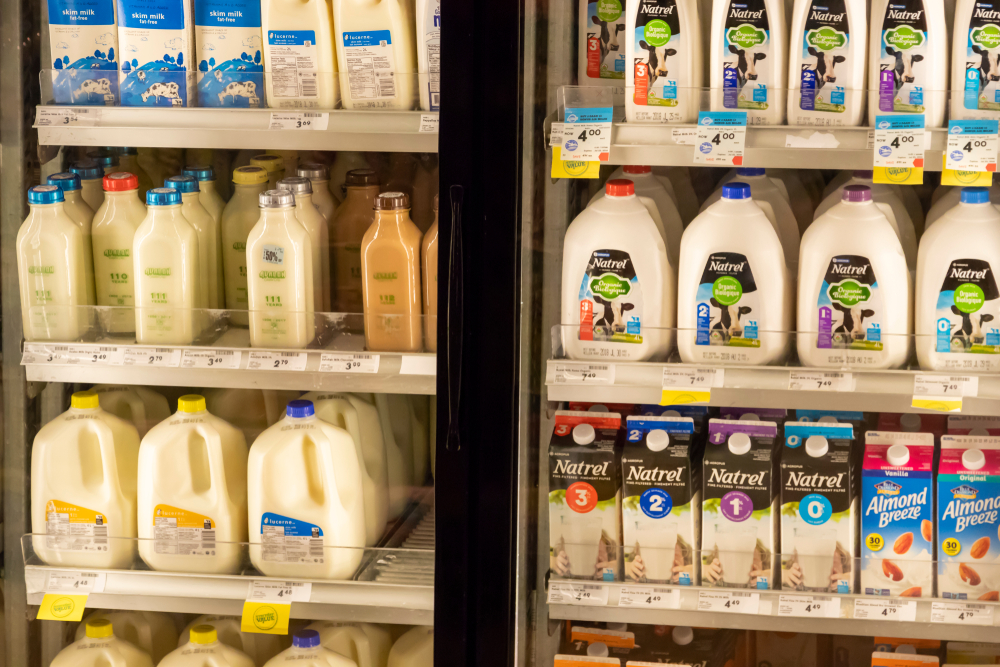
Most dairy products are produced in Canada. Supply management buffers price swings. Currency effects remain limited. Imported specialty cheeses cost more. Local milk and butter stay steadier. Grocery promotions continue. Production costs still matter. Feed and equipment imports affect farmers indirectly. Price increases appear slowly, if at all. Consumers feel relative stability here. Compared to other foods, dairy feels predictable. That reliability matters during wider price uncertainty. Shopping patterns shift toward items with controlled pricing.
Used Cars

Used car prices react in mixed ways. Imported new cars get pricier first. That raises demand for used vehicles. Prices can climb short term. Domestic supply eventually responds. Export demand also plays a role. A weaker loonie attracts foreign buyers. Popular models leave the country. Local availability tightens. Financing rates matter too. Buyers keep cars longer. Maintenance spending rises. The market stays volatile. Currency shifts add another layer to already complex pricing trends.
22 Groceries to Grab Now—Before another Price Shock Hits Canada
Food prices in Canada have been steadily climbing, and another spike could make your grocery bill feel like a mortgage payment. According to Statistics Canada, food inflation remains about 3.7% higher than last year, with essentials like bread, dairy, and fresh produce leading the surge. Some items are expected to rise even further due to transportation costs, droughts, and import tariffs. Here are 22 groceries to grab now before another price shock hits Canada.
22 Groceries to Grab Now—Before another Price Shock Hits Canada
This Options Discord Chat is The Real Deal
While the internet is scoured with trading chat rooms, many of which even charge upwards of thousands of dollars to join, this smaller options trading discord chatroom is the real deal and actually providing valuable trade setups, education, and community without the noise and spam of the larger more expensive rooms. With a incredibly low-cost monthly fee, Options Trading Club (click here to see their reviews) requires an application to join ensuring that every member is dedicated and serious about taking their trading to the next level. If you are looking for a change in your trading strategies, then click here to apply for a membership.