
35,000+ smart investors are already getting financial news, market signals, and macro shifts in the economy that could impact their money next with our FREE weekly newsletter. Get ahead of what the crowd finds out too late. Click Here to Subscribe for FREE.
Canada’s recent moves to restrict TikTok on government devices have started wider conversations about student safety, privacy, and online habits. While the app is not banned outright, the signal matters. Universities, colleges, and school boards are paying attention. Students are also watching closely, especially those who rely on social platforms for learning, income, and community. Here are 14 ways Canada’s TikTok crackdown could change social media for students.
More Campus Wi-Fi Restrictions
14 Ways Canada’s TikTok Crackdown Could Change Social Media for Students
- More Campus Wi-Fi Restrictions
- Shift Toward Instagram and YouTube Shorts
- Decline in Student Micro Influencer Income
- Increased Focus on Data Privacy Awareness
- Changes to Student Journalism and Activism
- More Reliance on Private Messaging Platforms
- Pressure on Schools to Clarify Social Media Policies
- Reduced Algorithmic Discovery for New Creators
- More Academic Use of Social Media Case Studies
- Greater Divide Between Casual Users and Creators
- More Scrutiny of Influencer Culture on Campus
- Increased Use of VPNs and Workarounds
- Changes in How Trends Spread on Campuses
- Long-Term Shift in Student Trust Toward Platforms
- 22 Groceries to Grab Now—Before another Price Shock Hits Canada

Universities already manage internet access more tightly than students realize. A TikTok crackdown could accelerate deeper platform-level controls on campus networks. Schools may block app features, limit upload speeds, or restrict access during peak hours. Administrators often cite bandwidth and safety concerns. Students may notice videos failing to upload or streams buffering without warning. These limits can affect coursework tied to social media projects. Clubs that promote events online may also feel the pinch. Over time, students could shift content creation to off-campus spaces. Libraries and residences may apply different rules. The campus internet experience could become less open than before.
Shift Toward Instagram and YouTube Shorts
When one platform feels risky, users rarely quit social media. They migrate. Students may redirect creative energy toward Instagram Reels or YouTube Shorts instead. These platforms already have a strong campus presence and clearer institutional acceptance. Marketing clubs and student unions often prefer them for promotions. Algorithms differ, so content styles will adjust. Short clips may feel more polished and less casual. Discovery could become slower for new creators. Students who built followings on TikTok may need to start over. This shift rewards those who adapt quickly. Others may lose momentum during the transition period.
Decline in Student Micro Influencer Income
Many students rely on TikTok for side income through brand deals. A chilling effect can reduce opportunities quickly. Brands often avoid platforms surrounded by political debate. Smaller creators feel this first. Fewer paid posts mean tighter budgets for tuition, rent, or textbooks. Students may return to traditional part-time work. Others might pursue affiliate links on different apps. Income gaps widen between adaptable creators and everyone else. The hustle does not disappear. It simply moves elsewhere, often with less reach. For students balancing school and work, this change can add pressure.
Increased Focus on Data Privacy Awareness
The crackdown puts data privacy into everyday conversation. Students who never questioned app permissions may start reading settings pages. Professors may discuss digital footprints in class. Workshops on online safety could draw larger crowds. Awareness does not mean fear, but habits may change. Students might limit personal sharing or location tagging. Some may separate personal and public accounts. Others will rethink which apps stay installed. This awareness can follow students beyond TikTok. It shapes how they view all platforms. Privacy becomes less abstract and more personal, tied to daily phone use.
Changes to Student Journalism and Activism

TikTok plays a role in campus activism and reporting. Student journalists use it to explain stories quickly. Activists use it to mobilize peers. A crackdown may slow this momentum. Organizers might struggle to reach audiences fast. Content could shift toward longer formats that require more effort. This raises barriers to participation. Smaller movements may lose visibility. Larger organizations with resources adapt more easily. The result could be less spontaneous engagement. Campus discourse may feel quieter online. Conversations might move back to physical spaces or private group chats.
More Reliance on Private Messaging Platforms
When public platforms feel unstable, students turn inward. Private messaging apps become safer spaces for sharing content. Group chats replace public comments. Information spreads peer to peer instead of through feeds. This limits exposure but increases trust. News travels more slowly and feels fragmented. Viral moments become rarer. For first-year students, the discovery of campus life may feel harder. Clubs and societies must work harder to reach newcomers. Privacy increases, but reach declines. This trade-off reshapes how student communities form and communicate online.
Pressure on Schools to Clarify Social Media Policies
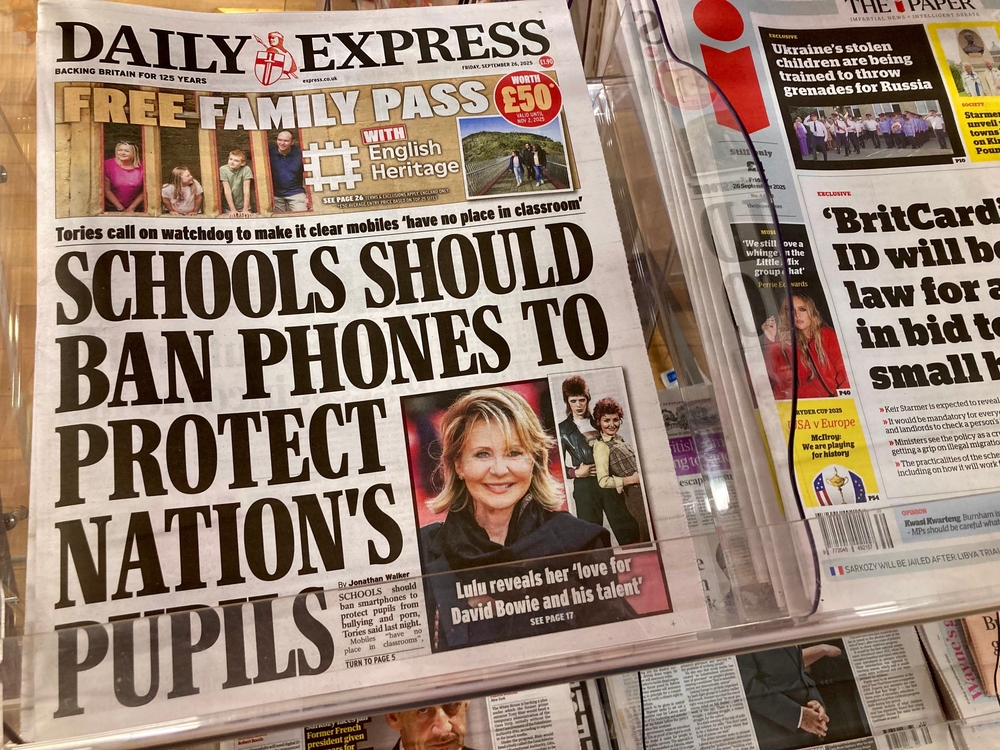
Ambiguity creates anxiety. Students will ask schools where they stand on TikTok use. Clear answers may not come quickly. Some institutions may issue formal guidelines. Others stay silent. This inconsistency confuses. A video allowed in one class may be discouraged in another. Group projects involving social platforms become complicated. Faculty members may restrict assignments tied to TikTok. Over time, schools may favor platforms seen as safer. Policy clarity becomes part of orientation discussions. Social media stops feeling informal and starts feeling regulated.
Reduced Algorithmic Discovery for New Creators
TikTok’s algorithm helps unknown creators get noticed. Losing that reach affects students most. New voices struggle to break through elsewhere. Other platforms reward existing followings. This discourages experimentation. Students may post less often or abandon creative ideas. The sense of instant feedback fades. Motivation drops for some users. Creative risk becomes less appealing. Campus talent may stay hidden. Over time, social feeds could feel more repetitive. The loss of discovery reshapes how students see online creativity as a path worth pursuing.
More Academic Use of Social Media Case Studies

A crackdown sparks analysis. Professors may use TikTok as a case study in politics, law, or media classes. Students examine regulation, power, and technology. Assignments may focus on platform influence rather than content creation. This adds critical distance. Social media becomes something to study, not just use. Discussions gain depth but lose playfulness. Students may see platforms as systems, not communities. This shift influences career thinking. Marketing and media students learn caution alongside creativity. Education frames social media as a complex force with trade-offs.
Greater Divide Between Casual Users and Creators

Not all students use TikTok the same way. Casual viewers may barely notice changes. Creators feel every shift. This widens gaps within student groups. Some lost platforms that shaped identity. Others scroll as usual elsewhere. Conversations about trends become uneven. Shared cultural moments fade. Campus humor may fragment across apps. Events tied to viral sounds disappear. Social glue weakens slightly. Students who built communities online may feel isolated. The experience of social media becomes less collective and more individual.
More Scrutiny of Influencer Culture on Campus
Influencer culture already raises eyebrows. A crackdown invites stronger criticism. Students may question authenticity and sponsorships more openly. Peers might view content creation as risky or unserious. This social pressure affects who posts publicly. Some creators scale back to avoid judgment. Others lean into professionalism. The casual creator era fades. Posting becomes more intentional. Social hierarchies tied to follower counts may soften. Popularity shifts back toward offline spaces. Campus reputation relies less on online visibility than before.
Increased Use of VPNs and Workarounds

Restrictions often lead to workarounds. Some students may experiment with VPNs to access features. This creates uneven access. Tech-savvy users gain advantages. Others avoid the hassle. Schools may warn against these tools. Students balance curiosity with caution. Using workarounds carries risks. Accounts may face issues. The learning curve can be steep. This underground approach adds friction to everyday use. What was once simple becomes technical. For many students, the effort outweighs the reward.
Changes in How Trends Spread on Campuses

TikTok trends often start conversations offline. Dance challenges, jokes, and sounds travel fast. With disruption, trend cycles slow down. Fewer shared references exist. Students may feel out of sync. Trends may originate on different platforms simultaneously. This fragments attention. Campus culture feels less unified. Events and parties lose easy online promotion tools. Creativity still exists but spreads unevenly. Trend adoption becomes regional or group-specific. The viral campus moment becomes rarer and shorter-lived.
Long-Term Shift in Student Trust Toward Platforms

Trust once lost is hard to rebuild. Students may become skeptical of all platforms. New apps face harder adoption. Questions arise earlier. Who owns the data? Where does it go? This caution shapes future behavior. Students may avoid deep attachment to any single app. Platform loyalty weakens. Short-term engagement replaces long-term commitment. Social media feels temporary rather than foundational. This mindset carries into adulthood. A generation grows up expecting platforms to change suddenly and without warning.
22 Groceries to Grab Now—Before another Price Shock Hits Canada

Food prices in Canada have been steadily climbing, and another spike could make your grocery bill feel like a mortgage payment. According to Statistics Canada, food inflation remains about 3.7% higher than last year, with essentials like bread, dairy, and fresh produce leading the surge. Some items are expected to rise even further due to transportation costs, droughts, and import tariffs. Here are 22 groceries to grab now before another price shock hits Canada.
22 Groceries to Grab Now—Before another Price Shock Hits Canada
This Options Discord Chat is The Real Deal
While the internet is scoured with trading chat rooms, many of which even charge upwards of thousands of dollars to join, this smaller options trading discord chatroom is the real deal and actually providing valuable trade setups, education, and community without the noise and spam of the larger more expensive rooms. With a incredibly low-cost monthly fee, Options Trading Club (click here to see their reviews) requires an application to join ensuring that every member is dedicated and serious about taking their trading to the next level. If you are looking for a change in your trading strategies, then click here to apply for a membership.