
35,000+ smart investors are already getting financial news, market signals, and macro shifts in the economy that could impact their money next with our FREE weekly newsletter. Get ahead of what the crowd finds out too late. Click Here to Subscribe for FREE.
Canada often feels distant from trade fights between global giants. That distance can be misleading. When the United States and China clash over tariffs, supply chains, and market access, Canada rarely stays untouched. Our economy sits tightly connected to both sides through exports, imports, and investment flows. Small shifts abroad can quietly raise prices, slow hiring, or disrupt entire industries at home. Here are 17 ways the U.S.–China trade war could blindside Canada’s economy.
Canadian Exports Get Pushed Out of U.S. Supply Chains
17 Ways the U.S.–China Trade War Could Blindside Canada’s Economy
- Canadian Exports Get Pushed Out of U.S. Supply Chains
- Cheaper Chinese Goods Flood Canadian Markets
- Canadian Businesses Pay More for Key Inputs
- Auto Sector Investment Gets Delayed or Cancelled
- Canadian Dollar Faces Sudden Swings
- Energy Exports Face Indirect Pressure
- Agricultural Markets Become Unpredictable
- Shipping and Logistics Costs Rise Unexpectedly
- Canadian Tech Firms Lose Access to Chinese Markets
- Stock Market Volatility Hits Retirement Savings
- Tourism and Travel Take a Hit
- Construction Projects Face Higher Material Costs
- Canadian Startups Struggle to Raise Capital
- Government Revenues Become Less Reliable
- Supply Chain Reshoring Leaves Canada Out
- Consumer Confidence Drops Without a Clear Reason
- Canada Gets Caught in Policy Crossfire
- 22 Groceries to Grab Now—Before another Price Shock Hits Canada

U.S. firms under pressure from tariffs often rework supply chains quickly. Many choose domestic suppliers to reduce political risk. Canadian exporters can lose contracts without notice. Auto parts, machinery, and industrial inputs face this risk often. Once a supplier gets replaced, winning back that spot becomes difficult. Long-term relationships break quietly. Even competitive pricing may not help. This shift reduces export volumes and weakens manufacturing hubs. Ontario and Quebec feel this most. Job losses may appear months later. Communities rarely connect them to foreign trade fights.
Cheaper Chinese Goods Flood Canadian Markets
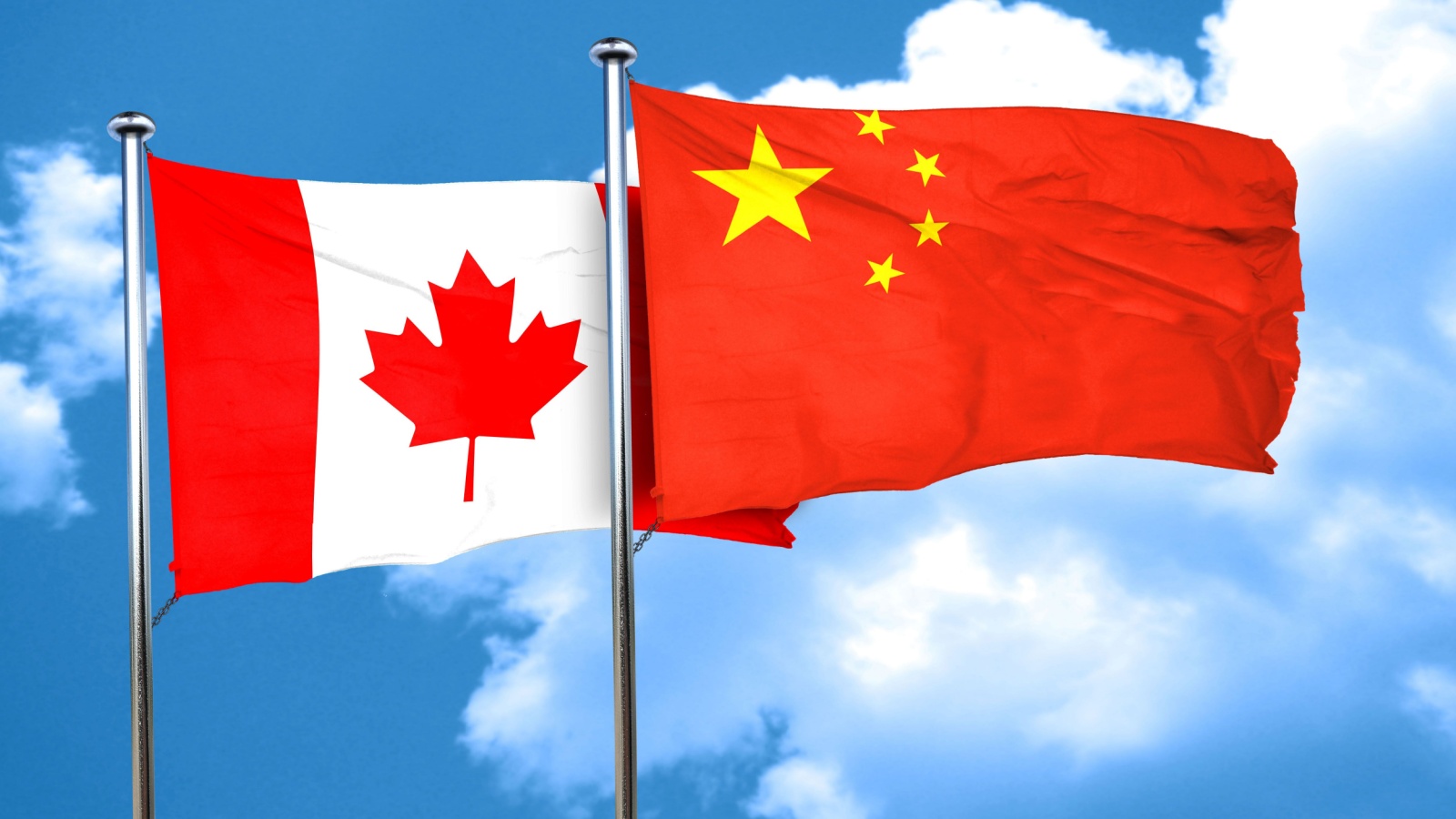
When Chinese exports face higher barriers in the United States, sellers search for other buyers quickly. Canada becomes an easy alternative. Excess inventory moves north at discounted prices. Retailers welcome cheaper stock. Domestic producers struggle to compete. Small manufacturers feel pressure first. Margins shrink fast. Some factories reduce output. Others close quietly. Consumers notice lower prices but miss the tradeoff. Local jobs disappear. Entire supply chains weaken. Over time, reliance on imports grows. Recovery becomes harder once domestic capacity is lost. The effect feels gradual, not sudden, which makes it harder to trace back.
Canadian Businesses Pay More for Key Inputs

Trade disputes change sourcing patterns across industries. Components once routed smoothly now face delays or price hikes. Canadian firms importing through U.S. partners feel this sharply. Even untaxed goods rise in cost due to rerouted demand. Smaller businesses lack negotiating power. Profit margins shrink. Some raise prices slowly. Others cut staff or delay expansion. These choices ripple through local economies. Customers rarely connect higher prices to trade policy. The burden spreads quietly across sectors, from manufacturing to retail. Over time, competitiveness slips without a single clear cause.
Auto Sector Investment Gets Delayed or Cancelled
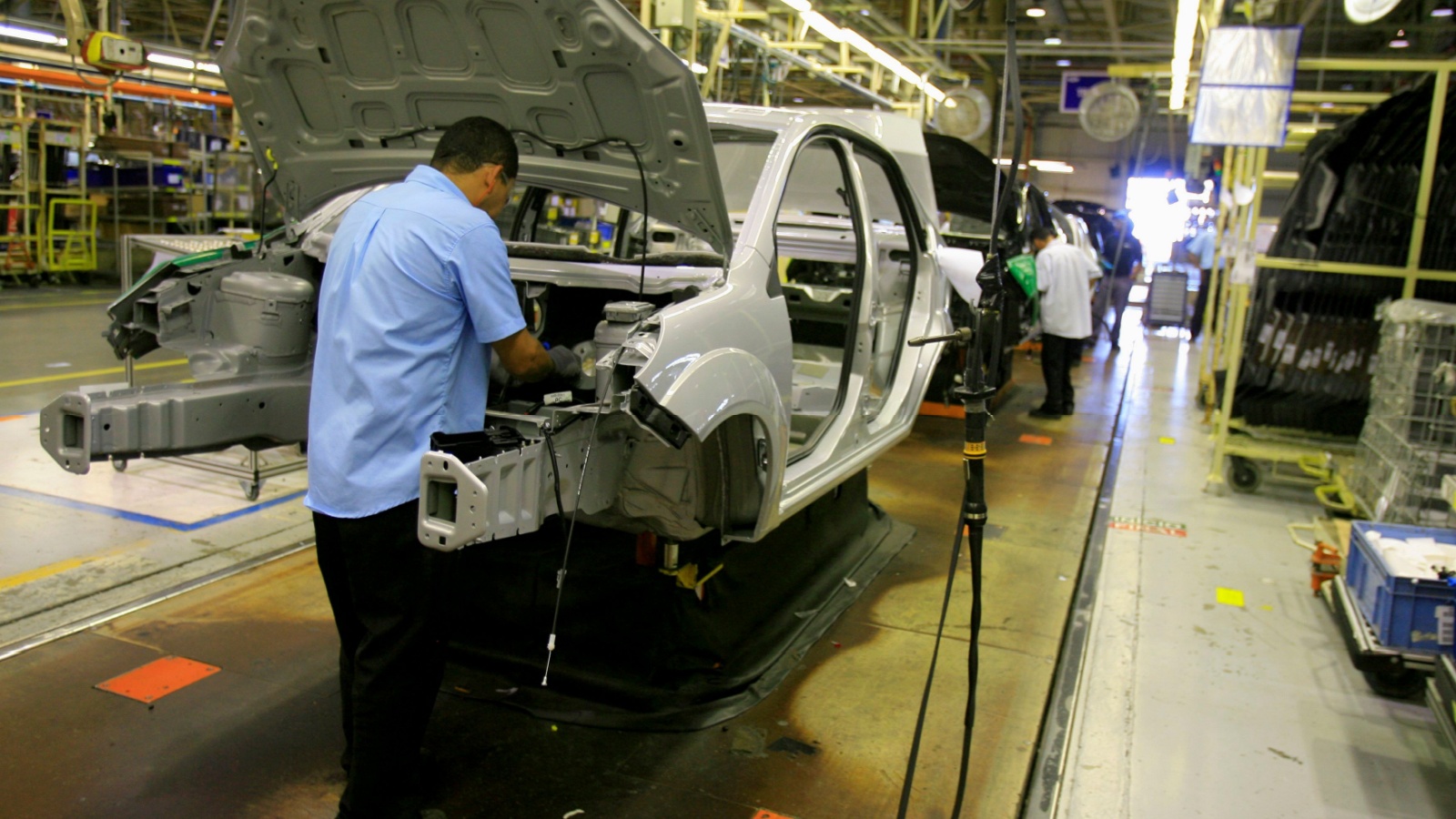
The auto industry depends on predictable trade rules. Ongoing tension creates hesitation. Carmakers delay plant upgrades. Parts suppliers pause expansion plans. Canada competes with other regions for investment. Uncertainty weakens its position. Even short delays matter. Missed upgrades reduce future output. Jobs that never arrive leave little trace. Communities tied to auto manufacturing feel slow erosion. Recovery takes years once investment flows elsewhere. These decisions happen behind closed doors, long before layoffs appear. The damage becomes visible only after the options disappear.
Canadian Dollar Faces Sudden Swings

Trade conflicts shake investor confidence quickly. Currency markets react fast. The Canadian dollar often moves with global risk sentiment. Sharp drops raise import costs overnight. Sudden gains hurt exporters. Businesses struggle to plan pricing. Hedging costs rise. Small firms absorb shocks directly. Consumers feel it through fuel, electronics, and travel costs. Currency swings feel random to households. Few link them to distant trade battles. Volatility adds uncertainty to everyday spending decisions. Stability becomes harder even without domestic policy changes.
Energy Exports Face Indirect Pressure

Global trade tension slows industrial demand. Energy markets react early. Oil and gas prices fall on weaker forecasts. Canadian producers feel the impact quickly. Investment slows. Service jobs decline. Provincial revenues shrink. Projects get postponed. Communities tied to energy production face uncertainty. None of this requires direct tariffs. Market expectations do the damage first. Price drops ripple through local economies. Recovery depends on global confidence returning. The link to foreign trade disputes often goes unnoticed.
Agricultural Markets Become Unpredictable

China often targets farm goods during trade disputes. Global buyers shift quickly. Canadian farmers face sudden price swings. New demand can appear without warning. It can vanish just as fast. Planning seasons becomes harder. Equipment purchases get delayed. Input costs remain high. Income becomes less predictable. Rural economies absorb the stress. Farm families feel pressure long before consumers notice. These disruptions rarely make headlines. They accumulate across harvests, weakening long-term stability in agricultural regions.
Shipping and Logistics Costs Rise Unexpectedly

Trade rerouting strains global shipping networks. Containers pile up in unfamiliar ports. Delays become common. Freight rates climb quickly. Canadian importers pay more just to move goods. Smaller businesses feel it most. Inventory planning breaks down. Stock shortages follow. Retail prices creep higher. Customers see empty shelves without explanations. Logistics costs act like a hidden tax. Few realize trade disputes triggered the strain. The damage spreads quietly through supply chains.
Canadian Tech Firms Lose Access to Chinese Markets

Trade tension spreads into technology markets quickly. Rules around data, licensing, and security tighten without notice. Canadian tech firms in China face longer approvals. Sales cycles are slow. Partnerships stall. Expansion plans shrink. Some firms reduce operations quietly. Investors become cautious. Funding takes longer. Hiring slows. Product launches get delayed. Lost access limits scale. Smaller firms feel pressure first. These changes rarely reach headlines. The impact builds over the years. Canada loses ground in fast-growing markets. Reentering later becomes harder once trust weakens across regulators, partners, customers, and local institutions.
Stock Market Volatility Hits Retirement Savings

Markets respond quickly to trade conflict news. Canadian pension funds hold global assets. Sharp swings reduce portfolio values. Retirees feel uneasy. Younger workers delay spending. Confidence weakens. Lower spending slows retail activity. Businesses respond carefully. Hiring pauses. Investment slows. Many blame normal market cycles. The trade link feels distant. Volatility shapes household behavior quietly. Recovery takes time after shocks fade. Savings plans adjust. Risk tolerance drops. These shifts affect consumption patterns across age groups. The impact spreads slowly through daily choices, long-term planning, and financial security expectations for households nationwide.
Tourism and Travel Take a Hit

Economic uncertainty reduces travel spending worldwide. Chinese outbound tourism drops early. Canada loses visitors quickly. U.S. travelers also cut discretionary trips. Hotels face lower occupancy. Airlines adjust routes. Seasonal workers lose hours. Local restaurants feel the strain. Marketing efforts struggle. Recovery depends on confidence returning. Tourism regions suffer first. Cash flow problems grow. Some operators close quietly. Losses ripple through communities. The trade link feels indirect. Damage appears before official downturns. Employment instability affects housing demand, municipal revenue, and service jobs across tourism-dependent towns and regions over multiple seasons.
Construction Projects Face Higher Material Costs

Trade disputes disrupt metals markets rapidly. Steel prices swing without warning. Aluminum costs rise unexpectedly. Canadian builders face budget pressure. Project estimates become unreliable. Developers delay starts. Some projects get cancelled. Housing supply tightens further. Costs rise for buyers and renters. Smaller contractors struggle first. Financing becomes harder. Construction employment softens. These pressures worsen affordability challenges. The trade connection stays hidden. Delayed projects today reduce future supply. That increases competition and prices later. The effect spreads quietly across urban and suburban markets, shaping housing availability and development timelines nationwide over time.
Canadian Startups Struggle to Raise Capital

Trade uncertainty discourages investment activity. Venture capital firms become cautious. Funding rounds are slow. Valuations drop. Canadian startups face tougher terms. Expansion plans shrink. Hiring pauses. Product development slows. Some founders relocate abroad. Others shut down. Innovation output weakens. Job creation suffers quietly. Effects spread across sectors. No single failure explains the slowdown. Reduced risk appetite shapes outcomes. Canada loses momentum in emerging industries. Long-term consequences include fewer breakthroughs, slower productivity growth, and weaker global competitiveness for domestic firms, affecting wages, exports, research capacity, and employment opportunities nationwide.
Government Revenues Become Less Reliable

Economic slowdowns reduce government revenue streams. Corporate profits fall. Consumer spending weakens. Tax intake declines. Budget planning becomes difficult. Infrastructure projects face delays. Program funding tightens. Public services feel the strain. Deficits grow gradually. Fiscal flexibility shrinks. Borrowing needs rise. Voters notice service changes. Global trade feels distant. Blame shifts locally. Long-term repair becomes harder. Persistent revenue pressure limits policy options during downturns. Capacity to respond weakens. This increases reliance on borrowing, delays recovery, and raises political tension across provinces over time for taxpayers and public institutions.
Supply Chain Reshoring Leaves Canada Out

Trade conflict pushes firms to rethink supply chains. U.S. companies choose domestic reshoring. Canada misses opportunities. Investment flows elsewhere. Industrial regions lose relevance. Skilled workers face fewer options. Local suppliers struggle. Once contracts shift, returns are rare. Trust erodes. Long-term competitiveness weakens. Missed investment limits future growth. Losses feel gradual. Recovery needs stability. Rebuilding confidence takes years. Policy uncertainty reduces Canada’s appeal compared with competitors offering clearer frameworks and incentives. The gap widens over time, affecting employment, productivity, exports, and regional development across manufacturing corridors and support industries nationwide.
Consumer Confidence Drops Without a Clear Reason

Households react quickly to uncertainty. Rising prices create stress. Job security feels weaker. People delay major purchases. Retail sales soften. Businesses respond cautiously. Hiring slows. Investment plans pause. This behavior reinforces slower growth. The cause feels unclear. Foreign trade disputes seem distant. Confidence erodes gradually. Recovery takes longer than decline. Stability matters more than short boosts. Once confidence falls, spending habits change across income groups and regions. This slows momentum economywide, influencing housing demand, travel decisions, savings behavior, and everyday purchases for families over extended periods.
Canada Gets Caught in Policy Crossfire

Trade wars force difficult policy choices. Canada balances its major partners carefully. Pressure to align increases. Neutral positions narrow. Retaliation risks grow. Businesses hesitate. Long-term planning weakens. Trade access feels fragile. Costs appear early. Uncertainty spreads across sectors. Investment slows. Confidence fades. Economic impacts arrive quietly. Avoiding damage becomes harder over time. Strategic missteps can trigger consequences without visibility. Exports, supply chains, and diplomatic relationships face strain. These pressures build gradually, reducing flexibility and resilience for governments and businesses when global tensions persist and spill into trade, finance, and security domains worldwide.
22 Groceries to Grab Now—Before another Price Shock Hits Canada

Food prices in Canada have been steadily climbing, and another spike could make your grocery bill feel like a mortgage payment. According to Statistics Canada, food inflation remains about 3.7% higher than last year, with essentials like bread, dairy, and fresh produce leading the surge. Some items are expected to rise even further due to transportation costs, droughts, and import tariffs. Here are 22 groceries to grab now before another price shock hits Canada.
22 Groceries to Grab Now—Before another Price Shock Hits Canada
This Options Discord Chat is The Real Deal
While the internet is scoured with trading chat rooms, many of which even charge upwards of thousands of dollars to join, this smaller options trading discord chatroom is the real deal and actually providing valuable trade setups, education, and community without the noise and spam of the larger more expensive rooms. With a incredibly low-cost monthly fee, Options Trading Club (click here to see their reviews) requires an application to join ensuring that every member is dedicated and serious about taking their trading to the next level. If you are looking for a change in your trading strategies, then click here to apply for a membership.