
35,000+ smart investors are already getting financial news, market signals, and macro shifts in the economy that could impact their money next with our FREE weekly newsletter. Get ahead of what the crowd finds out too late. Click Here to Subscribe for FREE.
Boxing Day used to shine as a holiday that felt proudly Canadian. Families woke up early, grabbed coffee, and stood outside their favourite malls for deals that were truly worth the cold. It was chaotic but fun, and people loved telling stories afterward about the long lines or that one lucky purchase. Then American retailers expanded across the country and changed everything. Here are 18 times American retailers ruined Canadian Boxing Day traditions.
Turning Boxing Day Into “Boxing Week.”
18 Times American Retailers Ruined Canadian Boxing Day Traditions
- Turning Boxing Day Into “Boxing Week.”
- Black Friday Taking Priority Over Boxing Day
- Fake “Doorcrasher” Prices That Weren’t Real Deals
- Limiting Stock So Only 10 People Get the Sale
- Releasing Online Deals Before Stores Even Open
- Using “Up to 70% Off” To Hide Weak Discounts
- Copying American Return Policies That Punish Canadian Shoppers
- Raising Prices in December Just to Drop Them Later
- Turning Stores into American Clone Layouts
- Replacing Real Clearance With “Early Access Memberships.”
- Shipping Delays Turning Online Deals into Winter Headaches
- Reducing Staff So Customers Wait for Everything
- Using Boxing Day to Dump Bad Inventory
- Turning Sale Emails Into Endless Spam
- Copying U.S. Store Opening Hours That Don’t Fit Canadian Life
- Bringing American Pushy Sales Culture into the Experience
- Replacing Canadian Holiday Music with American Playlists
- Ignoring Local Shopping Habits Entirely
- 22 Groceries to Grab Now—Before another Price Shock Hits Canada

Extending Boxing Day into Boxing Week looked harmless at first, but it ruined the thrill of the single-day countdown. Shoppers used to arrive before sunrise because deals were here today and gone tomorrow. When stores expanded the timeline, urgency vanished. People started thinking they could shop later and then lost interest. The longer schedule also created weaker discounts, because no company wanted to keep steep price drops for an entire week. A one-day event felt powerful. A dragged-out week feels like background noise during the holidays, and that shift took the fun away.
Black Friday Taking Priority Over Boxing Day

When Black Friday arrived in Canada, it stole attention and money that normally went toward Boxing Day. Retailers shifted their biggest discounts to November, leaving December loaded with leftovers and small markdowns. People who once looked forward to post-Christmas shopping now walk into stores that look like clearance racks rather than deal-hunting grounds. Tradition faded in favor of imported shopping hype. Families used to budget for Boxing Day specifically. Instead, many now spend before winter even begins because stores push Americans’ sales calendar harder than Canada’s.
Fake “Doorcrasher” Prices That Weren’t Real Deals

Before American retail influence, Boxing Day deals matched real value and didn’t pretend to offer huge bargains that never existed. Then some retailers started inflating regular prices before the sale. A $180 jacket suddenly became $380, so it could be “reduced” again. Shoppers noticed because Canadians track winter clothing costs throughout the year. The practice damaged trust and took away the satisfaction of spotting a genuine discount. Boxing Day became a guessing game rather than a rewarding hunt for savings that people could rely on.
Limiting Stock So Only 10 People Get the Sale

Doorcrasher deals once felt fair because most shoppers had a chance. Then marketing strategies shifted, and limited inventory became part of the plan. Stores featured a star promotion that only ten customers could ever access. People waited outside in freezing weather just to learn everything was sold out before they even stepped inside. The disappointment followed them through the rest of the mall. A holiday tradition became frustrating instead of entertaining, because success depended on luck rather than patience or effort.
Releasing Online Deals Before Stores Even Open

Families used to arrive together when the mall opened. They moved from breakfast to shopping and made a day of it. Then online sales dropped at midnight, and many items were gone before morning. People woke up ready to shop, only to see “sold out” signs across websites. Groups who planned mall outings felt like their day ended before it began. Boxing Day once rewarded enthusiasm and commitment. Now it rewards staying awake at midnight alone in front of a screen. That shift erased something meaningful for many Canadians.
Using “Up to 70% Off” To Hide Weak Discounts

Store windows began showing huge “up to” deals that rarely applied to anything worth buying. The promised number might appear on a single outdated item while the rest sat at barely noticeable discounts. Shoppers spent more time filtering through disappointment than savings. Boxing Day once meant clear markdowns and straightforward pricing. The new vague system created confusion instead of satisfaction. Instead of feeling proud of their purchases, many left stores feeling tricked. The holiday stopped being about excitement and turned into careful reading of marketing language.
Copying American Return Policies That Punish Canadian Shoppers
Canadian retailers used to offer reasonable return policies during Boxing Day. People took chances on electronics or jackets because they could bring them back if needed. When American-style “final sale” rules arrived, shoppers became anxious about purchasing anything. Returns were shortened or removed because companies didn’t want to handle post-holiday exchanges. Many felt pressured to make expensive decisions under conditions that punished mistakes. Boxing Day lost the safe space it once offered, where people experimented with new brands and winter items without worrying about having no protection.
Raising Prices in December Just to Drop Them Later

Inflated holiday pricing made Boxing Day feel like a performance instead of a real sale. Some stores increased costs in early December and then “slashed” them during the holiday. The discount looked impressive only because the starting price had changed weeks earlier. Canadians who track seasonal purchases saw right through the tactic. The trust that once defined Boxing Day faded. Before American retail culture dominated, shoppers felt confident that the price on the tag reflected true value. Now, many go into Boxing Day assuming someone is hiding something.
Turning Stores into American Clone Layouts

Canadian malls once had character. Smaller chains and unique local shops made Boxing Day feel like an adventure. American expansions filled every mall with identical stores and identical layouts. Walking through a mall started to feel like repeating the same loop. Shoppers missed discovering something unexpected. Even small moments like quirky displays or unusual brands disappeared because everything shifted toward uniform design. The holiday lost its personality because it stopped celebrating local shopping culture. Canadians didn’t need another carbon copy of American malls.
Replacing Real Clearance With “Early Access Memberships.”

Boxing Day was once equal for everyone. Anyone who showed up could chase the best deals. When paid memberships started controlling access to discounts, the holiday became divided. People who refused to pay for early access missed out on the strongest markdowns. Shoppers who always lined up together felt separated. Value became available only for those who paid fees instead of those who arrived early or prepared well. Boxing Day lost the element of fairness that made it fun and exciting.
Shipping Delays Turning Online Deals into Winter Headaches

Online Boxing Day shopping looked convenient until shipping delays became common. People ordered winter gear and waited weeks for packages that arrived well after the season ended. A snow boot delivered in February provides no comfort. Boxing Day always rewarded immediacy. You bought something, took it home, and wore it the same week. Online-focused strategies removed that satisfaction. People now hesitate to shop online because fast deals don’t match fast delivery. Holiday magic disappeared when excitement turned into waiting.
Reducing Staff So Customers Wait for Everything

Boxing Day is busy by nature, but retailers made it worse by cutting staffing. Dressing rooms were closed for long stretches because nobody was available. Lines stretched across stores while only two registers operated. Shoppers waited for help that never came. People expect a little chaos on Boxing Day, but they don’t want incompetence. Companies saved money while customers paid with their time and patience. What used to feel loud and energetic now feels disorganized and exhausting.
Using Boxing Day to Dump Bad Inventory
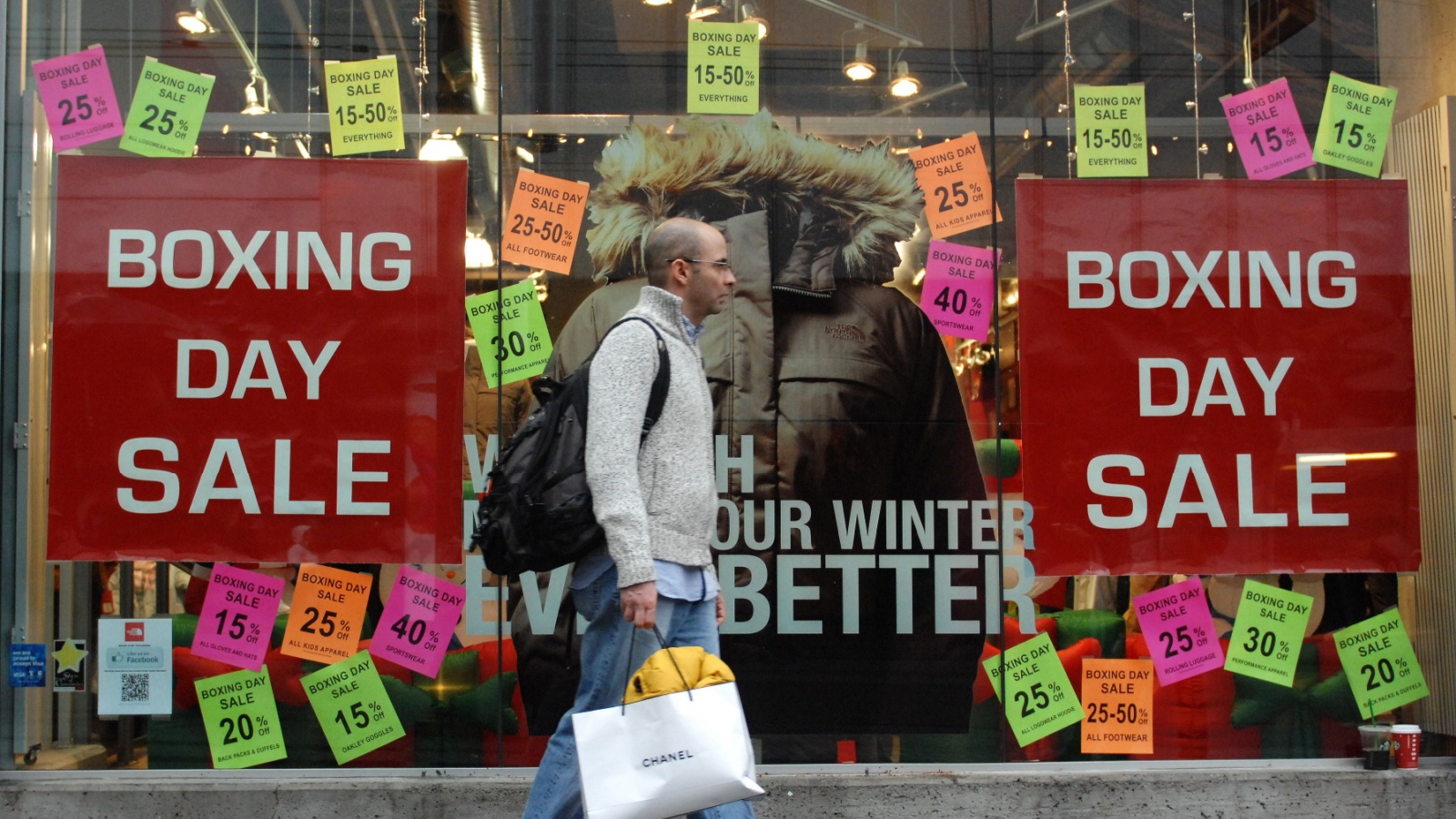
Old models and unpopular items once represented a small portion of Boxing Day. Later, some retailers saw the holiday as a dumping ground for hard-to-sell merchandise. Shelves are filled with outdated technology and unattractive clothing instead of appealing seasonal deals. People walked into stores ready to spend and immediately lost motivation. The joy of the hunt faded because shoppers weren’t finding treasures. The holiday became a clearance sale instead of a reward for holiday patience. Canadians stopped looking forward to piles of leftovers masquerading as special discounts.
Turning Sale Emails Into Endless Spam

Retailers flooded inboxes with emails weeks before Boxing Day. Every message promised a countdown or urgent reminder. People grew tired before the sale even arrived. The holiday that once stood on its own turned into a marketing marathon. Instead of anticipation, shoppers felt overwhelmed by nonstop communication that lacked meaning. Many began deleting everything without reading a single message. Boxing Day doesn’t need campaigns that stretch across December. It once had enough power to bring shoppers in without begging.
Copying U.S. Store Opening Hours That Don’t Fit Canadian Life

Some stores started opening far earlier than Canadians were used to. Midnight and 4 a.m. openings might work in warm American states. Canadian weather makes that unsafe and unpleasant. Icy roads and exhausted holiday travelers make extreme hours impractical. People want tradition, not discomfort. Boxing Day used to start in the morning because that’s when Canadians were ready to shop. Importing American timing didn’t adapt to the climate or lifestyle here, and the result pushed many shoppers away from in-person experiences.
Bringing American Pushy Sales Culture into the Experience

Canadian shopping culture respects personal space. Boxing Day once allowed people to browse freely without heavy sales pressure. Then, the staff began pushing credit cards, protection plans, and extras during every interaction. Shoppers couldn’t explore without being interrupted. Retailers turned a fun holiday into a marathon of scripted suggestions. People left feeling overwhelmed instead of satisfied. The holiday no longer feels playful when the whole experience sounds like a business pitch.
Replacing Canadian Holiday Music with American Playlists

The atmosphere of Boxing Day changed when stores shifted away from Canadian music. Hearing familiar artists during holiday shopping helped create a sense of belonging. It wasn’t sentimental. It just felt right. American playlists turned malls into generic holiday spaces with no local identity. The subtle charm that made Boxing Day feel Canadian slipped away. Music doesn’t make or break sales, but it shapes memory. When the soundtrack changed, many shoppers felt something was missing they couldn’t fully explain.
Ignoring Local Shopping Habits Entirely

The greatest mistake came from pretending Canadian shoppers behave exactly like American ones. Retailers ignored climate, price expectations, and cultural patience. Canadian customers view holiday deals differently and don’t match the same pacing or marketing reactions. Boxing Day was built on tradition and community rather than aggressive sales culture. When companies refused to adapt to these differences, they erased the holiday’s meaning. Shoppers lost interest, not because they stopped caring about savings but because the holiday stopped speaking their language.
22 Groceries to Grab Now—Before another Price Shock Hits Canada

Food prices in Canada have been steadily climbing, and another spike could make your grocery bill feel like a mortgage payment. According to Statistics Canada, food inflation remains about 3.7% higher than last year, with essentials like bread, dairy, and fresh produce leading the surge. Some items are expected to rise even further due to transportation costs, droughts, and import tariffs. Here are 22 groceries to grab now before another price shock hits Canada.
22 Groceries to Grab Now—Before another Price Shock Hits Canada
This Options Discord Chat is The Real Deal
While the internet is scoured with trading chat rooms, many of which even charge upwards of thousands of dollars to join, this smaller options trading discord chatroom is the real deal and actually providing valuable trade setups, education, and community without the noise and spam of the larger more expensive rooms. With a incredibly low-cost monthly fee, Options Trading Club (click here to see their reviews) requires an application to join ensuring that every member is dedicated and serious about taking their trading to the next level. If you are looking for a change in your trading strategies, then click here to apply for a membership.