
35,000+ smart investors are already getting financial news, market signals, and macro shifts in the economy that could impact their money next with our FREE weekly newsletter. Get ahead of what the crowd finds out too late. Click Here to Subscribe for FREE.
Christmas food in Canada tells stories of indulgence, comfort, and survival. Long winters shaped menus built to provide both warmth and lasting energy. French, British, Indigenous, and immigrant traditions all meet at one table. What feels perfectly normal to Canadians often confuses visiting Americans. Their expectations lean toward lighter desserts and simpler side dishes. Instead, they encounter dense puddings, gelatine molds, and unapologetically sweet squares. Here are 22 classic Canadian Christmas foods that Americans just don’t understand.
Tourtière
22 Classic Canadian Christmas Foods That Americans Just Don’t Understand
- Tourtière
- Nanaimo Bars
- Butter Tarts
- Christmas Pudding
- Split Pea Soup
- Bûche de Noël
- Welsh Cakes
- Pickled Beets
- Jellied Cranberry Sauce
- Flapper Pie
- Saskatoon Berry Pie
- Montreal Smoked Meat Platters
- Turtlenecks
- Seal Flipper Pie
- Potato Candy
- Mince Tarts
- Giblet Gravy
- Cottage Roll
- Date Squares
- Christmas Shortbread
- Spruce Beer
- Moose Stew
- 22 Groceries to Grab Now—Before another Price Shock Hits Canada

In Quebec, Christmas feels wrong without tourtière on the table. This savoury meat pie blends pork, beef, or veal with warming winter spices. Every family defends its unique version fiercely. Some include potatoes, while others refuse them entirely. Clove levels spark endless generational debates. Pies are baked days before gatherings begin. They reappear at réveillon dinners and Boxing Day lunches alike. Americans expect airy pot-pie textures and feel surprised by compact fillings. Canadians prefer the dense bite and bold seasoning.
Nanaimo Bars

Nanaimo bars represent Canada’s unapologetic love for layered sweetness. These no-bake squares stack crumb crust, custard icing, and chocolate topping perfectly. Their origins lie in British Columbia community cookbooks from decades past. Americans often react to the intense sugar levels with disbelief. Custard powder alone invites endless curiosity and confusion. Canadians view this excess as festive necessity. Baking platters feel unfinished without neat rows of Nanaimo bars. Families adjust ratios to match sweetness tolerance. Some thicken chocolate tops while thinning icing layers. The bars get packed into tins and swapped between coworkers and neighbours.
Butter Tarts

Butter tarts inspire debates louder than polite table conversations. Their syrupy centers contain butter, eggs, sugar, and vanilla. Some recipes introduce raisins or toasted pecans. Others fiercely reject any additions. Americans struggle with the nearly liquid filling. They anticipate textures closer to firm pecan pie. Canadians insist gooey centers define authentic tarts. Bakeries sell out by midmorning during December. Community fundraisers display dozens of rival variations. Families compare favourites with surprising intensity. Pastry shells must remain thin yet supportive. Sticky drips accompany nearly every bite. Messiness becomes part of the experience. Butter tarts represent Canada’s obsession with unapologetically rich simplicity.
Christmas Pudding
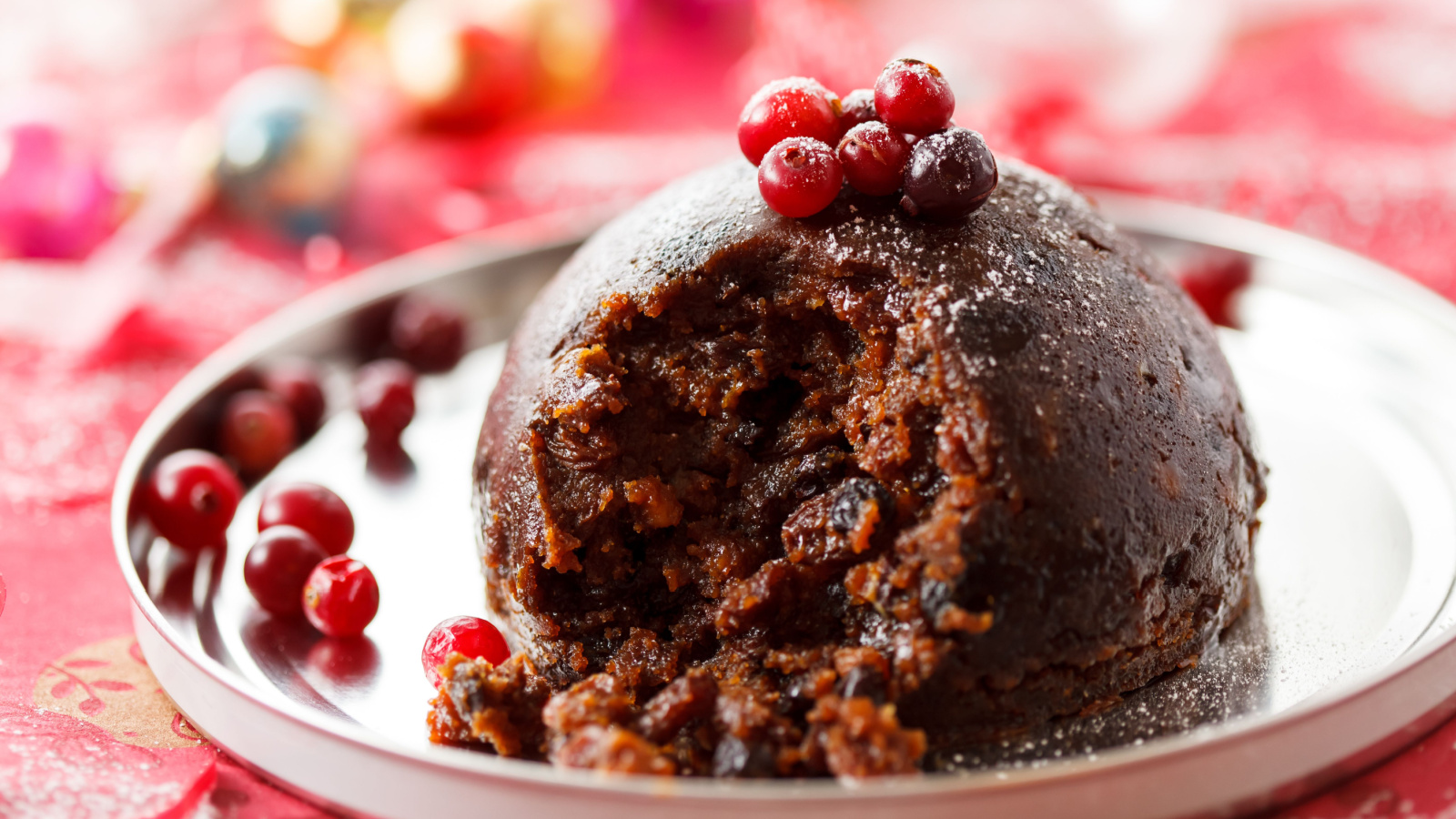
Christmas pudding reflects Canada’s British culinary inheritance. This dense dessert mixes dried fruits, spices, suet, and alcohol together. Families steam puddings weeks before serving. Tableside ignition creates dramatic presentation moments. Americans recoil at the heavy texture and bold darkness. Suet confuses modern palates unfamiliar with historical ingredients. Canadians treat pudding as a ceremony more than a craving for dessert. It usually arrives topped with custard or hard sauce. Portions stay modest despite dense richness. Grandparents push hardest to preserve its presence. Eating it connects families to colonial-era Christmas traditions.
Split Pea Soup

Split pea soup anchors many French-Canadian Christmas Eve meals. Yellow peas simmer slowly with salt pork or ham hocks. The soup thickens naturally into creamy comfort. It evolved through necessity and affordability during harsh winters. Americans expect delicate starters and feel puzzled by heavy portions. Canadians find it grounding and comforting before long feasts. Homemade bread or pickled beets often accompany each bowl. Leftovers fuel late-night family conversation sessions. The aroma reminds many of grandparents’ stoves bubbling patiently. Winter cold makes its heartiness perfectly logical. Split pea soup remains less about indulgence than propriety. For Canadians, starting Christmas dinner without it feels incomplete.
Bûche de Noël
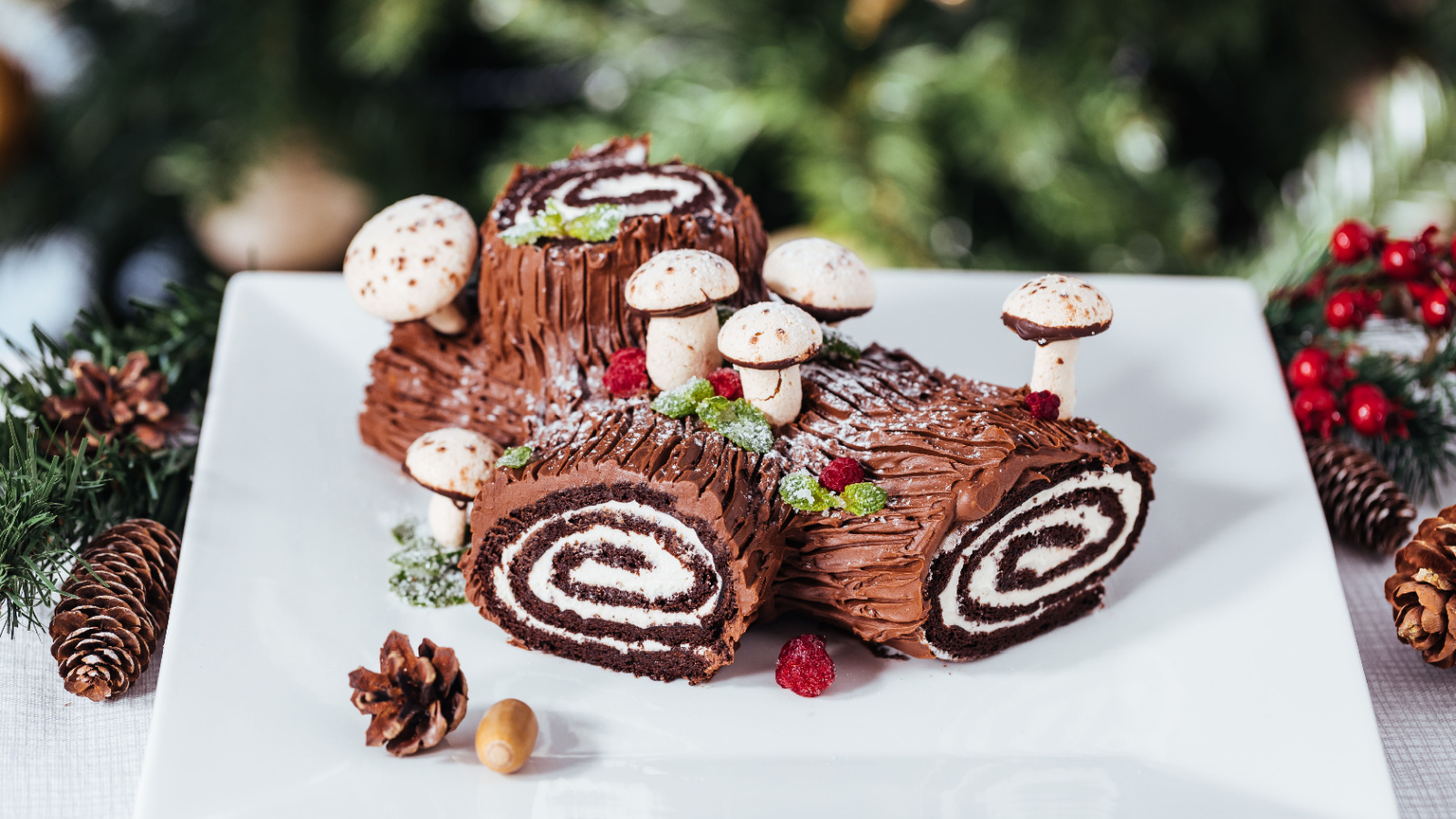
Bûche de Noël showcases Quebec’s French culinary heritage proudly. This rolled sponge cake mimics the shape of a festive log. Buttercream bark icing completes the illusion beautifully. Americans see it as a European novelty. Canadian households treat it as a dessert tradition. Bakeries accept orders weeks ahead of Christmas gatherings. Families make simplified versions using cake mixes at home. Decorations include powdered sugar snow and chocolate mushrooms. Flavour fillings range from vanilla to rich mousse creams. The cake turns dessert into a table centerpiece. Its visual drama rivals its sweetness. Guests gather cameras before slicing begins. Bûche de Noël blends artistry with taste every winter season.
Welsh Cakes
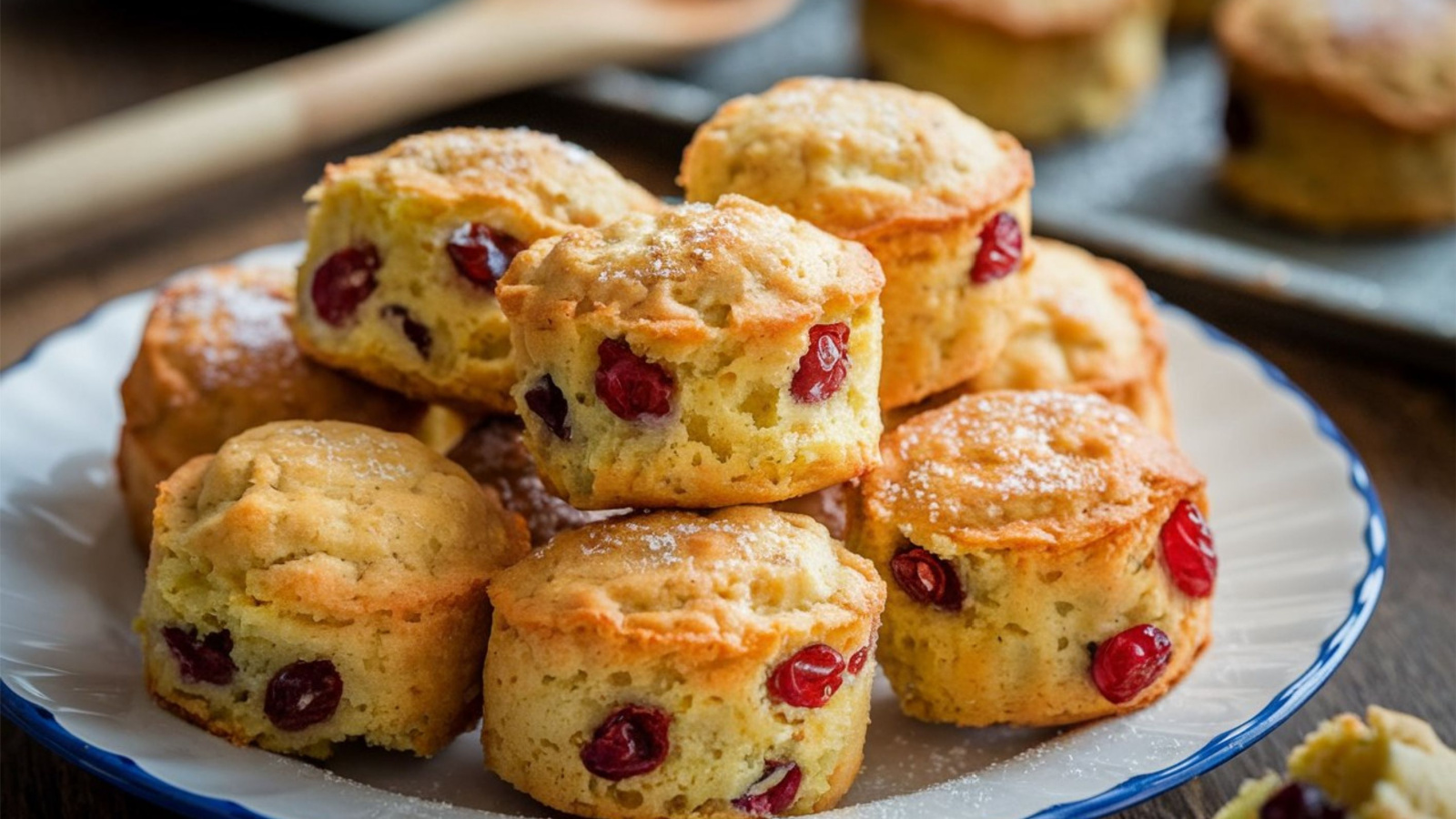
Welsh cakes quietly survive across Canadian British communities. They cook on skillets instead of ovens. Their dough blends butter, nutmeg, and currants delicately. Americans confuse them for pancakes or biscuits. Their texture resembles neither. Canadians enjoy them warm with morning tea. Recipe cards pass down across generations silently. They appear most often in Atlantic Canada and Ontario homes. Powdered sugar dusting remains the classic topping choice. Each bite feels crumbly and gently dense. Though fading from mainstream popularity, families preserve the tradition proudly. Welsh cakes remain subtle reminders of immigrant roots that still flavour Canada’s Christmas mornings.
Pickled Beets
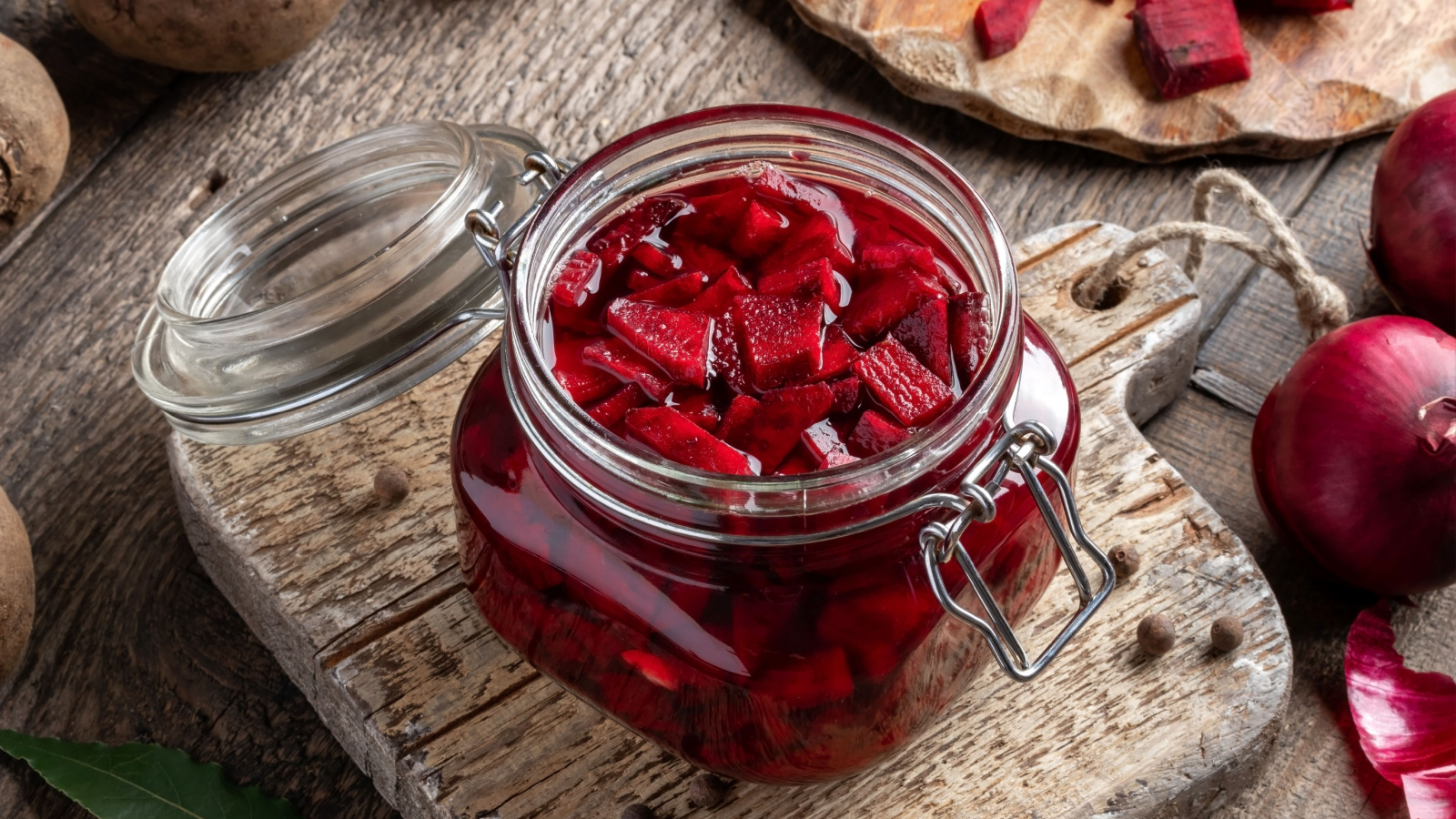
Pickled beets confuse Americans at Christmas dinner tables. Vinegar-soaked slices feel unusual beside roasted meats. Canadians welcome their sharp counterbalance. Sweet acidity offsets thick gravies and heavy potatoes perfectly. Many families preserve beets during summer harvests. Jars open exclusively for December meals. Eastern European food traditions shaped this habit deeply. Prairie provinces especially preserve the tradition strongly. Hostess gifts frequently include extra jars wrapped in ribbon. Their bright colour enlivens winter’s beige palettes. For Canadians, pickled beets feel indispensable rather than odd.
Jellied Cranberry Sauce
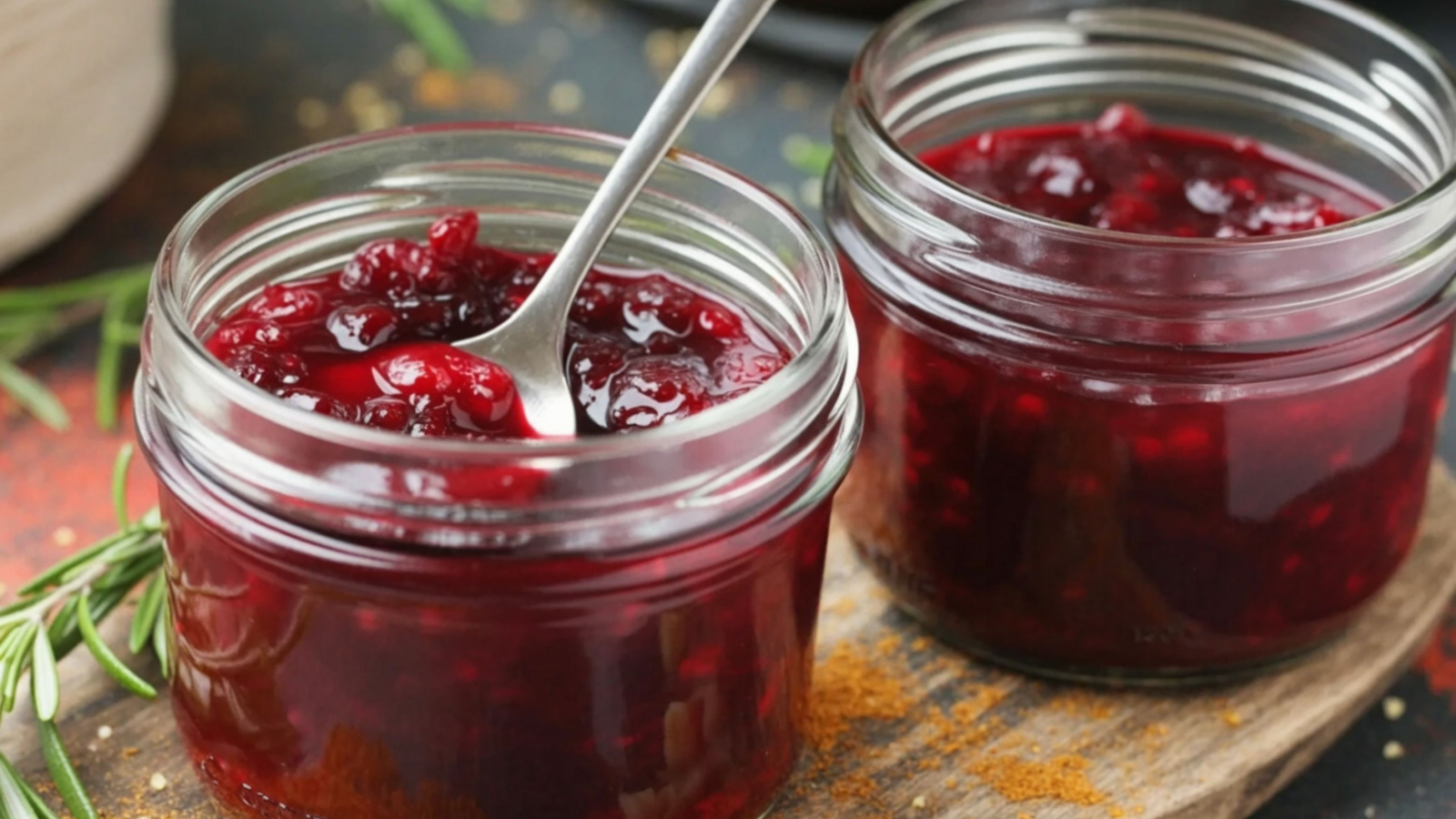
Canned cranberry sauce remains stubbornly popular across Canada. It slides cleanly onto plates in perfect rounds. Americans prefer chunky homemade versions. Canadians favour pure nostalgic simplicity. Each slice matches childhood holiday memories exactly. Families purchase it intentionally for tradition. Its predictable sweet-tart flavour comforts diners instantly. No chopping or cooking is required. Preparation simplicity matches winter fatigue. Some households secretly admit to preferring canned versions. They rarely confess publicly. Cranberry gel pairs effortlessly with turkey and stuffing. It proves that not every tradition requires upgrading to maintain relevance.
Flapper Pie

Flapper pie developed from Prairie-era community cookbooks. Its vanilla custard filling rests inside flaky pastry shells. Whipped cream and meringue crown each slice lightly. Americans mistake it for coconut cream pie. Its flavour remains far subtler. The dessert became popular through church socials and roadside diners. Families preserved recipes through handwritten publication chains. During Christmas, it regularly joins dessert tables. Its humble presentation hides gentle sweetness. Prairie households remain its strongest defenders. Flapper pie symbolizes regional baking heritage surviving quietly against trend cycles.
Saskatoon Berry Pie

Saskatoon berries grow naturally across Canada’s Prairie provinces. Americans rarely recognize the fruit. Its taste rests between blueberry and cherry. Families harvest berries briefly during short summers. Many freeze supplies specifically for holiday baking. Pie aromas carry faint almond hints. Visitors struggle to name the flavour. Canadians identify it instantly. Serving the pie keeps local traditions thriving. The fruit represents uniquely Canadian agriculture. Christmas desserts revive warm harvest memories. No pie communicates regional identity as strongly as the Saskatoon berry.
Montreal Smoked Meat Platters

Montreal smoked meat frequently appears during informal Christmas gatherings. Brisket cures for weeks before smoking produces tender, peppery slices. Canadians serve thick stacks on rye with mustard. Americans compare it to pastrami incorrectly. The spice ratios and smoking techniques differ distinctly. Families order platters weeks before holiday parties. Lines snake down Montreal streets every December. Leftovers become sandwiches for lazy winter afternoons. The meat’s saltiness pairs perfectly with pickles and coleslaw. Hosting platters simplify large family feeding duties. The smell alone raises holiday anticipation.
Turtlenecks
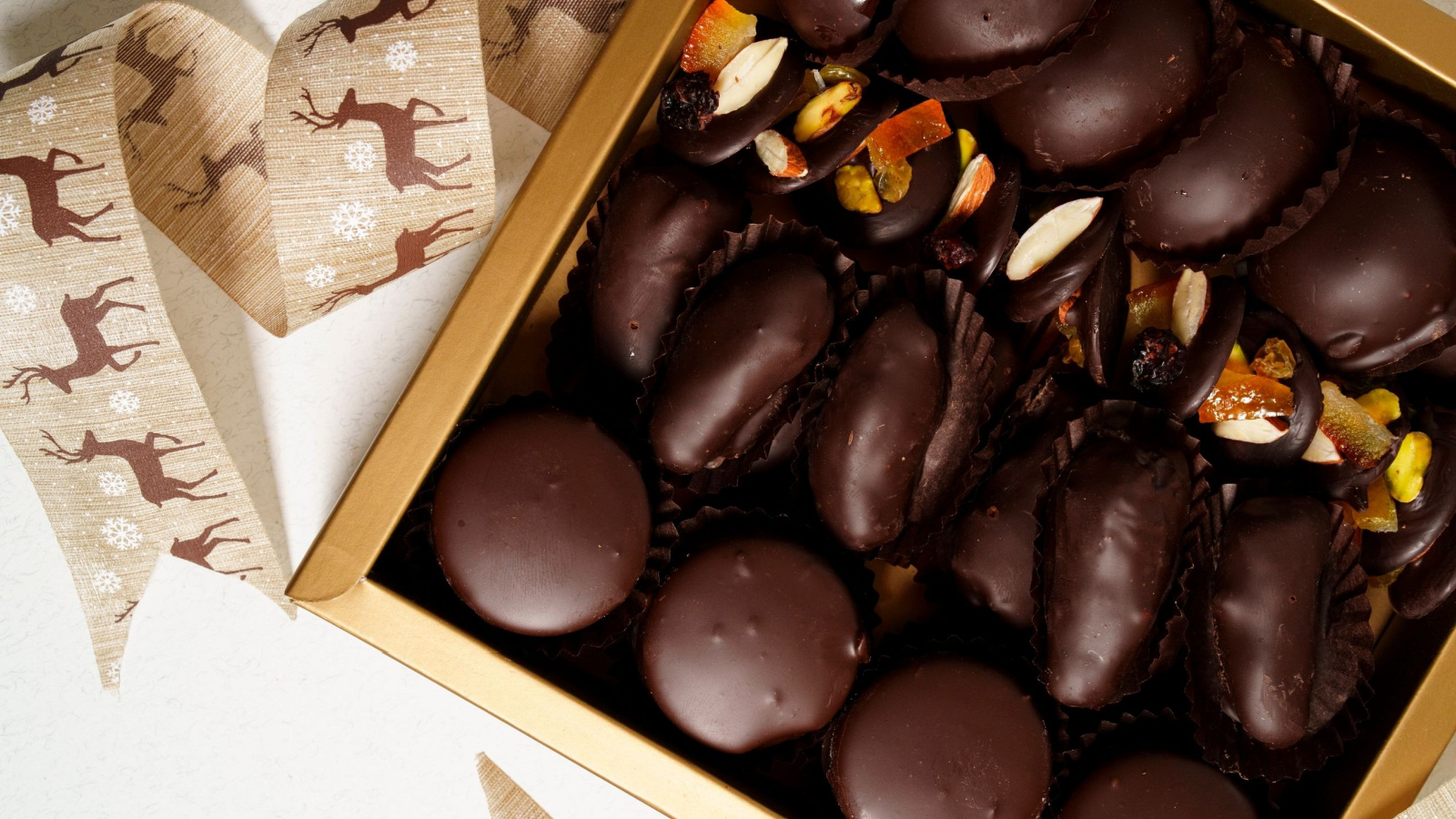
Turtlenecks remain a uniquely Canadian holiday candy tradition. These rum-flavoured hard candies dissolve slowly during cold walks. They appear in decorative tins on coffee tables. Americans rarely recognize the candy name. The molasses-like taste surprises first-time tasters. Canadians associate them with grandparents’ pockets and church basements. Their wrapped appearance matches old-fashioned holiday décor. Children patiently unwrap each individual piece. No holiday baking spread feels complete without them. They reflect nostalgia more than evolving candy trends.
Seal Flipper Pie
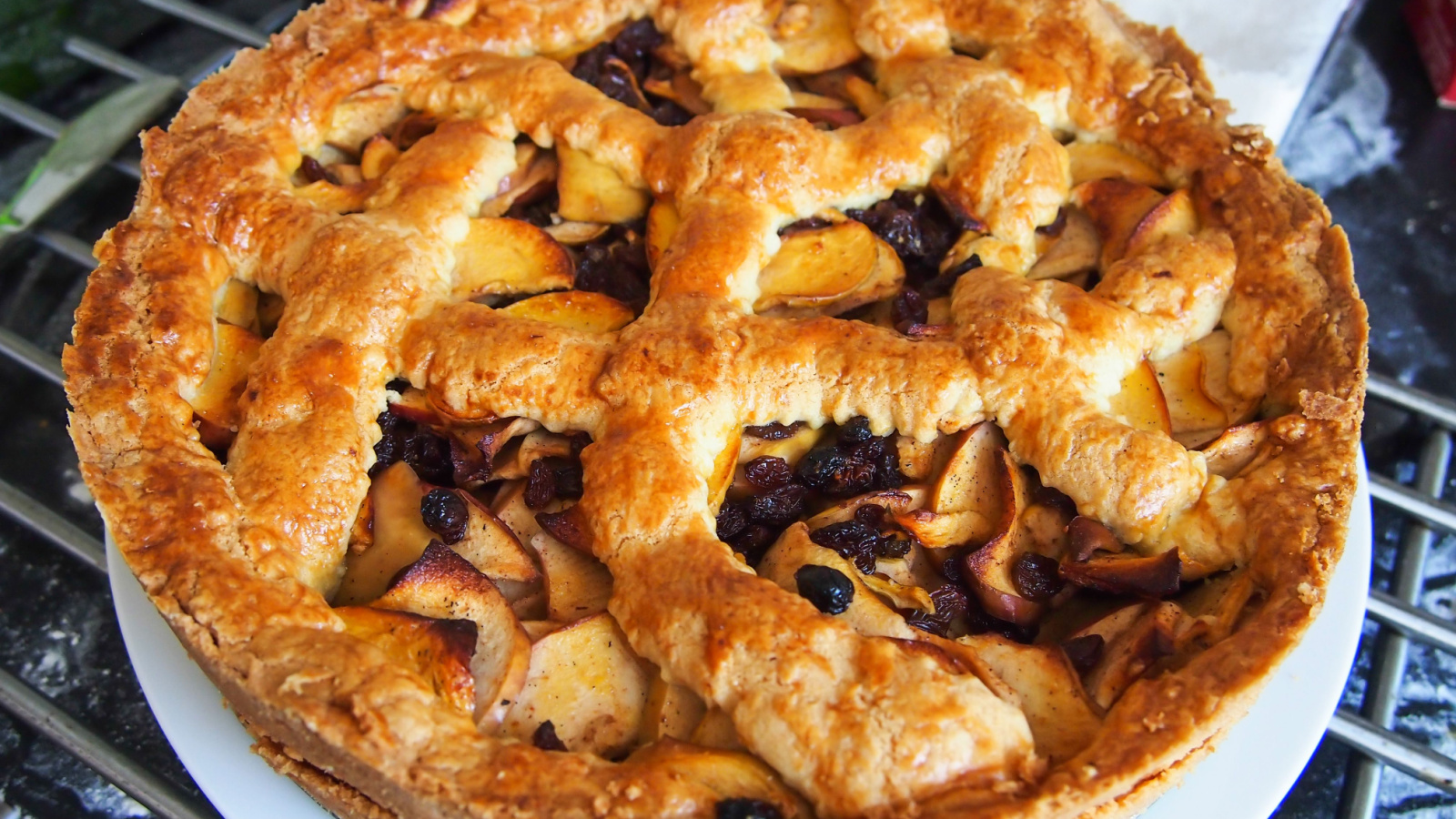
Seal flipper pie remains known mainly within Newfoundland communities. This hearty stew-like pie uses seal meat simmered slowly until tender. Locals increase flavour with onions and spices. Americans struggle with the concept first before tasting ever begins. Canadians from coastal regions defend the dish proudly. It originates from survival cooking traditions. Christmas servings celebrate regional identity rather than indulgence. Families gather specifically to prepare it together. Its flavours resemble rich beef stews surprisingly closely. The dish symbolizes persistence against harsh maritime winters. Though rarely eaten nationwide, it maintains cultural importance within Newfoundland Christmas traditions.
Potato Candy
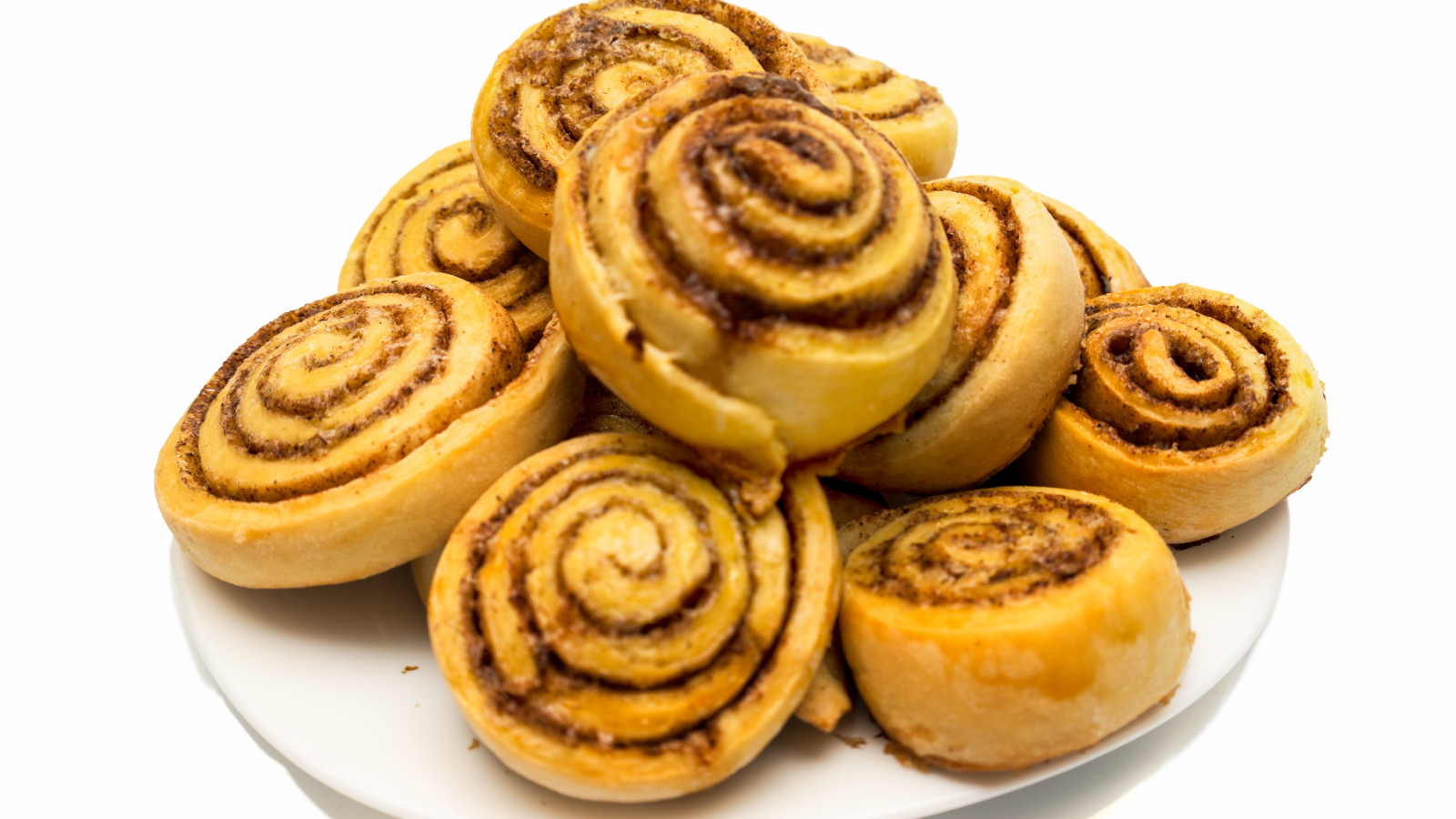
Potato candy confuses nearly everyone encountering it for the first time. Mashed potatoes mixed with powdered sugar to form candy dough. Peanut butter spreads within rolled sheets. Americans cannot accept potatoes in desserts. Canadians trust the strange alchemy completely. The finished candy tastes nothing like vegetables. It resembles soft nougat textures instead. Grandmothers pass recipes through generations quietly. Children marvel when discovering its main ingredient. Potato candy appears primarily in Eastern Canadian households. It represents post-war frugality turned tradition. The recipe thrived during times of ingredient scarcity. Today, it remains a holiday curiosity served proudly at family tables.
Mince Tarts
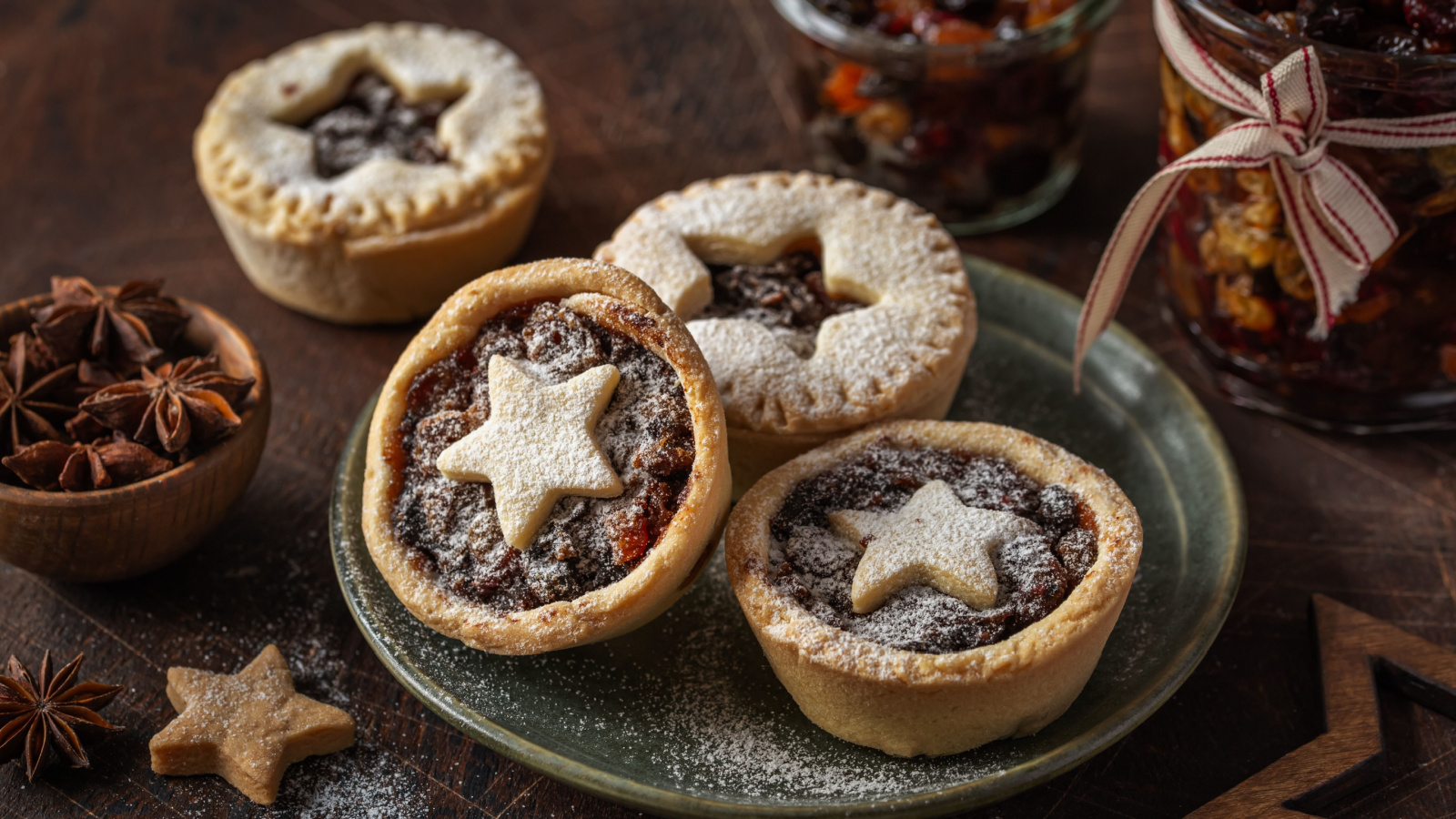
Mince tarts remain popular across eastern Canadian provinces. Their spiced fruit filling no longer contains real meat. Americans immediately confuse the historic name. Canadians understand the evolution of the recipe. Raisins, currants, apples, and spices create deep sweetness. Small pastry cups hold concentrated bursts of flavour. Christmas trays always include them beside butter tarts. Supermarkets increase production sharply each December. Older Canadians prefer them over modern dessert bars. Their flavour tastes like traditional holiday spice blends. The tarts link contemporary tables to colonial baking history.
Giblet Gravy
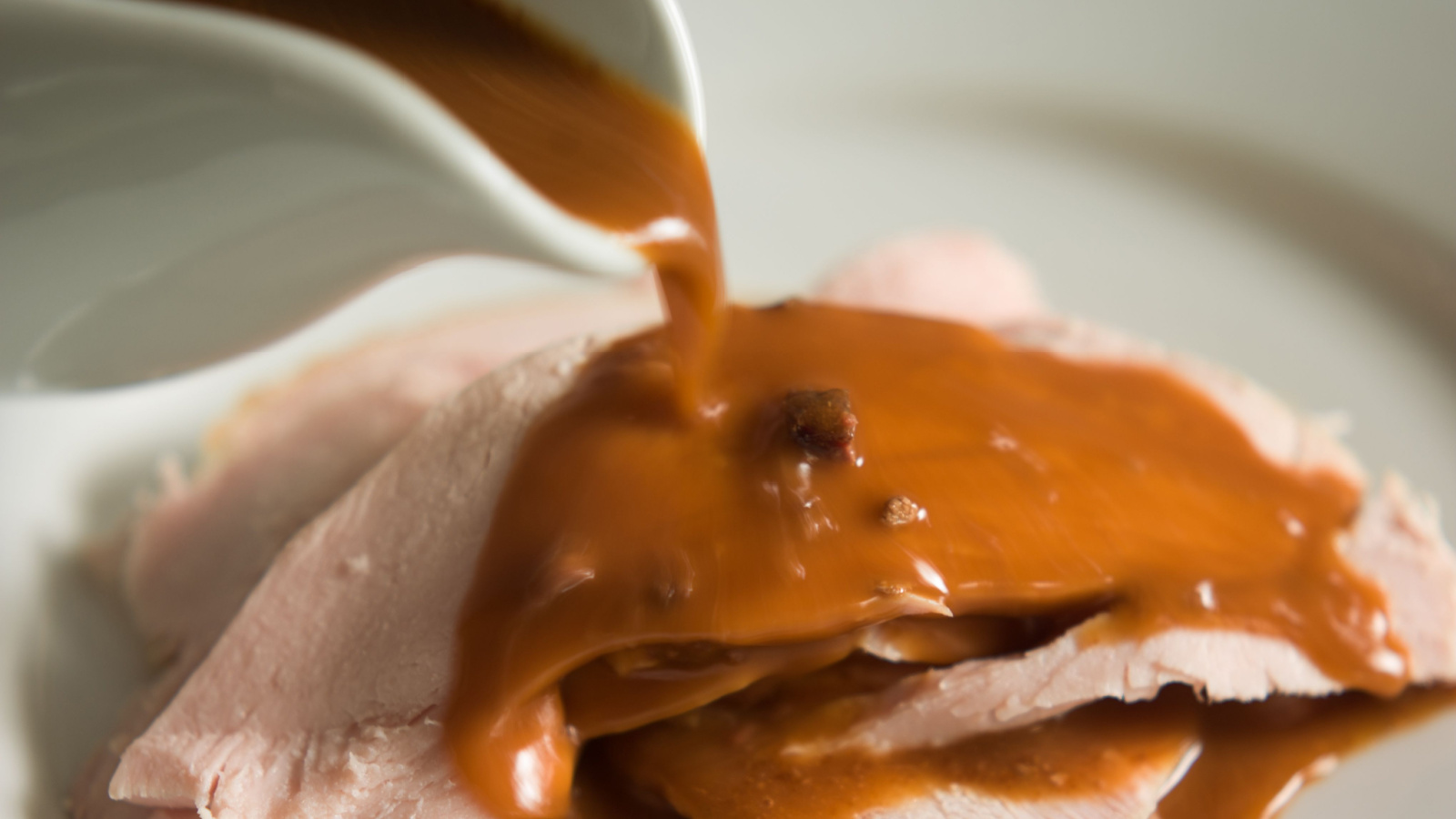
Giblet gravy remains standard during many Canadian turkey dinners. Simmered turkey organs enrich stock with savoury depth. Americans increasingly exclude organ cooking altogether. Canadians maintain this nose-to-tail mindset comfortably. The gravy thickens mashed potatoes beautifully. Flavour complexity surpasses simple pan drippings. Families follow inherited preparation methods carefully. Young cooks often learn recipes from their grandparents. Waste-free cooking historically mattered during long winters. Giblet gravy honours that principle persistently. It elevates basic turkey plates into hearty meals. Although modern cooks sometimes hesitate, the tradition stays strong at Canadian Christmas tables.
Cottage Roll
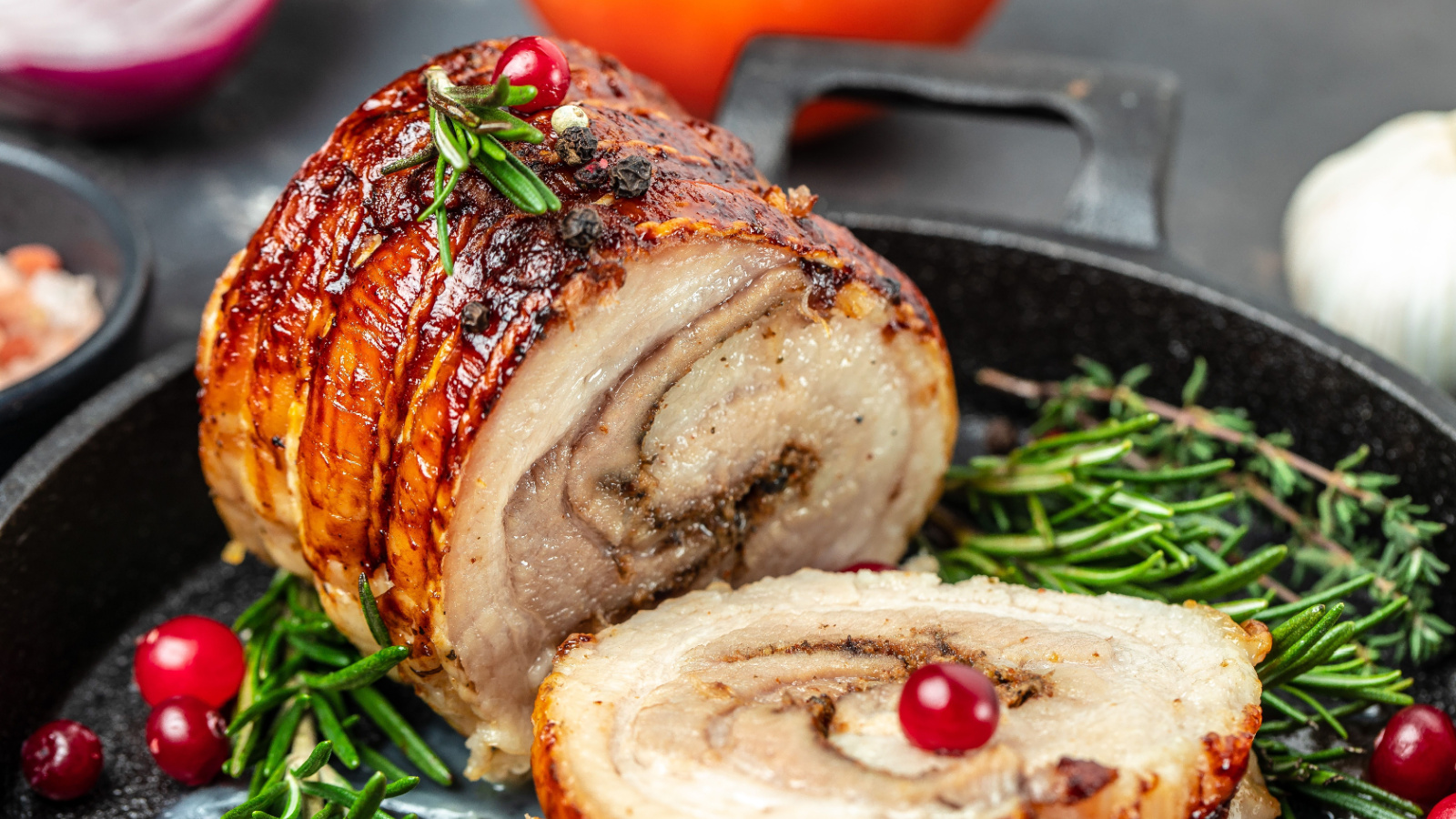
Cottage roll appears frequently in Atlantic Canadian Christmas meals. This brined pork shoulder slowly simmers until fork-tender. Americans confuse it with rolled roasts mistakenly. Canadians know it as corned pork staple food. The meat slices are alongside cabbage, carrots, and potatoes. The dish offers simplicity rather than decorative appeal. Coastal traditions emphasize sustenance over spectacle. Families gathered around the cottage, rolling value comfort cuisine. Salty flavours balance boiled winter vegetables perfectly. Leftovers become hearty fried hashes. The dish remains humble but culturally rooted. It proves Christmas food doesn’t always aim for glamour.
Date Squares
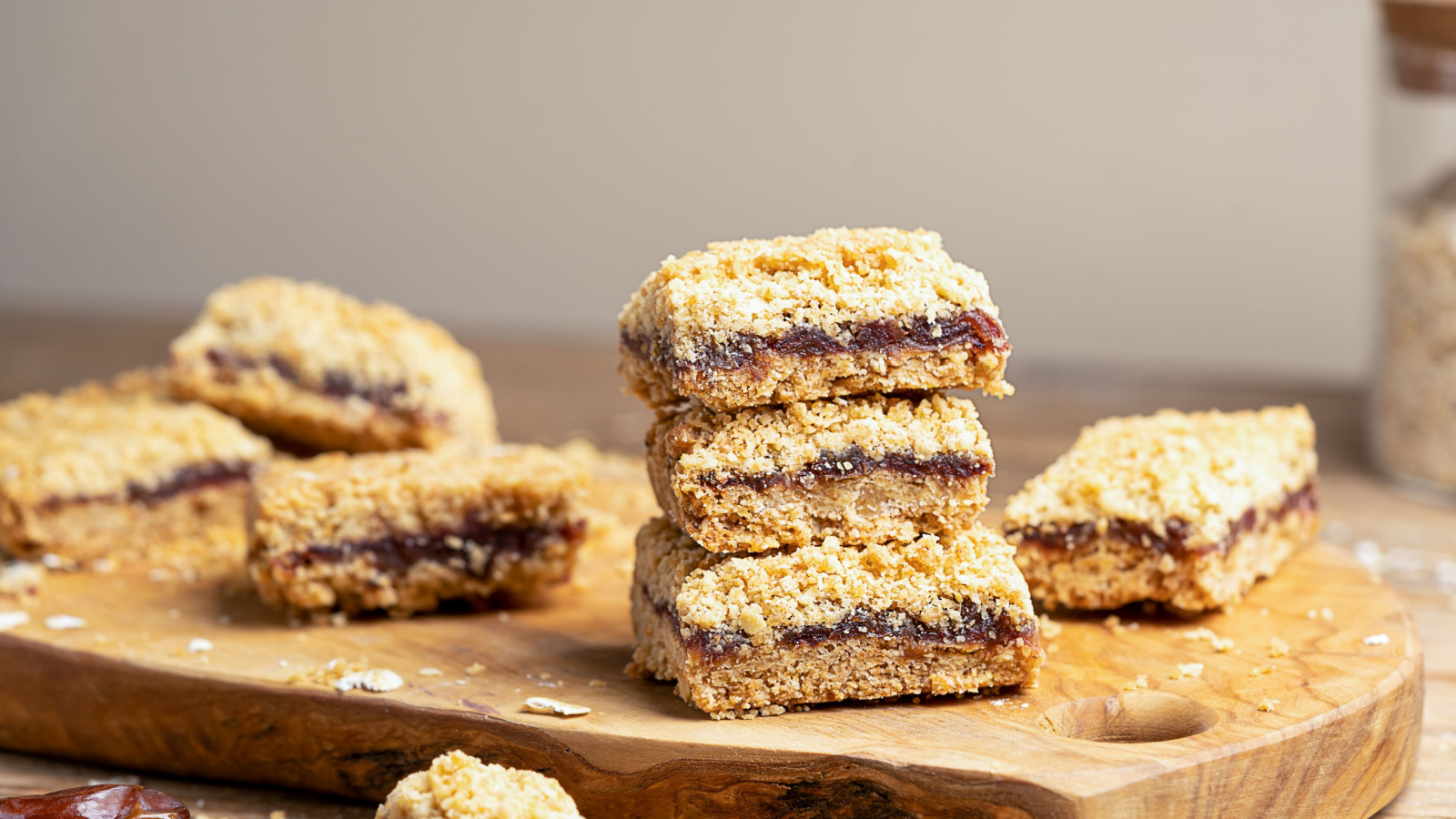
Date squares remain standard across Canadian dessert tables. Crumbly oat layers sandwich a thick, sweet date filling. Americans recognize similar bars but rarely prioritize dates. Canadians developed affection through simple pantry baking. Recipes circulate endlessly through community cookbooks. They balance sweetness with a hearty oatmeal texture. Christmas platters pile them high beside Nanaimo bars. Their chewiness contrasts nicely with frosted pastries. Many families bake double batches weekly in December. Date squares satisfy dessert cravings without overwhelming richness. Canadians appreciate desserts that comfort more than impress.
Christmas Shortbread
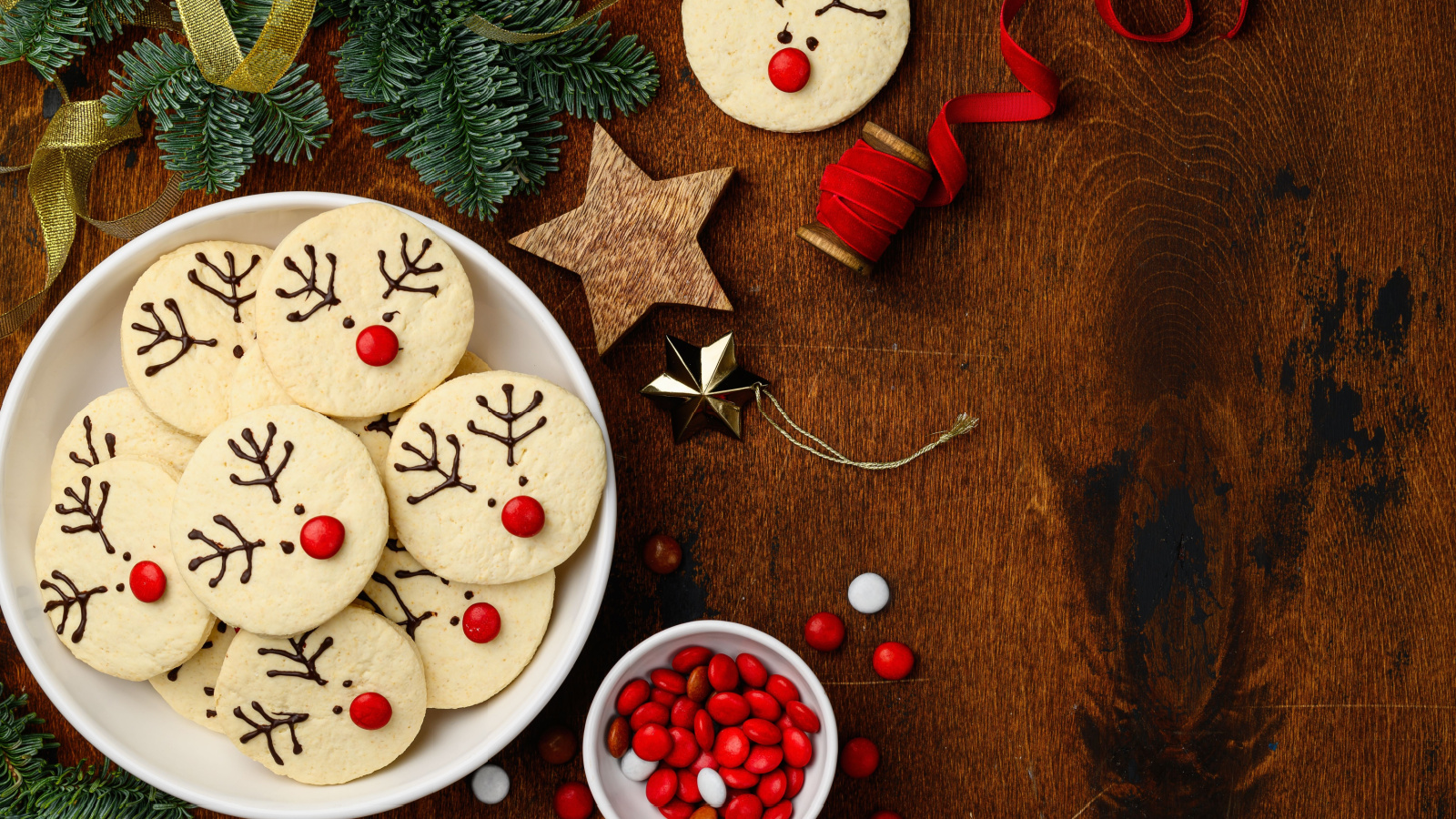
Christmas shortbread holds sacred holiday status nationwide. Butter-rich cookies crumble delicately with each bite. Canadians expect tins filled with multiple flavours. Americans often associate shortbread with tea alone. Canadians turn it into festive celebration cookies. Sprinkles, icing dips, and chocolate drizzles decorate versions widely. Families host baking weekends exclusively for shortbread production. Cookies appear tied in cellophane gift bags. They travel to office parties and neighbour visits. The scent marks the start of the holiday baking season. Shortbread unites simplicity with elegance effortlessly at Canadian Christmas tables.
Spruce Beer

Spruce beer originates from colonial survival beverages. Canadians brew it using spruce needles or extracts. Americans often react hesitantly upon hearing the concept. Its taste blends citrus bitterness with herbal sweetness. Many families purchase bottled versions during December. Atlantic provinces maintain the strongest loyalty to the drink. Children enjoy non-alcoholic versions traditionally. Drink recipes vary drastically by household. Serving it honours early settler ingenuity. The beverage symbolizes adaptation to northern environments. Though niche today, spruce beer still appears on holiday tables proudly.
Moose Stew
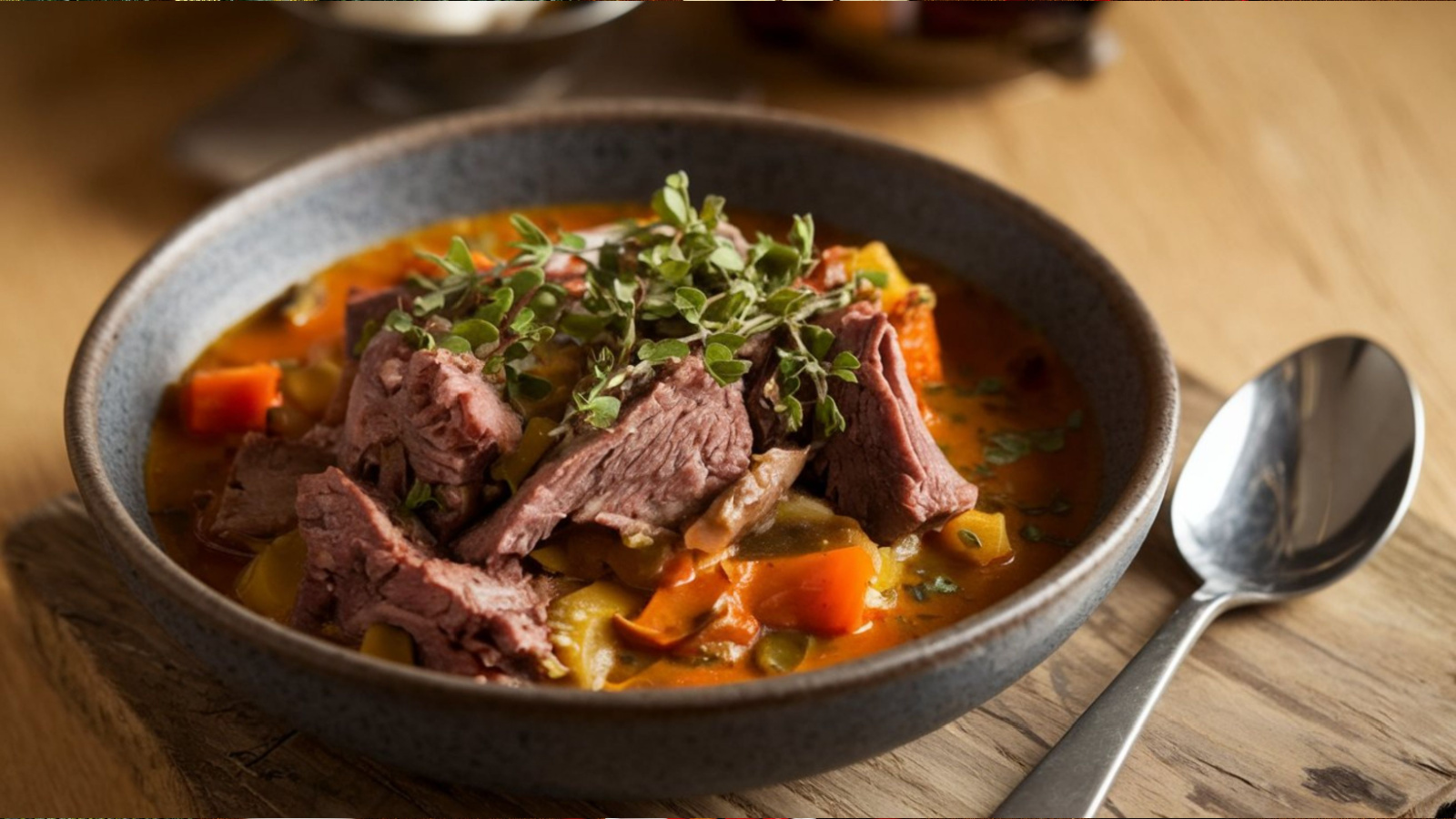
Moose stew appears in northern Canadian Christmas meals. Hunting communities share harvests through winter gatherings. Americans often view wild game as a luxury niche food. Canadians see it as cultural sustenance. Slow-simmered meat produces deeply rich flavours. Root vegetables round out hearty dishes. Families prepare enormous pots for extended gatherings. Serving the stew honours Indigenous hunting traditions and rural culture. The dish reflects land stewardship respect. Eating locally harvested meat reinforces community bonds. Moose stew connects food with the environment directly. It remains one of Canada’s most uniquely authentic holiday dishes.
22 Groceries to Grab Now—Before another Price Shock Hits Canada
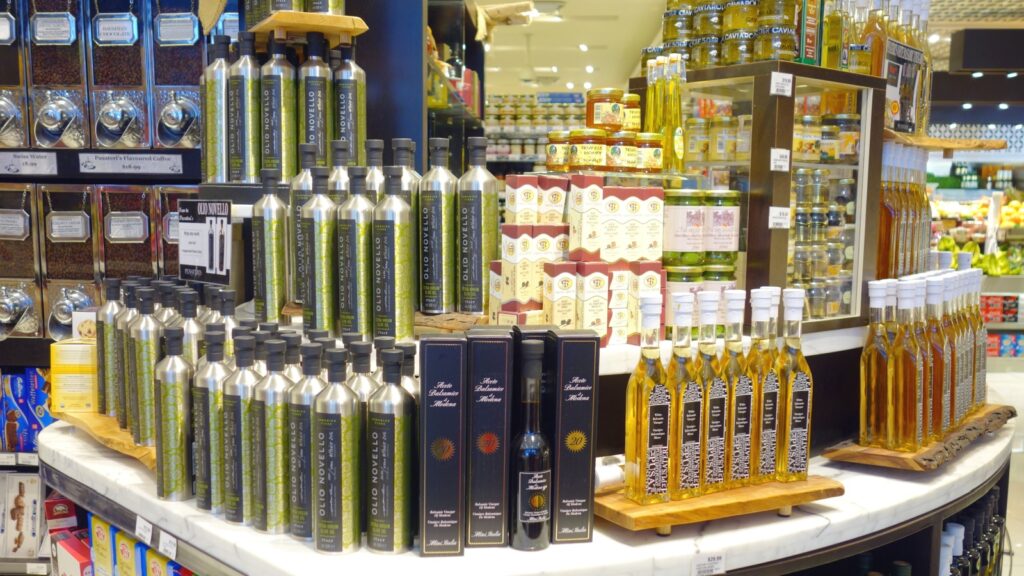
Food prices in Canada have been steadily climbing, and another spike could make your grocery bill feel like a mortgage payment. According to Statistics Canada, food inflation remains about 3.7% higher than last year, with essentials like bread, dairy, and fresh produce leading the surge. Some items are expected to rise even further due to transportation costs, droughts, and import tariffs. Here are 22 groceries to grab now before another price shock hits Canada.
22 Groceries to Grab Now—Before another Price Shock Hits Canada
This Options Discord Chat is The Real Deal
While the internet is scoured with trading chat rooms, many of which even charge upwards of thousands of dollars to join, this smaller options trading discord chatroom is the real deal and actually providing valuable trade setups, education, and community without the noise and spam of the larger more expensive rooms. With a incredibly low-cost monthly fee, Options Trading Club (click here to see their reviews) requires an application to join ensuring that every member is dedicated and serious about taking their trading to the next level. If you are looking for a change in your trading strategies, then click here to apply for a membership.