
35,000+ smart investors are already getting financial news, market signals, and macro shifts in the economy that could impact their money next with our FREE weekly newsletter. Get ahead of what the crowd finds out too late. Click Here to Subscribe for FREE.
35,000+ smart investors are already getting financial news, market signals, and macro shifts in the economy that could impact their money next with our FREE weekly newsletter. Get ahead of what the crowd finds out too late. Click Here to Subscribe for FREE.
Canada is undergoing a period of rapid transformation shaped by technology, sustainability, and social progress. From clean energy and AI to Indigenous governance and housing reform, major developments are redefining how Canadians live, work, and interact with the world. Here are 19 Canadian shifts happening right now that could change everything.
Rapid Expansion of Clean Energy and Green Technologies
19 Canadian Shifts Happening Right Now That Could Change Everything
- Rapid Expansion of Clean Energy and Green Technologies
- Population Growth Driven by Record Immigration Levels
- Transformation of the Housing Market and Urban Densification
- Canada’s Role in Global Critical Mineral Supply Chains
- Indigenous Self-Governance and Land Rights Advancements
- Accelerated Investment in Artificial Intelligence and Automation
- National Push Toward Electric Vehicle Manufacturing
- Major Upgrades in Public Transit and Green Infrastructure
- Rising Influence of Tech Hubs in Toronto, Vancouver, and Montréal
- Expansion of Climate Adaptation and Carbon Pricing Policies
- Shifts in Agricultural Practices Toward Sustainability
- Growth in Remote Work and Digital Nomad Communities
- Changing Dynamics in Healthcare Delivery and Telemedicine
- Increasing Focus on Cybersecurity and Data Protection
- New Alliances in Defense and Arctic Security Collaboration
- Strengthening of Multilingual and Multicultural Education Models
- Expanding Role of Women in Business and Political Leadership
- Canada’s Growing Film, Music, and Digital Media Exports
- The National Strategy Toward a Circular and Low-Waste Economy
- 21 Products Canadians Should Stockpile Before Tariffs Hit

Canada is investing heavily in wind, solar, and hydroelectric power as part of its net-zero goals. Provinces like Alberta and Ontario are expanding renewable capacity while British Columbia leads in clean hydrogen and battery research. Federal incentives under the Canada Growth Fund are drawing private investment into green infrastructure. With the oil sands gradually adopting carbon-capture systems and major utilities phasing out coal, Canada is positioning itself as a clean-tech leader. These transitions are reshaping the energy sector, attracting global partnerships, and reducing emissions while supporting sustainable job growth across the country.
Population Growth Driven by Record Immigration Levels

Canada’s population has surpassed 41 million, with immigration being the primary driver. Ottawa’s immigration targets continue to rise, with over 485,000 newcomers planned annually by 2026 to fill labor gaps in healthcare, construction, and technology. Major cities like Toronto and Calgary are experiencing rapid demographic change, while smaller regions are introducing settlement programs to attract new workers. This shift strengthens Canada’s economic base but also adds pressure on housing, transit, and healthcare systems. The evolving demographic landscape is redefining workforce diversity, urban growth, and the cultural fabric of the nation.
Transformation of the Housing Market and Urban Densification

Canada’s housing sector is entering a structural shift marked by affordability challenges and policy reforms. Cities are embracing higher-density zoning, modular construction, and incentives for purpose-built rentals. The federal Housing Accelerator Fund is pushing municipalities to streamline approvals and modernize planning. Immigrant demand and inter-provincial migration continue to drive construction in urban and suburban regions alike. While affordability remains a concern, innovation in financing, co-ownership, and public-private housing partnerships is gradually changing how Canadians build, buy, and live in their cities.
Canada’s Role in Global Critical Mineral Supply Chains

As demand for lithium, nickel, and cobalt surges worldwide, Canada is emerging as a key supplier of responsibly sourced critical minerals. With major deposits across Ontario, Quebec, and the North, Canada is forming partnerships with allies to reduce dependency on Chinese supply chains. The federal Critical Minerals Strategy supports exploration, refining, and battery-production investments. Indigenous partnerships are increasingly central to project approvals, reflecting both economic and environmental responsibility. Canada’s resources are becoming a cornerstone of North America’s electric-vehicle and clean-energy ambitions.
Indigenous Self-Governance and Land Rights Advancements

Historic milestones are redefining Indigenous governance in Canada. Modern treaties such as the Nisga’a and Cree agreements are expanding local jurisdiction over land, education, and resource management. Ottawa’s commitment to implementing the United Nations Declaration on the Rights of Indigenous Peoples (UNDRIP) is reshaping federal and provincial relations. Indigenous communities are leading sustainable forestry, energy, and cultural tourism projects that create local jobs while preserving traditions. These developments mark a shift toward reconciliation through empowerment, giving Indigenous governments an increasingly central role in Canada’s future.
Accelerated Investment in Artificial Intelligence and Automation

Canada remains a global hub for AI innovation, led by Montréal, Toronto, and Edmonton. Federal programs like the Pan-Canadian AI Strategy and the National Research Council’s AI initiatives are expanding research and development funding for automation, robotics, and ethics-driven AI applications. Canadian startups are attracting record venture capital, while companies such as Shopify and Cohere integrate AI to enhance productivity. At the same time, universities are producing AI-skilled graduates to fill growing demand. This surge in AI investment is reshaping manufacturing, healthcare, and logistics across the economy.
National Push Toward Electric Vehicle Manufacturing

Canada’s EV sector is accelerating as automakers invest billions in domestic battery and vehicle production. Ontario and Quebec have secured major projects from Stellantis, Volkswagen, and Honda, supported by federal tax credits and mineral supply chains. Battery-component facilities in Windsor and Bécancour are turning Canada into a North American EV hub. Public charging networks are expanding through the Zero-Emission Vehicle Infrastructure Program. This industrial transformation supports clean-energy goals while revitalizing Canada’s automotive manufacturing base with sustainable, high-skilled jobs.
Major Upgrades in Public Transit and Green Infrastructure

Massive federal and provincial investments are reshaping Canada’s public transit landscape. Projects like Toronto’s Ontario Line, Montréal’s REM expansion, and Vancouver’s SkyTrain extensions are reducing congestion and emissions. The Canada Infrastructure Bank is co-funding electric bus fleets, water systems, and low-carbon transit hubs. These upgrades improve urban livability and economic competitiveness while meeting national climate-resilience targets. As construction expands, infrastructure spending is also driving regional development and skilled-trade employment across multiple provinces.
Rising Influence of Tech Hubs in Toronto, Vancouver, and Montréal

Canada’s technology ecosystem continues to gain global traction. Toronto now ranks among the top five tech job markets in North America, while Vancouver and Montréal attract major investments from Amazon, Ubisoft, and Meta. Competitive immigration pathways and strong universities are fueling this momentum. Startups in fintech, healthtech, and AI are securing international funding, supported by accelerators such as MaRS and Creative Destruction Lab. These urban hubs are transforming Canada’s innovation economy and positioning it as a global center for digital excellence.
Expansion of Climate Adaptation and Carbon Pricing Policies

Canada continues to lead in climate action through a combination of carbon pricing, emission caps, and adaptation initiatives. The federal carbon price, now applied nationwide, incentivizes low-emission practices while returning revenues to households. Provinces are investing in flood management, wildfire prevention, and infrastructure resilience. The 2030 Emissions Reduction Plan supports cleaner technologies across the energy and transport sectors. By integrating climate adaptation into economic planning, Canada is building long-term resilience to changing weather patterns while strengthening its reputation as a responsible environmental leader.
Shifts in Agricultural Practices Toward Sustainability

Canadian agriculture is embracing sustainable methods to meet growing global food demands while cutting emissions. Precision farming, crop rotation, and soil carbon sequestration are being adopted across prairie provinces. Programs under Agriculture and Agri-Food Canada support innovation in low-emission fertilizers and water-efficient irrigation. Farmers are also investing in renewable energy, such as biogas and solar, for farm operations. These efforts improve productivity, reduce environmental impact, and ensure Canada’s continued position as a reliable global food supplier amid climate change challenges.
Growth in Remote Work and Digital Nomad Communities

Remote work has become a lasting trend across Canada’s workforce. Companies are adopting hybrid models, enabling professionals to work from smaller cities or rural areas with lower living costs. Provinces like Nova Scotia and Alberta are promoting digital nomad initiatives to attract skilled workers. The shift has boosted regional economies while reshaping commercial real estate demand in major cities. Advances in broadband infrastructure and remote collaboration tools are ensuring that Canada remains competitive in an increasingly flexible, tech-driven global labor market.
Changing Dynamics in Healthcare Delivery and Telemedicine

Telemedicine and digital health tools are transforming healthcare access across Canada. Virtual consultations, electronic prescriptions, and AI-driven diagnostics have expanded significantly since the pandemic. Provinces are integrating telehealth into public systems to reduce wait times and improve rural access. Investments in digital record systems and wearable health technology are further enhancing preventive care. This transformation aims to modernize Canada’s universal healthcare model, ensuring equitable and efficient delivery while easing the burden on hospitals and medical professionals.
Increasing Focus on Cybersecurity and Data Protection

Canada is strengthening its cybersecurity framework amid rising digital threats to critical infrastructure and businesses. The National Cyber Security Strategy and recent updates to privacy legislation, including Bill C-27, aim to protect personal and corporate data. Public-private partnerships are advancing research in encryption and cyber defense. Federal agencies are also improving coordination with allies under the Five Eyes intelligence network. As cyberattacks grow more sophisticated, Canada’s proactive stance is helping safeguard national security and digital trust.
New Alliances in Defense and Arctic Security Collaboration
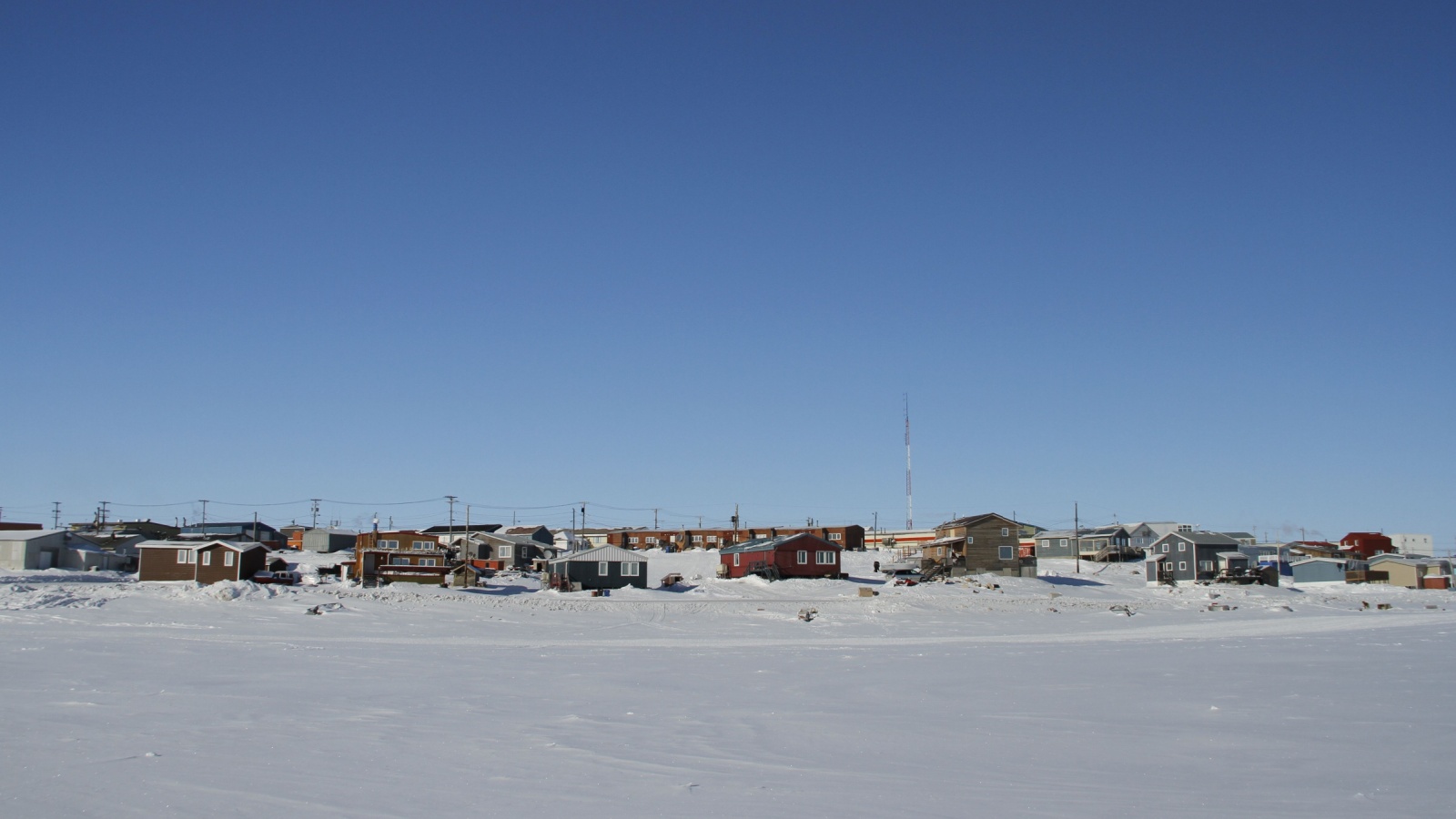
Geopolitical tensions and climate change are redefining Canada’s defense priorities, particularly in the Arctic. The modernization of NORAD and new defense cooperation with NATO allies reflect Canada’s commitment to continental and polar security. Investments in icebreakers, surveillance technology, and northern bases enhance sovereignty and preparedness. Collaboration with Indigenous communities ensures development aligns with local stewardship. These efforts strengthen Canada’s role in global defense networks while protecting strategic interests in the rapidly changing Arctic region.
Strengthening of Multilingual and Multicultural Education Models

Canada’s education system continues to evolve around linguistic and cultural inclusion. Dual-language programs in English and French are expanding, while provinces introduce Indigenous language curricula to support reconciliation. Schools are adopting multicultural frameworks that reflect Canada’s diverse population. International student programs also contribute to cultural exchange and economic growth. By prioritizing inclusivity, Canada is building a future-ready education system that values identity, heritage, and global competency across all regions.
Expanding Role of Women in Business and Political Leadership

Women’s leadership in Canada is reaching historic levels. Female representation in Parliament and corporate boards continues to rise, supported by gender equity policies and mentorship initiatives. Programs like Women Entrepreneurship Strategy and federal funding for women-led startups are narrowing opportunity gaps. High-profile leaders across politics, technology, and finance are reshaping decision-making processes nationwide. This shift strengthens economic performance, drives innovation, and enhances representation in areas once dominated by men.
Canada’s Growing Film, Music, and Digital Media Exports

Canada’s creative industries are thriving globally. Film production hubs in Toronto, Vancouver, and Montréal attract international studios with competitive incentives and advanced facilities. Canadian musicians and digital creators continue to dominate global platforms, boosting cultural exports. Government support through Telefilm Canada and the Canada Media Fund is helping domestic talent compete internationally. With the rise of streaming and interactive media, Canada’s creative economy is becoming a significant contributor to both GDP and national identity.
The National Strategy Toward a Circular and Low-Waste Economy

Canada is advancing a circular economy strategy focused on reducing waste, maximizing resource efficiency, and promoting sustainable manufacturing. Federal and provincial governments are working with industries to expand recycling infrastructure, extend product lifecycles, and minimize landfill dependency. Initiatives such as the Zero Plastic Waste Agenda and the Canadian Council of Ministers of the Environment’s circular framework are leading this transformation. Businesses are adopting eco-design practices and closed-loop systems to reuse materials across production cycles. This shift aims to cut emissions, reduce costs, and position Canada as a global model for sustainable economic growth.
21 Products Canadians Should Stockpile Before Tariffs Hit

If trade tensions escalate between Canada and the U.S., everyday essentials can suddenly disappear or skyrocket in price. Products like pantry basics and tech must-haves that depend on are deeply tied to cross-border supply chains and are likely to face various kinds of disruptions
21 Products Canadians Should Stockpile Before Tariffs Hit
This Options Discord Chat is The Real Deal
While the internet is scoured with trading chat rooms, many of which even charge upwards of thousands of dollars to join, this smaller options trading discord chatroom is the real deal and actually providing valuable trade setups, education, and community without the noise and spam of the larger more expensive rooms. With a incredibly low-cost monthly fee, Options Trading Club (click here to see their reviews) requires an application to join ensuring that every member is dedicated and serious about taking their trading to the next level. If you are looking for a change in your trading strategies, then click here to apply for a membership.