
35,000+ smart investors are already getting financial news, market signals, and macro shifts in the economy that could impact their money next with our FREE weekly newsletter. Get ahead of what the crowd finds out too late. Click Here to Subscribe for FREE.
Throughout its history, Canada has stood firm in moments that tested its values, sovereignty, and global reputation. Whether defending human rights, protecting its environment, or asserting independence on the world stage, Canada has consistently chosen principle over pressure. Here are 24 times Canada refused to back down.
Vimy Ridge Victory Defining Canada’s National Identity
24 Times Canada Refused to Back Down
- Vimy Ridge Victory Defining Canada’s National Identity
- Canada’s Stand Against Apartheid in South Africa
- The 1979 “Canadian Caper” Rescuing Diplomats from Iran
- Refusal to Join the 2003 Iraq War Coalition
- Lester B. Pearson’s Peacekeeping Leadership During the Suez Crisis
- The Legalization of Same-Sex Marriage Nationwide in 2005
- Canada’s Role in Upholding the Paris Climate Agreement
- Defending the Arctic Sovereignty in Northern Policy Disputes
- Protecting Universal Healthcare Amid Global Privatization Trends
- Indigenous Land Defenders Standing for Treaty Rights
- Canada’s Commitment to Refugee Resettlement During Global Crises
- The Fight Against Acid Rain Through the 1991 U.S.-Canada Air Quality Agreement
- Opposition to Apartheid-Era Sports Bans and Boycotts
- The National Inquiry into Missing and Murdered Indigenous Women and Girls
- The Refusal to Abandon French Language Rights in Quebec
- Canada’s Role in Defending the International Criminal Court
- Advocacy for Gender Equality at the United Nations
- The Long Battle for Legal Cannabis Reform
- Standing Firm on Environmental Protections in Oil Sands Policy
- Canada’s Response to U.S. Trade Tariffs on Steel and Aluminum
- The Nationwide Push for Bilingual Education and Cultural Preservation
- Defending Press Freedom and Journalistic Integrity
- Canada’s Leadership on LGBTQ+ Rights in Global Diplomacy
- Upholding Democratic Integrity During Foreign Interference Investigations
- 21 Products Canadians Should Stockpile Before Tariffs Hit
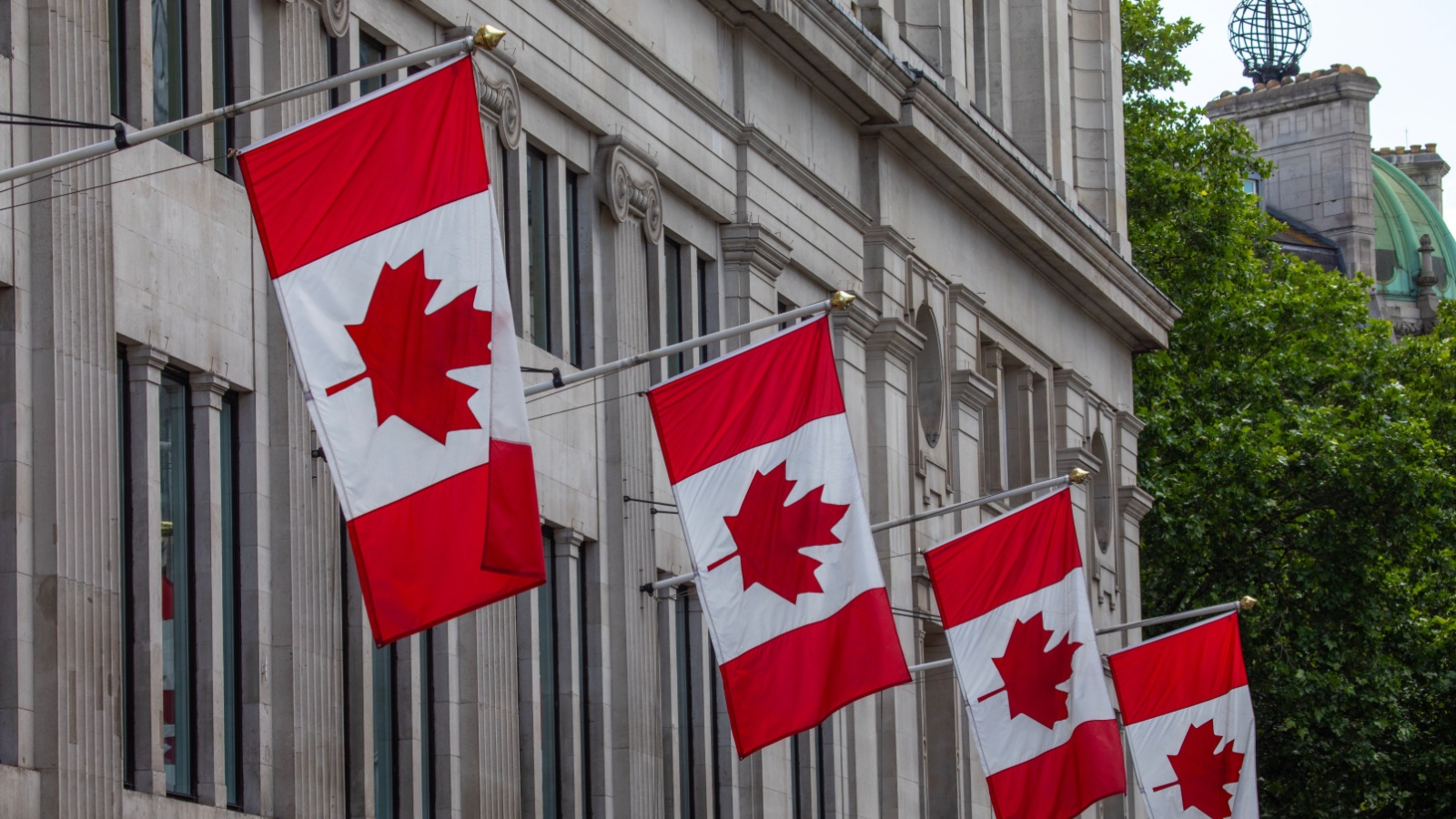
The Battle of Vimy Ridge in April 1917 marked a turning point in Canada’s history. Canadian forces achieved what other Allied troops could not, capturing the heavily fortified ridge in northern France. This victory, achieved through meticulous planning and unity among all four Canadian divisions, demonstrated the nation’s growing military capability and independence from British command. More than 10,000 Canadians were killed or wounded, but their courage helped shape Canada’s national identity.
Canada’s Stand Against Apartheid in South Africa

During the 1980s, Canada played a critical role in pressuring South Africa to end its apartheid system. Under Prime Minister Brian Mulroney, Canada supported economic sanctions and strongly opposed racial segregation despite resistance from some Western allies. Mulroney’s government worked with the Commonwealth and African leaders to isolate the apartheid regime diplomatically and economically. This firm stance placed Canada among the earliest and most consistent voices for equality and justice. By refusing to compromise on human rights, Canada helped pave the way for South Africa’s eventual transition to democracy under Nelson Mandela.
The 1979 “Canadian Caper” Rescuing Diplomats from Iran

In 1979, after the U.S. Embassy in Tehran was stormed, six American diplomats escaped and found refuge in the homes of Canadian diplomats. Canada, under Ambassador Ken Taylor, coordinated with the CIA to secretly smuggle them out of Iran using fake Canadian passports. The mission, later known as the “Canadian Caper,” was a daring act of courage and diplomacy. Canada risked its own relations with Iran to save lives, showing exceptional bravery and loyalty to its allies.
Refusal to Join the 2003 Iraq War Coalition

In 2003, Canada made the bold decision not to participate in the U.S.-led invasion of Iraq. Prime Minister Jean Chrétien’s government maintained that there was insufficient evidence of weapons of mass destruction and that military action without UN approval would violate international law. Despite pressure from major allies, Canada stood firm on its principles of diplomacy and multilateralism. This decision preserved Canada’s credibility as a nation committed to peacekeeping and international cooperation.
Lester B. Pearson’s Peacekeeping Leadership During the Suez Crisis

In 1956, then–Foreign Minister Lester B. Pearson played a decisive role in resolving the Suez Crisis, which erupted after Egypt nationalized the Suez Canal. Pearson proposed the creation of the first United Nations peacekeeping force to de-escalate the conflict—a groundbreaking idea that prevented further war. His leadership earned him the Nobel Peace Prize in 1957 and redefined Canada’s global identity as a peacekeeping nation. Pearson’s diplomatic courage during one of the Cold War’s most volatile moments remains a defining example of Canada refusing to back down from promoting peaceful solutions.
The Legalization of Same-Sex Marriage Nationwide in 2005

Canada became the fourth country in the world to legalize same-sex marriage when Parliament passed the Civil Marriage Act in 2005. Despite political and religious opposition, the decision upheld the principles of equality and human rights enshrined in the Canadian Charter of Rights and Freedoms. The legislation guaranteed marriage rights to all couples, regardless of gender, marking a milestone for LGBTQ+ rights in North America. Canada’s stand on this issue positioned it as a global leader in equality.
Canada’s Role in Upholding the Paris Climate Agreement

When global momentum for climate action faltered, Canada reaffirmed its commitment to the Paris Climate Agreement. Successive governments prioritized emission reduction targets, renewable energy transition, and international climate financing. Even amid economic challenges and changing political landscapes, Canada has continued to defend the agreement’s goals on the world stage. Its policies emphasize carbon pricing, green infrastructure, and cross-border collaboration with like-minded nations. By standing firm on its environmental commitments, Canada demonstrates that long-term planetary responsibility outweighs short-term economic pressures.
Defending the Arctic Sovereignty in Northern Policy Disputes

Canada has consistently asserted its sovereignty over the Arctic, a region rich in resources and strategic importance. Faced with territorial claims from other nations, including Russia and the United States, Canada has reinforced its presence through scientific research, icebreaker missions, and partnerships with Indigenous communities. The government’s “Use It or Lose It” approach underlined the importance of sustainable development and environmental protection in the North. Canada’s defense of its Arctic territory represents a balance between national pride, environmental stewardship, and global diplomacy.
Protecting Universal Healthcare Amid Global Privatization Trends

Canada’s universal healthcare system, established through the 1966 Medical Care Act, remains one of the nation’s proudest achievements. While many countries shifted toward privatized healthcare models, Canada continued to defend publicly funded access to medical services. Both federal and provincial governments have resisted privatization pressures to maintain fairness and affordability in care. This enduring commitment ensures that no citizen is denied treatment based on income. Canada’s stance has inspired global debates on healthcare equality and remains a defining example of prioritizing public well-being over profit-driven policy.
Indigenous Land Defenders Standing for Treaty Rights

Across Canada, Indigenous land defenders have continued to assert sovereignty and treaty rights in the face of industrial expansion and government policy disputes. Movements such as Wet’suwet’en resistance to pipeline construction and Mi’kmaq efforts to protect fishing rights highlight the strength of Indigenous leadership. Supported by allies nationwide, these defenders uphold environmental protection and the legal recognition of ancestral territories. Despite challenges, their persistence has influenced national discussions on reconciliation and sustainable development.
Canada’s Commitment to Refugee Resettlement During Global Crises

Canada has consistently demonstrated leadership in welcoming refugees during international emergencies. From accepting Vietnamese “boat people” in the 1970s to hosting Syrian and Ukrainian refugees in recent years, the country’s community sponsorship model has set a global standard. Citizens and private groups work alongside the government to help newcomers rebuild their lives. Canada’s humanitarian approach emphasizes dignity, opportunity, and inclusion, proving that compassion can coexist with security. By maintaining generous refugee policies even during global instability, Canada continues to uphold its reputation as a defender of human rights and international solidarity.
The Fight Against Acid Rain Through the 1991 U.S.-Canada Air Quality Agreement

In the 1980s, acid rain caused severe environmental damage to Canada’s lakes and forests, much of it stemming from industrial pollution in the United States. Canada took a firm diplomatic approach, pressing for cross-border accountability. The result was the 1991 U.S.-Canada Air Quality Agreement, which committed both nations to reduce sulfur dioxide and nitrogen oxide emissions. The initiative led to measurable improvements in air and water quality across North America. Canada’s persistence in demanding environmental cooperation showcased its refusal to accept ecological decline as inevitable and its success in achieving real progress through diplomacy.
Opposition to Apartheid-Era Sports Bans and Boycotts

During the height of apartheid, Canada maintained a strong stance in support of racial equality in sports. The Canadian government, sports organizations, and athletes backed international boycotts against South Africa’s participation in major competitions, including the Olympics and the Commonwealth Games. Canada also refused to host or compete in events involving South African teams until apartheid ended. This principled approach demonstrated Canada’s belief in using sport as a vehicle for social justice. By linking athletic integrity with human rights, Canada reinforced its global image as a nation unwilling to tolerate discrimination.
The National Inquiry into Missing and Murdered Indigenous Women and Girls

Launched in 2016, the National Inquiry into Missing and Murdered Indigenous Women and Girls (MMIWG) was a landmark effort to address systemic violence and discrimination. Despite controversy and political pressure, the inquiry gave a national voice to victims’ families and uncovered deep-rooted social inequities. Its final report in 2019 called the crisis a form of “genocide,” sparking national reflection and policy change. By confronting a painful truth, Canada demonstrated its willingness to face internal injustices rather than deny them.
The Refusal to Abandon French Language Rights in Quebec

Canada’s bilingual framework has long faced challenges, particularly surrounding French language rights in Quebec. Despite political tensions and debates over sovereignty, the federal government and Quebec society have consistently defended linguistic equality. The Charter of the French Language (Bill 101) and federal bilingualism policies protect education, media, and public services in French. These efforts preserve Quebec’s cultural heritage and affirm Canada’s dual linguistic identity. The refusal to abandon French rights underscores the country’s respect for diversity and unity.
Canada’s Role in Defending the International Criminal Court
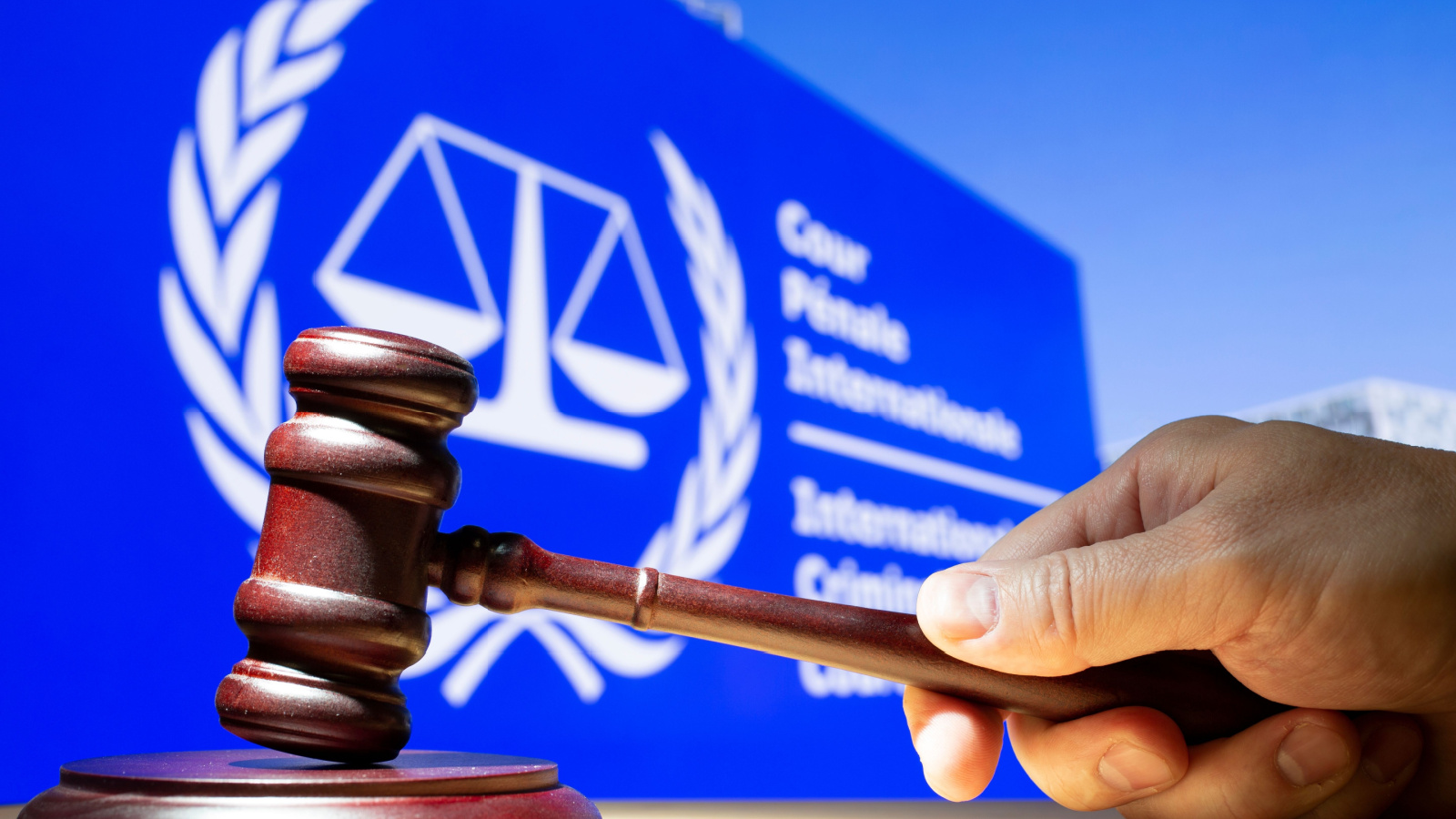
Canada has been a consistent defender of the International Criminal Court (ICC) since its establishment in 2002. As one of the key nations advocating for its creation, Canada continues to support the ICC’s mandate to prosecute war crimes, crimes against humanity, and genocide. Even when major powers questioned the court’s legitimacy or refused to cooperate, Canada upheld its independence and credibility. Canadian diplomats, legal experts, and judges have played critical roles in reinforcing global accountability through law.
Advocacy for Gender Equality at the United Nations

Canada has consistently championed gender equality through its diplomatic leadership at the United Nations. From supporting UN Women to promoting the Feminist International Assistance Policy, Canada’s representatives have prioritized women’s rights, education, and economic empowerment. The country’s advocacy extends to peacekeeping missions, where it promotes gender inclusivity and protection for women in conflict zones. Canada also co-sponsors global initiatives to end gender-based violence and ensure reproductive health access.
The Long Battle for Legal Cannabis Reform

Canada’s legalization of recreational cannabis in 2018 marked a major social and legal milestone. The path to reform spanned decades of public debate, advocacy, and scientific research. Despite skepticism from other nations and political opposition, Canada prioritized regulation, safety, and public health over prohibition. The Cannabis Act positioned Canada as the first G7 country to legalize and regulate cannabis nationwide. This decision not only reduced criminalization but also created new economic opportunities and research initiatives.
Standing Firm on Environmental Protections in Oil Sands Policy

Balancing energy production with environmental protection has long been one of Canada’s most complex challenges. Despite global demand for oil, Canada continues to enforce stringent environmental regulations on its oil sands operations. Provincial and federal measures, including carbon pricing and emissions monitoring, aim to reduce environmental impact while maintaining energy security. Governments have resisted calls to weaken these policies, emphasizing the long-term importance of sustainability. This firm stance shows Canada’s resolve to reconcile economic interests with ecological responsibility.
Canada’s Response to U.S. Trade Tariffs on Steel and Aluminum

When the United States imposed tariffs on Canadian steel and aluminum in 2018, Canada responded decisively with reciprocal tariffs and a defense of its industries. The federal government immediately introduced countermeasures while supporting affected workers and manufacturers through financial assistance. Canada also engaged in diplomatic negotiations that eventually led to the lifting of the tariffs in 2019. By refusing to yield to economic pressure, Canada demonstrated strength in defending its trade interests and commitment to fair, rules-based commerce within the North American partnership.
The Nationwide Push for Bilingual Education and Cultural Preservation

Canada’s bilingual education system remains a cornerstone of national unity and cultural identity. Through policies promoting English and French instruction across provinces, the government ensures equitable access to both official languages. Programs like French immersion and Indigenous language revitalization initiatives are supported by public funding and grassroots advocacy. Despite regional challenges, Canada continues to invest in language preservation as a form of cultural strength and inclusivity. This commitment reflects the belief that linguistic diversity enhances social cohesion and deepens the nation’s historical and cultural understanding.
Defending Press Freedom and Journalistic Integrity

Canada ranks among the world’s leading nations for press freedom, thanks to strong constitutional protections and public advocacy. Journalists, civil society groups, and policymakers have consistently defended the right to free expression, even amid growing global threats to independent media. Canadian institutions protect journalists from government interference, censorship, and political retaliation. Recent initiatives have strengthened protections for whistleblowers and public interest reporting.
Canada’s Leadership on LGBTQ+ Rights in Global Diplomacy
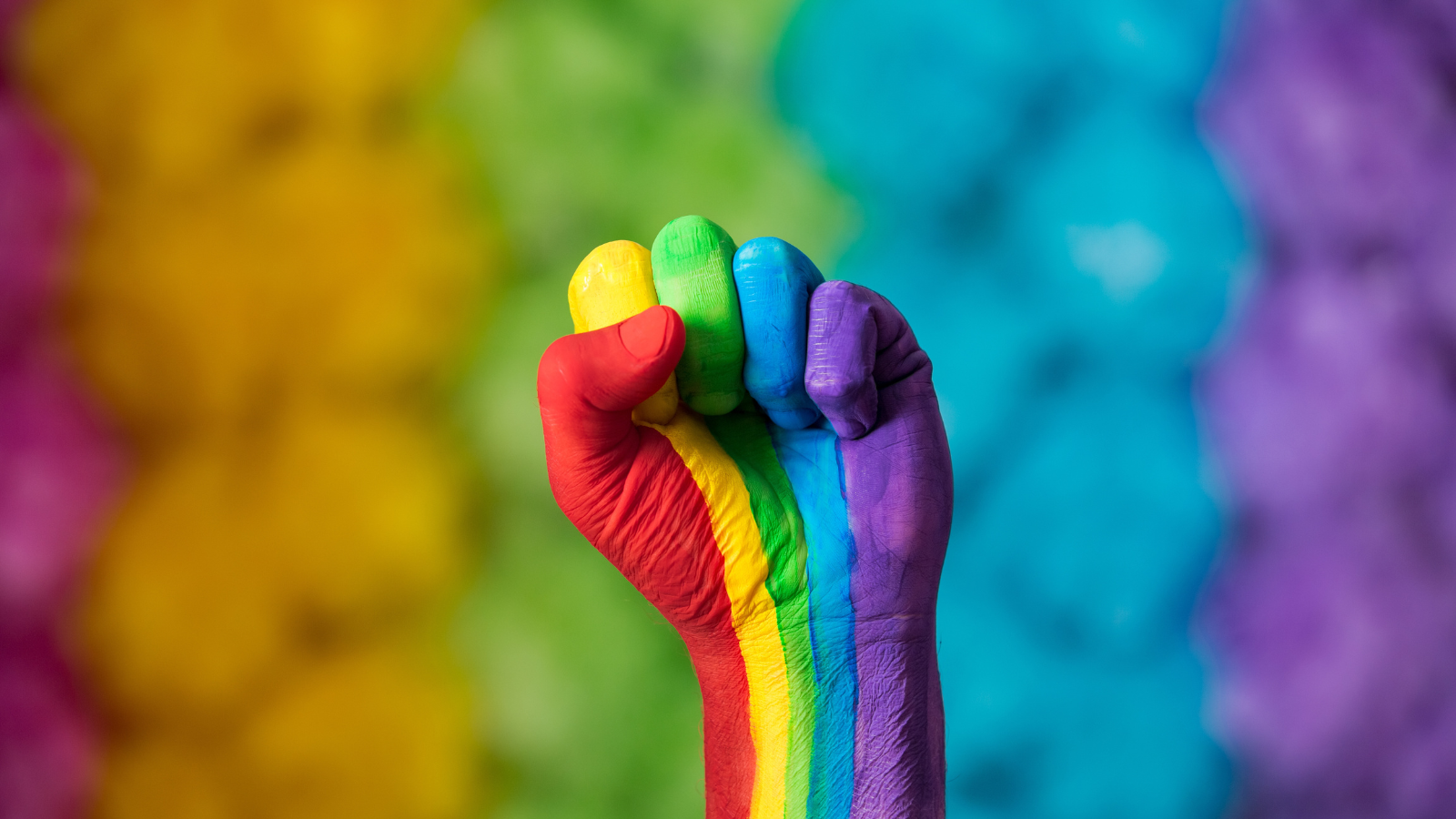
Canada’s foreign policy places LGBTQ+ rights at the center of its global human rights agenda. The federal government funds international programs supporting LGBTQ+ communities facing discrimination and violence. Canadian diplomats have advocated for equal rights at the United Nations, Commonwealth, and G7 forums, often challenging nations with restrictive laws. Domestically, Canada’s inclusive policies—such as gender identity protections and refugee support for persecuted individuals—serve as models for others.
Upholding Democratic Integrity During Foreign Interference Investigations

As concerns over election interference grew globally, Canada strengthened its institutions to safeguard democracy. Through measures such as the Critical Election Incident Public Protocol and independent security oversight, the government enhanced transparency and public trust in the electoral process. Canada has openly investigated potential foreign influence and misinformation campaigns, showing that accountability is essential to democratic resilience. By prioritizing openness over secrecy, Canada has reinforced public confidence in its democratic systems.
21 Products Canadians Should Stockpile Before Tariffs Hit

If trade tensions escalate between Canada and the U.S., everyday essentials can suddenly disappear or skyrocket in price. Products like pantry basics and tech must-haves that depend on are deeply tied to cross-border supply chains and are likely to face various kinds of disruptions
21 Products Canadians Should Stockpile Before Tariffs Hit
This Options Discord Chat is The Real Deal
While the internet is scoured with trading chat rooms, many of which even charge upwards of thousands of dollars to join, this smaller options trading discord chatroom is the real deal and actually providing valuable trade setups, education, and community without the noise and spam of the larger more expensive rooms. With a incredibly low-cost monthly fee, Options Trading Club (click here to see their reviews) requires an application to join ensuring that every member is dedicated and serious about taking their trading to the next level. If you are looking for a change in your trading strategies, then click here to apply for a membership.