
35,000+ smart investors are already getting financial news, market signals, and macro shifts in the economy that could impact their money next with our FREE weekly newsletter. Get ahead of what the crowd finds out too late. Click Here to Subscribe for FREE.
From monumental infrastructure like the Trans-Canada Highway to scientific breakthroughs such as insulin, Canadians have consistently transformed bold ideas into lasting global contributions. These achievements highlight the country’s ability to stay resilient, adaptable, and forward-looking even in the face of major challenges. Here are 19 Canadian wins that started as “impossible” yet went on to inspire nations.
The Trans-Canada Highway
19 Canadian Wins That Started as “Impossible”
- The Trans-Canada Highway
- The Avro Arrow
- The Canadarm
- The Discovery of Insulin
- IMAX Technology
- Terry Fox’s Marathon of Hope
- The Canadian Confederation
- Peacekeeping Leadership
- The CN Tower
- Expo 67 in Montreal
- The Snowmobile
- The Charter of Rights and Freedoms
- The Calgary Winter Olympics 1988
- The James Webb Space Telescope Contributions
- Artificial Intelligence Leadership
- Clean Water Innovation
- Women’s Right to Vote
- Arctic Research Stations
- Vancouver’s Green City Vision
- 21 Products Canadians Should Stockpile Before Tariffs Hit

Completed in 1971, the Trans-Canada Highway stretches over 7,800 kilometers, linking all ten provinces from the Pacific to the Atlantic. What began as an ambitious national project during the 1950s became one of the world’s longest continuous road systems. Built through challenging terrains, from the Rocky Mountains to the Prairies, it symbolizes national unity and accessibility. The highway not only improved transportation and trade across the country but also connected rural communities to growing cities. Today, it remains a critical infrastructure network and a proud example of Canada’s determination to overcome vast geographical and logistical challenges.
The Avro Arrow

The Avro Arrow, developed in the 1950s by Avro Canada, was an advanced supersonic jet fighter that represented the pinnacle of Canadian aerospace engineering. Designed to defend North American airspace during the Cold War, it featured cutting-edge technology, exceptional speed, and altitude capabilities. Despite its abrupt cancellation in 1959, the project left a lasting legacy. Its engineers went on to shape major aerospace programs in the United States and beyond, including NASA’s Apollo missions. The Avro Arrow remains a powerful symbol of Canadian innovation, ambition, and the nation’s ability to push technological boundaries in the face of global competition.
The Canadarm

Developed by Canada for NASA’s Space Shuttle program, the Canadarm revolutionized space exploration. First launched aboard the Space Shuttle Columbia in 1981, the robotic arm performed satellite repairs, cargo deployment, and construction tasks in orbit. It became a global symbol of precision engineering and international cooperation. Built by Spar Aerospace, the Canadarm’s success paved the way for the Canadarm2, used on the International Space Station. This innovation positioned Canada as a leader in space robotics and earned the country recognition for its scientific and engineering excellence. The Canadarm continues to inspire future generations in aerospace technology.
The Discovery of Insulin

In 1921, Canadian researchers Frederick Banting and Charles Best discovered insulin at the University of Toronto, transforming diabetes from a fatal disease into a manageable condition. Before insulin therapy, patients with diabetes faced extremely limited life expectancy. Their discovery, later developed into a mass-producible treatment with the help of James Collip and John Macleod, quickly gained global adoption. This medical breakthrough saved millions of lives and remains one of the most significant achievements in medical science. The discovery also reinforced Canada’s reputation for pioneering healthcare research that benefits the entire world.
IMAX Technology

IMAX was developed in the late 1960s by a team of Canadian inventors, including Graeme Ferguson and Roman Kroitor. The innovative large-format film system redefined cinema by offering unprecedented image clarity and immersive viewing experiences. Debuting at Expo 70 in Osaka, Japan, IMAX became a global phenomenon used in museums, theaters, and even space education. Its combination of advanced projection, massive screens, and precision sound continues to elevate film experiences worldwide. IMAX represents Canada’s creative and technological leadership in entertainment, proving that groundbreaking innovation can come from visionaries determined to reshape how audiences experience storytelling.
Terry Fox’s Marathon of Hope

In 1980, Terry Fox began his Marathon of Hope, running across Canada to raise awareness and funds for cancer research after losing his leg to osteogenic sarcoma. Despite immense physical pain and challenging conditions, Fox ran an average of 42 kilometers daily for 143 days, covering over 5,000 kilometers before his illness forced him to stop. Though he could not finish his journey, his determination inspired a nation and a global movement. The annual Terry Fox Run, held in his honor, has since raised billions for cancer research, embodying the enduring Canadian spirit of courage and compassion.
The Canadian Confederation
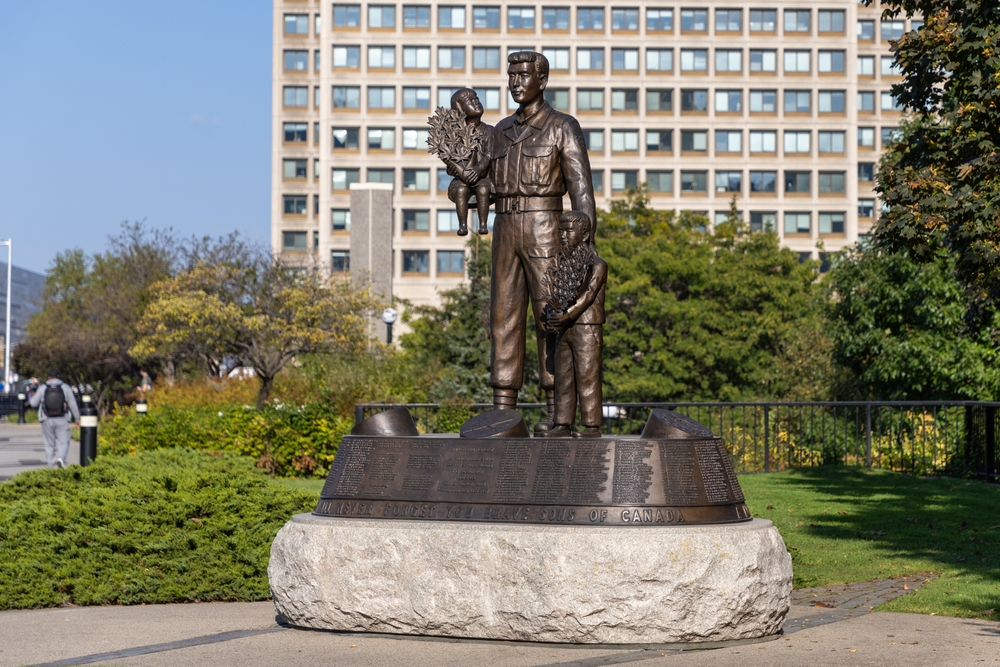
Formed in 1867, the Canadian Confederation united the provinces of Ontario, Quebec, New Brunswick, and Nova Scotia into one nation under the British North America Act. This peaceful political process was a remarkable achievement during an era when many nations gained independence through conflict. Visionary leaders such as John A. Macdonald and George-Étienne Cartier crafted a federal system balancing unity with provincial autonomy. The Confederation set the foundation for modern Canada’s governance, democracy, and multicultural identity. It demonstrated the country’s ability to build consensus, compromise, and stability while establishing a model for nation-building admired worldwide.
Peacekeeping Leadership

Canada emerged as a global peacekeeping leader during the 20th century, particularly after its pivotal role in resolving the 1956 Suez Crisis. Then, Foreign Minister Lester B. Pearson proposed creating the first United Nations peacekeeping force, a move that helped prevent a broader conflict and earned him the Nobel Peace Prize. This success established peacekeeping as a defining part of Canada’s international identity. Over the decades, Canadian troops have served in missions across the world, promoting stability and humanitarian values. The legacy of Canada’s peacekeeping leadership continues to influence international diplomacy and conflict resolution strategies today.
The CN Tower

Completed in 1976 in Toronto, the CN Tower stood as the world’s tallest free-standing structure for over three decades. Built by Canadian National Railway, it was designed to demonstrate Canadian engineering excellence and withstand extreme weather. Rising 553 meters, it became both a communications hub and a global architectural icon. Its glass floor and 360-degree observation deck draw millions of visitors annually. Beyond its status as a tourist attraction, the CN Tower symbolizes Canada’s capability to execute complex, high-precision construction projects, transforming the Toronto skyline and representing national pride in modern engineering achievement.
Expo 67 in Montreal

Expo 67, held in Montreal during Canada’s Centennial year, became one of the most successful World’s Fairs in history. With the theme “Man and His World,” it attracted over 50 million visitors and showcased 62 nations. The event highlighted Canada’s creativity, cultural openness, and technological innovation at a pivotal moment in its development. Expo 67 transformed Montreal into a global city, leaving lasting architectural landmarks such as Habitat 67. It also strengthened Canada’s reputation for organizing large-scale international events with vision and inclusivity, symbolizing optimism and national confidence during a period of global transformation.
The Snowmobile

The snowmobile was perfected by Quebec inventor Joseph-Armand Bombardier in 1937, revolutionizing winter transportation. Originally developed to help people travel across snowy regions inaccessible by traditional vehicles, it quickly evolved into a global industry serving both recreational and utility purposes. Bombardier’s invention supported communities in northern and rural Canada, improving mobility and emergency access during harsh winters. Over time, it became a cornerstone of Canada’s manufacturing innovation through the company BRP (Bombardier Recreational Products). The snowmobile stands as a symbol of Canadian ingenuity, adaptability, and the ability to turn environmental challenges into technological progress.
The Charter of Rights and Freedoms

Adopted in 1982, the Canadian Charter of Rights and Freedoms transformed the nation’s legal and social framework by guaranteeing fundamental rights and liberties to all citizens. It enshrined equality, freedom of expression, and protection from discrimination as cornerstones of Canadian democracy. The Charter has influenced constitutions and legal reforms in other countries, serving as a global model for human rights legislation. By embedding these principles into law, Canada established itself as a defender of justice and civil liberties, shaping a fairer society that continues to evolve through judicial interpretation and public engagement.
The Calgary Winter Olympics 1988

The 1988 Winter Olympics in Calgary marked a turning point for Canada’s sports and tourism sectors. Despite early skepticism and budget challenges, the event became a major success, attracting global attention and revitalizing winter sports infrastructure. Venues such as Canada Olympic Park and the Saddledome continue to serve athletes today. The Games boosted Calgary’s economy, established Canada’s reputation for hosting large international events, and inspired future Olympic triumphs. Beyond sports, the Calgary Olympics reflected Canadian determination to deliver excellence under pressure, proving the nation’s ability to turn ambitious goals into lasting achievements.
The James Webb Space Telescope Contributions
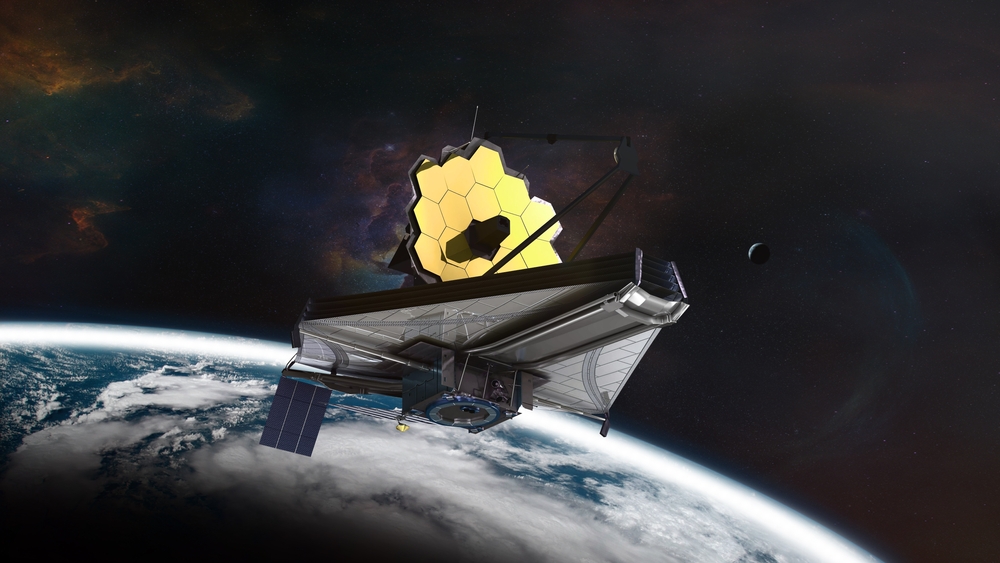
Canadian scientists and engineers played a vital role in the James Webb Space Telescope, contributing key instruments such as the Fine Guidance Sensor (FGS) and Near-Infrared Imager and Slitless Spectrograph (NIRISS). These components, built by the Canadian Space Agency and industry partners, allow the telescope to precisely lock onto distant celestial targets and analyze exoplanets and early galaxies. Canada’s expertise ensured mission success and earned its scientists guaranteed observation time. This contribution showcases the country’s leadership in space science, continuing a legacy of excellence that began with the Canadarm and extends to frontier space exploration.
Artificial Intelligence Leadership

Canada has become a global leader in artificial intelligence, largely driven by pioneering research hubs in Toronto, Montreal, and Edmonton. Groundbreaking work by scientists such as Geoffrey Hinton, Yoshua Bengio, and Richard Sutton laid the foundation for modern machine learning and deep neural networks. Supported by academic institutions and government investment, Canada now attracts major global tech companies and startups specializing in AI ethics, robotics, and healthcare applications. This leadership not only drives economic growth but also positions Canada at the forefront of responsible AI development, influencing policy and innovation worldwide.
Clean Water Innovation

Canada has long been a leader in clean water technology and management. With one-fifth of the world’s freshwater resources, the country has developed advanced filtration systems, wastewater treatment methods, and conservation technologies that are now used globally. Canadian universities and startups collaborate on innovations such as membrane filtration, portable purification devices, and smart water monitoring systems. These solutions support sustainable urban growth and help developing nations access safe drinking water. Canada’s leadership in water innovation demonstrates its commitment to environmental stewardship and public health while addressing one of the planet’s most critical resource challenges.
Women’s Right to Vote

Canada’s journey toward women’s suffrage was a defining moment in its democratic evolution. Beginning with Manitoba in 1916 and extending nationwide by 1918 (for most women), the movement reshaped the country’s political and social landscape. Activists such as Nellie McClung and the Famous Five championed equality and civic participation, setting precedents for human rights reforms worldwide. Canada’s early commitment to gender equality inspired similar progress in other nations. The right to vote marked more than political inclusion—it symbolized the recognition of women’s voices in shaping a fairer and more representative democracy.
Arctic Research Stations
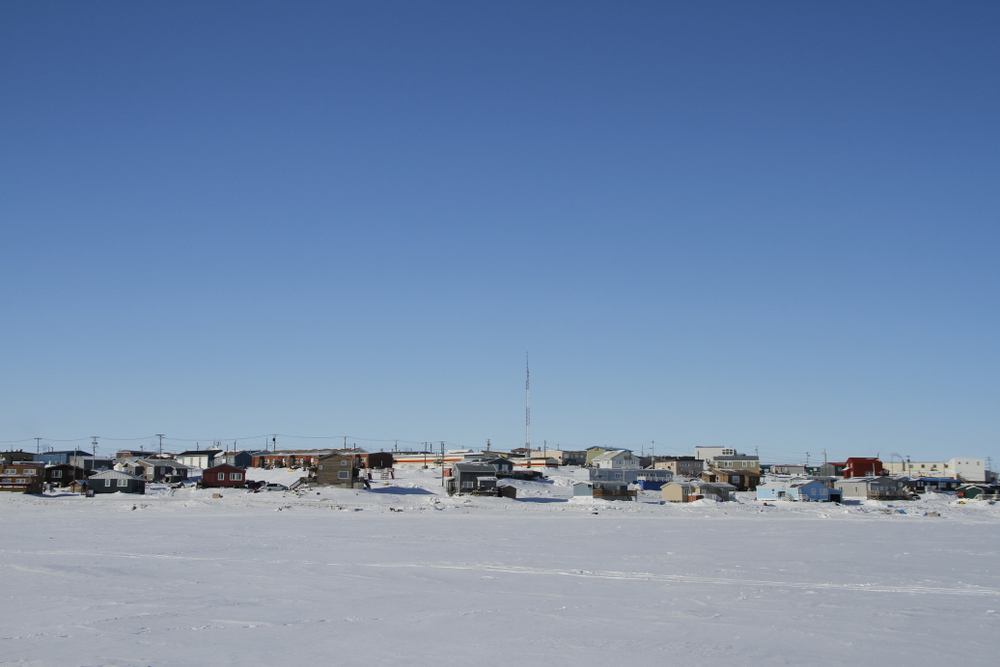
Canada’s Arctic research stations, such as the Canadian High Arctic Research Station (CHARS) in Nunavut, play a crucial role in studying climate change, wildlife, and northern ecosystems. These facilities bring together scientists, Indigenous communities, and international experts to monitor environmental shifts in one of the world’s most sensitive regions. The research contributes to global understanding of permafrost, biodiversity, and atmospheric patterns while supporting sustainable northern development. Canada’s leadership in Arctic science ensures that critical data informs international climate policy and strengthens resilience in communities most affected by environmental transformation.
Vancouver’s Green City Vision

Vancouver has become a global model for sustainable urban development through its ambitious “Greenest City Action Plan.” Focused on clean energy, zero waste, and green transportation, the city has reduced emissions while maintaining strong economic growth. Investments in cycling infrastructure, renewable power, and eco-friendly building design have positioned Vancouver as a pioneer in climate-conscious city planning. Its approach is now studied and replicated worldwide, influencing sustainable strategies in cities across Europe and Asia. Vancouver’s green vision proves that environmental responsibility and urban prosperity can coexist through thoughtful planning and innovation.
21 Products Canadians Should Stockpile Before Tariffs Hit

If trade tensions escalate between Canada and the U.S., everyday essentials can suddenly disappear or skyrocket in price. Products like pantry basics and tech must-haves that depend on are deeply tied to cross-border supply chains and are likely to face various kinds of disruptions
21 Products Canadians Should Stockpile Before Tariffs Hit
This Options Discord Chat is The Real Deal
While the internet is scoured with trading chat rooms, many of which even charge upwards of thousands of dollars to join, this smaller options trading discord chatroom is the real deal and actually providing valuable trade setups, education, and community without the noise and spam of the larger more expensive rooms. With a incredibly low-cost monthly fee, Options Trading Club (click here to see their reviews) requires an application to join ensuring that every member is dedicated and serious about taking their trading to the next level. If you are looking for a change in your trading strategies, then click here to apply for a membership.