
35,000+ smart investors are already getting financial news, market signals, and macro shifts in the economy that could impact their money next with our FREE weekly newsletter. Get ahead of what the crowd finds out too late. Click Here to Subscribe for FREE.
From political challenges to natural disasters, Canada has consistently chosen dialogue over division and cooperation over confrontation. This steady approach has allowed Canada to maintain stability at home while earning international respect abroad. Its calm leadership has proven that resilience and prudence often achieve what force cannot. Here are 19 times Canada stayed calm and came out on top.
Canada’s Peaceful Transition to Independence from Britain
19 Times Canada Stayed Calm and Came Out on Top
- Canada’s Peaceful Transition to Independence from Britain
- The 1995 Quebec Referendum and National Unity Efforts
- The 2008 Global Financial Crisis and Canada’s Banking Stability
- The Handling of the 2003 SARS Outbreak in Toronto
- Canada’s Balanced Response to the 1970 October Crisis
- The Peacekeeping Mission Success During the Suez Crisis
- Canada’s Diplomatic Role in the Iran Hostage Rescue Operation
- Managing U.S. Trade Tensions with Pragmatic Negotiation
- The Smooth Implementation of Same-Sex Marriage Legislation
- Canada’s Resilience During the 2020 Global Pandemic
- The Peaceful Legalization and Regulation of Cannabis
- Rebuilding Fort McMurray After the 2016 Wildfires
- Calm Leadership During the 2008 Parliamentary Crisis
- The Cooperative Federal Response to Climate Change Targets
- Canada’s Role in De-Escalating Cold War Nuclear Tensions
- Peaceful Protest Management During National Movements
- Successful Economic Recovery from Oil Price Downturns
- Effective Coordination in National Disaster Relief Efforts
- Maintaining Global Respect Through Steady, Principled Diplomacy
- 21 Products Canadians Should Stockpile Before Tariffs Hit
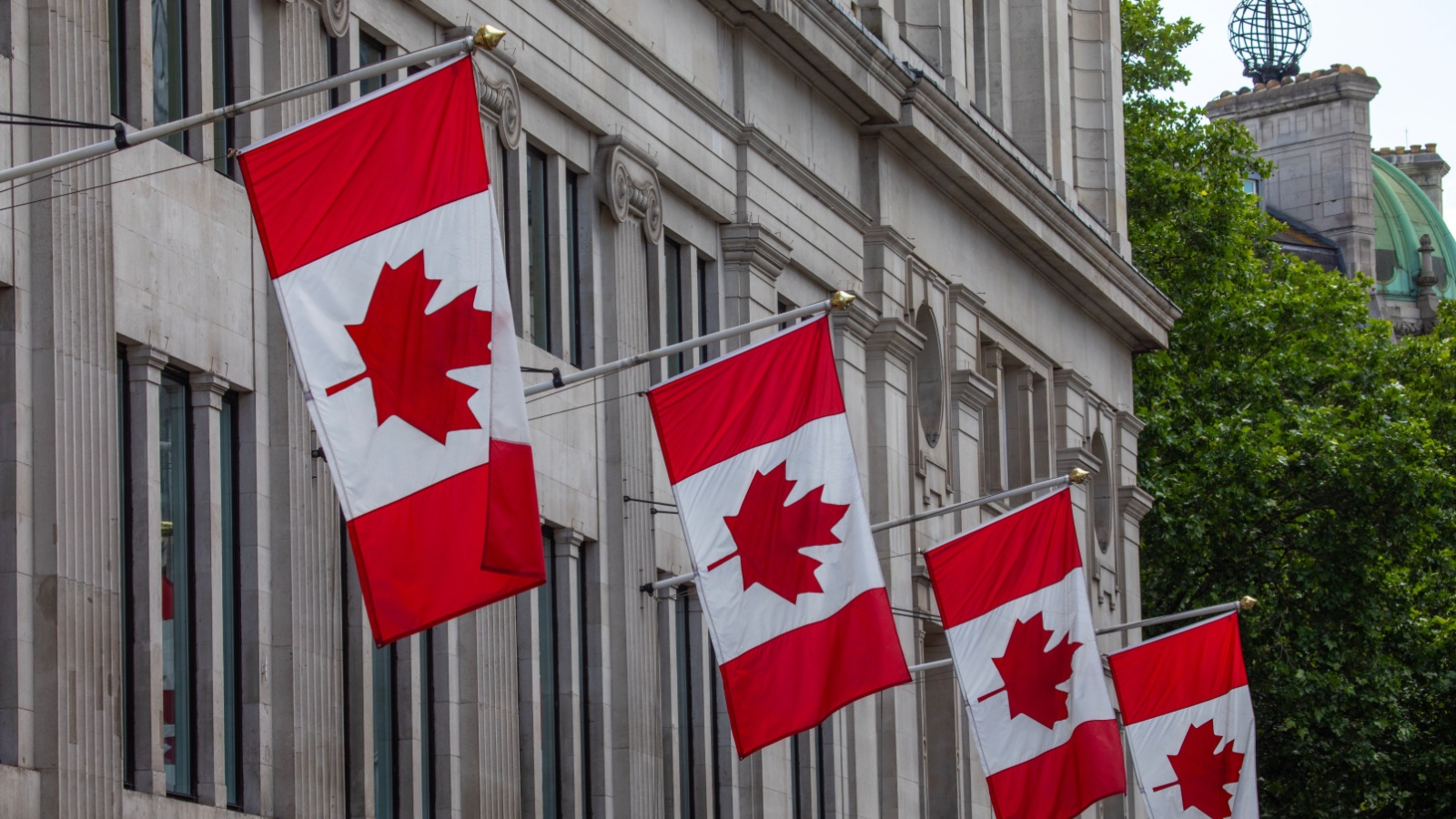
Canada’s journey to full independence unfolded through diplomacy and constitutional reform rather than revolution. Beginning with Confederation in 1867 and culminating in the patriation of the Constitution in 1982, Canada steadily gained legislative and judicial autonomy from Britain. The process showcased Canada’s ability to achieve sovereignty through negotiation, respect, and cooperation. Unlike many nations that faced violent struggles for independence, Canada demonstrated that patience and political maturity could yield a stable, independent democracy rooted in consensus and shared identity.
The 1995 Quebec Referendum and National Unity Efforts

The 1995 Quebec referendum tested Canada’s national unity like never before, as the province voted on whether to pursue independence. The final result—50.6% voting “No” and 49.4% “Yes”—was remarkably close, yet the aftermath was handled peacefully. Rather than fostering division, Canada responded with dialogue and democratic respect, leading to the Clarity Act of 2000, which outlined conditions for any future referendums. The event highlighted Canada’s ability to manage profound internal conflict without violence, proving that political compromise and open debate could preserve national cohesion.
The 2008 Global Financial Crisis and Canada’s Banking Stability

During the 2008 financial crisis, Canada’s banking system stood out globally for its resilience. While major U.S. and European institutions collapsed, Canadian banks remained solvent, thanks to prudent regulation, conservative lending, and strong oversight from the Office of the Superintendent of Financial Institutions. Canada’s approach balanced growth with stability, earning international praise from the IMF and World Economic Forum. The calm, measured response by policymakers ensured economic continuity and reinforced global trust in Canada’s financial governance.
The Handling of the 2003 SARS Outbreak in Toronto

Toronto faced a severe challenge during the 2003 SARS outbreak, becoming one of the hardest-hit cities outside Asia. Despite limited precedent, Canadian public health authorities responded swiftly by implementing quarantine measures, strengthening hospital infection control, and establishing real-time communication with the World Health Organization. The crisis spurred major reforms in Canada’s public health infrastructure, leading to the creation of the Public Health Agency of Canada. Through calm leadership and collaboration, Toronto not only overcame the outbreak but also improved its preparedness for future pandemics.
Canada’s Balanced Response to the 1970 October Crisis

The October Crisis of 1970, sparked by the FLQ kidnappings in Quebec, was a defining moment for Canada’s internal security. Prime Minister Pierre Trudeau invoked the War Measures Act, deploying troops to restore order while maintaining democratic institutions. Although controversial, the crisis ended without a descent into chaos, and political order was quickly restored. Canada managed to contain domestic terrorism and reaffirm civil authority, proving its ability to balance security concerns with democratic accountability during times of intense national pressure.
The Peacekeeping Mission Success During the Suez Crisis

In 1956, Canada played a pivotal diplomatic role during the Suez Crisis, when tensions between Egypt, Britain, France, and Israel threatened to escalate into global conflict. Then–Foreign Minister Lester B. Pearson proposed the creation of the United Nations Emergency Force—the first modern peacekeeping mission—to stabilize the region. The initiative not only resolved the crisis but also earned Pearson the Nobel Peace Prize in 1957. This calm, pragmatic leadership defined Canada’s global reputation as a peacekeeping nation and set a precedent for international conflict resolution.
Canada’s Diplomatic Role in the Iran Hostage Rescue Operation

In 1980, during the Iran Hostage Crisis, Canada demonstrated calm diplomacy and quiet courage. Six American diplomats had escaped the U.S. embassy siege in Tehran, and Canadian Ambassador Ken Taylor secretly sheltered them. Working discreetly with the CIA, Canada issued false passports and coordinated their safe escape, known as the “Canadian Caper.” The mission succeeded without bloodshed and highlighted Canada’s reputation for intelligence, restraint, and humanitarian action. It strengthened diplomatic ties with the U.S. and became one of the most celebrated examples of measured heroism in modern history.
Managing U.S. Trade Tensions with Pragmatic Negotiation

Canada has repeatedly faced trade disputes with the U.S.—from lumber tariffs to dairy regulations—but has consistently handled them with steady diplomacy and fact-based negotiation. Rather than retaliating with escalation, Canadian leaders have relied on WTO mechanisms, bilateral dialogue, and coalition-building to protect national interests. The renegotiation of NAFTA into the USMCA in 2020 exemplified this pragmatic approach. Canada secured key trade provisions while preserving economic stability, proving that composure and consistency often yield better results than confrontation in international commerce.
The Smooth Implementation of Same-Sex Marriage Legislation

When Canada legalized same-sex marriage nationwide in 2005, it became one of the first countries in the world to do so. What made Canada stand out was not just the legal decision but the calm, orderly way it was implemented. Federal and provincial governments coordinated efficiently, public institutions adjusted smoothly, and society largely embraced the change without widespread unrest. This peaceful transition reflected Canada’s respect for equality, civil rights, and democratic values, setting a global example of how progressive reform can be achieved without turmoil.
Canada’s Resilience During the 2020 Global Pandemic

The COVID-19 pandemic tested global resilience, yet Canada’s measured approach helped it weather the crisis effectively. Federal and provincial coordination led to widespread testing, emergency income support, and vaccine rollout programs. Healthcare workers received robust institutional backing, and Canada’s vaccination rate quickly became one of the highest in the world by 2021. While challenges existed, the nation’s calm leadership, scientific reliance, and collective discipline reinforced public trust and minimized unrest, proving the strength of Canada’s crisis governance and community spirit.
The Peaceful Legalization and Regulation of Cannabis

In 2018, Canada became the first G7 nation to legalize recreational cannabis, and the process unfolded with notable calm and order. Policymakers focused on regulation, safety, and public education, ensuring a smooth rollout across provinces. Unlike the chaos that many predicted, legalization was marked by compliance, effective oversight, and significant economic benefit. Canada’s structured approach turned a controversial issue into a regulated industry that reduced illicit trade and provided a model now being studied by governments around the world.
Rebuilding Fort McMurray After the 2016 Wildfires

The 2016 Fort McMurray wildfires were among Canada’s most devastating natural disasters, forcing over 80,000 residents to evacuate. Despite the destruction, the recovery showcased the nation’s calm resilience and community strength. Reconstruction efforts began swiftly, supported by federal aid, local leadership, and widespread volunteerism. Within a few years, thousands of homes were rebuilt, and the region’s economy stabilized. The response became a benchmark for disaster management—demonstrating how unity, planning, and compassion can rebuild not only infrastructure but also community morale.
Calm Leadership During the 2008 Parliamentary Crisis

The 2008 parliamentary crisis saw Canada facing a potential government collapse when opposition parties attempted to form a coalition against Prime Minister Stephen Harper’s minority government. Rather than descending into political chaos, Canada resolved the standoff through constitutional process and measured decision-making. The Governor General’s prorogation of Parliament, though controversial, maintained stability and avoided unrest. Within months, governance resumed normally, reflecting Canada’s institutional strength and calm adherence to democratic norms even during moments of intense political confrontation.
The Cooperative Federal Response to Climate Change Targets

Canada’s approach to climate change has relied on collaboration between federal and provincial governments rather than political confrontation. Through frameworks like the Pan-Canadian Framework on Clean Growth and Climate Change, Canada established shared goals for emissions reduction, carbon pricing, and renewable energy investment. Despite differing regional priorities, the government maintained steady cooperation with provinces to balance environmental action and economic growth. This cooperative model demonstrated how federalism can work effectively in addressing global challenges while maintaining national unity and accountability.
Canada’s Role in De-Escalating Cold War Nuclear Tensions

During the Cold War, Canada played a subtle yet vital role in promoting nuclear de-escalation and global peace. As a founding member of NATO and a trusted intermediary between Western and non-aligned nations, Canada championed diplomacy over aggression. It participated in arms control initiatives and hosted discussions aimed at reducing nuclear proliferation. Canadian leaders consistently advocated for disarmament and peacekeeping, helping prevent confrontation between superpowers. This steady commitment to dialogue reinforced Canada’s global image as a balanced, peace-oriented nation amid ideological rivalry.
Peaceful Protest Management During National Movements

Canada’s record of handling national protests reflects its commitment to civil rights and public order. Whether during Indigenous movements, climate marches, or labor strikes, the country has largely prioritized negotiation and de-escalation over force. Law enforcement agencies focus on dialogue and restraint, ensuring that protests remain peaceful while upholding democratic freedoms. While not without challenges, Canada’s overall approach demonstrates that governments can respect dissent and maintain stability simultaneously—reinforcing confidence in the nation’s democratic and legal frameworks.
Successful Economic Recovery from Oil Price Downturns

The volatility of global oil markets has repeatedly tested Canada’s resource-based economy, especially in Alberta. Yet through fiscal planning, stimulus programs, and diversification efforts, Canada has consistently rebounded from price shocks. The federal government’s collaboration with provinces helped stabilize employment and revenue streams, while investment in renewable energy and technology laid the foundation for long-term resilience. This calm, forward-looking response demonstrated Canada’s ability to adapt to global economic pressures without political or financial panic.
Effective Coordination in National Disaster Relief Efforts

Canada’s disaster management system is recognized for its efficiency and coordination between federal, provincial, and local authorities. From floods in Manitoba to wildfires in British Columbia, the country’s responses emphasize planning, resource sharing, and public communication. Agencies like Public Safety Canada and the Canadian Red Cross ensure that relief operations are rapid and equitable. This structured and compassionate system has helped rebuild communities swiftly while minimizing loss of life, showcasing Canada’s organizational strength and national solidarity during crises.
Maintaining Global Respect Through Steady, Principled Diplomacy

Canada’s foreign policy success lies in its consistent and principled diplomacy. Rather than pursuing power politics, Canada focuses on building alliances, supporting human rights, and promoting multilateral cooperation. Its steady engagement with institutions like the United Nations, the G7, and NATO has earned long-term international respect. Whether mediating conflicts or providing humanitarian aid, Canada maintains credibility by combining quiet leadership with moral integrity. This calm and balanced approach ensures Canada remains a trusted global partner in an era of growing geopolitical volatility.
21 Products Canadians Should Stockpile Before Tariffs Hit

If trade tensions escalate between Canada and the U.S., everyday essentials can suddenly disappear or skyrocket in price. Products like pantry basics and tech must-haves that depend on are deeply tied to cross-border supply chains and are likely to face various kinds of disruptions
21 Products Canadians Should Stockpile Before Tariffs Hit
This Options Discord Chat is The Real Deal
While the internet is scoured with trading chat rooms, many of which even charge upwards of thousands of dollars to join, this smaller options trading discord chatroom is the real deal and actually providing valuable trade setups, education, and community without the noise and spam of the larger more expensive rooms. With a incredibly low-cost monthly fee, Options Trading Club (click here to see their reviews) requires an application to join ensuring that every member is dedicated and serious about taking their trading to the next level. If you are looking for a change in your trading strategies, then click here to apply for a membership.