
35,000+ smart investors are already getting financial news, market signals, and macro shifts in the economy that could impact their money next with our FREE weekly newsletter. Get ahead of what the crowd finds out too late. Click Here to Subscribe for FREE.
From basic groceries to personal care products, inflated prices and hidden markups continue to chip away at household budgets. In some cases, it is a result of convenience-driven purchases, and in others, it is simply because consumers haven’t explored cheaper or smarter alternatives. The truth is, small overpayments add up quickly, costing hundreds or even thousands over a year. These are 12 everyday items that Canadians are still overpaying for in 2025:
Bottled Water
Canadians Are Still Overpaying for These 12 Everyday Items in 2025
- Bottled Water
- Name-Brand Cereal
- Over-the-Counter Painkillers
- Pre-Cut Fruits and Vegetables
- Printer Ink
- Cable TV Packages
- Greeting Cards
- Movie Theatre Snacks
- Bank Fees
- Premium Gasoline for Cars That Don’t Require It
- Personal Care Products from Salons
- Branded Household Cleaners
- 21 Products Canadians Should Stockpile Before Tariffs Hit

Bottled water remains a costly habit in Canada, with prices averaging $1.50 to $3 per bottle, despite tap water in most cities being clean, safe, and virtually free. Many people buy it out of convenience or preference, but the annual cost for daily drinkers can easily exceed $500. Investing in a reusable water bottle and a high-quality filter can slash this expense while reducing plastic waste. Yet, for many Canadians, the convenience factor continues to outweigh the savings, keeping bottled water sales strong despite the readily available, cost-effective alternatives.
Name-Brand Cereal

Breakfast cereals from major brands can cost nearly double their store-brand equivalents, even though the taste and ingredients are often almost identical. A box of name-brand cereal can range from $5 to $8, while generic options sell for $2 to $4, and over a year, that price gap adds up significantly for families who buy multiple boxes each week. Despite this, clever packaging, advertising, and perceived quality keep Canadians loyal to premium labels, which is a habit that costs more than it should, especially when the nutritional value is largely the same.
Over-the-Counter Painkillers

Many Canadians are unaware that the active ingredients in brand-name painkillers like Advil or Tylenol are identical to those in generic versions, yet the price difference can be substantial. A brand-name bottle can cost $12 to $18, while the generic equivalent may be as low as $5. Pharmacies are required to meet strict quality standards for generics, meaning there’s no drop in effectiveness. Still, brand loyalty, marketing, and habit keep people overpaying for pain relief, even when switching could cut the cost in half without sacrificing results.
Pre-Cut Fruits and Vegetables
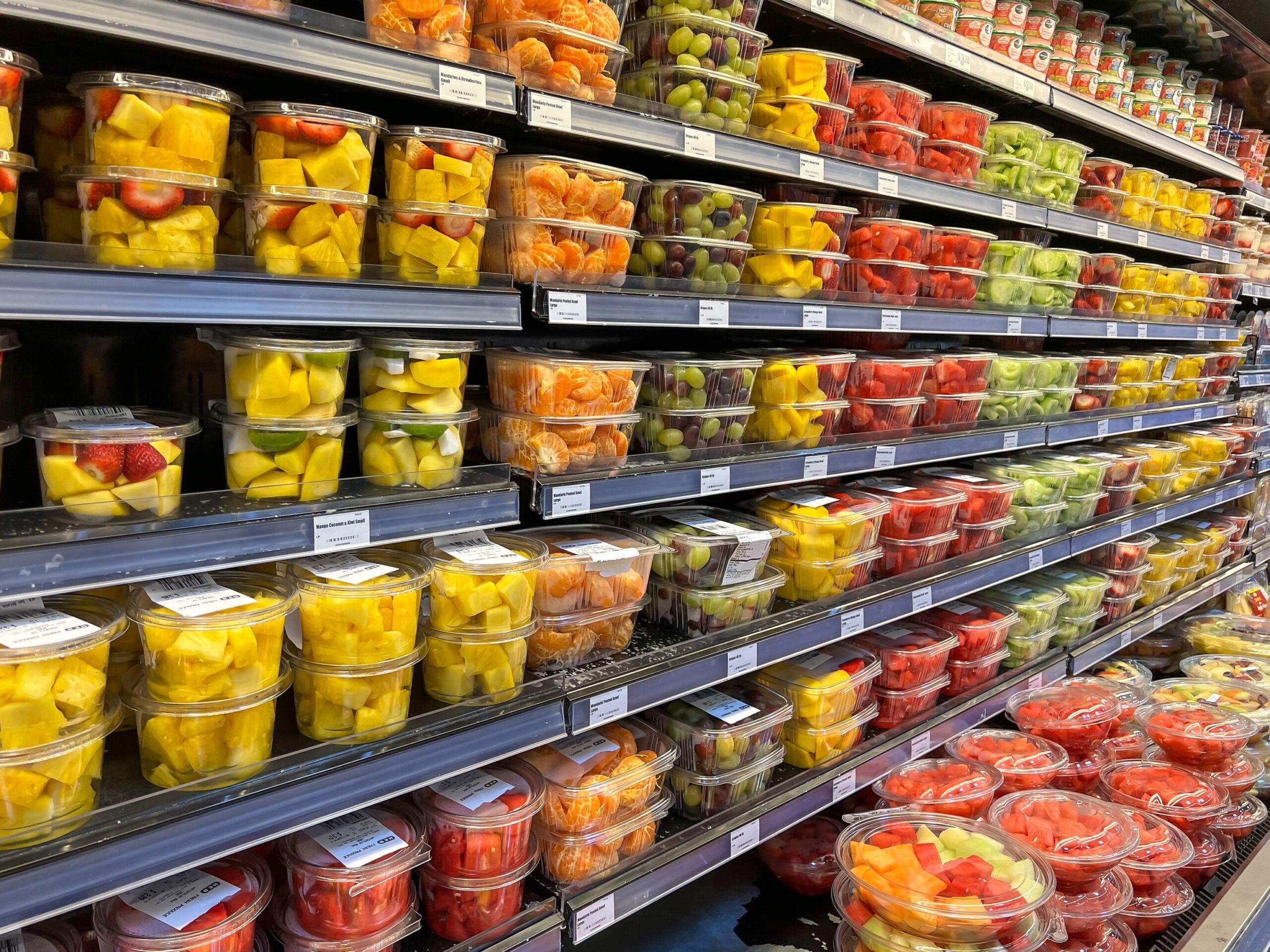
While convenient, pre-cut produce often comes with a steep markup that is sometimes double or triple the cost of buying whole fruits and vegetables. For example, a $4 bag of pre-cut carrots might be just $1.50 worth of whole carrots. The added cost covers labor, packaging, and shorter shelf life, but it quietly inflates grocery bills. Canadians who opt for whole produce not only save money but also enjoy fresher, longer-lasting food. However, busy schedules and convenience keep pre-cut produce flying off supermarket shelves, even at a premium.
Printer Ink

Printer ink has long been notorious for being more expensive per milliliter than luxury perfume, and in 2025, the situation hasn’t improved. Brand-name cartridges often cost $40 to $80, while compatible third-party options can be less than half that price. Yet many Canadians stick to the originals due to printer warnings or concerns about quality. Switching to a refillable ink tank printer or reliable generic cartridges can dramatically reduce printing costs. Until more people make the change, this remains one of the most overpriced everyday items in the country.
Cable TV Packages

With streaming services dominating the entertainment landscape, cable TV remains surprisingly expensive for what it offers. Many Canadians still pay $80 to $150 per month for large channel bundles, even though they watch only a fraction of them. Cutting the cord in favor of streaming platforms, free digital antennas, or smaller specialty subscriptions could save hundreds each year. Still, habits, bundled internet deals, and sports access keep many households locked into costly cable contracts, even as more affordable entertainment options continue to expand.
Greeting Cards

It’s hard to justify paying $6 to $10 for a single greeting card, yet many Canadians do so without thinking twice. The high cost comes from specialty printing, licensing fees for branded designs, and retail markups. Over a year, birthday, holiday, and special-occasion cards can add up to a surprising expense. More affordable options include dollar store cards, printable designs, or even handwritten notes, which can feel more personal while saving money. The convenience of grabbing a card at the checkout line keeps this overpriced tradition alive.
Movie Theatre Snacks

A small popcorn and soda at a Canadian movie theatre can easily run $15 to $20, or sometimes more than the ticket itself. Theatres rely heavily on concession sales for revenue, which is why prices are so inflated. While bringing snacks from home is against most theatre policies, eating beforehand or choosing smaller sizes can reduce costs. Many Canadians still indulge in the full snack experience, making this one of the most marked-up everyday luxuries they willingly pay for, even knowing the steep premium.
Bank Fees

Monthly account fees, ATM surcharges, and overdraft charges quietly drain money from many Canadians’ accounts. Even basic chequing accounts can cost $10 to $30 per month, while premium packages run higher, and overdraft fees can add up to hundreds annually. Switching to no-fee online banks, negotiating with your branch, or consolidating accounts can eliminate or greatly reduce these costs. Still, many people stick with their current banks out of convenience, even as new financial institutions offer the same services without the hidden price tags.
Premium Gasoline for Cars That Don’t Require It

Many Canadians still opt for premium gasoline, assuming it improves their vehicle’s performance, despite their car’s manufacturer recommending regular. Premium fuel can cost 20 to 40 cents more per liter, adding hundreds of dollars in annual fuel costs without delivering noticeable benefits for most engines. Unless a car specifically requires it, premium gas is essentially an unnecessary expense. Yet brand perception, old habits, and misconceptions about engine health keep drivers paying more at the pump than they need to.
Personal Care Products from Salons

Shampoos, conditioners, and styling products sold at salons can cost two to three times more than similar-quality products from drugstores or online. While some salon-exclusive formulas do offer unique benefits, many are simply repackaged versions with premium branding, leaving Canadians who buy these items regularly spending hundreds extra each year. Shopping around, waiting for promotions, or using professional-grade products from beauty supply stores can deliver the same results for much less, but many stick to salon shelves out of trust and perceived quality.
Branded Household Cleaners

From glass sprays to multi-surface wipes, brand-name cleaning products often cost significantly more than store brands or homemade alternatives, even though they perform just as well. A $6 bottle of branded cleaner can often be replaced by a $2 generic or a DIY mix of vinegar, baking soda, and water. Yet marketing, packaging, and scent preferences keep Canadians paying extra, and over a year, these small overpayments can add up, making cleaning supplies one of the most quietly overpriced categories in the household budget.
21 Products Canadians Should Stockpile Before Tariffs Hit

If trade tensions escalate between Canada and the U.S., everyday essentials can suddenly disappear or skyrocket in price. Products like pantry basics and tech must-haves that depend on are deeply tied to cross-border supply chains and are likely to face various kinds of disruptions
21 Products Canadians Should Stockpile Before Tariffs Hit
This Options Discord Chat is The Real Deal
While the internet is scoured with trading chat rooms, many of which even charge upwards of thousands of dollars to join, this smaller options trading discord chatroom is the real deal and actually providing valuable trade setups, education, and community without the noise and spam of the larger more expensive rooms. With a incredibly low-cost monthly fee, Options Trading Club (click here to see their reviews) requires an application to join ensuring that every member is dedicated and serious about taking their trading to the next level. If you are looking for a change in your trading strategies, then click here to apply for a membership.