
35,000+ smart investors are already getting financial news, market signals, and macro shifts in the economy that could impact their money next with our FREE weekly newsletter. Get ahead of what the crowd finds out too late. Click Here to Subscribe for FREE.
Canada’s retail history stretches far beyond the arrival and exit of American chains. For generations, homegrown and Canada-based stores shaped how Canadians shopped, gathered, and discovered everyday essentials. These retailers supported local malls, employed thousands, and built brand loyalty through trust rather than publicity. When many of these chains closed, entire shopping habits shifted. Here are 24 defunct Canadian stores we miss more than Target.
Zellers
24 Defunct Canadian Stores We Miss More Than Target
- Zellers
- Sears Canada
- Consumers Distributing
- Sam the Record Man
- HMV Canada
- Blockbuster Canada
- Future Shop
- Eaton’s
- Bargain Harold’s
- Woolco
- BiWay
- Motherhood Maternity Canada
- A&B Sound
- Le Château
- Jacob Clothing
- Army & Navy Department Stores
- Mister Sound
- Overwaitea Original Locations
- The Bargain Shop
- Canadian Tire Gas Bars
- Shop at Home Network Canada
- Target Practice Canada
- Payless Shoes Canada
- Target Canada
- 22 Groceries to Grab Now—Before another Price Shock Hits Canada

Zellers operated as Canada’s go-to value department store for decades. Families relied on it for clothing, toys, and kitchen essentials. The iconic diner remained a weekend tradition in many towns. Zeddy bear merchandise became childhood memorabilia nationwide. Canadian supplier relationships stocked familiar brands. Prices catered to household budgets. Store layouts felt welcoming and easy to navigate. Customer service remained approachable. When Target replaced Zellers locations, many shoppers compared experiences unfavourably. The closures left malls without their community focus. Despite attempted revivals, the original Zellers atmosphere remains unmatched.
Sears Canada

Sears Canada once operated the country’s most recognized department network. Catalog delivery connected rural regions to national retail access. Appliances, furniture, and tools formed core departments. Familiar house brands built generational loyalty. Stores promoted dependable service rather than impulse buying. Credit programs created lasting shopping relationships. Unlike its American counterpart, Sears Canada maintained strong rural distribution networks. When the chain collapsed, loyal shoppers lost a trusted source for home essentials. Empty anchor locations still mark its disappearance.
Consumers Distributing

Consumers Distributing pioneered a catalog-based retail format. Shoppers completed order slips at counters. Staff retrieved merchandise from warehouse storage. This streamlined structure reduced overhead and kept prices low. Toys and electronics dominated holiday demand. Paper catalogs remained highly anticipated releases. Canadian households embraced the unusual hands-on ordering system. American retailers rarely operated under this model. Waiting areas fostered casual interactions between customers. The rise of online shopping later replaced much of this function. Even so, shoppers remember the tactile browsing experience. Consumers Distributing created a shopping method uniquely suited to pre-digital Canada.
Sam the Record Man

Sam the Record Man represented Canada’s downtown music culture. Neon signs marked high-traffic music hubs. Customers browsed vinyl, cassette, and CD collections for hours. Listening stations allowed previews before purchase. Staff offered personalized album suggestions. Canadian artists received prominent shelf placement. Concert signings attracted devoted crowds. Unlike large American chains, stores prioritized independent and regional music. Changing music consumption habits impacted physical retail sales. Store closures followed following streaming growth. Fans still associate Sam’s with discovery rather than algorithms. It remains one of the most fondly remembered cultural retailers in Canadian cities.
HMV Canada

HMV Canada served as a national entertainment destination. Music releases and movie sections filled mall corridors. Imported titles appealed to collectors. Knowledgeable staff guided purchases across genres. Merchandise exclusives drew loyal foot traffic. Midnight album releases created highly attended store events. Canadian pop culture displays strengthened local connections. As streaming overtook physical media, traffic declined steadily. Store shutdowns left noticeable gaps inside many shopping centers. Entertainment shopping shifted away from in-person browsing. Many Canadians still miss browsing aisles before selecting films. HMV’s disappearance marked the end of media retailer community gatherings.
Blockbuster Canada

Blockbuster shaped movie-night routines across the country. Blue-and-yellow storefronts became neighborhood landmarks. Families wandered aisles choosing weekend rentals. Staff recommendation labels assisted film selection. Canadian stores maintained broad family-focused selections. Smaller towns depended heavily on local locations. Streaming services later disrupted physical rentals rapidly. Locations closed sequentially across provinces. With closures went a shared social ritual. Browsing physical shelves created discovery moments absent from modern menus. Movie nights became more solitary afterward. Blockbuster remains symbolic of pre-streaming community entertainment habits.
Future Shop

Future Shop operated as Canada’s dominant electronics retailer. Television walls displayed emerging tech trends. Demonstration areas allowed customer testing. Trained staff guided purchases for computers and audio systems. Flyer promotions drove heavy weekly crowds. Warranty programs built consumer confidence. American electronics chains lacked similar national presence then. Corporate buyouts displaced original branding. Store layouts gradually changed before closure. Personalized tech guidance became scarce afterward. Shoppers now purchase electronics online without hands-on demonstrations. Many miss in-store explanations and immediate product comparisons.
Eaton’s

Eaton’s once embodied Canadian department store elegance. Holiday window displays attracted families to downtown streets. In-store tea rooms provided event dining experiences. Canadian fashion lines featured prominently. Seasonal collections mirrored national tastes. Broad market reach differentiated Eaton’s from American luxury retailers. Rising operating costs strained finances over time. Expansion missteps accelerated difficulties. The chain closed nationwide in dramatic fashion. Historic storefronts still anchor downtown landscapes. Shoppers remember milestone purchases made at Eaton’s. Few department stores have matched its ceremonial retail presence since.
Bargain Harold’s

Bargain Harold’s specialized in discount liquidation sales. Merchants stocked overstock merchandise unsold elsewhere. Inventory changed frequently, creating a treasure-hunt atmosphere. Humorous warning signs defined the brand personality. Prices attracted bargain hunters across communities. Casual staff reflected the chain’s relaxed style. American clearance chains rarely matched its quirkiness. Financial challenges forced reduced operating schedules. Stores eventually closed entirely. Social media nostalgia still circulates original signage. Many shoppers recall the joy of unpredictable discoveries. Bargain Harold’s holds a unique place in Canadian discount culture.
Woolco
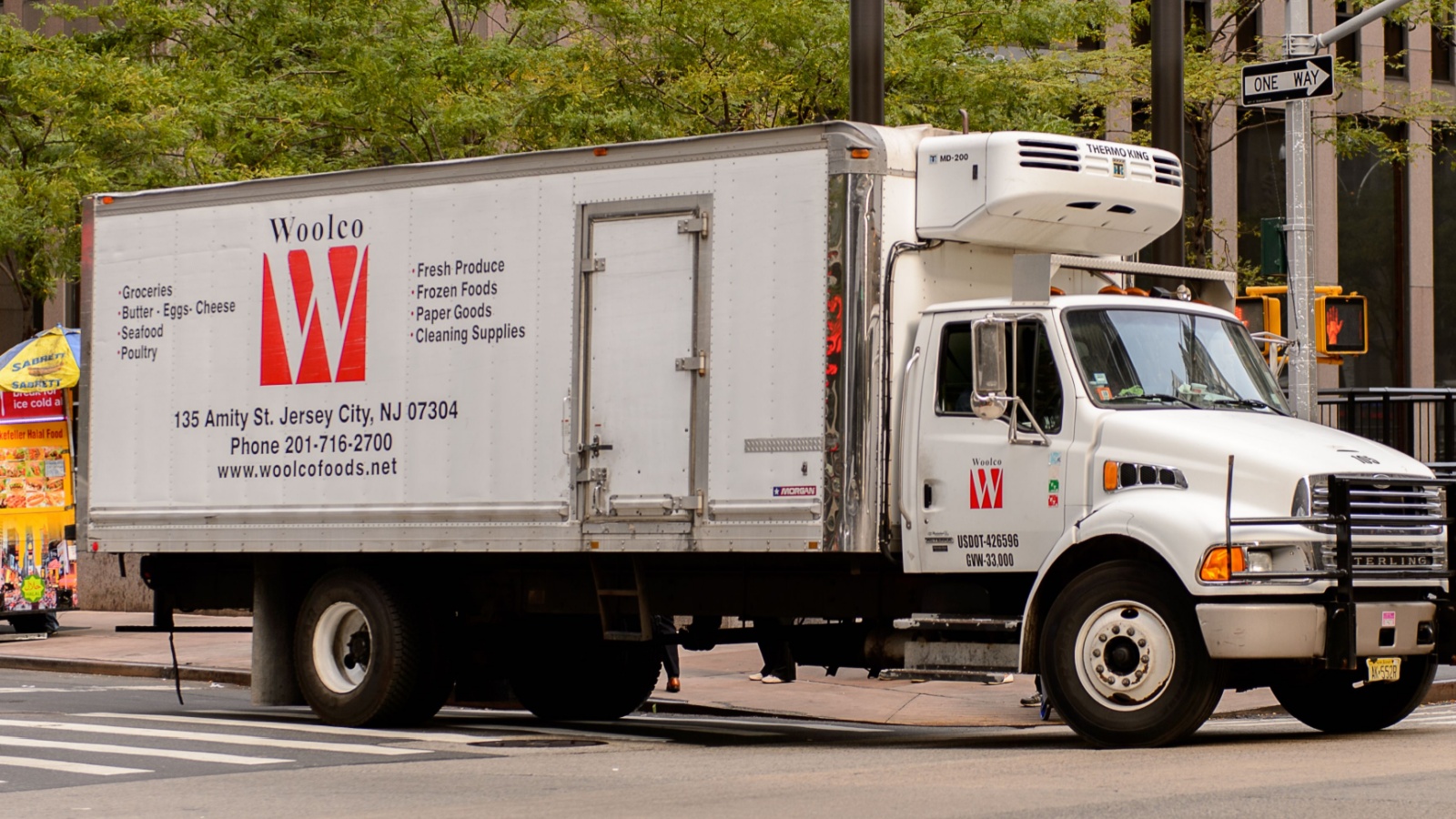
Woolco anchored suburban shopping plazas nationwide. The large-format model promoted one-stop household shopping. Cafeterias served affordable family meals. Grocery sections complemented clothing and general merchandise. Canadian stores maintained broad accessibility. Competition intensified as big-box retail expanded. Locations closed or converted into newer formats. Communities lost important retail gathering sites. Parents often recall first family shopping outings there. The wide-open layouts remain strong memory triggers. Woolco’s disappearance marked the shift from community-centered plazas to corporate mega-retail environments.
BiWay

BiWay served working-class neighborhoods in hundreds of towns. Low prices supported families managing tight budgets. Selection stayed basic yet reliable. Canadian suppliers stocked shelves across locations. Stores operated on low overhead models. Expansion by American discount chains intensified competition. Profit margins narrowed quickly. Stores closed gradually nationwide. Former customers still cite unmatched everyday affordability. BiWay never portrayed itself as glamorous. Its strength was practical dependability. This quiet retail model remains largely absent today.
Motherhood Maternity Canada

Motherhood Maternity provided Canada-wide maternity wear access. Physical locations allowed in-person fittings. Comfort-focused clothing supported pregnant customers. Staff offered sizing guidance to first-time parents. Prices reflected mid-range affordability. Online retail quickly displaced foot traffic. Mall locations closed abruptly. Expectant parents lost local fitting options afterward. Canadian sizing standards mattered to shoppers. Few replacements emerged with equivalent national reach. Returned products became more complicated post-closure. The chain’s disappearance reshaped maternity shopping habits across the country.
A&B Sound

A&B Sound shaped Western Canada’s audio retail scene. Flagship stores showcased extensive equipment selections. Listening lounges offered trial experiences before purchase. Sales teams specialized in audio equipment consultation. Imported hi-fi gear filled shelves. Downtown rents placed financial pressure on large footprint locations. Digital downloads reduced demand for physical audio gear. Stores closed province by province. Audiophiles lost dedicated testing venues. No modern retailer replaced this hands-on buying environment. A&B Sound remains remembered as a specialized electronics destination.
Le Château

Le Château built national recognition for accessible fashion. Graduation and wedding seasons created heavy in-store demand. Canadian sizing accommodated realistic body proportions. Collections followed European-inspired trends. Rising cost competition strained margins. Fast fashion brands expanded aggressively into malls. Store closures followed restructuring attempts. Shoppers missed dependable formal wear fittings. Online options lack size certainty. Many wardrobes still hold Le Château garments. The brand’s exit reduced Canada’s mid-priced tailored fashion options significantly.
Jacob Clothing

Jacob served professional women’s fashion markets nationwide. Workwear collections met office dress standards. Fabric quality exceeded disposable clothing norms. Associates assisted with styling and fitting. Canadian body measurements guided sizing. Product pricing became difficult amid global fast fashion competition. Rapid retail shifts weakened profitability. Stores closed through restructuring. Long-time shoppers still own Jacob pieces. Local designers lost valuable retail exposure afterward. Jacob maintained a stable position few brands now occupy.

Army & Navy offered surplus retail experiences across major cities. Constant inventory rotation created treasure-hunt shopping habits. Pricing attracted bargain seekers. Downtown locations built community ties. Limited advertising preserved low overheads. Rising urban rents increased operational pressures. Foot traffic declined gradually. Stores closed in successive waves. Customers recall cluttered yet captivating layouts. Few outlets now offer similar unpredictable retail sensations. Army & Navy’s format remains unmatched in modern markets.
Mister Sound

Mister Sound specialized in high-quality home audio equipment. Demonstration booths enabled listening trials. Knowledgeable staff provided trustworthy recommendations. Locations catered to audio enthusiasts. American chains never replaced this local expertise. Technology shifts reduced foot traffic demand. Downtown rents tightened profitability. Locations gradually vanished. Shoppers lost experiential purchasing opportunities. Online marketplaces replaced listening rooms. Mister Sound’s disappearance removed hands-on audio trials for Canadian hobbyists.
Overwaitea Original Locations

Regional Overwaitea grocery stores anchored British Columbia communities. Bakery counters built strong neighborhood loyalty. Local produce sourcing strengthened shelf identities. Staff familiarity created welcoming environments. Larger grocery consolidations altered store branding. Original formats disappeared over time. Shoppers lost personal service-focused groceries. New formats felt less community oriented. Former customers still remember personalized service experiences. The transition signaled growing corporate uniformity in food retail.
The Bargain Shop

The Bargain Shop served small-town Canadian markets. Stores offered essential household items affordably. Compact layouts simplified shopping trips. Canadian merchandise remained prevalent. Rural consolidation led to location closures. Communities lost accessible retail options. Travel distances increased for basic shopping needs. Former staff relationships remain fondly remembered. The chain’s exit highlighted retail challenges unique to remote towns.
Canadian Tire Gas Bars

Many standalone Canadian Tire gas bars closed during restructuring periods. Integration with loyalty points attracted steady use. Combined fuelling and retail visits supported convenience shopping. Corporate consolidation led to closures in smaller regions. Communities lost accessible service hubs. While some locations remain, former neighbourhood stations are remembered warmly. Their ease-of-use loyalty programs built long-term customer routines.
Shop at Home Network Canada

This televised shopping channel operated nationally. Canadian hosts marketed household products live. Local shipping enabled rapid delivery. Purchasing felt interactive and entertaining. Internet shopping reduced viewership steadily. Operations ceased eventually. No modern equivalent recreated televised commerce’s community feel. Fans recall browsing from home couch routines. Shop at Home provided personal retail entertainment before digital dominance.
Target Practice Canada
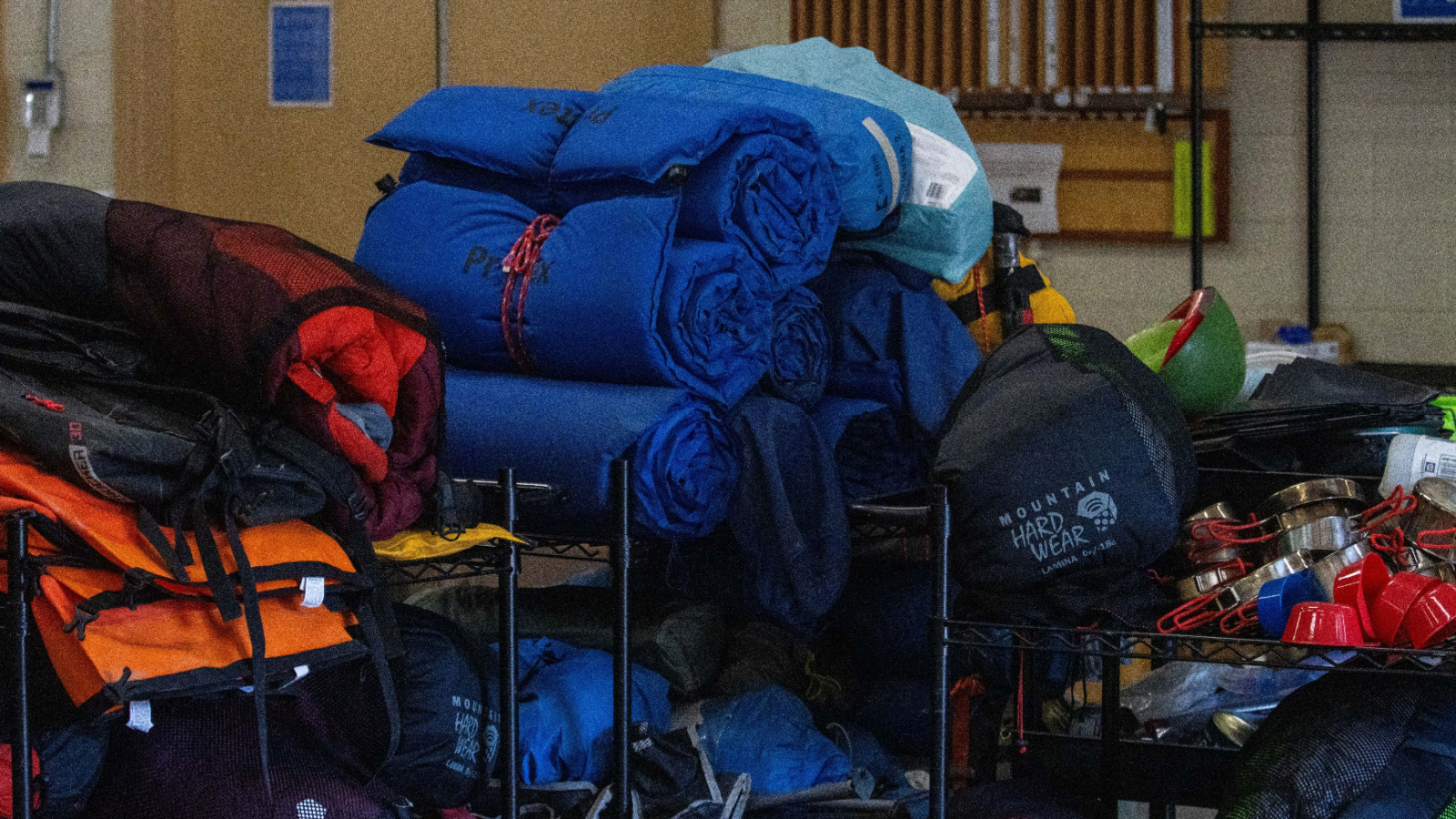
Target Practice served Canadian paintball enthusiasts. Retail stores supplied protective gear and equipment. Staff organized local play events. Communities formed around in-store connections. Declining participation reduced sales volumes. Locations closed as markets contracted. Hobbyists lost centralized gathering spaces. Equipment sales fragmented online. Community involvement dwindled afterward. Target Practice remains remembered within Canadian sports hobby circles.
Payless Shoes Canada
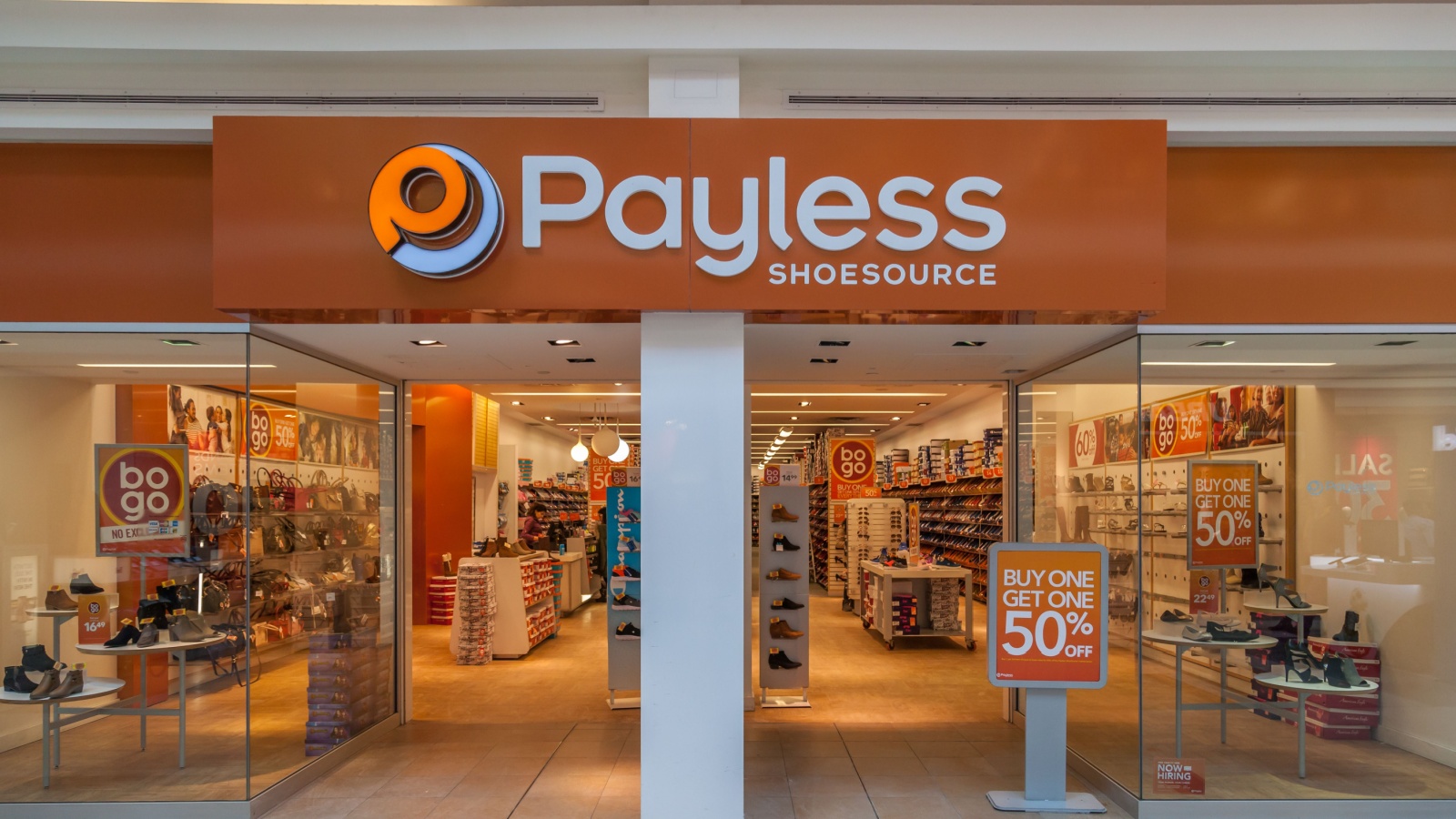
Payless delivered budget footwear nationwide. Families relied on frequent promotions. Children’s shoe departments drove seasonal traffic. Mall locations offered convenient sizing trials. American bankruptcy decisions impacted Canadian operations. Rapid closures followed. Budget footwear gaps emerged across cities. Online replacements could not replicate fitting convenience. Parents recall dependable seasonal purchasing experiences. Payless symbolized practical family footwear shopping.
Target Canada

Target Canada arrived amid massive expectations. Empty Zellers storefronts filled quickly. Inventory shortages plagued early operations. Pricing competed poorly with domestic retailers. Shelving gaps damaged shopper confidence. Supply chain limitations persisted. Rapid expansion outpaced infrastructure preparation. Two years later, all stores closed. Malls absorbed large vacancies. Customers never built lasting loyalty. The exit cemented Target’s Canadian venture as a national retail lesson.
22 Groceries to Grab Now—Before another Price Shock Hits Canada

Food prices in Canada have been steadily climbing, and another spike could make your grocery bill feel like a mortgage payment. According to Statistics Canada, food inflation remains about 3.7% higher than last year, with essentials like bread, dairy, and fresh produce leading the surge. Some items are expected to rise even further due to transportation costs, droughts, and import tariffs. Here are 22 groceries to grab now before another price shock hits Canada.
22 Groceries to Grab Now—Before another Price Shock Hits Canada
This Options Discord Chat is The Real Deal
While the internet is scoured with trading chat rooms, many of which even charge upwards of thousands of dollars to join, this smaller options trading discord chatroom is the real deal and actually providing valuable trade setups, education, and community without the noise and spam of the larger more expensive rooms. With a incredibly low-cost monthly fee, Options Trading Club (click here to see their reviews) requires an application to join ensuring that every member is dedicated and serious about taking their trading to the next level. If you are looking for a change in your trading strategies, then click here to apply for a membership.