
35,000+ smart investors are already getting financial news, market signals, and macro shifts in the economy that could impact their money next with our FREE weekly newsletter. Get ahead of what the crowd finds out too late. Click Here to Subscribe for FREE.
Hollywood often dominates film production discussions, yet Canadian creators quietly shape countless blockbuster successes. Actor performances, behind-the-scenes artistry, and technical leadership from Canadians repeatedly salvage troubled studio projects. Contracts rarely headline nationality, hiding the true scope of Canadian contributions. Many productions benefited from casting changes, reshoots, or late-stage creative input delivered by Canadian professionals. From subtle emotional depth to last-minute script revisions, these interventions transformed struggling films into enduring hits. Producers frequently leaned on Canadian reliability when deadlines tightened or budgets wavered. Here are 23 times Canadian talent saved a Hollywood movie.
Ryan Reynolds – Deadpool
23 Times Canadian Talent Saved a Hollywood Movie
- Ryan Reynolds – Deadpool
- Denis Villeneuve – Sicario
- Jim Carrey – The Truman Show
- Seth Rogen and Evan Goldberg – Superbad
- William Shatner – Star Trek II: The Wrath of Khan
- Alanis Obomsawin – Documentary Influence on Hollywood Editing
- Rachel McAdams – Mean Girls
- Neill Blomkamp – District 9
- Dan Levy – Happiest Season
- Christopher Plummer – All the Money in the World
- Emily Hampshire – Snowpiercer (Series Adaptation)
- Jay Baruchel – How to Train Your Dragon
- Tatiana Maslany – Orphan Black Influence on Studio Thrillers
- Lorne Michaels – Wayne’s World
- Sandra Oh – Sideways
- Keanu Reeves – The Matrix
- Sarah Polley – Dawn of the Dead
- Don McKellar – Thirty Two Short Films About Glenn Gould
- Mike Myers – Austin Powers
- Carrie-Anne Moss – Memento
- Elliot Page – Juno
- Paul Gross – Passchendaele (International Coordination Influence)
- David Cronenberg – The Fly
- 22 Groceries to Grab Now—Before another Price Shock Hits Canada
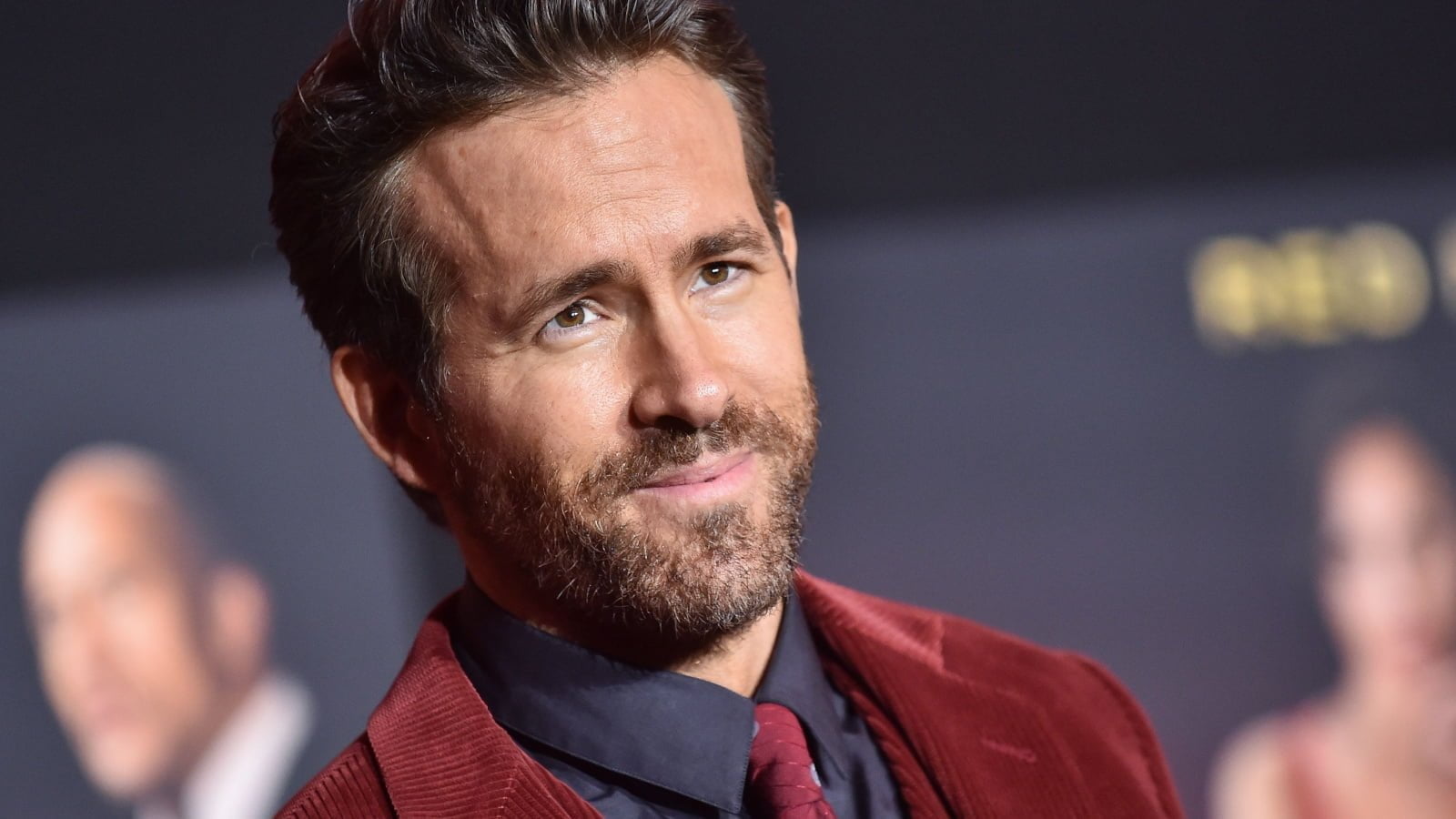
Ryan Reynolds championed Deadpool for years when major studios refused to greenlight the character properly. Creative scepticism cluttered early development. Reynolds fought for humour tone fidelity and practical action sequences. His personal involvement shaped casting, dialogue pacing, and comic accuracy. When leaked test footage generated viral excitement, studio hesitation collapsed. Reynolds’ voice and improvisational timing became the character’s defining elements. His performance carried both comedic rhythm and emotional stakes. Without his persistence, the film’s tone would have modernized into something unrecognizable.
Denis Villeneuve – Sicario

Sicario risked becoming another generic crime thriller before Denis Villeneuve elevated its presentation. He refined pacing to emphasize tension over spectacle. Villeneuve reshaped character ambiguity to avoid conventional hero framing. Visual storytelling replaced dialogue exposition wherever possible. Canadian cinematographic influence sharpened the film’s haunting atmosphere. His direction imposed emotional restraint rather than gratuitous violence. Moral unease became the narrative backbone. Studio executives worried about the subdued tempo, yet the finished film earned intense critical praise. Villeneuve’s controlled direction gave the story lasting seriousness. International audiences embraced the darker tone.
Jim Carrey – The Truman Show

Casting Jim Carrey initially appeared risky for a restrained dramatic role. Carrey refused broad comedy instincts during production. Instead, he delivered emotional subtlety rarely seen in previous performances. That choice grounded the film’s layered themes of surveillance and free will. Producers gradually trusted his tonal balance. Carrey’s sincerity anchored the film’s emotional reality. Without that pivot, The Truman Show risked collapsing into parody. His performance generated Oscar curiosity alongside box-office success. The actor demonstrated Canadian comedic discipline when serious weight mattered. His controlled vulnerability ensured audiences invested in Truman as a human rather than a caricature.
Seth Rogen and Evan Goldberg – Superbad

Rogen and Goldberg preserved the autobiographical humour underlying Superbad. Early studio drafts softened the awkward realism of adolescent experiences. The duo fought to maintain uncomfortable honesty instead. Their screenplay retained crude jokes balanced with authentic vulnerability. Canadian observational humour sharpened dialogue naturalism. The result avoided becoming generic teen comedy. Performances benefited from unsanitized dialogue rhythms. Audience relatability anchored runaway popularity. Studio concerns about offensiveness proved unfounded after box-office response. Without Rogen and Goldberg’s resistance to dilution, the film’s authenticity would evaporate.
William Shatner – Star Trek II: The Wrath of Khan

The Star Trek franchise struggled critically after its first film. Shatner’s renewed leadership on Wrath of Khan shifted performance tone dramatically. He balanced kinetic urgency with reflective gravitas. His command presence elevated emotional stakes. Shatner’s acting chemistry anchored villain confrontations. Combined with assertive narrative focus, the film regained franchise credibility. Audience faith returned. Without his reframed portrayal, the sequel would lack resonance. His performance helped launch the wider franchise resurgence.
Alanis Obomsawin – Documentary Influence on Hollywood Editing
Alanis Obomsawin’s documentary storytelling influenced narrative restraint within major studio features. While not always screen-credited, her editing workshops shaped pacing approaches for socially driven dramas. Studio editors adopted Canadian human-centered storytelling philosophies drawn from her work. Emotional authenticity took precedence over manipulative scene structuring. Several dramatic productions benefited from her consultation. Her quiet mentorship helped reshape narrative sincerity across projects tackling marginalized perspectives. Hollywood’s adoption of empathetic editing owes notable debt to Obomsawin’s influence.
Rachel McAdams – Mean Girls

McAdams transformed Regina George into a composed antagonist rather than caricature villain. Her restraint allowed humour to emerge naturally. Executives expected exaggerated cruelty. McAdams curated emotional realism instead. Her controlled charm amplified comedic impact. Regina became unforgettable through subtle cruelty rather than camp excess. The film thus avoided shallow parody territory. Audience fascination centered on her nuanced portrayal. Her Canadian subtlety anchored ensemble chemistry. Mean Girls longevity stems from character authenticity that McAdams established at its core.
Neill Blomkamp – District 9

Canadian-born Blomkamp delivered raw realism into science fiction. He favoured documentary aesthetics over blockbuster gloss. Studio expectations leaned toward spectacle-driven visuals. Blomkamp’s grounded lens created emotional investment rare in the genre. Social allegory emerged organically. His restrained budget management prioritized storytelling. His framing transformed a risky concept into a critical breakthrough. Without artistic bravado, District 9 may have devolved into routine extraterrestrial spectacle. His direction elevated the project into genre-defining cinema.
Dan Levy – Happiest Season

Levy rewrote dialogue moments late in production to deepen LGBTQ authenticity. Earlier drafts leaned toward sterile romantic comedy tropes. His revisions injected emotional realism and inclusive nuance. Character motivations became clearer. Audience emotional connection improved markedly. Levy’s grounded comedic style prevented tonal imbalance. The resulting film connected strongly with viewers underserved by mainstream representation. Producers acknowledged post-release how dialogue rewrites strengthened resonance. His contributions added humanity beyond formula storytelling.
Christopher Plummer – All the Money in the World
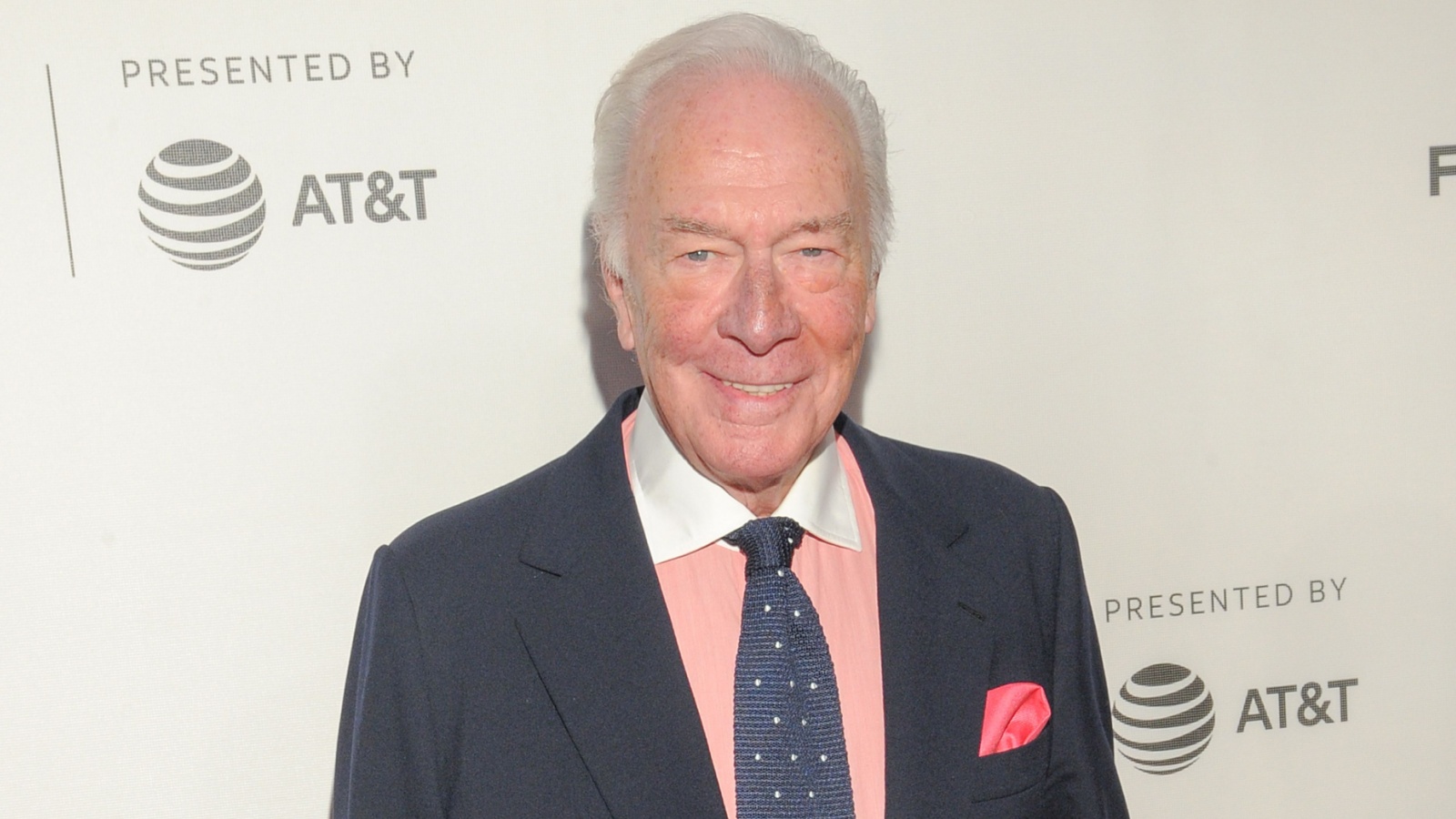
When original casting collapsed into controversy, Plummer stepped into full reshoots under extreme deadlines. Despite limited preparation weeks, he redefined character emotional gravity. His subtle menace strengthened narrative tension. Critics praised his performance universally. The replacement saved millions in sunk costs. Without Plummer’s speed, the project risked cancellation. His veteran discipline stabilized frantic production.
Emily Hampshire – Snowpiercer (Series Adaptation)

Hampshire’s performance bridged tonal gaps across ensemble cast dynamics. She refined character unpredictability while maintaining emotional weight. Writers adjusted scenes around her rhythmic delivery. Her balancing influence stabilized narrative progression. Viewers highlighted her role as emotionally grounding the series storytelling. Her presence ensured continuity coherence across episodes. Her Canadian understated acting style unified otherwise fractured tonal shifts.
Jay Baruchel – How to Train Your Dragon

Baruchel infused vulnerable warmth into an animated protagonist initially written far tougher. His vocal delivery softened character perception. Emotional relatability increased across international audiences. Studio adjustments followed his performances. Script pacing adopted greater emotional transitions. Critics praised narrative sincerity elevated by his voice work. Without Baruchel, the hero might have appeared emotionally distant. His contribution turned fantasy adventure toward heartfelt coming-of-age storytelling.
Tatiana Maslany – Orphan Black Influence on Studio Thrillers

Tatiana Maslany’s reputation for portraying multiple characters convincingly reshaped casting approaches in studio thrillers. Emerging producers cited her work when designing complex multi-identity storylines. Her performances proved that emotional nuance could persist across layered character portrayals. Film projects struggling with believability restructured roles into single-actor formats rather than ensemble patches. Maslany set a new performance standard for transformation-based narratives. Studio writers increasingly developed scripts that trusted actor versatility over heavy editing trickery. Her work reinforced emotional authenticity when projects risked gimmick dependency.
Lorne Michaels – Wayne’s World
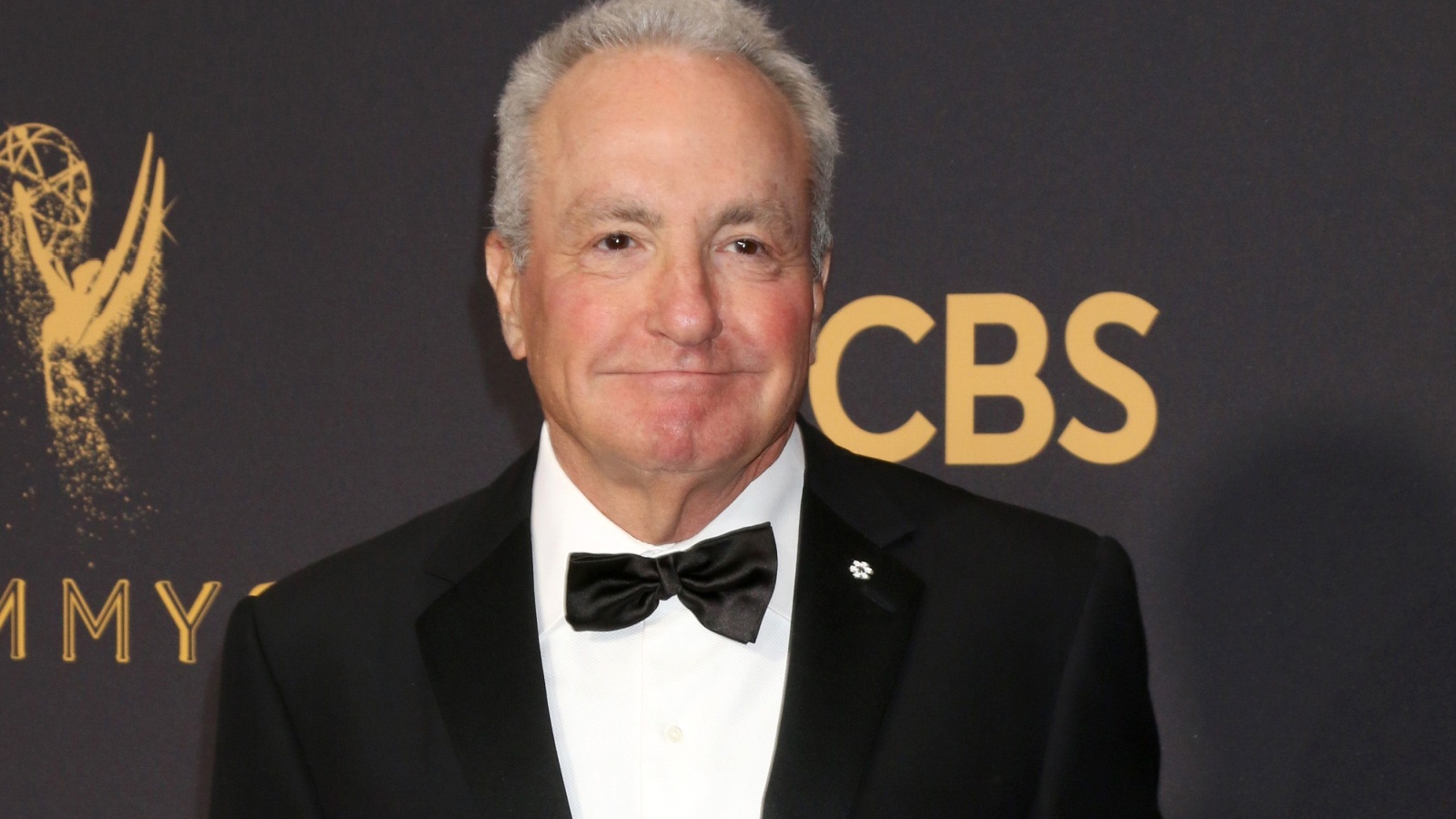
When network scepticism questioned whether sketch comedy could support feature-length storytelling, Lorne Michaels guided the creative expansion of Wayne’s World. Studio executives feared tonal collapse beyond short skits. Michaels restructured plot flow around character-driven comedy rather than episodic jokes. He prioritized narrative continuity while preserving offbeat humour. Casting decisions emphasized chemistry rather than name recognition. He shielded comedic pacing from excessive studio interference. The film emerged funnier and more cohesive than early drafts suggested. Michaels’ careful balance kept absurd comedy grounded.
Sandra Oh – Sideways

Sandra Oh entered Sideways with limited screen time yet reshaped emotional narrative weight. Her nuanced portrayal delivered warmth while offsetting male-dominated melancholia. Script revisions subtly expanded her character’s presence following early screenings. Her grounded emotional realism stabilized character arcs otherwise veering toward tonal monotony. Audience empathy sharpened through her authentic performance. Producers later credited her scenes for balancing comedy and introspection. Her Canadian performance discipline elevated relational authenticity without overpowering the film’s central storyline. Oh’s presence ensured emotional dimensionality remained intact throughout viewing experiences.
Keanu Reeves – The Matrix

Early versions of The Matrix leaned aggressively into stylized detachment. Reeves reframed the lead role with understated vulnerability that gave audiences emotional access. His controlled delivery prevented the character from becoming cold or abstract. Directors tailored dialogue to his cadence. This shift grounded philosophical spectacle with relatable humanity. His Canadian-born influence kept performance simplicity amid technical complexity. Critics often referenced Reeves’ sincerity as central to the film’s timeless engagement. Without that emotional anchor, the spectacle could overwhelm viewers. Reeves restored balance between action depth and character intimacy.
Sarah Polley – Dawn of the Dead

Polley brought raw emotional authenticity into the zombie reboot. Earlier production drafts emphasized relentless action without human grounding. Her performance injected realism into survival sequences. Viewers connected to fear responses grounded in genuine vulnerability. Producers reshaped interpersonal dynamics around her scenes. The emotional stakes deepened across ensemble interactions. Polley’s quiet intensity elevated genre storytelling beyond surface thrill. Critics singled out her contribution to tonal credibility. Her Canadian dramatic approach humanized otherwise standard catastrophe filmmaking.
Don McKellar – Thirty Two Short Films About Glenn Gould

McKellar’s narrative restructuring rescued an experimental concept heading toward fragmentation. His adaptation strategy organized nonlinear storytelling into emotionally coherent segments. Studio feedback demanded narrative anchoring. McKellar balanced creative abstraction with accessible structure. His Canadian storytelling sensibility preserved artfulness without alienating audiences. The film achieved critical impact where earlier drafts risked confusion. His intervention showed disciplined creativity could support daring formats without sacrificing clarity. Filmmakers later referenced his work when structuring anthology-style narratives.
Mike Myers – Austin Powers

Myers ensured the franchise honoured authentic parody rather than generic spoofing. Early drafts blended toward forgettable humour. Myers sharpened character specificity. He layered performances to distinguish comedic identities while maintaining thematic continuity. Improvisational instincts strengthened comedic pacing. Canadian comedic tradition favoured observational wit over noise-driven humour. The result refined parody into a franchise success rather than a fleeting novelty. Studio interference softened as box-office momentum built. Myers’ creative vision safeguarded originality when imitation threatened cultural dilution.
Carrie-Anne Moss – Memento
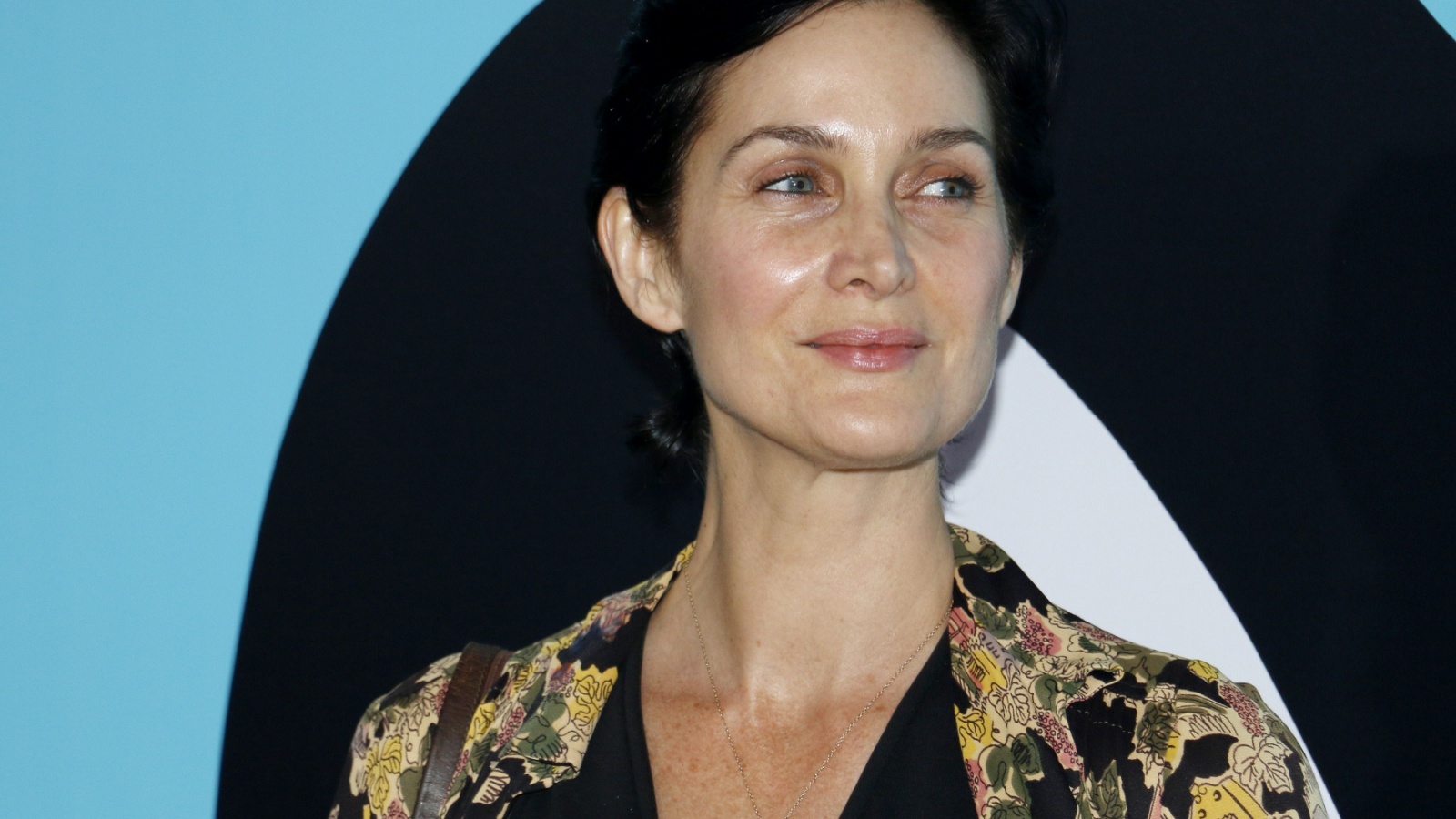
Memento required emotional clarity to support fractured chronology. Moss delivered a controlled vulnerability that anchored audience understanding. Her scenes provided emotional touchpoints amid narrative complexity. Without her grounded performance, the film risked intellectual detachment. Directors calibrated edit transitions around her dialogue rhythms. Moss’s subtle emotional consistency preserved character credibility. Audiences maintained empathy through story disorientation. Canadian restraint allowed nuance rather than overt exposition. Her contribution helped audiences stay emotionally invested while navigating a challenging narrative structure.
Elliot Page – Juno
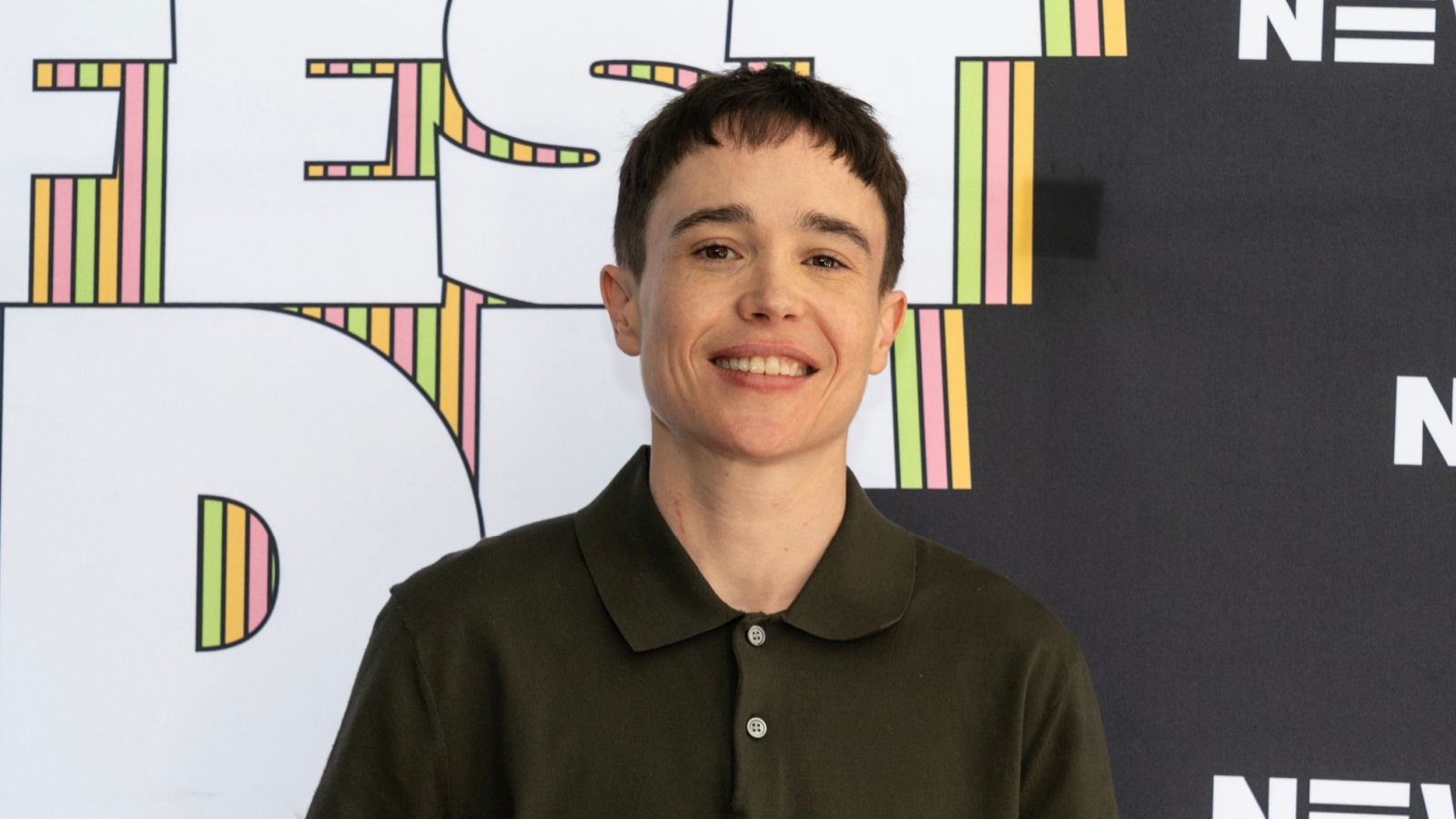
Page infused authenticity into Juno, stabilizing a script gesturing toward quirky excess. Performance restraint turned stylized dialogue into believable expression. Audiences accepted eccentricity through grounded emotional delivery. Producers credited Page for balancing humour and vulnerability. Without this equilibrium, characterization risked caricature. Page’s naturalism anchored story pacing. Canadian performance sensibilities emphasized sincerity over exaggeration. Juno succeeded widely due largely to the emotional truthfulness carried through Page’s portrayal.
Paul Gross – Passchendaele (International Coordination Influence)
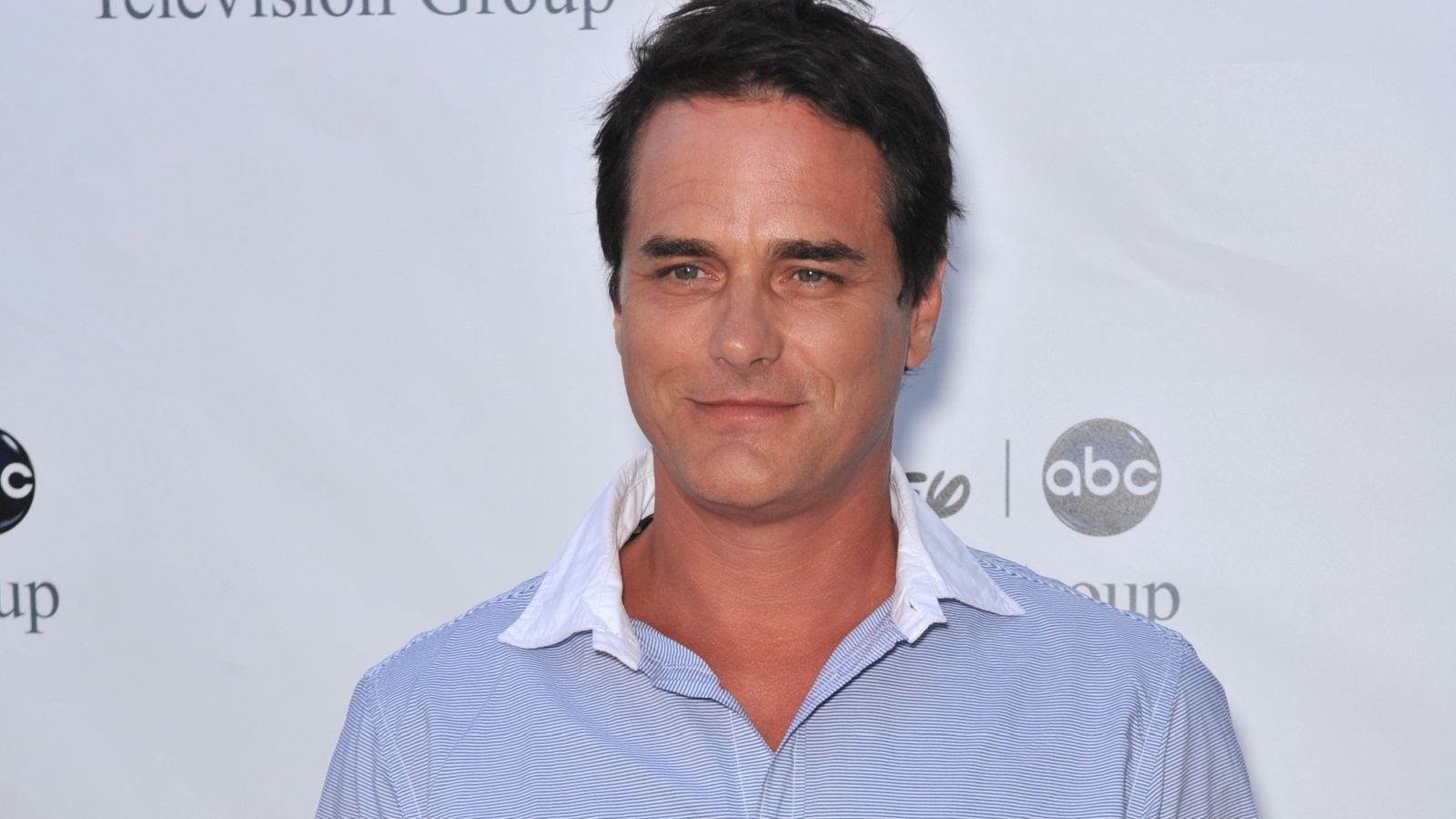
Gross guided transnational production coordination that sustained historical authenticity. Budget restrictions demanded careful logistical execution. His leadership maintained narrative scale without fiscal overload. Canadian resource efficiency preserved battlefield realism affordably. Global crews praised structured scheduling efficiency under his guidance. Production consistency saved post-processing costs. Gross demonstrated how disciplined planning supports cinematic ambition internationally.
David Cronenberg – The Fly

Cronenberg transformed a standard science-fiction remake into psychologically driven horror. Studio expectations leaned toward spectacle gore alone. Cronenberg focused on character deterioration rather than shock effects. Emotional storytelling surpassed typical genre limits. Canadian narrative restraint emphasized internal transformation over visual noise. Audiences responded to unsettling realism. The film achieved iconic status because emotional stakes overshadowed surface horror. Without Cronenberg’s direction, the remake may have passed unnoticed. His contribution redefined serious body-horror cinema entirely.
22 Groceries to Grab Now—Before another Price Shock Hits Canada

Food prices in Canada have been steadily climbing, and another spike could make your grocery bill feel like a mortgage payment. According to Statistics Canada, food inflation remains about 3.7% higher than last year, with essentials like bread, dairy, and fresh produce leading the surge. Some items are expected to rise even further due to transportation costs, droughts, and import tariffs. Here are 22 groceries to grab now before another price shock hits Canada.
22 Groceries to Grab Now—Before another Price Shock Hits Canada
This Options Discord Chat is The Real Deal
While the internet is scoured with trading chat rooms, many of which even charge upwards of thousands of dollars to join, this smaller options trading discord chatroom is the real deal and actually providing valuable trade setups, education, and community without the noise and spam of the larger more expensive rooms. With a incredibly low-cost monthly fee, Options Trading Club (click here to see their reviews) requires an application to join ensuring that every member is dedicated and serious about taking their trading to the next level. If you are looking for a change in your trading strategies, then click here to apply for a membership.