
35,000+ smart investors are already getting financial news, market signals, and macro shifts in the economy that could impact their money next with our FREE weekly newsletter. Get ahead of what the crowd finds out too late. Click Here to Subscribe for FREE.
Global shocks do not send warnings. Prices shift overnight. Jobs feel less secure. Bills stretch further than expected. Many Canadians believe they are prepared until a real disruption hits. An emergency fund looks solid on paper, yet weak under pressure. Small gaps turn into serious stress. This is the moment to review what actually holds up. These checks are not dramatic. They are practical and grounded in real spending habits. Each one shows whether your cushion works in real life. Here are 23 “Emergency Fund” reality checks Canadians should do during global shocks.
Can Your Fund Cover Real Monthly Expenses
23 “Emergency Fund” Reality Checks Canadians Should Do During Global Shocks
- Can Your Fund Cover Real Monthly Expenses
- Are You Accounting for Rising Food Costs
- Do You Have Immediate Access to the Money
- Have You Included Insurance Deductibles
- Are You Prepared for Job Loss Duration
- Does Your Fund Include Rent or Mortgage Increases
- Have You Factored in Fuel Price Spikes
- Are You Covering Essential Subscriptions
- Can You Handle Unexpected Car Repairs
- Are You Ignoring Medical Out-of-Pocket Costs
- Does Your Fund Account for Childcare Changes
- Are You Prepared for Utility Bill Surges
- Do You Have a Plan for Debt Payments
- Are You Considering Currency and Market Volatility
- Can Your Fund Handle Family Emergencies
- Are You Relying Too Much on Credit Cards
- Have You Tested Your Budget Under Stress
- Are You Accounting for Pet Expenses
- Do You Have Enough for Home Repairs
- Are You Overestimating Investment Liquidity
- Have You Adjusted for Lifestyle Changes
- Are You Tracking Spending Regularly
- Do You Feel Secure or Just Comfortable
- 19 Things Canadians Don’t Realize the CRA Can See About Their Online Income

Many people calculate a neat monthly budget that ignores the messy reality. Your actual spending often runs higher. Groceries, fuel, and utilities fluctuate. Add recent receipts and compare them to your estimate. You may notice a gap. A proper emergency fund must match your real lifestyle. Not a trimmed version. If your monthly cost is $3,800 instead of $3,000, your buffer is smaller than expected. Update your baseline first. This step alone changes how many months you can truly cover. It also highlights where small spending leaks exist.
Are You Accounting for Rising Food Costs

Food prices rarely stay stable during global shocks. Imports get disrupted. Fuel costs push prices higher. A $600 grocery budget can quietly become $850. Check your last three months of spending. Look at staples like dairy, grains, and fresh produce. Your emergency fund should reflect current prices, not last year’s numbers. If inflation continues, costs may rise again. Build a small buffer above today’s spending. It gives breathing room when prices jump suddenly. Ignoring food inflation creates false confidence in your savings.
Do You Have Immediate Access to the Money

An emergency fund should be easy to access. Locked investments defeat the purpose. Some Canadians keep funds in accounts with withdrawal limits or delays. Test your access today. How quickly can you move the money to your main account? If it takes several days, rethink your setup. Emergencies often require instant payments. Rent, repairs, or medical costs cannot wait. Keep at least part of your fund in a high-interest savings account. Accessibility matters more than chasing slightly higher returns.
Have You Included Insurance Deductibles

Insurance feels like protection until you face the deductible. Many forget to include this cost in their emergency fund. Check your policies for home, auto, and health coverage. Deductibles can range from $500 to $2,500. If something happens, you must pay this amount first. Without planning, your savings take a hit. Add your total deductibles to your emergency calculation. This ensures you are not caught off guard. It also prevents dipping into credit during stressful situations.
Are You Prepared for Job Loss Duration

Job loss rarely resolves quickly during global disruptions. Hiring slows down. Competition increases. A three-month fund may not be enough. Research average job search timelines in your industry. Many Canadians now need four to six months. Adjust your emergency fund accordingly. This is not pessimism. It is planned based on current conditions. If your field is unstable, consider an even longer buffer. Your savings should match the time it realistically takes to recover income.
Does Your Fund Include Rent or Mortgage Increases

Housing costs rarely stay fixed for long. Rent often rises at renewal. Variable mortgage payments shift with interest rates. Even fixed loans can change after term resets. Review your latest statement and compare it with last year’s. A $200 or $300 increase may not feel drastic at first. Over several months, it adds pressure. Multiply that increase across your emergency period. The total impact becomes clear. If your fund cannot absorb that change, it is too tight. Housing is your largest expense. Your emergency savings must reflect that reality, not an outdated payment amount from earlier months.
Have You Factored in Fuel Price Spikes
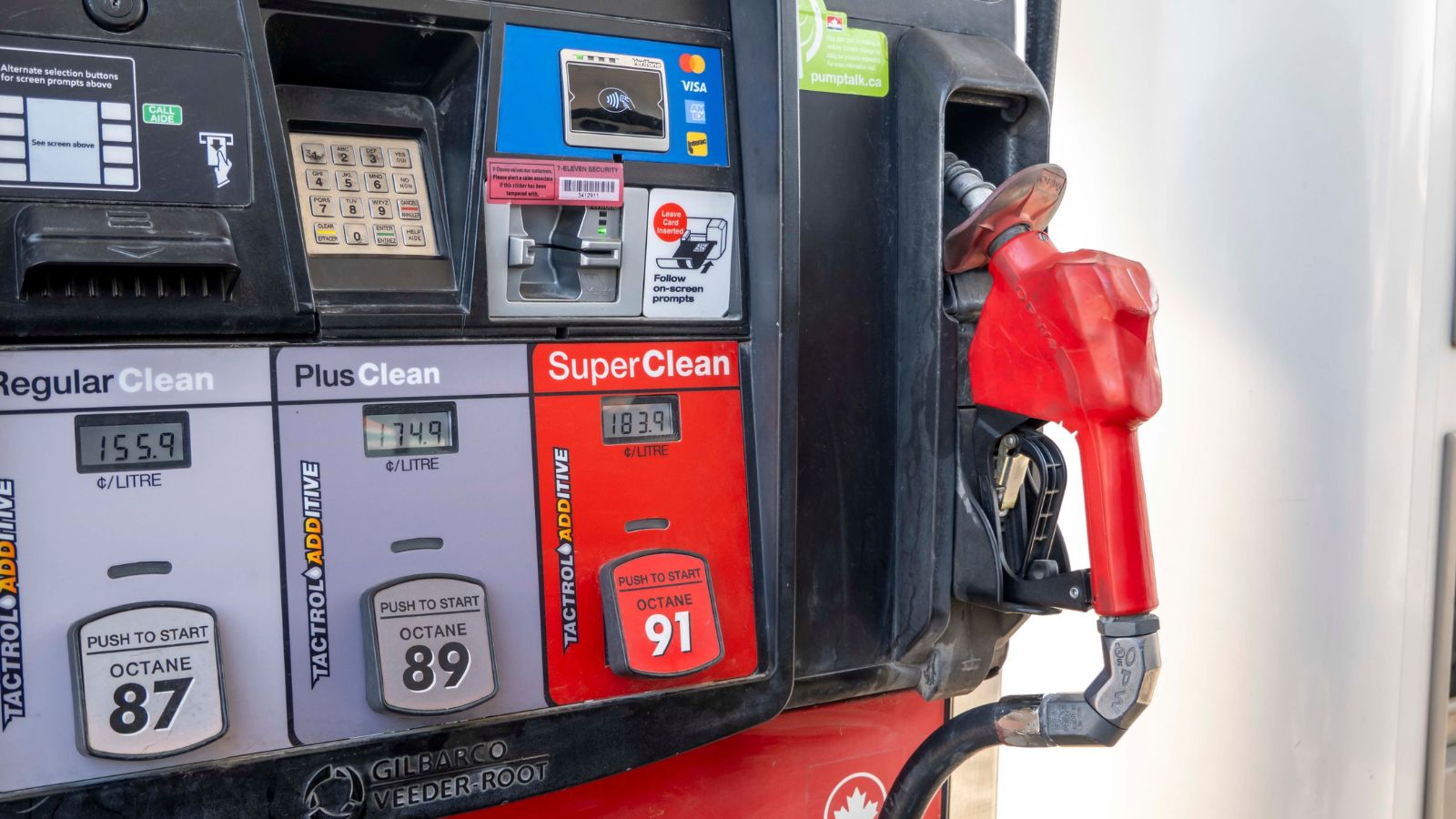
Fuel prices can change quickly during global disruptions. A short commute becomes noticeably more expensive. Long drives feel even worse. Look at your recent fuel receipts. Compare months with stable prices versus months with spikes. The difference adds up fast. If you rely on your car daily, this matters more. Higher fuel costs also raise delivery prices and service fees. That affects your overall spending. Add a buffer for these fluctuations. Even a small monthly increase impacts your emergency timeline. Planning for fuel swings prevents surprise pressure on your savings when costs climb suddenly.
Are You Covering Essential Subscriptions

Subscriptions often hide in plain sight. Internet, mobile plans, and streaming services feel routine. Many cannot be cut easily during emergencies. Work, communication, and basic entertainment still matter. List every recurring charge you pay monthly. You may find the total higher than expected. Some households spend over $250 each month on these services. Multiply that over several months. It becomes a meaningful expense. Your emergency fund should include these costs. Ignoring them creates a gap in your planning. A complete view of subscriptions keeps your budget grounded in reality, not assumptions about what you might cancel later.
Can You Handle Unexpected Car Repairs

Car repairs rarely arrive at a convenient time. A minor issue can turn serious quickly. Brake replacements, tire damage, or battery failures cost more than expected. In Canada, a single repair can exceed $1,500. If your vehicle is essential for work or daily life, you cannot delay fixes. Check average repair costs in your area. Think about your car’s age and condition. Older vehicles often require more maintenance. Add a repair buffer to your emergency fund. This keeps your transportation reliable. It also prevents you from turning to high-interest credit during already stressful situations.
Are You Ignoring Medical Out-of-Pocket Costs

Healthcare coverage helps, but it is not complete. Dental work, prescriptions, and vision care often require payment. These expenses can build quietly over time. A single dental procedure may cost hundreds. Ongoing medication adds to monthly costs. Review your recent medical spending. Include everything, not just major visits. Emergencies can increase these costs suddenly. Your emergency fund should cover at least a few months of health expenses. Ignoring this area creates risk. Health issues already bring stress. Financial pressure should not make that situation harder. Planning for these costs adds a layer of stability to your savings.
Does Your Fund Account for Childcare Changes

Childcare costs can shift without much notice. Providers raise rates or adjust schedules. Backup care often costs more than regular arrangements. If you rely on childcare for work, this becomes critical. Review your current monthly spending. Then consider emergency options. Short-notice care usually comes at a premium. Even a small increase affects your overall budget. Add this possibility to your emergency fund planning. It protects your ability to keep working. It also keeps routines stable during uncertain times. Ignoring childcare changes creates gaps that are difficult to manage when stress is already high.
Are You Prepared for Utility Bill Surges

Utility bills are not consistent year-round. Winter heating costs can rise sharply in Canada. Electricity prices may increase during peak demand. Look at your highest bill from the past year. Use that number as your baseline, not your average. This approach gives a more realistic estimate. During global shocks, energy prices often climb. That makes your highest bill even higher. Multiply that cost over several months. Your emergency fund should handle this level comfortably. Planning with lower numbers creates false confidence. Using peak costs keeps your budget aligned with the real conditions you may face again.
Do You Have a Plan for Debt Payments

Debt continues even when income stops. Credit cards, personal loans, and lines of credit all require minimum payments. Missing them leads to penalties and higher interest. List every debt you currently carry. Add up the minimum monthly payments. Include this total in your emergency fund calculation. It is not optional spending. It is a fixed obligation. Ignoring it creates immediate financial stress. During uncertain times, protecting your credit matters. A solid emergency fund covers these payments without strain. This keeps your financial record stable while you focus on recovery.
Are You Considering Currency and Market Volatility

Global events often affect exchange rates and markets. This impacts the price of imported goods. Everyday items can become more expensive quickly. You may not notice it immediately. Over time, the difference becomes clear. Investment values may also drop during these periods. Selling assets at that point locks in losses. Your emergency fund should not depend on market conditions. Add a small buffer to account for rising prices. This helps you avoid relying on investments when markets are unstable. A steady cash reserve provides stability when external factors become unpredictable.
Can Your Fund Handle Family Emergencies

Family emergencies often require quick decisions and immediate spending. Travel costs can rise sharply at short notice. Flights within Canada may exceed $600. Last-minute bookings cost even more. You may also need to support family members financially. These situations are not rare. They happen without warning. Consider how much you would need to act quickly. Add this amount to your emergency fund. It gives you flexibility during emotional situations. Planning ahead removes one layer of stress. It allows you to focus on what matters instead of worrying about money.
Are You Relying Too Much on Credit Cards
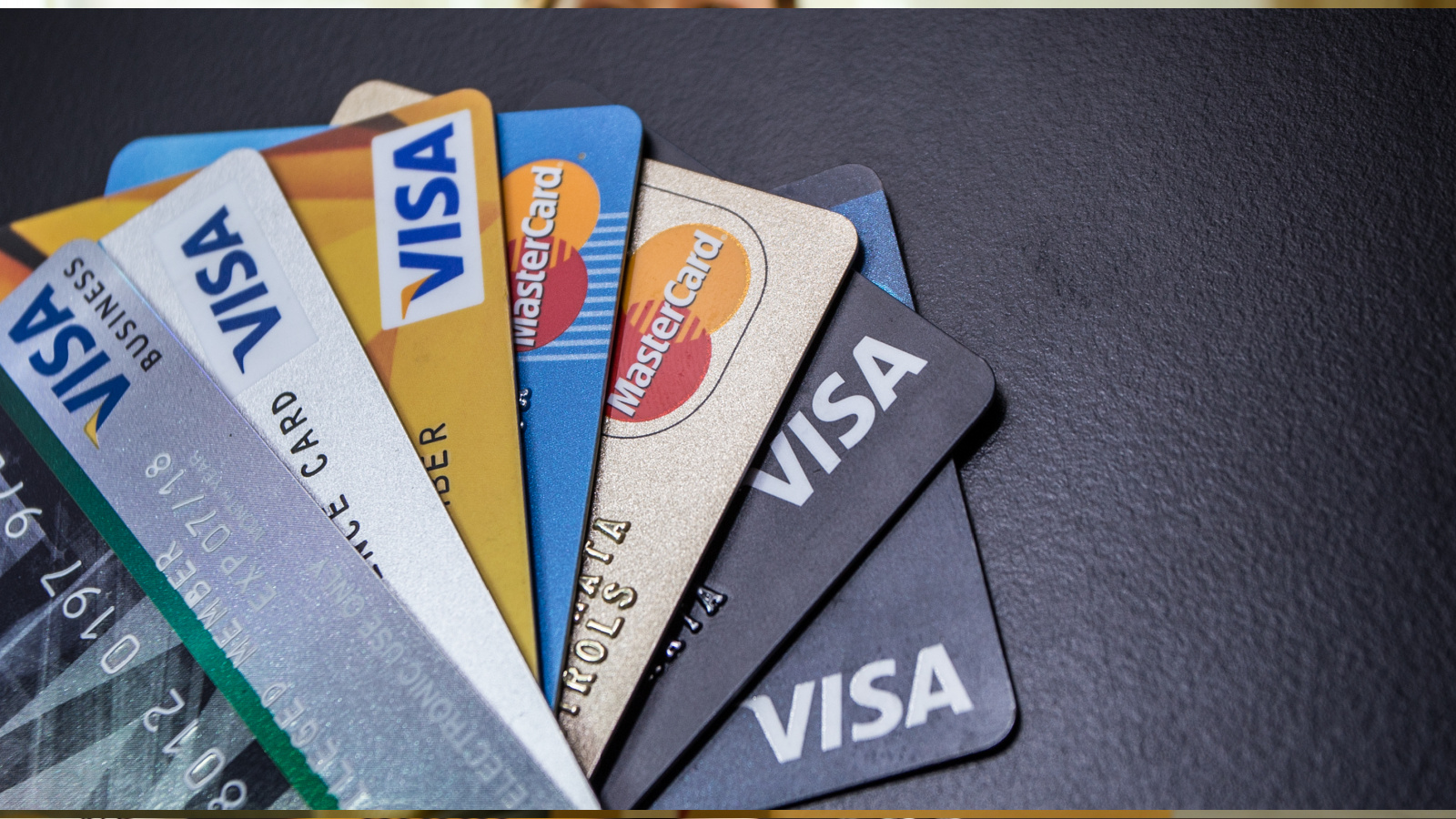
Credit cards often feel like a safety net. They are not the same as cash savings. High interest rates create long-term financial strain. If you depend on credit during tight months, your emergency fund is likely insufficient. Review your recent statements. Check how often you carry a balance. This habit signals a gap in your savings. Focus on building cash reserves instead. Even small increases help over time. Reducing reliance on credit protects your future finances. It also keeps emergencies from turning into lasting debt problems.
Have You Tested Your Budget Under Stress

A normal month does not reveal real weaknesses. Try a simple test. Reduce your income on paper by 30 percent. Then track how your expenses hold up. You will notice which costs feel heavy. This exercise shows how long your emergency fund lasts. It also highlights areas you can adjust. Testing your plan gives clarity. It replaces assumptions with actual numbers. Many people skip this step. That leads to surprises later. Running this test prepares you better for uncertain situations. It shows whether your current savings can truly support you.
Are You Accounting for Pet Expenses

Pets are part of your household. Their needs do not pause during emergencies. Food, grooming, and regular vet visits add to monthly costs. Unexpected treatments can exceed $1,000. Review your recent spending on your pet. Include routine and emergency expenses. Your emergency fund should cover these needs. Ignoring them creates pressure later. Pet care is not optional for most owners. Planning ahead keeps their well-being secure. It also protects your budget from sudden shocks. Including pets in your calculations makes your emergency plan more complete and realistic.
Do You Have Enough for Home Repairs

Homeownership comes with unpredictable costs. Plumbing issues, roof damage, or appliance failures can happen at any time. These repairs often cost over $2,000. Delaying them usually makes things worse. Review common repair costs in your area. Think about the age of your home and systems. Older properties may need more frequent fixes. Add a realistic repair buffer to your emergency fund. This prevents sudden financial strain. It also keeps your living space safe and functional. Ignoring home repairs in your planning creates gaps that are difficult to manage later.
Are You Overestimating Investment Liquidity

Investments are not always easy to access at the right time. Market drops can quickly reduce their value. Selling during a downturn locks in losses. Your emergency fund should not depend on these assets. Keep your savings separate and stable. A high-interest savings account works well for this purpose. Liquidity matters more than growth in emergencies. You need funds that are ready when required. Relying on investments adds uncertainty. Keeping a dedicated emergency reserve protects your long-term financial goals from short-term disruptions.
Have You Adjusted for Lifestyle Changes

Your spending habits change over time. A new apartment, added subscriptions, or different routines all affect your budget. Old calculations may no longer reflect your current reality. Review your recent expenses carefully. Compare them to your earlier estimates. You may notice higher costs in several areas. Update your emergency fund to match your present lifestyle. This keeps your planning accurate. Ignoring these changes creates a gap between expectation and reality. Keeping your numbers current helps your savings stay relevant and effective.
Are You Tracking Spending Regularly

An emergency fund needs regular attention. Expenses shift slowly over time. Without tracking, you may not notice changes. Use a simple method to record your spending each month. This could be an app or a basic spreadsheet. The goal is consistency. Tracking helps you spot patterns early. It also shows where your money goes. This information improves your planning. It keeps your emergency fund aligned with real numbers. Skipping this habit leads to outdated estimates. Staying consistent builds better awareness and stronger financial control.
Do You Feel Secure or Just Comfortable

Seeing a healthy balance can feel reassuring. That feeling does not always reflect true security. Comfort comes from the number you see. Security comes from knowing it will last. Ask yourself how confident you feel if your income stops suddenly. Consider your expenses and timelines. If there is doubt, your fund may need an adjustment. This check is simple but important. It shifts your focus from appearance to function. A strong emergency fund supports real stability. It helps you make calm decisions during uncertain moments.
19 Things Canadians Don’t Realize the CRA Can See About Their Online Income

Earning money online feels simple and informal for many Canadians. Freelancing, selling products, and digital services often start as side projects. The problem appears at tax time. Many people underestimate how much information the CRA can access. Online platforms, banks, and payment processors create detailed records automatically. These records do not disappear once money hits an account. Small gaps in reporting add up quickly.
Here are 19 things Canadians don’t realize the CRA can see about their online income.
This Options Discord Chat is The Real Deal
While the internet is scoured with trading chat rooms, many of which even charge upwards of thousands of dollars to join, this smaller options trading discord chatroom is the real deal and actually providing valuable trade setups, education, and community without the noise and spam of the larger more expensive rooms. With a incredibly low-cost monthly fee, Options Trading Club (click here to see their reviews) requires an application to join ensuring that every member is dedicated and serious about taking their trading to the next level. If you are looking for a change in your trading strategies, then click here to apply for a membership.