
35,000+ smart investors are already getting financial news, market signals, and macro shifts in the economy that could impact their money next with our FREE weekly newsletter. Get ahead of what the crowd finds out too late. Click Here to Subscribe for FREE.
Rent prices in Canada have stopped moving in one direction. Some cities are finally seeing relief, while others keep getting more expensive. This shift is confusing for renters who assume prices rise everywhere at the same pace. Local supply, population changes, job markets, and new construction are now playing bigger roles. A national average does not tell the full story anymore. Understanding where rents are cooling versus climbing can help renters decide when to move or renew. Here are 13 Canadian Cities Where Rent Is Dropping (And Where It’s Still Climbing).
Toronto, Ontario
13 Canadian Cities Where Rent Is Dropping (And Where It’s Still Climbing)
- Toronto, Ontario
- Vancouver, British Columbia
- Calgary, Alberta
- Edmonton, Alberta
- Montreal, Quebec
- Ottawa, Ontario
- Winnipeg, Manitoba
- Hamilton, Ontario
- Kitchener, Waterloo, Ontario
- Mississauga, Ontario
- Brampton, Ontario
- Halifax, Nova Scotia
- St. John’s, Newfoundland and Labrador
- 22 Groceries to Grab Now—Before another Price Shock Hits Canada
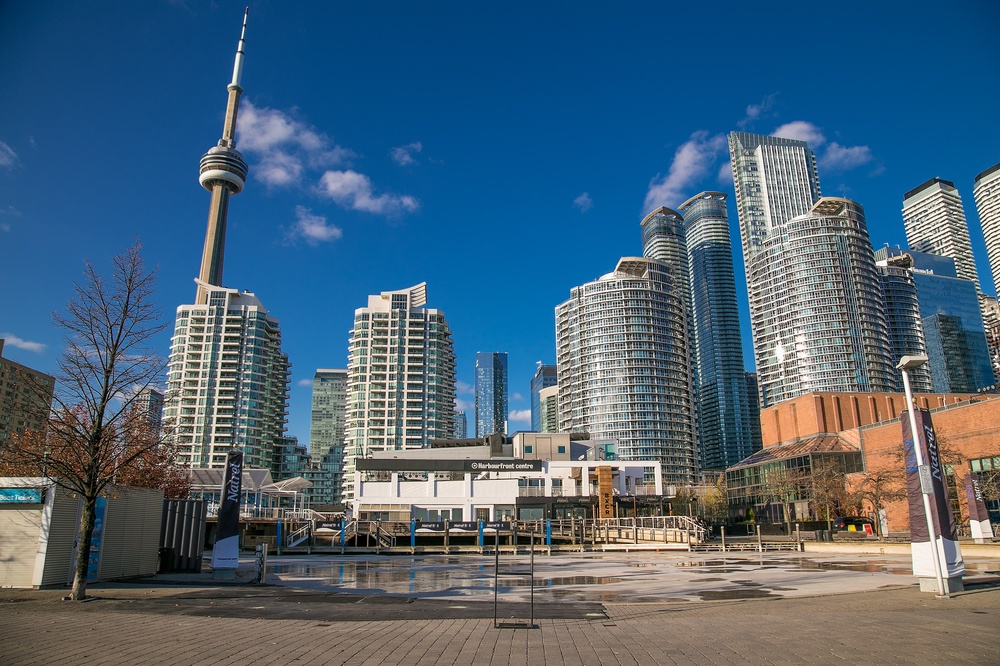
Toronto rents have softened compared to recent peaks. Increased condo completions have added rental supply across the city. Some landlords now offer incentives to fill units faster. Remote work has reduced pressure in downtown areas. Purpose-built rentals have also expanded in outer neighborhoods. Rent is not cheap, but growth has slowed. One-bedroom units show the clearest price dips. Competition among landlords is stronger than last year. High borrowing costs pushed some investors to sell or rent quickly. Toronto remains expensive, but renters have slightly more negotiating power. Small reductions feel meaningful after years of steep increases.
Vancouver, British Columbia

Vancouver rents continue climbing despite affordability concerns. Limited land and strict zoning slow the new rental supply. Population growth remains strong, especially from international arrivals. Vacancy rates stay low across most neighborhoods. Purpose-built rentals take years to complete. Short-term rentals still affect long-term availability. Even small units attract multiple applicants. Rent controls limit increases for existing tenants only. New listings often reset prices higher. Suburban areas feel pressure from spillover demand. Wage growth has not kept pace with rent changes. Vancouver remains one of the tightest rental markets in Canada today.
Calgary, Alberta

Calgary rent growth has cooled after a sharp run-up. Strong migration earlier pushed prices quickly higher. New apartment construction is now catching up. Vacancy rates have improved slightly. Renters have more options than last year. Some landlords lowered asking prices to stay competitive. Energy sector hiring remains steady but less explosive. Downtown units show the most adjustment. Suburban rents remain firm but stable. Incentives like free parking are reappearing. Calgary is no longer the fastest-rising rental market. Prices remain elevated, but the pace has clearly slowed.
Edmonton, Alberta

Edmonton rents are dropping in several neighborhoods. Steady construction has prevented major supply shortages. Population growth is slower than in Calgary. Vacancy rates remain healthier than national averages. Older buildings face pressure to compete. Renters have leverage during lease negotiations. One-bedroom units show the largest declines. Suburbs with new developments offer lower prices. Employment remains stable but not overheated. Investors face softer returns than expected. Edmonton stands out for relative affordability. Rent drops may be modest, but they are consistent across multiple areas.
Montreal, Quebec

Montreal rents are rising but unevenly. Popular central neighborhoods see continued pressure. Language laws and regulations limit the new supply. Student demand remains strong year-round. Smaller units move faster. Rent controls protect existing tenants more than newcomers. New listings often reset to higher prices. Suburban areas show slower growth. Construction delays affect availability. Wage growth lags behind rent changes. Montreal remains cheaper than Toronto or Vancouver. However, affordability gaps are shrinking. Renters face competition, especially near transit and universities.
Ottawa, Ontario
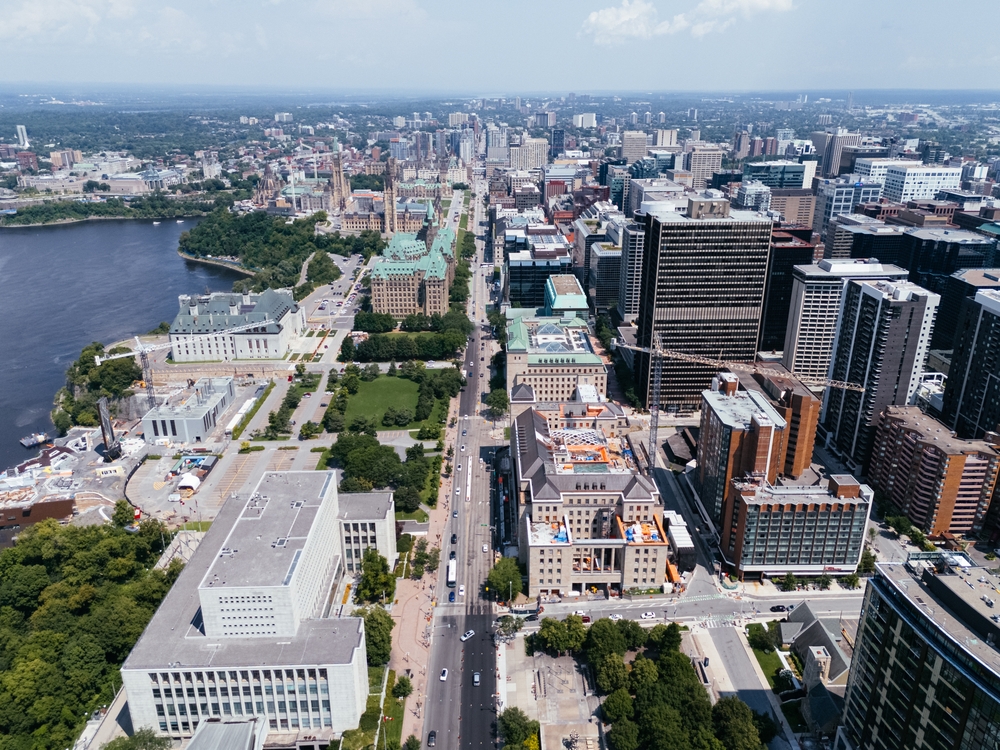
Ottawa rents are stabilizing after earlier increases. Government hiring has slowed slightly. New rental projects have entered the market. Vacancy rates remain balanced. Suburban supply has improved access. Downtown demand softened with hybrid work. Landlords adjust pricing to retain tenants. Two-bedroom units show the most stability. Students affect seasonal demand patterns. Short-term fluctuations depend on federal hiring cycles. Ottawa is no longer overheating. Rent growth exists, but feels controlled compared to major metros.
Winnipeg, Manitoba

Winnipeg rents remain relatively flat or declining. Population growth is steady but modest. New apartment builds outpace demand. Vacancy rates stay comfortable. Landlords compete on price and amenities. Rent incentives are common. One-bedroom units remain affordable. Job growth supports stability, not spikes. Investors see limited upside. Neighborhood differences matter more than city averages. Renters benefit from choice and flexibility. Winnipeg continues to offer predictable housing costs compared to other Canadian cities.
Hamilton, Ontario

Hamilton rents are easing after pandemic-driven increases. Remote work migration has slowed. Supply has expanded in newer developments. Renters are less desperate than before. Proximity to Toronto still affects demand. Commuter appeal remains, but softened. Downtown units face competition from the suburbs. Landlords adjust pricing to avoid vacancies. Rent growth has flattened noticeably. Hamilton no longer sees bidding wars. Prices remain higher than pre-pandemic levels but show a gradual correction.
Kitchener, Waterloo, Ontario
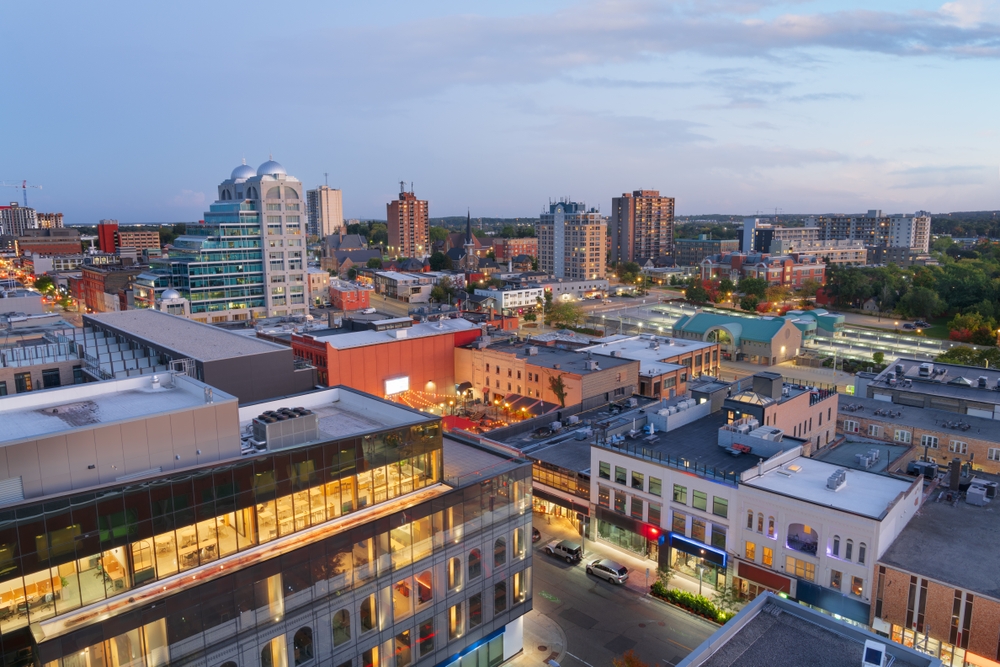
Kitchener-Waterloo rents are cooling. Tech hiring slowed across the region. Student demand remains seasonal and concentrated. New purpose-built rentals increased supply. Vacancy rates have improved slightly. One-bedroom rents show mild declines. Larger units remain steady. Investors face slower lease-ups. Competition among landlords has increased. Renters have time to compare listings. Prices remain above historical norms. The pace of growth has clearly dropped compared to recent years.
Mississauga, Ontario
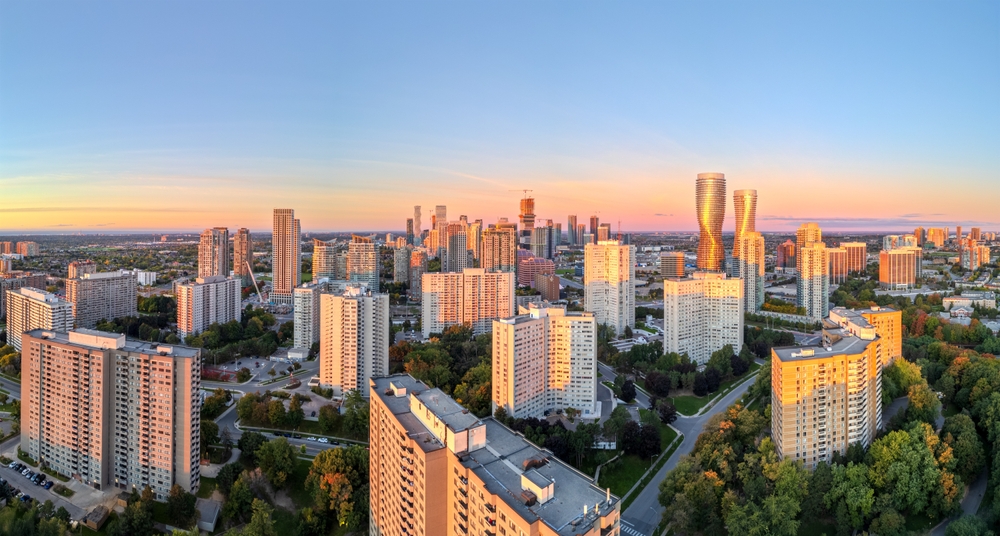
Mississauga rents continue climbing slowly. Demand remains strong from GTA spillover. Transit access boosts pricing near hubs. New construction struggles to keep pace. Family-sized units see the most pressure. Condo rentals dominate the market. Investors set higher asking rents. Vacancy rates remain low. Commuter appeal stays strong. Wage growth does not fully match increases. Mississauga reflects Toronto trends with a delay. Renters face fewer deals compared to nearby cities.
Brampton, Ontario
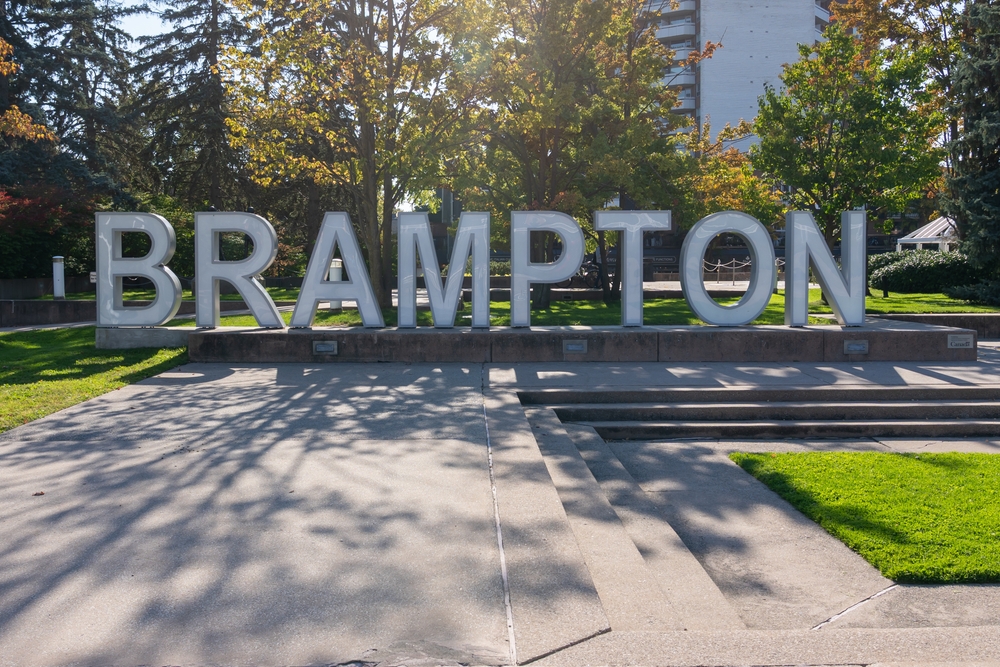
Brampton rents remain high and competitive. Population growth outpaces new housing supply. Multi-family demand strains available units. Informal rentals affect pricing transparency. Purpose-built rentals remain limited. Competition drives up asking prices. Larger households influence unit demand. Vacancy rates stay low. Rent growth feels persistent rather than sharp. Regulation enforcement varies by area. Brampton continues facing housing pressure. Rent relief appears unlikely without major construction increases.
Halifax, Nova Scotia

Halifax rents are still climbing. Population growth remains strong. Limited housing supply creates pressure. Construction struggles to keep up. Vacancy rates remain extremely low. Students and newcomers compete for units. Rent controls limit increases for existing tenants. New listings reset higher prices. Smaller units move faster. Wages lag behind rent changes. Halifax shifted from affordable to strained quickly. Renters feel the squeeze more each year.
St. John’s, Newfoundland and Labrador

St. John’s rents have stabilized or declined slightly. Population growth remains modest. New developments added rental supply. Vacancy rates improved over time. Landlords face less competition. One-bedroom units see softening prices. Larger units remain steady. Employment growth supports stability. Seasonal demand affects downtown areas. Rent incentives appear more often. St. John’s remains affordable by national standards. Rent trends favor tenants more than landlords right now.
22 Groceries to Grab Now—Before another Price Shock Hits Canada

Food prices in Canada have been steadily climbing, and another spike could make your grocery bill feel like a mortgage payment. According to Statistics Canada, food inflation remains about 3.7% higher than last year, with essentials like bread, dairy, and fresh produce leading the surge. Some items are expected to rise even further due to transportation costs, droughts, and import tariffs. Here are 22 groceries to grab now before another price shock hits Canada.
22 Groceries to Grab Now—Before another Price Shock Hits Canada
This Options Discord Chat is The Real Deal
While the internet is scoured with trading chat rooms, many of which even charge upwards of thousands of dollars to join, this smaller options trading discord chatroom is the real deal and actually providing valuable trade setups, education, and community without the noise and spam of the larger more expensive rooms. With a incredibly low-cost monthly fee, Options Trading Club (click here to see their reviews) requires an application to join ensuring that every member is dedicated and serious about taking their trading to the next level. If you are looking for a change in your trading strategies, then click here to apply for a membership.