
35,000+ smart investors are already getting financial news, market signals, and macro shifts in the economy that could impact their money next with our FREE weekly newsletter. Get ahead of what the crowd finds out too late. Click Here to Subscribe for FREE.
When arctic air sweeps across Canada, heating costs skyrocket quickly. Homes battle both cold temperatures and drafty infrastructure challenges. Many households feel energy bills climb without meaningful control. Older homes struggle most with poor insulation coverage. Newer homes still lose heat inefficiently through windows and doors. Canadians often crank thermostats instead of addressing efficiency roots. Here are 21 ways to lower your heating bill as the polar vortex hits Canada.
Seal Drafty Windows and Doors
21 Ways to Lower Your Heating Bill as the Polar Vortex Hits Canada
- Seal Drafty Windows and Doors
- Use Programmable or Smart Thermostats
- Reverse Ceiling Fans
- Lower Your Thermostat Slightly
- Service Your Furnace Annually
- Change Furnace Filters Often
- Use Thermal Curtains
- Add Door Sweeps
- Insulate Basement Rim Joists
- Cook and Bake Strategically
- Block Unused Rooms
- Use Humidifiers
- Insulate Hot Water Pipes
- Rearrange Furniture from Heat Sources
- Weatherproof Attic Hatches
- Wear Thermal Layers Indoors
- Open Curtains on Sunny Days
- Cook with Lids On
- Avoid Space Heater Overuse
- Register for Utility Rebates
- Set Furnace “Fan Only” Circulation
- 22 Groceries to Grab Now—Before another Price Shock Hits Canada

Cold air sneaks through tiny framing gaps unnoticed. Weather stripping blocks drafts efficiently at minimal cost. Caulking seals shrinking wood seams permanently. Canadians lose major heat through door edges. Window sheeting reduces convection heat loss instantly. Draft stoppers beneath doors prevent underfloor airflow. Curtains provide secondary insulation barriers when drawn nightly. Tape temporary plastic insulation creates sealed interior layers. Even small drafts increase furnace cycling frequency dramatically. Fixing infiltration produces immediate comfort improvements. Many seal kits cost under twenty dollars nationally.
Use Programmable or Smart Thermostats

Smart thermostats optimize heating schedules automatically. They lower temperatures during sleeping hours efficiently. Workday setbacks save substantial heating energy. Canadian households average ten percent savings annually. Remote adjustments prevent accidental daytime heating waste. Learning algorithms match household occupancy patterns precisely. Smart systems detect weather adjustments dynamically. Geofencing shuts off the heat when homes are empty. Manual thermostats lack these adaptive protections. Programmable models often cost under one hundred dollars. Installation requires minimal technical expertise.
Reverse Ceiling Fans
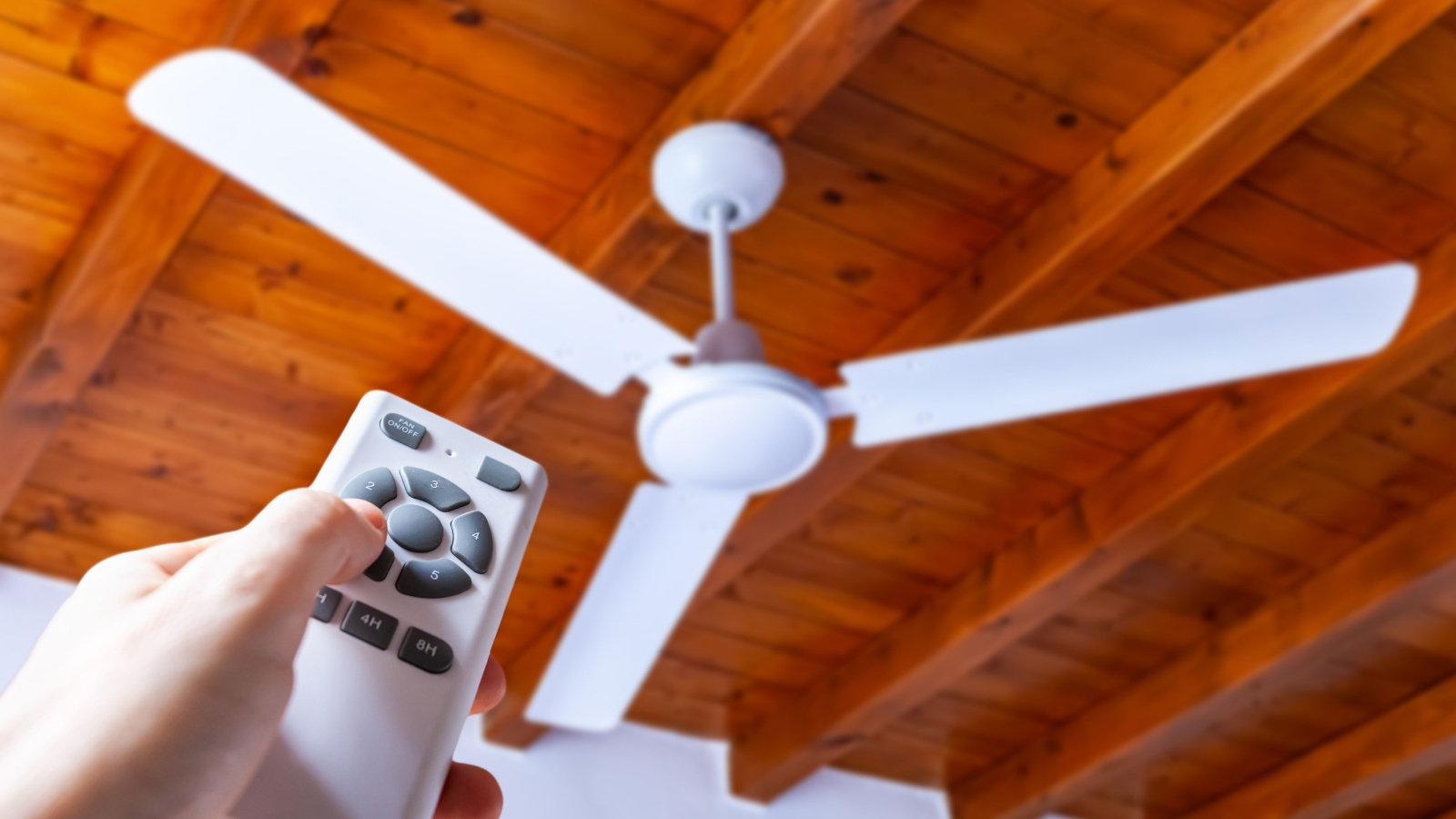
Most Canadians forget ceiling fan winter settings. Clockwise blade rotation pushes trapped warm air downward. This recirculation equalizes room temperatures quickly. Furnace cycling reduces when warm air redistributes efficiently. Fans consume minimal electricity while saving heating fuel. Thermostats can decrease settings by two degrees safely. Homes with vaulted ceilings benefit immensely. Bedrooms become more evenly heated instantly. Cold floor zones shrink dramatically. Adjustable fan speeds prevent uncomfortable drafts. Installation uses existing fan hardware. No additional purchases are necessary for most homeowners.
Lower Your Thermostat Slightly
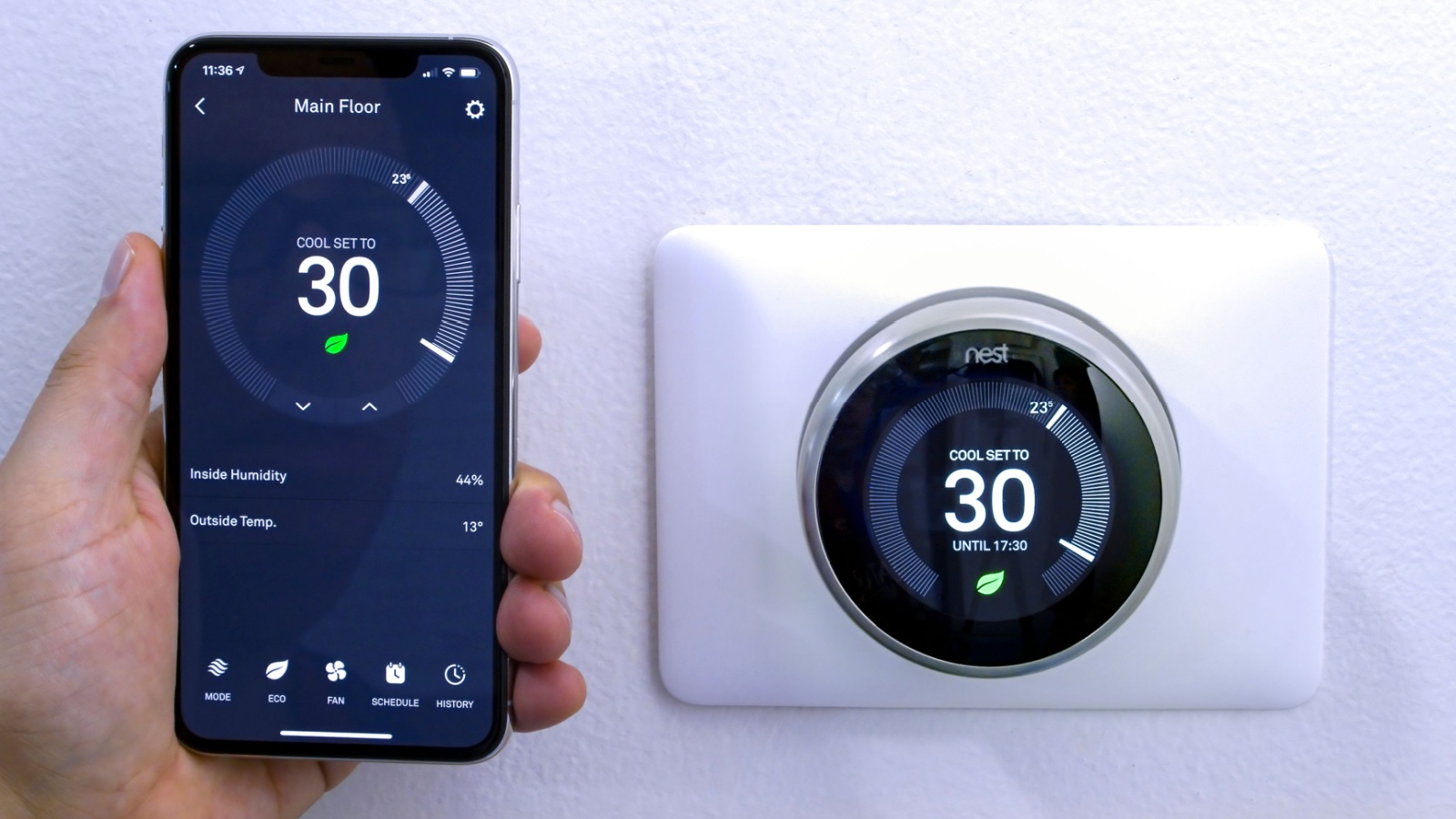
Reducing indoor temperatures saves substantial costs. Each degree reduction cuts heating expenses noticeably. Canadians maintain overly warm indoor habits unnecessarily. Layering clothing improves personal comfort quickly. Dropping thermostat settings three degrees saves roughly ten percent. Overnight reductions generate even greater benefits. Home occupants adapt surprisingly fast. Cooler sleeping environments also improve sleep quality. Daytime reductions during absence compound savings significantly. Most homes remain comfortable near nineteen degrees. Kitchen activity naturally warms living spaces.
Service Your Furnace Annually
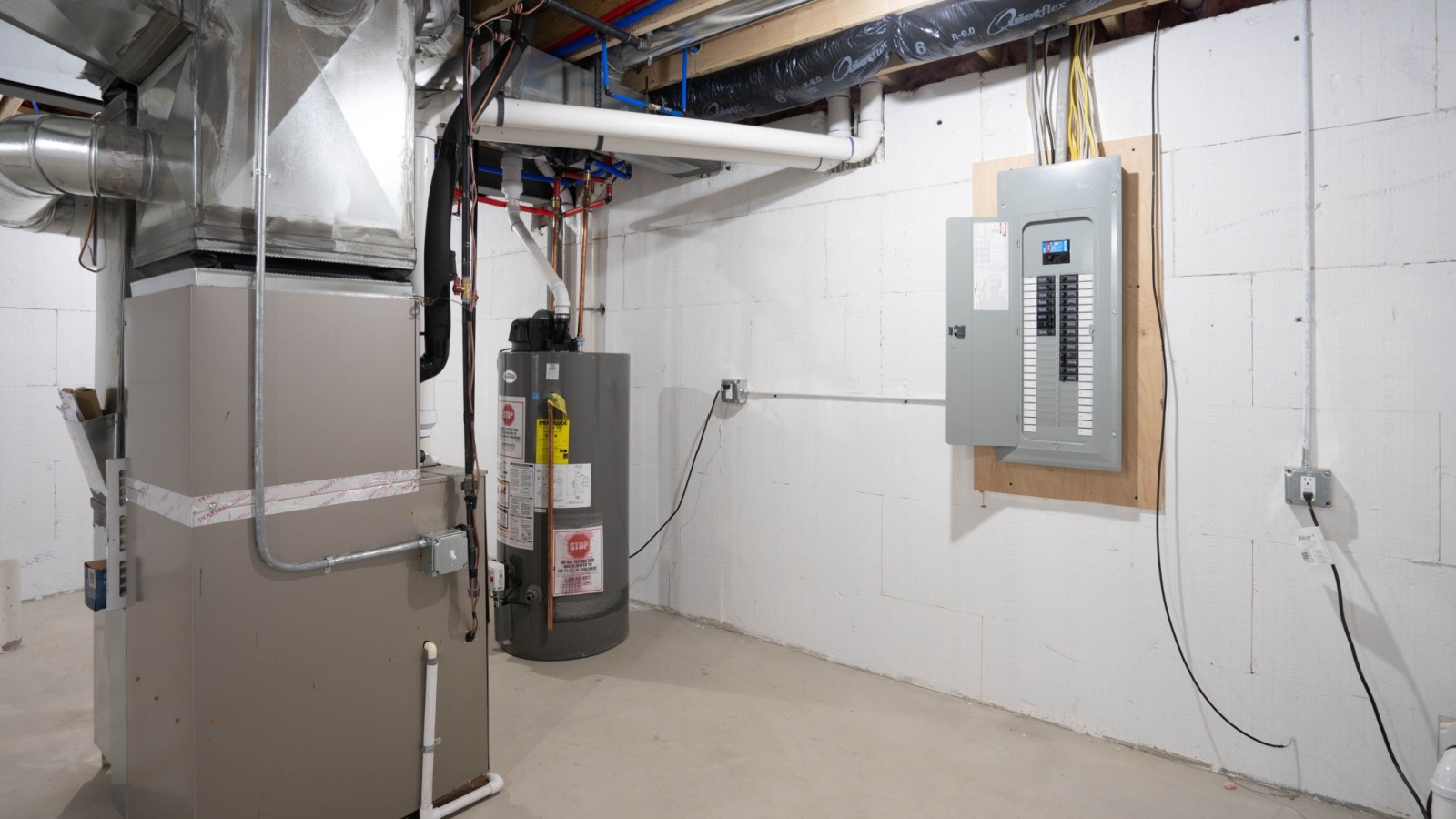
Dirty furnaces operate inefficiently. Dust restricts airflow through heat exchangers. Combustion efficiency drops when components remain unmaintained. Annual servicing restores peak performance capacity. Technicians clean burners and calibrate sensors precisely. Filters get replaced or cleaned thoroughly. Carbon monoxide safety testing ensures proper venting. Belt tension corrections improve blower operation flow. Vent blockage identification prevents dangerous backups. Proper maintenance reduces emergency breakdown risks. Efficient furnaces heat spaces quickly. Shorter run cycles lower gas or electric usage.
Change Furnace Filters Often
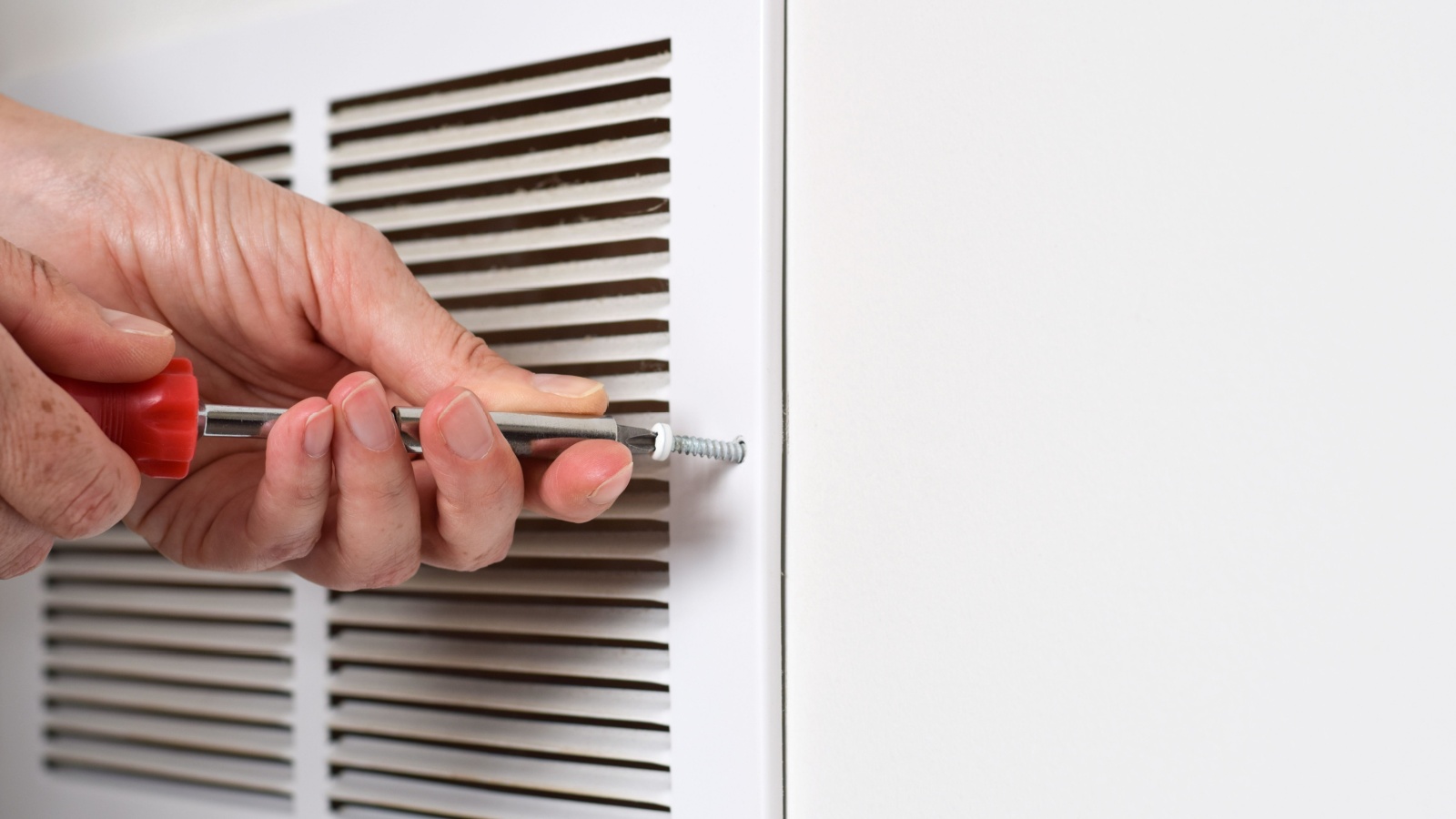
Dirty air filters choke airflow movement. Starved airflow forces furnaces to overwork unnecessarily. Overworked furnaces consume higher energy volumes. Filter replacement restores full system efficiency quickly. Canadians should replace filters monthly during heavy use. Vacuuming reusable filters improves performance temporarily. Allergy reduction accompanies improved airflow too. Cleaner air feels warmer faster. Dust buildup increases mechanical strain. Filters cost under ten dollars often. Installation takes under five minutes. Proper airflow reduces uneven room temperature distribution. Heating time cycles shorten significantly with clean filters.
Use Thermal Curtains
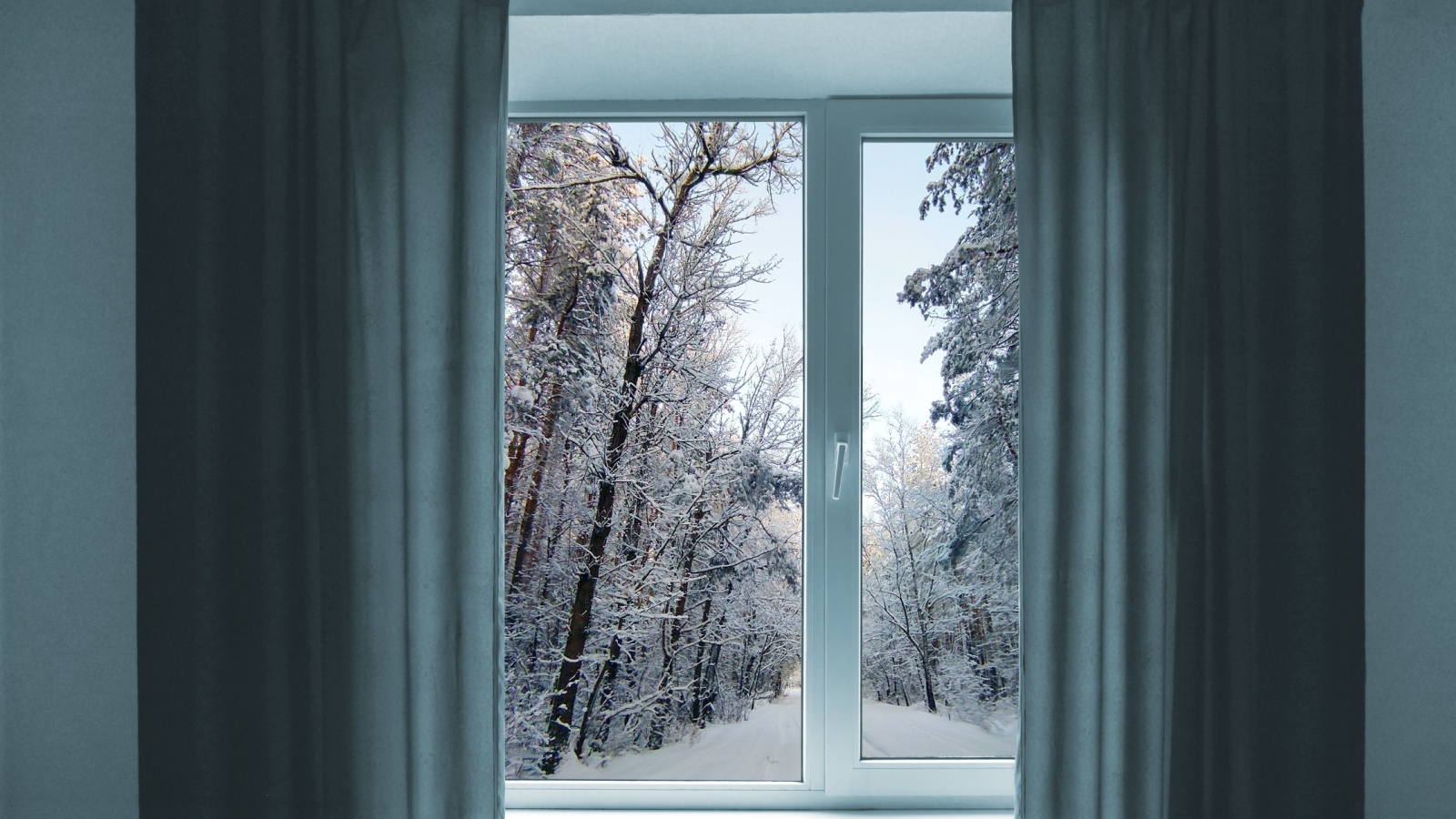
Thermal curtains block cold window convection effectively. They trap pockets of warm internal air overnight. Daytime sunlight still enters when the curtains open. Thick fabric reduces radiation heat loss. Canadians in older homes feel differences immediately. Window heat loss accounts for major energy waste. Thermal curtains remedy this without window replacement costs. Installation requires only basic curtain rods. Curtains double as privacy enhancements aesthetically. Bedroom heat retention improves noticeably overnight.
Add Door Sweeps

Door bottoms leak surprisingly cold air into hallways. Door sweeps block under-door airflow infiltration. Rubber models insulate better than brush types. Self-adhesive sweeps require no drilling. Installation typically completes in ten minutes. Canadians lose heat continuously through exterior door gaps. Sealing doors stabilizes hallway temperatures efficiently. Reduced drafts improve adjacent room comfort levels. Energy waste declines immediately after installation. Sweeps also block dust and insects. Noise reduction adds secondary comfort benefits. Hardware costs rarely exceed fifteen dollars each.
Insulate Basement Rim Joists
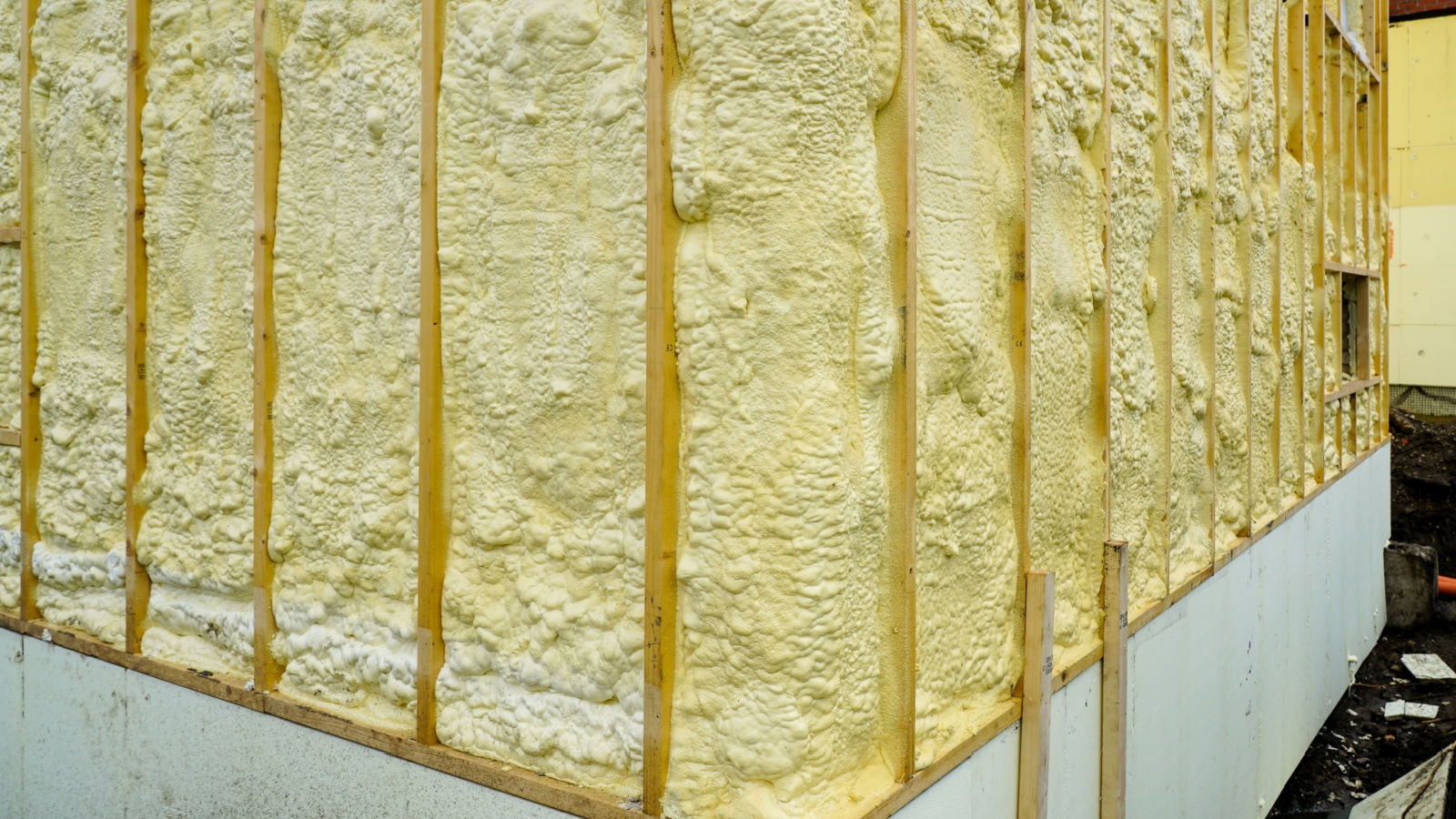
Basement rim joists remain uninsulated in many homes. These areas create massive heat leakage points. Cold air flows directly through the foundation edges. Insulation foam panels seal rim joists effectively. Expanding spray foam fills irregular cavity gaps. DIY kits allow homeowners to install safely. Proper insulation stabilizes main-floor temperatures. Floor surfaces feel warmer above basements quickly. Furnaces run fewer cycles after insulation. Moisture infiltration also decreases significantly. Many provincial rebates support rim insulation upgrades. Cold drafts near basements are eliminated almost entirely. Basement living areas become usable winter spaces. Insulation remains a permanent solution investment.
Cook and Bake Strategically

Oven use releases residual indoor heat. Canadians can stack cooking sessions strategically. Batch baking warms kitchens efficiently. Evening cooking raises overall household temperatures naturally. Use the conjunction with thermostat setbacks effectively. Avoid ventilating heat unnecessarily via exhaust fans. Share baking schedules with family members. Heat disperses throughout adjacent rooms gradually. Cooking reduces furnace startup demands during meal preparation.
Block Unused Rooms

Closing doors to unused rooms saves heating energy. Registers can be closed in these spaces. Less cubic area needs active heating. Furnaces cycle shorter runtimes accordingly. Bedrooms left unused all day waste warmth unnecessarily. Home offices benefit from targeted heating only. Zoning by room allows energy prioritization effectively. Avoid closing too many vents near furnace returns. Maintain airflow balance for system safety. Rugs can reduce cold floor transfer zones. Blocking areas reduces overall heat loss from surfaces.
Use Humidifiers

Dry indoor air feels colder than humidified air. Adding humidity allows lower thermostat settings to be comfortable. Canadian winters create excessively dry interior environments. Portable humidifiers cost little yet improve comfort instantly. Optimal humidity ranges between thirty and forty percent indoors. Air absorbs warmth better when properly hydrated. Skin dryness decreases along with heat demand reduction. Bedrooms benefit most from nighttime humidification. Daytime living spaces also improve comfort noticeably.
Insulate Hot Water Pipes
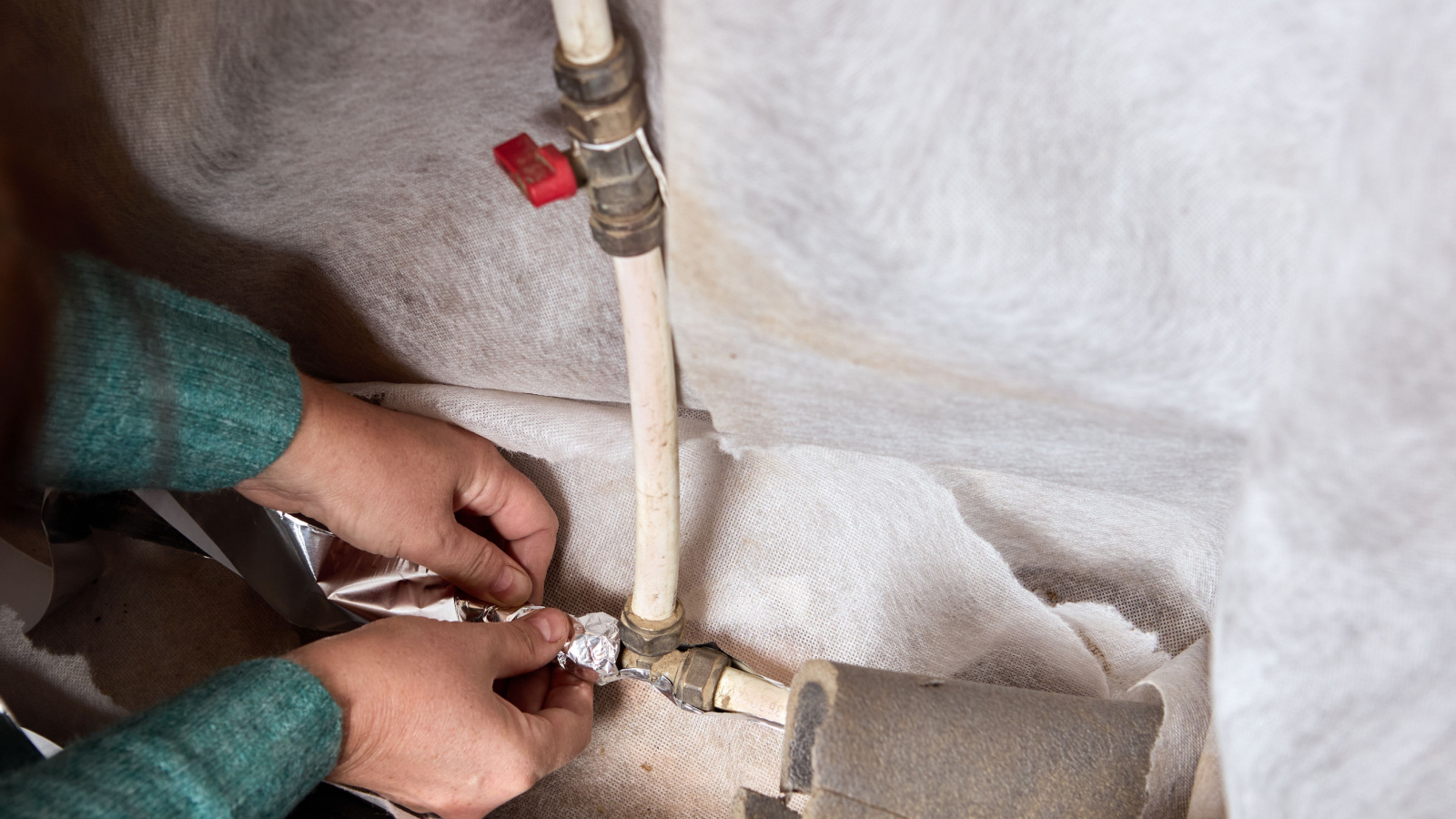
Hot water pipes radiate heat into unheated spaces. Basements steal warmth unintentionally through exposed plumbing runs. Foam pipe insulation minimizes these constant losses efficiently. Installation requires simple slicing and fitting techniques. Pipes retain higher temperature consistency afterward. Hot water arrives faster at fixtures. Water heater cycles shorten noticeably. Reduced standby heat loss lowers energy consumption quietly. Pipe insulation also prevents winter freezing risks. Canadian homes benefit strongly from basement pipe protection.
Rearrange Furniture from Heat Sources

Sofas often restrict radiant heat distribution. Furniture near baseboards traps warmth uselessly. Moving pieces improves heat circulation instantly. Rooms warm evenly after proper airflow correction. Canadian homes rarely reassess furniture placement seasonally. Simple rearranging evenly distributes comfort levels. Hidden vents reduce heating efficiency drastically. Blocked radiators lose output effectiveness. Clearing these allows heat to rise naturally. Floor vents require constant unobstructed airflow. Even small furniture shifts deliver results quickly.
Weatherproof Attic Hatches
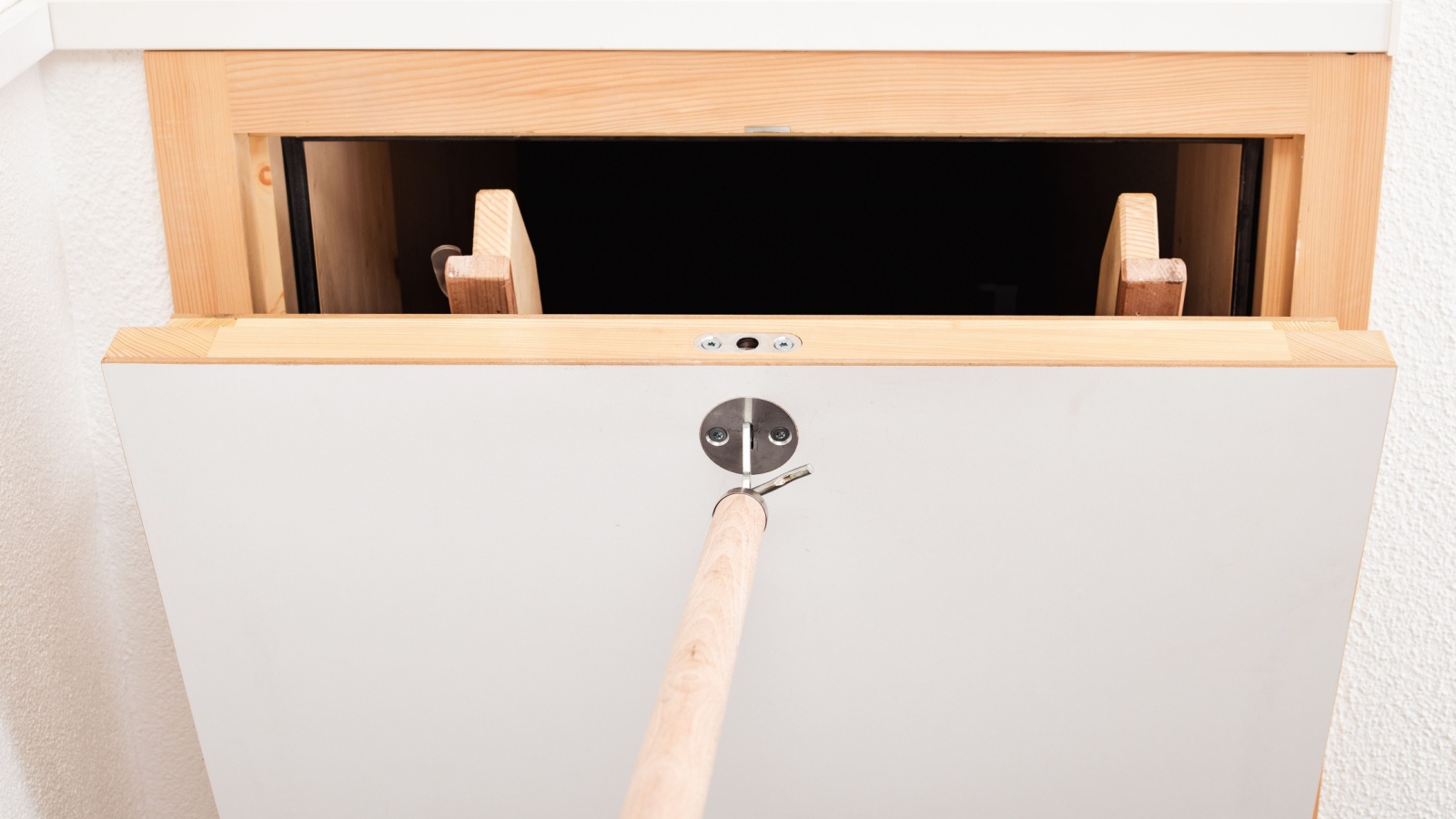
Attic hatches create dramatic heat escape routes. Warm air rises naturally toward ceiling gaps. Poorly sealed hatches leak extreme amounts of energy. Weatherstripping seals stop this upward heat loss. Foam boards add insulation to hatch covers easily. Canadian attic access points often remain overlooked. Sealing hatches stabilizes the entire home’s temperature efficiently. Upper floors feel warmer consistently. Furnace cycling reduces significantly with sealed ceilings. Moisture infiltration drops alongside energy waste. Materials typically cost under thirty dollars.
Wear Thermal Layers Indoors
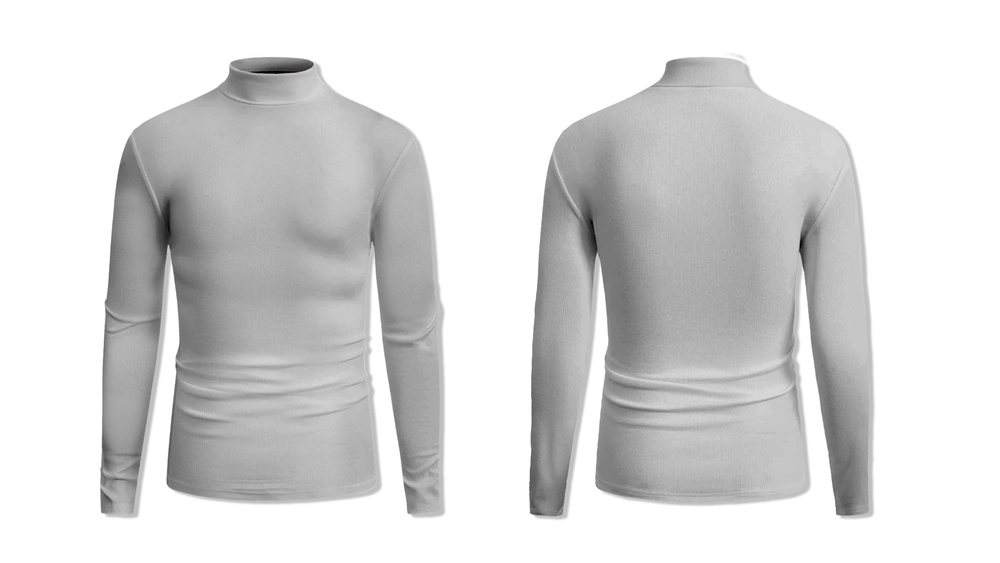
Clothing offers the cheapest insulation solution available. Wearing layers permits lower thermostat settings comfortably. Canadians often undervalue the use of indoor thermal clothing. Thermal socks warm the body’s extremities effectively. Hoodies trap body heat without restricting movement. Layering allows rooms to remain slightly cooler. Even small temperature drops save meaningful costs. Families adapt surprisingly fast to layered living. Warm slippers replace floor heating dependence. Comfort remains high through micro-climate clothing adjustments.
Open Curtains on Sunny Days

Solar heat offers free daytime heating energy. South-facing windows provide important passive gains. Opening curtains lets radiant warmth penetrate living spaces. Flooring absorbs sunlight and slowly releases stored heat. Canadian winter sun remains beneficial even at low angles. Close curtains again once daylight fades. These traps collected warmth overnight effectively. East windows provide morning boosts, particularly useful. West sunlight benefits afternoon warmups noticeably. Tracking solar movement optimizes natural heating coverage.
Cook with Lids On

Covered cooking retains heat within food and air. Less exhaust escaping means more warmth retained. Lids allow food to cook quickly as well. That shortens cooking times and energy use. Steam increases the kitchen’s ambient warmth naturally. Canadians vent heat unnecessarily through range fans often. Limiting fan use preserves valuable indoor warmth. Lidded pots keep humidity balanced also. Humidity supports warmer perceived temperatures naturally. Simple behavioural shift boosts efficiency quietly.
Avoid Space Heater Overuse
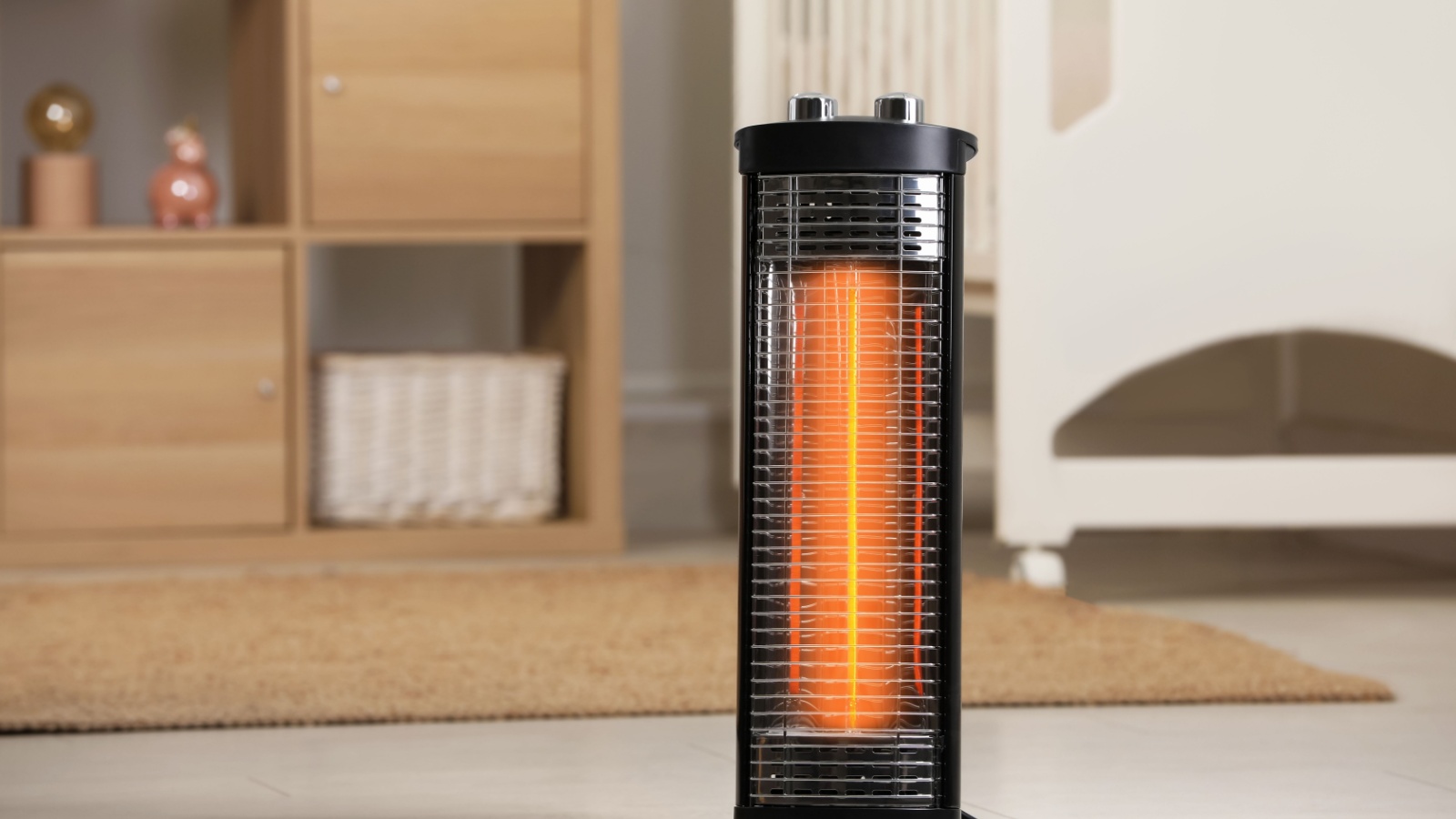
Space heaters consume far more electricity per room heated. They offer expensive localized comfort illusions. Central systems remain more efficient when balanced. Overreliance quickly skyrockets power consumption costs. Canadians often misuse heaters unevenly. Using small fans distributes heat more efficiently. Focus on improving insulation rather than spot heating. Space heaters create false comfort strategies. Safety risks also increase with prolonged use. Heaters bypass broader home efficiency improvements. Avoid replacing structural fixes with temporary solutions.
Register for Utility Rebates

Canadian provinces offer heating rebate programs. Many households remain unaware of eligibility criteria. Rebates reduce equipment upgrades and insulation costs. Smart thermostats qualify frequently for discounts. Furnace upgrades earn energy efficiency grants. Provincial websites list current incentives publicly. Application processes remain straightforward, usually. Energy audits unlock additional rebate opportunities. Combined rebates offset significant installation expenses. Many programs renew annually during winter campaigns. Checking offerings before upgrades saves financial resources.
Set Furnace “Fan Only” Circulation
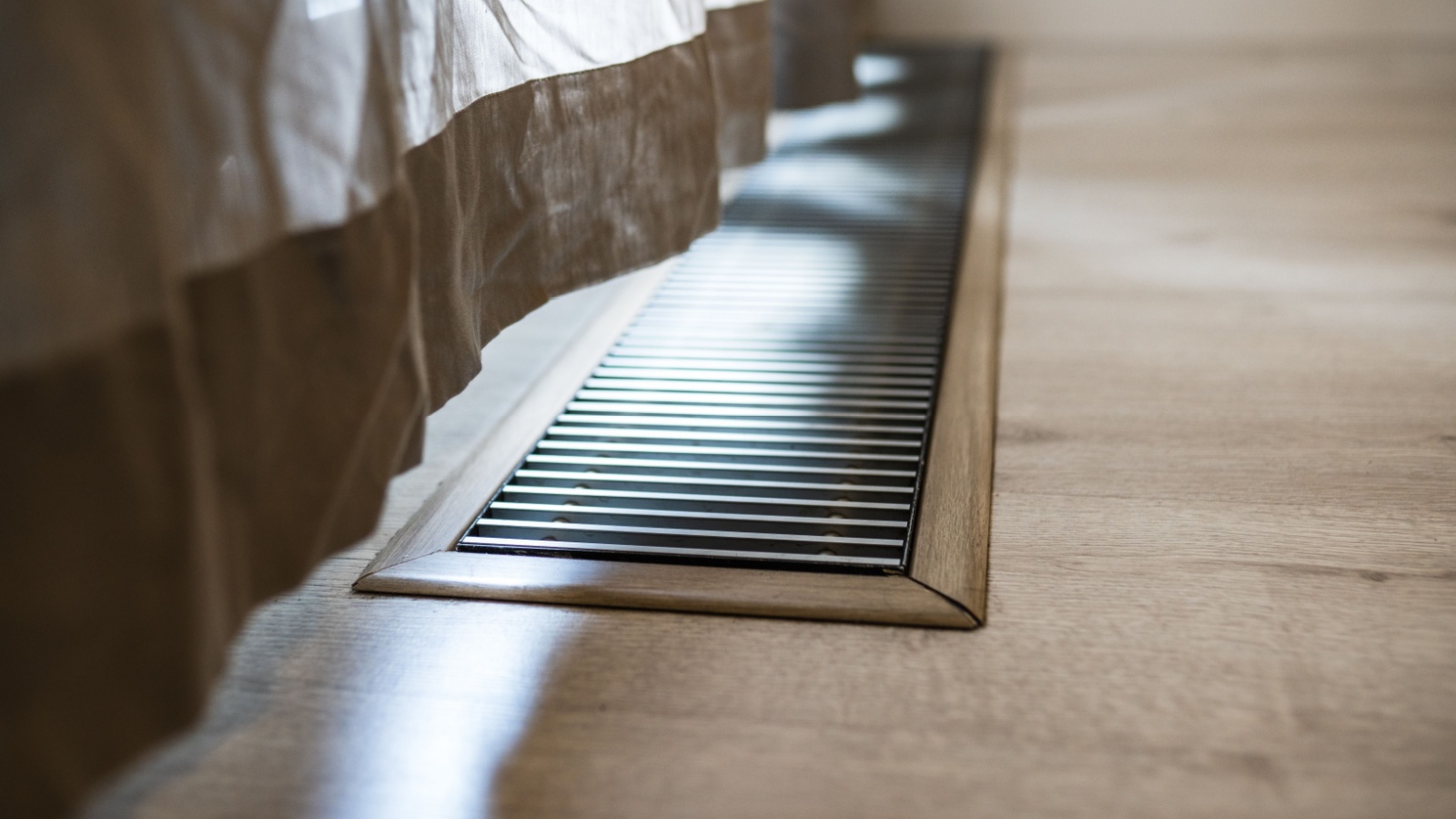
Using fan mode circulates trapped heat evenly. Warm ceiling air moves downwards efficiently. This reduces the required heating output. Running fans costs far less than heating cycles. Canadian homes benefit greatly from consistent airflow. Night circulation prevents temperature stratification. Bedrooms warm up without increasing thermostat settings. Circulation maintains stable indoor climates. Modern furnaces include energy-efficient fan motors. Using continuous low-speed mode enhances distribution. Simple setting adjustments deliver meaningful outcomes.
22 Groceries to Grab Now—Before another Price Shock Hits Canada

Food prices in Canada have been steadily climbing, and another spike could make your grocery bill feel like a mortgage payment. According to Statistics Canada, food inflation remains about 3.7% higher than last year, with essentials like bread, dairy, and fresh produce leading the surge. Some items are expected to rise even further due to transportation costs, droughts, and import tariffs. Here are 22 groceries to grab now before another price shock hits Canada.
22 Groceries to Grab Now—Before another Price Shock Hits Canada
This Options Discord Chat is The Real Deal
While the internet is scoured with trading chat rooms, many of which even charge upwards of thousands of dollars to join, this smaller options trading discord chatroom is the real deal and actually providing valuable trade setups, education, and community without the noise and spam of the larger more expensive rooms. With a incredibly low-cost monthly fee, Options Trading Club (click here to see their reviews) requires an application to join ensuring that every member is dedicated and serious about taking their trading to the next level. If you are looking for a change in your trading strategies, then click here to apply for a membership.