35,000+ smart investors are already getting financial news, market signals, and macro shifts in the economy that could impact their money next with our FREE weekly newsletter. Get ahead of what the crowd finds out too late. Click Here to Subscribe for FREE.
A long weekend getaway can feel affordable when the first booking is made, yet the final cost often tells a different story. Transportation upgrades, meals, parking, baggage, fuel, entertainment, and small convenience purchases can quietly transform a modest escape into a significant household expense.
Statistics Canada reported that Canadian residents spent $30.5 billion on domestic tourism from July through September 2025. The average overnight visit cost $513 and lasted 3.4 nights. Those figures show how quickly even a short break can strain a budget when spending decisions are made separately. These 21 common habits reveal where long-weekend travel costs tend to grow and how better planning can keep the final bill closer to the original estimate.
Waiting Too Long to Lock In Accommodation
21 Ways Canadians Accidentally Overspend During Long Weekend Travel
- Waiting Too Long to Lock In Accommodation
- Choosing the Cheapest Fare Without Considering Flexibility
- Comparing Airfares by the Headline Price Alone
- Packing More Than the Fare Allows
- Arriving at the Airport Without a Parking Plan
- Taking Toll Roads Without Checking the Fee Structure
- Burning Extra Fuel Through Impatient Driving
- Skipping a Basic Vehicle Check Before Departure
- Renting a Larger Vehicle Than the Group Needs
- Paying for Rental-Car Coverage That Already Exists
- Changing Ferry or Reserved Transport Plans Too Late
- Assuming Travel Insurance Covers Every Disruption
- Paying Foreign-Currency Conversion Fees Repeatedly
- Allowing Phones to Roam Automatically
- Misunderstanding Cross-Border Shopping Exemptions
- Treating Restaurant Spending as an Afterthought
- Buying Too Many Groceries for a Cottage or Campsite
- Missing Mandatory Hotel, Rental, or Ticket Fees
- Underbudgeting Campground and Park Extras
- Bringing a Pet Without Pricing the Entire Journey
- Carrying the Weekend Balance on a Credit Card
- 19 Things Canadians Don’t Realize the CRA Can See About Their Online Income
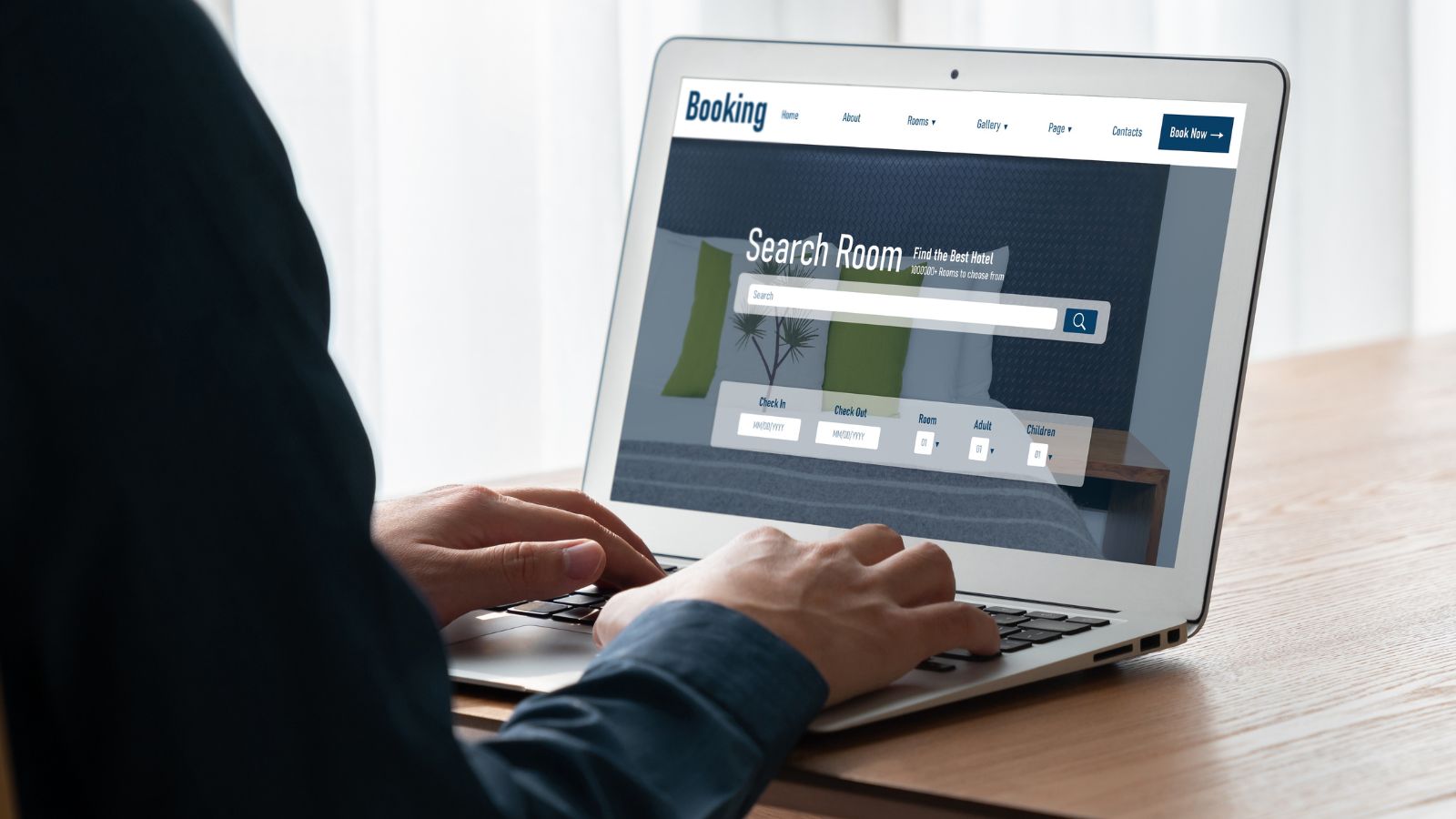
Families sometimes delay reserving a hotel or cottage until every traveller has approved the dates. By then, the reasonably priced rooms may be gone, leaving larger suites, premium locations, or properties requiring longer stays. The problem becomes more noticeable around holiday weekends because many people are competing for a limited number of rooms during the same three- or four-night period.
Canadian residents spent an average of $513 on overnight domestic visits in the third quarter of 2025. In British Columbia, the average reached $547 per overnight visit during the second quarter. A family that postpones booking may therefore be choosing among options that are already expensive before parking, meals, and activities are added. Reserving early does not guarantee the lowest possible price, but it usually provides more choice. A cancellable reservation can also preserve flexibility while preventing the group from settling for an unnecessarily elaborate property simply because little else remains.
Choosing the Cheapest Fare Without Considering Flexibility

A low airfare can look ideal until someone’s work schedule changes, a child becomes ill, or the group decides to return a day earlier. Restrictive fares are inexpensive partly because they remove options. Travellers who buy them without considering how firmly the itinerary is set may later pay a change fee, a fare difference, or the cost of an entirely new ticket.
Air Canada’s current domestic fare rules provide a useful example. Economy Basic tickets do not permit voluntary changes, while certain Standard tickets can carry change fees of $100 to $120 each way. More flexible fare categories may cost more upfront but allow changes without that fee, although a fare difference can still apply. For a couple, a single altered return flight could create hundreds of dollars in extra spending. The better comparison is therefore not simply “cheap versus expensive.” It is the total financial risk of each fare, based on how likely the travel dates are to change.
Comparing Airfares by the Headline Price Alone

The first airfare displayed on a booking page may not represent the amount required for a comfortable or practical journey. Travellers can add checked bags, seat assignments, meals, priority services, or lounge access without realizing how much the trip’s total has changed. Because each addition may appear on a different screen, no individual choice feels especially expensive.
On some Air Canada Basic and Standard fares within Canada, a first checked bag currently costs approximately $45 to $54 each way. Advance standard seat selection can range from $15 to $80 per passenger and flight segment. A family of four checking two bags and selecting seats for a return trip could therefore add several hundred dollars to the advertised fare. Comparing airlines or fare classes should involve building the same realistic basket for each option. A slightly higher fare that includes baggage and seats may ultimately cost less than the lowest headline price once the services the family actually needs are included.
Packing More Than the Fare Allows

Long weekends encourage overpacking because travellers try to prepare for changing weather, dinners, outdoor activities, and children’s unexpected needs. The result may be an extra suitcase or a bag that exceeds the airline’s weight limit. Rearranging belongings at the check-in counter is stressful, and paying the fee often becomes the easiest option.
Air Canada currently lists domestic overweight or oversized baggage charges of approximately $100 to $120. An additional bag above the standard allowance can fall within the same range. Those amounts apply per direction, so a packing mistake can become a round-trip expense. Sports equipment may also have separate charges; certain boards, for example, can cost $100 to $120 each way. Checking dimensions, weighing suitcases at home, and sharing luggage across the group can prevent an unpleasant airport calculation. Packing a compact laundry kit may also be cheaper than bringing a separate outfit for every possible activity during a three-night trip.
Arriving at the Airport Without a Parking Plan
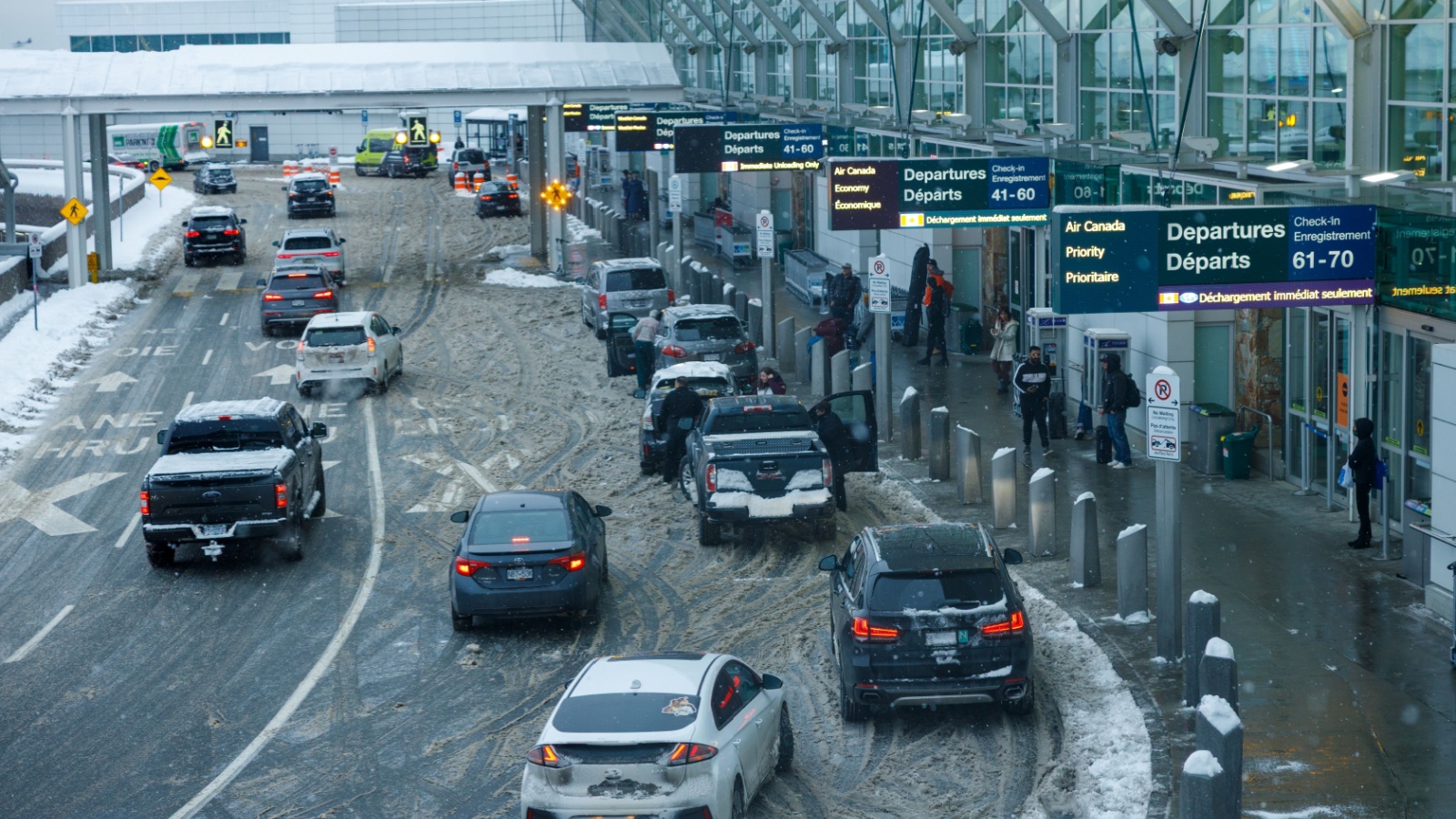
Airport parking is easy to overlook because it is not part of the flight reservation. Travellers may drive to the terminal assuming they will find a reasonable space, only to select the closest available garage while watching the departure clock. Convenience then replaces comparison shopping, and the vehicle continues accumulating charges throughout the weekend.
Toronto Pearson illustrates how much the choice can matter. Its Daily Park facilities currently have a maximum rate of $42 per day, while the Value Park Garage lists a daily rate of $32. Express Park can reach a daily maximum of $59. Over a four-day weekend, the difference between two parking products can exceed $100. Reserving in advance, comparing off-site lots, taking transit, or splitting a taxi with relatives may offer better value. Travellers should also check cancellation terms because prepaid parking may carry fees when plans change. The best option depends on the group, but choosing it at the terminal is rarely an informed decision.
Taking Toll Roads Without Checking the Fee Structure
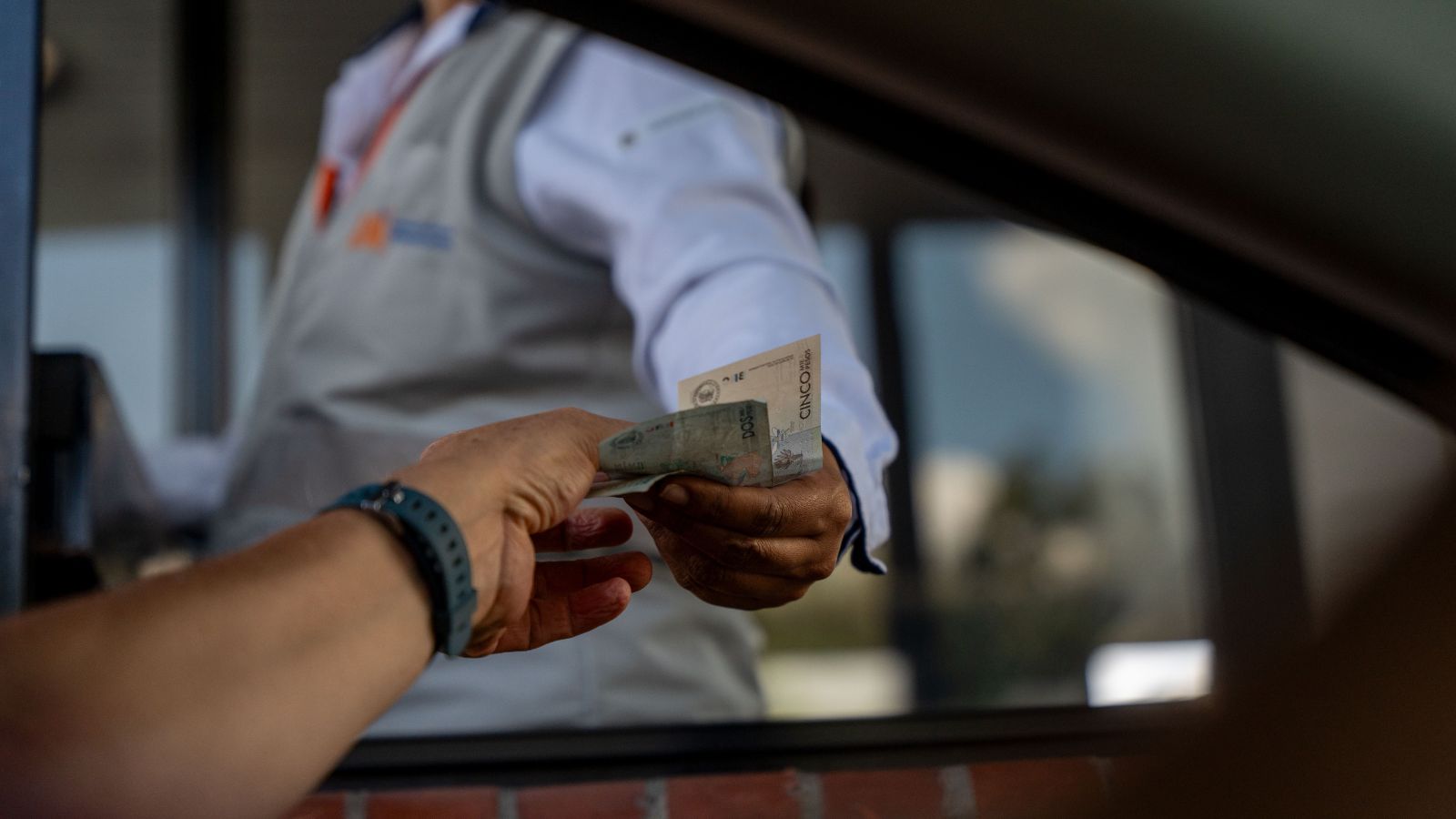
A navigation app may recommend the fastest route without making its financial consequences obvious. During a congested long weekend, drivers often accept the suggestion because saving half an hour feels worthwhile. The toll itself may be expected, but camera charges, account fees, or distance-based pricing can make the eventual bill larger than anticipated.
Ontario’s Highway 407 ETR demonstrates the importance of checking the complete structure. In 2026, a light vehicle travelling without a transponder may face a $5.30 camera charge for each trip and a $5 monthly account fee, in addition to the toll and trip charge. An annual transponder lease costs $31.50 plus tax, and the operator states that it can pay for itself after three round trips by eliminating certain fees. Occasional users should compare the actual toll with the time saved, while frequent users should examine whether a transponder makes sense. Blindly following the fastest route can turn several short drives into a surprisingly expensive convenience.
Burning Extra Fuel Through Impatient Driving

Holiday traffic can encourage rapid acceleration, hard braking, excessive speed, and long periods of idling. Each behaviour seems minor during one journey, yet they collectively increase fuel consumption. A driver who has already budgeted for a single tank may then need an additional fill-up in an unfamiliar area where prices are higher or stations are scarce.
Natural Resources Canada says fuel-efficient driving techniques can reduce fuel consumption and carbon dioxide emissions by as much as 25 percent. Federal guidance has also estimated that driving at 120 kilometres per hour can burn approximately 20 percent more fuel than travelling at 100 kilometres per hour. Smooth acceleration, steady speeds, sensible use of air conditioning, and reduced idling can therefore produce meaningful savings without changing the destination. Leaving earlier also helps. When the schedule includes a buffer, drivers are less likely to treat every passing opportunity as necessary or keep the engine running while the group debates its next stop.
Skipping a Basic Vehicle Check Before Departure

Preventive maintenance rarely feels like part of a vacation budget, which is why it is often postponed. Unfortunately, a weak battery, damaged tire, low fluid level, or worn belt can become far more expensive when it fails hundreds of kilometres from home. Emergency towing and same-day repairs also consume time that was supposed to be spent relaxing.
Transport Canada recommends checking tire pressure, including the spare, at least once a month and before a long journey. Its guidance notes that one tire underinflated by 56 kilopascals, or eight pounds per square inch, can increase fuel consumption by about four percent. CAA has estimated that routine scheduled maintenance can cost roughly $500 to $700 annually, excluding major tire replacements. That may sound substantial, but it is spread across the year and helps reduce the chance of an urgent holiday repair. A short inspection before departure can protect both the travel budget and the itinerary.
Renting a Larger Vehicle Than the Group Needs
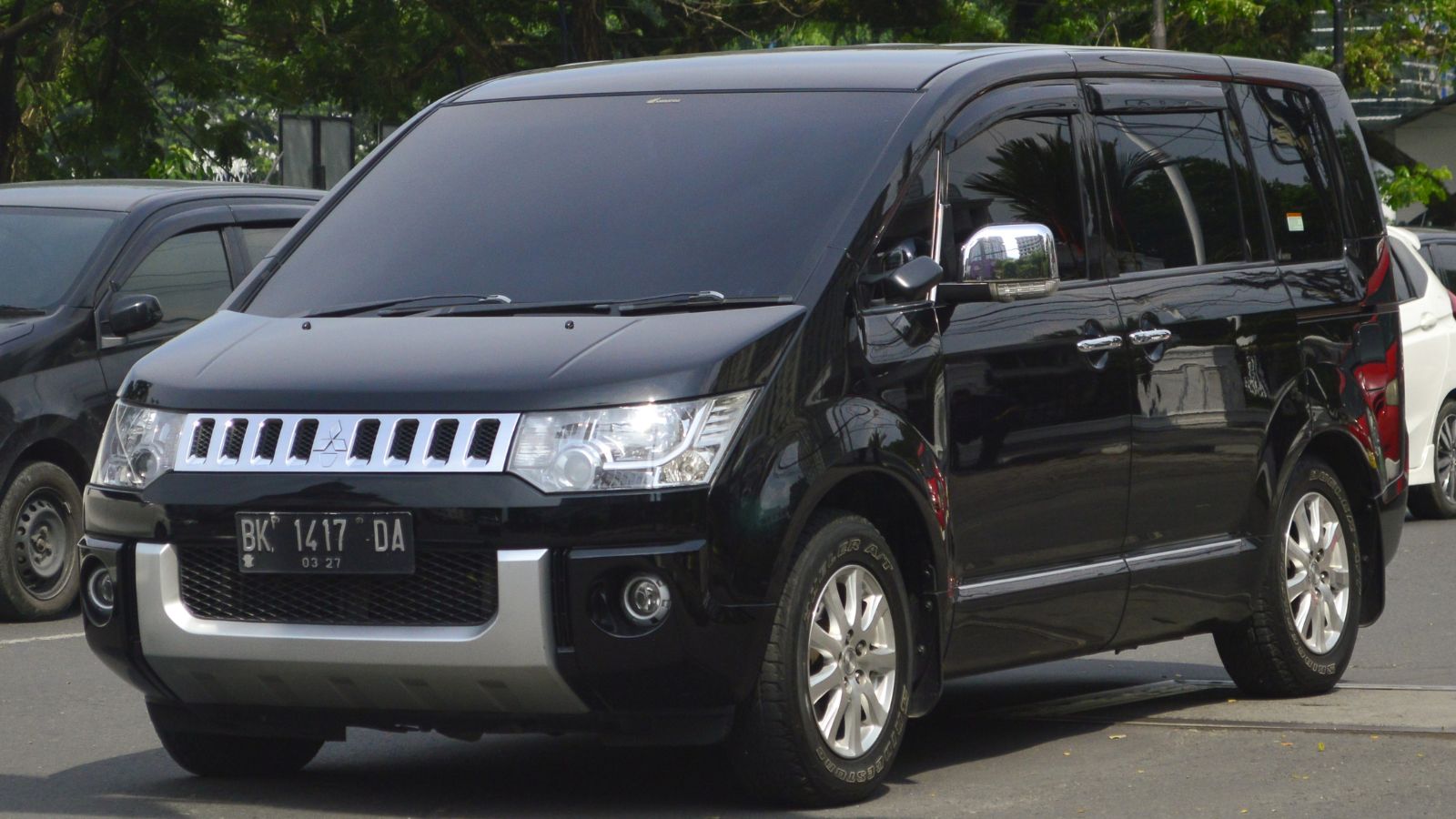
Travellers sometimes reserve an oversized sport utility vehicle because it promises comfort, luggage space, and confidence on unfamiliar roads. The upgrade may appear modest on the booking screen, but larger vehicles can bring higher daily rates, greater fuel consumption, larger security deposits, and extra parking challenges. The group may discover that much of the space remains unused.
Vehicle-rental spending by Canadian residents increased 11.3 percent in the third quarter of 2025 after declining earlier that year. Statistics Canada also recorded a $64.9-million year-over-year increase in vehicle-rental expenditures across Canada during the second quarter, with Atlantic Canada accounting for a substantial share of the gain. Those figures do not mean every rental is excessive, but they show that the category can materially affect travel spending. Before choosing a vehicle, travellers should count passengers, measure major luggage, consider fuel economy, and confirm whether a free upgrade would change the insurance or operating cost.
Paying for Rental-Car Coverage That Already Exists

The rental counter is a difficult place to study insurance language. Travellers are tired, other customers are waiting, and declining coverage can feel risky. Some therefore accept every protection offered even though their personal auto policy, employer benefits, travel card, or premium credit card may already provide certain forms of rental-vehicle coverage.
The Insurance Bureau of Canada notes that an auto-policy endorsement can provide collision and comprehensive protection for rental cars in Canada and the United States. It also advises drivers to review their policies and rental contracts because coverage varies. A hypothetical $30 daily damage waiver adds $120 to a four-day rental before tax. Declining it without confirmed protection could expose the renter to a much larger loss, but buying it automatically may duplicate an existing benefit. The practical solution is to contact the insurer and card issuer before departure, document the answers, and check exclusions involving vehicle type, rental duration, authorized drivers, and geographic limits.
Changing Ferry or Reserved Transport Plans Too Late
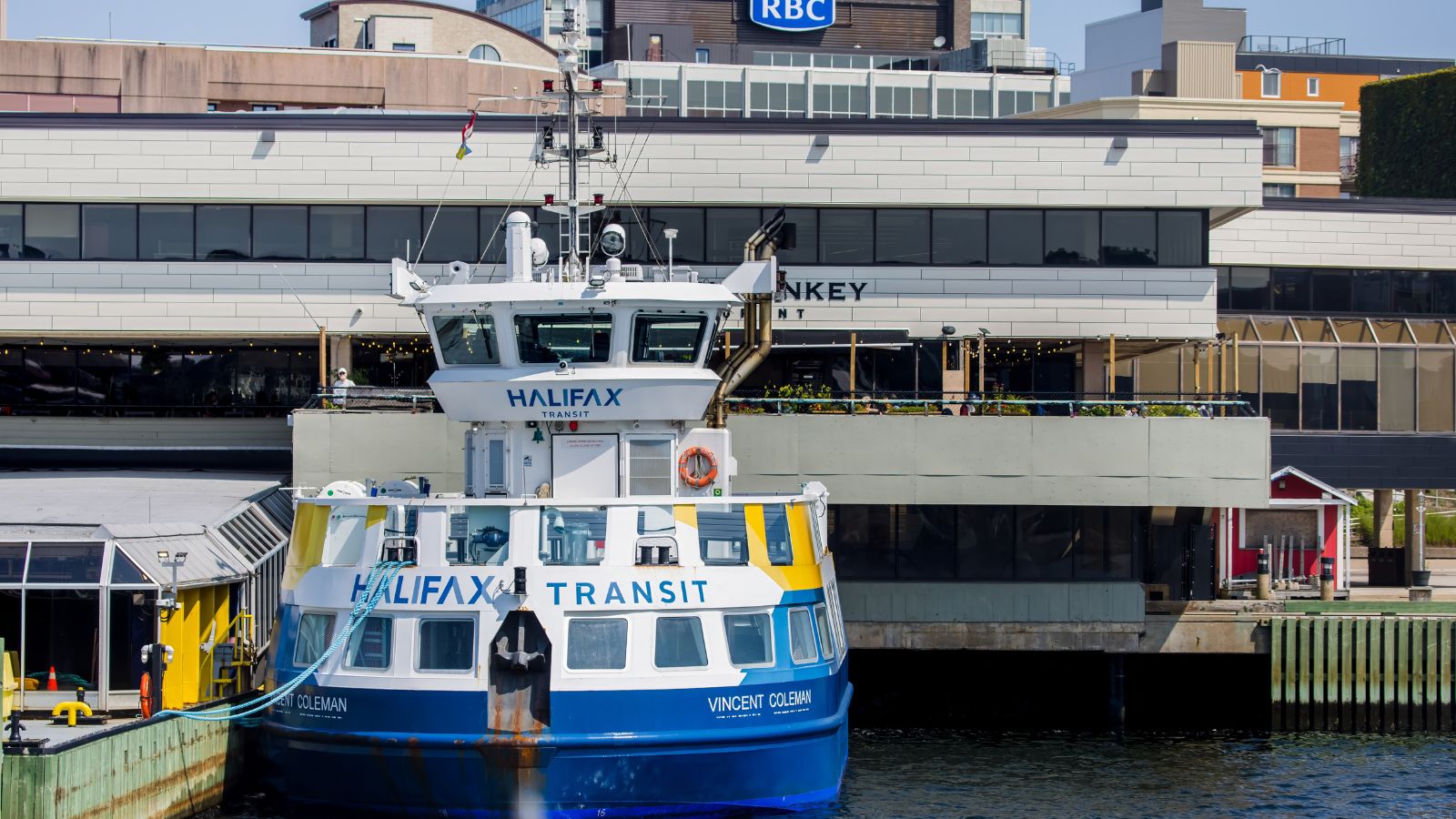
A long-weekend itinerary often depends on a specific ferry, train, or bus departure. Groups sometimes make several tentative reservations or assume they can change plans at the last moment without consequence. When the booking is forgotten, cancelled too late, or missed because the vehicle arrived after loading closed, penalties and replacement transportation can follow.
BC Ferries applies different change, cancellation, and no-show conditions depending on the route and fare. Current examples include $5 to $20 cancellation charges and unredeemed-booking deductions that may reach $20 or $30. Certain routes and products have separate rules, including fees of up to 100 percent for some no-shows. These amounts are manageable individually, but multiple speculative bookings can create unnecessary losses. Every reservation should be placed in one shared itinerary with its cancellation deadline and required arrival time. Cancelling an unwanted sailing promptly also releases space for another traveller during a crowded holiday period.
Assuming Travel Insurance Covers Every Disruption

Buying insurance can create a false sense that every cancelled trip, delay, illness, or regional emergency will be reimbursed. Policies normally contain eligibility requirements, exclusions, documentation rules, and specific covered causes. Travellers who never examine those conditions may spend money on coverage that does not match the risks they are most concerned about.
Global Affairs Canada advises travellers to confirm that their insurance includes trip cancellation and interruption coverage and to read limitations and exclusions carefully. It has also warned that disruptions connected with matters such as fuel shortages or regional conflicts may not always be covered. Consider a family that cancels a prepaid cottage because of a work conflict: insurance may not respond unless that reason appears in the policy. Before paying the premium, travellers should identify non-refundable expenses, existing credit-card benefits, medical needs, and likely cancellation scenarios. The objective is not simply to “have insurance,” but to understand what financial events will trigger reimbursement.
Paying Foreign-Currency Conversion Fees Repeatedly

A cross-border weekend can involve dozens of small card transactions: coffee, fuel, parking, admission tickets, restaurant bills, and shopping. Each purchase may look reasonable in local currency, while the conversion cost remains almost invisible until the Canadian-dollar transactions appear on the statement. Paying in Canadian dollars at a foreign terminal may also involve an unfavourable merchant conversion.
The Financial Consumer Agency of Canada explains that financial institutions apply foreign-currency conversion charges after translating a transaction into Canadian dollars. Canadian card fees vary, but 2.5 percent is common among major issuers. At that rate, US$1,000 worth of purchases would generate the Canadian-dollar equivalent of roughly $25 in conversion charges before considering the exchange rate itself. Travellers should compare their cards, avoid withdrawing cash with a credit card, and select the local currency when a terminal offers a choice unless the displayed conversion has been carefully evaluated. A suitable payment method should be chosen before crossing the border.
Allowing Phones to Roam Automatically

Phones can use mobile data even while sitting in a pocket. Email synchronization, photo backups, navigation, messaging apps, and automatic software activity may continue after the device connects to a foreign network. A traveller who only checks the screen occasionally can therefore return home with roaming charges despite believing the phone was barely used.
The Canadian Radio-television and Telecommunications Commission states that wireless providers generally cannot charge more than $100 for roaming within a billing cycle unless the customer expressly agrees to pay more. Providers must also notify users when international roaming begins. That cap still represents a significant addition to a short getaway, especially when several family members have separate accounts. Before departure, travellers can compare daily roaming packages, local SIM cards, eSIMs, portable Wi-Fi, or Wi-Fi-only use. They should also disable data roaming and automatic backups when those services are unnecessary rather than relying solely on good intentions.
Misunderstanding Cross-Border Shopping Exemptions

A bargain purchased across the border is not automatically a bargain after currency conversion, tax, and possible duty. Some Canadians mentally deduct an exemption before confirming whether the trip is long enough to qualify. Others assume that family members can combine allowances or that a slightly exceeded limit will only be taxed on the excess.
The Canada Border Services Agency provides no personal exemption for an absence of less than 24 hours. After at least 24 hours, eligible residents may claim goods worth up to CAN$200, but exceeding that amount can make duty and taxes applicable to the entire value. After at least 48 hours, the exemption rises to CAN$800, with duty and tax generally applying only above that amount. Exemptions cannot be transferred or combined between travellers. Keeping receipts and using the CBSA estimator before buying a high-value item gives a more accurate picture of the final cost than comparing shelf prices alone.
Treating Restaurant Spending as an Afterthought

Dining costs often escape the original budget because meals are viewed as a series of small decisions rather than one major category. Breakfast on the road, coffee during a fuel stop, lunch near an attraction, dinner at a busy resort, and evening snacks can all occur in one day. Taxes, tips, beverages, and delivery charges further separate the menu price from the final total.
Statistics Canada reported that Canadian residents spent $5.4 billion on food and beverages during domestic visits in the second quarter of 2025, 20.4 percent more than a year earlier. It was the largest travel-spending category during that period. Restaurant prices were also 3.2 percent higher in June 2025 than one year before. A family does not need to eliminate memorable meals, but it can choose them deliberately. Booking accommodation with breakfast, carrying drinks, packing one picnic, and reviewing menus before arriving can preserve room for the dining experiences that genuinely matter.
Buying Too Many Groceries for a Cottage or Campsite

Travellers staying in cottages or campgrounds often compensate for uncertainty by buying too much. The cart fills with oversized packages, multiple breakfast options, condiments already available at the property, and ingredients for meals that will never be prepared. On departure day, refrigerated food may be discarded because there is no cooler space or because different households assume someone else will take it.
Environment and Climate Change Canada identifies excessive stocking as one cause of food loss and waste. Federal research has also found that organic and kitchen material represents roughly 30 percent of the waste disposed of by Canadian households, with produce, bread, and cereal among the commonly wasted groups. A shared meal plan and grocery list can prevent duplicate purchases. Travellers should confirm what the accommodation supplies, assign shopping responsibility, choose ingredients that work in several meals, and leave room in the vehicle for leftovers. Convenience comes from planning enough food, not from purchasing every possible option.
Missing Mandatory Hotel, Rental, or Ticket Fees

Online comparison becomes unreliable when one business displays a partial price while another shows something closer to the total. Travellers may invest time selecting a property or activity and continue with the purchase after mandatory service, facility, cleaning, or booking charges appear late in checkout. Starting again feels inconvenient, especially when the weekend is approaching.
Canada’s Competition Bureau describes this practice as drip pricing. It warns that the advertised price should be attainable and that the only unavoidable charges omitted from the initial total should generally be government-imposed amounts such as sales tax. The Bureau’s enforcement record includes a case involving a mandatory $1.50 online ticket-booking fee that was not displayed adequately upfront. Travel shoppers should compare the final checkout amount rather than search-page prices and capture screenshots of the complete offer. Even where disclosure rules apply, optional extras, deposits, taxes, parking, and separately contracted services can still change the amount that leaves the household account.
Underbudgeting Campground and Park Extras

Camping is often treated as the inexpensive alternative to a hotel, but the campsite is only one part of the cost. Reservation charges, fire permits, firewood, parking, equipment rentals, fishing permits, showers, boat launches, and food-storage supplies may all require separate payment. A family arriving without basic gear can also end up buying expensive replacement items near the park.
Parks Canada’s 2026 fee schedule at Riding Mountain National Park, for example, lists firewood at $14.75 per bundle and a daily fishing permit at $15. During summer 2026, the Canada Strong Pass provides free admission at participating Parks Canada locations and a 25 percent discount on eligible camping and overnight stays. However, parking, mooring, and other additional services may still cost extra. Travellers should read the specific destination’s fee page because services differ between parks. A realistic camping budget should include the site, reservation, fuel, food, firewood, equipment, and one weather-related backup plan.
Bringing a Pet Without Pricing the Entire Journey

Pet owners naturally prefer to include an animal in a family getaway, yet the transportation fee may be only the beginning. Airlines and accommodations can impose separate charges, and travellers may need an approved carrier, cleaning deposit, veterinary paperwork, daycare reservation, or larger vehicle. Pet-friendly rooms can also be limited during busy weekends.
Air Canada currently lists in-cabin pet charges of approximately $50 to $60 each way for travel within Canada or between Canada and the United States. Transport in the baggage compartment can cost approximately $105 to $126 each way on those routes. The airline has also required soft-sided carriers for in-cabin pets since June 2025, potentially creating another purchase for owners with an unsuitable kennel. A round-trip pet fee, new carrier, and hotel surcharge can easily change the economics of the getaway. Comparing the full travel cost with trusted boarding or pet-sitting options provides a more honest basis for the decision.
Carrying the Weekend Balance on a Credit Card
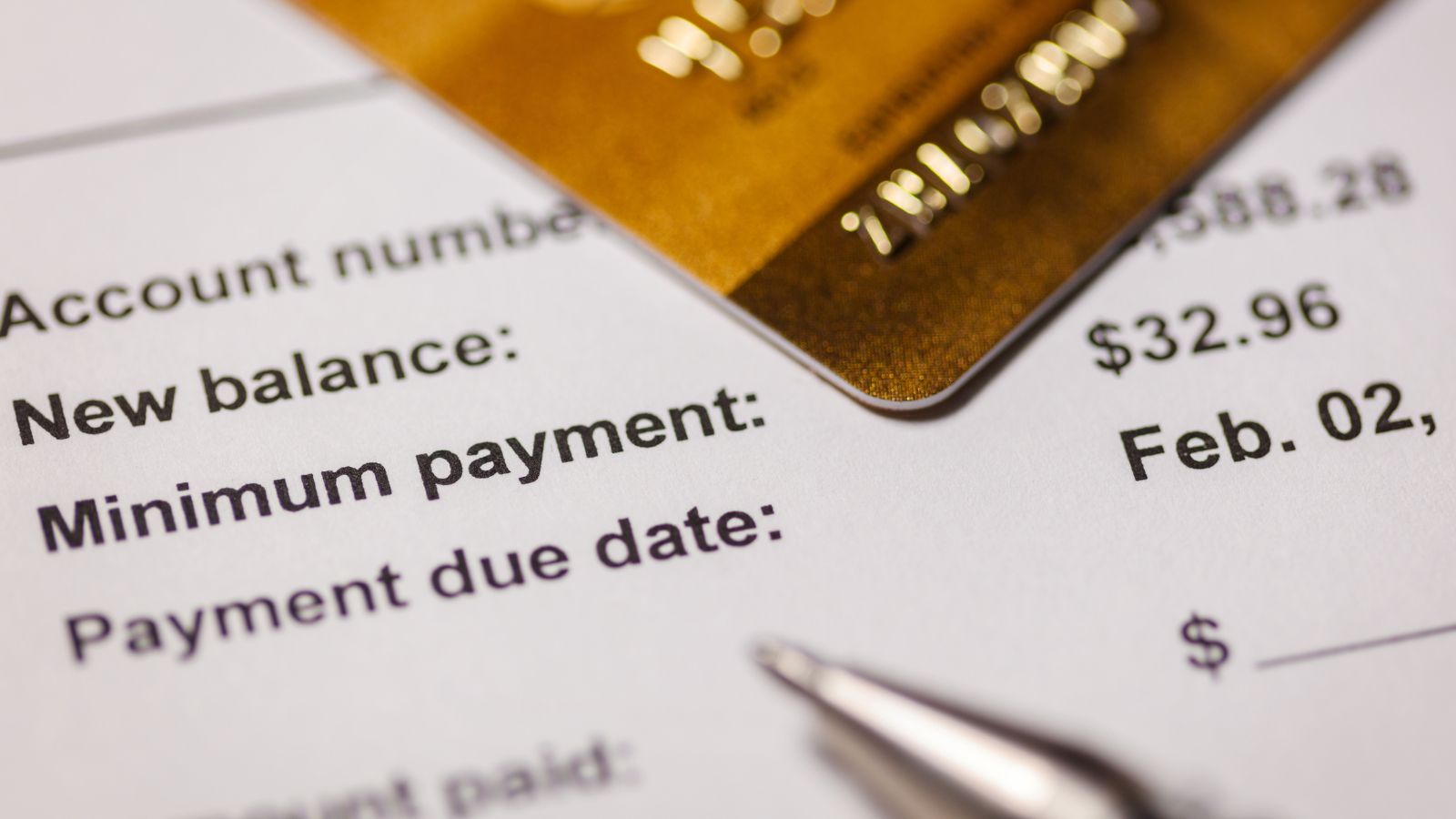
The most expensive part of a long weekend may occur after everyone returns home. When travel purchases remain on a credit card, meals, fuel, and entertainment continue generating costs through interest. Because the original experiences have already ended, those later charges can feel disconnected from the decisions that caused them.
The Financial Consumer Agency of Canada explains that federally regulated institutions must provide an interest-free grace period of at least 21 days on purchases when the balance is paid according to the card’s terms. If the balance is not paid by the due date, interest applies. The agency gives an illustrative example of a card charging 19 percent on ordinary purchases and 22 percent on cash advances, which have no interest-free grace period. Setting a total spending ceiling before departure and making a payment immediately after returning can keep the getaway from becoming a multi-month obligation. Rewards rarely compensate for prolonged interest charges.
19 Things Canadians Don’t Realize the CRA Can See About Their Online Income

Earning money online feels simple and informal for many Canadians. Freelancing, selling products, and digital services often start as side projects. The problem appears at tax time. Many people underestimate how much information the CRA can access. Online platforms, banks, and payment processors create detailed records automatically. These records do not disappear once money hits an account. Small gaps in reporting add up quickly.
Here are 19 things Canadians don’t realize the CRA can see about their online income.
This Options Discord Chat is The Real Deal
While the internet is scoured with trading chat rooms, many of which even charge upwards of thousands of dollars to join, this smaller options trading discord chatroom is the real deal and actually providing valuable trade setups, education, and community without the noise and spam of the larger more expensive rooms. With a incredibly low-cost monthly fee, Options Trading Club (click here to see their reviews) requires an application to join ensuring that every member is dedicated and serious about taking their trading to the next level. If you are looking for a change in your trading strategies, then click here to apply for a membership.