
35,000+ smart investors are already getting financial news, market signals, and macro shifts in the economy that could impact their money next with our FREE weekly newsletter. Get ahead of what the crowd finds out too late. Click Here to Subscribe for FREE.
Heat alerts often expose weaknesses that ordinary summer weather leaves unnoticed: a cooling system that cannot keep up, an upstairs bedroom that never cools, or an overloaded outlet powering too many appliances. Preparation is most effective before indoor temperatures begin climbing and repair appointments become scarce. These 16 checks cover the parts of a Canadian home most likely to affect safety, comfort, food storage, air quality, and emergency readiness during prolonged heat. They also account for the people and animals whose needs may be greater than the thermostat suggests. A few checks take only minutes, while others may reveal maintenance or professional work worth arranging before the next warning.
Know the Alert and Measure the House
16 Things Canadian Homeowners Should Check Before the Next Heat Alert
- Know the Alert and Measure the House
- Test the Central Cooling System Early
- Check the Thermostat and Airflow Path
- Inspect Window and Portable Air Conditioners
- Confirm Ceiling Fans Are Helping
- Block Solar Heat Before It Enters
- Look for Gaps in the Home’s Envelope
- Prepare for Heat and Wildfire Smoke Together
- Measure Basement Humidity and Moisture
- Check Refrigerator and Freezer Readiness
- Review Electrical Loads and Damaged Cords
- Build a Cooling Plan for Power Outages
- Test Smoke and Carbon Monoxide Alarms
- Plan Around Vulnerable Residents and Medications
- Make the Home Safe for Pets
- Update the Emergency Kit and Insurance File
- 19 Things Canadians Don’t Realize the CRA Can See About Their Online Income

A heat alert should trigger more than a glance at the outdoor forecast. Homeowners need to know which rooms become hottest, especially upstairs bedrooms, enclosed sunrooms, and spaces over garages. Place thermometers in the main living area and in any room used by an older adult, infant, or person with a chronic condition. Record afternoon and overnight readings for several days; a house that never cools after sunset deserves attention before the warning arrives.
Health Canada now recommends keeping indoor temperatures at or below 26°C to protect adults aged 60 and over. Its evidence review also notes that sustained exposure between 26°C and 31°C, particularly overnight, should be avoided when possible. That makes an inexpensive thermometer a safety tool, not merely a comfort gadget. A family may discover, for example, that the thermostat reads 25°C downstairs while a top-floor bedroom sits several degrees warmer. That gap changes the cooling plan.
Test the Central Cooling System Early

Central air conditioners and heat pumps should be tested before temperatures climb, not during the first sweltering afternoon when service companies are overwhelmed. Run the system to confirm cool air reaches every floor, listen for unfamiliar rattling, and check whether water is draining normally. Outside, remove leaves, grass, and other debris from around the condenser without damaging the fins. Inside, inspect the filter and replace or clean it as directed.
Natural Resources Canada says dirty filters, coils, and fans reduce airflow, capacity, and efficiency, and neglect can damage compressors. It recommends servicing central air conditioning just before the cooling season. A common warning sign is a system that runs almost continuously while the house remains warm. That does not automatically mean the equipment is undersized; restricted airflow, a blocked outdoor unit, or a refrigerant problem may be involved instead. Refrigerant and electrical work should be left to a qualified technician.
Check the Thermostat and Airflow Path

A cooling system can be functional yet still fail the rooms that matter most. Homeowners should replace weak thermostat batteries, confirm the displayed temperature with a thermometer, and make sure the thermostat is not warmed by a lamp, television, or direct sun. Supply registers and return-air grilles should be open, clean, and unobstructed by furniture, rugs, boxes, or curtains. Closing too many vents can disrupt designed airflow instead of redirecting cooling.
Natural Resources Canada notes that upper storeys commonly run hotter because they receive more solar heat and warm air rises. Many Canadian duct systems were designed primarily for winter heating and are controlled by one main-floor thermostat, so a comfortable living room can hide an overheated bedroom. A practical test is to compare room temperatures after the system has operated for one hour. Large, persistent differences may justify professional balancing, duct inspection, or separate cooling for the hottest room.
Inspect Window and Portable Air Conditioners
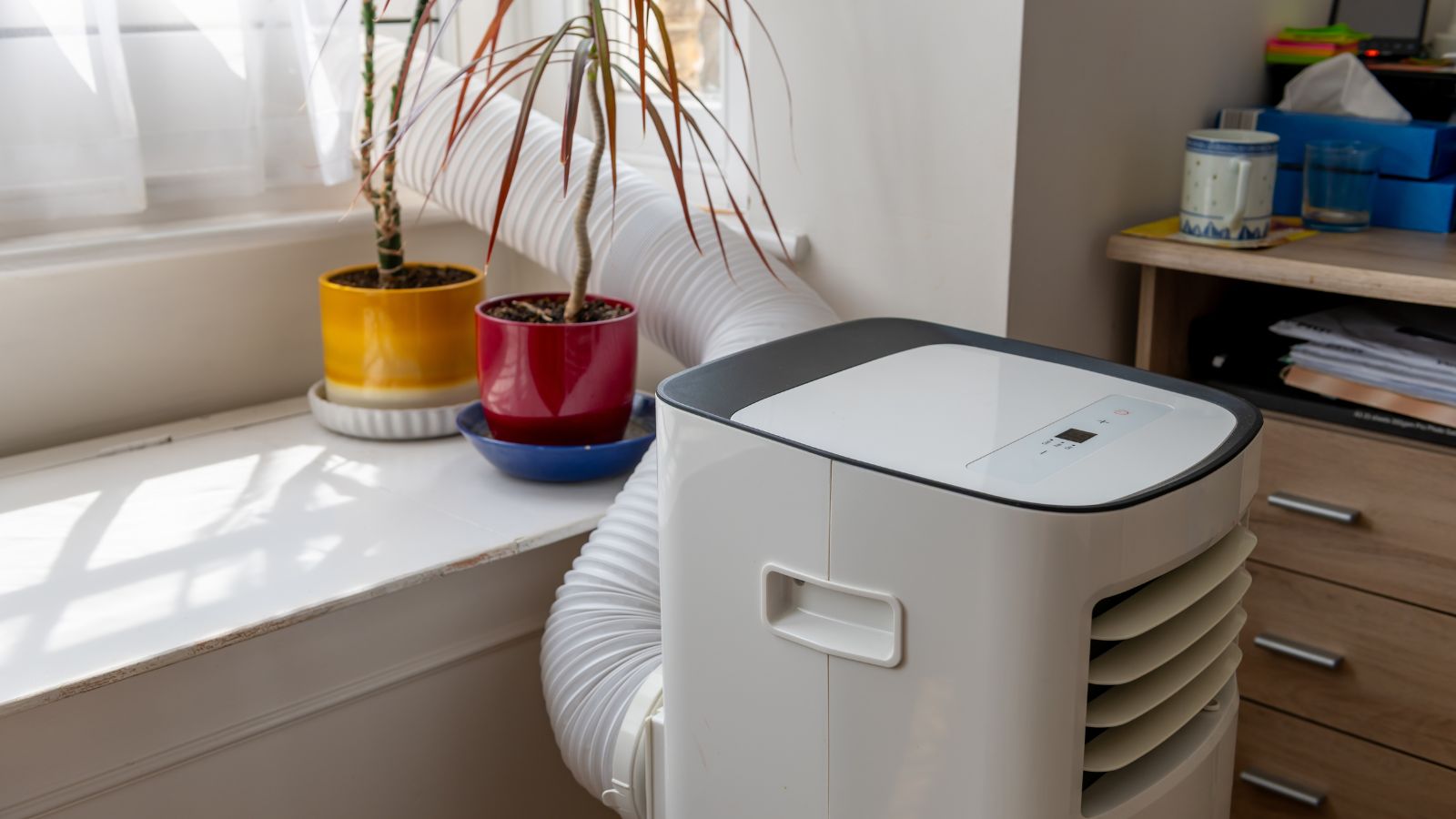
Window and portable air conditioners deserve a physical inspection before running for days. A window unit should be secured and level as directed, sealed around the opening, and able to drain outdoors without leaking onto walls or floors. Portable units need an intact hose, a tight window kit, and clearance around air intakes. Filters should be cleaned, vents left uncovered, and condensate tanks or drains checked before overnight use.
Natural Resources Canada recommends cleaning a room air conditioner’s filter once each season and keeping its condenser free of debris. The Electrical Safety Authority warns that air conditioners should not be powered through extension cords because cords may overheat and catch fire. Plug the unit directly into a wall receptacle and stop using it if the plug, outlet, or cord becomes hot, discoloured, loose, or damaged. A unit that repeatedly trips a breaker needs professional assessment, not a larger power bar.
Confirm Ceiling Fans Are Helping
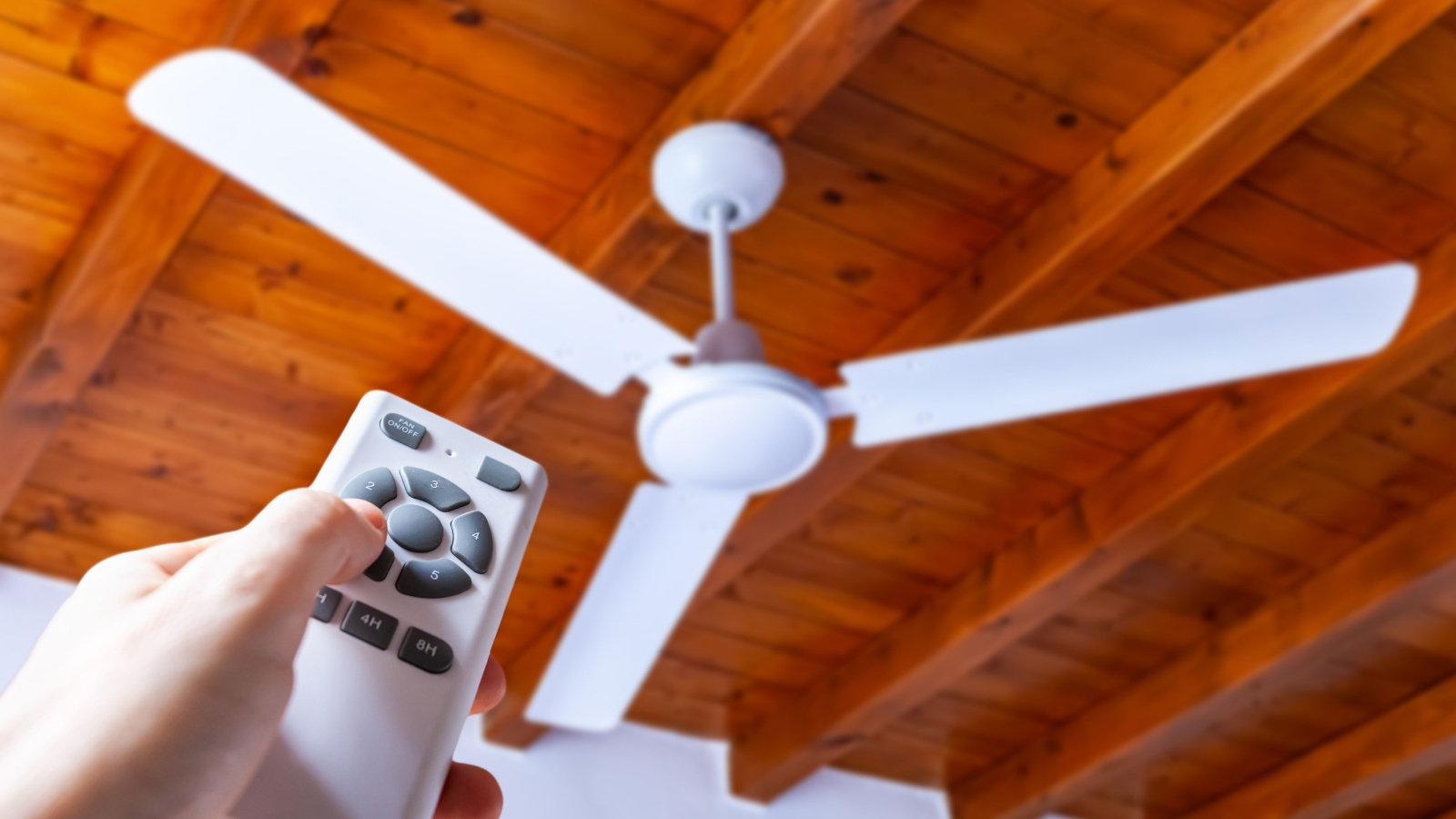
Ceiling and portable fans can make a cooled room feel more comfortable, but they need to be used correctly. In summer, most ceiling fans should rotate counterclockwise from below, pushing air downward and creating a breeze across skin. Clean blades, tighten loose hardware, and test every speed. Portable fans should sit on stable surfaces with intact guards and cords, away from curtains, water, and areas where they could be knocked over.
Natural Resources Canada says ENERGY STAR certified ceiling fans use 60% less energy on average than standard models. Fans cool people through air movement, not empty rooms, so switching them off when everyone leaves saves electricity. Health Canada adds an important limit: fans become ineffective at cooling the body when temperatures exceed 35°C. In a dangerously hot home, a roaring fan is not proof of safety. Active cooling, cool showers, or relocation to an air-conditioned place may be necessary.
Block Solar Heat Before It Enters

Windows can turn a bright room into a greenhouse long before the outdoor temperature peaks. Check that blinds, curtains, shutters, or awnings operate smoothly and can cover the sunniest glazing, especially on south- and west-facing sides. Close them before sunlight reaches the glass, not after the room heats. Exterior shading is particularly useful because it stops solar energy before it crosses the window. Indoors, move heat-producing lamps and electronics away from the thermostat.
Health Canada recommends blocking daytime sun and opening windows at night when conditions are safe. That second step should be based on actual temperatures and air quality, not habit. If outdoor air remains hotter than the house, open windows add heat. If wildfire smoke is present, homeowners may need to keep windows closed and rely on filtered cooling. A simple routine compares indoor and outdoor thermometers after sunset, and ventilates only when the outside reading is lower.
Look for Gaps in the Home’s Envelope

Cooling can disappear through cracks that make a house drafty in January. Before a heat alert, inspect weatherstripping around exterior doors, caulking around window frames, the attic hatch, and openings where cables or pipes pass through walls. Gaps and loose seals let hot air enter and cooled air escape. Homeowners should also check whether attic insulation is disturbed, compressed, wet, or missing around access points, avoiding electrical hazards.
Natural Resources Canada describes retrofitting as a way to keep heat in during winter and keep a home cooler in summer. Its guidance recommends caulking, gaskets, and weatherstripping for an effective air barrier. A repair can have an outsized comfort effect in a room that previously heated rapidly each afternoon. However, air sealing should not block intentional ventilation, combustion-air openings, soffit vents, or exhaust pathways. Large or recurring attic problems, moisture damage, and work near wiring are better assessed by qualified professionals.
Prepare for Heat and Wildfire Smoke Together
Heat alerts can overlap with poor air quality, forcing homeowners to balance cooling and smoke protection. Check the Air Quality Health Index with the temperature forecast, and confirm that the home has clean HVAC filters or a portable air cleaner sized for the main occupied room. Use the highest-quality filter the system manufacturer allows; installing one that is too restrictive can reduce airflow and strain equipment. Keep replacement filters ready.
Health Canada advises keeping windows and doors closed during wildfire smoke, while emphasizing that protection from dangerous heat remains the priority. Certified portable air cleaners that remove fine particles can help create a cleaner room, but they do not replace air conditioning. A household without cooling may need to open windows when outside air is cooler despite smoke, or relocate to a public space offering both cooling and filtered air. Decide on backup locations and transportation before conditions become severe.
Measure Basement Humidity and Moisture

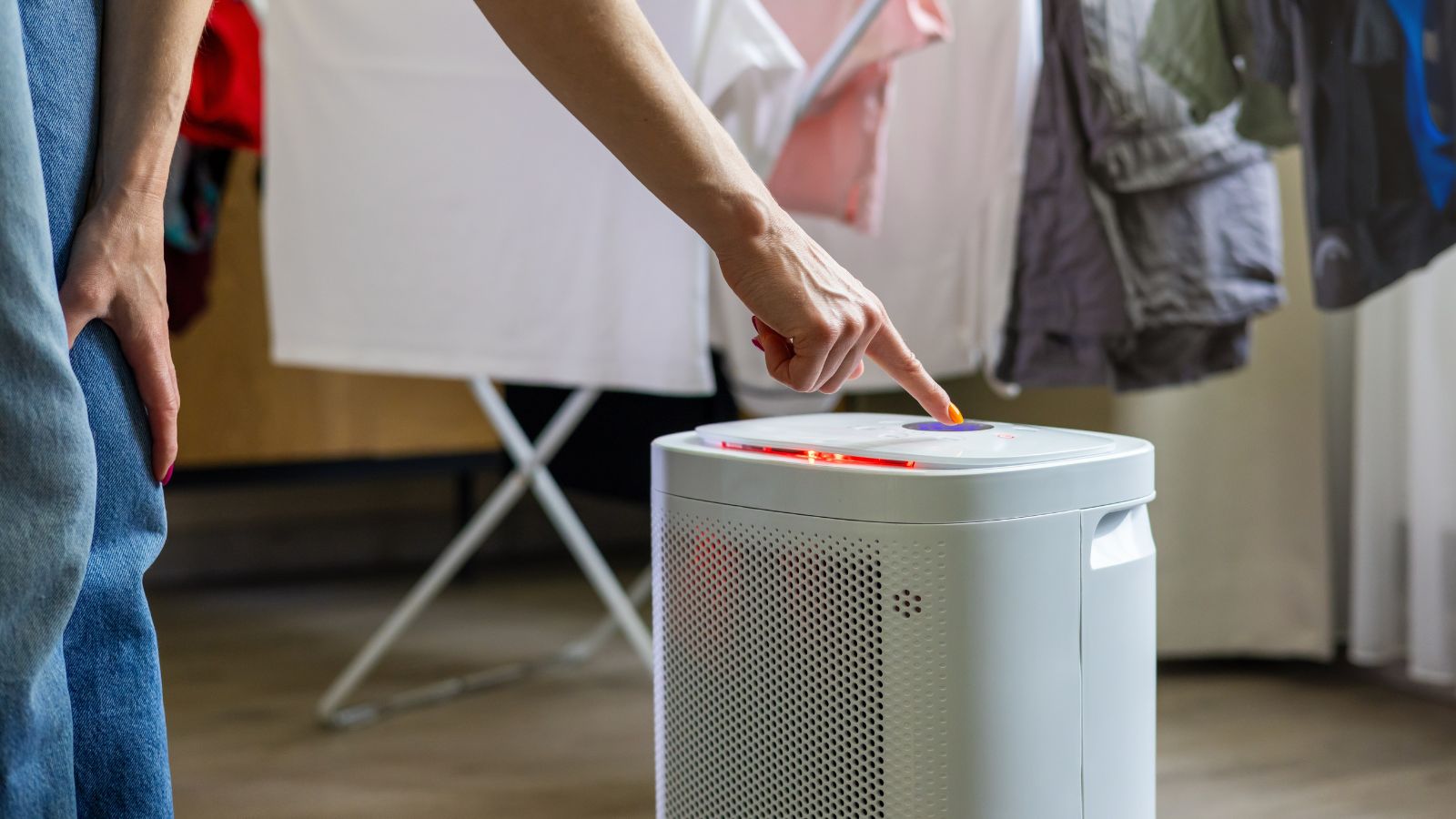
A basement may feel cool during a heat wave yet still develop damaging humidity. Check a hygrometer, inspect window wells and corners, and look behind stored boxes for condensation, odours, damp drywall, or mould. Air conditioners reduce moisture, but open windows on humid days may bring air that condenses on cool surfaces. Dehumidifier filters, drain hoses, collection buckets, and automatic shutoffs should be cleaned and tested before continuous use.
Health Canada recommends maintaining indoor relative humidity between 30% and 50% and using a dehumidifier when necessary. It advises using one in damp areas or above 50% relative humidity. The agency also recommends repairing plumbing leaks promptly, keeping eavestroughs clear, and directing downspouts and irrigation water away from the foundation. A homeowner who notices the basement humidity climbing each afternoon may prevent a mould problem by correcting drainage early. Persistent moisture or extensive mould requires professional investigation rather than cosmetic cleaning.
Check Refrigerator and Freezer Readiness
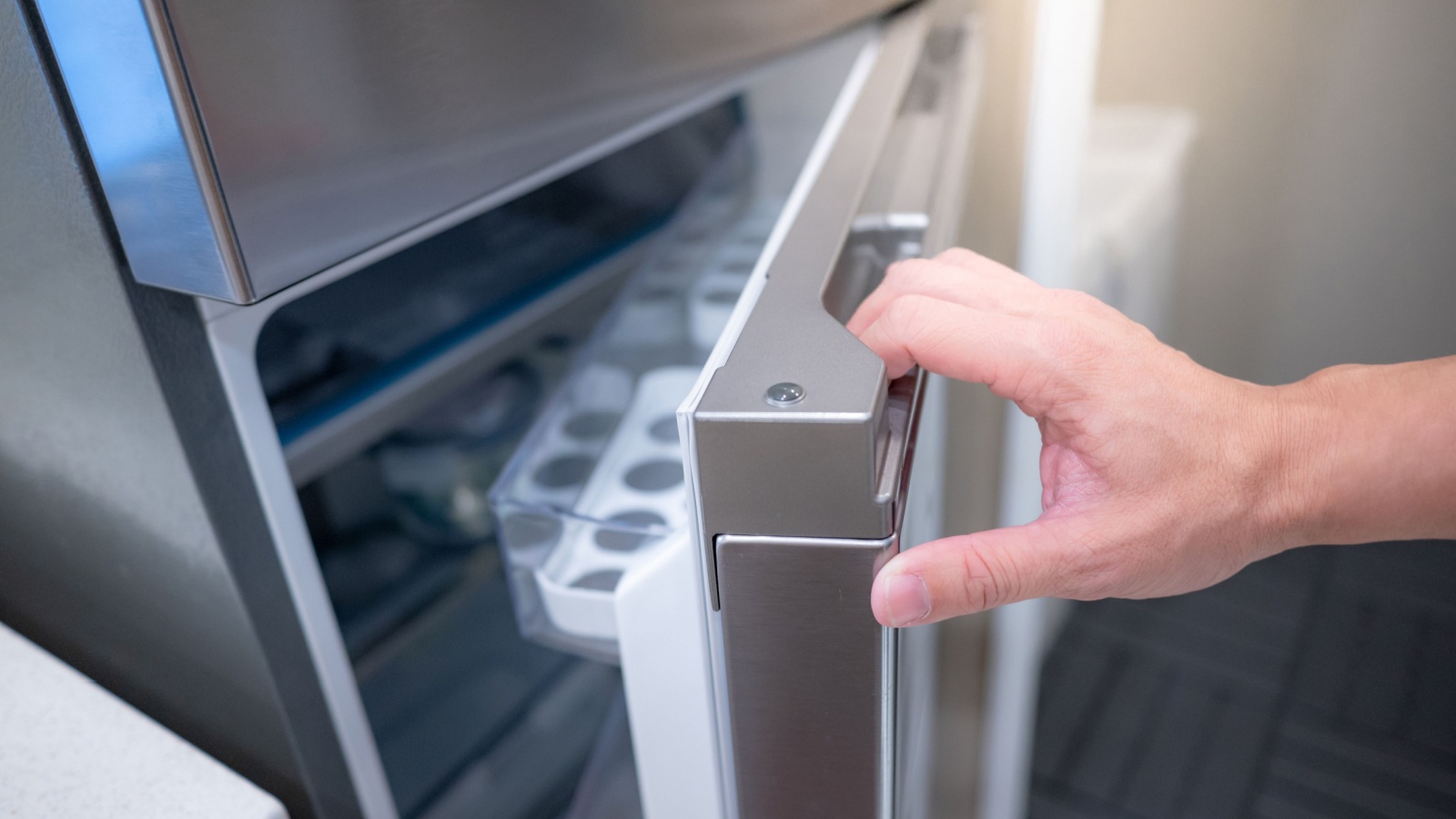
Refrigerators work harder in hot kitchens, and a power interruption can quickly turn groceries into a safety problem. Place appliance thermometers where they can be read easily, check door seals, vacuum condenser dust as directed, and avoid overpacking vents inside the compartments. Health Canada advises keeping refrigerators at 4°C or lower and freezers at -18°C or lower. Frozen water containers can add useful cold mass, while leaving room for air circulation.
During an outage, keep the doors closed. Health Canada says an unopened refrigerator generally stays cold for about four hours, a full freezer for about 48 hours, and a half-full freezer for about 24 hours. These figures assume closed doors. A paper sign can stop repeated checking. Homeowners should also know where coolers and ice packs are stored and identify a nearby powered location for essential food or sensitive items. When food safety is uncertain, smell alone is never a reliable safety test.
Review Electrical Loads and Damaged Cords
A heat alert can strain circuits as air conditioners, fans, dehumidifiers, freezers, and air cleaners operate together. Look for frayed cords, cracked plugs, loose receptacles, scorch marks, buzzing, or warm outlets. High-draw cooling appliances should use appropriate wall outlets, not daisy-chained power bars. Cords should never run under rugs or furniture, where heat and damage stay hidden. Products should carry a Canadian certification mark.
Ontario’s Electrical Safety Authority warns against extension cords for air conditioners because they may overheat and catch fire. It also cautions against overloading multi-tap devices. A repeatedly tripping breaker is protective; resetting it again and again does not solve the underlying problem. The safer response is to reduce the load and arrange an inspection by a licensed local electrical contractor. Homeowners planning a new receptacle or circuit should follow applicable provincial or territorial permit, notification, and inspection rules before any electrical work begins inside the home.
Build a Cooling Plan for Power Outages

Power failures during extreme heat remove air conditioning when most needed. Check flashlights, power banks, battery radios, utility numbers, and the nearest cooling centre or air-conditioned location. Decide how vulnerable people or pets will move if indoor temperatures keep rising. Public Safety Canada notes outages can remove cooling, water, internet, and phone service, so the plan should not depend on one device or one route.
Anyone using a fuel-burning generator must treat carbon monoxide as a major hazard. Federal guidance says generators should operate at least six metres from buildings, directing exhaust away from doors and windows. They must never be plugged into a wall outlet; connection to household wiring requires an approved transfer panel installed by a qualified electrician. Keep working carbon monoxide alarms in the home and use properly rated, CSA-approved cords if needed. A generator is useful only when its placement, fuel, connections, and instructions are understood.
Test Smoke and Carbon Monoxide Alarms
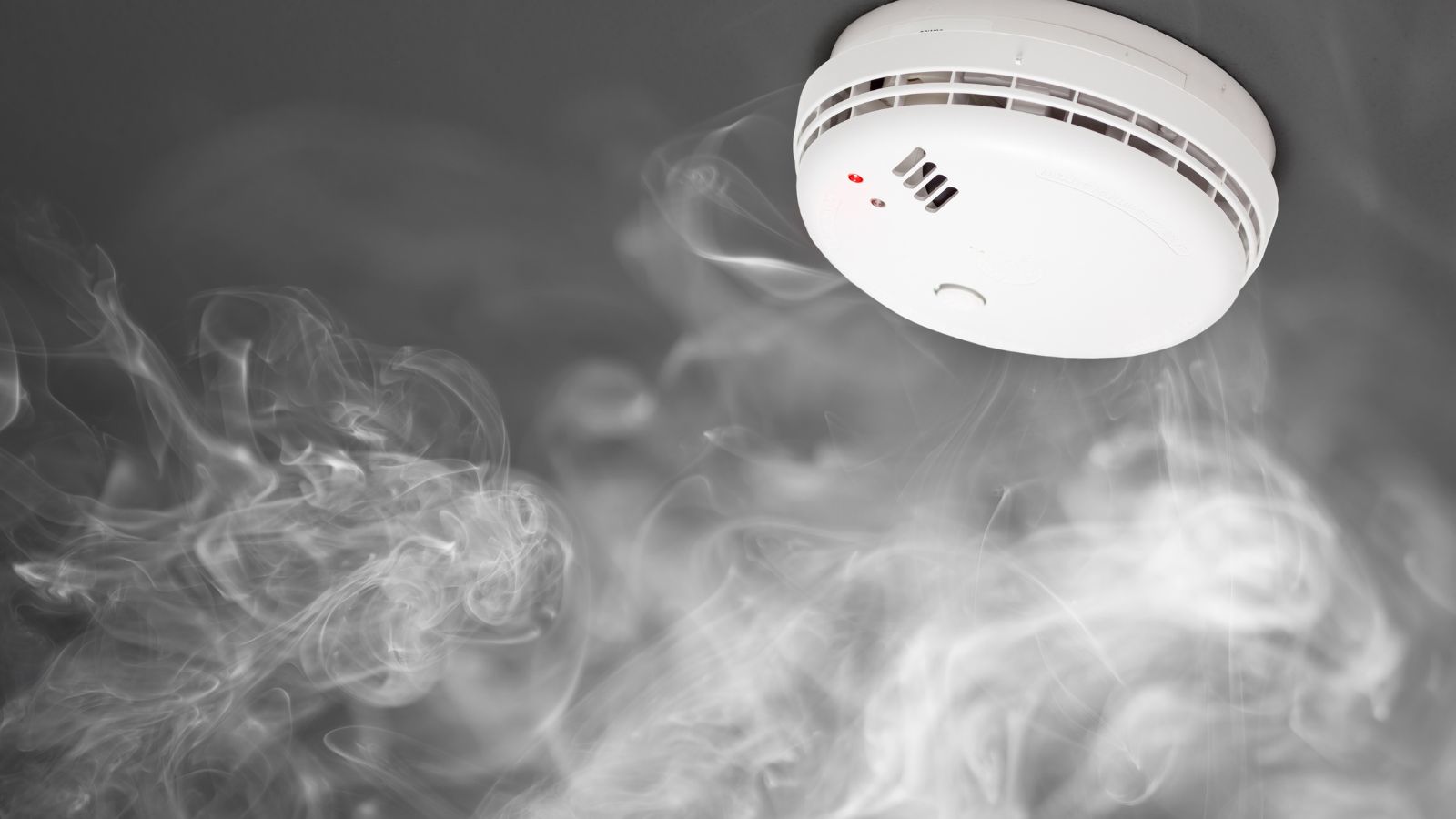
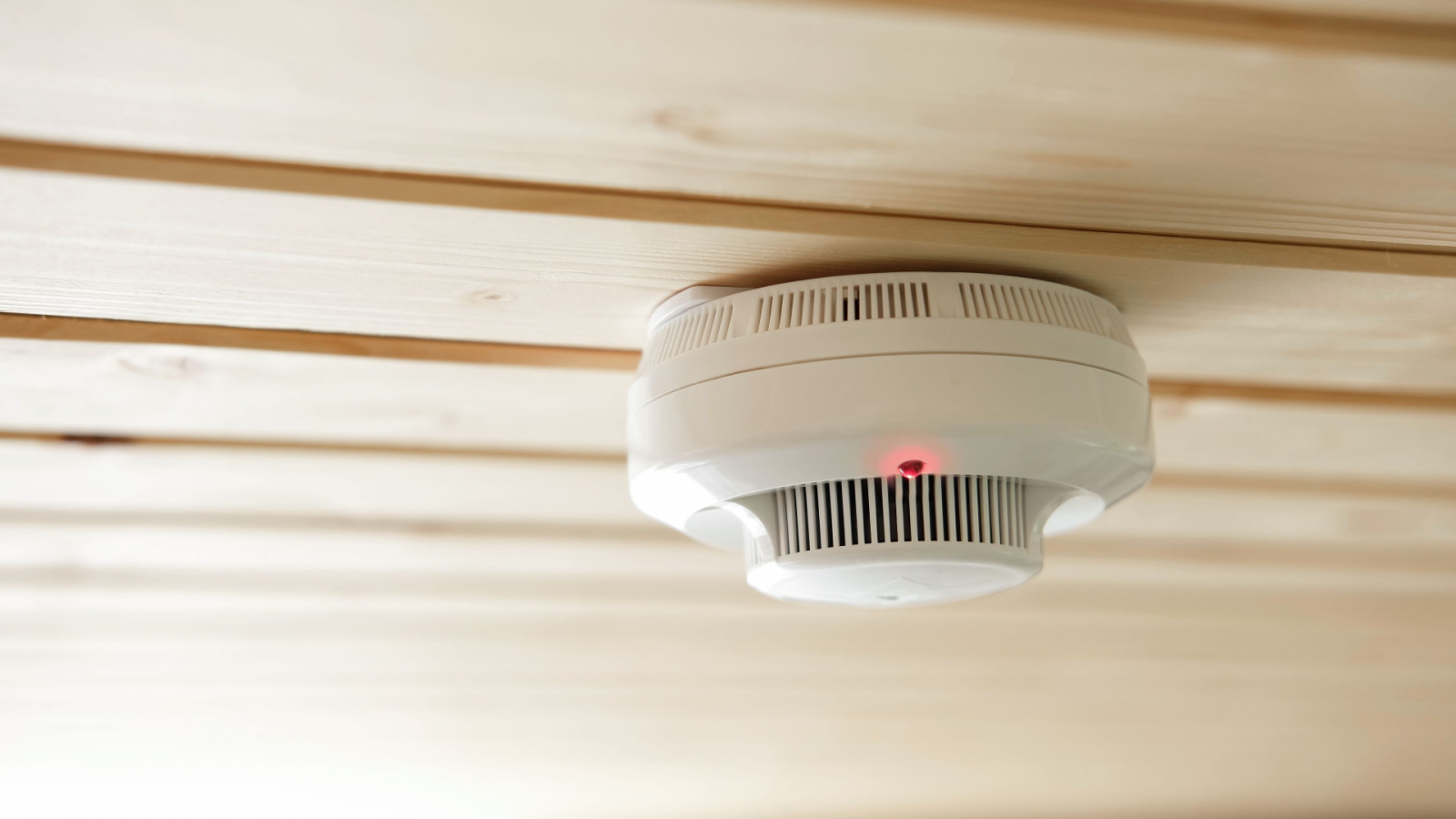
Heat itself does not trigger a carbon monoxide alarm, but outage equipment can create lethal gas. Before the season intensifies, press the test buttons on smoke and carbon monoxide alarms, replace batteries as required, check replacement dates, and ensure sleepers can hear them. Health Canada says every home should have smoke and carbon monoxide detectors on each floor and beside each sleeping area. Local codes may be stricter.
Carbon monoxide cannot be seen, tasted, or smelled, so a certified alarm provides reliable warning. Barbecues, camping stoves, charcoal grills, and fuel-burning generators must stay outdoors, away from doors, windows, and air intakes; an open garage door does not make indoor operation safe. If an alarm sounds, everyone should leave immediately, move to fresh air, and call emergency services from outside. Also review the household escape route carefully and make sure exits are not blocked by boxes, furniture, or stored seasonal gear.
Plan Around Vulnerable Residents and Medications

A house can be tolerable for one occupant and dangerous for another. Identify older adults, young children, people with chronic conditions, limited mobility, or caregiver dependence. Establish a cool room, schedule check-ins, and write down the point for relocation. Health Canada recommends a 26°C upper limit for older adults and notes some people with frailty or multiple conditions may need cooler surroundings.
Medication storage also deserves a pre-alert review. Health Canada notes room-temperature medicines are typically kept below 26°C, but instructions vary by product. Check labels and manufacturer instructions, and ask a pharmacist how to protect medicines, insulin, or other temperature-sensitive supplies during heat or outages. Do not improvise refrigeration or freeze products unless directed. An air-conditioned neighbour’s home, pharmacy-approved cooler, or backup power arrangement may be part of the plan. Medical devices should have charged backup batteries, compatible chargers, written instructions, and current emergency contact details clearly posted nearby.
Make the Home Safe for Pets

Pets depend on the home’s cooling plan and may show distress before people recognize unsafe heat. Check that fresh water is available in several locations, shaded resting areas remain accessible, and crates avoid direct afternoon sun. Thick-coated, flat-faced, elderly, overweight, and young animals can be especially vulnerable. Walks should move to early morning or evening, avoiding hot pavement and shortening exercise when temperatures rise.
The BC SPCA reports nearly 1,000 annual calls about animals left in hot vehicles and advises leaving pets at home with shade, water, and a cool place to rest. Signs including excessive panting, drooling, agitation, or rapid heartbeat require immediate attention and veterinary advice. Fans alone may not provide enough cooling in extreme indoor heat, especially away from airflow. Homeowners should also include pet food, water, medication, carriers, leashes, and veterinary records in the emergency plan, along with a confirmed nearby cool destination that accepts animals.
Update the Emergency Kit and Insurance File
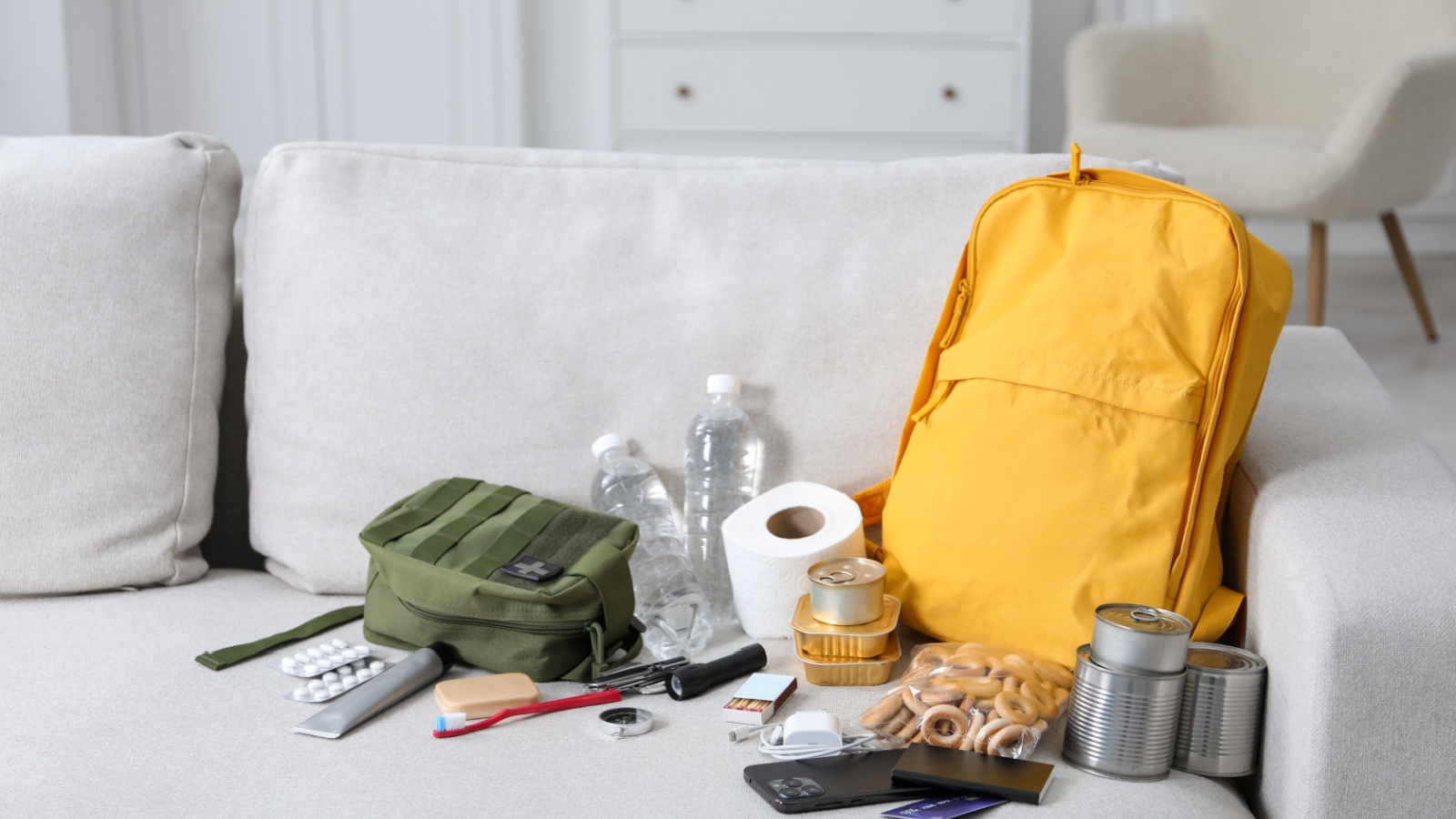
The final check is administrative but matters when power fails. Public Safety Canada recommends being self-sufficient for at least 72 hours and storing at least two litres of water per person per day for drinking, cooking, and hygiene needs. Review bottled-water dates, food, lights, batteries, first aid, medicines, pet supplies, cash, and cables. Keep the kit accessible, not buried or locked in a hot shed.
Also read the policy before a loss, save the claims number, photograph major appliances, and keep receipts for equipment or emergency purchases. The Insurance Bureau of Canada notes that freezer contents may be covered for food spoilage caused by an accidental power interruption, but limits, deductibles, and exclusions vary. Coverage should never be assumed from a neighbour’s experience. A call can clarify food spoilage, electrical surge, temporary accommodation, and equipment-breakdown provisions. Store records digitally, give a copy to a contact, and keep one in the kit.
19 Things Canadians Don’t Realize the CRA Can See About Their Online Income

Earning money online feels simple and informal for many Canadians. Freelancing, selling products, and digital services often start as side projects. The problem appears at tax time. Many people underestimate how much information the CRA can access. Online platforms, banks, and payment processors create detailed records automatically. These records do not disappear once money hits an account. Small gaps in reporting add up quickly.
Here are 19 things Canadians don’t realize the CRA can see about their online income.
This Options Discord Chat is The Real Deal
While the internet is scoured with trading chat rooms, many of which even charge upwards of thousands of dollars to join, this smaller options trading discord chatroom is the real deal and actually providing valuable trade setups, education, and community without the noise and spam of the larger more expensive rooms. With a incredibly low-cost monthly fee, Options Trading Club (click here to see their reviews) requires an application to join ensuring that every member is dedicated and serious about taking their trading to the next level. If you are looking for a change in your trading strategies, then click here to apply for a membership.