
35,000+ smart investors are already getting financial news, market signals, and macro shifts in the economy that could impact their money next with our FREE weekly newsletter. Get ahead of what the crowd finds out too late. Click Here to Subscribe for FREE.
Investing always involves risk. That part is unavoidable. The real problem starts when risk quietly grows beyond what you can handle. In Canada, that might mean heavy exposure to energy stocks, speculative tech, or a few trendy ETFs. Markets shift. Interest rates change. The TSX moves with commodities. What felt balanced last year can feel reckless today. Many investors do not notice the shift until volatility hits. By then, emotions are driving decisions. A portfolio should match your goals, timeline, and sleep schedule. If it does not, warning signs appear. Here are 21 signs you’re taking too much risk in your portfolio (Canadian edition).
You Check Your Portfolio Several Times a Day
21 Signs You’re Taking Too Much Risk in Your Portfolio (Canadian Edition)
- You Check Your Portfolio Several Times a Day
- A Single Stock Makes Up a Huge Percentage
- You Rely Heavily on Resource Stocks
- You Borrowed to Invest
- You Do Not Know Your Asset Allocation
- You Panic During Market Corrections
- You Chase Hot Sectors
- You Ignore Fixed Income Completely
- You Depend on Dividends From Risky Companies
- You Have No Emergency Fund
- You Invest Money Needed Within Five Years
- Your Portfolio Mirrors One ETF
- You Ignore Currency Exposure
- You Rarely Rebalance
- You Invest Based on Tips
- You Overestimate Your Risk Tolerance
- You Hold Too Many Similar ETFs
- You Ignore Interest Rate Sensitivity
- You Lack International Diversification
- You Trade Frequently
- You Do Not Have a Written Plan
- 22 Groceries to Grab Now—Before another Price Shock Hits Canada

If market swings control your mood, something is off. A balanced portfolio should not demand hourly supervision. Watching every tick often signals you are overexposed to volatile assets. Canadian small caps, crypto, or speculative tech can swing hard. That stress builds quietly. Over time, it pushes investors toward reactive decisions. Constant monitoring also increases the urge to trade. Frequent trading can add costs and taxes. A calmer portfolio usually requires less attention. If you cannot step away for a weekend, the risk may be too high for your comfort level and long-term goals.
A Single Stock Makes Up a Huge Percentage

Concentration risk is common in Canada. Many investors hold large positions in bank stocks or energy giants. Loyalty to familiar names feels safe. It is not always safe. If one company represents 25 percent or more of your portfolio, volatility increases sharply. Earnings surprises or regulatory changes can hit hard. Even strong companies stumble. Diversification reduces damage from single stock declines. When one holding dominates, your future depends on its performance. That is a heavy bet. A portfolio should not hinge on one earnings report or one commodity cycle.
You Rely Heavily on Resource Stocks

Canada’s market leans toward oil, gas, and mining. That creates hidden concentration. Commodity prices swing with global demand and geopolitics. Energy booms can feel unstoppable. Then prices fall fast. If most of your portfolio tracks oil or metals, volatility will follow. Resource cycles can last years. During downturns, dividends may shrink. Capital losses can pile up. Broad exposure across sectors reduces dependence on commodity trends. If your returns move in sync with oil headlines, your risk may be higher than you think.
You Borrowed to Invest

Using margin or a line of credit increases both gains and losses. Borrowing feels smart in rising markets. Interest costs seem manageable. When markets fall, leverage magnifies damage. You may face margin calls or forced sales. Selling during downturns locks in losses. In Canada, rising interest rates make borrowing more expensive. That adds pressure. Debt combined with volatile assets can create a fragile structure. If market dips cause anxiety about loan payments, leverage may be pushing your risk too far.
You Do Not Know Your Asset Allocation
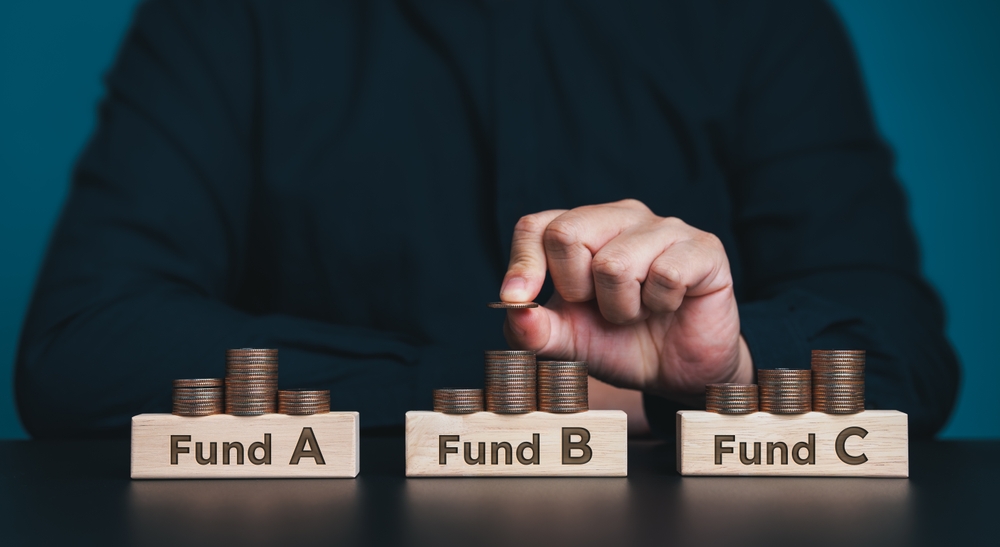
Many investors know their holdings but not their overall mix. Stocks, bonds, cash, and alternatives each play different roles. Without knowing percentages, risk drifts upward unnoticed. A long bull market often increases equity exposure automatically. Gains in stocks can outpace bonds. Over time, your portfolio becomes more aggressive than intended. Rebalancing corrects this shift. If you cannot state your stock-to-bond ratio easily, you may be carrying more risk than planned. Clarity is a basic safeguard.
You Panic During Market Corrections

Temporary declines are normal. The TSX and global markets experience corrections regularly. If a ten percent drop makes you consider selling everything, risk may exceed your tolerance. Investing requires emotional capacity. A portfolio that keeps you awake at night is misaligned. Volatility tests conviction. If your response is panic instead of patience, the allocation might be too aggressive. Matching investments to your comfort level matters. Risk tolerance is not theoretical. It shows up during downturns.
You Chase Hot Sectors

Trends move quickly. One year, it is artificial intelligence. Another year, it is lithium mining. Canadian investors often rush into whatever leads headlines. Buying after sharp gains increases downside exposure. Momentum can reverse without warning. Concentrating in a hot sector inflates volatility. Diversified investing feels slower but steadier. If your portfolio shifts based on social media excitement, you are likely increasing risk. Timing trends consistently are rare. A disciplined strategy lowers dependence on hype cycles.
You Ignore Fixed Income Completely
Some investors dismiss bonds as boring. Yet fixed income reduces volatility. The Canadian government and investment-grade bonds provide stability during equity downturns. When rates rise, bond prices can fall. Still, they offer diversification. A portfolio with zero fixed income swings harder. Younger investors may accept that. Others may not realize how exposed they are. If every holding reacts sharply to market news, the balance may be missing. Bonds serve as shock absorbers. Without them, portfolio bumps feel larger.
You Depend on Dividends From Risky Companies

Dividend income attracts many Canadians. High yields can signal opportunity. They can also signal distress. Companies offering unusually high payouts may face financial pressure. If earnings drop, dividends may be cut. Share prices often fall before or after cuts. Depending heavily on risky dividends increases vulnerability. Yield alone does not equal safety. A sustainable payout matters more. If your income plan relies on companies with unstable cash flow, overall portfolio risk rises quietly.
You Have No Emergency Fund

Investing without cash reserves forces bad timing. Emergencies happen. Job loss, medical bills, or urgent repairs require liquidity. Without savings, you may sell investments during downturns. Selling at low prices locks in losses. A separate emergency fund provides flexibility. It reduces pressure to touch long-term assets. If your portfolio doubles as your safety net, risk extends beyond market volatility. Financial stability requires layers. Investments are not meant for immediate needs.
You Invest Money Needed Within Five Years

Time horizon shapes risk tolerance. Short-term goals require stability. If you plan to buy a home soon, heavy equity exposure may backfire. Markets can decline unexpectedly. Recovery periods vary. Five years is not always enough for full rebounds. Canadian housing timelines often create pressure. Funds for tuition or renovations need predictability. Using aggressive assets for short-term goals invites stress. Aligning investments with timelines reduces forced decisions later.
Your Portfolio Mirrors One ETF

Broad ETFs provide diversification. Still, holding only one fund can create hidden concentration. Canadian index ETFs lean heavily toward financials and energy. Global ETFs may be overweight in technology. Relying entirely on a single product increases exposure to its structure. Expense ratios and tracking methods also matter. Diversification across regions and asset classes lowers dependence on one vehicle. If one ETF dictates your entire outcome, risk is tied to its internal composition.
You Ignore Currency Exposure

Many Canadians invest in US stocks. That adds currency risk. When the Canadian dollar strengthens, foreign returns shrink. Currency moves can offset gains. Hedged and unhedged funds behave differently. Without awareness, portfolio swings become confusing. Diversifying across currencies can help. Still, concentration in foreign assets without a strategy increases uncertainty. Exchange rates fluctuate for many reasons. If currency shifts surprise you often, risk may be higher than expected.
You Rarely Rebalance

Market gains distort allocations. Without rebalancing, winners grow larger. Over time, risk creeps upward. Rebalancing trims outperformers and adds to laggards. That maintains target allocation. Many investors avoid selling winners. Emotion interferes. Yet failing to rebalance allows aggressive assets to dominate. Scheduled reviews reduce drift. If your portfolio looks very different from your original plan, you may be carrying unintended exposure.
You Invest Based on Tips

Advice from friends, coworkers, or online forums can sound convincing. Acting on tips often skips proper research. That raises the chance of buying overhyped stocks. Speculative picks tend to swing sharply in price. Canadian markets see waves of excitement around small caps and trending sectors. Buying after excitement builds usually increases downside risk. Tips rarely match your financial plan or timeline. If new holdings come from casual conversations, pause. A portfolio shaped by outside noise instead of strategy often carries more risk than expected.
You Overestimate Your Risk Tolerance

Bull markets create confidence quickly. Gains make volatility feel manageable. Real tests come during sharp downturns. If a market drop causes panic selling, the risk may be too high. Risk tolerance changes over time. Career shifts, family responsibilities, and nearing retirement all matter. A plan built years ago may not fit today. Many Canadians discover their limits during corrections. Honest reflection helps prevent future stress. If your reactions during volatility surprise you, your allocation likely exceeds your true comfort level.
You Hold Too Many Similar ETFs

Owning several ETFs can feel diversified. In reality, many Canadian equity ETFs hold similar banks and energy stocks. Overlap reduces true diversification. Multiple funds may track nearly identical indexes. That creates concentration disguised as variety. When markets decline, these funds often fall together. Reviewing underlying holdings reveals duplication. If several ETFs move almost the same way, exposure may be narrower than expected. True diversification spreads risk across sectors and regions, not just fund names.
You Ignore Interest Rate Sensitivity

Interest rates influence many asset classes. Canadian banks, utilities, and real estate stocks react strongly to rate changes. Long-term bonds also shift when rates move. If your portfolio leans heavily toward rate-sensitive sectors, volatility increases during tightening cycles. Rate decisions by central banks can surprise markets. Ignoring this connection leaves you exposed to sudden swings. Balanced exposure reduces dependence on one economic factor. If rate announcements consistently shake your portfolio, risk may be too concentrated.
You Lack International Diversification

Home bias is common among Canadian investors. Familiar companies feel safer. Canada represents a small share of global markets. Overconcentration domestically increases reliance on financials and resources. Adding exposure to the US, European, and Asian markets spreads economic risk. Different regions grow at different times. Global diversification smooths returns over long periods. Limiting investments to Canada narrows opportunity. If most holdings trade on the TSX, your portfolio may be more exposed than you realize.
You Trade Frequently

Frequent trading often signals discomfort or speculation. Buying and selling regularly increases transaction costs. Taxes on short-term gains reduce returns further. Emotional reactions to headlines can drive poor timing. Markets move quickly, and chasing every shift raises volatility. Long-term strategies usually require fewer adjustments. Consistency often beats constant action. If your account history shows steady activity, risk may come from behavior rather than allocation. Slowing down can lower both stress and potential losses.
You Do Not Have a Written Plan

A written investment plan outlines goals, timelines, and target allocations. Without one, decisions rely on impulse. Risk can build gradually through unplanned trades. Documenting strategy improves discipline during volatility. It sets limits on acceptable swings and rebalancing rules. Many investors assume they remember their objectives. Memory fades when markets move sharply. A simple written framework provides clarity. If you cannot describe your plan clearly on paper, your portfolio risk may not align with your intentions.
22 Groceries to Grab Now—Before another Price Shock Hits Canada

Food prices in Canada have been steadily climbing, and another spike could make your grocery bill feel like a mortgage payment. According to Statistics Canada, food inflation remains about 3.7% higher than last year, with essentials like bread, dairy, and fresh produce leading the surge. Some items are expected to rise even further due to transportation costs, droughts, and import tariffs. Here are 22 groceries to grab now before another price shock hits Canada.
22 Groceries to Grab Now—Before another Price Shock Hits Canada
This Options Discord Chat is The Real Deal
While the internet is scoured with trading chat rooms, many of which even charge upwards of thousands of dollars to join, this smaller options trading discord chatroom is the real deal and actually providing valuable trade setups, education, and community without the noise and spam of the larger more expensive rooms. With a incredibly low-cost monthly fee, Options Trading Club (click here to see their reviews) requires an application to join ensuring that every member is dedicated and serious about taking their trading to the next level. If you are looking for a change in your trading strategies, then click here to apply for a membership.