
35,000+ smart investors are already getting financial news, market signals, and macro shifts in the economy that could impact their money next with our FREE weekly newsletter. Get ahead of what the crowd finds out too late. Click Here to Subscribe for FREE.
Dollar stores across Canada promise unbeatable deals. Bright shelves and low prices make purchases feel smart at the checkout. The reality often tells a different story later at home. Many products rely on reduced quality, smaller quantities, or relaxed safety standards. What looks cheap frequently costs more through constant replacement or poor performance. Here are 21 items you should never buy at a Canadian Dollar Store.
Batteries
21 Items You Should Never Buy at a Canadian Dollar Store
- Batteries
- Phone Charging Cables
- Medications and Supplements
- Cheap Electronics
- Kitchen Knives
- Adhesives and Glues
- Toys
- Cleaning Tools
- Light Bulbs
- Pet Products
- School Supplies
- Power Strips
- Extension Cords
- Smoke Detectors
- LED Flashlights
- Plastic Food Containers
- Personal Care Items
- Party Decorations
- Drinking Glassware
- Storage Bins
- Automotive Accessories
- 22 Groceries to Grab Now—Before another Price Shock Hits Canada
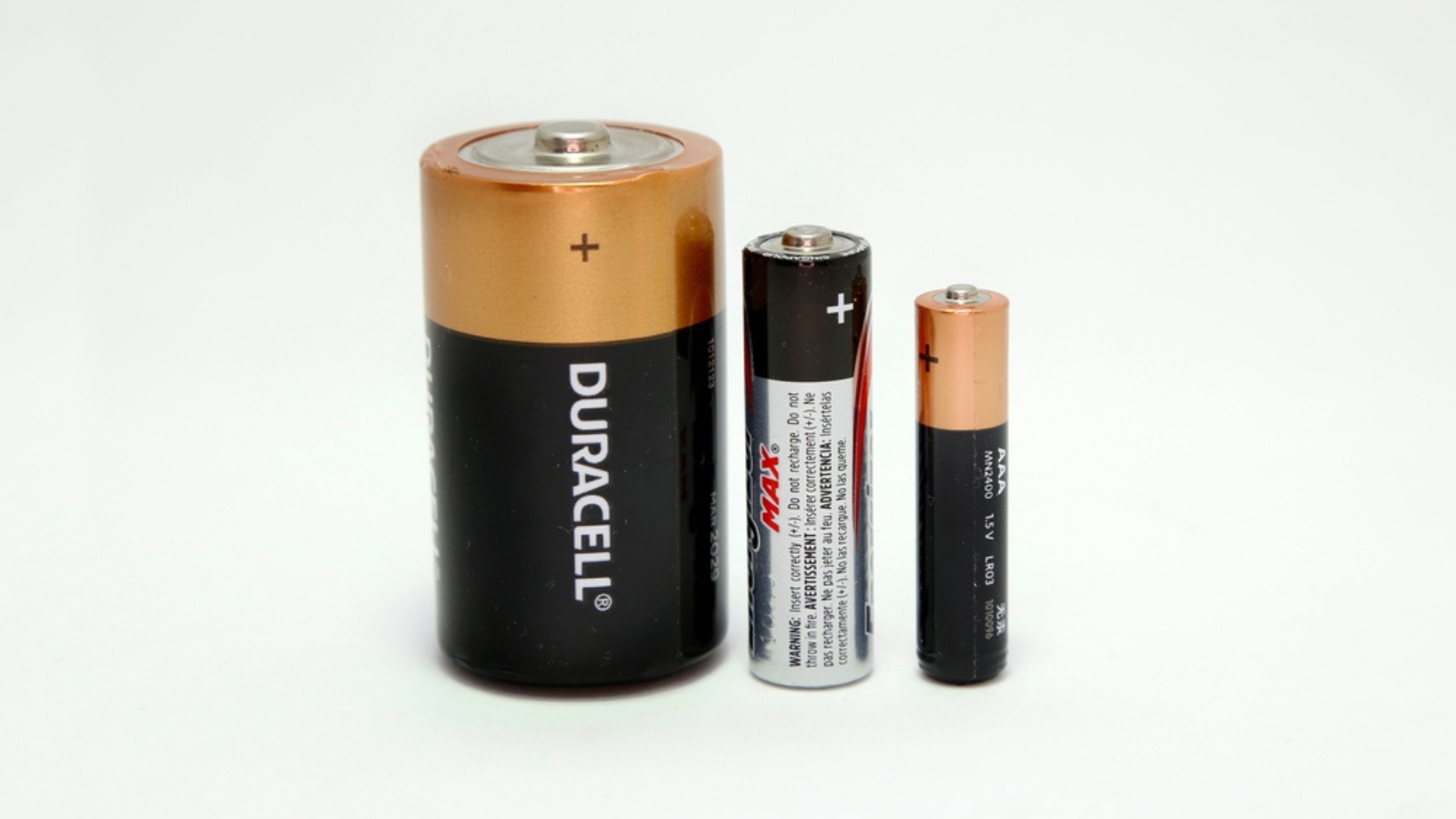
Dollar store batteries wear out far faster than name-brand alternatives. Lower-grade alkaline compounds deliver fewer charge cycles and drain during storage. Many lose noticeable power months before expiry dates pass. Canadians face extra frustration since cold temperatures further reduce battery performance during winter. Emergency flashlights and vehicle safety kits often fail when needed most. Leakage presents another serious issue. Cheap battery casings crack more easily, releasing corrosive material that damages household electronics permanently.
Phone Charging Cables

Dollar-store charging cables attract shoppers needing fast replacements. Internal wiring usually contains thin copper strands that overheat quickly. Connector tips loosen after limited bending cycles. Many cables stop functioning within weeks. Unstable insulation increases fire risks, especially during overnight charging. Several discount cords lack proper electrical safety certification recognized in Canada. Data transfer functions often fail entirely. The hidden cost becomes repeat purchases rather than lasting solutions. Damage risks also extend to phones through irregular voltage control.
Medications and Supplements

Dollar store medications appear convenient but provide limited consumer safeguards. Storage conditions vary widely, affecting potency before purchases occur. Expiry dates often sit much closer than pharmacy stock. Label space restricts the clarity of allergy warnings and dosage instructions. Supplements especially present inconsistency problems. Potency can differ between batches due to supply sourcing variability. Health Canada approvals may apply formally, but handling standards matter equally. Improper warehouse temperatures degrade vitamin strength rapidly.
Cheap Electronics

Dollar store electronics include earbuds, radios, clocks, and Bluetooth accessories built with shortcuts everywhere. Internal solder joints detach quickly. Sound drivers distort after mild use. Buttons fail from fragile plastic membranes. Electrical shielding remains minimal, increasing static and malfunction risks. Warranty coverage does not exist. Many purchases stop working within a month. Replacement cycles erase savings instantly. Canadian consumer product regulations enforce safer sourcing for mainstream retailers, not followed equally by discount imports. Cheap earbuds also raise sanitation concerns as coatings degrade rapidly. Low insulation quality increases electric shock risks during charging or plug-in use.
Kitchen Knives

Dollar store knives lose sharpness within days. Steel compounds lack proper tempering, causing edges to roll rather than cut. Dull blades create greater injury risk than sharp knives due to slipping pressure. Handles crack or loosen, causing grip instability during chopping. Metal shedding contaminants pose unnoticed food safety risks. Canadian kitchen safety experts recommend certified cutlery for consistent blade integrity. Continuous knife replacements accumulate costs rapidly far beyond mid-priced cutlery investments.
Adhesives and Glues
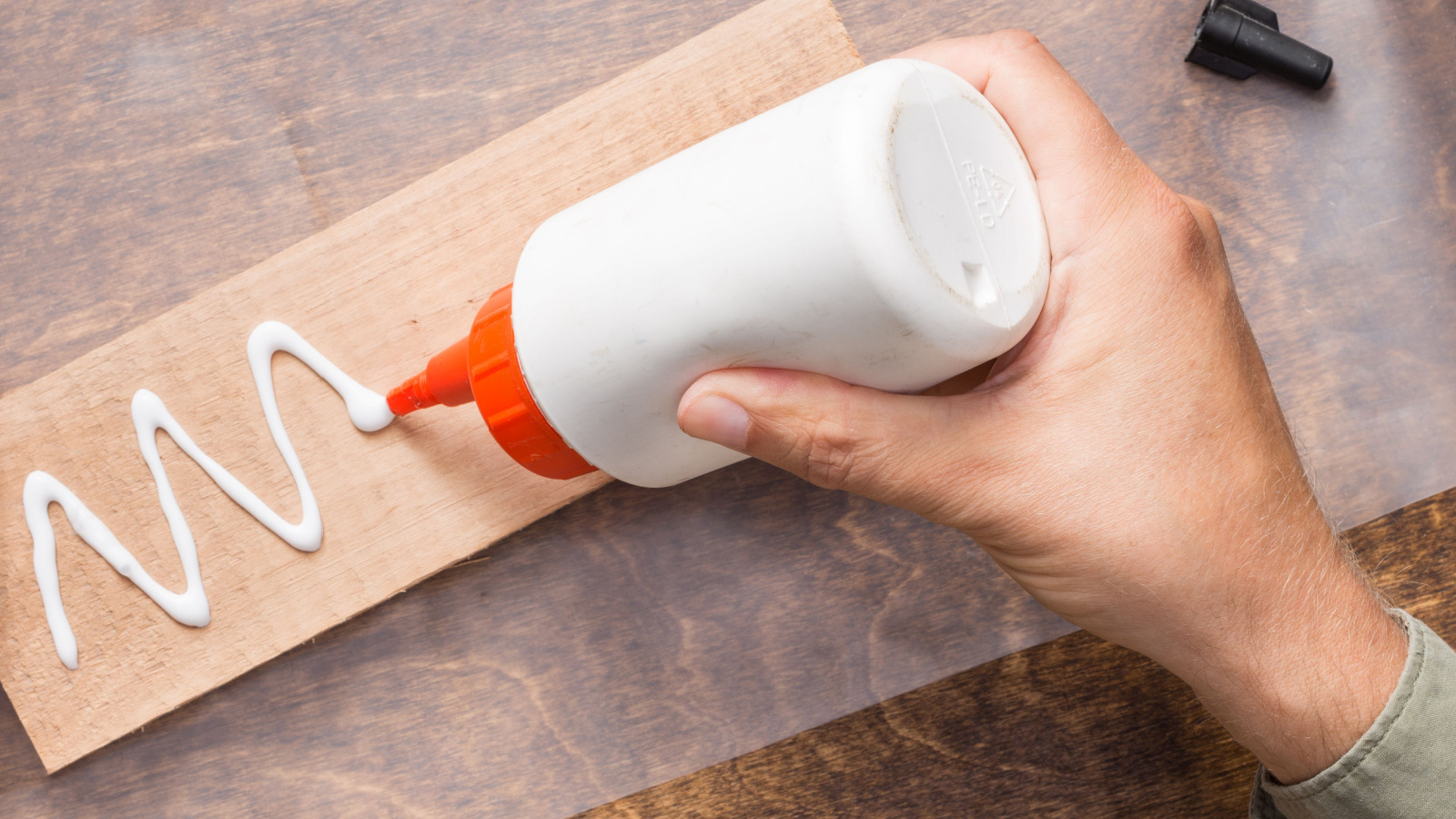
Dollar store glues seldom meet strength ratings claimed on packaging. Bonding agents remain diluted. Drying instructions lack clarity or accuracy. Temperature sensitivity fails under Canada’s humidity shifts. Repairs collapse after weeks, sometimes days. Outdoor adhesives break down through UV and frost exposure quickly. Failed repairs waste time and materials, requiring multiple repurchases. Construction-grade adhesives follow strict bonding certifications absent in discount options. Home repair safety depends on trustworthy adhesion. Poor bonding risks falling fixtures and shattered materials. Bargain adhesives create more work rather than saving effort.
Toys

Many dollar-store toys use brittle plastics prone to sudden breakage. Small fragments pose choking risks for younger children. Impact-testing standards remain minimal among discount suppliers. Paint coatings chip easily. Children often place toys in their mouths, increasing exposure risks. Canadian Pediatric Society guidelines recommend certified brands only. Rapid toy breakage results in constant replacements, eliminating savings fast. Poor durability frustrates children and parents alike.
Cleaning Tools

Dollar store mops and brooms deteriorate rapidly. Bristles shed heavily. Mop heads unravel within weeks. Handles warp or snap under light strain. Efficiency drops immediately as cleaning becomes less effective. Winter salt grime demands stronger tools than discount versions provide. Replacing broken equipment repeatedly outweighs buying durable gear once. Canadian cleaners recommend microfiber systems lasting years instead. Poor-quality cleaning tools slow daily routines unnecessarily.
Light Bulbs

Discount light bulbs burn out far faster than certified energy-efficient options. Flickering commonly begins soon after installation. Lumens degrade quickly, producing dull lighting. Cheap bulbs use inefficient filaments burning hotter. This increases hydro costs while providing reduced light output. Safety certifications may be absent or generic. Overheating increases fire risks in enclosed fixtures. Canadian building codes favour certified bulbs only. Replacements become frequent, multiplying costs beyond single premium bulbs lasting years. Environmental waste increases through unnecessary disposal cycles.
Pet Products

Dollar-store pet toys tear quickly and create choking hazards. Colouring dyes may lack transparency regarding toxicity testing. Treat sourcing often remains unclear. Veterinary organizations advise purchasing from trusted manufacturers only. Replacement costs add up rapidly as toys fall apart. Cheap leashes fray under strain, risking pet escape incidents. Bowls crack easily, leading to food contamination issues. Pet food safety standards apply unevenly across discount suppliers. Canadian pet owners frequently report emergency vet visits resulting from cheap toy ingestion.
School Supplies

Dollar-store pens leak easily. Markers dry rapidly. Crayons snap under pressure. Binders warp under textbook weights. Teachers frequently discourage discount supplies because replacements become constant. Rebuying products mid-semester costs more than investing once properly. Writing tools fail during tests or assignments. Student stress increases from equipment malfunctions. Spending slightly more per item ensures consistent classroom performance. Canadian parents report frequent waste from unusable supplies purchased cheaply.
Power Strips
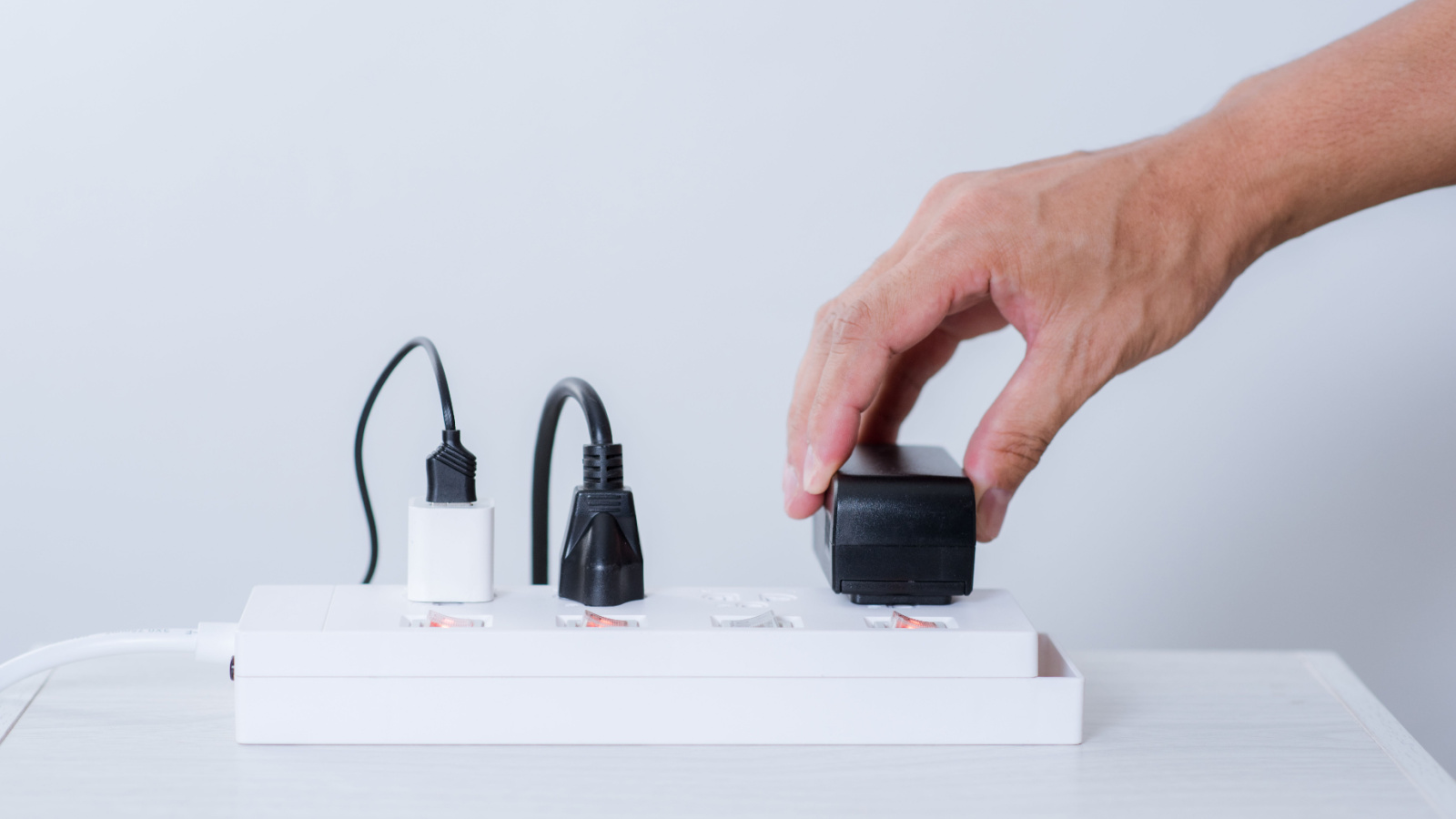
Dollar store power strips usually lack essential surge protection despite labelling suggesting basic safety coverage. Internal wiring uses thin conductors that are unable to handle sustained loads safely. Overheating becomes common during everyday appliance use. Plastic casings soften under heat exposure, increasing fire risk. Certification labels often do not meet Canadian electrical safety approvals fully. Plug spacing remains narrow, causing pressure bending on adapters and increasing internal wear. Warranty protections typically do not exist. Using cheap power strips to support computers, heaters, or kitchen appliances creates unnecessary hazard potential. Surge suppression ratings often fail below industry minimum standards. One power fluctuation can destroy expensive electronics instantly.
Extension Cords

Dollar-store extension cords use thinner gauge wiring unsuitable for high-load appliances. Heat buildup during operation increases insulation breakdown risks. Flex integrity weakens quickly at connection joints. Cord jackets are split in cold weather, common in Canadian winters. Certification markings may appear printed yet lack valid safety testing confirmation. Indoor-only cords often get mistakenly used outdoors, where moisture exposure becomes dangerous. Underpowered cables reduce appliance performance and strain motors. The risk of electrical fires increases through sustained overheating.
Smoke Detectors
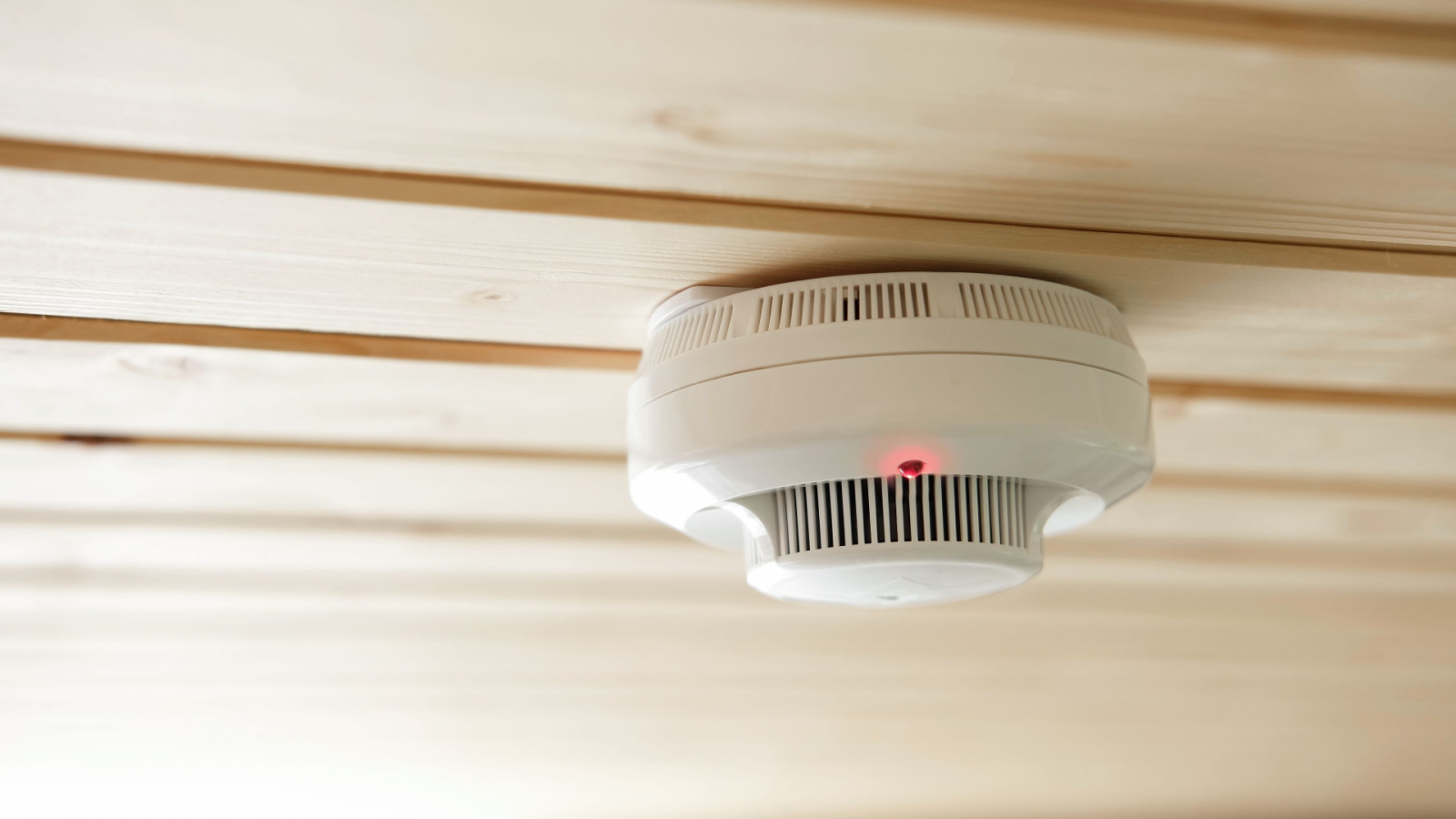
Dollar-store smoke detectors present lifesaving risks. Many units lack the advanced photoelectric sensors recommended by Canadian fire safety councils. Battery compartments break easily. Sensitivity calibration inconsistencies cause high false alarm rates or reduced detection functions. Some manufacturers provide minimal testing documentation. Warranty support remains non-existent. Home insurance guidelines recommend certified detectors only. Replacing discount units annually negates cost savings quickly. Reliability remains paramount for emergency equipment. Installing unknown-quality detectors undermines household safety severely.
LED Flashlights
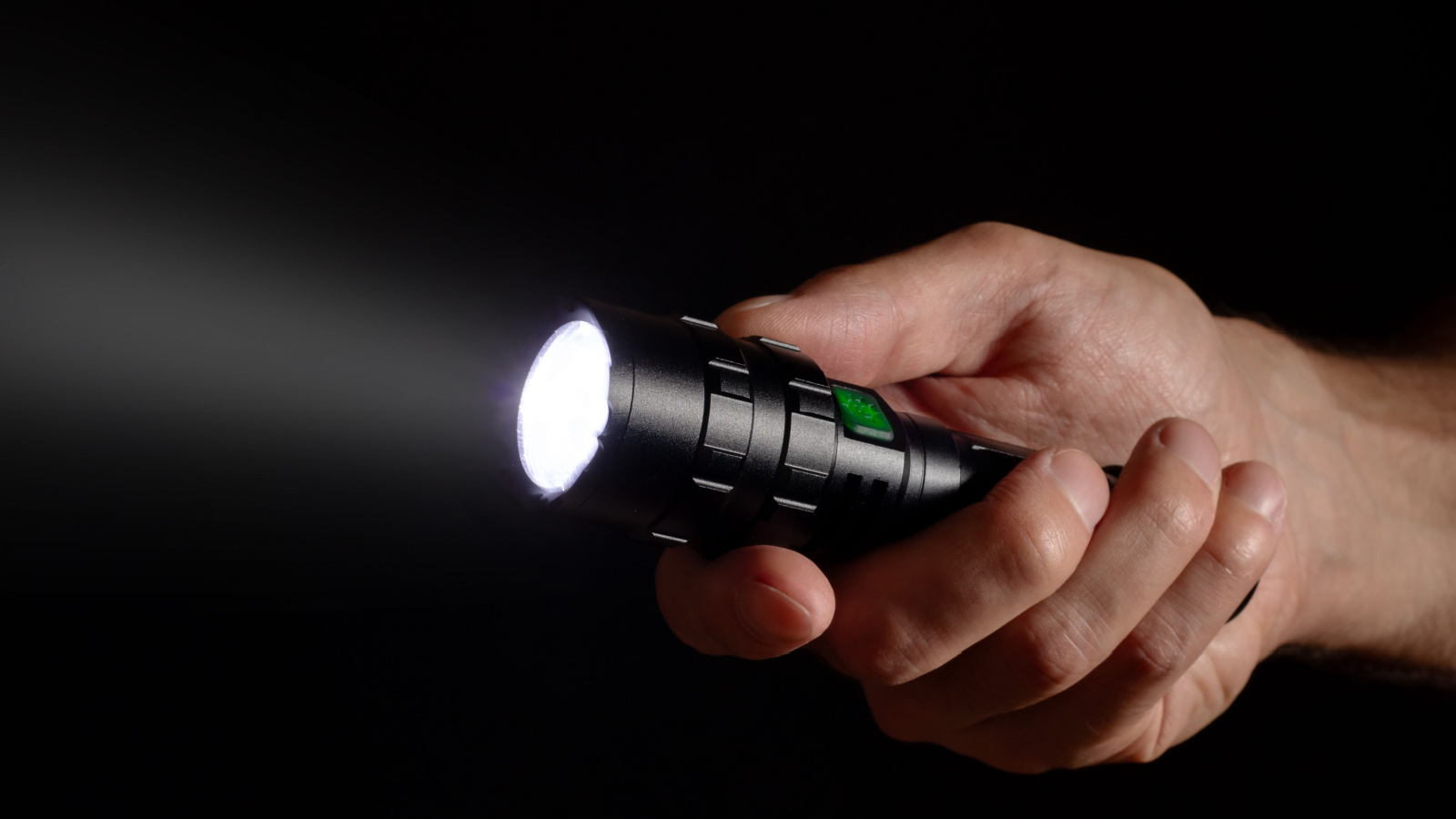
Dollar-store flashlights fade rapidly due to underpowered diodes and poor reflectors. Plastic lens housings cloud quickly. Battery contacts corrode easily. Waterproof protection remains absent despite labelling claims. Emergency illumination fails consistently in cold Canadian weather. Internal solder joints loosen under modest vibration. Brightness measurements inflate marketing claims. Light output diminishes substantially after brief use. Certified hardware store flashlights outperform discount models instantly.
Plastic Food Containers
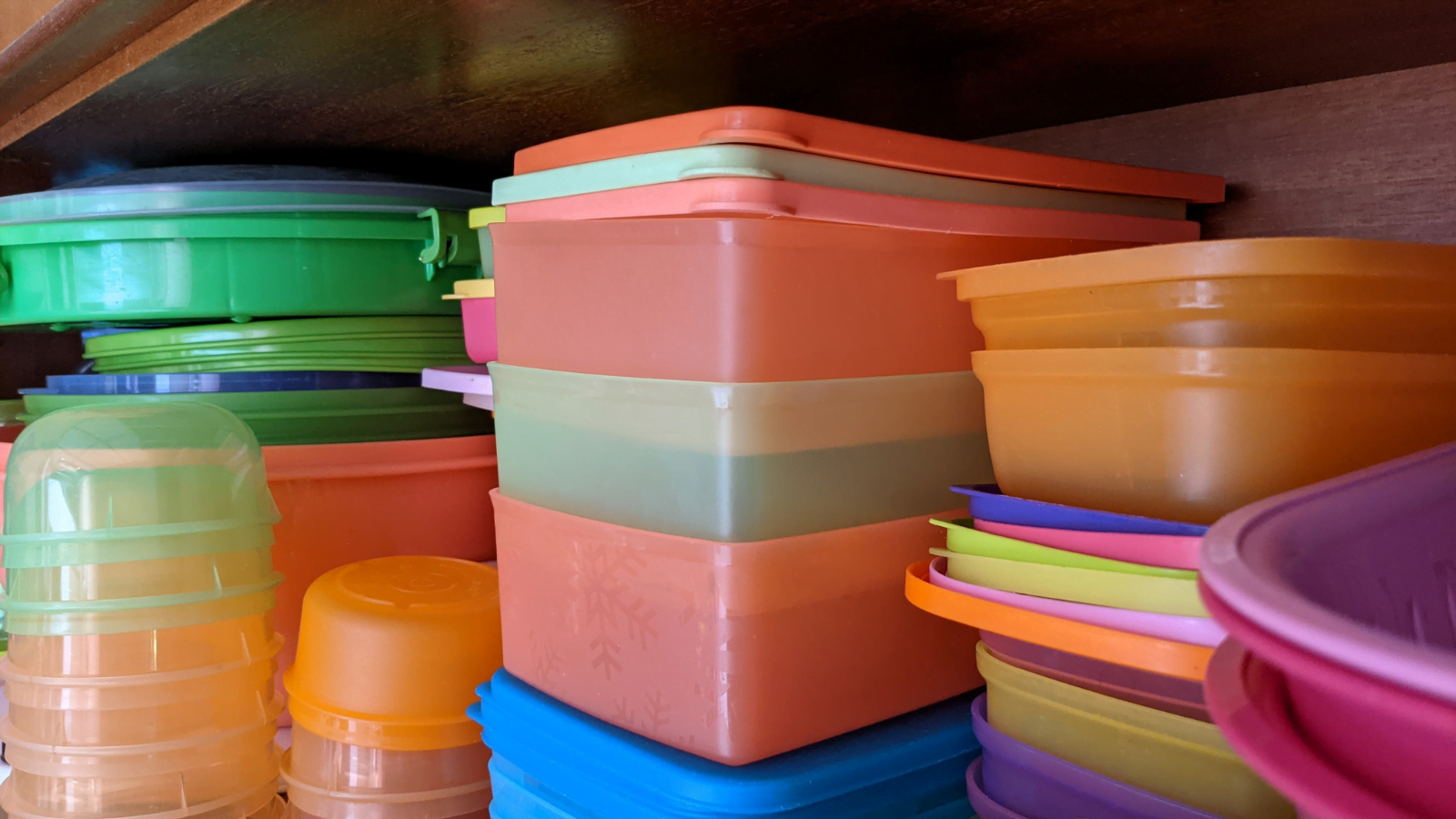
Dollar-store food containers quickly warp under microwave heat. Lids lose seals after limited use. Plastic materials leach odours quickly. Labelling about BPA absence often lacks sourcing transparency. Freezer storage cracks the plastic during expansion cycles. Food contamination risks rise through material degradation. Canadian food safety guidelines encourage food-grade certified materials only. Cheap containers stain permanently and become unsightly quickly. Replacements accumulate unnecessary waste.
Personal Care Items

Dollar-store cosmetics and grooming accessories often bypass stringent quality standards. Ingredient lists remain unclear due to abbreviated labelling. Skin irritation reports appear disproportionately high from discount makeup products. Tools like razors dull rapidly, causing cuts. Hairbrush bristles detach easily, causing scalp irritation. Toothbrush manufacturing standards may not match pharmacy offerings. Lack of batch tracing complicates recall safety efforts. Savings remain minor compared to potential health risks.
Party Decorations

Decorations arrive cheaply but reveal poor durability quickly. Balloons burst prematurely. Streamers shed dye, causing wall stains. Plastic banners tear during installation. Flame-retardant treatments often lack certification. Candles burn unevenly creating fire hazards. Reusable décor rarely survives full storage cycles. Replacement spending exceeds purchasing durable décor sets. Events requiring safety compliance suffer from cheap décor failures. Photo quality also degrades from fragile materials.
Drinking Glassware

Dollar-store glassware uses thinner glass with reduced impact tolerance. Minor temperature differences cause cracking. Dishwasher cycles weaken surfaces quickly. Chips create lip injury hazards. Lead testing transparency remains limited for some manufacturers. Repeated breakage leads to higher replacement costs. Certified glass offers reinforced durability testing. Safety certifications confirm food-safe manufacturing. Bargain tumblers compromise home safety unnecessarily. Spending slightly more avoids frequent breakage frustrations. Quality materials provide peace of mind during everyday use.
Storage Bins

Discount storage bins crack under modest weight loads. Sidewalls bow inward when stacked. Latches snap unexpectedly. Lid warping prevents dust sealing. Seasonal temperature swings worsen brittleness. Transporting contents risks sudden structural failure. Warehouse-grade bins use reinforced plastics that resist cold exposure. Continuous replacement of weak bins outpaces durable purchases. Organizational systems collapse when storage integrity fails. Bargain bins frustrate long-term organization efforts. Durable bins deliver genuine savings over repeated buying cycles.
Automotive Accessories

Dollar-store windshield wipers streak badly. Ice scrapers snap in cold conditions. Interior accessories fade rapidly. Emergency car kits include poor-quality components. Jumper cables often underperform due to thin wiring gauges. Winter reliability becomes critical in Canada. Automotive safety equipment must perform flawlessly. Discount gear fails precisely when required most. Investing in proper automotive accessories ensures readiness. Bargain options sacrifice safety for false economy. Vehicle safety deserves higher standards than minimum pricing allows.
22 Groceries to Grab Now—Before another Price Shock Hits Canada

Food prices in Canada have been steadily climbing, and another spike could make your grocery bill feel like a mortgage payment. According to Statistics Canada, food inflation remains about 3.7% higher than last year, with essentials like bread, dairy, and fresh produce leading the surge. Some items are expected to rise even further due to transportation costs, droughts, and import tariffs. Here are 22 groceries to grab now before another price shock hits Canada.
22 Groceries to Grab Now—Before another Price Shock Hits Canada
This Options Discord Chat is The Real Deal
While the internet is scoured with trading chat rooms, many of which even charge upwards of thousands of dollars to join, this smaller options trading discord chatroom is the real deal and actually providing valuable trade setups, education, and community without the noise and spam of the larger more expensive rooms. With a incredibly low-cost monthly fee, Options Trading Club (click here to see their reviews) requires an application to join ensuring that every member is dedicated and serious about taking their trading to the next level. If you are looking for a change in your trading strategies, then click here to apply for a membership.