
35,000+ smart investors are already getting financial news, market signals, and macro shifts in the economy that could impact their money next with our FREE weekly newsletter. Get ahead of what the crowd finds out too late. Click Here to Subscribe for FREE.
Shipping disruptions are not rare anymore. Weather events, port strikes, and global tensions can slow supply chains fast. Canada depends on imports for many everyday grocery items. When shipments stall, prices often rise within weeks. Some products vanish from shelves first. Others quietly shrink in size while prices hold. Knowing what to watch helps you plan smarter. You do not need panic buying. You need awareness and timing. These items are especially exposed to delays and cost spikes. Here are 15 grocery items Canadians should watch if shipping gets disrupted.
Fresh Berries
15 Grocery Items Canadians Should Watch If Shipping Gets Disrupted

Fresh berries often travel long distances before reaching Canadian stores. Many come from the United States, Mexico, or South America. Delays in trucking or border clearance affect freshness quickly. Shelf life is short, so stores raise prices to manage losses. You may notice smaller packs at higher prices. Air freight disruptions make things worse during the off-season. Local supply helps, but only for a few months each year. Winter prices can jump fast. Frozen options become more attractive during shortages. Watch weekly flyers closely. Berries are usually one of the first visible signs of supply stress.
Bananas

Bananas are a staple in most Canadian households. Almost all are imported from Central and South America. Shipping delays affect ripeness and availability. Retailers often adjust pricing within days of supply issues. Even small disruptions can ripple across the entire market. Storage and transport conditions matter a lot for bananas. If ships or trucks slow down, waste increases. That cost passes to buyers. Prices may not spike overnight, but they climb steadily. Keep an eye on quality changes too. Brown spots appear sooner when supply chains are strained.
Coffee
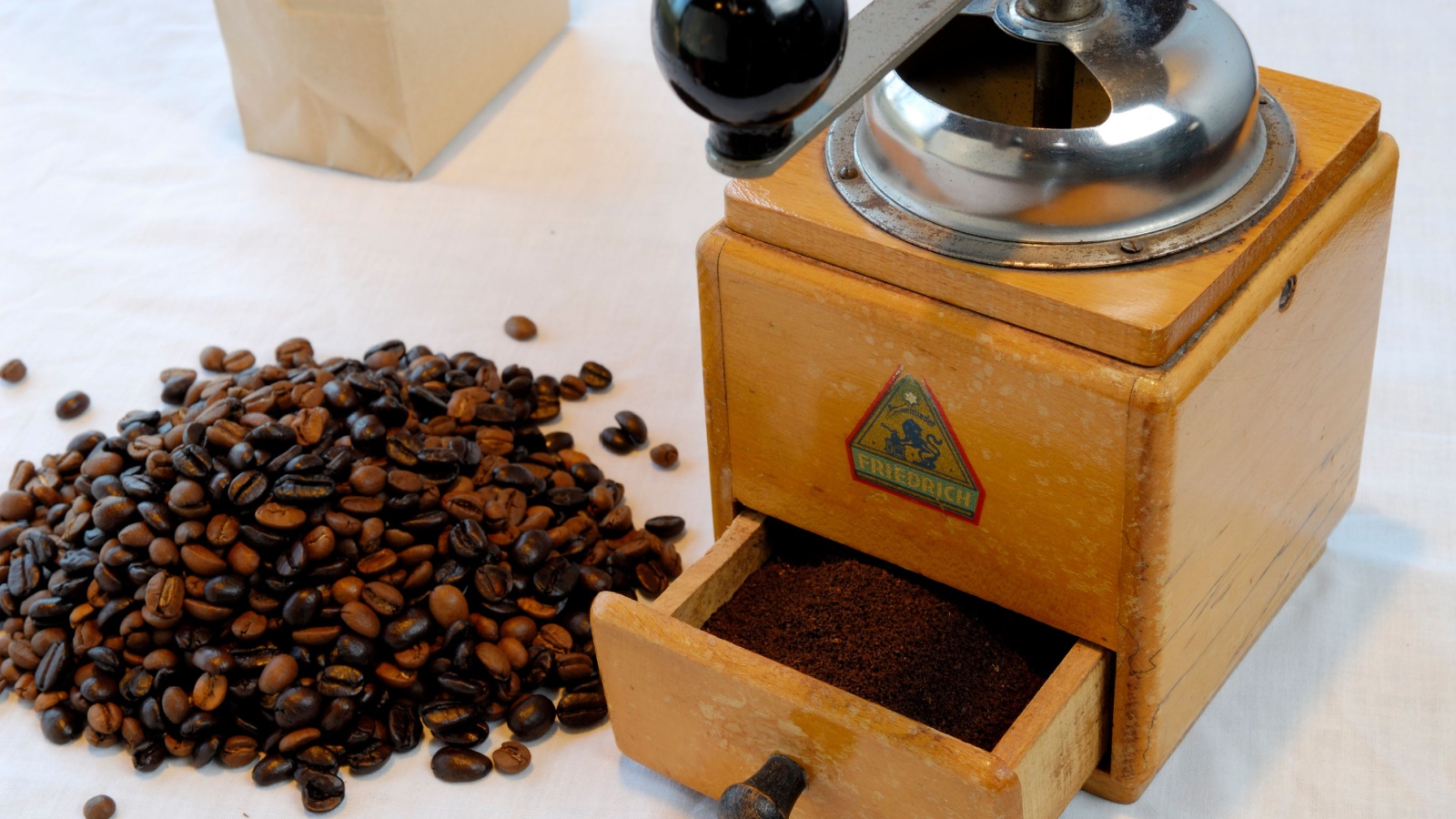
Coffee relies heavily on imports from countries like Brazil and Colombia. Global shipping disruptions impact both beans and finished products. Canada has roasting capacity, but not production. Prices react quickly to delays and currency shifts. You may see smaller bags sold at higher prices. Premium brands often adjust first. Budget brands follow later. Specialty coffee shops also raise prices when supply tightens. Stocking up slightly during stable periods can help. Avoid buying too much, as freshness matters. Coffee is one of the clearest indicators of global trade pressure.
Cooking Oils

Cooking oils like olive oil and sunflower oil depend on global production. Many sources are in Europe and Asia. Shipping delays and geopolitical issues affect supply quickly. Prices can spike sharply due to limited alternatives. Olive oil especially sees strong swings in cost. Canada produces some canola oil, which helps locally. Still, imported oils dominate many kitchens. When supply tightens, retailers push substitutes. Watch for sudden price jumps or empty shelves. Bulk buying during stable periods can help reduce costs. Oils are sensitive to both shipping and global crop conditions.
Rice
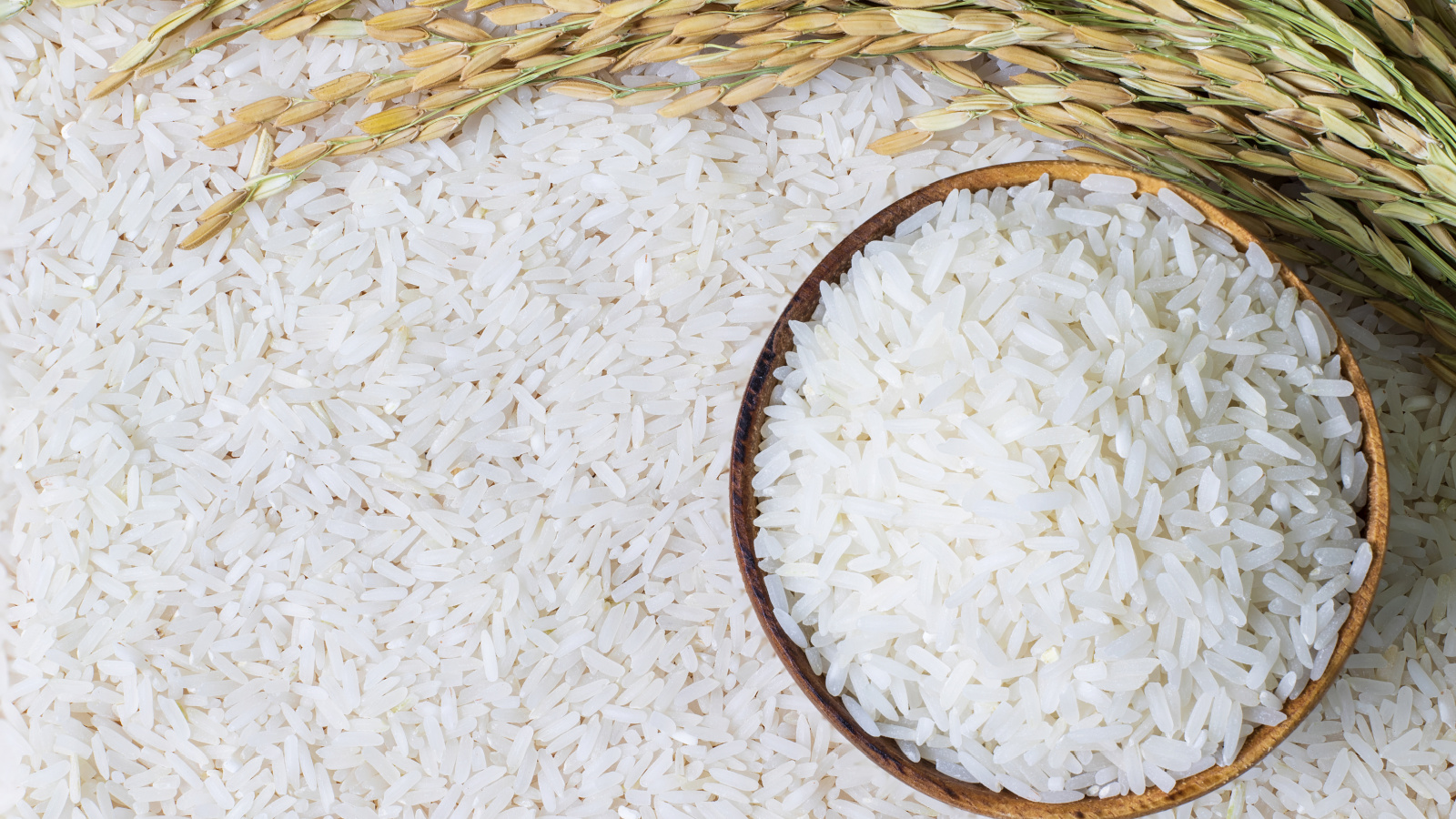
Rice is widely consumed across Canada, especially in urban areas. Most rice is imported from Asia and the United States. Shipping disruptions slow down bulk shipments. Prices rise gradually but stay elevated for longer periods. Specialty rice varieties often disappear first. Basmati and jasmine rice are more exposed to delays. Store brands may remain available, but with price changes. Larger bags sometimes offer better value during disruptions. Keep an eye on supply cycles. Rice is stable in storage, making it a smart item to monitor closely.
Pasta

Pasta depends on durum wheat, which is traded globally. Canada produces wheat, but imports still fill gaps. Shipping issues affect both raw materials and finished products. Prices can rise due to transport costs alone. Imported pasta brands often become expensive first. Domestic options may remain stable for a while. Shortages rarely happen, but pricing shifts are common. Watch for smaller package sizes at the same price. Bulk deals may disappear during supply stress. Pasta remains available, but not always at the same price.
Cheese

Cheese in Canada is partly local, but imports still matter. Specialty cheeses from Europe are especially vulnerable. Shipping delays affect both freshness and variety. Prices for imported cheese can rise quickly. Domestic cheese may also see price increases due to demand shifts. Restaurants and retailers compete for a limited supply. You may notice fewer options in premium sections. Basic cheese types remain available longer. Watch for pricing differences between brands. Cheese is not the first to disappear, but it reflects supply changes clearly.
Frozen Seafood

Frozen seafood depends heavily on global supply chains. Much of it comes from Asia and coastal regions worldwide. Shipping delays impact both availability and pricing. Frozen products last longer, but still face transport costs. Prices can rise due to fuel and storage expenses. Shrimp and salmon are especially sensitive to disruptions. You may see fewer discounts during supply stress. Quality can also vary when delays happen. Watch for origin labels on packaging. Seafood pricing often signals broader shipping issues.
Chocolate

Chocolate relies on cocoa imported from Africa and South America. Shipping disruptions affect both raw cocoa and finished products. Prices often rise quietly over time. You may notice smaller bars at similar prices. Premium chocolate brands react faster to supply changes. Seasonal products become more expensive first. Currency shifts also impact pricing in Canada. Retailers adjust margins to manage uncertainty. Chocolate remains available, but its value drops. Watch packaging sizes and ingredient changes.
Nuts

Nuts like almonds and cashews come from global sources. California, Vietnam, and India supply many varieties. Shipping delays affect both availability and freshness. Prices can rise due to transport costs and demand shifts. Bulk nuts may see sharper increases than packaged ones. Snack mixes often change in composition during shortages. Retailers may substitute cheaper ingredients. Watch for price differences between brands. Nuts are sensitive to both shipping and crop conditions. They are easy to store, making them a key item to track.
Canned Tomatoes

Canned tomatoes are widely used in Canadian kitchens. Many are imported from Italy and the United States. Shipping disruptions affect both supply and pricing. Domestic options exist but may not meet demand fully. Prices can rise due to transport costs alone. You may see fewer premium imported brands. Store brands may remain available longer. Watch for changes in quality and size. Canned goods last long, but supply cycles still matter. Tomatoes are a quiet but important indicator.
Spices

Spices are almost entirely imported into Canada. They come from Asia, Africa, and Latin America. Shipping disruptions impact both availability and cost. Prices can rise sharply for certain spices. Black pepper and cumin often show early changes. Small jars may shrink while prices hold. Bulk spices may become harder to find. Restaurants also compete for supply. Watch for substitutions in blends. Spices may seem minor, but they reflect global trade shifts clearly.
Dairy Alternatives

Plant-based milk and dairy alternatives rely on global ingredients. Almonds, oats, and soy often come from different regions. Shipping delays affect both raw materials and finished products. Prices can rise due to input costs. You may see fewer promotions during supply stress. Shelf life is longer than that of fresh milk, but still limited. Retailers adjust stock based on demand. Watch for changes in brand availability. Dairy alternatives are growing in demand, making them sensitive to disruptions.
Breakfast Cereals

Breakfast cereals depend on grains and processed ingredients. Many are produced domestically, but inputs are global. Shipping disruptions affect additives, packaging, and distribution. Prices may rise slowly but steadily. You may notice fewer discounts and promotions. Box sizes sometimes shrink without clear notice. Imported cereals are more affected than local ones. Watch for ingredient substitutions. Cereals remain available, but their value changes over time. They reflect both local and global supply pressures.
Packaged Snacks

Packaged snacks rely on complex supply chains. Ingredients, packaging, and transport all play a role. Shipping disruptions affect every step of production. Prices often rise through smaller portions rather than direct increases. You may notice lighter bags or fewer items inside. Imported snacks are a hit first. Local brands follow if inputs become scarce. Promotions disappear during tight supply periods. Watch for changes in quality and consistency. Snacks are a clear sign of broader supply chain strain.
22 Groceries to Grab Now—Before another Price Shock Hits Canada
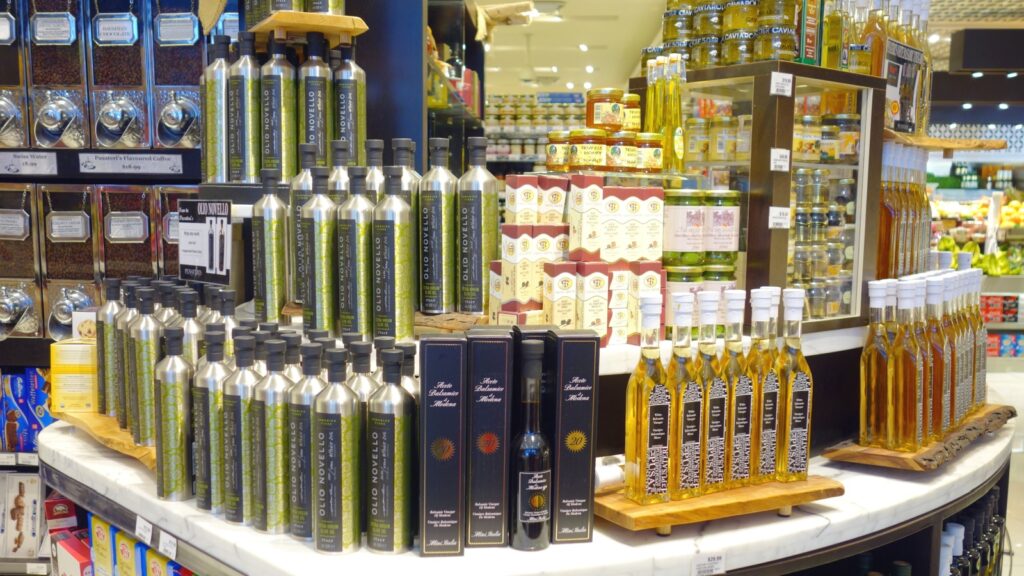
Food prices in Canada have been steadily climbing, and another spike could make your grocery bill feel like a mortgage payment. According to Statistics Canada, food inflation remains about 3.7% higher than last year, with essentials like bread, dairy, and fresh produce leading the surge. Some items are expected to rise even further due to transportation costs, droughts, and import tariffs. Here are 22 groceries to grab now before another price shock hits Canada.
22 Groceries to Grab Now—Before another Price Shock Hits Canada
This Options Discord Chat is The Real Deal
While the internet is scoured with trading chat rooms, many of which even charge upwards of thousands of dollars to join, this smaller options trading discord chatroom is the real deal and actually providing valuable trade setups, education, and community without the noise and spam of the larger more expensive rooms. With a incredibly low-cost monthly fee, Options Trading Club (click here to see their reviews) requires an application to join ensuring that every member is dedicated and serious about taking their trading to the next level. If you are looking for a change in your trading strategies, then click here to apply for a membership.