35,000+ smart investors are already getting financial news, market signals, and macro shifts in the economy that could impact their money next with our FREE weekly newsletter. Get ahead of what the crowd finds out too late. Click Here to Subscribe for FREE.
Fraud no longer arrives only through suspicious emails full of typos. It now appears in polished text messages, realistic phone calls, fake job offers, marketplace listings, investment pitches, and even familiar-looking government notices. In Canada, the scale has become impossible to ignore: reported fraud losses have climbed into the hundreds of millions of dollars, while authorities warn that many incidents are never reported at all.
These 21 common scams show how criminals are adapting to daily routines, seasonal pressures, financial stress, and newer technologies. Some target seniors, some aim at job seekers or renters, and others are designed for anyone who banks, shops, texts, travels, invests, or answers the phone.
Fake Bank Investigator Calls
21 Common Scams Targeting Canadians Right Now
- Fake Bank Investigator Calls
- Investment and Cryptocurrency Promises
- Romance Scams and “Pig Butchering”
- Grandparent and Emergency Scams
- CRA and Government Impersonation
- Delivery and Smishing Texts
- Marketplace and Merchandise Scams
- Job Offer and Task Scams
- Rental Listing Scams
- Tech Support Pop-Ups
- Extortion Emails and Sextortion Threats
- Identity Theft and Personal Information Scams
- SIM Swap and Phone Account Takeovers
- Prize, Lottery, and Giveaway Scams
- Recovery and Refund Scams
- Ticket Resale and Event Scams
- Utility and Service Disconnection Scams
- Fake Charity and Disaster Relief Appeals
- Immigration and Newcomer Scams
- Loan, Debt Relief, and Credit Repair Scams
- Business Email Compromise and Payment Redirection
- AI Voice Cloning and Deepfake Impersonation
- 19 Things Canadians Don’t Realize the CRA Can See About Their Online Income
A fake bank investigator scam often begins with a call that sounds protective, not threatening. The caller claims to be from a bank, credit card company, fraud department, or even law enforcement. They may say suspicious activity has been detected and that immediate cooperation is needed to “catch” the criminal. The victim is asked to move money, withdraw cash, buy gift cards, share verification codes, or hand over a debit card.
This scam works because it borrows the language of real fraud prevention. A retiree who already worries about account security may believe the caller is helping. In some cases, scammers even spoof phone numbers so the call appears to come from a legitimate institution. The central warning sign is simple: real banks do not ask customers to assist undercover investigations by transferring money or revealing passwords.
Investment and Cryptocurrency Promises

Investment scams remain among the most financially damaging frauds in Canada. The pitch usually sounds polished: guaranteed returns, limited-time access, exclusive trading software, or a friendly “advisor” who knows how to profit from cryptocurrency, foreign exchange, mining, or private markets. Victims may first see a fake news story, a social media ad, or a message from someone who appears successful and financially confident.
The deception often deepens slowly. Early account dashboards may show fake gains, encouraging larger deposits. When a person tries to withdraw, the platform suddenly demands taxes, fees, identity documents, or one last transfer. Crypto makes recovery especially difficult because transactions can move quickly across wallets and jurisdictions. The safest clue is the promise itself: legitimate investments carry risk, and pressure to act immediately is rarely a sign of opportunity.
Romance Scams and “Pig Butchering”

Romance scams are built on patience. A fraudster may spend weeks or months creating emotional trust through dating apps, social media, or messaging platforms. The conversation may begin with affection, loneliness, shared interests, or a personal hardship. Eventually, money enters the story: a medical emergency, a frozen bank account, travel costs, customs fees, or a supposedly safe investment.
A growing variation combines romance with investment fraud, sometimes called “pig butchering.” The scammer does not ask for help right away; instead, they introduces a trading platform and shows fake profits. The victim may believe the relationship and the investment are separate, when both are controlled by the same criminal network. These scams are especially harmful because they cause financial loss and emotional betrayal at the same time.
Grandparent and Emergency Scams

Emergency scams often target older Canadians, but they can affect any family. A caller claims to be a grandchild, child, lawyer, police officer, or hospital worker. The story is urgent: an accident, an arrest, a bail payment, or a serious injury. The caller may beg for secrecy, saying the family member is embarrassed or legally unable to speak openly.
Some versions now use voice cloning or carefully gathered personal details from social media. A grandparent who hears a familiar name or voice may react before verifying the story. Criminals may send couriers to collect cash or direct victims to wire money. The most important safeguard is a pause: hang up, call the family member directly, or contact another relative using a known number. Urgency and secrecy are the scam’s strongest weapons.
CRA and Government Impersonation

Tax season and benefit-payment periods create ideal conditions for CRA impersonation scams. A message may claim that a refund is waiting, a tax debt must be paid, or a benefit account needs verification. Calls can be more aggressive, using threats of arrest, deportation, fines, frozen accounts, or legal action. Texts and emails may include links to convincing but fake login pages.
The scam works because government communication already feels formal and serious. Some victims fear that ignoring a notice could make things worse. However, real government agencies do not demand payment by gift card, cryptocurrency, or wire transfer, and they do not pressure people to reveal passwords through random links. A safer habit is to avoid links in unexpected messages and sign in through official portals independently.
Delivery and Smishing Texts

Smishing, or phishing by text message, has become one of the most familiar scams in Canada. The message may say a parcel is delayed, a delivery fee is unpaid, an address must be confirmed, or customs charges are pending. Because online shopping is routine, the timing often feels believable, especially when someone is already expecting a package.
The danger is usually hidden behind a short link. Once clicked, it can lead to a fake courier page asking for credit card details, banking information, or personal identification. Some campaigns use spoofed numbers and urgent wording to appear more convincing. A small “$2.99 redelivery fee” can become a gateway to card theft or identity fraud. Real delivery companies may send updates, but unexpected payment requests through text links deserve suspicion.
Marketplace and Merchandise Scams

Online buying and selling has made second-hand deals easier, but it has also created a playground for fake merchandise scams. A seller may offer phones, gaming consoles, furniture, vehicles, concert tickets, appliances, or collectibles at an attractive price. The listing may use stolen photos and a friendly tone, then ask for a deposit to “hold” the item before someone else buys it.
Buyers are not the only targets. Sellers may receive fake payment confirmations, overpayment tricks, or messages asking them to ship before funds clear. The human pressure is familiar: a bargain, a time limit, and a seller who seems just far enough away to make in-person verification difficult. Safer transactions usually involve meeting in public, avoiding advance transfers, and using platforms with clear buyer and seller protections.
Job Offer and Task Scams
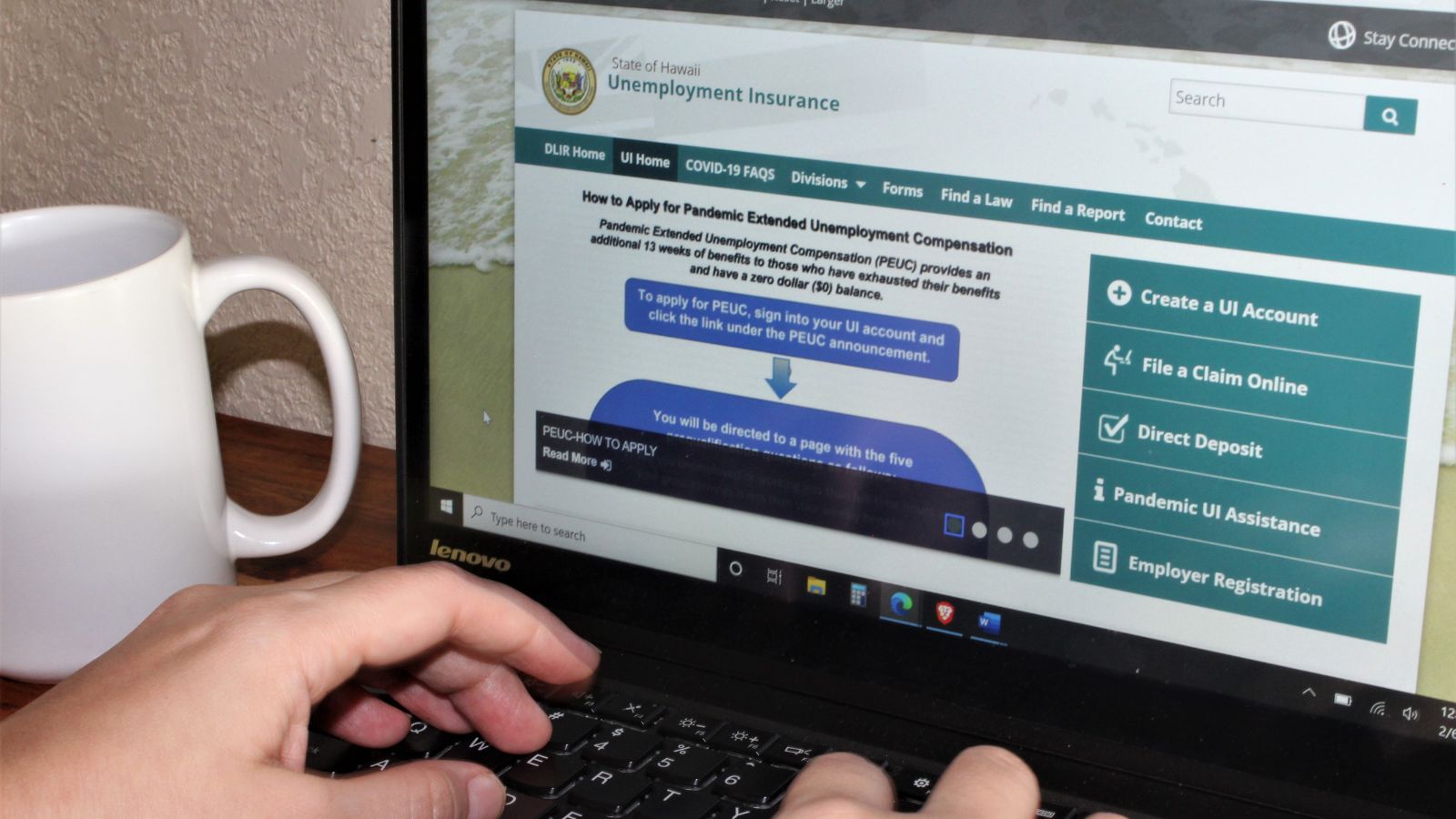
Job scams thrive when people are looking for flexible work, side income, remote jobs, or quick hiring. A message may arrive through email, social media, text, or a job platform. The employer offers generous pay for simple tasks such as processing payments, reviewing products, reposting listings, receiving packages, or completing app-based assignments. The role may seem low-risk at first.
The catch appears later. Applicants may be asked to pay training fees, deposit a cheque, send money back, provide banking details, or purchase equipment from a specific vendor. Task scams may even pay small amounts early to build confidence before demanding larger deposits to “unlock” earnings. Legitimate employers do not require workers to pay money to receive wages, nor do they use personal bank accounts to move company funds.
Rental Listing Scams

Rental scams are especially powerful in tight housing markets. A listing may show a clean apartment, convenient location, and rent below similar units. The supposed landlord says they are out of town, managing the property for a relative, or overwhelmed with interest. To secure the unit, applicants are asked to send a deposit before viewing it.
The scam often relies on stolen photos from real listings. Victims may receive a lease, a key-delivery story, or a video tour that looks convincing enough to reduce doubt. Students, newcomers, and people under time pressure are especially vulnerable. The strongest warning sign is being asked to pay before confirming the property and the landlord’s authority. A real rental process should allow inspection, documentation, and a traceable agreement.
Tech Support Pop-Ups

Tech support scams usually begin with alarm. A computer screen freezes, a loud warning appears, or a browser page claims the device has been infected. A phone number is displayed, often pretending to connect to Microsoft, Apple, a bank, or an internet provider. Once the victim calls, the scammer offers to “fix” the problem remotely.
Remote access is the real danger. The fraudster may install software, search files, steal passwords, or demand payment for unnecessary services. Some victims are shown harmless system logs and told they prove a serious infection. The scam can feel convincing because the screen itself appears to confirm the caller’s story. A safer response is to close the browser, restart the device, and contact trusted support directly through official channels.
Extortion Emails and Sextortion Threats

Extortion scams use fear, embarrassment, and urgency. A common email claims the sender hacked the recipient’s device, recorded private activity, or accessed personal files. The message may include an old password from a previous data breach to make the threat feel real. Payment is often demanded in cryptocurrency with a short deadline.
More harmful versions target young people through social media or messaging apps. A scammer may pose as a romantic interest, request intimate images, then threaten to share them unless money is paid. The pressure can be intense, especially when the victim is ashamed or afraid to tell anyone. Authorities generally advise against paying, because payment rarely ends the threat. Support, reporting, and preserving evidence matter more than negotiating with the criminal.
Identity Theft and Personal Information Scams
Identity theft often begins with small pieces of information: a date of birth, address, Social Insurance Number, driver’s licence image, account password, or security question answer. Scammers collect these details through fake forms, phishing pages, breached accounts, mail theft, fake job applications, or impersonation calls. The victim may not notice immediately.
The consequences can appear later as unauthorized loans, phone accounts, credit applications, benefit claims, or account takeovers. This makes identity fraud different from a single bad purchase; it can become a long cleanup process involving banks, credit bureaus, government agencies, and police reports. Canadians are often told to treat personal information like money because, in criminal hands, it can become exactly that. Unnecessary document requests are worth questioning every time.
SIM Swap and Phone Account Takeovers
A SIM swap happens when a scammer convinces a mobile provider to move a victim’s phone number to another SIM card or device. Once that happens, the victim may suddenly lose service while the criminal receives calls and text messages meant for them. This can be used to intercept verification codes and break into email, banking, or social media accounts.
The scam may start with stolen identity information, a phishing message, or a fake support call. By the time the phone stops working, the criminal may already be moving through accounts. Because many services still rely on text-message verification, control of a phone number can become control of a digital life. Warning signs include sudden “no service,” unexpected carrier messages, or login alerts that were not requested.
Prize, Lottery, and Giveaway Scams

Prize scams promise something exciting: a lottery win, a vacation, a gift card, a new phone, or a sweepstakes award. The victim is told they only need to pay taxes, shipping, insurance, customs, or processing fees before receiving the prize. Sometimes the scam uses a familiar brand logo or a fake social media account that appears to represent a real company.
The emotional hook is optimism. A person who has been under financial pressure may want the good news to be true. Yet legitimate prizes do not require winners to pay money upfront to receive them. Another warning sign is being told not to tell anyone until the payment is complete. Real contests have rules, sponsors, and verifiable contact details. Scammers rely on excitement overriding basic checks.
Recovery and Refund Scams

Recovery scams target people who have already lost money. The caller or email sender claims to be a government agency, private investigator, lawyer, bank official, crypto recovery expert, or anti-fraud representative. They say stolen funds have been located and can be returned after a fee, tax, security deposit, or account verification.
This scam is especially cruel because it exploits hope after a painful experience. Victims may be more willing to trust someone who appears to understand the original fraud. Criminals sometimes buy or share lists of previous victims, making the contact seem personalized. A key warning sign is any demand for payment before recovery. Legitimate authorities and financial institutions do not guarantee the return of stolen funds through surprise messages or upfront fees.
Ticket Resale and Event Scams

High-demand concerts, sports events, festivals, and major international tournaments create perfect conditions for ticket scams. Fraudsters post fake tickets on resale sites, social media groups, and classified platforms. The price may be slightly below market value, just enough to feel like a lucky find rather than an obvious trick. The seller pushes for quick payment before the buyer can verify the ticket.
Some scams involve real-looking screenshots, fake transfer emails, or tickets that have already been sold multiple times. Others use deceptive pricing, hidden fees, or misleading claims about availability. Buyers often discover the problem only at the venue gate. Safer purchases come through official ticket platforms, verified resale systems, and payment methods with dispute protections. A seller who refuses secure transfer options is waving a major red flag.
Utility and Service Disconnection Scams

Utility scams often arrive by phone, text, email, or even a knock at the door. The message says electricity, gas, internet, water, or another essential service will be disconnected unless immediate payment is made. The scammer may demand prepaid cards, cryptocurrency, e-transfer, or a payment through a strange link.
The tactic works because service interruptions are stressful. A small business owner, parent, or senior may pay quickly to avoid disruption. Some scammers time their calls near the end of a billing cycle or during extreme weather to increase pressure. Real utility providers usually have formal notice procedures and multiple ways to verify an account. Any threat of instant disconnection paired with an unusual payment method should be treated as suspicious.
Fake Charity and Disaster Relief Appeals
Fake charity scams often surge after wildfires, floods, international crises, medical fundraisers, or community tragedies. The request may come through social media, crowdfunding platforms, phone calls, emails, or door-to-door appeals. The language is emotional and urgent, asking people to give before the moment passes.
The scammer may copy the name of a real charity or create one that sounds almost identical. They may also use images from legitimate disasters to make the appeal feel authentic. Donors who want to help quickly can be rushed into giving through e-transfer, cryptocurrency, or unfamiliar payment links. A better approach is to search the charity independently, confirm registration where applicable, and donate through official websites. Compassion should not require skipping verification.
Immigration and Newcomer Scams

Newcomers, temporary workers, international students, and people applying for immigration status can be targeted by scammers posing as officials, consultants, recruiters, or lawyers. The message may threaten deportation, claim an application problem, offer guaranteed approval, or demand payment for forms and services that are normally available through official channels.
These scams exploit stress and unfamiliarity with Canadian systems. A person waiting for a permit or status update may feel they cannot risk ignoring a call. Fraudsters may also use official-sounding language and fake identification numbers. Legitimate immigration processes do involve fees, but they are paid through recognized channels, not through gift cards, crypto, or personal transfers. Any promise of guaranteed success, special influence, or secret access deserves careful checking.
Loan, Debt Relief, and Credit Repair Scams

Loan and debt scams target people who are already financially stretched. An ad may promise guaranteed approval, no credit check, instant debt relief, or rapid credit score improvement. The applicant is then asked to pay insurance, administration fees, taxes, or a deposit before funds are released. In many cases, the loan never arrives.
Credit repair scams can be just as damaging. A company may promise to erase accurate negative information from a credit report or create a new identity for borrowing. These claims can lead to more debt, lost fees, or legal trouble. Real lenders assess risk before approval, and legitimate credit counselling does not rely on miracle fixes. When financial stress is high, the safest offers are usually the least flashy ones.
Business Email Compromise and Payment Redirection

Business email compromise is a targeted scam that can hit companies, charities, municipalities, schools, and professional offices. Fraudsters study relationships, invoices, suppliers, executives, and payment habits. Then they send a convincing email requesting a wire transfer, changing banking details, or redirecting a payment to a new account.
The email may appear to come from a real executive, vendor, lawyer, contractor, or client. Small changes in an address can be easy to miss during a busy day. One employee may believe they are simply following instructions, while the money is actually being sent to criminals. This scam is dangerous because it does not require malware; it uses normal business routines against the organization. Independent verbal confirmation of payment changes remains one of the strongest defenses.
AI Voice Cloning and Deepfake Impersonation
Artificial intelligence has made impersonation scams more convincing. A criminal may use short audio clips from social media, voicemail, videos, or public recordings to create a voice that sounds like a loved one, colleague, executive, or public figure. Deepfake images and videos can also be used to support fake investment ads, emergency stories, or business requests.
The technology does not need to be perfect; it only needs to work during a stressful moment. A parent hearing a child’s frightened voice or an employee receiving a realistic executive message may act quickly. The best defense is a verification routine that does not depend on voice alone. Families and workplaces can use code words, callback rules, and payment-change procedures. In a world of synthetic media, familiar voices are no longer proof by themselves.
19 Things Canadians Don’t Realize the CRA Can See About Their Online Income

Earning money online feels simple and informal for many Canadians. Freelancing, selling products, and digital services often start as side projects. The problem appears at tax time. Many people underestimate how much information the CRA can access. Online platforms, banks, and payment processors create detailed records automatically. These records do not disappear once money hits an account. Small gaps in reporting add up quickly.
Here are 19 things Canadians don’t realize the CRA can see about their online income.
This Options Discord Chat is The Real Deal
While the internet is scoured with trading chat rooms, many of which even charge upwards of thousands of dollars to join, this smaller options trading discord chatroom is the real deal and actually providing valuable trade setups, education, and community without the noise and spam of the larger more expensive rooms. With a incredibly low-cost monthly fee, Options Trading Club (click here to see their reviews) requires an application to join ensuring that every member is dedicated and serious about taking their trading to the next level. If you are looking for a change in your trading strategies, then click here to apply for a membership.