
35,000+ smart investors are already getting financial news, market signals, and macro shifts in the economy that could impact their money next with our FREE weekly newsletter. Get ahead of what the crowd finds out too late. Click Here to Subscribe for FREE.
Cellphone plans in Canada have become easier to compare in some ways, yet plenty of surprises still hide in the fine print, billing cycles, device terms, and roaming rules. Prices have shifted, regulators have tightened consumer protections, and more carriers now advertise larger data buckets, but the monthly bill can still feel more complicated than expected.
These 17 issues show where Canadian cellphone plans continue to catch people off guard, from promotional discounts and “unlimited” data limits to device financing, roaming charges, family-plan permissions, and coverage differences that only become obvious after the contract is signed.
Activation and Plan-Change Fees Can Still Shape Expectations
17 Ways Canadian Cellphone Plans Still Catch People Off Guard
- Activation and Plan-Change Fees Can Still Shape Expectations
- Device Financing Can Make a “Cheap Phone” Feel Expensive Later
- “Unlimited” Data Does Not Always Mean Unlimited Speed
- Shared Family Plans Can Create Shared Billing Surprises
- Roaming Fees Can Add Up Even on Quiet Travel Days
- Canada-U.S. Features Are Not Always Included
- Promotional Discounts Can Expire Quietly
- Coverage Maps Do Not Guarantee Indoor Reliability
- Rural and Remote Service Can Cost More Than Expected
- The First Bill Can Be Higher Than the Advertised Monthly Price
- Data Overage Caps Do Not Mean Data Is Always Free Afterward
- Add-Ons Can Follow the Plan Longer Than Expected
- Prepaid Plans Can Have Different Trade-Offs
- Bring-Your-Own-Device Plans Are Not Always the Cheapest Long Term
- Trade-In Credits Can Depend on Conditions
- Complaint Patterns Show Billing Is Still a Pain Point
- Price Drops Can Hide Value Changes
- Cancelling Online Is Still Becoming Easier, Not Instant Everywhere
- 19 Things Canadians Don’t Realize the CRA Can See About Their Online Income

Many Canadians have become used to seeing one-time setup or activation charges added to a first wireless bill. These fees were especially frustrating because they often appeared before a customer had even tested the service. For a household switching several lines at once, a charge that seemed small on one plan could quickly become a much larger first-month cost.
The surprise is changing, but timing still matters. The CRTC has moved to eliminate fees related to activating, changing, or cancelling cellphone and internet plans, with new consumer protections taking effect in 2026. Until people understand which fees are prohibited, which device-related costs remain separate, and when the rules apply, first bills can still feel confusing. A parent moving three lines after a promotion may discover that the monthly price is only one part of the switching calculation.
Device Financing Can Make a “Cheap Phone” Feel Expensive Later

A phone advertised with a low upfront cost can look like the easiest part of a plan, especially when the monthly device payment is blended into the bill. The catch comes later, when the customer wants to leave early, upgrade sooner than expected, or move to a cheaper bring-your-own-device plan. The service may be flexible, but the device balance often remains.
Canadian rules treat device financing in a way that protects customers from some excessive cancellation penalties, but the unpaid value of a subsidized or financed device can still be owed. That distinction surprises people who think “no cancellation fee” means “no final device cost.” A customer who signed for a premium smartphone may find the remaining balance is the real barrier to switching, not the wireless service itself. The phone was never free; its cost was simply spread across time.
“Unlimited” Data Does Not Always Mean Unlimited Speed
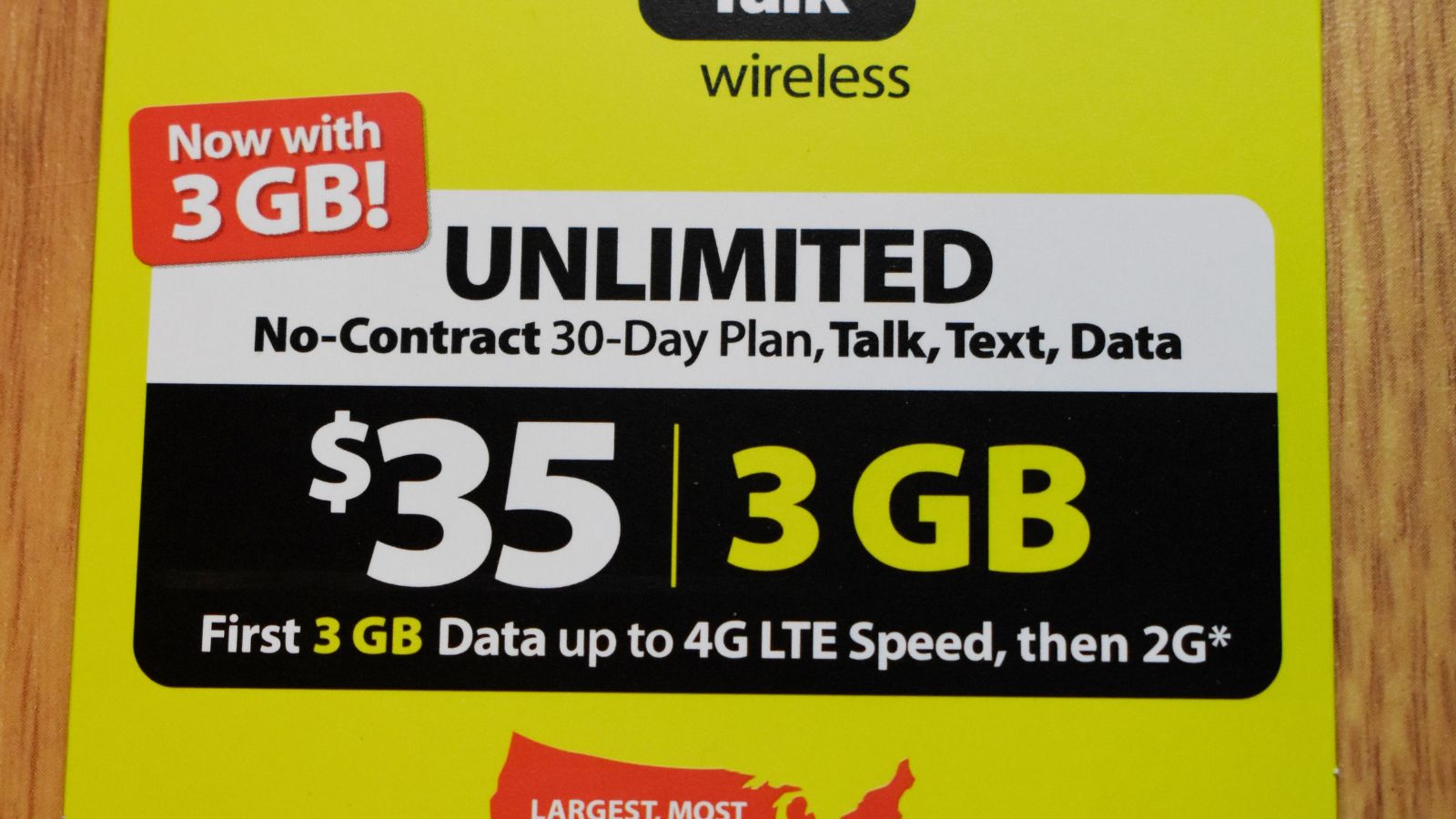
The word “unlimited” is one of the most powerful phrases in wireless advertising. It suggests freedom: stream, scroll, navigate, and hotspot without watching a meter. In practice, many plans use a high-speed data allowance, then sharply reduce speeds once that threshold is reached. The plan may still technically allow data use, but the experience can change dramatically.
This is why some Canadians feel caught off guard after a few heavy-use days. A person who uses their phone as a hotspot at the cottage, downloads work files, or streams video during a commute may hit the high-speed limit faster than expected. After throttling, maps may still load, but video calls and large downloads can become frustrating. The surprise is not always the data cap itself; it is the gap between the marketing impression and the slower service that follows.

Family plans are often marketed as a way to simplify bills and pool data across several users. That can work well, but it also means one person’s habits can affect the whole account. A teenager streaming video, a parent using hotspot data during travel, or a tablet left updating apps over mobile data can push the account toward extra charges or service slowdowns.
The Wireless Code includes protections around data overage and roaming caps, but account permissions still matter. The account holder is generally the key person for authorizing charges beyond certain limits unless another user has been authorized. Families sometimes discover this only when data access pauses or a charge requires approval. A shared plan may feel like one big bucket, but it is also one shared responsibility. Without clear rules inside the household, the person paying the bill may be the last to understand what happened.
Roaming Fees Can Add Up Even on Quiet Travel Days

International roaming remains one of the most common sources of bill shock. Many Canadian carriers offer daily roaming options that let a phone be used abroad for a flat charge. The surprise is that the daily fee can apply even when usage seems minimal, such as checking one map route, receiving a background app notification, or sending a short message.
The CRTC has tightened rules around roaming notifications and caps, but roaming still requires attention. A daily charge can feel reasonable for one vacation day and excessive over a two-week trip. Some plans include Canada-U.S. or broader travel features, while others do not. A traveller who assumes their phone is “covered” because it worked normally at the airport may not realize that normal use can trigger daily fees. The safest habits are still checking the plan before departure and controlling data roaming settings.
Canada-U.S. Features Are Not Always Included

Canada-U.S. plans have become more visible, especially for snowbirds, border communities, students, and business travellers. These plans can be valuable because they may include calling, texting, and data use across both countries. The problem is that similar-looking plans do not always include the same cross-border treatment.
Some plans include U.S. roaming as part of the monthly price, while others charge a daily roaming fee once the phone connects to a U.S. network. Even within the same carrier family, prepaid, flanker-brand, and premium plans can differ. A weekend trip to Buffalo, Seattle, or Plattsburgh can become a reminder that “nationwide” usually means Canada unless the plan clearly says otherwise. The language matters: Canada-wide calling, Canada-U.S. calling, and Canada-U.S. roaming are not interchangeable benefits.
Promotional Discounts Can Expire Quietly

A plan advertised at a striking monthly price may rely on temporary credits. The base plan might cost more, with a discount applied for 12, 18, or 24 months. When the promotion ends, the bill can jump even though the customer has not changed anything. That increase often feels like a price hike, but the carrier may describe it as the end of a time-limited discount.
This is a familiar problem in telecom bills: the headline price is remembered, while the expiry date fades into the background. New CRTC notification requirements are intended to improve warnings before promotional periods end, but customers still need to know what the regular price will be. A plan that looks cheaper than a competitor for the first year may be more expensive in year two. The real comparison is not just the launch price; it is the total cost over the expected time on the plan.
Coverage Maps Do Not Guarantee Indoor Reliability

Coverage maps are useful, but they cannot perfectly predict every basement apartment, office tower, rural road, or lakeside cabin. A carrier may show strong service in an area while a specific building has weak indoor reception because of construction materials, distance from towers, terrain, or network congestion. This is especially frustrating when the plan looked strong during online research.
The difference between outdoor coverage and real-life usability catches many people off guard. A phone may show bars near the front window but struggle in a condo elevator, underground parking garage, or workplace lunchroom. Rural customers can face even sharper differences between highways, small communities, and recreational areas. Before committing, it helps to ask neighbours, test during the trial period where the phone will actually be used, and understand whether Wi-Fi calling is available. The best plan on paper is not always the best plan at home.
Rural and Remote Service Can Cost More Than Expected

Canada’s geography makes wireless service complicated. Large urban markets often have more plan choices, stronger competition, and easier access to promotions. Smaller communities, northern regions, and remote areas can have fewer options or different coverage trade-offs. Even when national brands advertise widely, the lived experience may depend heavily on local network investment and available spectrum.
This can surprise people moving from a city to a smaller town, working seasonally, or buying a plan for a family member in a rural area. A low-cost plan may run on a network that performs well downtown but poorly on regional roads. Another provider may cost more but offer better reliability where it matters. Price-comparison studies show regional differences in Canadian wireless pricing, and coverage data is collected separately from pricing data. That distinction matters: a cheaper plan is only a bargain if it connects reliably in the places people actually live and travel.
The First Bill Can Be Higher Than the Advertised Monthly Price

The first bill is often the moment when a customer realizes wireless pricing is not always as simple as the monthly plan rate. Partial-month charges, advance billing, taxes, device payments, add-ons, and one-time charges can all appear together. Even when the charges are legitimate, the total can look startling beside the advertised price.
This is especially common when service begins midway through a billing cycle. A customer may see prorated charges for the first partial period plus the next full month in advance. If a device was financed, that payment may appear separately. If a promotion requires credits, those credits may not show up exactly where expected on the bill. The result is a first invoice that feels like a mistake. Reading the critical information summary and asking how the first bill will be calculated can prevent a lot of frustration.
Data Overage Caps Do Not Mean Data Is Always Free Afterward

The Wireless Code limits domestic data overage charges to $50 per billing cycle unless the account holder or authorized user agrees to pay more. This is an important consumer protection, but it can create a misunderstanding. Some people assume the cap means they can keep using full-speed extra data without consequence once the limit is reached.
In reality, a provider must suspend data overage charges at the cap unless consent is given. That can mean data access pauses for the line or account features change until approval is provided or the billing cycle resets. For someone relying on mobile data for work, school, or navigation, the disruption can be more inconvenient than the charge itself. The cap prevents runaway bills, but it does not turn a limited plan into an unlimited high-speed plan. Usage alerts still deserve attention.
Add-Ons Can Follow the Plan Longer Than Expected

Small add-ons are easy to accept and easy to forget. Voicemail upgrades, visual voicemail, international calling packs, extra data, device protection, streaming bundles, or tablet lines can quietly remain on the bill after the original reason has passed. A customer may add a travel feature for one trip or a protection plan for one phone, then stop noticing the charge month after month.
These extras can be legitimate, but they complicate comparisons. A person who thinks they are paying $45 for service may actually be paying $60 once add-ons are included. The issue becomes clearer when switching providers, because some add-ons are optional while others are embedded in higher-tier plans. A regular bill review can reveal charges that no longer match current habits. In a market where base wireless prices have generally declined over several years, forgotten add-ons can erase much of the savings.
Prepaid Plans Can Have Different Trade-Offs

Prepaid plans can be excellent for budget control because customers generally pay before using the service. They are popular with students, newcomers, light users, and people who want to avoid credit checks or surprise monthly invoices. The trade-off is that prepaid plans may have different roaming options, phone financing availability, customer support channels, renewal rules, and promotion structures.
The surprise often comes when a prepaid customer expects the same treatment as a postpaid customer. A missed renewal can interrupt service. A discounted plan may require automatic payments. Some prepaid plans offer generous data but limited international roaming, while others are designed mainly for domestic use. There may also be fewer premium-device financing options. Prepaid is not worse by default; it is simply different. The best fit depends on whether predictability matters more than extras, flexibility, or bundled device deals.
Bring-Your-Own-Device Plans Are Not Always the Cheapest Long Term

Bringing an unlocked phone to a carrier can reduce monthly costs because there is no device payment attached. It also makes switching easier when a better offer appears. However, BYOD plans are not automatically the cheapest choice for every customer. Promotions sometimes bundle device discounts, trade-in credits, or bonus data in ways that make the comparison less obvious.
The key is separating the service price from the phone price. A financed phone plan may appear expensive monthly but include a meaningful device subsidy. A BYOD plan may look cheaper but require buying the phone outright. Over two years, the better deal depends on the device, resale value, required plan tier, and how likely the customer is to switch early. A person keeping an older phone for another year may benefit from BYOD immediately. Someone who needs a new flagship may need a full two-year cost comparison before deciding.
Trade-In Credits Can Depend on Conditions

Trade-in offers can make a new phone feel much more affordable, but the advertised credit is often tied to device condition, model, storage size, timing, and inspection. A phone with a cracked screen, battery issues, missing parts, or activation-lock problems may not qualify for the highest credit. The customer may not know the final assessed value until after the device is checked.
This creates a gap between the promotional promise and the final economics. A person might mentally budget around a large trade-in credit, only to receive less because the device did not meet the stated criteria. Some offers also apply credits over time rather than as an instant lump-sum reduction. That can make leaving early more complicated, because remaining credits may stop if the plan is cancelled. Trade-ins can still be worthwhile, but the terms should be treated like part of the contract, not a casual bonus.
Complaint Patterns Show Billing Is Still a Pain Point
Wireless bills are not confusing only in theory; complaint data shows billing remains a major source of frustration. The Commission for Complaints for Telecom-television Services reported record accepted complaints in its 2024–2025 reporting year, with billing-related issues rising and wireless services accounting for more than half of all issues raised in complaints. That pattern reflects how often customers struggle with charges, credits, contract terms, and service expectations.
Behind those numbers are ordinary situations: a promised discount not appearing, a final bill that seems too high, a roaming charge that was not expected, or a plan change that did not match what was discussed. Most customers do not complain unless the issue feels significant. The data reinforces a practical lesson: written confirmations, saved chat transcripts, and careful bill reviews are not overkill. They are useful safeguards in a market where small billing details can become expensive disputes.
Price Drops Can Hide Value Changes

Statistics Canada data shows cellular service prices have fallen substantially over several years, and federal telecom price studies have also tracked declines across several wireless service baskets. That sounds like straightforward good news, and in many ways it is. Canadians can often get more data for less money than they could a few years ago.
The catch is that price drops do not always mean every customer is automatically better off. A cheaper plan may include slower speeds after a threshold, fewer roaming features, weaker international calling options, different hotspot rules, or less attractive device financing. Some long-time customers remain on older plans while new-customer promotions receive the best advertised rates. The real question is not just whether average prices are down; it is whether a specific plan fits a specific household’s usage. Lower prices help, but only if the details match the customer’s needs.
Cancelling Online Is Still Becoming Easier, Not Instant Everywhere

Many Canadians expect to manage subscriptions digitally, but cellphone plan changes and cancellations have not always been as simple as clicking a button. Some customers have had to call, wait for retention agents, or navigate unclear processes before leaving a plan. That friction can make people delay switching even when a better offer is available.
The CRTC has ordered new self-service mechanisms that will allow customers to modify or cancel internet and cellphone plans without interacting with a live representative, with written confirmation for self-service actions. However, these protections have a future implementation date, which means the customer experience may still vary during the transition. The practical surprise is that regulatory change does not always feel immediate at the counter, in the app, or on the phone. Until self-service rules are fully in place, keeping records of cancellation requests remains important.
19 Things Canadians Don’t Realize the CRA Can See About Their Online Income

Earning money online feels simple and informal for many Canadians. Freelancing, selling products, and digital services often start as side projects. The problem appears at tax time. Many people underestimate how much information the CRA can access. Online platforms, banks, and payment processors create detailed records automatically. These records do not disappear once money hits an account. Small gaps in reporting add up quickly.
Here are 19 things Canadians don’t realize the CRA can see about their online income.
This Options Discord Chat is The Real Deal
While the internet is scoured with trading chat rooms, many of which even charge upwards of thousands of dollars to join, this smaller options trading discord chatroom is the real deal and actually providing valuable trade setups, education, and community without the noise and spam of the larger more expensive rooms. With a incredibly low-cost monthly fee, Options Trading Club (click here to see their reviews) requires an application to join ensuring that every member is dedicated and serious about taking their trading to the next level. If you are looking for a change in your trading strategies, then click here to apply for a membership.