
35,000+ smart investors are already getting financial news, market signals, and macro shifts in the economy that could impact their money next with our FREE weekly newsletter. Get ahead of what the crowd finds out too late. Click Here to Subscribe for FREE.
When Canada thought it was enjoying a stable trade relationship with its southern neighbor, the U.S. threw a wrench (probably imported) into the system. With the latest wave of tariffs targeting industries across the board, thousands of Canadian jobs are now hanging in the balance. Here are 21 Canadian jobs that are at risk.
Auto Workers
21 Canadian Jobs at Risk Because of the Latest U.S. Tariff War
- Auto Workers
- Steel and Aluminum Workers
- Forestry and Lumber Workers
- Farmers
- Dairy Farmers
- Lobster Fishers
- Oil and Gas Workers
- Aerospace Engineers and Workers
- Retail Workers
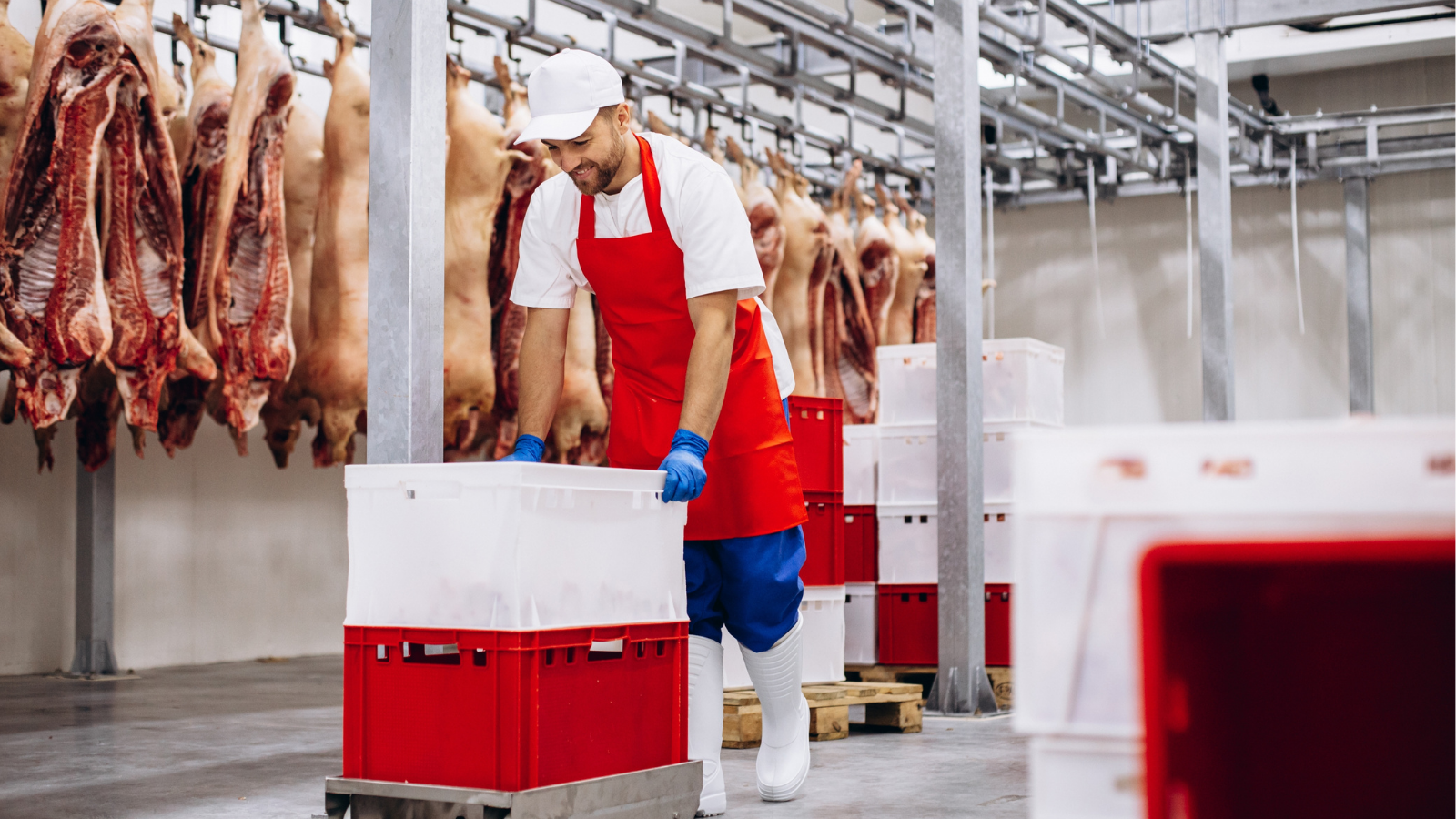
- Food Processing Workers
- Fishermen and Seafood Industry Workers
- Wine and Beverage Industry Workers
- Paper and Pulp Mill Workers
- Pharmaceutical Workers
- Textile and Apparel Workers
- Chemical Industry Workers
- Construction Workers
- High-Tech Industry Workers
- Transportation and Logistics Workers
- Hospitality and Tourism Workers
- Renewable Energy Workers
- 20 Reasons Why Wealthy Investors Are Looking At The Caribbean

Canada’s automotive industry is a giant, with over 125,000 people directly employed in vehicle assembly and parts manufacturing. However, the recent imposition of a 25% U.S. tariff on Canadian imports poses a significant threat to Canada’s auto industry and its workers. The Canadian and American auto sectors are deeply integrated, with approximately $160 billion in annual two-way automotive trade.
Steel and Aluminum Workers

The U.S. has a history of slapping tariffs on steel and aluminum. In 2024, Canada exported $15.9 billion worth of aluminum to the U.S., underscoring the deep integration of North American supply chains. The United Steelworkers union has condemned these tariffs, labeling them a “direct attack on workers and communities” and warning of potential destabilization in industries on both sides of the border.
Forestry and Lumber Workers

Softwood lumber disputes are practically a Canadian tradition at this point. In February 2025, President Donald Trump ordered an investigation into alleged dumping of Canadian lumber in the U.S. market, potentially leading to additional tariffs or quotas on top of existing duties averaging 14.5%. These measures could further strain Canada’s forestry sector, which exported nearly $38 billion in products in 2023, with approximately 77% destined for the U.S. The ripple effect also hurts construction companies and furniture makers who rely on affordable wood.
Farmers

Tariffs on wheat, soybeans, and other agricultural products make it harder for Canadian farmers to sell their crops south of the border. The Agricultural Manufacturers of Canada (AMC) has expressed alarm, highlighting that these tariffs could jeopardize thousands of jobs and inflate costs for U.S. farmers who rely on Canadian-made equipment. This escalation not only endangers the livelihoods of Canadian farmers but also poses risks to North American food security.
Dairy Farmers

The U.S. has long criticized Canada’s dairy supply management system, and with every trade dispute, dairy farmers face increased pressure. In January 2022, a USMCA panel found Canada’s allocation of dairy TRQs inconsistent with its obligations, as it reserved a significant portion exclusively for Canadian processors, limiting U.S. access. These developments threaten the stability of Canada’s dairy sector, potentially reducing market share for Canadian farmers and impacting national food security.
Lobster Fishers

Atlantic Canada’s lobster industry depends heavily on American buyers. The U.S. has increased lobsters’ minimum legal carapace size from 82 mm to 84 mm as of January 2025, with a further rise to 86 mm planned for 2027. This change creates a discrepancy with Canada’s standard of 82 mm, potentially barring a portion of Canadian lobsters from the U.S. market. Estimates suggest that 10% to 30% of Canadian lobster landings could be affected.
Oil and Gas Workers

Recent U.S. policy changes are jeopardizing Canadian oil and gas jobs. In early 2025, President Donald Trump imposed a 10% tariff on Canadian oil and gas imports to protect U.S. industries. This move threatens thousands of Canadian jobs, particularly in Alberta, as reduced exports could lead to decreased production and employment. And, since the U.S. is Canada’s biggest oil customer, export restrictions mean job losses in Alberta’s oil sands and beyond.
Aerospace Engineers and Workers

Canada is home to major aerospace companies like Bombardier, which already has a rocky relationship with U.S. trade policies. These tariffs increase production costs for Canadian aerospace firms, potentially reducing their competitiveness in the global market. The Canadian government has committed over $6.5 billion to assist affected businesses in diversifying markets and mitigating losses.
Retail Workers

With tariffs making imports more expensive, retailers either pass costs on to consumers or absorb the losses themselves. Hudson’s Bay, the nation’s oldest retailer, recently filed for creditor protection, citing subdued consumer spending and U.S.-Canada trade tensions. Additionally, Statistics Canada reported a decrease of 15,100 retail jobs in June 2024, contributing to a net loss of 39,300 positions since February 2023.
Food Processing Workers

Recent reports indicate that automation poses a significant risk to Canadian food processing jobs. The Conference Board of Canada estimates that within the next decade, one-fifth of jobs in the food and beverage manufacturing sector could be automated, potentially affecting approximately 160,000 positions. This shift is driven by the adoption of technologies such as robotics, artificial intelligence, and advanced analytics, which aim to enhance productivity and address labor shortages.
Fishermen and Seafood Industry Workers

Due to the latest U.S. tariffs, Canadian fishermen and seafood industry workers now face stormy seas. President Trump’s recent executive orders impose a 25% tariff on Canadian seafood exports, casting a dark cloud over the industry. The Fisheries Council of Canada warns that these tariffs could devastate coastal communities, jeopardizing thousands of jobs and businesses.
Wine and Beverage Industry Workers

The recent U.S. decision to slap a 25% tariff on Canadian goods has left our wine and beverage industry workers feeling like they’ve been served a corked bottle. Niagara-on-the-Lake wineries, such as Pillitteri Estate, are bracing for a “devastating” impact, with export manager Jared Goerz noting that shipping costs combined with tariffs could make U.S. sales untenable. Meanwhile, Canadians are rallying behind local products, with some provinces pulling American alcohol from shelves faster than you can say “cheers.”
Paper and Pulp Mill Workers

The U.S. has targeted Canadian newsprint and paper products in past tariff wars, hammering Canada’s pulp and paper industry. The U.S. Department of Commerce has been investigating the alleged dumping of lumber in the American market, primarily pointing fingers at Canada. This could lead to even more tariffs or quotas, fueling the already blazing trade war.
Pharmaceutical Workers

Canada’s pharmaceutical industry depends on cross-border trade for raw materials and finished products. Meanwhile, President Trump’s musings about slapping a 25% tariff on Canadian pharmaceutical imports have left our neighbors to the North clutching their prescription pads in anxiety. If these tariffs pass, Canadian pharmaceutical workers might find themselves in a bitter pill of job insecurity, as the U.S. may seek cheaper alternatives elsewhere.
Textile and Apparel Workers

The U.S. has slapped a 25% tariff on Canadian textiles and apparel. This move threatens Canada’s $2.48 billion in exports, potentially unraveling jobs and profits. As the fabric of North American trade frays, Canadian workers might need to button up for a bumpy ride while keeping their shirts on.
Chemical Industry Workers

Canada and the U.S. share a chemical trade bond tighter than a covalent bond, with over $115 billion in goods swapping sides annually. These tariffs are like tossing a lit Bunsen burner into a lab full of flammable materials. Expect explosions in costs, job losses, and a supply chain mess messier than a first-year chemistry student’s lab bench.
Construction Workers

The U.S. tariffs are hammering industries like steel and aluminum, which are the nuts and bolts of construction. The construction sector is feeling the strain with materials costs climbing faster than a carpenter up a ladder. The Canadian Home Builders’ Association warns that these tariffs could drill into housing affordability and tighten the screws on housing supply. As if that weren’t enough, the Canadian Labour Congress reports that over 43,000 jobs are hanging in the balance, making workers as jittery as a jackhammer.
High-Tech Industry Workers

A Canadian Manufacturers & Exporters survey revealed that nearly 90% of manufacturers anticipate significant impacts, prompting 30% to accelerate U.S. shipments and another 30% to pause investments. As if that wasn’t enough to make you spill your double-double, Canada’s unemployment rate could jump from 6.6% to 7.9%, according to TD Bank’s James Orlando.
Transportation and Logistics Workers

When tariffs slow down supply chains, these jobs are put at risk due to reduced demand for shipping and storage. With 68% of Canada-U.S. trade moving by truck, these tariffs are like a moose on the loose for Canadian truckers. Experts warn that these measures could exacerbate the nearly three-year trucking recession by raising prices and reducing demand for freight. Also, the Canadian Trucking Alliance fears prolonged tariffs could be the “final nail in the coffin” for many fleets, potentially jeopardizing up to 60,000 jobs.
Hospitality and Tourism Workers

Retaliatory tariffs often hurt tourism, as they can create tensions that reduce travel between Canada and the U.S. Canadians, feeling the pinch and perhaps a tad miffed, are canceling U.S. trips en masse, opting instead for destinations like the Bahamas or staying home to perfect their poutine recipes. This exodus means fewer loonies spent south of the border, impacting U.S. businesses that rely on Canadian visitors. Meanwhile, Canadian tour operators warn that these tariffs could lead to significant financial losses and job cuts, turning bustling hotels and restaurants into ghost towns.
Renewable Energy Workers
The U.S. tariff tantrum and a 10% levy on Canada’s energy exports have left Canada’s renewable energy workers feeling the heat. Prime Minister The Canadian Association of Energy Contractors warns that these trade tensions could dim the prospects of our brightest renewable energy stars, putting thousands of jobs at risk. As the tariff tug-of-war continues, our renewable energy sector braces for stormy weather, hoping for sunnier days ahead.
20 Reasons Why Wealthy Investors Are Looking At The Caribbean

The Caribbean has long been known for its stunning landscapes and vibrant culture, but in recent years, it has also become an attractive destination for wealthy investors. The region offers numerous financial, economic, and lifestyle advantages that appeal to high-net-worth individuals seeking opportunities. Here are 20 reasons why the Caribbean has captured the attention of the global investment community.
20 Reasons Why Wealthy Investors Are Looking At The Caribbean
This Options Discord Chat is The Real Deal
While the internet is scoured with trading chat rooms, many of which even charge upwards of thousands of dollars to join, this smaller options trading discord chatroom is the real deal and actually providing valuable trade setups, education, and community without the noise and spam of the larger more expensive rooms. With a incredibly low-cost monthly fee, Options Trading Club (click here to see their reviews) requires an application to join ensuring that every member is dedicated and serious about taking their trading to the next level. If you are looking for a change in your trading strategies, then click here to apply for a membership.