
35,000+ smart investors are already getting financial news, market signals, and macro shifts in the economy that could impact their money next with our FREE weekly newsletter. Get ahead of what the crowd finds out too late. Click Here to Subscribe for FREE.
Canadians, if you’ve noticed that your grocery bill is creeping higher or that your favorite imported cheese now costs more than your Netflix subscription, you’re not alone. Thanks to tariffs imposed by the U.S., many everyday items are now pricier in Canada. Here are 20 everyday items that rising costs have hit due to U.S. tariffs.
Dairy Products (Milk, Cheese, and Butter)
20 Everyday Items Now More Expensive in Canada Due to U.S. Tariffs
- Dairy Products (Milk, Cheese, and Butter)
- Orange Juice
- Coffee
- Peanut Butter
- Ketchup
- Fresh Fruits and Vegetables
- Bread and Pasta
- Beer and Alcohol
- Soft Drinks
- Chocolate and Candy
- Meat and Poultry
- Furniture
- Electronics
- Automobiles and Auto Parts
- Clothing and Shoes
- Household Appliances
- Paper Products
- Cosmetics and Personal Care Items
- Baby Products
- Pet Food
- 25 Countries Predicted to Become Economic Superpowers in the Next 20 Years

If you’re a fan of a good grilled cheese sandwich, you might have already noticed that dairy prices have shot up. On March 7, 2025, President Trump announced plans to impose reciprocal tariffs on Canadian dairy and lumber products, citing Canada’s existing tariffs of up to 250%. In response, Canada implemented countermeasures, imposing a 25% tariff on over $20 billion worth of U.S. imports, including various food products. That essentially means your poutine fix might now come with a side of sticker shock.
Orange Juice

Do you love a fresh glass of OJ in the morning? Well, brace yourself because imported orange juice is facing tariff-related price hikes. Since Canada doesn’t have orange groves (unless you count the one lonely tree some guy is growing in his heated garage), we rely on imports from the U.S. For example, most orange juice imported to Canada comes from Florida, meaning it’s likely subject to a 10% tariff.
Coffee
 For many Canadians, coffee is a lifeline. Unfortunately, tariffs on coffee beans and processing costs have made your Tim Hortons or Starbucks order a bit more painful for your wallet. Additionally, extreme weather events in major coffee-producing countries like Brazil and Vietnam have disrupted supply chains, leading to a 75% surge in coffee futures prices over the past year. These combined factors have resulted in increased coffee prices in Canada.
Peanut Butter

Peanut butter is a lunchbox staple and the glue that holds many sandwiches together. However, with tariffs affecting peanut imports, that creamy (or crunchy) goodness is now pricier. This escalation in trade tensions has increased costs for essential goods, impacting household budgets across Canada. It’s time to start spreading it a little thinner, literally.
Ketchup
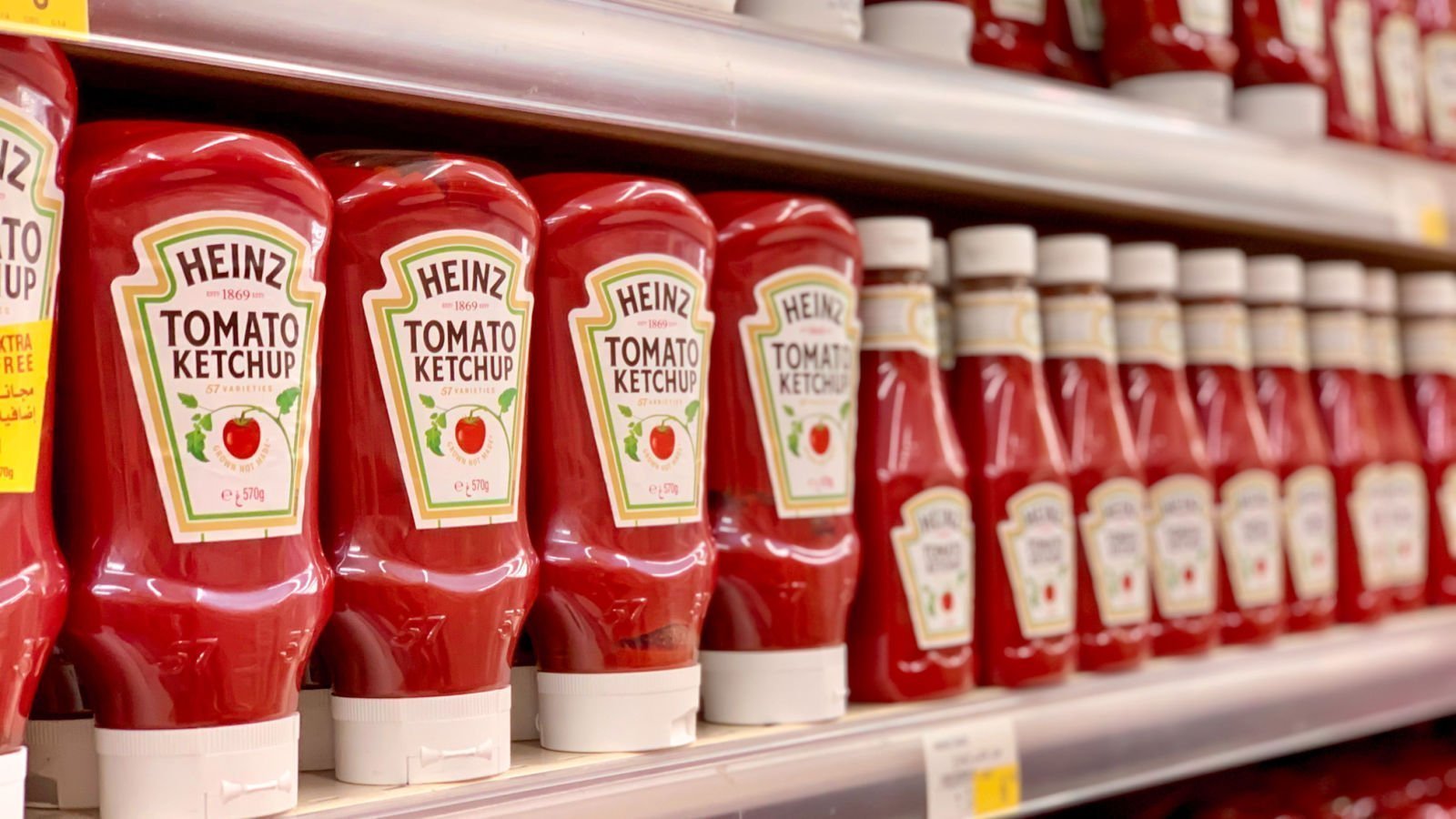
Canada and the U.S. have had a bit of a ketchup war over the years, but one thing’s certain: Tariffs on tomatoes and tomato products have pushed up prices. For instance, the cost of a 750 ml bottle of Heinz Tomato Ketchup, previously averaging $3.38, could rise by up to $0.33 due to the 10% tariff, resulting in a new price of approximately $3.71. So, whether you’re slathering it on fries, burgers, or Kraft Dinner (we won’t judge), you’re paying more for it now.
Fresh Fruits and Vegetables

Since Canada’s growing season is pretty short, we rely heavily on imported fruits and vegetables from the U.S. In 2023, Canada imported over $5 billion in fresh produce from the U.S., including items like lettuce ($476.7 million) and strawberries ($464.7 million). The tariffs have disrupted this trade, prompting Canadian retailers to seek alternative suppliers, often at higher costs.
Bread and Pasta

In early 2025, the United States imposed a 25% tariff on Canadian imports, prompting Canada to retaliate with similar tariffs on U.S. goods, including various food items. This trade dispute has increased prices for everyday products in Canada, notably bread and pasta. The tariffs also affect key ingredients such as wheat and flour, essential for baking bread and producing pasta.
Beer and Alcohol

Nothing says “Canadian weekend” like cracking open a cold one. Still, tariffs on aluminum and other materials used in brewing and packaging have led to price hikes on beer, wine, and spirits. Provinces like Ontario, Quebec, and British Columbia have removed U.S. alcoholic beverages from liquor store shelves, promoting local alternatives. This shift has caused Canadian consumers to face higher prices for these products. It looks like a happy hour, but it got a little sadder.
Soft Drinks

Tariffs on sugar and aluminum cans have increased the price of soft drinks. In February 2025, the U.S. imposed a 25% tariff on Canadian products, prompting Canada to announce retaliatory tariffs on U.S. goods, including orange juice and other beverages. This trade tension has escalated costs for Canadian consumers, as many soft drinks are imported from the U.S. For instance, Coca-Cola has indicated that tariffs on aluminum imports could raise production costs, potentially leading to higher prices for canned beverages.
Chocolate and Candy
 If you reach for a chocolate bar after a long day, be prepared for a slightly bitter reality. Lindt, which previously sourced 50% of its Canadian chocolate supply from U.S. factories, is shifting production to its European facilities to avoid these tariffs. This transition, expected to be completed by midyear, aims to prevent increased costs and potential consumer backlash against U.S.-made products.
Meat and Poultry

With tariffs on livestock feed and meat imports, beef, chicken, and pork prices have gone up. Canadian beef producers expressed concern that these tariffs would significantly raise beef prices in both countries. The integrated North American beef supply chain means that such tariffs disrupt processing and increase costs. Consequently, Canadian consumers are also experiencing higher prices for everyday meat and poultry items.
Furniture
 Need a new couch? Furniture has decided to join the luxury goods club thanks to the recent tit-for-tat tariffs between the U.S. and Canada. The U.S. slapped a 25% tariff on Canadian imports, prompting Canada to retaliate with its 25% tariff on many U.S. goods, including furniture. So, unless you’re ready to embrace a minimalist lifestyle, be prepared to spend more on your home décor.
Electronics

Canada has imposed 25% tariffs on $155 billion worth of U.S. goods, including electronics. As a result, gadgets like Apple iPhones, Dell laptops, and GoPro cameras are now sporting heftier price tags. Retailers like Target have warned of imminent price hikes due to these tariffs. Canadian consumers are feeling the pinch, with electronics prices climbing by an average of 8%.
Automobiles and Auto Parts

The US, Canada, and Mexico trade automotive parts back and forth. A tariff on them would make vehicles more expensive in all three countries. Automakers warn that these tariffs could hike vehicle prices by as much as 25%. The integrated North American supply chain means that parts often cross borders multiple times before a car is fully assembled.
Clothing and Shoes

Our beloved clothing and shoes have found themselves in the crossfire of a trade tiff between the U.S. and Canada. Canada’s 25% tariff on U.S. goods includes apparel and footwear. The result? Prices for these everyday items have taken a hike, leaving consumers on both sides of the border feeling the pinch.
Household Appliances

Are you looking to upgrade your fridge or washing machine? Tariffs on steel, aluminum, and electronics have made home appliances more expensive. Brands such as GE and Whirlpool, known for their appliances, are among those affected. Is it time to perfect the art of campfire cooking?
Paper Products

Everything from toilet paper to paper towels has seen price hikes due to tariffs on wood pulp and paper imports. Industry experts warn that these tariffs could seriously disrupt the complex, cross-border supply chains that have been fine-tuned over decades. So, next time you’re in Canada and notice the heftier price tag on your favorite roll of TP, remember: it’s not just inflation—it’s international relations at play.
Cosmetics and Personal Care Items

Canadians are finding their favorite lotions and potions a tad pricier. Cosmetics and personal care items from the U.S. are subject to Canadian tariffs. This means your cherished American-made moisturizers, shampoos, and even that fancy soap now have a heftier price tag. The Retail Council of Canada warns that these tariffs could increase consumer costs.
Baby Products

Items like infant formula, diapers, and strollers have seen cost hikes due to increased import and raw material tariffs. Even though Canada’s counter-tariffs don’t directly target baby formula, the overall economic turbulence means importing from the U.S. could become pricier. Parents already have enough to worry about. Higher prices on baby essentials don’t help!
Pet Food

Even your furry friends aren’t spared. Pet food prices have risen due to tariffs on meat and grain ingredients. Pet food prices have soared thanks to a tit-for-tat tariff tango with the U.S. In 2023, pet food inflation peaked at nearly 13%, and while it eased in 2024, prices remain stubbornly high. Fido’s kibble now comes at a premium.
“
25 Countries Predicted to Become Economic Superpowers in the Next 20 Years
The strength of an economy plays a crucial role in various international policies about trade and relations. Certain factors determine the strength of an economy, including population growth, availability of resources, and development and advancement. Here are 25 countries predicted to become economic superpowers in the next 20 years
25 Countries Predicted to Become Economic Superpowers in the Next 20 Years
“
This Options Discord Chat is The Real Deal
While the internet is scoured with trading chat rooms, many of which even charge upwards of thousands of dollars to join, this smaller options trading discord chatroom is the real deal and actually providing valuable trade setups, education, and community without the noise and spam of the larger more expensive rooms. With a incredibly low-cost monthly fee, Options Trading Club (click here to see their reviews) requires an application to join ensuring that every member is dedicated and serious about taking their trading to the next level. If you are looking for a change in your trading strategies, then click here to apply for a membership.