35,000+ smart investors are already getting financial news, market signals, and macro shifts in the economy that could impact their money next with our FREE weekly newsletter. Get ahead of what the crowd finds out too late. Click Here to Subscribe for FREE.
Summer spending has a way of feeling temporary: a weekend away, a patio bill, a new swimsuit, a last-minute hotel room. For Canadian banks, though, those seasonal transactions can create many small profit channels that are easy to miss in the moment. Cards get tapped more often, accounts move faster, balances stretch longer, and travel adds layers of fees that do not always stand out on a statement.
Here are 20 ways Canadian banks can quietly profit from summer spending, from credit card interest and foreign transaction charges to overdraft use, ATM withdrawals, reward-card economics, and the everyday fees attached to convenience.
Credit Cards Capture More Seasonal Purchases
20 Ways Canadian Banks Quietly Profit From Summer Spending
- Credit Cards Capture More Seasonal Purchases
- Interest Builds When Vacation Bills Roll Over
- Foreign Transaction Fees Hide Inside Exchange Rates
- Airport and Resort ATMs Add Extra Costs
- Cash Advances Turn Emergencies Into Expensive Credit
- Overdraft Protection Becomes a Summer Safety Net
- NSF Fees Still Matter When Payments Bounce
- Monthly Account Limits Get Tested More Often
- Premium Credit Cards Collect Annual Fees
- Reward Points Encourage More Card Use
- Merchant Fees Feed the Payment System
- Instalment Plans Make Big Purchases Feel Smaller
- Travel Insurance Bundles Support Card Loyalty
- Rental Car Holds Tie Up Credit
- Dynamic Currency Conversion Confuses Travellers
- Balance Transfers Turn Summer Debt Into Long-Term Business
- E-Transfers Multiply With Shared Summer Costs
- Mobile Wallets Make Spending More Frictionless
- Seasonal Subscriptions Renew After the Fun Ends
- Savings Balances Drop While Banks Keep Lending
- 19 Things Canadians Don’t Realize the CRA Can See About Their Online Income
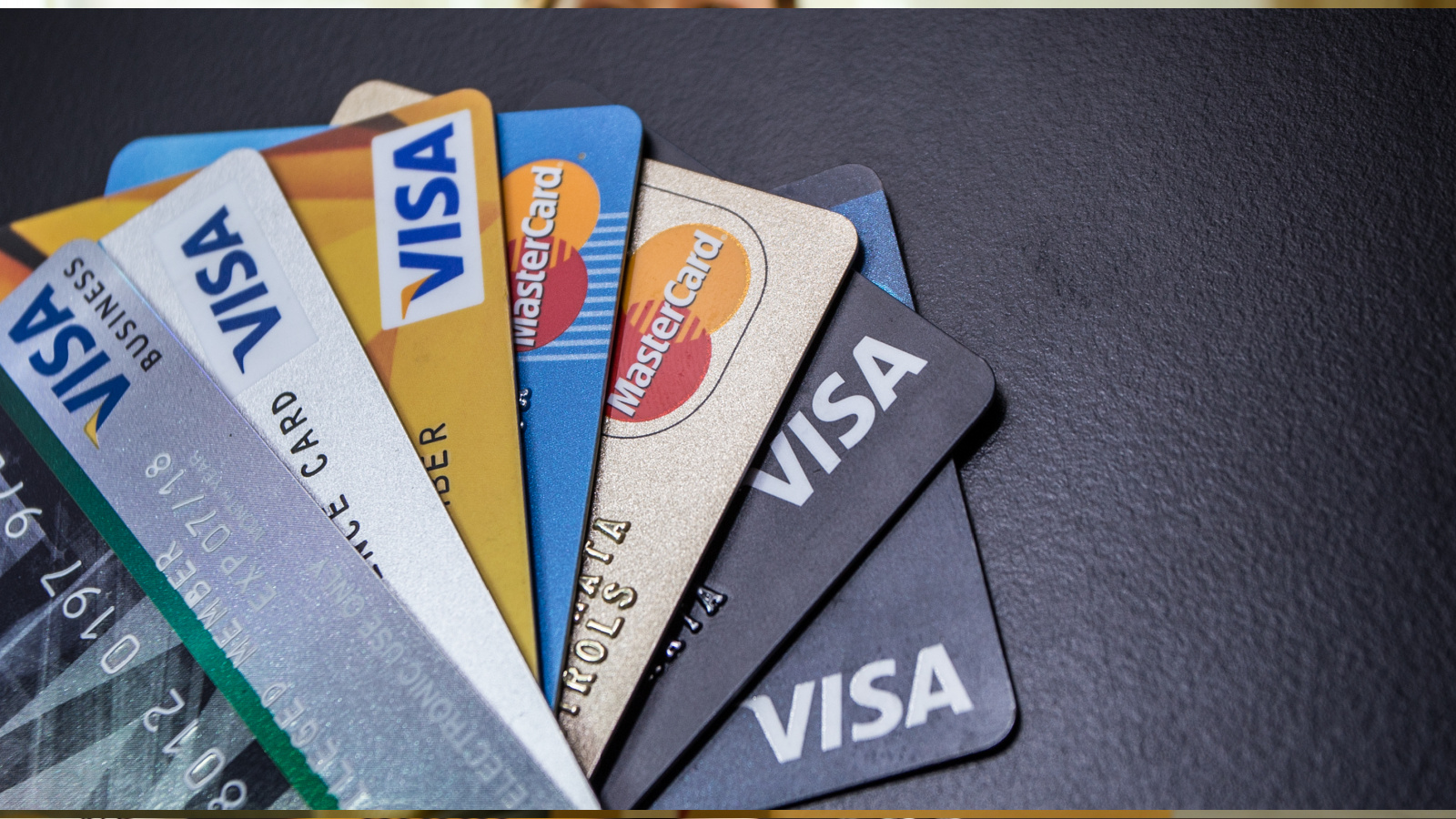
Summer tends to bring a cluster of card-friendly expenses: gas, groceries for gatherings, concert tickets, sports registrations, patio meals, online travel bookings, and back-to-school purchases that start before August ends. For banks that issue credit cards, every swipe or tap can matter because payment volume supports interest income, interchange economics, and customer loyalty.
The quiet part is how normal the spending feels. A family may not think twice about using the same rewards card for a campsite reservation, a cooler full of groceries, and a ferry booking. Each purchase looks manageable on its own, but the bank benefits when card use becomes the default. Canada’s payment market is heavily card-based, and credit cards account for a major share of retail transactions.
Interest Builds When Vacation Bills Roll Over
The biggest summer profit engine is not always the purchase itself; it is the balance left behind. A $1,200 family getaway may feel affordable when spread across several statement cycles, but regular credit card interest can turn the trip into a much more expensive memory. That is especially true when only the minimum payment is made.
Banks benefit when balances carry from month to month because interest applies to unpaid amounts. The risk rises after periods of concentrated spending, such as summer travel, weddings, festivals, and children’s activities. Many Canadians use credit cards responsibly and pay in full, but a large group carries balances at least some of the time. Once vacation spending joins groceries, fuel, and recurring bills on the same card, repayment can become harder to separate.
Foreign Transaction Fees Hide Inside Exchange Rates

A summer trip outside Canada can make bank charges harder to see. When purchases are made in another currency, many card issuers add a foreign conversion fee on top of the exchange rate. The charge may not appear as a dramatic separate line item, which makes it feel less noticeable than an ATM fee or an annual card fee.
This is where a restaurant bill, hotel deposit, rideshare charge, or theme-park ticket can cost more than expected. Even a modest percentage becomes meaningful when applied to a full vacation budget. A Canadian family spending $3,000 abroad on accommodations, meals, tours, and shopping could pay a noticeable premium simply for using a standard card. The convenience is real, but so is the margin.
Airport and Resort ATMs Add Extra Costs
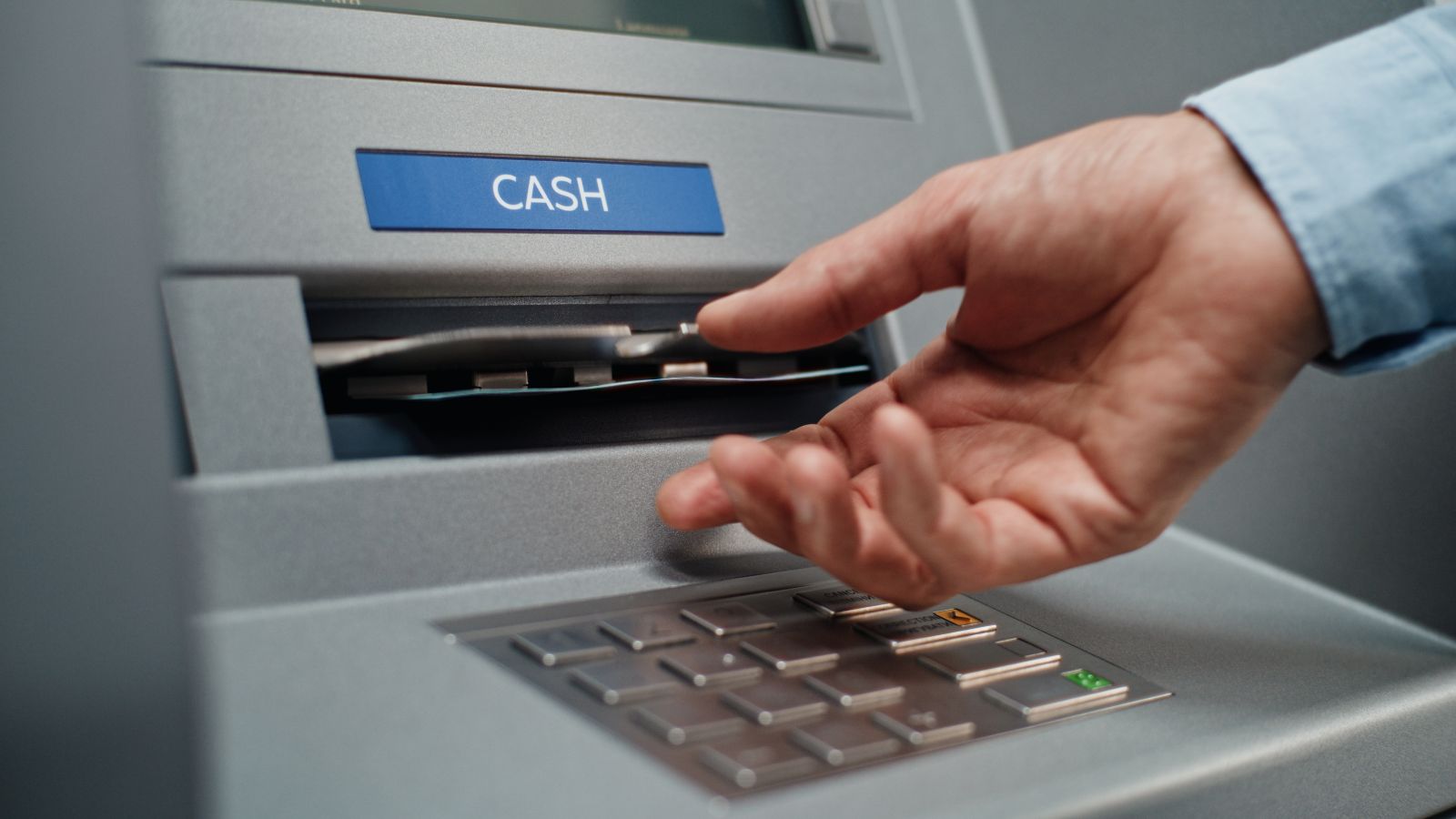
Cash is less dominant than it once was, but summer travel still creates moments when people need it quickly. A taxi stand, parking lot, local market, beach rental, or small festival vendor may push travellers toward the nearest ATM. That machine is often not connected to their regular bank, especially in airports, resorts, campgrounds, and tourist districts.
The cost can stack in more than one way. There may be a fee from the machine operator, a fee from the customer’s own bank, and a currency conversion cost if the withdrawal happens outside Canada. Because these withdrawals are often small and urgent, people tend to focus on access rather than price. Banks benefit from that convenience gap, particularly when customers are away from familiar branches and fee-free machines.
Cash Advances Turn Emergencies Into Expensive Credit

A credit card cash advance can seem harmless when a traveller needs quick money for a deposit, taxi, or cash-only attraction. The problem is that cash advances usually work differently from regular purchases. Interest can start right away, and a separate cash advance fee may apply before the money is even spent.
This can make a small withdrawal surprisingly costly. Someone taking out $200 during a weekend trip may assume it behaves like any other card transaction, only to discover that the grace period does not apply. Banks profit because cash advances combine convenience, fees, and immediate interest. They are often used under pressure, which means fewer people pause to compare alternatives such as debit withdrawals or sending money from another account.
Overdraft Protection Becomes a Summer Safety Net
Summer cash flow can be uneven. Paycheques stay the same, but costs can arrive in bursts: camp fees, sports gear, fuel, pet boarding, wedding gifts, and travel deposits. When chequing accounts run low, overdraft protection can prevent a declined payment. It can also create revenue for banks through overdraft interest, flat charges, or monthly protection fees depending on the account.
The appeal is obvious. A payment goes through, embarrassment is avoided, and plans continue. The cost becomes clearer later, especially if the account remains overdrawn for several days. For households juggling multiple summer expenses, overdraft protection can act less like emergency insurance and more like short-term borrowing. Banks profit when that safety net is used repeatedly rather than rarely.
NSF Fees Still Matter When Payments Bounce

Missed timing can be expensive. A summer camp payment, car insurance withdrawal, rent, loan payment, or utility bill may hit an account right after a large weekend of spending. If there is not enough money available, the transaction can be returned as non-sufficient funds. New federal rules have reduced the maximum NSF fee at federally regulated banks, but the charge still represents a cost.
The financial hit can also ripple beyond the bank fee. A merchant, landlord, insurer, or service provider may charge its own penalty or require a replacement payment. Banks profit from NSF fees when customers misjudge timing, forget scheduled withdrawals, or assume a deposit has cleared. Summer makes those mistakes more likely because routines change and spending becomes less predictable.
Monthly Account Limits Get Tested More Often

Some chequing accounts include only a certain number of monthly transactions unless the customer pays for a higher-tier package. Summer can push people past those limits without much warning. Debit purchases, Interac e-Transfers, ATM withdrawals, bill payments, and pre-authorized payments can all add up quickly when life gets busier.
The extra charge for one transaction may look minor, but repeated overages create quiet revenue. A student working a summer job, a parent paying activity fees, or a traveller moving money between accounts may not notice the pattern until the statement arrives. Banks benefit when customers sit in the wrong account tier: too active for a basic plan, but not attentive enough to switch before overage fees appear.
Premium Credit Cards Collect Annual Fees
Summer is prime time for premium card marketing because travel perks feel more valuable when flights, hotels, rental cars, and luggage are top of mind. Cards that offer points, lounge access, insurance, companion vouchers, or higher earn rates often charge annual fees. Those fees can be profitable when customers do not use the benefits fully.
A card may be worthwhile for frequent travellers who understand the math. But the emotional pull of a vacation can make a premium product feel smarter than it is. Someone may sign up for a card to earn points on one big trip, then keep paying the annual fee long after travel slows down. Banks profit from that gap between perceived value and actual use.
Reward Points Encourage More Card Use

Rewards programs can make spending feel productive. A grocery run earns points, a hotel booking earns more, and a restaurant bill feels less painful when attached to cash back or travel rewards. Banks benefit because rewards often encourage customers to put more purchases on the same card and stay loyal to one issuer.
The trade-off is that rewards are not free. Their costs are built into the payment system through merchant fees, annual fees, interest, or product pricing. People who carry balances can easily pay more in interest than they earn in points. Summer makes this dynamic stronger because big-ticket purchases feel like opportunities to “maximize rewards,” even when the better financial move would be using savings or a lower-cost payment method.
Merchant Fees Feed the Payment System

Banks do not only earn from cardholders. When a merchant accepts a credit card, fees are paid within the payment network, and card issuers receive interchange revenue. For consumers, this system is mostly invisible. The café, campground, boutique, or bike shop pays the cost of accepting the card, while the customer sees only the final bill.
Summer increases the number of small businesses relying on card payments, especially in tourism, food service, festivals, and seasonal retail. Even when merchants receive lower rates under newer arrangements, card acceptance still carries costs. Those costs may be absorbed by the business, reflected in prices, or shown as surcharges where allowed. Banks benefit whenever card payments replace cash or lower-cost methods.
Instalment Plans Make Big Purchases Feel Smaller

Summer often brings purchases that are easy to justify: patio furniture, luggage, appliances, bicycles, electronics, or travel packages. Banks and card issuers increasingly compete with instalment-style payment options that split costs into smaller pieces. The monthly amount can look comfortable, which reduces the psychological barrier to buying.
The profit depends on the structure. Some plans include interest, some include fees, and some encourage more spending on the card even when the promotional offer itself seems inexpensive. A household may feel organized because payments are scheduled, but those payments still reduce future cash flow. Banks benefit when instalment options keep customers inside their lending ecosystem rather than pushing them to delay purchases or use savings.
Travel Insurance Bundles Support Card Loyalty

Many premium cards include travel insurance, rental car coverage, baggage delay protection, or emergency medical benefits. These features can be genuinely useful, especially for Canadians planning summer trips. They also make cards feel more valuable and harder to cancel, which supports annual fees and long-term customer retention.
The catch is that coverage can have conditions. A trip may need to be charged to the card, age limits may apply, pre-existing medical conditions may be excluded, and coverage periods may be shorter than expected. When customers assume the card “has insurance” without reading details, they may overestimate the benefit. Banks profit because bundled protections make the product stickier, even if many cardholders never make a claim.
Rental Car Holds Tie Up Credit

Summer road trips and fly-in vacations often involve rental cars, and rental agencies commonly place large holds on cards for deposits or potential charges. Those holds are not the same as completed purchases, but they reduce available credit. For someone already carrying a balance, that can push the card closer to its limit.
Banks can benefit indirectly when tight credit availability leads to over-limit stress, balance transfers, cash advances, or use of another card. The hold itself may not be a fee from the bank, but it changes customer behaviour. A traveller who expected one card to handle the whole trip may suddenly split expenses across multiple products. That deeper card reliance can generate more interest and fee opportunities.
Dynamic Currency Conversion Confuses Travellers

When paying abroad, Canadians may be offered a choice: pay in Canadian dollars or in the local currency. Paying in Canadian dollars can feel safer because the number is familiar. But dynamic currency conversion often uses a less favourable exchange rate, and the customer’s card issuer may still apply its own foreign transaction rules depending on the situation.
Banks and payment providers benefit from confusion around exchange choices. The traveller sees certainty at the terminal, not necessarily the best value. A hotel desk or restaurant machine may frame Canadian-dollar billing as convenience, but local-currency billing is often the cleaner option. Summer travel creates millions of these small decisions, and each one can quietly shift costs toward the consumer.
Balance Transfers Turn Summer Debt Into Long-Term Business

After an expensive summer, balance transfer offers can look like relief. A low promotional rate may help consolidate vacation debt, camp costs, or emergency travel bills. For disciplined borrowers, it can reduce interest costs. For banks, it is also a way to attract balances and build future revenue.
The risk comes after the promotional window. Transfer fees may apply upfront, and any balance left after the offer ends can move to a much higher rate. Some customers also keep spending on the old card or the new card, turning one debt pile into two. Banks profit when a short-term solution becomes a longer customer relationship built around revolving credit.

Cottage weekends, group trips, shared gas, camp deposits, sports fees, and wedding events create a steady flow of Interac e-Transfers. Many accounts include unlimited e-Transfers, but some lower-cost or older packages may charge for them, especially when customers exceed transaction limits. Small fees can add up during a social season built around splitting costs.
Even when transfers are included, they help banks keep customers inside their daily banking ecosystem. The more often people use a chequing account for coordination, the less likely they are to move elsewhere. Summer makes this stickiness stronger because payments are emotional and time-sensitive: paying a friend back for a cabin, sending money to a teenager at camp, or covering a last-minute ticket.
Mobile Wallets Make Spending More Frictionless

Mobile wallets reduce the effort involved in paying. A phone tap at a food truck, beach shop, gas station, or transit gate can feel almost invisible compared with counting cash or entering a PIN. That convenience is useful, but it also increases the chance that small purchases pile up before anyone checks the balance.
Banks benefit because mobile wallets are usually linked to existing credit or debit cards. The wallet changes the behaviour, while the underlying bank product captures the transaction. Research in Canada shows that card linking to online payment accounts and mobile wallets has been rising. The more seamless the payment experience becomes, the more valuable the card relationship becomes to the issuer.
Seasonal Subscriptions Renew After the Fun Ends

Summer spending often includes free trials, streaming add-ons, fitness apps, travel tools, kids’ learning platforms, parking apps, and event memberships. The first charge may be small or delayed. The renewal is where many people lose track, especially after travel ends and routines return.
Banks profit in two ways. Credit card issuers process the recurring payments, and if those charges contribute to a carried balance, interest may follow. The individual amounts are often too small to trigger immediate action, which is why they can survive for months. A forgotten $12.99 charge is not dramatic, but several small renewals can quietly keep a card active and profitable.
Savings Balances Drop While Banks Keep Lending

Summer spending can drain chequing and savings balances that might otherwise sit untouched. When households use cash reserves for travel, repairs, camps, and entertainment, they may later rely more heavily on credit. Banks benefit from the spread between what they pay on deposits and what they earn on loans, cards, and lines of credit.
This does not mean every summer withdrawal is bad. Savings exist to be used for planned goals. The issue is timing. If savings are spent early and late-summer costs arrive afterward, credit fills the gap. A household that starts July with cash and ends August with a card balance has shifted from low-cost self-funding to bank-funded spending.
19 Things Canadians Don’t Realize the CRA Can See About Their Online Income

Earning money online feels simple and informal for many Canadians. Freelancing, selling products, and digital services often start as side projects. The problem appears at tax time. Many people underestimate how much information the CRA can access. Online platforms, banks, and payment processors create detailed records automatically. These records do not disappear once money hits an account. Small gaps in reporting add up quickly.
Here are 19 things Canadians don’t realize the CRA can see about their online income.
This Options Discord Chat is The Real Deal
While the internet is scoured with trading chat rooms, many of which even charge upwards of thousands of dollars to join, this smaller options trading discord chatroom is the real deal and actually providing valuable trade setups, education, and community without the noise and spam of the larger more expensive rooms. With a incredibly low-cost monthly fee, Options Trading Club (click here to see their reviews) requires an application to join ensuring that every member is dedicated and serious about taking their trading to the next level. If you are looking for a change in your trading strategies, then click here to apply for a membership.