
35,000+ smart investors are already getting financial news, market signals, and macro shifts in the economy that could impact their money next with our FREE weekly newsletter. Get ahead of what the crowd finds out too late. Click Here to Subscribe for FREE.
Summer camp can feel like a milestone: a backpack by the door, a labeled water bottle, and a child ready for more independence. Across Canada, camps offer everything from canoeing and coding to overnight cabins and forest hikes, but the best experiences usually start with careful preparation at home. Families often focus on dates, fees, and packing lists first, while quieter details like emergency plans, allergy procedures, transportation, staffing, and weather policies can matter just as much. These 18 checks can help parents and guardians look beyond the brochure and make a calmer, better-informed decision before camp begins.
Accreditation and Licensing Status
18 Things Canadians Should Check Before Sending Kids to Summer Camp
- Accreditation and Licensing Status
- Staff-to-Camper Ratios
- Staff Training and Background Checks
- First Aid and Medical Coverage
- Allergy and Anaphylaxis Procedures
- Water Safety Rules
- Heat, Sun, and Hydration Plans
- Tick, Mosquito, and Insect Bite Prevention
- Emergency Weather and Evacuation Plans
- Transportation and Bus Procedures
- Medication Storage and Administration
- Food Handling and Meal Supervision
- Communication With Parents
- Behaviour, Bullying, and Inclusion Policies
- Homesickness and Emotional Readiness
- Activity-Specific Risks
- Costs, Refunds, and Extra Fees
- Packing List Practicality
- 19 Things Canadians Don’t Realize the CRA Can See About Their Online Income

A polished website does not always reveal how closely a camp is monitored. Before registration feels final, parents should check whether the camp is accredited by a provincial camping association or follows recognized standards for health, safety, staff training, food service, transportation, and emergency planning. In Ontario, for example, accredited camps are assessed against hundreds of standards covering many parts of camp operations. Other provinces have their own associations and processes, so the exact label may differ.
This check matters because accreditation is not just a decorative badge. It can indicate that the camp has gone through an outside review and has committed to written procedures. A family choosing between two nature camps near a lake may see similar photos of smiling children, but one may have documented waterfront rules, medical procedures, and staff training expectations while the other relies more heavily on informal routines. Asking “Who accredits or inspects the camp?” is a practical starting point.
Staff-to-Camper Ratios

A camp may have exciting activities, but supervision is what keeps those activities organized and safe. Parents should ask for the staff-to-camper ratio by age group, not just an overall number. Younger children generally need closer supervision, especially during swimming, hiking, washroom breaks, transitions, and unstructured time. Overnight camps also need enough adults after lights-out, not only during daytime programming.
Ratios can look different depending on the camp model. A day camp for older children might safely operate with larger groups than a wilderness camp with younger campers near water. The key is whether the ratio fits the activity and the children’s developmental stage. A camp that says “there are always plenty of staff around” should still be able to give a clear number. Parents can also ask what happens when a counsellor is absent, gets sick, or is assigned to deal with an emergency.
Staff Training and Background Checks

Camp staff often become a child’s trusted adult for the week, so hiring and training deserve close attention. Parents should ask whether staff and volunteers complete interviews, reference checks, criminal record checks, vulnerable sector checks where appropriate, and child-protection training. Seasonal hiring can move quickly, and strong camps usually have a structured process rather than relying only on enthusiasm or past camper status.
Training should go beyond activity instruction. Counsellors may need to recognize dehydration, bullying, homesickness, allergic reactions, boundary issues, and unsafe horseplay. A teen counsellor helping with crafts might not need the same credentials as a lifeguard, but every adult or youth leader should understand supervision rules and reporting procedures. A useful question is: “What training does every staff member receive before campers arrive?” Clear answers show that safety is part of the camp culture, not just a binder in the office.
First Aid and Medical Coverage
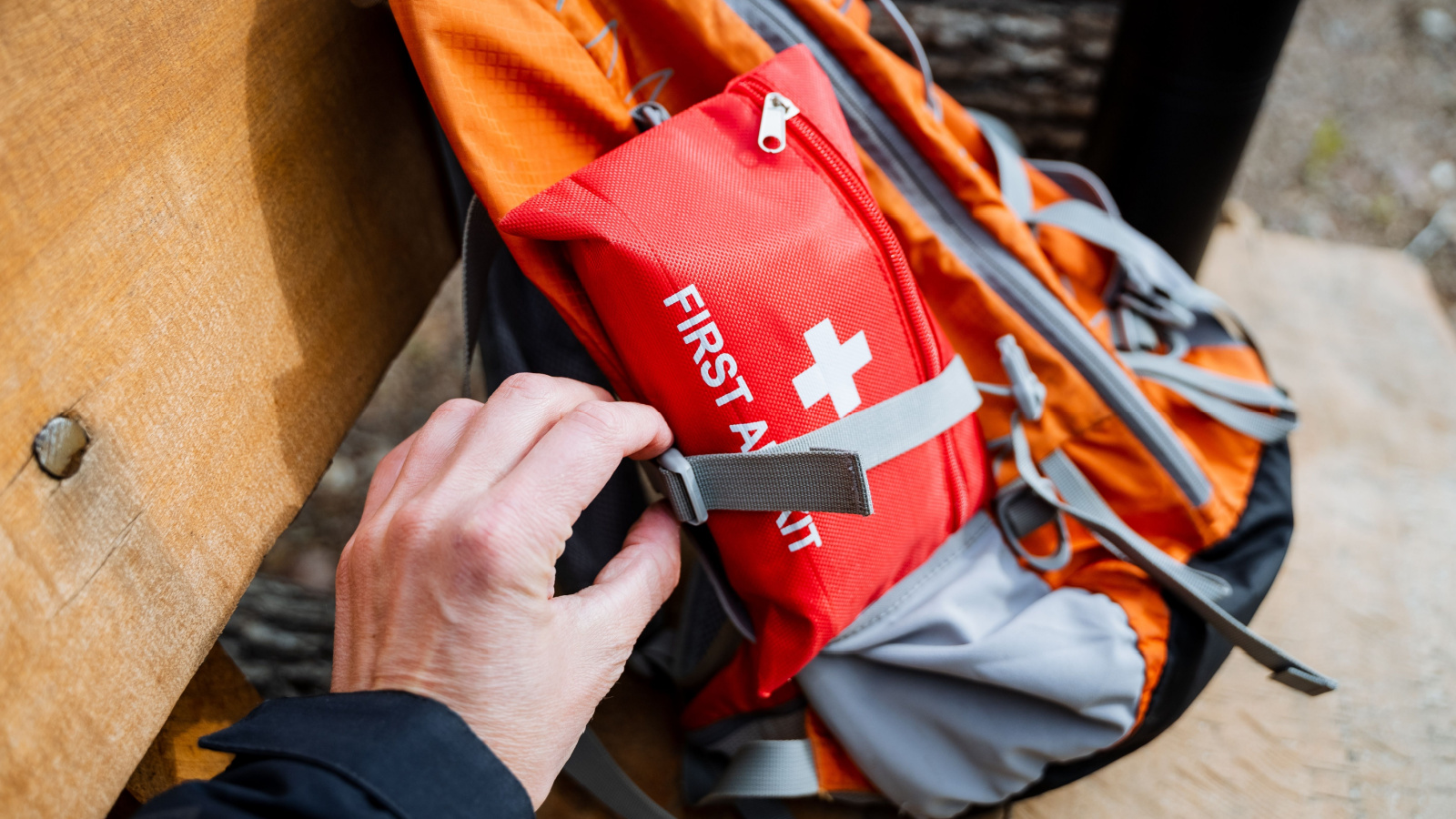
Scrapes, sprains, bee stings, stomach aches, and headaches are ordinary camp realities. Parents should confirm how many staff members have current first aid and CPR certification, where the first aid station is located, and how quickly medical help can be reached. Remote camps should have especially clear plans for transportation to urgent care or a hospital.
Medical coverage also includes record-keeping. A camp should ask for health forms, emergency contacts, medication instructions, allergies, dietary restrictions, and relevant physical or mental health notes before the first day. Families should not assume that a note written on registration day will reach the right counsellor. A well-run camp can explain who reviews medical forms, who has access to private health information, and how incidents are documented. That can make a major difference when a child needs asthma medication before a long hike or has a fever at dinner.
Allergy and Anaphylaxis Procedures

Food allergies can turn an ordinary snack into a serious emergency. Parents of children with allergies should ask whether the camp requires an anaphylaxis emergency plan, how kitchen staff prevent cross-contact, and who is trained to recognize symptoms and administer epinephrine. Camps should also explain whether children may self-carry auto-injectors and where backup medication is stored.
Even families without allergy concerns should care about this. Camps involve shared tables, lunch bags, cabin snacks, baking activities, and birthday treats. A child may sit beside another camper with a peanut, milk, egg, sesame, or insect-sting allergy. Food Allergy Canada recommends sending at least two epinephrine auto-injectors to camp for children who need them. A practical camp will have rules about food sharing, label reading, emergency contacts, and how quickly emergency medical services are called after epinephrine is used.
Water Safety Rules
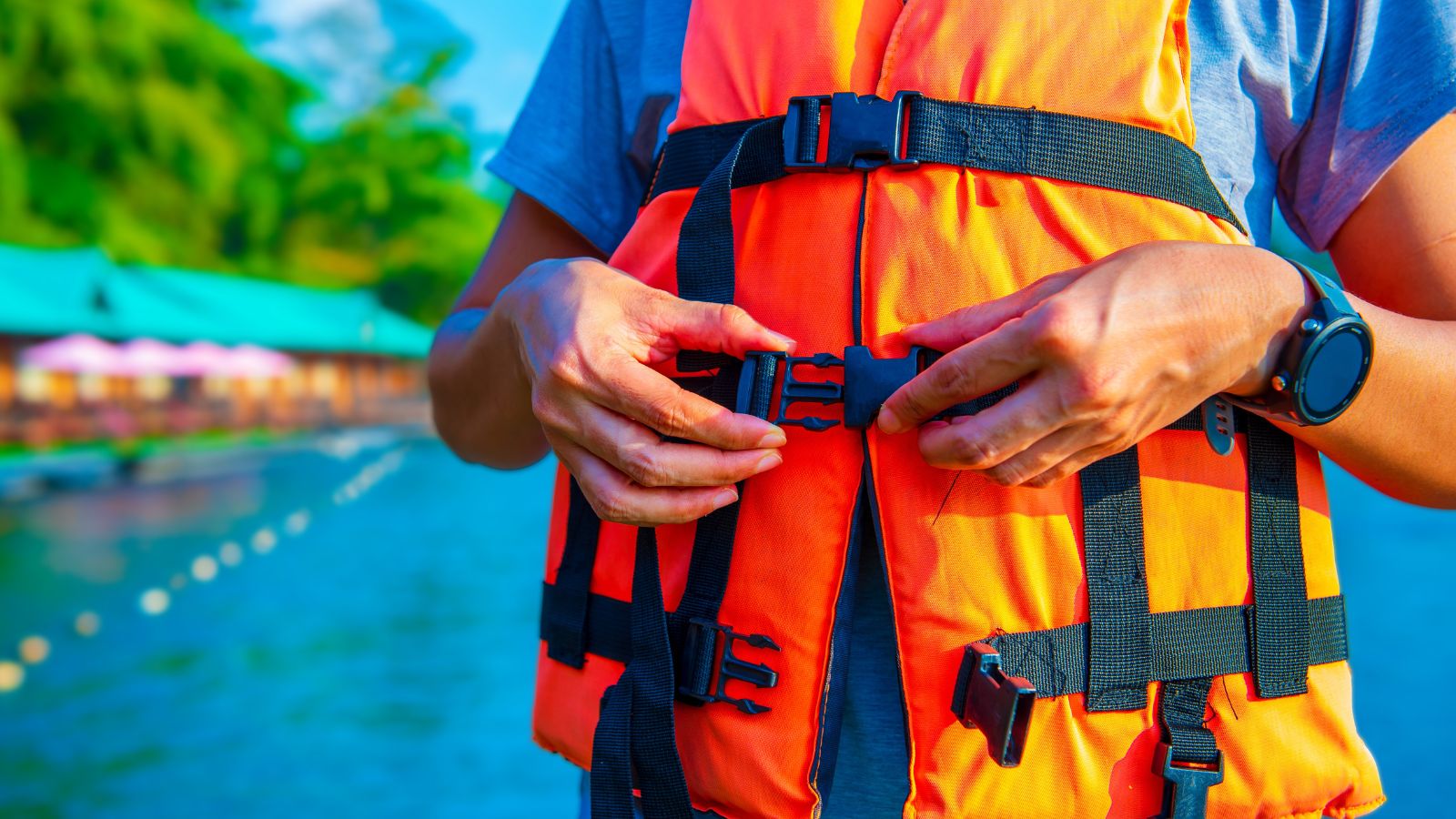
Many Canadian summer camps revolve around lakes, pools, rivers, beaches, or splash pads. Parents should ask who supervises swimming, whether lifeguards are certified, how swim ability is assessed, and whether lifejackets are required for boating. A child who can swim comfortably in a heated pool may still struggle in cold lake water, waves, weeds, or a crowded dock area.
Drowning risk is one of the most serious reasons to ask detailed questions. Canadian research has identified drowning as a major cause of injury-related death among children, and camp waterfronts require tight procedures. Good camps usually use buddy systems, swim checks, marked zones, head counts, and rules about docks and boats. Families should be cautious if a camp describes swimming as “free time” without explaining supervision. Water fun can be wonderful, but it should never depend on informal watching from the shoreline.
Heat, Sun, and Hydration Plans

Canadian summers can shift quickly from pleasant to dangerously hot, especially during heat warnings. Parents should ask how the camp handles extreme heat, whether activities move indoors or into shade, and how staff encourage water breaks. Children may ignore thirst when they are excited, embarrassed, or trying to keep up with a group.
Sun protection needs a routine, not a one-time reminder. Health Canada notes that children can sunburn quickly depending on the UV index, and sunscreen needs to be paired with hats, shade, clothing, and timing. Camps should allow time for reapplication, especially after swimming or heavy sweating. A parent might pack sunscreen carefully, but it helps little if a seven-year-old leaves it buried in a backpack. Asking how staff manage sunscreen breaks can prevent a painful pickup at the end of the day.
Tick, Mosquito, and Insect Bite Prevention

Outdoor camps often mean forests, fields, tall grass, and marshy areas where ticks and mosquitoes may be present. Parents should check whether the camp has a tick-check routine, whether staff know how to remove ticks properly, and whether families are told when a tick is found. Lyme disease risk varies by region, but it has expanded in parts of Canada.
Insect repellent rules are worth confirming before packing. Health Canada provides age-based guidance for DEET concentrations, and the Canadian Paediatric Society advises applying sunscreen first and insect repellent afterward when both are needed. Camps should also know how they handle wasp nests, mosquito-heavy evenings, and children who react strongly to bites. A simple example is a nature hike: long socks, closed shoes, repellent, and a post-hike tick check can make the outing much safer without draining the fun from it.
Emergency Weather and Evacuation Plans
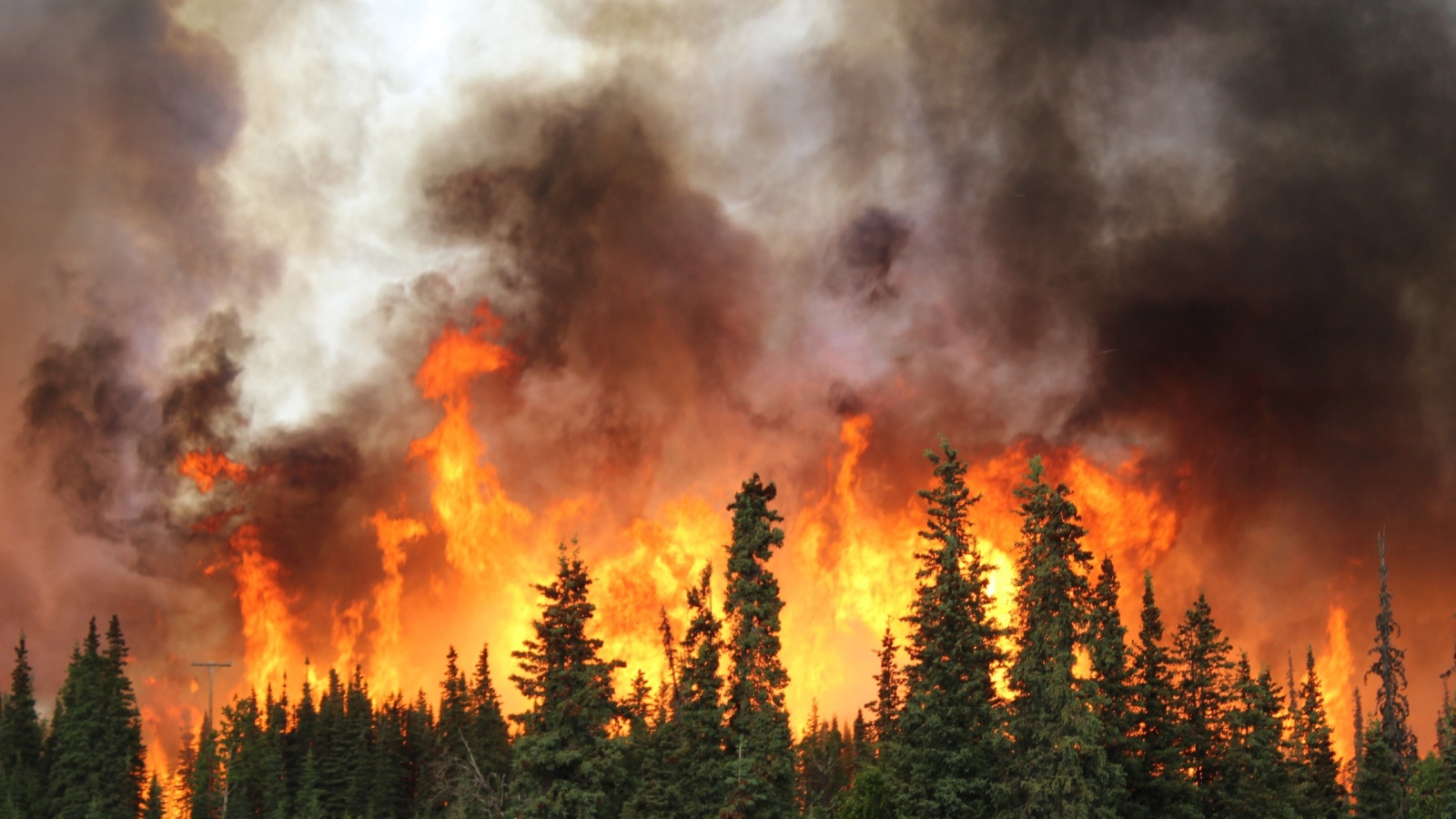
A sunny drop-off morning does not guarantee a calm camp week. Thunderstorms, wildfire smoke, flooding, poor air quality, high winds, and power outages can disrupt summer programming. Parents should ask where children shelter during lightning, how staff monitor weather alerts, and who decides when activities are cancelled or moved indoors.
For overnight or rural camps, evacuation planning is especially important. Families should know how they would be contacted if roads close, smoke conditions worsen, or a building loses power. A camp does not need to create fear to be prepared; it simply needs practiced procedures. Questions such as “When was the last emergency drill?” and “How would families receive updates?” can reveal whether the plan is real. Children often stay calmer when adults have rehearsed what to do before the sky turns dark.
Transportation and Bus Procedures

Transportation can be one of the least glamorous parts of camp, but it deserves careful review. Parents should ask who drives the bus or van, whether drivers are licensed for the vehicle type, how attendance is checked, and whether there is a child-check procedure after each route. Pick-up and drop-off points should be clear, supervised, and realistic for traffic conditions.
School buses have a strong safety record in Canada, but risks still exist around boarding and exiting. Camps using buses should have rules for crossing streets, staying seated, managing seat assignments, and contacting families if a child misses the bus. For field trips, parents should ask whether the camp uses chartered buses, staff vehicles, public transit, or parent drivers. A camp that can describe its transportation routine in detail is usually taking the unexciting but essential parts of safety seriously.
Medication Storage and Administration

Medication mistakes often happen when instructions are vague. Parents should confirm whether prescription and over-the-counter medications must stay with staff, whether original packaging is required, and who records each dose. This includes inhalers, ADHD medication, antibiotics, allergy medication, insulin, seizure medication, and motion-sickness tablets for bus trips.
The best camps make medication routines boringly precise. They document what was given, when, by whom, and why. They also know what to do if a child refuses a dose or forgets to report to the health office. Parents should avoid sending loose pills in plastic bags or relying on a child to remember complicated instructions unless the camp has approved that arrangement. A written plan is especially important for overnight camp, where medication may need to be managed at breakfast, bedtime, or during off-site activities.
Food Handling and Meal Supervision

Summer camp food is more than pancakes, hot dogs, and watermelon slices. Parents should ask whether meals are prepared on site, catered, or packed from home, and how refrigeration is handled during hot weather. Camps serving meals should have food safety procedures for storage, cooking temperatures, handwashing, cleaning, and managing dietary needs.
Meal supervision matters too. Young campers may trade lunches, skip food because they feel shy, or eat too quickly before running back to activities. A child with diabetes, celiac disease, food allergies, or sensory eating challenges may need a more deliberate plan. Parents can ask who monitors meals and how counsellors notice if a child barely eats. In overnight settings, food also intersects with cabin rules: snacks in bunks can attract pests and create allergy risks. Good food policies are practical, visible, and consistently enforced.
Communication With Parents

Parents should know when the camp will call, email, text, or wait until pickup. A minor scraped knee may not require an urgent call, but a head injury, allergic reaction, fever, missing medication, serious conflict, or emotional distress should trigger clear communication. Camps should explain their thresholds before the season begins.
Communication also includes daily logistics. If a bus is late, a field trip changes, or wildfire smoke forces indoor programming, families need reliable updates. Overnight camps may discourage frequent parent-child calls to help children settle, but they should still have a way for parents to reach staff in urgent situations. A family should not be left guessing whether messages go to an office inbox checked once a day. Clear communication policies prevent small worries from turning into large frustrations and help parents trust the camp’s judgment.
Behaviour, Bullying, and Inclusion Policies

Camp can be socially intense. Children are grouped with new peers, follow unfamiliar routines, and may compete in games, share cabins, or navigate teasing. Parents should ask how the camp handles bullying, exclusion, racism, disability accommodations, gender identity, homesickness, and conflict between campers. A vague promise that “everyone is kind here” is not enough.
A strong behaviour policy explains expectations, consequences, documentation, and when parents are contacted. It should also avoid placing all responsibility on the child who is struggling. For example, a camper with ADHD may need movement breaks and clear instructions rather than repeated punishment for restlessness. A shy child may need help joining games instead of being labelled antisocial. Inclusion is not only about values; it is about training, planning, and supervision. Parents should look for a camp that can describe how belonging is protected in daily routines.
Homesickness and Emotional Readiness

For overnight camp especially, emotional readiness can matter as much as packing the right sleeping bag. Research on camp homesickness has found that mild homesickness is common, while a smaller share of children experience moderate to severe homesickness that interferes with their functioning. Parents should ask how staff support anxious or homesick campers and how often families are contacted.
Preparation should begin before departure. A child who has practiced sleepovers, choosing clothes, showering independently, asking adults for help, and managing small disappointments may adjust more smoothly. Parents can help by speaking confidently about camp rather than offering rescue promises like “If you hate it, come home right away.” A better plan is to identify coping tools: writing a note, talking to a counsellor, joining an activity, or using a comfort object. Camp should stretch independence, not overwhelm a child beyond support.
Activity-Specific Risks

Not all camp activities carry the same risk. Archery, horseback riding, canoeing, climbing walls, trampolines, mountain biking, woodworking, fire-building, and wilderness trips require different supervision and equipment than arts and crafts. Parents should ask what certifications instructors hold and whether children receive safety instruction before participating.
The camp should also explain how it matches activities to age, size, skill, and maturity. A ten-year-old who loves adventure may still need a beginner canoe route, while another child may be ready for a more advanced challenge. Canadian Paediatric Society guidance recognizes that outdoor risky play can have developmental benefits, but “risky” should not mean poorly managed. The goal is healthy challenge: helmets that fit, lifejackets that are worn, tools that are supervised, and instructors who know when enthusiasm is outrunning judgment.
Costs, Refunds, and Extra Fees
Camp costs can extend beyond the registration price. Parents should check refund deadlines, cancellation fees, late pickup charges, bus fees, equipment rentals, optional field trips, camp store spending, photos, laundry, and medical form fees. A camp that looks affordable at first may become expensive once transportation and add-ons are included.
The financial policies should be written clearly. Families should know what happens if a child gets sick before camp, if wildfire smoke closes the site, if a family moves, or if a camper leaves early because the program is not a fit. Some camps offer payment plans, subsidies, sibling discounts, or financial aid, but deadlines may arrive months before July. Asking about money can feel awkward, yet it prevents disappointment later. A transparent camp will not make parents chase basic answers about refunds or required extras.
Packing List Practicality

A camp packing list should match the real program, weather, and site conditions. Parents should check whether closed-toe shoes are required, whether electronics are banned, whether bedding is needed, and how laundry works for longer stays. Labels matter because camp lost-and-found bins can fill quickly with identical hoodies, towels, and water bottles.
The list should also be realistic for the child. A young camper may not manage twelve outfit categories without help, while an older camper may need reminders about wet bags, extra socks, menstrual products, or rain gear. Camps should explain prohibited items such as pocketknives, aerosols, food in cabins, smartwatches, or expensive devices. Overpacking can create clutter; underpacking can leave a child cold, wet, or embarrassed. A careful packing check is less about perfection and more about making daily camp life easier.
19 Things Canadians Don’t Realize the CRA Can See About Their Online Income

Earning money online feels simple and informal for many Canadians. Freelancing, selling products, and digital services often start as side projects. The problem appears at tax time. Many people underestimate how much information the CRA can access. Online platforms, banks, and payment processors create detailed records automatically. These records do not disappear once money hits an account. Small gaps in reporting add up quickly.
Here are 19 things Canadians don’t realize the CRA can see about their online income.
This Options Discord Chat is The Real Deal
While the internet is scoured with trading chat rooms, many of which even charge upwards of thousands of dollars to join, this smaller options trading discord chatroom is the real deal and actually providing valuable trade setups, education, and community without the noise and spam of the larger more expensive rooms. With a incredibly low-cost monthly fee, Options Trading Club (click here to see their reviews) requires an application to join ensuring that every member is dedicated and serious about taking their trading to the next level. If you are looking for a change in your trading strategies, then click here to apply for a membership.