35,000+ smart investors are already getting financial news, market signals, and macro shifts in the economy that could impact their money next with our FREE weekly newsletter. Get ahead of what the crowd finds out too late. Click Here to Subscribe for FREE.
A used SUV can look spotless under dealership lights and still carry years of expensive history underneath. In Canada, winter road conditions, corrosion, all-wheel-drive hardware, insurance costs, vehicle theft and increasingly complex electronics can turn a seemingly attractive purchase into a costly one.
The smartest evaluation goes well beyond kilometres on the odometer or whether the paint still shines. These 20 checks cover the records, mechanical systems, safety equipment and ownership costs that deserve attention before money changes hands. Some take only a few minutes; others require a qualified technician. Together, they can reveal whether an SUV has simply been used—or whether it has been used up.
Match the VIN and Check for Outstanding Liens
20 Things Canadians Should Check Before Buying a Used SUV
- Match the VIN and Check for Outstanding Liens
- Search the VIN for Outstanding Safety Recalls
- Investigate Accident, Structural and Flood History
- Look Underneath for Canadian-Winter Corrosion
- Examine All Four Tires, Not Just the Best-Looking Pair
- Make the Brakes Prove Themselves on the Test Drive
- Pay Attention to Steering and Suspension Behaviour
- Confirm the AWD or 4WD System Is Healthy
- Insist on Seeing How the Engine Starts and Runs
- Test the Transmission in More Than One Situation
- Test Every Electrical Feature and Watch Every Warning Light
- Make Sure Cameras and Driver-Assistance Systems Work Properly
- Check the Heater, Defrosters and Cold-Weather Equipment
- Have the 12-Volt Battery and Charging System Tested
- Treat Hybrid, Plug-In Hybrid and Electric SUVs Differently
- Compare Maintenance Records With the Odometer
- Make an Independent Pre-Purchase Inspection a Condition
- Know Who Is Selling the SUV and What Protections Apply
- Get an Insurance Quote and Check Theft Risk Before Buying
- Calculate Fuel and Ownership Costs Before Falling for the Price
- 16 Costco Canada Habits That Could Be Costing Shoppers More Than They Save
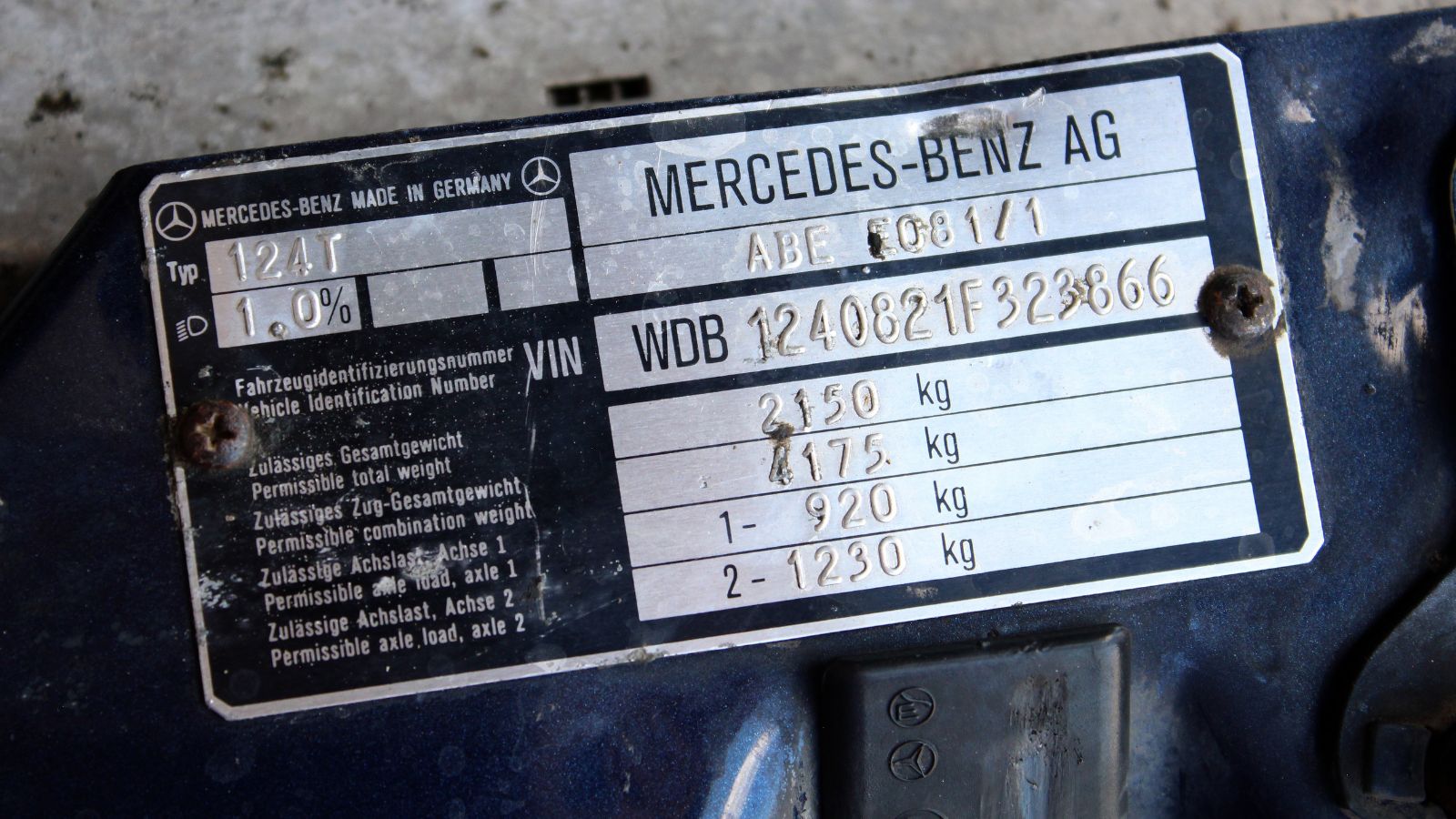
Start with the vehicle identification number, and do not rely on only one place. The VIN displayed at the base of the windshield should agree with the registration paperwork and other manufacturer VIN labels on the vehicle. A history report can then help reveal registration records, accident information, branding, odometer readings, service entries and other available history. A mismatch deserves an explanation before the purchase goes any further.
A lien check is equally important, particularly in a private sale. A lien represents a creditor’s financial claim against the vehicle, which can create serious complications for a new owner. The Financial Consumer Agency of Canada advises buyers to make sure a used vehicle is free of liens before purchase. Canadians sometimes become focused on negotiating $1,000 off the asking price while overlooking a much larger financial obligation attached to the SUV itself. Confirming clean ownership should come before discussing floor mats, accessories or the final payment.
Search the VIN for Outstanding Safety Recalls
A used SUV being several years old does not mean every safety campaign affecting it has already been completed. Transport Canada specifically recommends checking recalls when buying a used vehicle, and manufacturers commonly provide VIN-based recall lookup tools. The VIN matters because two SUVs of the same model year can have different recall status depending on production dates, components and whether previous owners completed the necessary work.
Outstanding recalls are not automatically evidence that an SUV is a bad purchase, but they should never be ignored. Recall campaigns can involve equipment ranging from airbags and fuel systems to electrical components and braking-related hardware. Ontario’s motor-vehicle regulator also warns buyers that vehicles can legally be offered for sale with outstanding recalls, making the buyer’s own research important. Before closing the deal, buyers should establish exactly which recalls remain open, whether parts are available and where the work can be completed.
Investigate Accident, Structural and Flood History
An accident entry on a vehicle history report is not automatically a reason to walk away. What matters is the severity of the damage, where it occurred, what was replaced and whether the repair restored the SUV properly. Structural damage deserves much closer scrutiny because it can involve parts of the vehicle designed to manage loads and crash forces. Ontario dealer-disclosure rules, for example, specifically address structural repairs and significant previous damage.
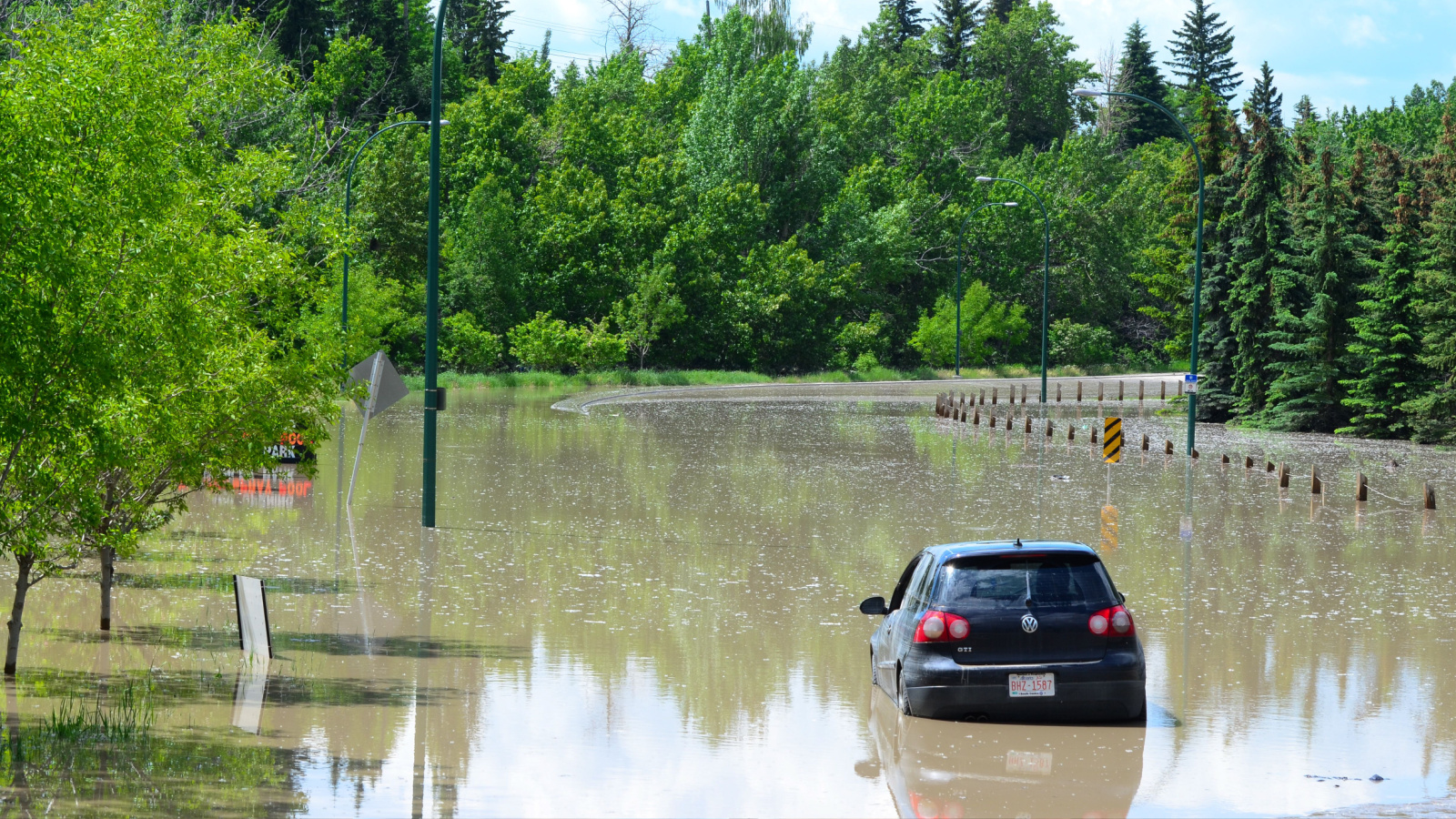
Flood exposure can be even harder to spot after a vehicle has been cleaned. Buyers should compare history records with the physical SUV rather than assuming either tells the entire story. Musty carpeting, evidence of waterlogged interior materials, unexplained corrosion or mud in unusual areas deserves further investigation. A vehicle history report may contain flood or branding information, but databases depend on available records. When the history and the SUV’s physical condition tell different stories, a qualified inspection becomes particularly important.
Look Underneath for Canadian-Winter Corrosion
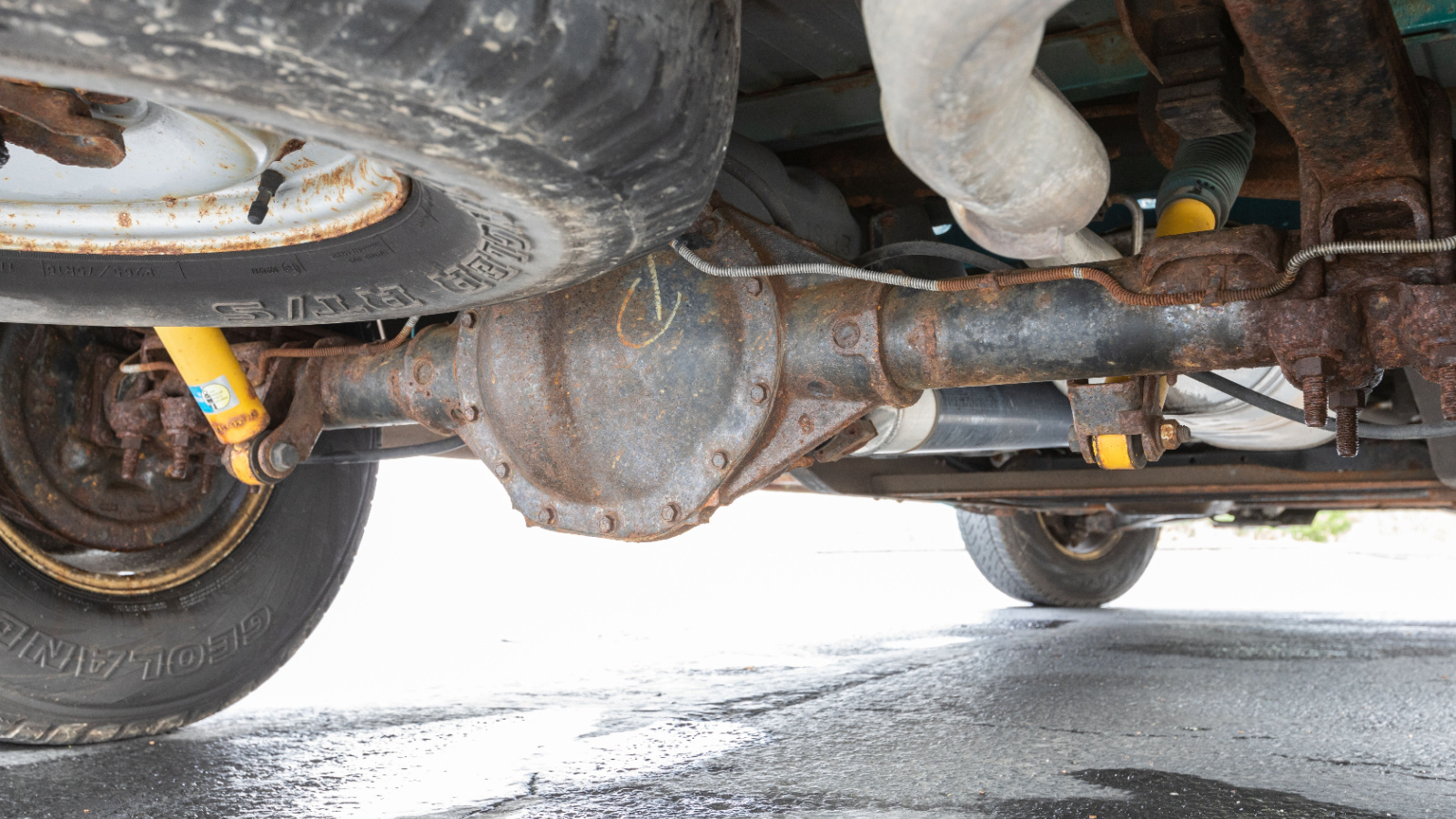
A shiny hood can distract from the part of the SUV that has spent years being blasted with road salt, slush and grime. CAA warns that serious rust and corrosion can make a vehicle unsafe and uneconomical to repair, particularly when deterioration affects the frame or body structure. Surface oxidation on a replaceable component is very different from heavy scaling, perforation or deterioration around structural mounting points.
That makes an underbody inspection especially important in areas where de-icing chemicals are heavily used. Look beyond visible wheel arches. Brake and fuel lines, subframes, suspension mounting areas, rocker panels and other exposed components deserve inspection, ideally while the SUV is on a lift. An older SUV that received regular corrosion protection may actually be a more appealing candidate than a younger example whose underside was neglected. Cosmetic condition tells buyers how carefully a vehicle was presented for sale; the underbody often reveals more about how it actually lived.
Examine All Four Tires, Not Just the Best-Looking Pair

Tires offer clues about both immediate expenses and the mechanical condition of an SUV. Transport Canada advises against using winter tires worn below 4 mm of tread on snow-covered roads, while tread worn to the tire’s wear indicators requires replacement. Canadian buyers should therefore measure tread rather than relying on the fact that a tire still has visible grooves. Sidewall cracking, damage and uneven wear also deserve attention.
All-wheel-drive SUVs require an additional check. The Automobile Protection Association advises that the four tires on an AWD vehicle should be the original size, the same brand and model, and evenly worn. A bargain SUV with two nearly new tires and two heavily worn ones may therefore require more spending than expected. Uneven wear can also justify checking alignment or suspension condition. A seller advertising “good tires” may technically be correct about one axle while leaving a four-tire replacement bill for the next owner.
Make the Brakes Prove Themselves on the Test Drive
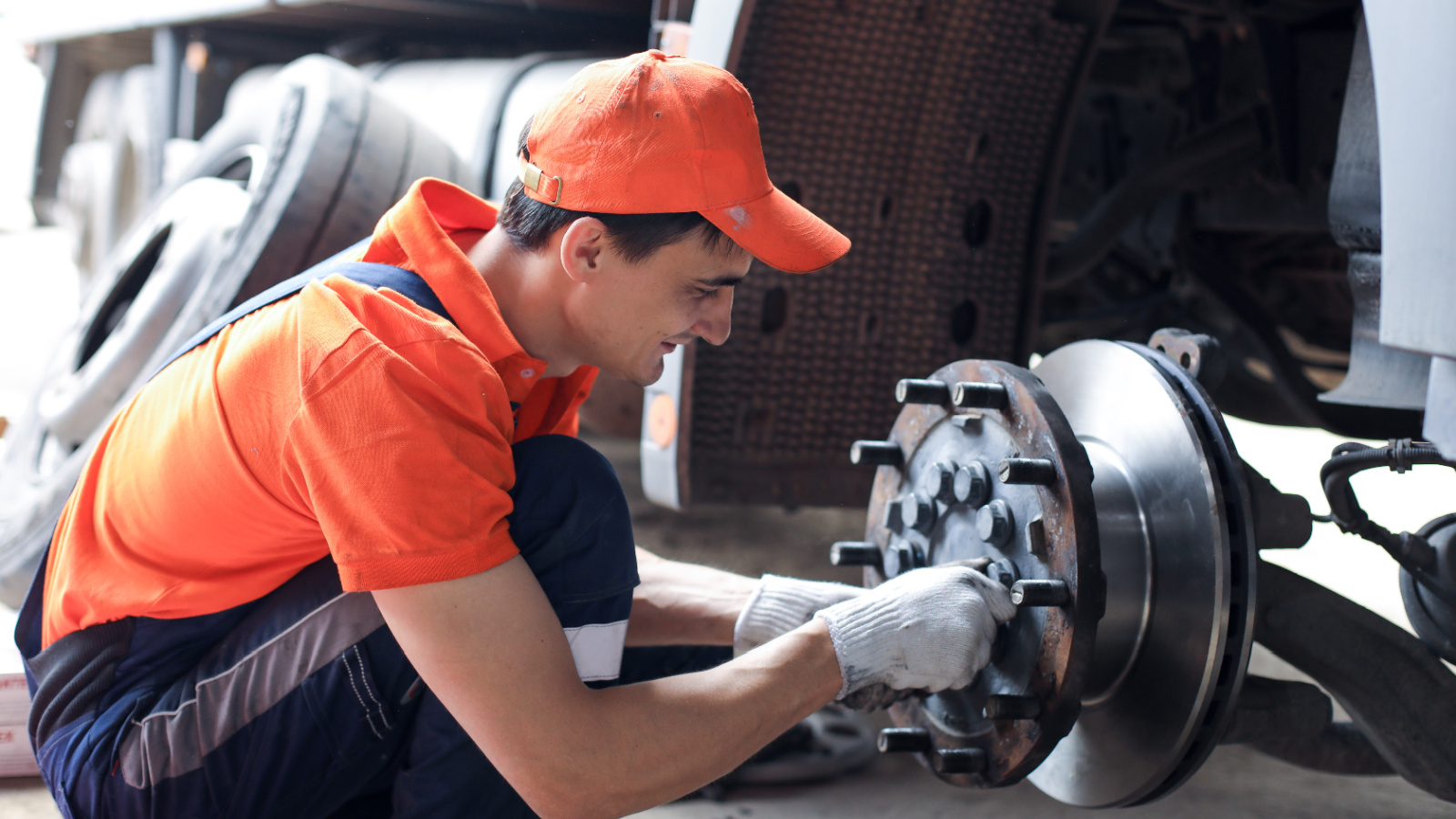
Brake condition cannot be judged simply by glancing through an alloy wheel. During a proper test drive, the SUV should slow smoothly and predictably without pronounced pulling, unusual pedal behaviour, grinding or other obvious abnormalities. CAA identifies pulling, changes in pedal feel and unusual squealing or grinding as signs that brakes may require attention. Those symptoms deserve investigation rather than being dismissed as normal used-vehicle character.
SUVs can also carry substantial weight, making brake condition particularly relevant for families who routinely load passengers, luggage or recreational equipment. Have a technician assess remaining pad material, rotor condition and the rest of the braking system before purchase. ABS warning lights should not be ignored either; in Ontario, an inoperative anti-lock braking system is among the conditions dealers may be required to disclose. A brake job may be a predictable maintenance expense, but uncertainty about why a vehicle brakes poorly is a different matter entirely.
Pay Attention to Steering and Suspension Behaviour
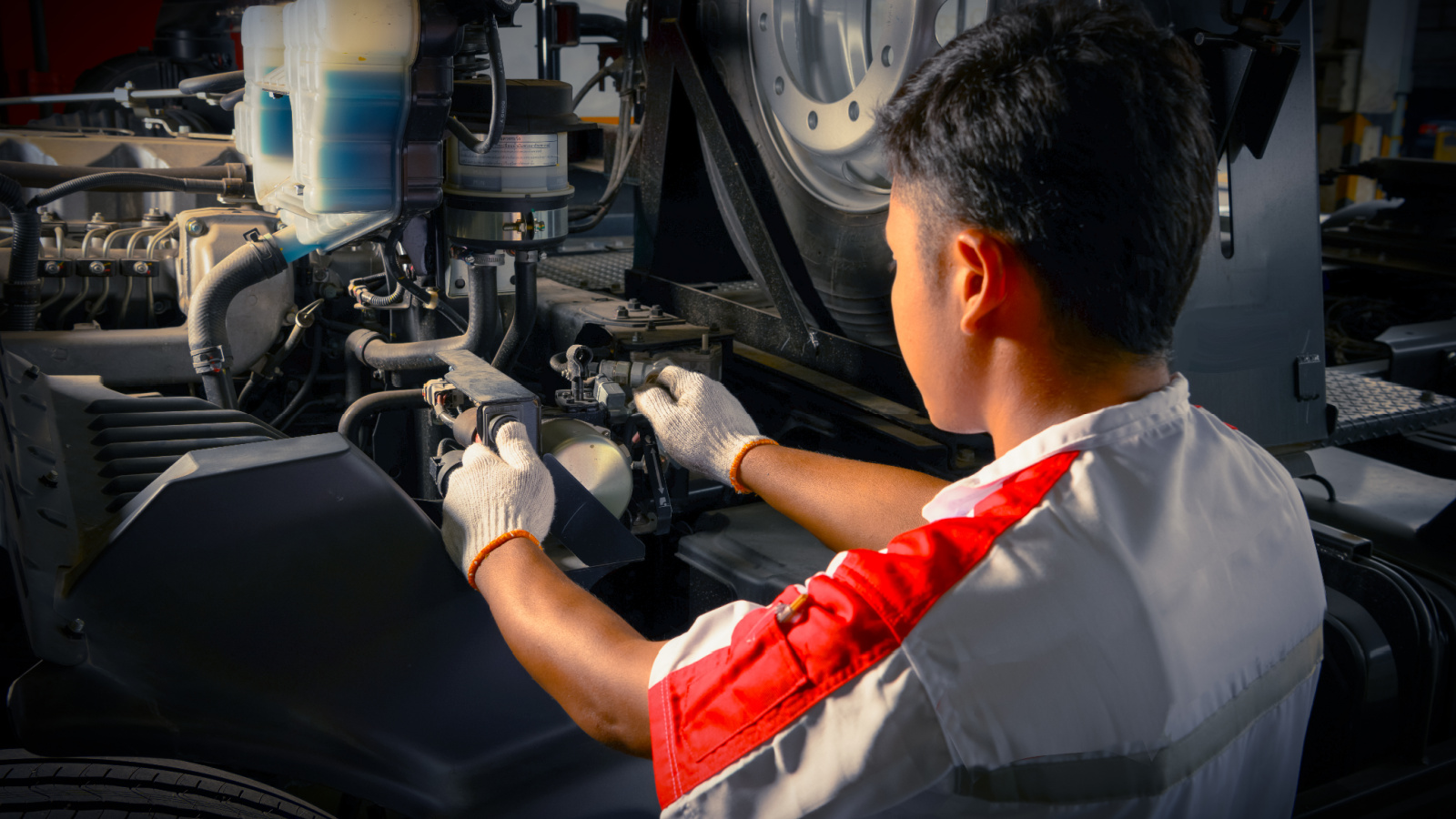
A used SUV should not need constant correction just to travel down a reasonably level road. During the test drive, pay attention to steering response, vibration, unusual noises and how the body settles after bumps. Drive on more than freshly paved streets. A route containing ordinary urban pavement, a highway section and a few rougher surfaces provides a better opportunity to expose problems that a five-minute trip around a dealership will not reveal.
Steering and suspension systems are among the components inspected in formal vehicle inspection programs. Alberta’s out-of-province inspection, for example, examines steering, suspension, tires and numerous other safety-related components. A buyer does not need to diagnose the exact failed part from the driver’s seat. The goal is to notice behaviour that justifies professional investigation. An SUV that feels vague, noisy or unsettled during the test drive should not become more attractive simply because the salesperson says, “They all drive like that.”
Confirm the AWD or 4WD System Is Healthy

The badge on the tailgate says AWD or 4WD, but buyers need confidence that the system is actually healthy. Different SUVs use very different hardware, from continuously active systems to electronically controlled setups that send additional power to another axle only when needed. Warning messages, unusual driveline noise, binding sensations or evidence that the system has been neglected deserve investigation by someone familiar with that specific model.
Tire condition matters here as well. The Automobile Protection Association recommends closely matched tires on AWD vehicles, including matching size, model and wear. Significant circumference differences can be undesirable for systems designed around coordinated wheel speeds. Service records should also be checked for any model-specific transfer-case, differential or driveline-fluid requirements. For shoppers choosing an SUV specifically for Canadian winter traction, paying a premium for AWD makes little sense if the hardware immediately requires repair. A pre-purchase inspection should confirm that the expensive feature on the specification sheet is more than a badge.
Insist on Seeing How the Engine Starts and Runs
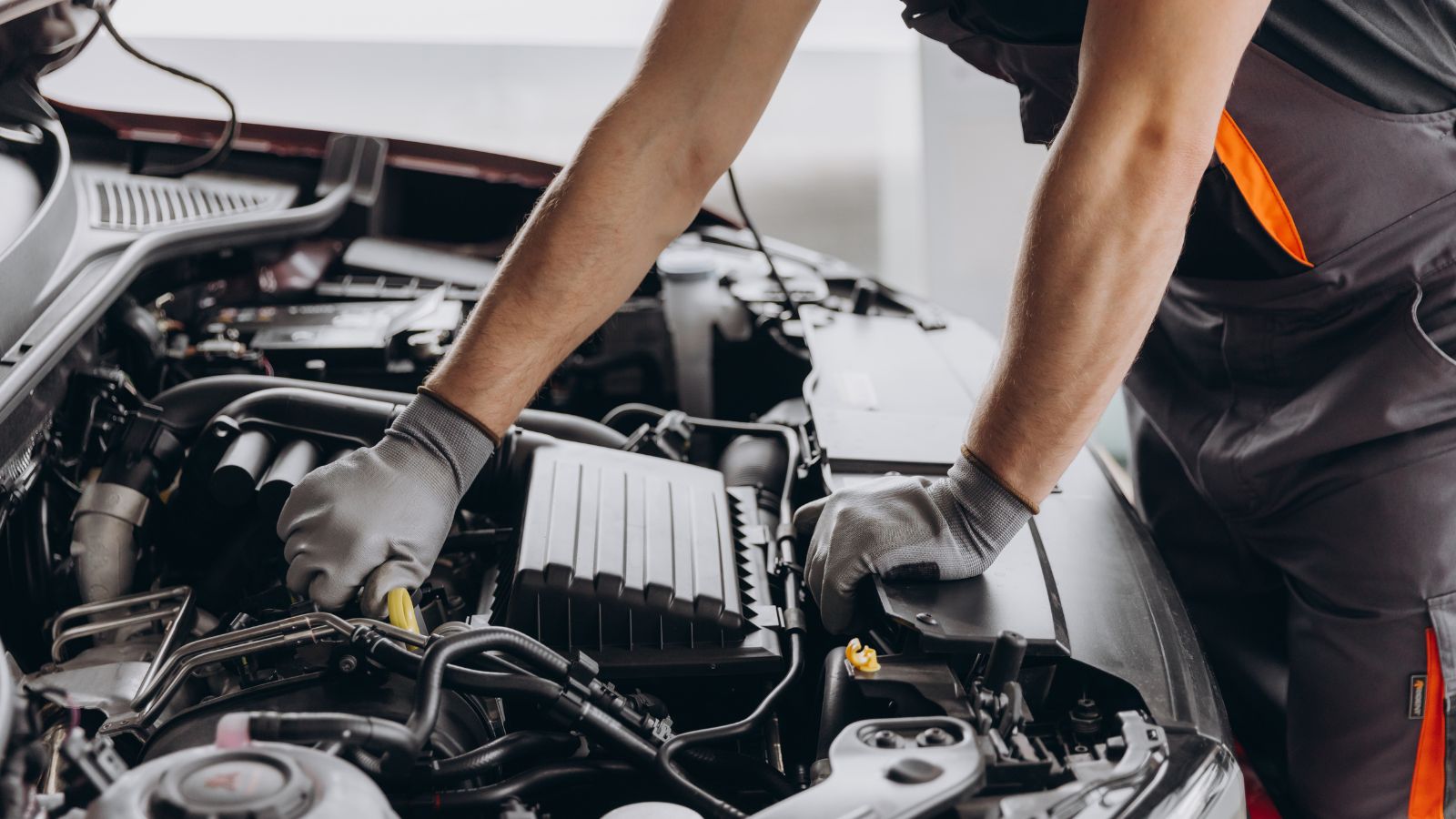
Whenever practical, arrange to see the SUV before the seller has warmed the engine. A cold start can reveal behaviour that becomes harder to notice after everything reaches operating temperature. Watch for persistent warning lights, excessive smoke, abnormal noises or unstable running, then allow the engine to reach normal operating temperature. Consumer Reports recommends a detailed mechanical inspection that includes checking fluids and looking for evidence of problems before buying a used vehicle.
Also look beneath the SUV and around the engine compartment for leaks. BCAA advises drivers to pay attention to the colour, type, amount and location of leaking fluid. Fluid condition alone does not provide a complete diagnosis, but neglected levels, contaminated-looking fluids or fresh wet areas can justify deeper investigation. A freshly detailed engine bay is not proof of trouble, yet it should encourage the same careful inspection as a dirty one. Mechanical condition matters far more than how recently the plastic engine cover was polished.
Test the Transmission in More Than One Situation
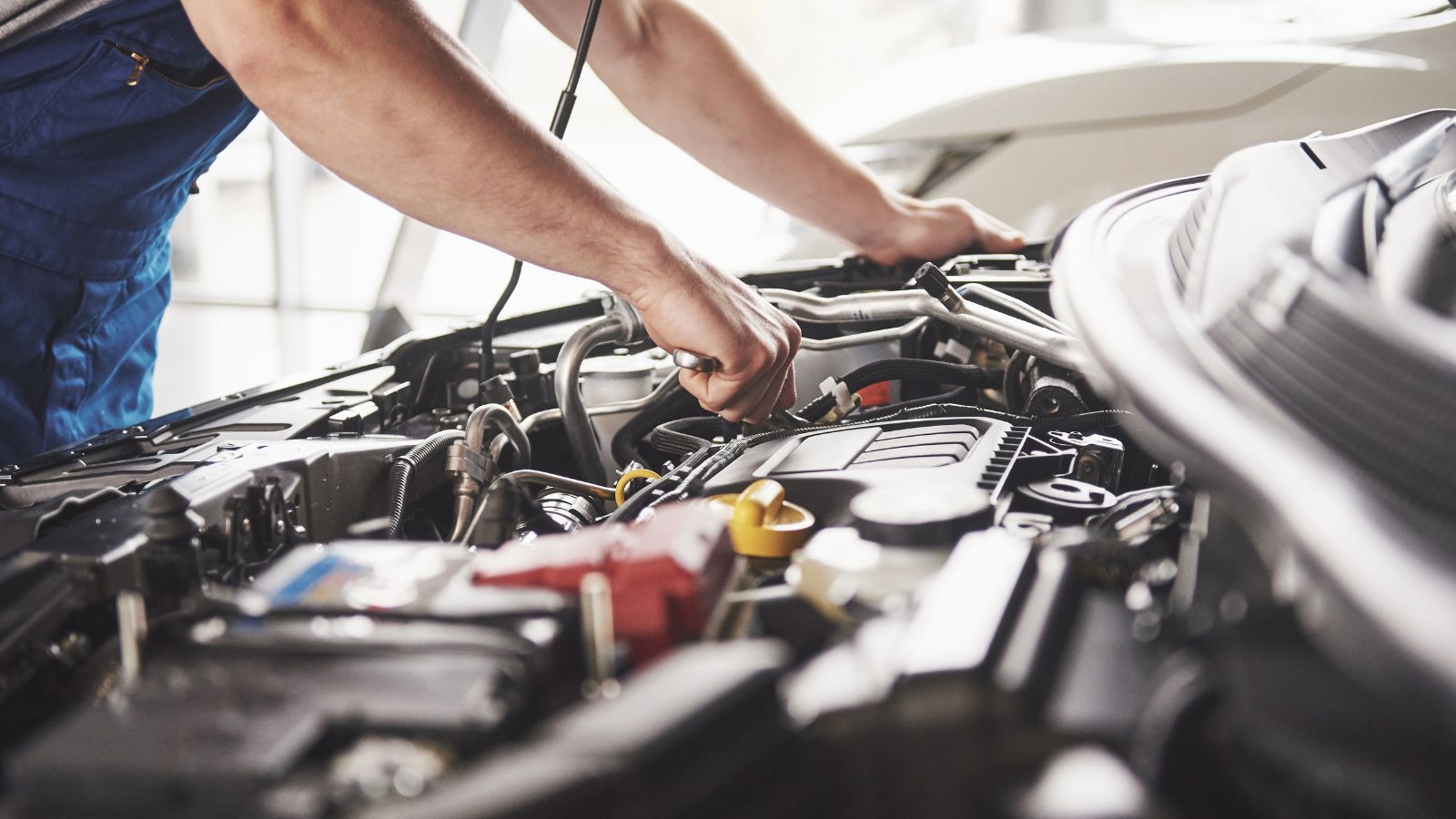
Transmission problems can transform an affordable used SUV into an expensive project, so the test drive needs to include more than gentle neighbourhood cruising. The vehicle should be driven when cold and after reaching operating temperature, with normal acceleration, deceleration, reversing and highway-speed operation where practical. Buyers should pay attention to delayed engagement, abnormal noises, warning messages or shifting behaviour that feels inconsistent enough to merit professional diagnosis.
Transmission designs differ greatly, including conventional automatics, continuously variable transmissions and increasingly sophisticated multi-speed units. What feels normal in one model may be unusual in another, so generic assumptions are risky. Consumer Reports recommends examining transmission fluid where the vehicle provides a conventional method for doing so and following the manufacturer’s procedure. Service history matters as well. If the manufacturer specifies transmission-related maintenance, records can show whether it happened. “They all shift like that” is not a diagnosis; an independent technician familiar with the model can provide a far more useful answer.
Test Every Electrical Feature and Watch Every Warning Light
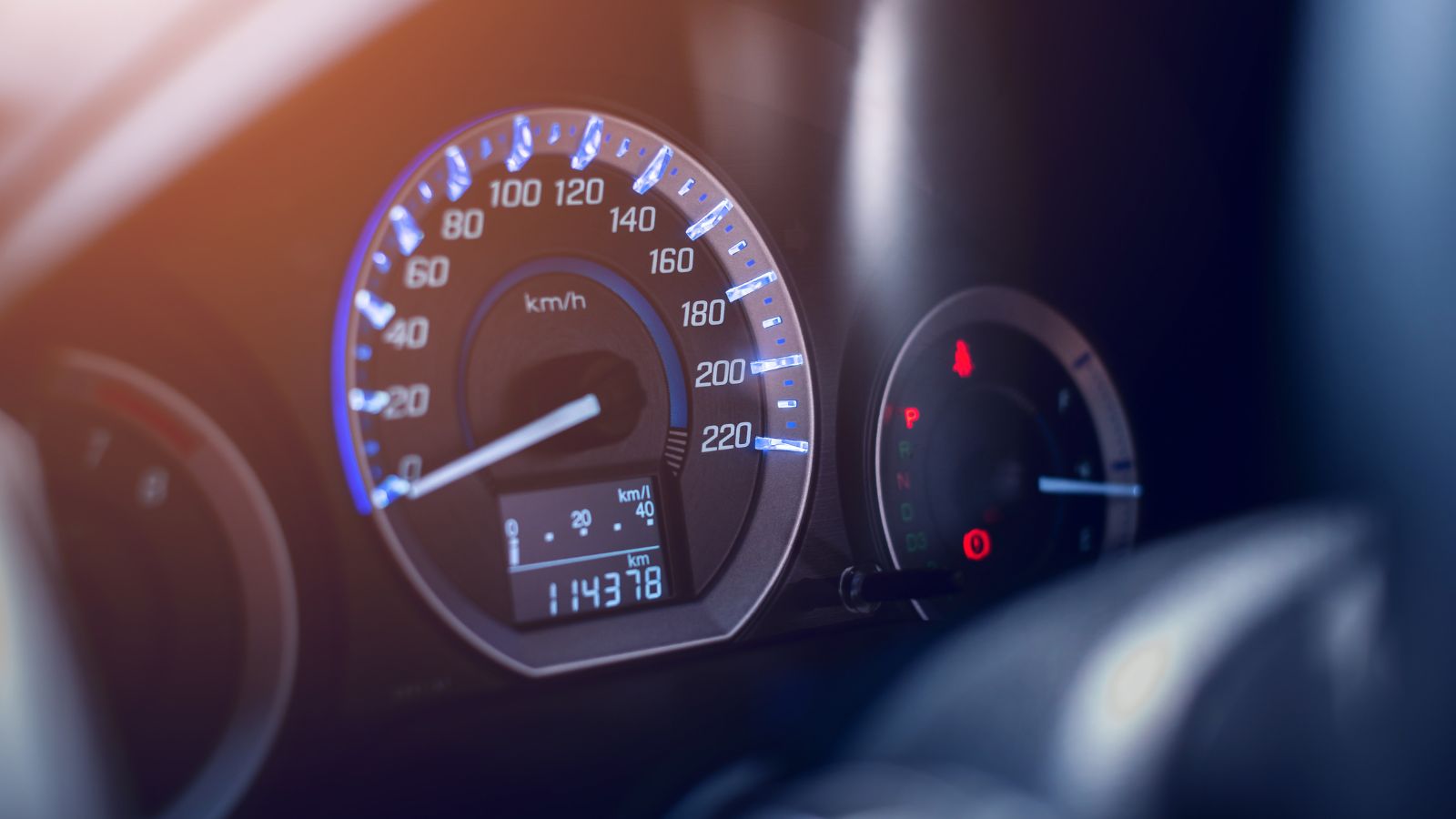
Modern SUVs contain enough electronic equipment that a thorough check takes time. Before moving off, switch on the exterior lighting, power windows, locks, mirrors, infotainment system, cameras, parking sensors, seat controls and other equipment fitted to that particular trim. During startup, observe dashboard warning lamps and confirm they behave normally rather than staying illuminated—or suspiciously never appearing at all.
Safety-related warnings deserve particular attention. Ontario’s mandatory dealer-disclosure framework specifically addresses issues such as non-operational ABS and missing or non-operational airbags. A malfunctioning power liftgate might be an inconvenience; an unresolved restraint-system warning is something entirely different. Electrical problems can also be intermittent, so buyers should not rush this stage because the engine runs well. A family SUV can have dozens of features used every week. Discovering after purchase that the rear camera, heated seat, window motor and keyless-entry system all need attention can quickly change the economics of an otherwise attractive deal.
Make Sure Cameras and Driver-Assistance Systems Work Properly
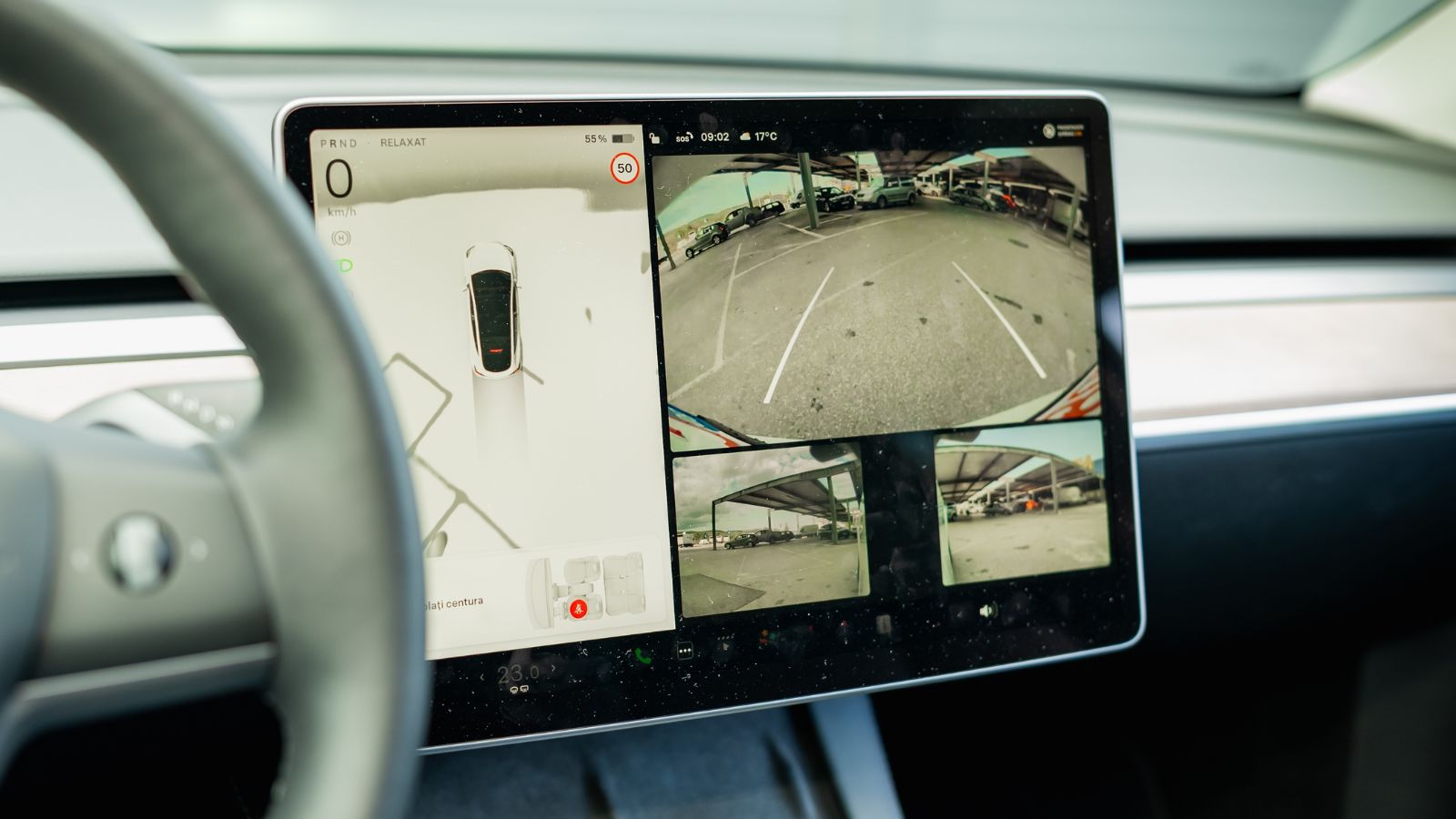
Many late-model used SUVs now include automatic emergency braking, lane assistance, blind-spot monitoring, adaptive cruise control or other driver-assistance technology. These systems depend on cameras, radar units and other sensors, and their operation should be checked just as seriously as traditional mechanical equipment. Dashboard errors, permanently disabled features or unexplained warning messages should be investigated before purchase.
Repair history matters because seemingly unrelated body or glass work can affect these systems. The Insurance Institute for Highway Safety notes that windshield replacement and collision repairs can require calibration of cameras or crash-avoidance sensors. IIHS research has also found meaningful real-world crash reductions from technologies such as front crash prevention and blind-spot detection. That makes correct operation a safety issue, not simply a convenience feature. If an SUV has received a replacement windshield or front-end repair, ask for documentation showing whether required calibration procedures were completed. A sophisticated safety system is valuable only when its sensors know precisely where the vehicle is looking.
Check the Heater, Defrosters and Cold-Weather Equipment
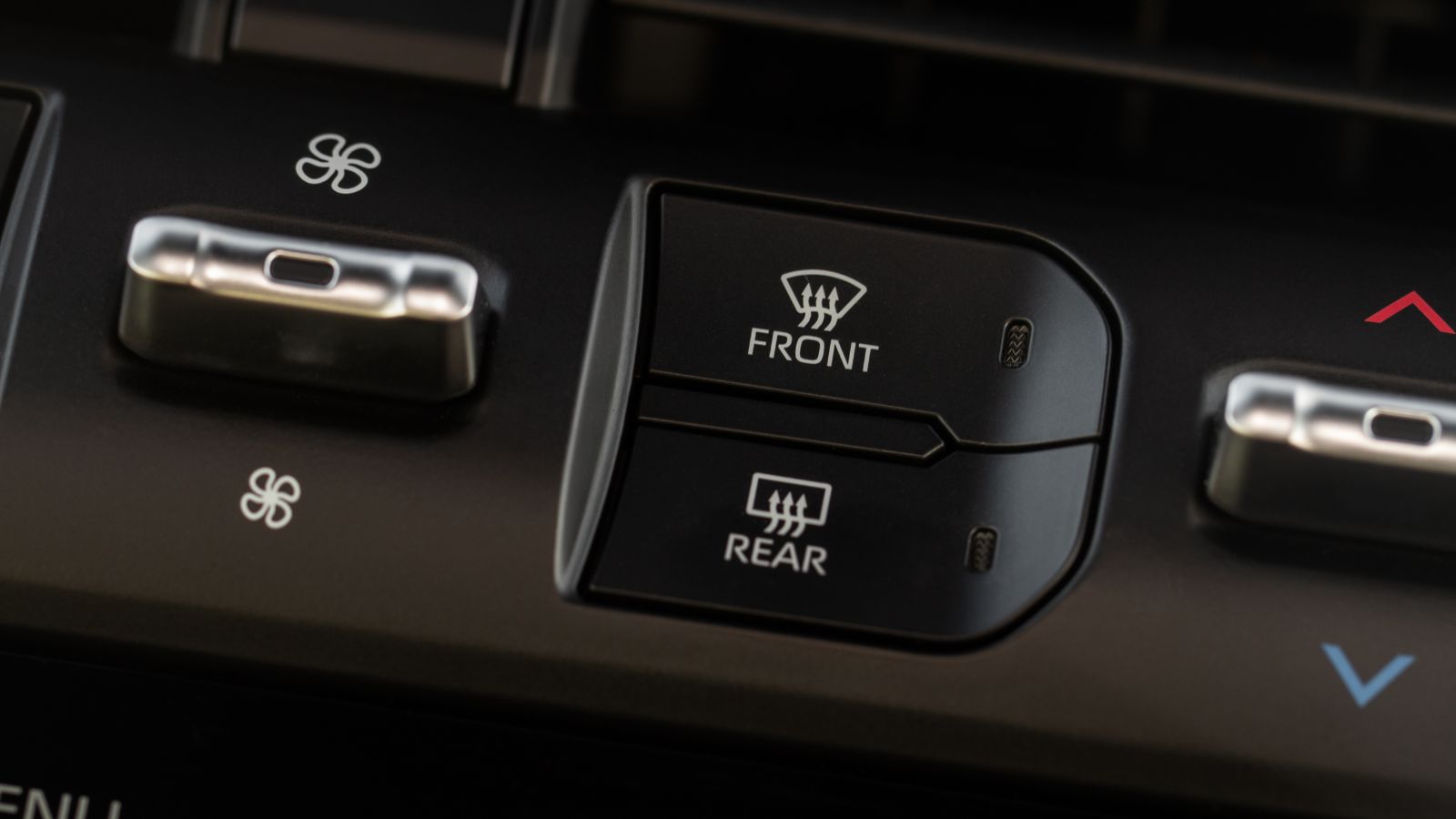
Air conditioning often receives most of the attention during a summer test drive, but Canadian buyers should give the heating and defrosting systems equal importance. Run the fan through its settings, change airflow modes and verify that warm air reaches the cabin and windshield. Rear-window defrost, heated mirrors and other fitted cold-weather functions should also be tested rather than assumed to work.
Defrosters and related equipment appear on formal inspection checklists because visibility becomes a safety issue in cold weather. Alberta’s out-of-province inspection, for example, examines items including glass, wipers and defrosters. CAA winter guidance likewise emphasizes preparing wipers and vehicle systems for severe conditions. A failed heated seat is irritating on a January morning; a weak defroster that struggles to clear the windshield is more consequential. Testing these systems before purchase is particularly useful because problems may remain invisible during a warm showroom demonstration. An SUV advertised as “perfect for winter” should be able to prove it before the first freezing morning.
Have the 12-Volt Battery and Charging System Tested
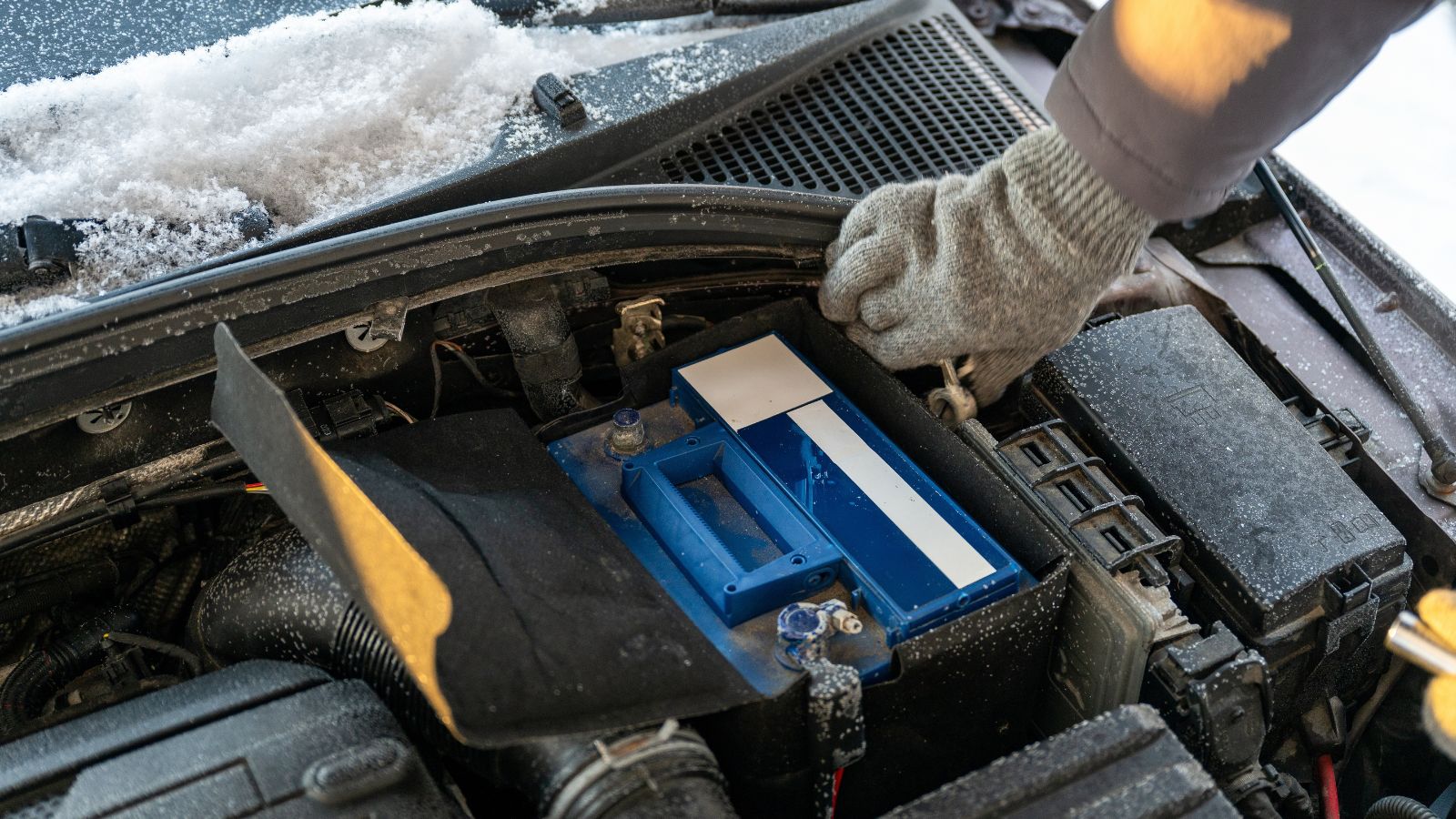
A used SUV can start normally during a dealership visit and still have a weak battery nearing the end of its useful service. Rather than judging battery health from a single successful start, request a proper test. CAA recommends battery testing as part of winter preparation and also advises checking the charging system. Cold weather increases the importance of dependable starting performance, particularly for vehicles parked outdoors.
The inspection should consider more than the battery itself. Connections, terminals and charging-system performance can influence reliability, and increasingly electronics-heavy vehicles place substantial demands on stable electrical power. A weak battery can also create confusing symptoms as voltage drops. The price of a conventional replacement battery may be manageable compared with major engine or transmission repairs, but it is still an expense worth identifying before negotiations finish. If a seller claims the battery was recently replaced, an invoice or visible manufacturing information can help verify the story instead of relying solely on a verbal assurance.
Treat Hybrid, Plug-In Hybrid and Electric SUVs Differently
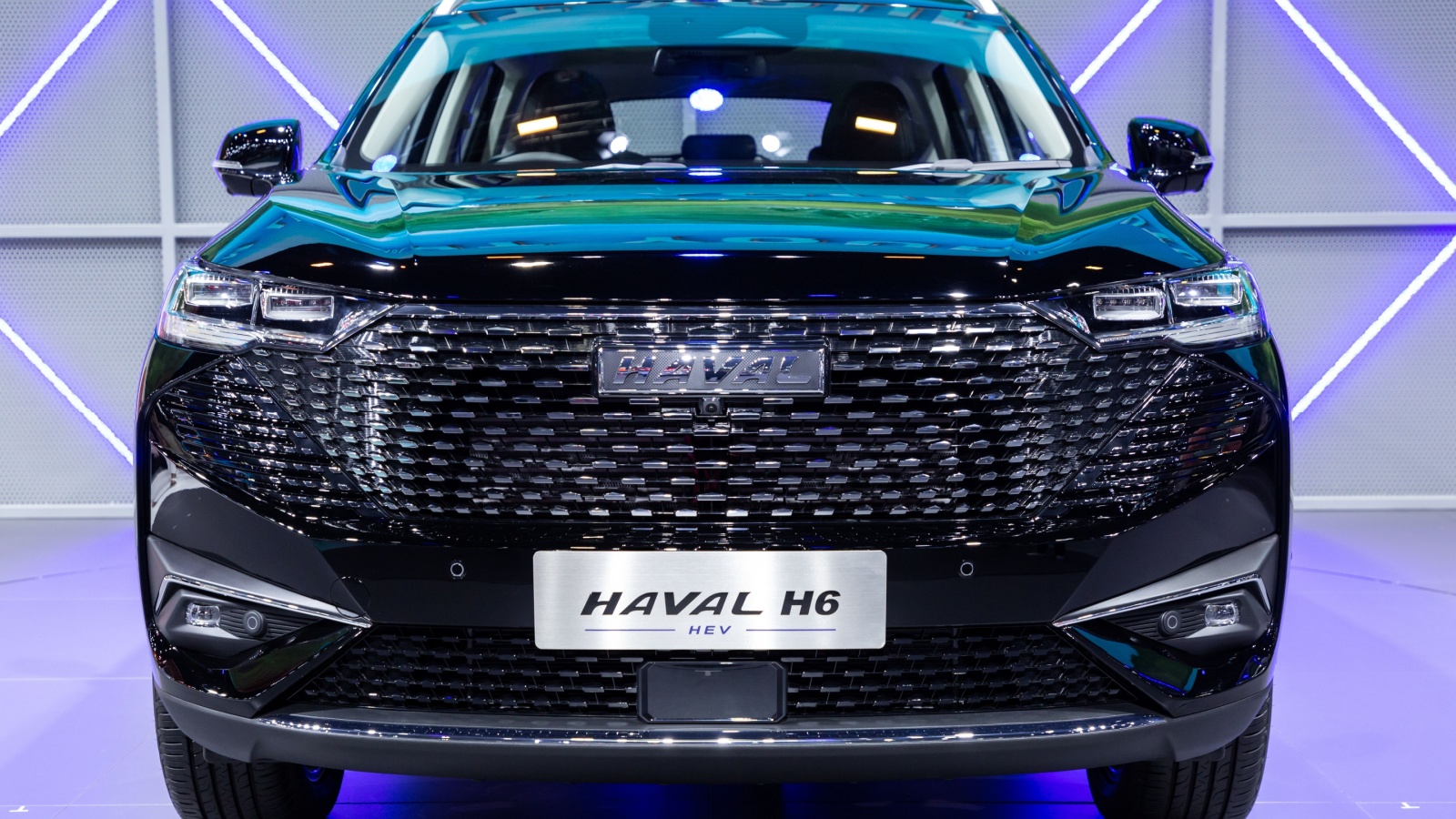
An electrified used SUV needs additional due diligence. For a battery-electric vehicle, plug-in hybrid or conventional hybrid, buyers should learn what battery-health information is available for that specific model, examine remaining battery warranty coverage and obtain an inspection from a technician qualified to work on the system. CAA specifically advises used-EV shoppers to ask about battery health, age and range and to consider a specialized pre-purchase inspection.
Canadian winter performance also belongs in the calculation. CAA’s Canadian testing and guidance show that cold temperatures can materially reduce EV driving range, so an SUV that comfortably handles a household’s summer routine may offer a different margin in January. Buyers should also test charging equipment and ports on plug-in models where possible and verify that included charging cables are present. The objective is not to avoid electrified SUVs; it is to assess them with the right checklist. Applying a gasoline-only inspection routine to a vehicle whose most valuable component is a high-voltage battery leaves a major question unanswered.
Compare Maintenance Records With the Odometer
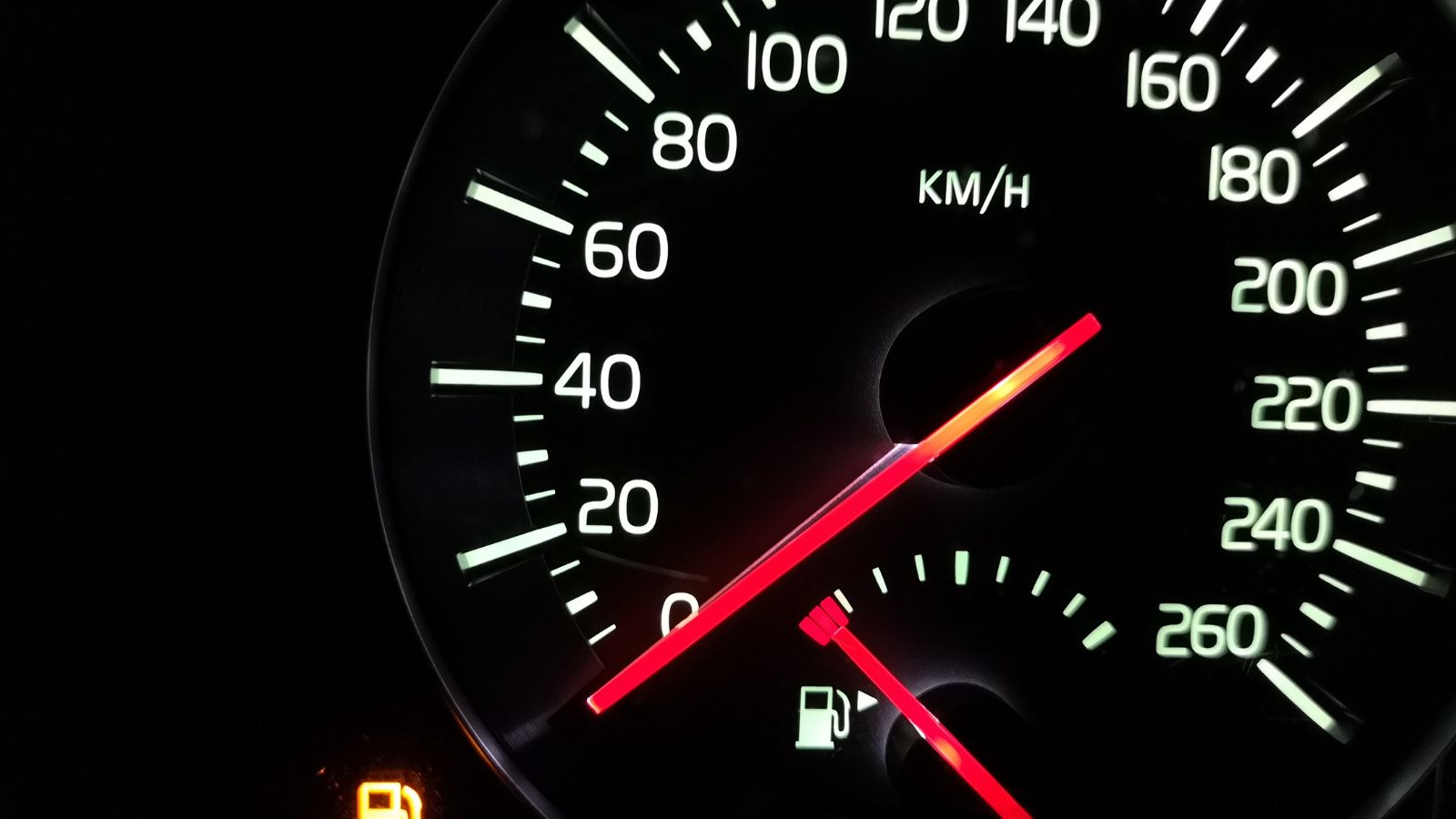
Mileage means more when it has context. A 120,000-kilometre SUV with detailed maintenance invoices can be easier to evaluate than a 75,000-kilometre example with almost no documented history. Ask for service receipts and compare dates, kilometre readings and maintenance items with the manufacturer’s schedule. CARFAX Canada reports can contain available service records, including odometer readings and work such as oil changes, tire rotations and inspections.
Those databases are useful but not complete. CARFAX Canada itself notes that service records are not available for every VIN because reporting depends on participating data sources. That makes paper or electronic invoices from the seller valuable evidence. Mileage readings should progress logically over time; unexpected reversals or long unexplained gaps deserve closer examination. Wear on pedals, seat bolsters and frequently touched controls can provide additional context, although none proves mileage by itself. The objective is to see whether the SUV’s claimed kilometres, visible condition and documentary history tell the same story.
Make an Independent Pre-Purchase Inspection a Condition
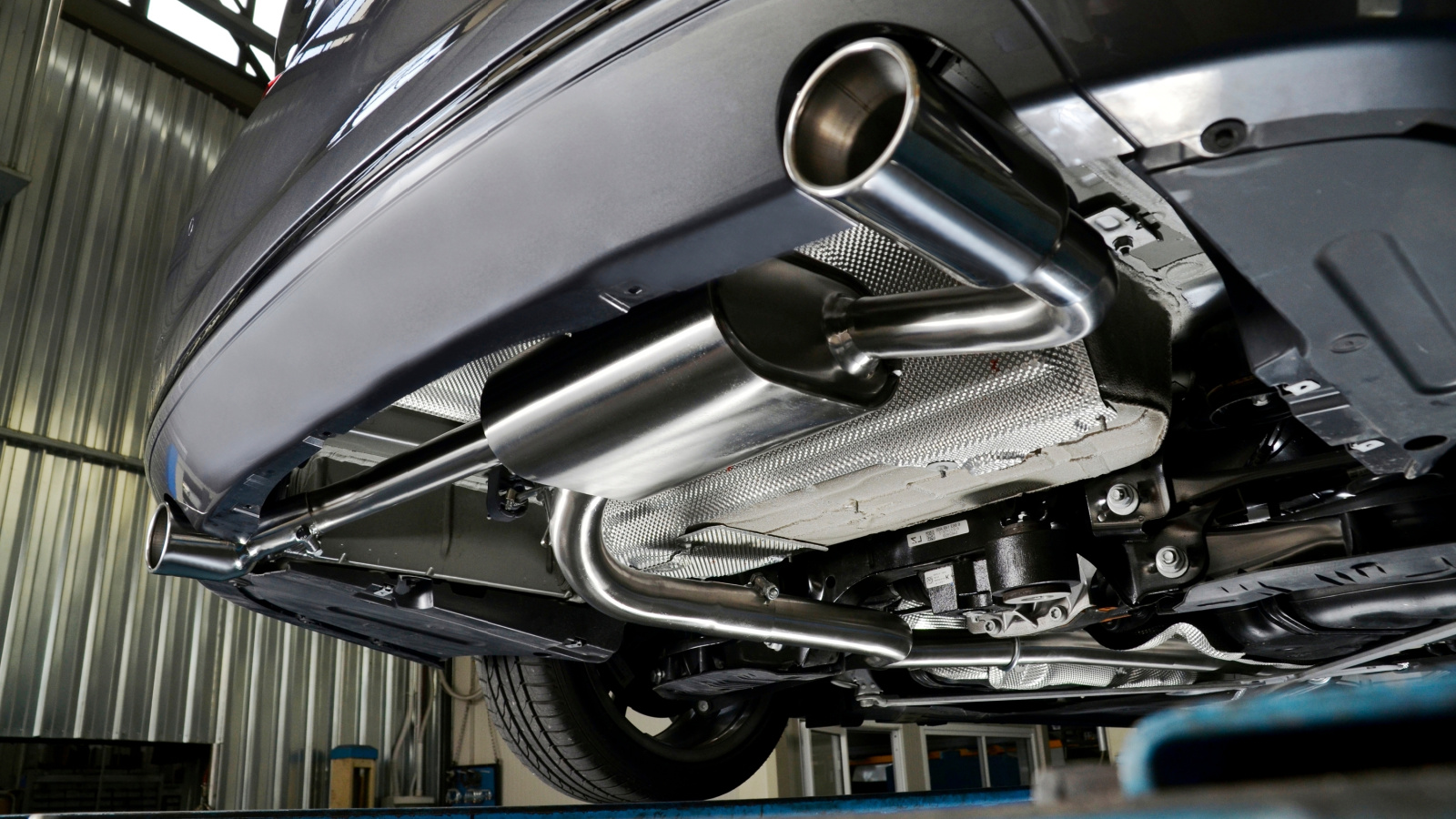
Few checks protect a buyer as effectively as an inspection performed by a qualified technician who is working for the buyer rather than the seller. Ontario’s motor-vehicle regulator explicitly recommends having a trusted mechanic inspect a used vehicle before purchase and suggests making mechanical inspection a condition of the agreement when appropriate. Similar inspection programs across Canada examine safety and mechanical components that are difficult to assess accurately in a parking lot.
Ideally, the SUV should be raised on a lift, scanned for diagnostic information and inspected underneath as well as above. The mechanic can then separate routine wear from problems that may require immediate spending. Even a strong vehicle-history report cannot replace this step because databases document reported history rather than the SUV’s complete present condition. If a seller refuses a reasonable independent inspection without a convincing explanation, that refusal becomes information in itself. Spending money before the purchase can feel counterintuitive, but it is considerably easier to abandon a questionable SUV before ownership changes hands.
Know Who Is Selling the SUV and What Protections Apply

Dealer and private sales are not legally identical, and consumer protections vary across Canada. The federal Office of Consumer Affairs advises used-vehicle buyers to understand whether they are dealing with a business or a private seller and directs consumers to provincial or territorial authorities when disputes arise. Before signing anything, buyers should identify the legal seller and ensure every important representation or condition appears in writing.
Provincial rules can be quite specific. Ontario, for example, imposes mandatory disclosure requirements on registered dealers and does not provide a general cooling-off period simply because a buyer changes their mind after signing. Other provinces have their own frameworks, registration procedures and private-sale requirements. Buyers should therefore check the regulator or consumer-protection authority where the transaction actually takes place. The salesperson’s reassuring explanation is not a substitute for the written contract. If the purchase depends on financing, repairs, an inspection, included accessories or another promise, the paperwork should clearly reflect that condition before a signature is added.
Get an Insurance Quote and Check Theft Risk Before Buying

Two similarly priced SUVs can produce very different insurance costs. Insurance Bureau of Canada explains that insurers consider factors connected to the specific vehicle, including its make, model, year, value, repair costs and loss experience. Its CLEAR system is designed to use Canadian claims experience when assessing vehicle risk. That makes an actual insurance quote more useful than assuming a premium based solely on engine size or purchase price.
Theft risk deserves particular attention in the SUV market. Équité Association reported that Canadians still faced an estimated $900 million in auto-theft insurance claims in 2025, even after theft declined nationally from the previous year. Its most-stolen-vehicle reporting has also highlighted newer SUVs as major targets, with the Toyota RAV4 taking the top position based on 2024 theft data. Before buying, shoppers can compare insurance quotes and ask whether a particular model triggers additional anti-theft requirements or higher premiums. The affordable SUV is the one that remains affordable after it is insured.
Calculate Fuel and Ownership Costs Before Falling for the Price

Purchase price is only the opening number. Natural Resources Canada publishes model-specific fuel-consumption ratings that allow shoppers to compare vehicles on a common basis. The agency notes that fuel consumption varies substantially by vehicle type and size, making the difference between two SUVs meaningful over years of commuting. Buyers comparing conventional and hybrid versions should use official ratings as a starting point rather than relying on a seller’s description of something as “great on gas.”
Fuel is only part of the ownership calculation. Insurance, maintenance, tires, financing and anticipated repairs can change which SUV actually fits a household budget. CAA’s Driving Costs Calculator is built around the same idea: owning a vehicle costs more than its sticker price. A slightly more expensive SUV with better fuel economy, lower insurance and a documented maintenance history may ultimately be less costly than the cheapest listing online. Before signing, Canadians should calculate what the SUV is likely to cost after the excitement of bringing it home has worn off.
16 Costco Canada Habits That Could Be Costing Shoppers More Than They Save
The Executive Membership can feel like an obvious upgrade because the 2% annual reward sounds straightforward. For households that spend heavily at Costco Canada, the extra fee may be easy to justify. But the habit becomes costly when shoppers upgrade first and calculate later. A Gold Star Membership costs less, while Executive costs more and only pays off if eligible annual spending is high enough to offset the difference.
16 Costco Canada Habits That Could Be Costing Shoppers More Than They Save
This Options Discord Chat is The Real Deal
While the internet is scoured with trading chat rooms, many of which even charge upwards of thousands of dollars to join, this smaller options trading discord chatroom is the real deal and actually providing valuable trade setups, education, and community without the noise and spam of the larger more expensive rooms. With a incredibly low-cost monthly fee, Options Trading Club (click here to see their reviews) requires an application to join ensuring that every member is dedicated and serious about taking their trading to the next level. If you are looking for a change in your trading strategies, then click here to apply for a membership.