
35,000+ smart investors are already getting financial news, market signals, and macro shifts in the economy that could impact their money next with our FREE weekly newsletter. Get ahead of what the crowd finds out too late. Click Here to Subscribe for FREE.
Summer makes a home feel easier to manage—until a barbecue flares, a thunderstorm knocks out power, a basement takes on water or an unlocked pool gate creates an emergency. Warm weather also brings equipment, fuel, open flames, outdoor electrical connections and recreation hazards back into regular use, often after months of sitting idle.
The most useful precautions are usually the unremarkable ones: checking equipment before using it, maintaining barriers, clearing combustibles and knowing what to do when severe weather arrives. These 19 summer safety rules cover some of the household risks that Canadian homeowners can overlook precisely because everything seems routine—right up until it is not.
Keep the Barbecue Outdoors and Give It Breathing Room
19 Summer Safety Rules Canadian Homeowners Forget Until Something Goes Wrong
- Keep the Barbecue Outdoors and Give It Breathing Room
- Test Smoke and Carbon Monoxide Alarms Before Summer Gets Busy
- Treat the Pool Gate as Safety Equipment, Not Backyard Décor
- Handle Pool Chemicals Like Chemicals, Not Ordinary Garage Supplies
- Inspect the Ladder Before Climbing to the Gutters
- Stop Treating Outdoor Electricity Like Indoor Electricity
- Shut the Lawn Mower Down Before Going Anywhere Near the Blade
- Prepare the Yard Before the Thunderstorm Warning Appears
- Make Sure the Sump Pump Works Before the Downpour
- Clear the Small Things That Can Help a Wildfire Reach the House
- Never Walk Away From Outdoor Torches or Liquid-Fuel Flames
- Check the Rules Before Setting Off Backyard Fireworks
- Run Fuel-Burning Generators Far From the House
- Store Gasoline and Solvents Outside the Living Space
- Read the Pesticide Label as if It Were a Legal Document—Because It Is
- Treat a Backyard Trampoline as Sports Equipment, Not Furniture
- Remember That a Window Screen Is Not a Fall Barrier
- Go Inside When Lightning Gets Close Instead of Watching From the Porch
- Keep a 72-Hour Emergency Kit Where the Household Can Actually Find It
- 16 Costco Canada Habits That Could Be Costing Shoppers More Than They Save

A barbecue belongs outdoors in a well-ventilated location, not inside a garage, shed or other enclosed space simply because rain has interrupted dinner plans. Health Canada warns that barbecues can produce carbon monoxide, an invisible, odourless and tasteless gas capable of causing serious illness or death. Propane itself is heavier than air, so leaked gas may collect in low areas around a grill. A barbecue should also never be left unattended while lit, particularly when children or pets are moving around a busy backyard.
The beginning of grilling season is a good time to inspect hoses, connections and the grill itself instead of assuming everything survived winter storage intact. Federal fire-safety guidance recommends checking gas hoses for leaks before the first use of the year; soapy water can reveal escaping propane by producing bubbles. Grease buildup should be cleaned away, and the lid should remain open during lighting. Even the barbecue brush deserves attention because loose metal bristles can stick to food and cause serious digestive or throat injuries.
Test Smoke and Carbon Monoxide Alarms Before Summer Gets Busy
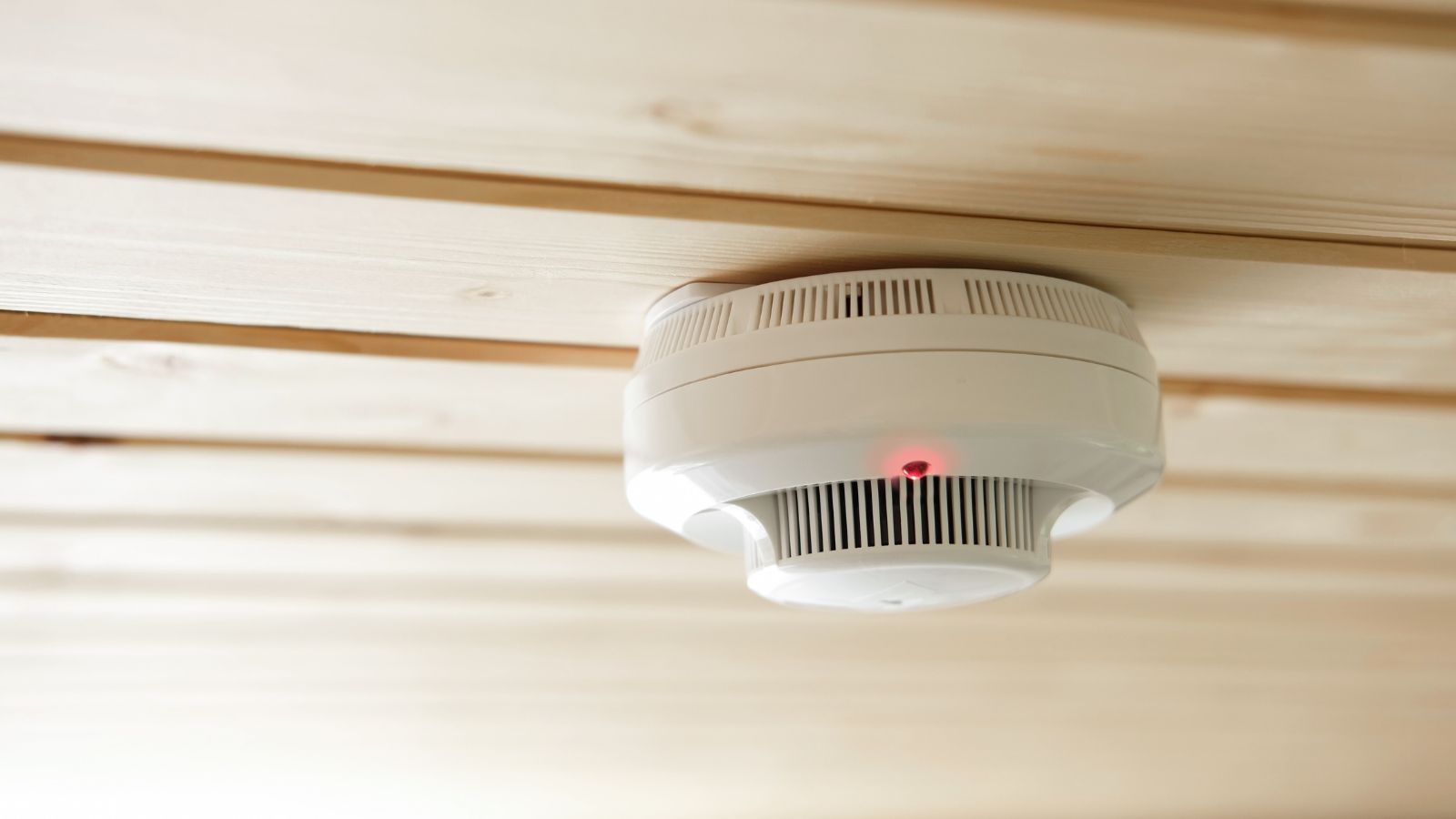
Smoke and carbon monoxide alarms have an unfortunate tendency to disappear into the background until they start chirping. Summer is an ideal checkpoint because cottages reopen, fuel-burning equipment sees more use and storm-related outages can tempt households to improvise with generators or cooking appliances. Smoke alarms and carbon monoxide alarms perform different jobs: a smoke alarm does not detect CO. Health Canada recommends certified CO alarms and says the most important installation location is in hallways outside sleeping areas.
The risk is substantial enough to justify treating alarm maintenance as more than housekeeping. Public Health Agency of Canada information estimates carbon monoxide poisoning is responsible for roughly 300 deaths and 200 hospitalizations annually in Canada. Homeowners should follow each alarm manufacturer’s testing, maintenance and replacement schedule rather than relying on a universal battery rule, since alarm designs differ. Canadian certification marks are also worth checking when replacing inexpensive or unfamiliar units purchased online. An alarm hanging from the ceiling is useful only if it is appropriate for Canadian use and still capable of doing its job.
Treat the Pool Gate as Safety Equipment, Not Backyard Décor

A swimming pool can look harmless when nobody is swimming, which is exactly when access control matters most. Health Canada recommends fencing the entire pool area, with a fence at least 1.2 metres high and a self-closing, self-latching gate whose latch is beyond a child’s reach. Local requirements can be stricter, so municipal rules still need to be checked. Furniture, toys and tools should also be kept away from fencing because they can become improvised climbing aids.
Canadian injury data underline why the barrier matters. Among 1,109 drowning-related cases reported through the Canadian Hospitals Injury Reporting and Prevention Program from 2011 to 2023, 73% occurred during the warmer months of May through September. More than half of those reported cases occurred in residential or public swimming pools, although the surveillance system does not capture every drowning in Canada. Young children and inexperienced swimmers should remain in view and within arm’s reach around water. Water wings and similar swimming aids do not replace supervision, no matter how confident a child looks while wearing them.
Handle Pool Chemicals Like Chemicals, Not Ordinary Garage Supplies

The pool may be recreational, but the products keeping its water usable are not toys. Health Canada recommends testing pool and spa water daily for factors including sanitizer levels, pH, alkalinity and calcium hardness. Products intended to control microorganisms or algae must be properly registered or scheduled under Canada’s Pest Control Products Act, and homeowners can look for the appropriate Pest Control Product registration information on the label.
Storage deserves equal attention. Pool and spa chemicals should be kept cool, dry and well ventilated, away from direct sunlight and flammable materials such as gasoline and fertilizers. They also need to remain inaccessible to children and pets. The casual habit of stacking chlorine, garden fertilizer, gasoline and miscellaneous cleaners together in one hot shed can create risks that are easy to avoid simply by respecting the original labels and storage directions. More chemical is not automatically better, either. Instructions determine appropriate quantities and protective equipment. A homeowner trying to correct cloudy water in a hurry is far safer measuring carefully than improvising combinations or concentrations.
Inspect the Ladder Before Climbing to the Gutters

Summer produces plenty of reasons to reach higher than normal: cleaning gutters, trimming branches, painting siding or checking a roof after a storm. The ladder often comes out of storage with little thought given to what happened to it during the previous year. The Canadian Centre for Occupational Health and Safety advises inspecting ladders before and after use and removing defective ladders from service. Loose hardware, damaged feet, cracked components and faulty extension locks are not cosmetic defects when someone is several metres above the ground.
Placement matters just as much. Portable ladders should stand on firm, level footing and be secured against slipping where appropriate. Extension ladders should not be used near electrical lines; CCOHS recommends keeping ladders and tools at least 10 feet away from power lines. It also advises against climbing higher than the fourth rung from the top of an extension ladder. A familiar scene—a homeowner stretching sideways with one hand on a gutter and the other holding a tool—may save one trip down the ladder, but it trades convenience for stability. Moving the ladder is the safer shortcut.
Stop Treating Outdoor Electricity Like Indoor Electricity

Extension cords snake across decks and lawns all summer, powering tools, lighting, speakers and temporary backyard equipment. The problem begins when an indoor cord becomes a permanent outdoor installation or a damaged cord keeps being used because it still delivers power. Health Canada advises never operating power tools with frayed cords and never using electrical equipment in wet conditions because of electric-shock risk. Equipment should also be inspected before use, with guards and other safety components kept in place.
Ground-fault protection adds another layer of protection in outdoor environments where moisture is common. Ontario’s Electrical Safety Authority, for example, emphasizes GFCI protection for outdoor receptacles and specifically warns against damaged cords around docks and waterfront electrical systems. Electrical-code requirements vary by jurisdiction, so homeowners undertaking new wiring or repairs should follow provincial and local requirements rather than improvising. The important behavioural rule is simpler: water, damaged insulation and household current are a dangerous combination. If a patio outlet, cord or connection looks scorched, cracked, loose or repeatedly trips protection, the solution is not another extension cord.
Shut the Lawn Mower Down Before Going Anywhere Near the Blade

Grass clogs happen so often that clearing them can begin to feel like part of mowing. It should never become casual. Health Canada recommends turning off or unplugging a power mower before clearing a blockage and using a stick or another suitable tool rather than a hand. Children should be kept away from the mowing area, and ride-on mowers should not carry passengers unless specifically designed for them. Wet grass adds another problem because slipping and mower rollover risks can increase.
Canadian injury surveillance shows what can happen when routine mowing goes wrong. A Public Health Agency of Canada analysis identified 512 unintentional lawn-mower injury cases in participating hospitals between April 2011 and June 2018. Among the most serious reported injuries, 11.3% involved traumatic or partial amputations, while 14.6% of patients were admitted to hospital. Fingers, hands, toes, feet and ankles were commonly affected. Those figures come from a sentinel system rather than a complete national count, but they make the point: a mower blade does not become harmless just because the engine has recently been stopped.
Prepare the Yard Before the Thunderstorm Warning Appears

The time to wonder whether a branch can reach the roof is not when the trees are already bending. Federal severe-weather guidance recommends keeping trees and shrubs maintained, removing damaged branches and inspecting homes for shingles, chimney components or other materials that could come loose in strong winds. Drains and basins around the property should also be kept clear, while loose items such as patio furniture and garbage containers should be secured when damaging winds are forecast.
This type of maintenance can feel excessive on a clear Saturday morning. It feels considerably less excessive when a storm arrives at dinner time. Fully leafed summer trees create large surfaces for wind to push against, and broken branches can become hazards to roofs, vehicles, utility lines and people. Homeowners do not need to remove healthy trees indiscriminately; dangerous or technically difficult work is better assessed by qualified professionals. The broader rule is to look around the property through a storm’s eyes. Anything loose, damaged, top-heavy or able to become airborne deserves attention before severe weather turns preparation into an emergency.
Make Sure the Sump Pump Works Before the Downpour

A sump pump that has not run for months can produce a nasty surprise during the first major summer downpour. Public Safety Canada specifically recommends ensuring that a sump pump is working when preparing a home for thunderstorms and heavy rain. Exterior drains and basins should be clear, and existing foundation problems should not be ignored. Homes with basements, ground-level floors or a history of sewer backup may have additional reasons to investigate flood-protection measures.
A backwater valve can help prevent wastewater from being forced backward through a home’s drainage system when sewers become overwhelmed. Federal flood guidance describes such valves as a high-impact protective measure and says the average cost of repairing a flooded basement exceeds $40,000. Installation is not a casual DIY job: local permits and rules may apply, and the federal guidance recommends using a licensed plumbing professional. A homeowner who tests a sump pump, checks drainage and understands whether a backwater valve is present has much more useful information than someone discovering those systems for the first time while water is rising across the basement floor.
Clear the Small Things That Can Help a Wildfire Reach the House
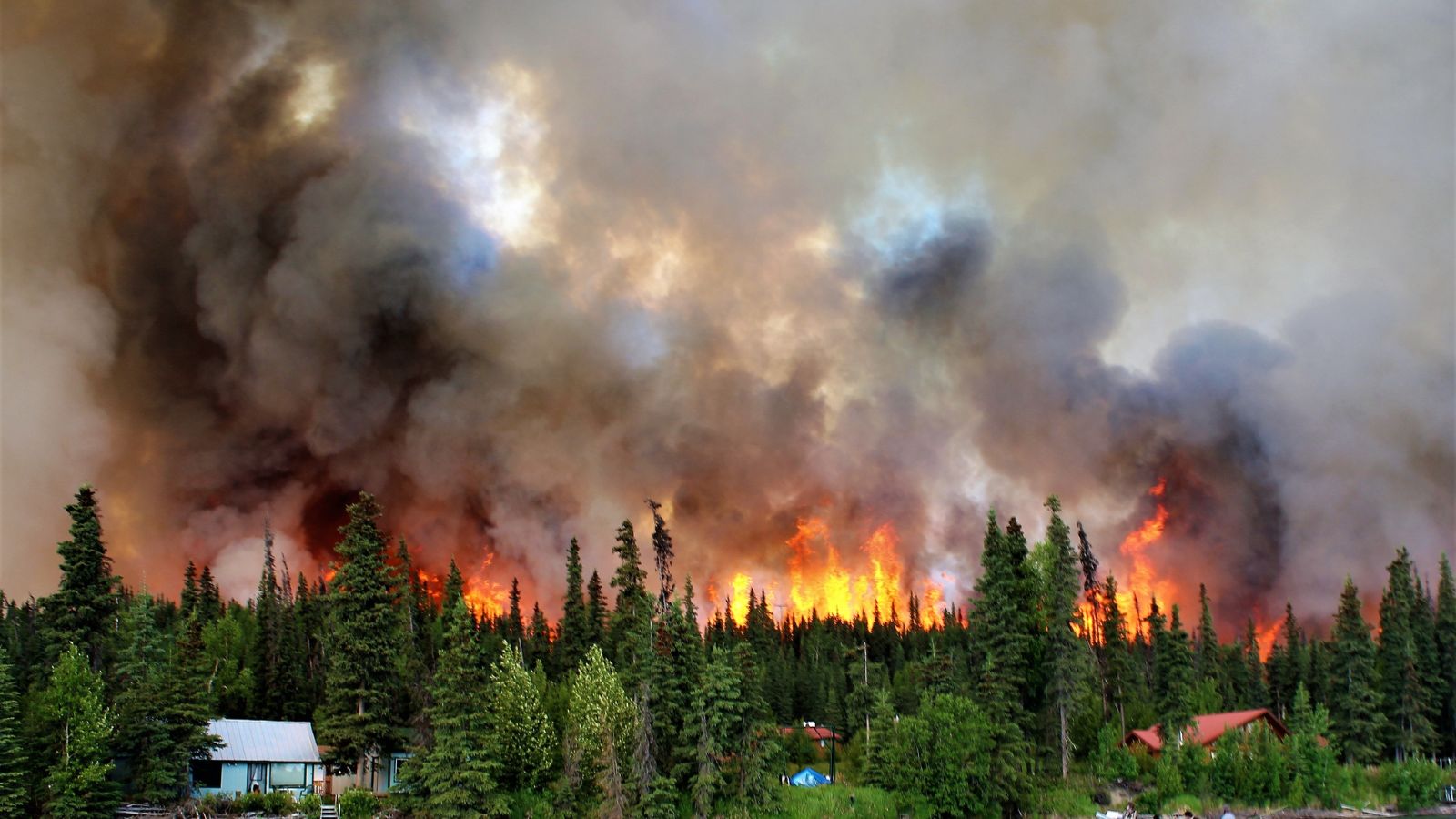
Wildfire preparation is sometimes imagined as a problem only for houses deep in the forest. FireSmart principles focus partly on something much closer: combustible material immediately around the building. Parks Canada recommends clearing dead needles, leaves and dry grass from roofs, gutters and areas under decks or porches in wildfire-prone communities. Firewood, patio cushions and other combustible objects can also add fuel close to a structure if embers arrive ahead of a wildfire.
That ember risk explains why apparently minor housekeeping can matter. Parks Canada notes that windblown embers can travel significant distances from an active wildfire, and FireSmart is a nationwide approach intended to improve the resilience of properties and neighbourhoods. Conditions vary enormously across Canada, so the level of action appropriate for a suburban home in southern Ontario will differ from a forest-edge property in Alberta or British Columbia. Still, clearing dry debris and avoiding combustible storage beneath a deck are inexpensive precautions. A neat gutter is not merely cosmetic during fire season; in the wrong circumstances, accumulated dry material can become exactly what an ember needs.
Never Walk Away From Outdoor Torches or Liquid-Fuel Flames

A glowing torch beside a patio can feel gentler than a campfire, but it remains an open flame. Health Canada warns that refillable outdoor torches create both flammability and toxicity hazards. Burning torches and candles should not be left unattended, and they should be kept away from clothing, combustible decorations and other material capable of catching fire. Fuel containers also need to remain properly stored and inaccessible to children.
Portable firepots and decorative fireplaces that use pourable liquid or gel fuels require particular caution because the flame can appear smaller and more controllable than a traditional wood fire. The relaxed atmosphere of a backyard gathering can make refilling or moving these products seem routine. That is precisely when the label and manufacturer’s instructions matter most. Pourable fuels should never be treated like ordinary beverages or stored in drink containers, and children should be taught that the equipment is not a toy. Local restrictions can also affect outdoor burning and fire use. A pleasant flame on a patio remains combustion, regardless of how decorative the container around it looks.
Check the Rules Before Setting Off Backyard Fireworks

Fireworks are one summer tradition where confidence can become part of the hazard. Natural Resources Canada advises anyone planning to use consumer fireworks to first check municipal requirements because local rules can restrict where and when they may be discharged. Fireworks should come from lawful sources and be used exactly as instructed. Sparklers also deserve more respect than their reputation suggests: federal guidance warns that they burn at very high temperatures and can ignite clothing or cause injury.
Older Canadian hospital surveillance provides a sobering picture of what failures can look like. In an archived analysis of 175 fireworks-related injury records, burns accounted for 61.5% of injuries and eye injuries for 20.6%. More than a third occurred around the injured person’s own home, while 28% involved a firework exploding in someone’s hand. The dataset is historical and cannot be treated as a current national incidence estimate, but the injury mechanisms remain relevant. Fireworks should never become a test of bravery, particularly for children. A dud, damaged device or uncertain setup is a reason to stop—not to lean closer.
Run Fuel-Burning Generators Far From the House

When a thunderstorm cuts power, a generator can restore a sense of normality remarkably quickly. It can also introduce carbon monoxide into a home if positioned badly. Health Canada says fuel-burning portable generators should never be operated indoors, in a garage or in another partly enclosed space. The federal recommendation is to operate them at least six metres, or 20 feet, from buildings and direct the exhaust away from doors and open windows.
Refuelling also requires patience. Health Canada advises shutting a generator down and letting it cool before adding fuel because hot equipment creates a fire risk. A generator equipped with an automatic carbon-monoxide shutoff can provide an additional safeguard, but federal guidance stresses that the feature does not make indoor operation safe or eliminate the need for household CO alarms. Electrical connection matters too. Public Safety Canada warns against plugging a generator into a wall outlet and says connection to a home’s electrical system requires an approved transfer arrangement installed by a qualified electrician. Emergency power should solve one problem, not create a second invisible one.
Store Gasoline and Solvents Outside the Living Space

Summer projects tend to accumulate chemicals: gasoline for equipment, leftover paint, solvents, fuel for outdoor products and half-used containers from weekend repairs. Health Canada recommends storing gasoline, fuels, paints, solvents, varnishes and similar products that may release harmful fumes or catch fire outside the home. When possible, they should be kept in a separate structure that is not connected to the home’s ventilation system, with containers tightly closed and used only as directed.
Original packaging matters more than it may seem. A clear drink bottle filled with leftover fuel or cleaner can create an obvious poisoning hazard because the container no longer communicates what is inside. Household chemicals should remain out of sight and reach of children and pets, and containers should be checked for leaks or deterioration. Disposal should follow municipal hazardous-waste guidance; Health Canada specifically advises against burning household chemicals or casually pouring them down drains. The garage and shed often become repositories for everything that has no better home. Summer is a good time to make sure those spaces have not quietly become collections of leaking, unidentified or heat-exposed chemicals.
Read the Pesticide Label as if It Were a Legal Document—Because It Is
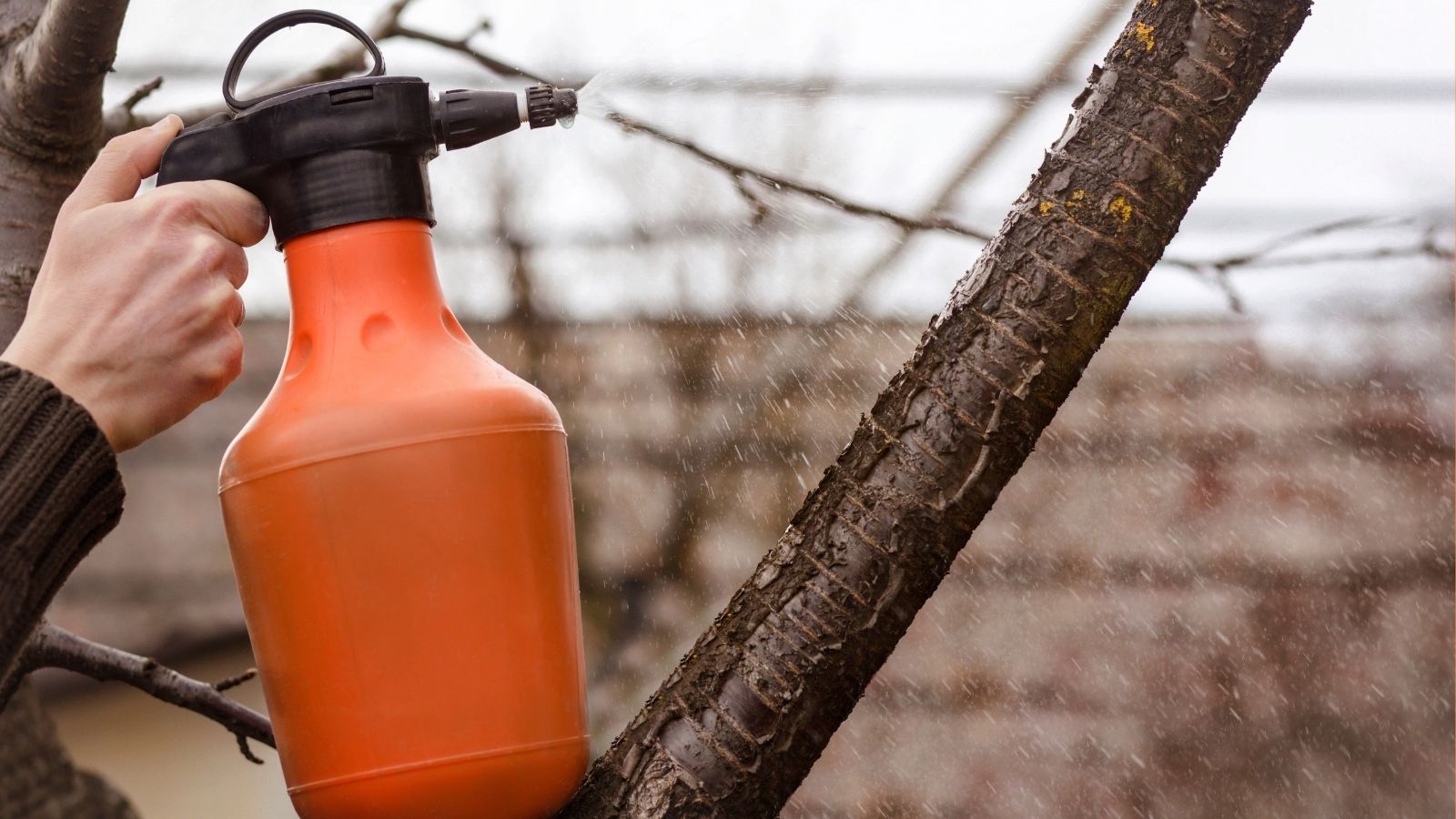
When mosquitoes, weeds or insects become annoying, the temptation is to assume that a little extra pesticide will work a little better. Health Canada says otherwise. Pesticide application rates on labels are designed around approved use, and using more does not necessarily improve results. More importantly, the pesticide label is legally binding in Canada. The intended pest and use must appear on the label, required protective equipment should be worn, and applicable provincial or local restrictions must also be followed.
Homeowners should also look for a Pest Control Product, or PCP, registration number when purchasing a pesticide. Health Canada’s enforcement information states that the number indicates the product has been registered in Canada. The agency has continued taking enforcement action against unregistered products and use inconsistent with labels, including penalties reported in 2026. Children and pets add another reason for careful storage and application. A product intended to kill weeds or insects should never be treated as harmless because it came from a familiar retail shelf. The safest shortcut is often to identify the pest first and consider physical or non-chemical control before reaching for a container.
Treat a Backyard Trampoline as Sports Equipment, Not Furniture
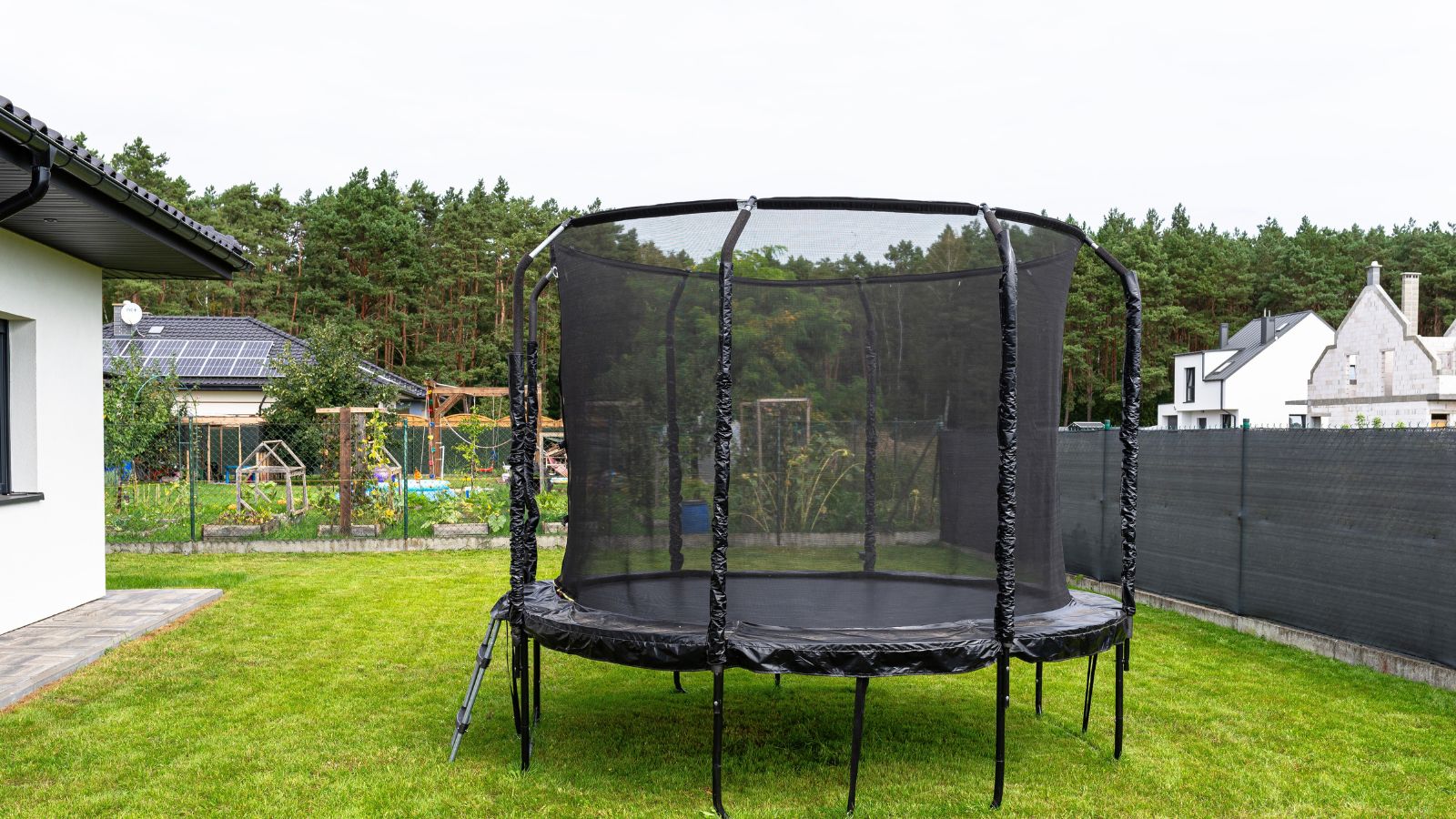
A trampoline may spend the summer looking as permanent and familiar as the patio table. Health Canada takes a very different view of the risk. Its guidance notes that recreational trampoline injuries can include fractures, head injuries, spinal injuries, permanent disability and death. The Canadian Paediatric Society and Parachute Canada recommend against recreational trampolines at home because of the potential for serious injury. For families that choose to have one, setup, maintenance and supervision become essential.
Health Canada recommends placing a trampoline on flat, level ground away from buildings, trees, fences, overhead power lines and water. It advises at least two metres of clearance around the sides and eight metres overhead, active adult supervision, only one jumper at a time and no use by children under six. Safety nets can reduce falls off the trampoline but do not prevent most injuries that occur on the jumping surface itself. Before each use, the frame, springs, braces, padding and mat should be checked. Summer wear matters; a net that looked secure in May may not remain that way by August.
Remember That a Window Screen Is Not a Fall Barrier

Opening windows is one of summer’s simplest pleasures, especially on evenings cool enough to turn off the air conditioning. For families with young children, however, an open window can create a serious fall hazard. Canadian injury surveillance covering 2011 to 2024 found that falls from windows and balconies were among the types of childhood falls most likely to result in hospital admission. Reported circumstances included children pushing through screens, climbing onto nearby furniture and climbing or sitting on balcony railings.
The practical response is to treat access as the hazard. Furniture that gives a child a convenient step toward a window or balcony edge should be moved, while appropriate window-limiting or safety devices can be considered where necessary. Screens should be understood primarily as insect barriers, not structural guards capable of holding a child’s weight. Broader Canadian data show how common childhood falls are: between 2010 and 2023, falls accounted for an estimated 4,590 injury-related hospitalizations and 187,709 emergency-department visits annually among children aged nine and younger. A summer breeze is not worth creating an unprotected climbing route.
Go Inside When Lightning Gets Close Instead of Watching From the Porch

Thunderstorms can be spectacular, and that spectacle sometimes keeps people outdoors longer than is sensible. Environment and Climate Change Canada guidance advises seeking shelter immediately when the interval between seeing lightning and hearing thunder is less than 30 seconds. A severe-thunderstorm watch means the conditions exist for a severe storm to develop, while a warning means severe weather is imminent or already occurring. Those distinctions matter because a warning is not merely a forecast to observe from the deck.
Homeowners can make the safer choice easier by deciding in advance where everyone will go when lightning approaches. Outdoor chores, pool time and yard work should stop rather than continue until rain becomes heavy. A covered porch does not provide the same protection as moving inside a substantial building. The storm itself is only part of the concern; high winds can also bring down branches or move unsecured backyard objects. Treating the first close lightning and official warning as action signals prevents the familiar pattern of rushing to close umbrellas, collect toys and move equipment after the dangerous part of the storm has already arrived.
Keep a 72-Hour Emergency Kit Where the Household Can Actually Find It
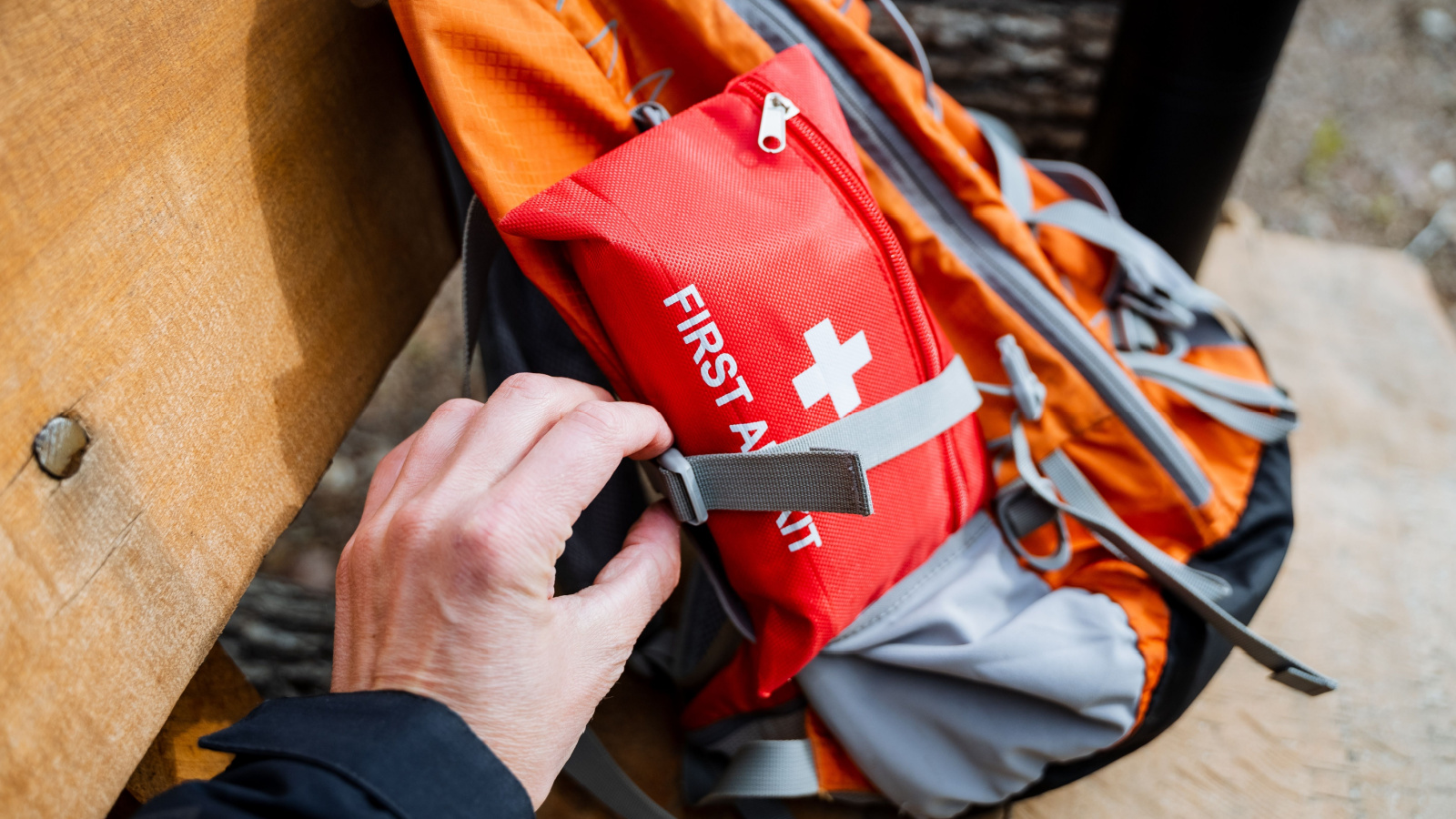
An emergency kit hidden behind holiday decorations does little good during a blackout. Public Safety Canada advises households to be prepared to function without basic services for at least 72 hours. Supplies may include food, water, lighting and other necessities, but organization is just as important as ownership. The kit should be accessible, portable and known to everyone in the household. Individual needs—including medications, accessibility requirements and pet supplies—should also be considered.
Preparedness is increasingly relevant to ordinary homeowners, not only people living in places traditionally associated with disasters. The federal government’s preparedness material says one in three Canadian adults has experienced a major weather-related emergency or disaster in their lifetime. Summer can bring thunderstorms, tornadoes, wildfires, extreme heat, flooding and extended outages depending on the region. A household does not need to predict which event will happen; it needs enough resilience to cope when normal services stop. Checking batteries, replacing expired supplies and reviewing the family’s contact and evacuation arrangements once each summer can turn an emergency kit from a symbolic purchase into something genuinely useful.
16 Costco Canada Habits That Could Be Costing Shoppers More Than They Save

The Executive Membership can feel like an obvious upgrade because the 2% annual reward sounds straightforward. For households that spend heavily at Costco Canada, the extra fee may be easy to justify. But the habit becomes costly when shoppers upgrade first and calculate later. A Gold Star Membership costs less, while Executive costs more and only pays off if eligible annual spending is high enough to offset the difference.
16 Costco Canada Habits That Could Be Costing Shoppers More Than They Save
This Options Discord Chat is The Real Deal
While the internet is scoured with trading chat rooms, many of which even charge upwards of thousands of dollars to join, this smaller options trading discord chatroom is the real deal and actually providing valuable trade setups, education, and community without the noise and spam of the larger more expensive rooms. With a incredibly low-cost monthly fee, Options Trading Club (click here to see their reviews) requires an application to join ensuring that every member is dedicated and serious about taking their trading to the next level. If you are looking for a change in your trading strategies, then click here to apply for a membership.