
35,000+ smart investors are already getting financial news, market signals, and macro shifts in the economy that could impact their money next with our FREE weekly newsletter. Get ahead of what the crowd finds out too late. Click Here to Subscribe for FREE.
Summer travel problems often begin long before the airport security line. A passport may be unexpired but still fail a destination’s validity rule, a child may have the right passport but no consent letter, or a medication may be legal at home and restricted abroad. The busiest travel months leave little room for replacement applications, corrections, veterinary endorsements, or last-minute approvals.
These 20 summer travel documents and records deserve a careful check before departure, covering identity, immigration status, family travel, health, driving, cruises, pets, and emergency preparation. A few minutes spent matching names, dates, signatures, and entry rules can prevent a long-awaited trip from ending at the check-in counter.
Passport Expiry Date
20 Summer Travel Documents Canadians Should Check Before It’s Too Late
- Passport Expiry Date
- Passport Condition and Usable Pages
- Name Match Across Every Booking
- Visas and Electronic Entry Authorizations
- Canadian Passport for Dual Citizens
- Permanent Resident Card or Travel Document
- NEXUS Card and Backup Identification
- Every Child’s Own Passport
- Consent Letter for Travelling Children
- Birth Certificates and Custody Records
- Travel Insurance Certificate
- Provincial Health Coverage Proof
- Vaccination Certificates
- Prescription Copies and Medical Letters
- Driver’s Licence and International Driving Permit
- Vehicle Registration, Insurance, and Rental Agreement
- Pet Health and Export Certificates
- Cruise Boarding and Port Documents
- Return Ticket, Funds, and Stay Evidence
- Copies, Emergency Contacts, and Registration
- 19 Things Canadians Don’t Realize the CRA Can See About Their Online Income
A passport can look valid and still be unusable for a summer trip. Many countries require validity beyond the departure date, and the buffer is not universal. The Philippines requires a regular Canadian passport to remain valid for at least six months beyond the expected departure, while Schengen destinations commonly require three months beyond departure. The United States generally requires a Canadian passport to be valid for the duration of the stay.
That makes the return date, not the flight date, the number that matters. A family leaving in August with passports expiring in January may be fine for one destination and refused for another. Travellers should check the Government of Canada advisory for every country on the itinerary, including transit stops, then compare those rules with airline requirements. Carriers may apply stricter document checks than the destination itself, so an apparently acceptable passport can still create a check-in problem.
Passport Condition and Usable Pages
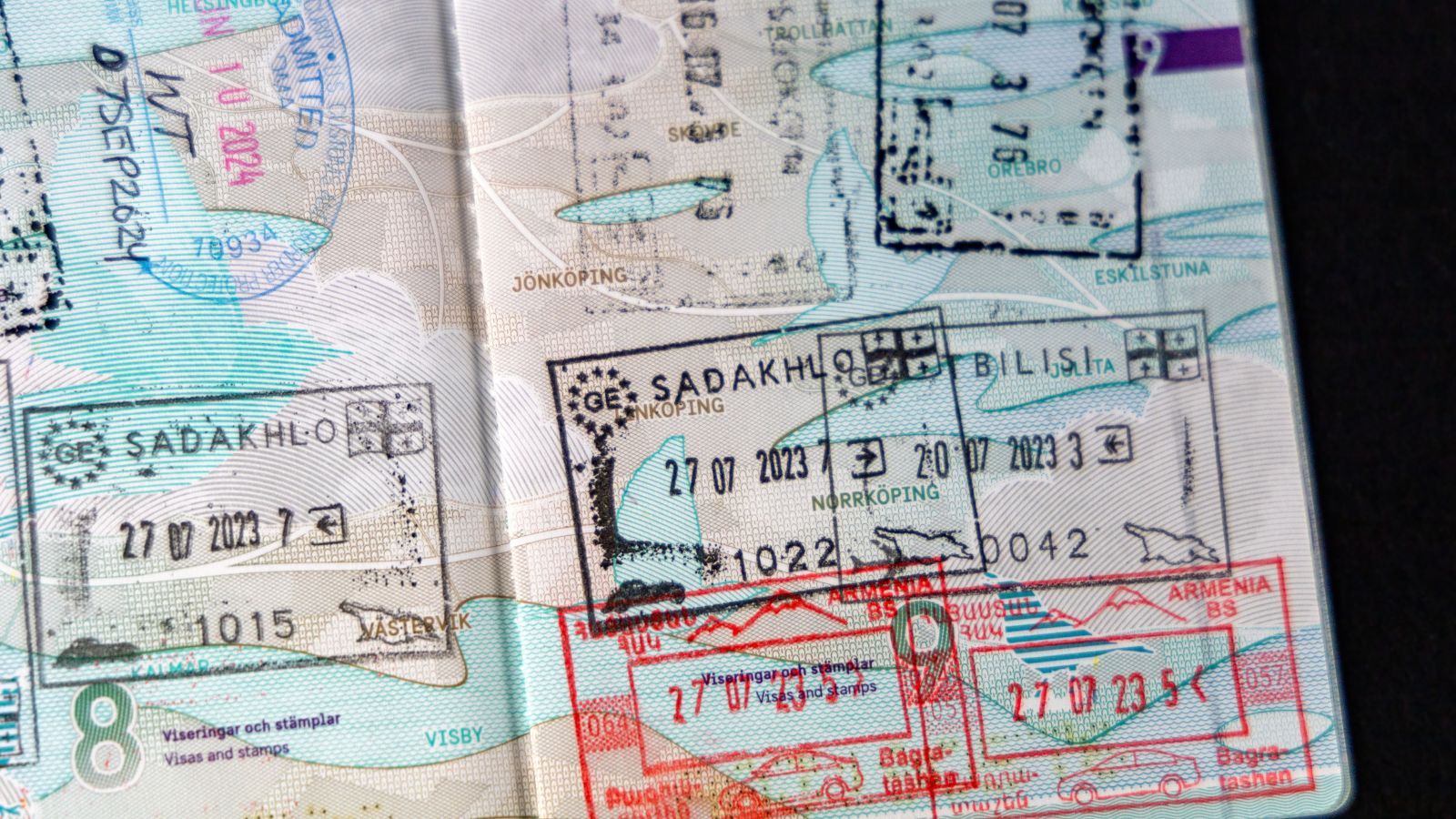
A passport is not just an expiry date. Water damage, torn pages, loose covers, altered information, or marks near the photo and machine-readable zone can make the document questionable at check-in or border control. The Government of Canada warns that a damaged passport can cause delays and may prevent a traveller from boarding a plane or crossing a border. Replacement applications may face review when damage must be investigated.
Summer wear is easy to underestimate. A passport left in a beach bag beside a leaking bottle, bent inside a crowded backpack, or stained by a boarding pass can become a costly problem overnight. Travellers should inspect the photo page, binding, cover, and visa pages under good light. Any damage that could affect scanning or identification deserves action before departure. It is also sensible to confirm that enough blank pages remain when a destination requires space for visas or entry stamps.
Name Match Across Every Booking

The name on government identification must match the name on the airline ticket and boarding pass. That sounds obvious, yet shortened first names, missing middle names, reversed surnames, and post-marriage name changes regularly create avoidable check-in disputes. Canadian pre-boarding guidance explicitly tells travellers to ensure that the identification name matches the booking. Visa applications must also mirror passport details exactly, including spelling, date of birth, and name order.
A small mismatch can become more serious when several systems are involved. Someone whose passport says “Alexandra Marie Chen” but whose ticket says “Alex Chen” may face manual verification, while a visa issued with one incorrect digit can lead to denied boarding or refused entry. Before summer crowds build, travellers should compare the passport, ticket, loyalty profile, visa, cruise reservation, and travel insurance certificate character by character. Corrections are usually easier before online check-in opens and before airlines apply airport service fees.
Visas and Electronic Entry Authorizations

A Canadian passport does not guarantee visa-free entry everywhere. Some destinations require a traditional visa, an electronic authorization, or an online arrival registration, even for short tourism visits. Requirements can also differ for business, study, volunteer work, and transit. Government of Canada travel advisories provide destination-specific entry information and urge travellers to verify rules with the destination’s embassy or consulate when necessary.
Timing matters because “online” does not always mean instant. Applications may require passport uploads, accommodation details, proof of funds, vaccination records, or additional review. The Philippines, for example, requires travellers to register entry and exit information through its eTravel system within 72 hours before travel. A summer itinerary with connections can create more than one obligation. Travellers should confirm that every approval is valid for the correct passport number, travel dates, purpose, and number of entries, then save both digital and printed copies in case airport connectivity fails.
Canadian Passport for Dual Citizens

Dual citizenship can create a document trap on the return journey. Most dual Canadian citizens flying to or transiting through Canada must carry a valid Canadian passport, even if another country requires them to enter or leave using its passport. Canadian-American citizens are an exception and may fly with a valid U.S. passport, although carrying both can simplify status checks.
The problem often appears after the vacation, when the outbound trip was completed using the second passport without difficulty. At the foreign airport, the airline’s system may then reject that document for the flight to Canada. Special authorization exists only in limited circumstances and is not a reliable substitute for routine planning. Dual citizens should check both passports well before departure, confirm which one must be shown at each border, and keep them together but secure. A passport expiring during the trip can turn a homecoming into a consular matter.
Permanent Resident Card or Travel Document

Canadian permanent residents need more than a foreign passport when returning by commercial transport. A valid PR card must be presented with a valid passport or travel document when boarding an airplane, bus, train, or boat to Canada. If the card expires, is lost, or is damaged while the traveller is abroad, a permanent resident travel document may be required before return.
This matters because a PR card can be renewed only while the applicant is in Canada, and the card is not mailed outside the country. A summer traveller who notices an expiry date after departure may have to change plans, submit a PRTD application abroad, and wait for processing. Before leaving, permanent residents should check the physical card, expiry date, passport validity, and names on both documents. Families should review every member separately; a child’s valid passport does not replace the child’s own proof of permanent resident status.
NEXUS Card and Backup Identification
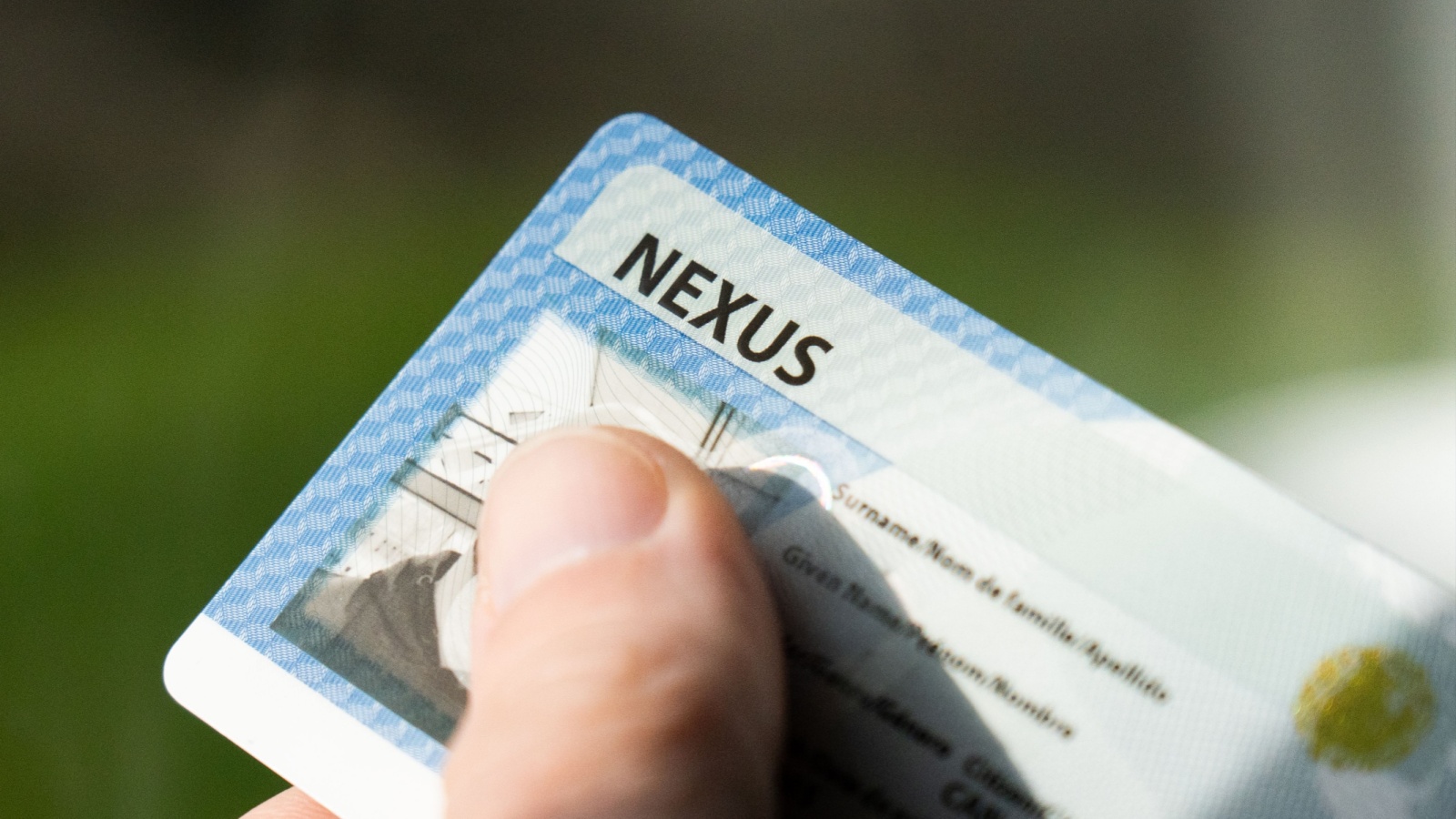
NEXUS can make a busy summer border crossing faster, but only when the membership and card remain valid. Canadian guidance says NEXUS memberships are valid for five years and recommends checking the expiry date before travel. Members who renew before expiry may retain privileges while renewal is processed. The card supports expedited entry by air, land, and marine routes at participating locations.
It should not be treated as the only document in the travel wallet. The Canada Border Services Agency advises NEXUS members to carry a passport or proof of permanent residence in case citizenship or status must be established. A lane closure, kiosk problem, changed itinerary, or inspection can quickly make backup identification essential. Travellers should also confirm that children have their own valid memberships and that vehicle information is current where required. The time saved by NEXUS disappears quickly when an expired card is discovered at the border.
Every Child’s Own Passport
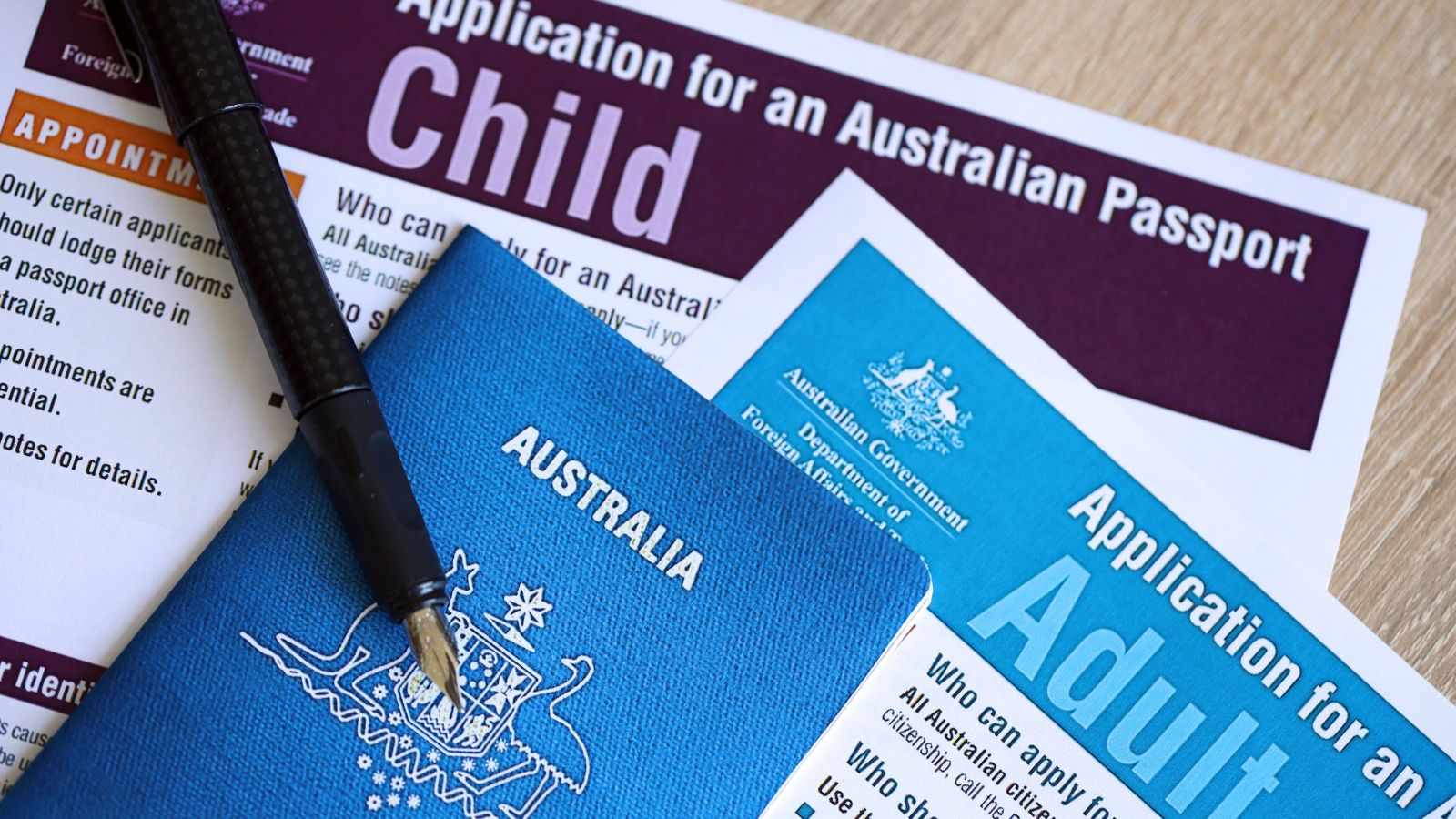
Children need their own travel documents; they cannot use a parent’s passport. Canadian guidance recommends that all children carry a valid Canadian passport when travelling or living abroad. One important detail is that a child under 16 may sign the passport. If the child does not sign, the signature block should remain blank because a parent signing on the child’s behalf can invalidate the document.
That small box can matter as much as the expiry date. Parents should carefully inspect each child’s passport, confirm the photo still identifies the child, and check destination validity rules. Infants and younger children change appearance quickly, which can lead to extra questions even when the document remains valid. Families should also avoid packing all passports in checked baggage or leaving them with one adult during a split itinerary. Every child’s document should be accessible whenever the family reaches an airline counter or border checkpoint.
Consent Letter for Travelling Children

A child travelling outside Canada without one or both guardians should carry a signed consent letter. It shows that the non-accompanying parent or person with decision-making responsibility has clearly authorized the planned trip. Although Canada describes the letter as recommended rather than universally mandatory, border officials, airlines, or foreign authorities may request it to address concerns about child abduction or custody disputes.
The strongest letter is specific rather than generic. It should identify the child, accompanying adult, destination, travel dates, and contact information for the person giving consent. Signatures witnessed by a notary or other authorized person may be accepted, depending on the destination. A grandmother taking two children to Florida, or a parent flying alone after a recent separation, should not rely on a text message as proof. The original signed letter should travel with the child, while copies remain with both parents and a trusted contact in Canada.
Birth Certificates and Custody Records

A consent letter may not be enough when family relationships are unclear from passports. Canadian guidance says a parent travelling with a child without the other spouse should carry a copy of the child’s birth certificate, an authorization letter, and a copy of the non-accompanying parent’s passport or identity card. Separated or divorced parents should also carry custody or parenting documents.
These records are useful when surnames differ, a guardian is travelling instead of a parent, or a court order affects travel authority. Consider a mother using a married surname while her child’s passport carries the former family name: nothing is wrong, but the relationship may not be clear. A birth certificate, marriage certificate, custody order, or guardianship document can resolve questions quickly. Originals may be required in some situations, while certified copies may be safer for routine travel. Destination rules should be checked before deciding which version to carry.
Travel Insurance Certificate
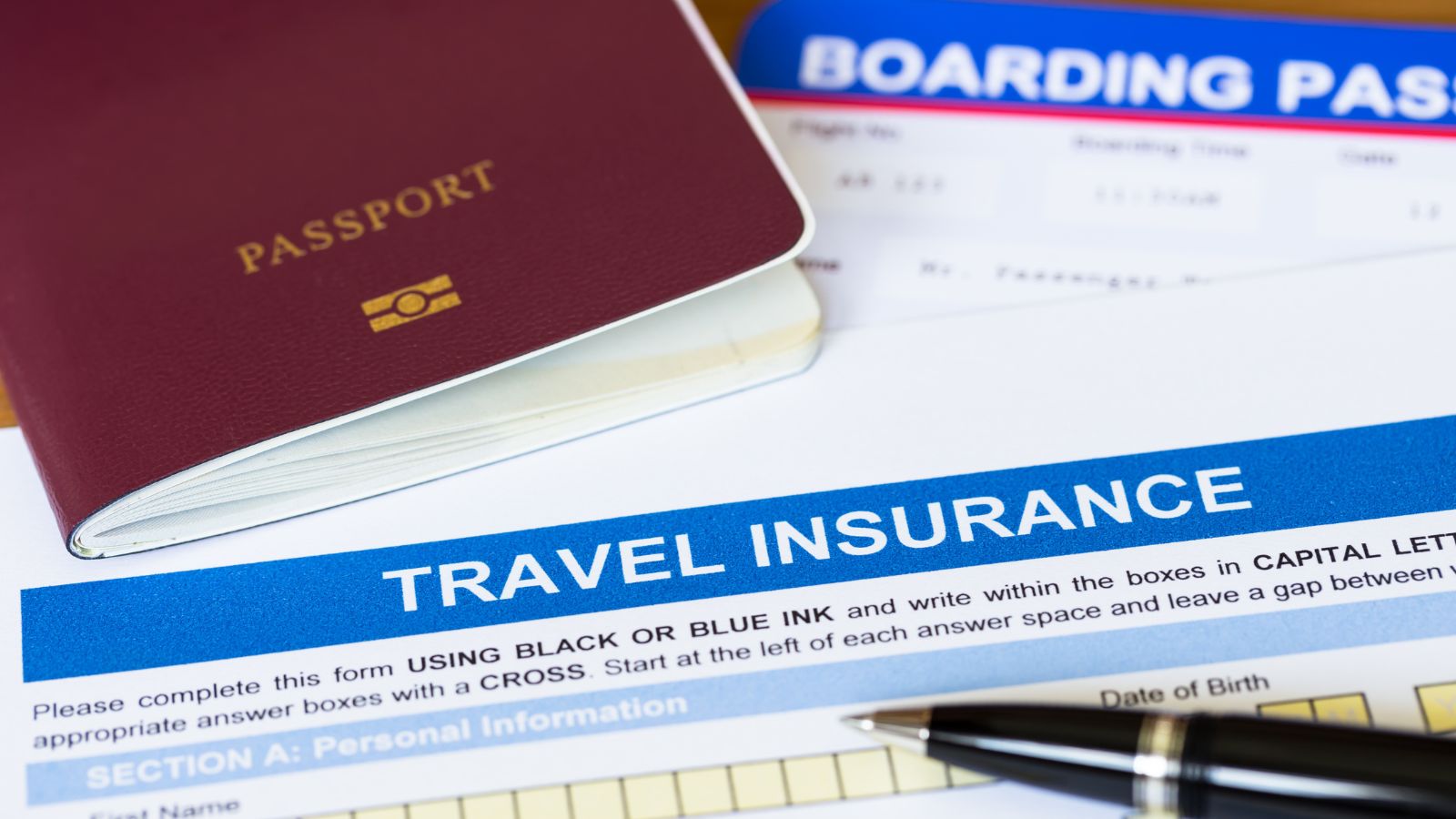
Travel insurance is useful only when the traveller can prove coverage and contact the right assistance service. Canada recommends reviewing terms, conditions, limits, exclusions, and policy requirements before leaving. A policy number, certificate, emergency telephone number, and instructions for pre-authorization should be accessible to companions. Credit-card coverage should be verified rather than assumed, especially when a trip was paid with several cards or points.
Problems often arise after an accident, when a hospital asks for payment or the insurer requires notification. The traveller may remember buying coverage but have no accessible certificate, no roaming service, and no idea which company handles assistance. Each insured person’s name and travel dates should be checked against the policy. Travellers with pre-existing conditions, adventure activities, cruises, or long stays should confirm those details in writing. One paper copy in carry-on luggage and an offline digital copy can prevent frantic searching during a medical emergency.
Provincial Health Coverage Proof

A provincial or territorial health card is worth carrying, but it should not be mistaken for international travel insurance. Canadian guidance warns that public health coverage may pay nothing or only a small portion of medical costs abroad, and foreign hospitals may demand payment upfront. The federal government does not pay a traveller’s overseas medical bills.
The document still has practical value. It can identify the home health plan, support coordination after return, and provide information requested by an insurer. However, presenting an Ontario, Alberta, or British Columbia health card at a foreign hospital does not guarantee direct billing. A traveller injured while hiking in Arizona or hospitalized on a Caribbean island may face charges far beyond provincial reimbursement limits. Before leaving, travellers should confirm whether the card is valid, whether replacement documents are needed, and how to submit out-of-country claims. It should be carried with a travel insurance certificate.
Vaccination Certificates
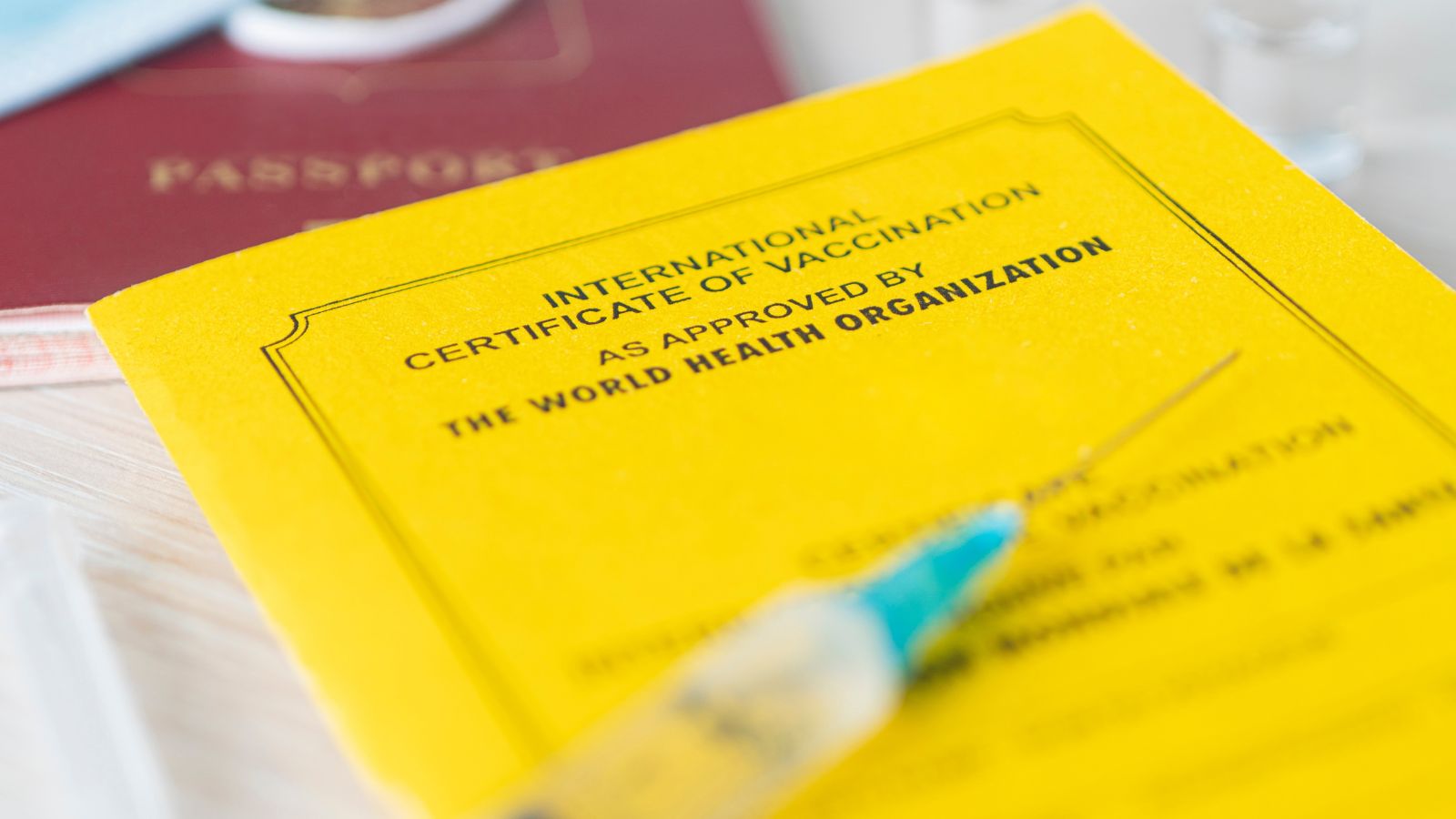
Some health records function as border documents. Proof of yellow fever vaccination must be recorded on the International Certificate of Vaccination or Prophylaxis, and travellers must carry the original certificate when it is required. The vaccine is available in Canada only through designated yellow fever vaccination centres, which issue the official documentation used at borders.
Requirements can depend on the route, not just the final destination. A country may demand proof because a traveller recently visited or transited through an area where yellow fever occurs. The certificate generally becomes valid 10 days after vaccination, so a last-minute clinic appointment may be too late for entry. Travellers should review transit points, confirm that the name matches the passport, and inspect the certificate for the required stamp and signature. Other destinations or events may request different vaccination evidence, making current country guidance essential rather than relying on documents from a previous trip.
Prescription Copies and Medical Letters

Prescription medication can be legal in Canada and restricted elsewhere. Travellers should keep medicine in original labelled containers and carry a copy of the prescription showing generic and trade names. A physician’s letter can explain the medical condition, dosage, injectable equipment, or controlled substance. Destination rules should be checked because some medications require permits or are prohibited entirely.
The paperwork becomes especially important when luggage is delayed, a refill is needed, or customs officers question large supplies. A labelled pharmacy bottle and matching prescription create a clearer record than loose tablets in a weekly organizer. Travellers should carry enough medicine for the trip plus delays, while respecting quantity limits for controlled drugs. The documents should list allergies and essential devices. Medical cannabis deserves separate caution: legal status in Canada does not authorize crossing an international border with it. Copies should be stored apart from the medicine if one bag disappears.
Driver’s Licence and International Driving Permit

A Canadian driver’s licence may not suffice for a rental car or roadside inspection abroad. An International Driving Permit translates licence information into a standardized format accepted in countries participating in the 1949 Convention on Road Traffic and some others. CAA is the authorized issuer in Canada. It generally expires one year after issue or when the provincial licence expires, whichever comes first.
It does not replace the original Canadian licence, so both documents must travel together. Rules vary: some destinations merely recommend the permit, while others require it or require a local visitor’s licence. A traveller who plans to rent a scooter for one day can face the same legal requirement as someone driving for two weeks. Before departure, the licence class, expiry date, rental-company age rules, and destination requirements should be checked. An IDP should be obtained in Canada, not after arrival, and learner’s permits do not qualify.
Vehicle Registration, Insurance, and Rental Agreement

A summer road trip across the United States border requires more than passports. U.S. authorities advise drivers to keep vehicle registration available, while Canadian travel guidance notes that many states require proof of automobile insurance. Drivers using rental or borrowed vehicles should also carry the rental agreement or written authorization showing that they may take the vehicle across the border.
These papers help establish ownership, lawful possession, and financial responsibility. A couple driving a spouse’s company car, for example, may face questions if the registration names a business and no authorization letter is available. Insurance should be checked for territorial limits, roadside assistance, liability levels, and travel into Mexico, where separate coverage may be necessary. Digital insurance cards are convenient, but a printed copy is safer when a phone battery dies or local rules require paper. Registration, insurance, and rental documents should remain readily accessible rather than buried beneath luggage.
Pet Health and Export Certificates

Pets can have more complicated border paperwork than their owners. The CFIA says most pets travelling from Canada to another country need an export certificate completed by a licensed veterinarian and endorsed by a CFIA veterinarian. Requirements may also include rabies vaccination records, microchip details, laboratory tests, treatments, or a destination-specific health certificate.
Timing is critical because CFIA endorsement cannot be completed after the animal has left Canada. Some tests or vaccinations must occur within precise windows, while airline rules may add separate forms and health deadlines. A dog that has crossed into the United States before without difficulty may need different documents for Europe, Japan, or an island destination. Owners should start with the importing country’s rules, then confirm the return-to-Canada requirements and the carrier’s conditions. Every name, microchip number, vaccine date, and signature should be checked before travel; one transcription error can make the animal ineligible to board.
Cruise Boarding and Port Documents

Cruise passengers should not assume that a closed-loop itinerary eliminates the need for a passport. Canadian advice for cruises from the United States says Canadians must have a valid passport, and some countries visited on the sailing will not permit entry without one. A passport also matters if a passenger must leave the ship unexpectedly and fly home from a foreign port.
The cruise line rule is only one layer. Each port may have its own visa, passport-validity, vaccination, or shore-entry requirements, and ship authorities may temporarily retain passports to simplify immigration processing. A traveller who misses the ship after an outing may suddenly need documents that were deemed unnecessary at embarkation. Before sailing, passengers should review the cruise line’s final documents, the entry rules for every port, and emergency flight options. Printed booking confirmations, transfer details, insurance information, and passport copies should be carried separately from the original passport.
Return Ticket, Funds, and Stay Evidence

Some borders require more than proof of identity. Authorities may request a return or onward ticket, accommodation details, or evidence of sufficient funds. Canadian advice for The Bahamas, for example, notes that customs officials may request a return or onward ticket and proof that the traveller can cover the stay. Similar requirements appear in many destination advisories.
The practical problem is that these records are often scattered across apps and email accounts. A traveller may have a valid passport and visa but be unable to open a hotel confirmation because the airport Wi-Fi is unavailable. Before departure, the itinerary should include complete flight or ferry details, the first accommodation address, host contact information, and evidence of onward travel. Long stays, one-way tickets, and visits to friends may attract more questions than package holidays. Printed or offline copies make the traveller’s plans easier to explain without relying on a live connection.
Copies, Emergency Contacts, and Registration
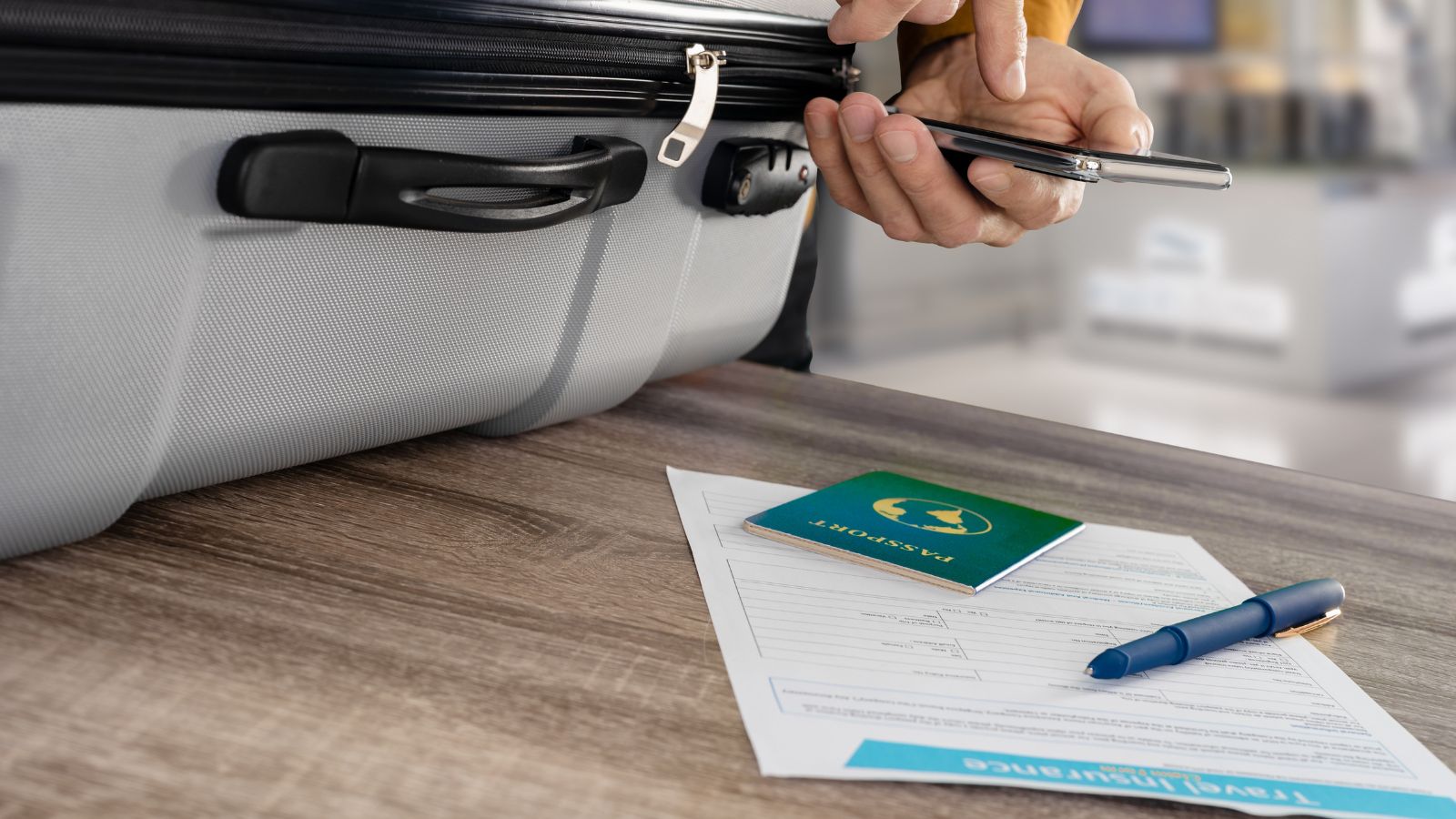
Copies cannot replace an original passport, but they can make a loss far easier to manage. Canadian guidance recommends copying or photographing the passport identification page and travel documents, recording the passport number separately, and leaving copies with a trusted person in Canada. Originals and backups should not be stored in the same bag.
Preparation should include an emergency contact card and Registration of Canadians Abroad. The service allows the government to send information during disasters, unrest, or emergencies at home. A printed wallet card with the nearest Canadian office and the 24-hour emergency contact is useful when internet access disappears. Travellers should store encrypted digital copies offline, avoid exposing sensitive documents in shared photo albums, and give a trusted contact the itinerary and insurance details. Ultimately, the goal is not to carry a second identity package, but to preserve the information needed to replace documents and obtain help quickly.
19 Things Canadians Don’t Realize the CRA Can See About Their Online Income

Earning money online feels simple and informal for many Canadians. Freelancing, selling products, and digital services often start as side projects. The problem appears at tax time. Many people underestimate how much information the CRA can access. Online platforms, banks, and payment processors create detailed records automatically. These records do not disappear once money hits an account. Small gaps in reporting add up quickly.
Here are 19 things Canadians don’t realize the CRA can see about their online income.
This Options Discord Chat is The Real Deal
While the internet is scoured with trading chat rooms, many of which even charge upwards of thousands of dollars to join, this smaller options trading discord chatroom is the real deal and actually providing valuable trade setups, education, and community without the noise and spam of the larger more expensive rooms. With a incredibly low-cost monthly fee, Options Trading Club (click here to see their reviews) requires an application to join ensuring that every member is dedicated and serious about taking their trading to the next level. If you are looking for a change in your trading strategies, then click here to apply for a membership.