
35,000+ smart investors are already getting financial news, market signals, and macro shifts in the economy that could impact their money next with our FREE weekly newsletter. Get ahead of what the crowd finds out too late. Click Here to Subscribe for FREE.
Canadian travellers often assume that choosing between cash and credit abroad is a simple decision, but the wrong choice can quietly increase costs through fees, poor exchange rates, and unnecessary markups. Many people rely on habit rather than strategy, which leads to overspending without realizing it. The key is not choosing one method over the other, but understanding when each option actually works best in different situations. Here are 19 cash vs credit abroad rules Canadians get wrong the most.
Thinking Cash Always Saves Money Abroad
19 Cash vs Credit Abroad: The Rule Canadians Get Wrong the Most
- Thinking Cash Always Saves Money Abroad
- Using Any Credit Card Without Checking FX Fees
- Assuming Cash Is Accepted Everywhere
- Withdrawing Cash Too Frequently at ATMs
- Carrying More Cash Than Needed
- Using Credit Cards for Every Small Purchase
- Ignoring Bank Notifications Before Travel
- Assuming All Exchange Rates Are Similar
- Overlooking Hidden Fees in Cash Exchanges
- Treating Cash and Credit as Either-Or Choices
- Accepting Dynamic Currency Conversion at Checkout
- Using Debit Cards for Everyday Spending Abroad
- Not Tracking Spending Across Multiple Payment Methods
- Holding Onto Leftover Foreign Cash Too Long
- Not Understanding Credit Card Fraud Protections
- Splitting Payments Inefficiently Between Cash and Credit
- Ignoring Local Payment Preferences
- Not Reviewing Statements After Travel
- Treating Payment Strategy as an Afterthought
- 19 Things Canadians Don’t Realize the CRA Can See About Their Online Income

Many Canadians believe that using cash abroad automatically helps them save money, but this assumption often leads to higher costs. Currency exchange services typically offer less favorable rates and include hidden margins that reduce the value received. Travellers who exchange large amounts before or during a trip may lose money without noticing the difference. While cash can feel more controlled, it rarely provides the most efficient conversion. Credit cards usually offer better exchange rates through established networks, even after accounting for fees. Relying heavily on cash also increases the likelihood of unused currency at the end of a trip.
Using Any Credit Card Without Checking FX Fees
Using a credit card abroad without reviewing its foreign transaction fees is a common and costly mistake. Many Canadian cards apply a percentage fee to every international purchase, which increases the total cost significantly over time. These fees are often built into the transaction, making them easy to overlook. Travellers may assume they are getting competitive exchange rates, but the added percentage reduces actual savings. Choosing a card designed for international use can eliminate or reduce these charges.
Assuming Cash Is Accepted Everywhere

Many Canadians carry large amounts of cash because they assume it will be accepted everywhere, but this is not always accurate. Many destinations now rely heavily on digital payments, and some businesses do not accept cash at all. Travellers who depend entirely on cash may face inconvenience or be forced to exchange more money at poor rates. Credit cards are widely accepted in most urban areas and provide flexibility that cash cannot offer. Researching local payment habits before travel helps Canadians avoid disruptions and choose the right balance of payment methods.
Withdrawing Cash Too Frequently at ATMs

Frequent ATM withdrawals abroad can quietly increase costs due to repeated transaction fees and currency conversion charges. Canadian banks and foreign ATM operators may both apply fees, which accumulate with each withdrawal. Travellers who withdraw small amounts multiple times often pay more than those who plan larger, less frequent withdrawals. These charges are not always obvious, making them easy to ignore. Managing withdrawal frequency helps reduce overall costs and improve efficiency when using cash during travel.
Carrying More Cash Than Needed

Carrying excessive cash while traveling may feel safer, but it increases both financial risk and inefficiency. Canadians who bring large amounts often end up with unused currency or face potential loss through theft or misplacement. Unlike credit cards, lost cash cannot be recovered. Carrying only what is necessary reduces risk and improves flexibility. Credit cards can handle most larger transactions, making heavy reliance on cash unnecessary. A balanced approach helps protect funds while maintaining convenience.
Using Credit Cards for Every Small Purchase

Using credit cards for every small purchase may seem convenient, but it can lead to inefficiencies depending on the destination. Some merchants apply minimum spend requirements or small transaction surcharges, which increase overall costs. Canadians who rely solely on credit may encounter these situations frequently. Using cash for minor purchases while reserving credit for larger expenses creates a more practical balance. This approach reduces fees and improves transaction flexibility.
Ignoring Bank Notifications Before Travel

Not informing banks before traveling can result in declined transactions or temporary account blocks. Canadian financial institutions monitor unusual activity, and foreign transactions may trigger security alerts. Travellers who fail to notify their bank may experience inconvenience when trying to use their cards abroad. Informing banks in advance ensures smoother transactions and reduces disruptions. This simple step improves reliability and allows credit cards to function as intended during travel.
Assuming All Exchange Rates Are Similar

Many Canadians assume that exchange rates remain consistent across payment methods, but this is not accurate. Cash exchanges, ATM withdrawals, and credit card transactions all involve different rates and fees. Travellers who do not compare options may end up paying more without realizing it. Understanding these differences helps Canadians choose the most cost-effective method for each transaction. Awareness of rate variation is essential for managing travel expenses efficiently.
Overlooking Hidden Fees in Cash Exchanges

Cash exchange services often include hidden costs within the conversion rate, which reduces the actual value received. Canadians may focus on advertised rates without noticing embedded margins or service charges. These hidden fees can significantly affect total costs, especially for larger exchanges. Comparing providers and understanding fee structures helps travellers avoid unnecessary losses. Being cautious with exchange services ensures better financial outcomes.
Treating Cash and Credit as Either-Or Choices
Many Canadians approach cash and credit as mutually exclusive options, but this mindset limits flexibility. Each method has advantages depending on the situation, and relying on only one can increase costs or inconvenience. Credit cards often provide better rates and security, while cash remains useful for smaller or local transactions. Understanding how to combine both methods effectively allows travellers to optimize spending. A balanced approach reduces fees, improves convenience, and ensures better overall financial control during international travel.
Accepting Dynamic Currency Conversion at Checkout

Many Canadians unknowingly accept dynamic currency conversion when paying abroad, assuming it offers clarity and convenience. When a terminal asks whether to pay in Canadian dollars instead of the local currency, it feels reassuring to see a familiar amount. However, this option usually applies a less favorable exchange rate set by the merchant or payment processor. The markup is built into the conversion and is rarely transparent, which means travellers pay more without realizing it. Choosing to pay in local currency ensures that the credit card network handles the conversion at a more competitive rate.
Using Debit Cards for Everyday Spending Abroad

Using debit cards for daily purchases abroad may seem practical, but it often results in higher cumulative fees. Canadian banks typically apply both transaction and foreign exchange charges, which can add up quickly when used frequently. Unlike credit cards designed for travel, debit cards rarely offer competitive exchange rates or fee structures. Travellers who rely on debit for small purchases may not notice the total cost until after reviewing their statements. A better approach is to reserve debit cards for occasional ATM withdrawals while using credit cards for most transactions.
Not Tracking Spending Across Multiple Payment Methods

Many Canadians use a mix of cash and credit while traveling, but fail to track spending across both methods effectively. This can lead to confusion about how much has actually been spent, especially when exchange rates and fees are involved. Cash spending is harder to monitor once converted, while credit transactions may not reflect final amounts immediately. Without a clear system, travellers may overspend without realizing it. Keeping a simple record or using budgeting apps helps maintain visibility.
Holding Onto Leftover Foreign Cash Too Long

Holding onto leftover foreign currency after a trip may seem practical, but it often results in lost value over time. Exchange rates fluctuate, and converting small amounts later may involve additional fees. Canadians who keep unused cash may also forget about it or struggle to use it efficiently on future trips. Converting leftover funds promptly or planning usage before returning home helps preserve value. Alternatively, minimizing excess cash during the trip reduces this issue altogether.
Not Understanding Credit Card Fraud Protections

Credit cards offer strong fraud protection, yet many Canadians underestimate how valuable this benefit becomes while traveling abroad. When transactions occur in unfamiliar environments, the risk of unauthorized use increases, especially in busy tourist areas or locations with less secure payment infrastructure. Cash offers no recovery if lost or stolen, while debit cards may expose direct access to bank funds, making losses harder to recover quickly. Credit cards, on the other hand, typically include zero-liability policies, chargeback rights, and fraud monitoring systems that detect unusual activity.
Splitting Payments Inefficiently Between Cash and Credit

Using both cash and credit without a clear strategy often leads to confusion, unnecessary fees, and poor tracking of expenses. Many Canadians switch between payment methods randomly based on convenience, which makes it difficult to understand how much they are actually spending. Each method carries different exchange rates and fee structures, and inconsistent usage can result in higher overall costs. A more effective approach involves assigning clear roles to each method, such as using credit cards for larger purchases where better exchange rates apply, and reserving cash for smaller transactions or places where cards are not accepted.
Ignoring Local Payment Preferences

Payment preferences vary significantly across countries, and ignoring these differences can lead to inconvenience and additional costs. Some destinations operate largely cashless, while others still depend heavily on cash for everyday transactions such as taxis, small restaurants, or local markets. Canadians who do not research these patterns may carry the wrong mix of payment options, forcing them to make last-minute decisions that often involve poor exchange rates or extra fees. For example, relying only on credit in a cash-focused destination may require frequent ATM withdrawals, while carrying too much cash in a card-based environment increases risk without added benefit.
Not Reviewing Statements After Travel
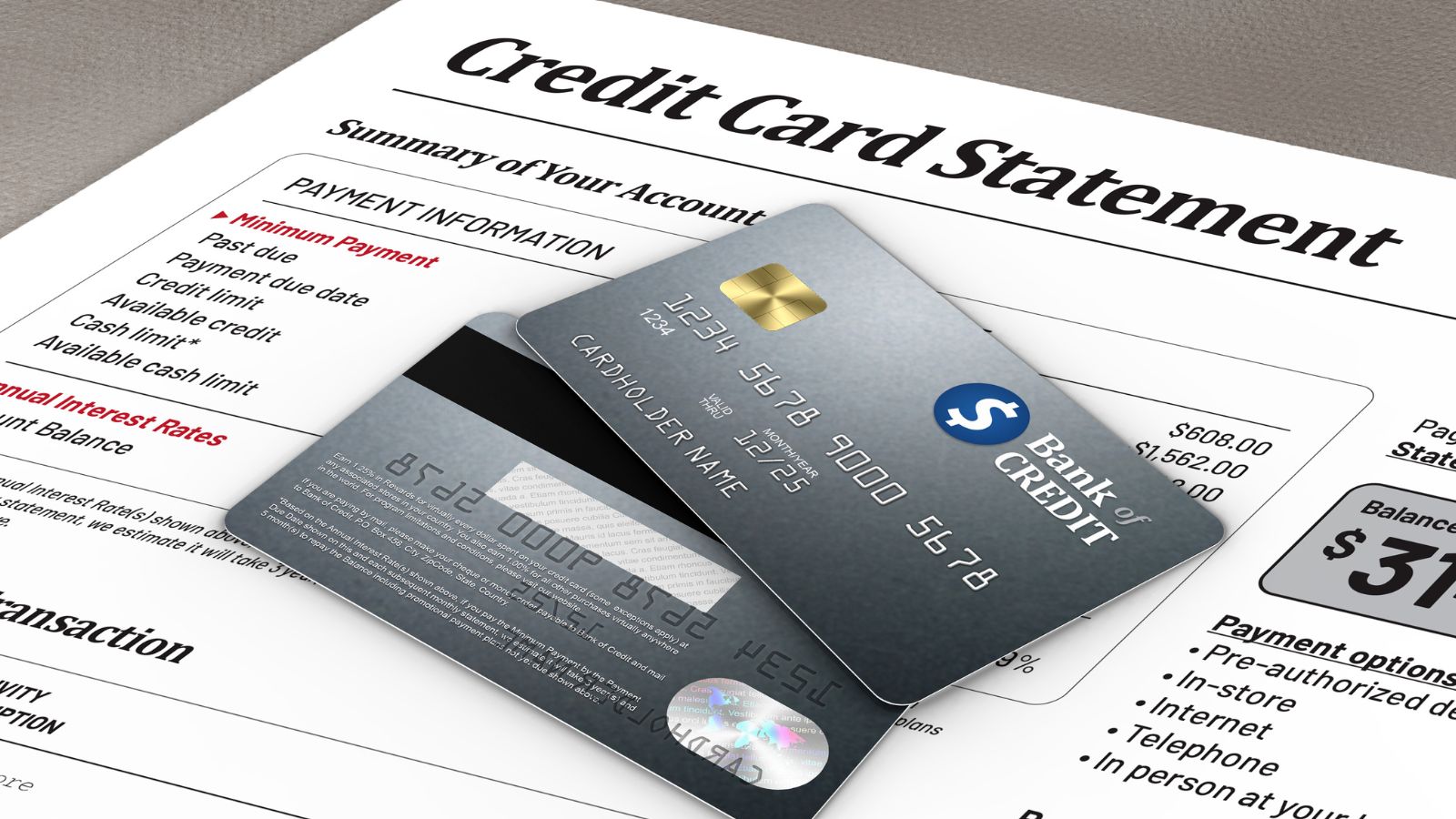
Failing to review credit and debit statements after returning from a trip can result in missed errors, unnoticed fees, or unresolved fraudulent charges. Many Canadians assume that all transactions were processed correctly, but exchange rates, foreign transaction fees, and merchant charges can vary significantly. Without careful review, travellers may overlook discrepancies that could have been corrected. Reviewing statements allows Canadians to verify that exchange rates were applied correctly and that no unexpected charges were added. It also provides insight into how different payment methods performed, which can help improve future travel strategies.
Treating Payment Strategy as an Afterthought
Many Canadians plan flights, accommodations, and itineraries carefully, yet overlook how they will actually pay for expenses during their trip. Treating payment strategy as an afterthought often leads to reliance on default habits, which may not be cost-effective. Without a clear plan, travellers may use whichever option is most convenient in the moment, resulting in higher fees, poor exchange rates, and inconsistent spending patterns. A well-planned payment strategy considers factors such as which credit cards to use, how much cash to carry, and when to withdraw or convert currency. This preparation reduces the likelihood of last-minute decisions that increase costs.
19 Things Canadians Don’t Realize the CRA Can See About Their Online Income

Earning money online feels simple and informal for many Canadians. Freelancing, selling products, and digital services often start as side projects. The problem appears at tax time. Many people underestimate how much information the CRA can access. Online platforms, banks, and payment processors create detailed records automatically. These records do not disappear once money hits an account. Small gaps in reporting add up quickly.
Here are 19 things Canadians don’t realize the CRA can see about their online income.
This Options Discord Chat is The Real Deal
While the internet is scoured with trading chat rooms, many of which even charge upwards of thousands of dollars to join, this smaller options trading discord chatroom is the real deal and actually providing valuable trade setups, education, and community without the noise and spam of the larger more expensive rooms. With a incredibly low-cost monthly fee, Options Trading Club (click here to see their reviews) requires an application to join ensuring that every member is dedicated and serious about taking their trading to the next level. If you are looking for a change in your trading strategies, then click here to apply for a membership.