
35,000+ smart investors are already getting financial news, market signals, and macro shifts in the economy that could impact their money next with our FREE weekly newsletter. Get ahead of what the crowd finds out too late. Click Here to Subscribe for FREE.
When spring travel plans begin, many Canadians rely more on credit cards to manage bookings and expenses. Flights, hotels, and daily costs can add up quickly, especially as prices rise. Without careful use, credit cards can turn convenient spending into long-term debt. Small habits, like carrying balances or missing payments, can increase costs through interest and fees. Fixing these habits before traveling helps maintain better financial control. Here are 16 credit card habits Canadians should fix before spring trips get pricier.
Carrying High Balances Month to Month
16 Credit Card Habits Canadians Should Fix Before Spring Trips Get Pricier
- Carrying High Balances Month to Month
- Paying Only the Minimum Due
- Ignoring Interest Rate Details
- Using Multiple Cards Without Tracking
- Missing Payment Due Dates
- Overspending for Travel Rewards
- Not Reviewing Monthly Statements
- Taking Cash Advances Frequently
- Maxing Out Credit Limits
- Ignoring Foreign Transaction Fees
- Not Setting a Travel Budget
- Relying on Credit for Daily Expenses
- Not Using Alerts for Spending Control
- Applying for New Cards Too Often
- Ignoring Credit Utilization Ratio
- Not Planning Repayment Before Travel
- 19 Things Canadians Don’t Realize the CRA Can See About Their Online Income

Carrying high balances from one month to the next increases interest costs quickly. Canadians may continue using cards while unpaid balances grow. The interest applies to the remaining amount, increasing the total repayment. This can make travel expenses harder to manage later. Reducing balances before new spending helps control costs. Paying off as much as possible each month lowers interest. Tracking balances regularly supports better decisions. Avoiding large unpaid amounts keeps credit usage manageable. A focused approach helps maintain financial control and reduces pressure after returning from a trip.
Paying Only the Minimum Due

Paying only the minimum due may seem manageable, but it increases long-term costs. Interest continues to build on the remaining balance. Canadians may take longer to clear debt, which adds financial pressure. Small payments reduce immediate burden but extend repayment periods. Paying more than the minimum helps reduce interest faster. Even a small extra amount can make a difference. Reviewing statements helps plan better payments. A consistent approach supports faster debt reduction. Avoiding minimum-only payments helps maintain control and reduces total credit card costs over time.
Ignoring Interest Rate Details

Interest rates directly affect how much Canadians pay on credit card balances. Ignoring these details can lead to unexpected costs. Different cards may have different rates for purchases, cash advances, or transfers. High rates increase total repayment quickly. Reviewing card terms helps in understanding these charges. Choosing lower-rate options when possible supports better planning. Being aware of how interest is applied helps avoid surprises. A clear understanding of rates improves financial decisions. Paying attention to these details helps manage expenses effectively, especially during travel periods.
Using Multiple Cards Without Tracking

Using multiple credit cards can make spending harder to manage. Canadians may lose track of balances, due dates, and limits. This can lead to missed payments or higher interest charges. Tracking each card separately becomes difficult without a system. Keeping a simple record of usage helps maintain control. Limiting the number of active cards also reduces confusion. Reviewing all accounts regularly supports better planning. A structured approach helps avoid errors and unnecessary costs. Managing cards carefully ensures that spending stays within limits and repayments remain organized.
Missing Payment Due Dates
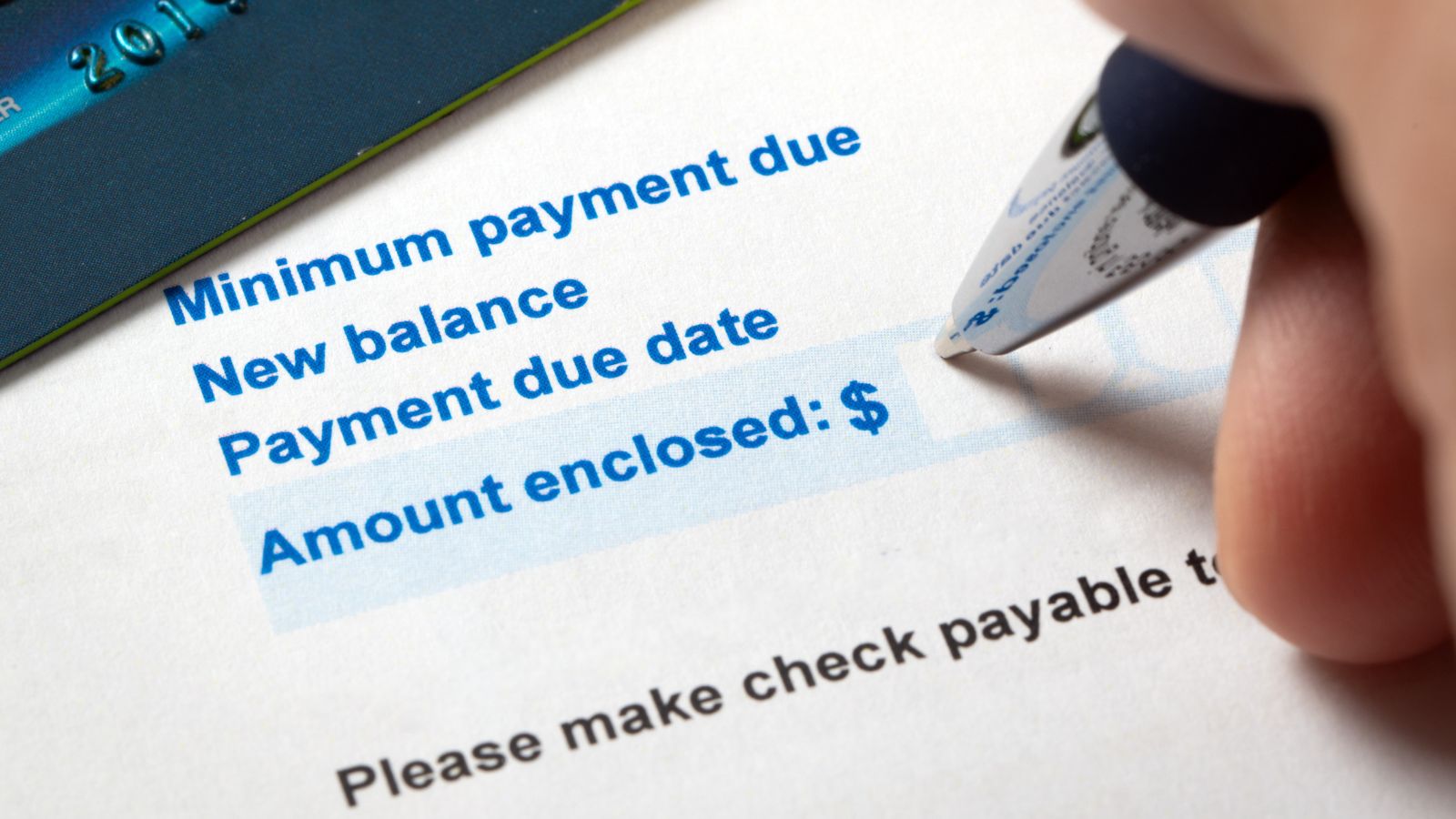
Missing payment due dates can quickly increase credit card costs. Canadians may face late fees and higher interest charges. Some lenders may also raise rates after repeated delays. This makes repayment more difficult over time. Missed payments can also affect credit scores. Setting reminders helps avoid this issue. Automating payments is another useful option. Even paying the minimum on time prevents penalties. Reviewing due dates regularly keeps payments on track. A consistent schedule supports better financial control and avoids unnecessary charges during travel planning periods.
Overspending for Travel Rewards

Travel rewards can encourage Canadians to spend more than planned. Points and cashback offers may seem attractive, but they can lead to higher balances. Extra spending often cancels out the value of rewards. Interest charges may exceed any benefits earned. Setting a clear travel budget helps control spending. Using rewards within planned expenses works better. Tracking purchases ensures limits are not exceeded. A balanced approach helps enjoy benefits without increasing debt. Staying disciplined supports better financial outcomes and keeps travel costs manageable.
Not Reviewing Monthly Statements

Monthly statements provide important details about spending and charges. Canadians who skip reviewing them may miss errors or unnecessary fees. Small charges can add up over time if unnoticed. Statements also show interest applied and payment progress. Checking them regularly helps track spending patterns. It also helps identify areas where costs can be reduced. Reviewing statements supports better budgeting. This habit improves awareness and helps maintain control. Staying informed prevents surprises and supports better financial decisions during travel planning.
Taking Cash Advances Frequently

Cash advances offer quick access to money but come with higher costs. Canadians may use them during travel for convenience. However, interest on cash advances starts immediately. Rates are often higher than for regular purchases. Additional fees may also apply. Frequent use increases overall debt quickly. Planning expenses in advance helps avoid this option. Using debit or available cash is often more cost-effective. Limiting cash advances supports better financial control. Avoiding this habit helps reduce unnecessary charges and keeps credit card costs manageable.
Maxing Out Credit Limits

Maxing out credit cards can increase financial pressure. Canadians may reach limits while booking travel or covering expenses. High usage affects credit scores and increases interest costs. It also reduces available credit for emergencies. Keeping balances below limits helps maintain flexibility. Monitoring spending regularly supports better control. Paying down balances before large purchases helps avoid this issue. A structured approach keeps credit usage within safe levels. Managing limits carefully supports better financial health and reduces risk during travel periods.
Ignoring Foreign Transaction Fees
Foreign transaction fees can increase travel costs without notice. Canadians using credit cards abroad may be charged an extra % on each purchase. These charges add up across hotels, meals, and transport. Many travelers overlook this detail before leaving. Checking card terms helps avoid surprises. Choosing cards with low or no foreign fees works better. Tracking international spending also supports better control. Planning payments in advance reduces extra costs. Being aware of these fees helps manage travel expenses more effectively and keeps overall spending within limits.
Not Setting a Travel Budget

Travel expenses can grow quickly without a clear budget. Canadians may rely on credit cards to manage costs, which leads to overspending. Without limits, it becomes harder to track how much is being spent. Setting a simple travel budget helps control expenses. Planning categories like accommodation, food, and transport adds clarity. Tracking spending during the trip keeps it within limits. A clear budget supports better financial decisions. It also helps avoid large balances after returning home. Staying within planned limits reduces financial pressure later.
Relying on Credit for Daily Expenses

Using credit cards for daily expenses during travel can increase debt quickly. Canadians may depend on credit instead of using available funds. This leads to higher balances that are harder to repay. Interest charges can grow if balances are not cleared on time. Using a mix of cash and debit helps manage spending better. Planning daily expenses in advance reduces reliance on credit. Tracking purchases supports better control. A balanced approach keeps spending manageable. Avoiding overuse of credit helps maintain financial stability during and after travel.
Not Using Alerts for Spending Control

Credit card alerts help track spending in real time. Canadians who do not use alerts may lose control over their expenses. Notifications for transactions, due dates, and limits provide useful updates. This helps prevent overspending and missed payments. Setting alerts is simple and improves awareness. It also helps detect unusual activity quickly. Using alerts supports better financial discipline. Staying informed helps maintain control during travel. A proactive approach reduces risks and keeps spending within planned limits.
Applying for New Cards Too Often
Applying for multiple credit cards in a short period can affect financial stability. Canadians may open new cards for rewards or higher limits before travel. However, frequent applications can impact credit scores. It also becomes harder to manage multiple accounts. New cards may encourage additional spending. Reviewing existing cards before applying helps avoid unnecessary changes. Using current limits wisely supports better control. A stable approach helps maintain a healthy credit profile. Avoiding frequent applications reduces risk and supports better financial planning.
Ignoring Credit Utilization Ratio

Credit utilization shows how much of the available credit limit is being used. Canadians who use a high percentage of their limit may face lower credit scores. High utilization also signals a higher risk to lenders. This can affect future borrowing options. Keeping usage below a reasonable level helps maintain stability. Paying down balances before they reach the limit supports better control. Regularly monitoring utilization helps manage spending. A balanced approach improves credit health. Staying aware of this ratio helps avoid unnecessary financial pressure during and after travel.
Not Planning Repayment Before Travel
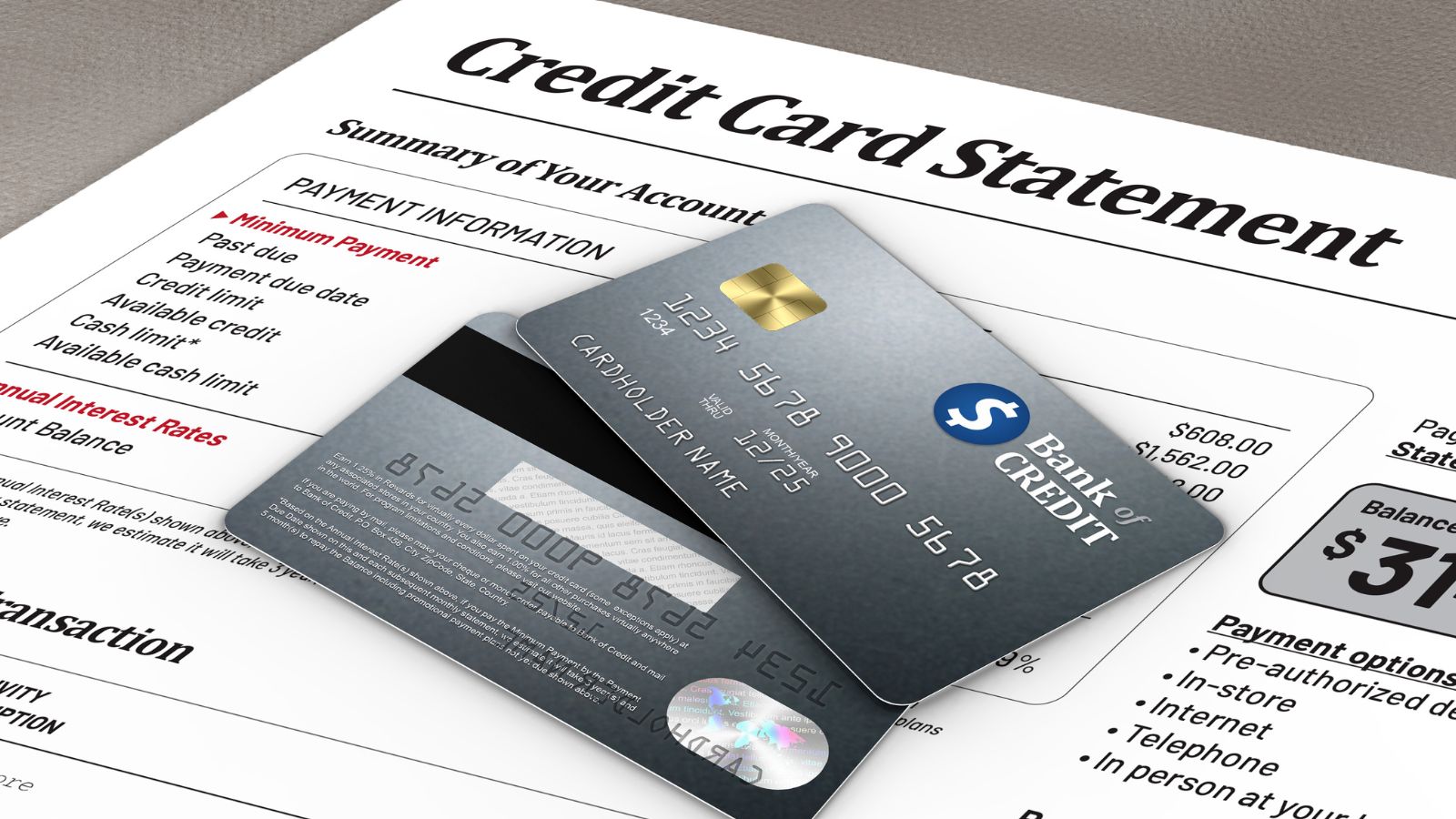
Travel expenses often add to existing credit card balances. Canadians who do not plan repayment may face higher interest costs later. Without a clear plan, balances can grow quickly. Interest charges increase the total amount owed. Planning repayment before traveling helps manage this risk. Setting aside funds or creating a payment schedule supports better control. Knowing how expenses will be cleared reduces stress after the trip. A structured plan keeps finances stable. Preparing in advance helps avoid long-term debt and supports better financial decisions.
19 Things Canadians Don’t Realize the CRA Can See About Their Online Income

Earning money online feels simple and informal for many Canadians. Freelancing, selling products, and digital services often start as side projects. The problem appears at tax time. Many people underestimate how much information the CRA can access. Online platforms, banks, and payment processors create detailed records automatically. These records do not disappear once money hits an account. Small gaps in reporting add up quickly.
Here are 19 things Canadians don’t realize the CRA can see about their online income.
This Options Discord Chat is The Real Deal
While the internet is scoured with trading chat rooms, many of which even charge upwards of thousands of dollars to join, this smaller options trading discord chatroom is the real deal and actually providing valuable trade setups, education, and community without the noise and spam of the larger more expensive rooms. With a incredibly low-cost monthly fee, Options Trading Club (click here to see their reviews) requires an application to join ensuring that every member is dedicated and serious about taking their trading to the next level. If you are looking for a change in your trading strategies, then click here to apply for a membership.