
35,000+ smart investors are already getting financial news, market signals, and macro shifts in the economy that could impact their money next with our FREE weekly newsletter. Get ahead of what the crowd finds out too late. Click Here to Subscribe for FREE.
Sticker shock in Canada rarely comes from a single giant expense anymore. It is showing up in dozens of smaller and mid-sized charges that keep reshaping monthly budgets, from housing and utilities to groceries, insurance, and debt payments. Even when one category cools, another seems to take its place.
These 19 increases capture where the pressure is showing up most clearly right now. Together, they paint a picture of households still dealing with elevated living costs in the areas that matter most, especially shelter, transportation, food, and the growing list of recurring charges that are harder to trim than they once seemed.
Rent still feels sticky for existing tenants
19 bill increases Canadians are noticing everywhere right now
- Rent still feels sticky for existing tenants
- Mortgage renewals are turning old payments into new shocks
- Property-tax notices keep adding pressure
- Water, sewer, and garbage bills keep inching higher
- Electricity rates are rising in multiple provinces
- Home-heating costs are hitting oil-heated households hardest
- Home insurance is absorbing the cost of extreme weather
- Home upkeep is no longer a small line item
- Auto insurance keeps outpacing comfort
- Car payments still look larger than buyers expected
- Repair-shop invoices are staying elevated
- Gasoline spikes still jolt commuting budgets
- Parking fees have become one more quiet drain
- Grocery receipts are still climbing faster than families want
- Restaurant and takeout tabs have reset higher
- Pharmacy and personal-care essentials cost more than they used to
- Tuition bills are still moving higher
- Subscription creep is making digital life more expensive
- Credit card and HELOC interest are punishing lingering balances
- 19 Things Canadians Don’t Realize the CRA Can See About Their Online Income

Rent remains one of the clearest examples of why many Canadians feel squeezed even when headlines suggest the market is cooling. Official inflation data still shows rent running above year-ago levels, which matters far more to people already in the system than broad chatter about softer listings. In practical terms, a tenant whose lease renews today is often dealing with a higher base cost than they faced a year earlier, even if some new listings in certain cities are no longer surging the way they did in the most frantic periods.
That gap between what the market is doing and what renters actually feel helps explain the frustration. Asking rents have eased in parts of the country, but everyday affordability has not suddenly reset. For many households, the issue is not just finding a unit. It is living with the cumulative effect of years of increases, where each renewal, move, or landlord pass-through leaves the monthly number looking less manageable than it used to.
Mortgage renewals are turning old payments into new shocks

Homeowners with mortgages signed or renewed during lower-rate years are still discovering that the real squeeze often arrives later. The original payment may have felt comfortable, but renewal season is where the math changes. A family that built its budget around a much cheaper mortgage can suddenly face a much higher monthly obligation without getting a larger house, better location, or any added value in return. It is the same home, only with a more demanding carrying cost.
That delayed pain is one reason mortgage stress feels so widespread. It does not hit all borrowers at once, which makes it easy to miss until the renewal letter arrives. In many homes, the adjustment means scaling back on renovations, travel, dining out, or savings. The shock is emotional as much as financial, because people are being reminded that interest-rate cycles are not abstract policy stories. They become kitchen-table issues the moment a fixed term expires.
Property-tax notices keep adding pressure

Property taxes are not always the first bill people think about when discussing inflation, but they increasingly land like a second housing payment. Municipalities are still dealing with wage pressures, infrastructure costs, transit funding needs, and aging systems that require more money to maintain. That means even homeowners who locked in their mortgage years ago are still vulnerable to rising carrying costs through their tax bill, whether it arrives monthly through the lender or as a lumpier direct payment.
What makes property taxes especially frustrating is how little flexibility they leave. A family can cut restaurant spending or delay a furniture purchase, but it cannot negotiate away a municipal levy. In some cities, the increase may look modest on paper, yet it still piles onto insurance, maintenance, utilities, and mortgage costs. For retirees on fixed incomes and younger families stretched by child-care and food costs, that extra tax pressure can make homeownership feel less stable than it once did.
Water, sewer, and garbage bills keep inching higher

Utility pressure is not limited to electricity. Water, wastewater, and waste charges are quietly rising in many places too, and they matter because they are basic, unavoidable services tied directly to keeping a household running. These are the kinds of bills that rarely generate dramatic headlines, but they still show up in monthly bank activity with enough consistency to annoy people. A few dollars here and there can sound minor until they become permanent and stack year after year.
The psychological effect is bigger than the raw number. Households are already being told to conserve, sort waste properly, and manage usage more carefully, then they still open a bill that is higher than expected. It creates the sense that even responsible behaviour no longer protects against rising costs. In urban homes, condos, and suburban family properties alike, these charges are becoming one more example of how essential services are steadily taking a bigger share of ordinary budgets.
Electricity rates are rising in multiple provinces

Electricity remains one of those bills that can feel deceptively manageable until the rates change, the season shifts, or usage rises during a cold snap or heat wave. Several major utilities have implemented or approved 2026 increases, and that means households are absorbing higher costs even before considering consumption patterns. A rate change of a few percentage points may not sound dramatic, but electricity is the kind of bill that touches nearly everything in modern life, from cooking and lighting to work-from-home setups and air conditioning.
That is why people notice it so quickly. The increase hits both modest apartments and large detached homes, only in different ways. In smaller homes, it feels unfair because usage is already relatively limited. In larger households, the frustration comes from how easily the total can climb when multiple people are home, devices are always plugged in, and heating or cooling demand spikes. It is not just a utility bill anymore. It is part of the broader cost of simply occupying space in Canada.
Home-heating costs are hitting oil-heated households hardest

Heating costs do not rise evenly across the country, and that unevenness matters. For households that rely on heating oil, especially in Atlantic Canada and some rural areas, the pain can be sharper and more immediate than for people using other energy sources. When fuel-based home heating jumps, it does not feel theoretical. It feels like a winter survival bill. In those homes, every delivery or refill carries a sense of urgency because warmth is not optional and timing is often dictated by weather, not convenience.
That helps explain why broad national inflation figures can miss the human side of the story. A household using natural gas may see relief at the same time an oil-heated home is under much heavier strain. The country can therefore look mixed on paper while still feeling punishing in real life depending on region and fuel type. For many families, heating remains one of the bills that most clearly shows how geography shapes affordability in Canada far more than national averages alone suggest.
Home insurance is absorbing the cost of extreme weather

Home insurance used to be one of those bills people expected to rise slowly and somewhat predictably. That is becoming harder to count on. The growing cost of extreme weather, flood events, wildfire risk, and storm damage is changing how insurers price risk, and those shifts are making their way into renewal notices. Even households that have never filed a claim can end up paying more because their region, replacement cost, or insurer’s broader exposure has changed.
The result is a bill that feels strangely personal and impersonal at the same time. A homeowner opens a renewal and sees a higher premium, often without any obvious change to the property itself. That creates resentment, particularly in places where housing costs are already high and maintenance bills are growing too. Insurance is supposed to provide peace of mind, yet for many Canadians it is becoming another annual reminder that climate-related costs are no longer distant or rare. They are increasingly built into the price of owning a home.
Home upkeep is no longer a small line item

Even outside big renovations, the day-to-day cost of maintaining a home has become harder to dismiss. Small repairs, seasonal fixes, appliance service calls, paint, tools, contractor minimum charges, and basic material costs have all helped turn upkeep into a more noticeable budget category. What used to feel like occasional household friction is becoming something more constant. A loose railing, a leaky faucet, or a worn-out dryer vent can now set off a chain of costs that seems disproportionate to the problem itself.
That shift matters because maintenance bills are often irregular, which makes them emotionally heavier than automated charges. Households can plan for rent and internet, but a sudden repair still feels like a financial ambush. For older homeowners, the list never seems to end. For newer buyers, the surprise is often how quickly “minor” work adds up once labour and materials enter the picture. The result is a growing sense that staying on top of a property now requires more cash flow than many budgets were designed to handle.
Auto insurance keeps outpacing comfort

Car insurance is one of the most complained-about recurring bills in Canada for a reason. Premiums can rise without any obvious change in driving habits, leaving motorists frustrated by a cost that feels both mandatory and opaque. Repair costs, vehicle replacement values, theft trends, and regional claims experience all feed into the final number, which means even a careful driver can still see the bill move in the wrong direction at renewal time.
That disconnect is what makes the increase so noticeable. Someone may have no accidents, no tickets, and no new car, then still pay more. For households with two vehicles, the impact compounds quickly. In suburban and exurban areas where driving is less optional, insurance does not feel like a discretionary service. It feels like an unavoidable toll attached to participation in daily life. When fuel, parking, maintenance, and financing are already elevated, a higher insurance premium becomes one more reason the cost of mobility now feels relentless.
Car payments still look larger than buyers expected
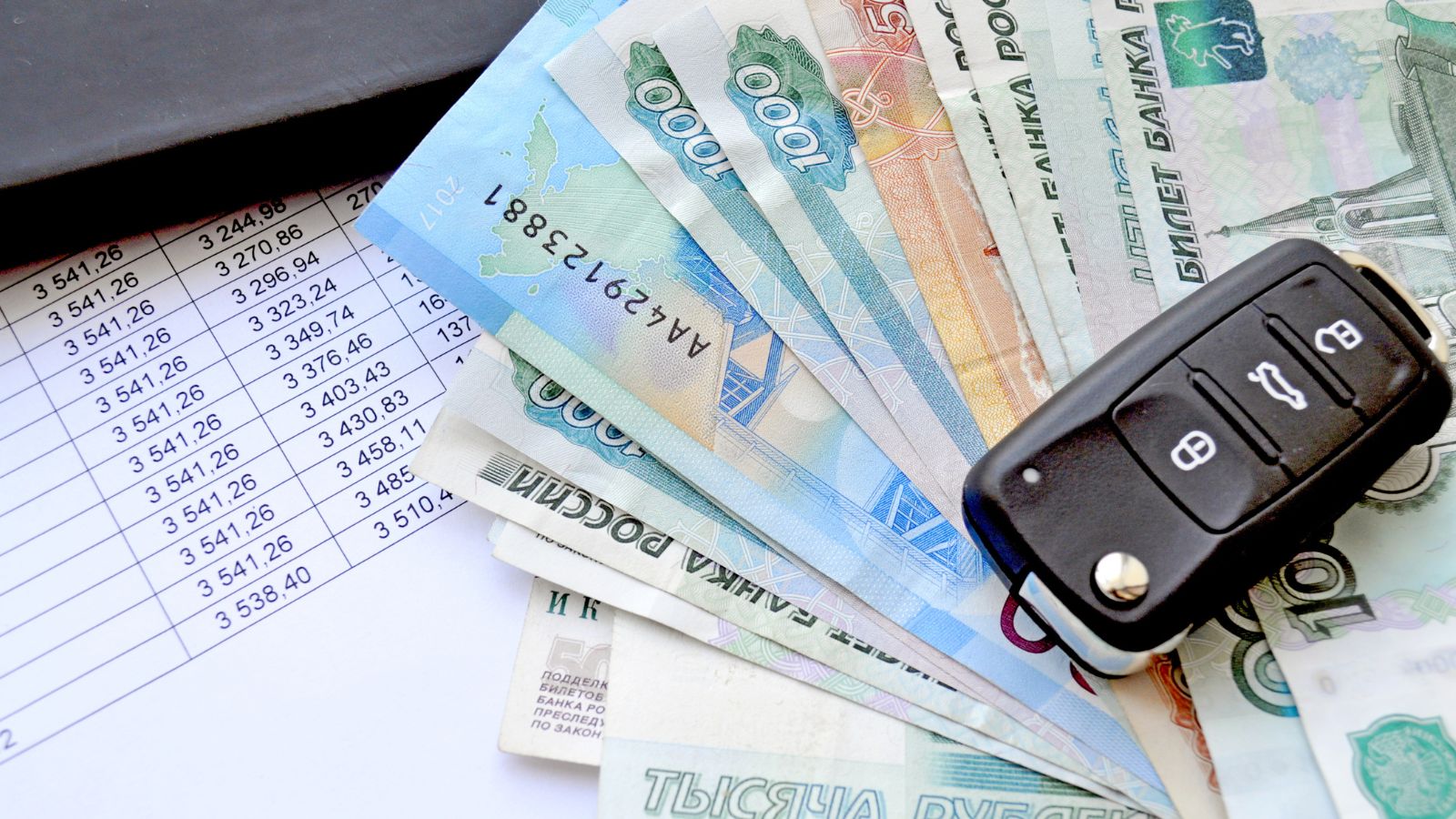
Vehicle payments have become a painful reminder that even modest price increases matter when they are financed over time. The purchase price of passenger vehicles is still above year-ago levels, and that means the monthly payment on a replacement car often lands higher than many buyers assumed it would. A household may go in thinking it is making a practical swap, only to discover that the current market turns a routine purchase into a longer and heavier financial commitment.
This is especially noticeable for families that delayed upgrading during the tight-inventory years and expected some normalization by now. Instead, they find that monthly affordability remains strained, especially once taxes, financing, insurance, and dealer add-ons are all included. The car itself may not be wildly more expensive than it was at the peak of supply shortages, but the payment still feels big enough to change behaviour. People hold onto aging vehicles longer, shop further down-market, or rethink whether they can absorb another fixed monthly obligation.
Repair-shop invoices are staying elevated

Repair bills have become one of the quieter reasons older cars no longer feel especially cheap to keep. Statistics Canada’s detailed inflation tables still show vehicle maintenance and repair costs above year-ago levels, which lines up with what many drivers already suspect after a visit to the shop. Labour, parts, diagnostics, and even the time required to source components can all push a routine fix into uncomfortable territory. A brake job or sensor replacement now has a way of landing like a much bigger event than it once did.
That matters because repair bills often arrive at the worst possible moment. Unlike insurance or financing, they rarely show up on a clean monthly schedule. A vehicle that seemed “paid off” can suddenly demand a large four-figure outlay, wiping out the savings from avoiding a newer payment. This is why some Canadians feel trapped between two bad choices: keep repairing an aging vehicle or replace it and take on a larger monthly bill. Neither option feels particularly cheap, which is exactly why the pressure is so widespread.
Gasoline spikes still jolt commuting budgets

Gasoline remains one of the fastest ways inflation becomes real to the public. People may not track category-by-category data, but they notice a price jump at the pump instantly. In March, fuel costs surged sharply on a monthly basis, which helps explain why transportation still feels expensive even when some other categories are cooler. A commuter does not need an economist to explain the effect. A few extra dollars per fill-up becomes a visible weekly drain when driving is part of work, school, errands, and family logistics.
The emotional impact of gas prices is amplified by frequency. Unlike an annual insurance renewal, fuel costs deliver repeated reminders. A delivery driver, tradesperson, or suburban parent sees that hit again and again. Even temporary tax relief does not erase the fact that recent price spikes already reshaped household expectations heading into spring. For many Canadians, gasoline is still the bill that turns broad inflation talk into something immediate, because it is one of the few costs that can rise sharply and visibly in a single month.
Parking fees have become one more quiet drain

Parking fees are rarely the headline expense in a household budget, but they have a way of feeling aggravating because they are layered on top of everything else. A person already paying for a car, insurance, fuel, and maintenance can still get nicked by daily parking at work, hospital visits, downtown errands, condo spaces, or school trips. These are charges that often feel too small to plan around individually but too frequent to ignore once they add up over a month.
That is why parking has become such a classic “where did the money go?” category. It is not usually a catastrophic bill, yet it lands in exactly the part of a budget where people expect some breathing room. For downtown workers and families navigating appointments and activities, parking can function almost like a mini tax on everyday life. When other transportation costs are already elevated, even a moderate rise in parking fees becomes more noticeable because there is so little slack left elsewhere to absorb it.
Grocery receipts are still climbing faster than families want

Grocery inflation has cooled from its worst stretch, but that does not mean the weekly receipt feels normal again. Store-bought food is still rising year over year, and certain items, especially produce categories affected by supply disruptions, are pushing totals higher in visible ways. That is why so many households still feel the grocery squeeze despite hearing that inflation overall is no longer as intense as it once was. The checkout line is where the national story gets translated into very specific decisions.
Families notice it in the substitutions they make almost automatically now. Brand loyalty weakens. Impulse items disappear. Multi-buy promotions suddenly shape the whole trip. Even shoppers who are careful find that the same basket can creep upward because fresh items, staples, and lunchbox basics no longer fit together as comfortably as they did before. Grocery spending matters emotionally because it is deeply repetitive and closely tied to household care. When that bill rises, it does not just change the budget. It changes routines, expectations, and everyday comfort.
Restaurant and takeout tabs have reset higher

Restaurant inflation is not rising as explosively as some other categories, but the level matters more than the pace. Many Canadians already feel that dining out and takeout have reset to a higher price band, and even smaller annual increases now land on top of totals that were already stretched. A casual meal that once felt harmless can suddenly look like a decision that needs justification, especially after tax, tip, delivery fees, and menu markups are all accounted for.
That change has real social consequences. Families cut back on spontaneous takeout nights. Friends shift from restaurants to home gatherings. Workers bring lunch more often not because they want to, but because buying food near the office has become too expensive to repeat casually. The result is not the disappearance of dining out, but a reclassification of it. What used to feel routine increasingly feels like a treat. In a country where restaurant prices are still above year-ago levels, that shift is one more sign of how normalized cost creep has become.
Pharmacy and personal-care essentials cost more than they used to

Not every painful increase comes from a giant bill. Sometimes it comes from the products households have to replace constantly: prescriptions, cold remedies, toothpaste, deodorant, skincare, shampoo, and other personal-care basics. These are items people rarely discuss in big inflation conversations, yet they matter precisely because they are recurring and difficult to eliminate. A small rise on a refill may sound minor, but over months it adds up, especially in homes with children, aging parents, or ongoing health needs.
That is what makes this category feel so persistent. These are not aspirational purchases. They are maintenance purchases tied to health, hygiene, and normal daily functioning. Shoppers may delay a clothing purchase or skip a dinner out, but they still need medicine and household basics. The cumulative effect is especially noticeable for people making regular pharmacy runs or managing multiple family members’ needs at once. It becomes one more example of how inflation lives not only in big-ticket categories, but also in the repetitive essentials that keep everyday life moving.
Tuition bills are still moving higher

Tuition may not hit every household every month, but where it does apply, it can dominate the financial picture. The 2025-26 school year brought another increase in average tuition for Canadian students, continuing the long pattern of education costs inching upward even when other categories fluctuate. For families with more than one student, or for people balancing school with rent and transportation, the increase is rarely experienced as abstract. It lands as a larger upfront bill and a bigger financing or savings challenge.
The emotional weight of tuition comes from timing and trade-offs. It often arrives in a season already full of housing costs, moving expenses, textbooks, transit, and food. That means even a relatively modest percentage increase can feel like a major setback. Education is still widely seen as an investment, but the cash flow strain is real, especially when part-time work income does not keep pace with living costs. For many households, tuition is one of the clearest examples of a necessary expense that keeps demanding more without becoming any easier to fund.
Subscription creep is making digital life more expensive

The modern subscription stack is one of the easiest places for cost inflation to hide. A streaming service goes up. A music plan costs a little more. A shopping membership quietly renews. None of it looks devastating on its own, but together these charges form a layer of recurring expenses that feels much heavier than it did a few years ago. That is particularly true because digital subscriptions now cover entertainment, delivery perks, cloud storage, productivity, and everyday convenience.
What makes subscription creep so effective is how invisibly it works. Many households barely notice the exact moment when a manageable cluster of services becomes a meaningful monthly category. By then, the stack is woven into daily habits. Cancel one service and someone misses a show. Cancel another and deliveries feel less convenient. Keep them all and the total keeps climbing. That is why these bills feel so universal right now. They are small enough to slip through individually, but large enough in aggregate to become one more quiet drag on disposable income.
Credit card and HELOC interest are punishing lingering balances
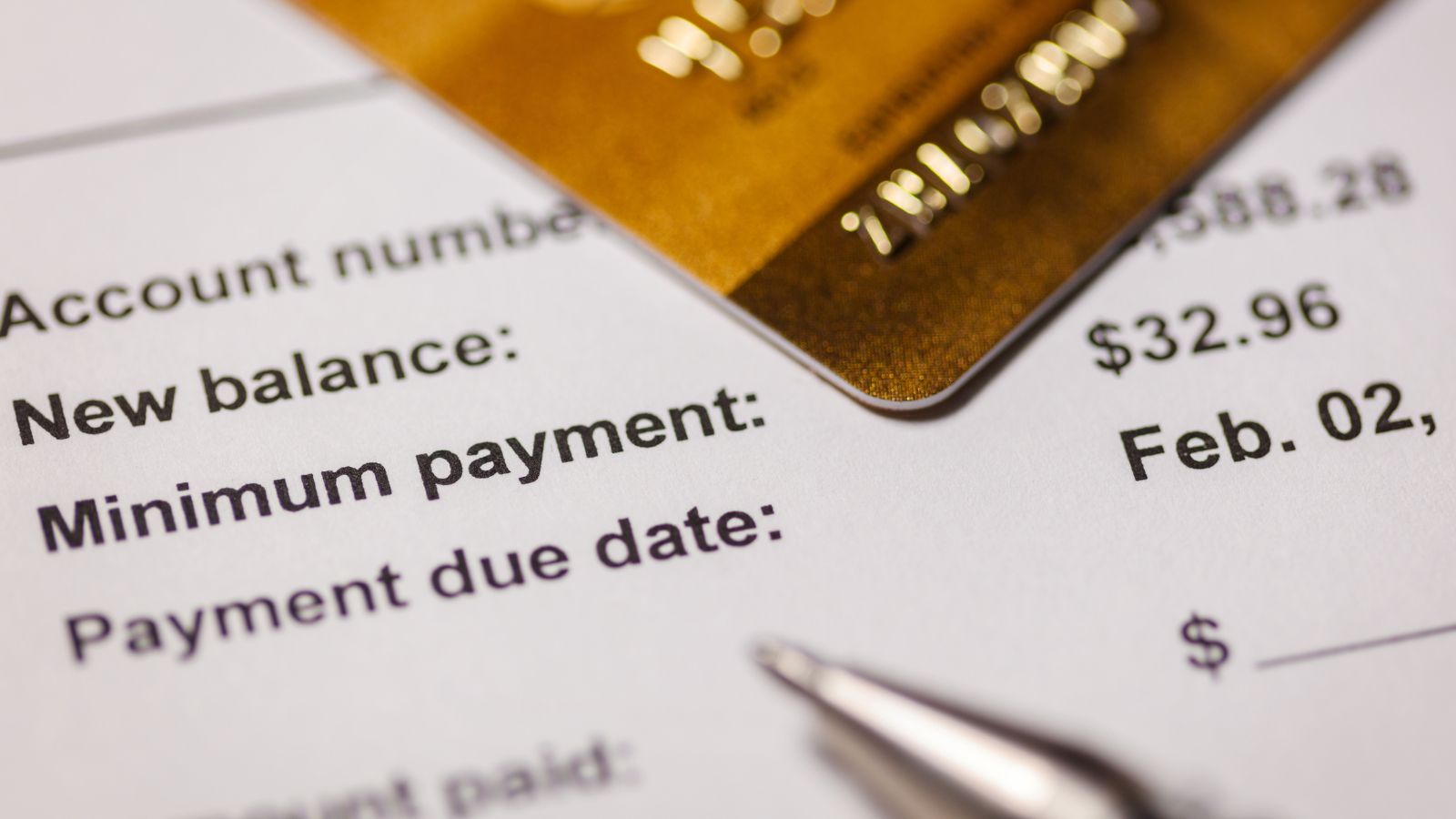
Interest costs are often the most demoralizing bills of all because they do not buy anything new. They are simply the price of carrying what is already there. For households leaning on credit cards or home equity lines to bridge higher living costs, that makes the monthly statement feel especially harsh. Standard credit card rates remain high, and HELOCs are typically tied to lenders’ prime rates, which means the cost of carrying debt can stay elevated even when the broader inflation conversation begins to sound calmer.
This category also has a way of magnifying every other increase on the list. A bigger grocery bill, insurance renewal, or repair invoice can end up financed rather than fully paid, turning a one-time spike into months of interest. That is why debt-service pressure feels so different from ordinary inflation. It compounds. A family may manage the first hit, then struggle with the second because the first one is still sitting on the balance. In that sense, interest is not just another bill. It is the force that makes many of the others harder to escape.
19 Things Canadians Don’t Realize the CRA Can See About Their Online Income

Earning money online feels simple and informal for many Canadians. Freelancing, selling products, and digital services often start as side projects. The problem appears at tax time. Many people underestimate how much information the CRA can access. Online platforms, banks, and payment processors create detailed records automatically. These records do not disappear once money hits an account. Small gaps in reporting add up quickly.
Here are 19 things Canadians don’t realize the CRA can see about their online income.
This Options Discord Chat is The Real Deal
While the internet is scoured with trading chat rooms, many of which even charge upwards of thousands of dollars to join, this smaller options trading discord chatroom is the real deal and actually providing valuable trade setups, education, and community without the noise and spam of the larger more expensive rooms. With a incredibly low-cost monthly fee, Options Trading Club (click here to see their reviews) requires an application to join ensuring that every member is dedicated and serious about taking their trading to the next level. If you are looking for a change in your trading strategies, then click here to apply for a membership.