35,000+ smart investors are already getting financial news, market signals, and macro shifts in the economy that could impact their money next with our FREE weekly newsletter. Get ahead of what the crowd finds out too late. Click Here to Subscribe for FREE.
A tax refund can feel like a rare financial exhale. Then spring arrives and turns that extra money into a placeholder. A few tanks of gas, a couple of grocery runs, a school break registration, a tire swap, a property-tax instalment, and the cushion starts shrinking fast. This year, the squeeze feels especially sharp because several seasonal costs are colliding with price pressure that has not fully cooled.
These 14 expenses capture where many Canadian households are feeling that spring pinch most. Some are obvious, like fuel and food. Others are quieter budget wreckers: camp fees, pothole repairs, insurance renewals, travel bookings, and the first wave of municipal bills. Taken together, they explain why a refund that looked useful in April can feel strangely small by Victoria Day.
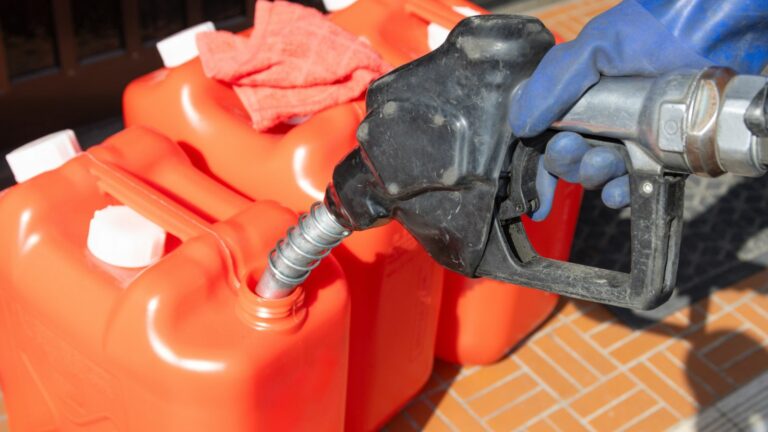
Gas tank refill shock
Your tax refund may not go far: 14 spring costs blindsiding Canadians
- Gas tank refill shock
- Grocery runs that still sting
- Patio meals and takeout that no longer feel casual
- Domestic flights climbing again
- Package getaways and travel bookings that snowball
- Summer camp registration panic
- Seasonal tire swaps and storage fees
- Pothole repairs and small car bills that hit all at once
- Auto insurance renewals that keep moving higher
- Rent that still outruns the sense of relief
- Mortgage renewals that rewrite the household budget
- Property-tax notices that arrive before summer
- Home insurance and spring weather-proofing
- Cottage, RV, and outdoor season startup costs
- 19 Things Canadians Don’t Realize the CRA Can See About Their Online Income
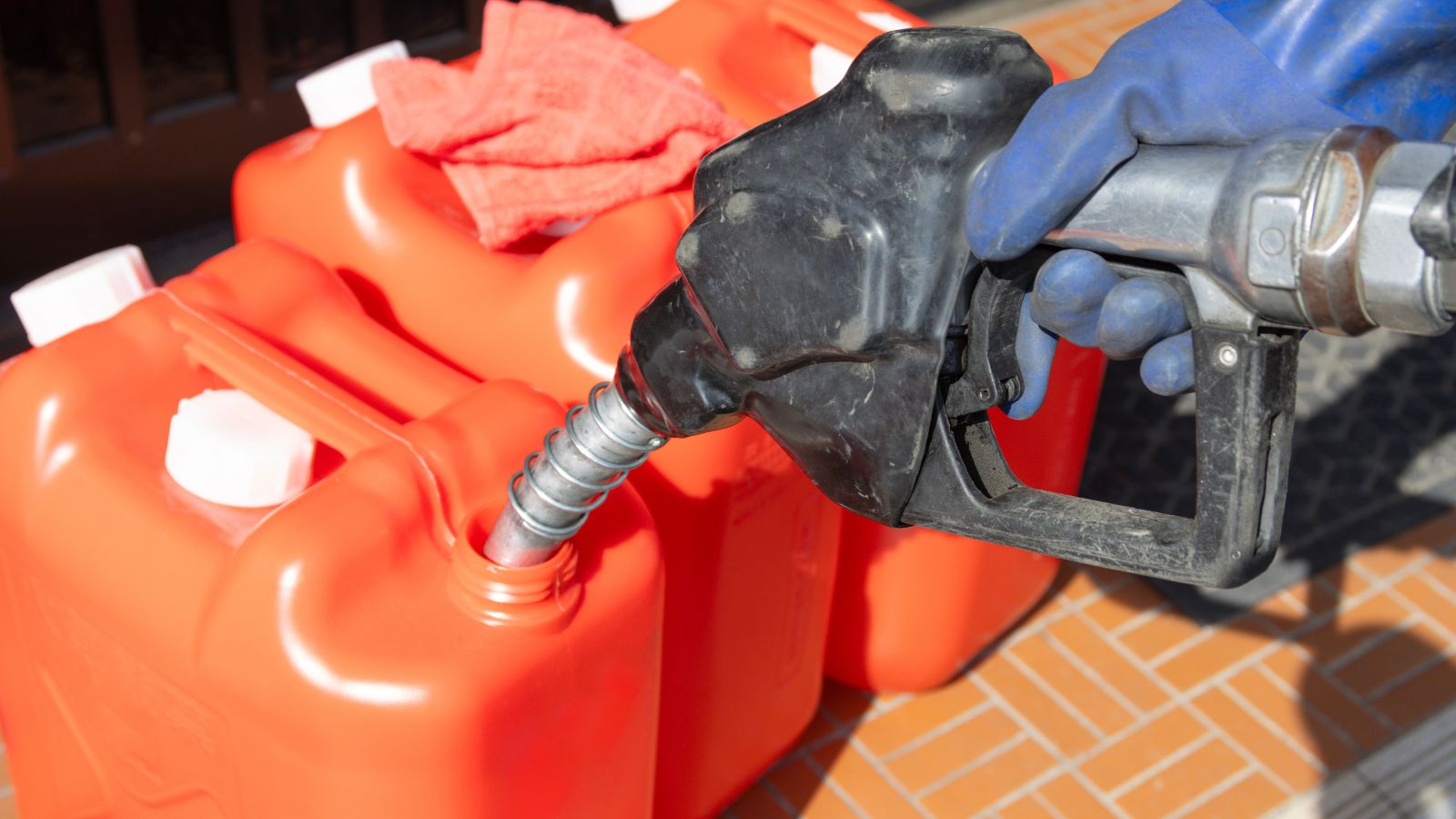
For a brief stretch, spring driving is supposed to feel lighter. Roads clear up, winter commutes end, and weekend errands stop requiring snow tires and extra caution. This year, the gas pump has disrupted that usual sense of relief. Instead of easing, fuel became one of the clearest reminders that a seasonal reset does not always mean a cheaper one. Even households that do not drive long distances are noticing the effect because spring tends to bring more movement: school breaks, sports, garden-centre trips, family visits, and the first warm-weather road outings.
That is why a tax refund can disappear in such an ordinary way. It is not one dramatic purchase, but a series of small refills that suddenly cost more than expected. For suburban families, commuters, tradespeople, and anyone who relies on a car because transit is limited or inconsistent, fuel becomes a spring multiplier. It quietly raises the cost of almost everything else too, from deliveries to services to groceries arriving at the store.
Grocery runs that still sting

Spring is often imagined as a season of cheaper produce and a fresher shopping cart. In reality, many Canadians are walking into stores expecting relief and finding that food budgets still feel stubbornly inflated. A basket with salad vegetables, fruit, meat, dairy, snacks, and a few household basics can still land with a thud at checkout. The sticker shock is even worse because spring shopping often layers in holiday meals, school snacks, patio-hosting supplies, and the urge to restock after a winter spent buying only the essentials.
The emotional frustration comes from how ordinary the items are. Cucumbers, peppers, celery, meat for the grill, coffee, lunch ingredients, and basics for packed meals do not feel like splurges. Yet they keep absorbing a larger share of cash flow. For households hoping to put a refund toward debt, savings, or a long-delayed treat, groceries are one of the first categories to swallow the plan. The spending does not look reckless on paper. It just looks relentless in real life.
Patio meals and takeout that no longer feel casual

Spring has a way of making restaurant spending feel harmless. The weather improves, patios reopen, social calendars wake up, and one quick meal out starts to feel like part of the season rather than part of the budget. That is exactly why food away from home catches people off guard. A coffee run becomes lunch, lunch becomes a patio dinner, and a few delivery nights slide into a surprisingly expensive month. Because the transactions are small and frequent, the total is easy to underestimate until the card statement shows the pattern clearly.
There is also a social pressure to spend more once winter lifts. People start meeting again, celebrating, and saying yes to plans that seemed too inconvenient in February. A refund can end up subsidizing that renewed social life without anyone consciously deciding that is where the money should go. The result is not necessarily overspending in a dramatic sense. It is more that casual spring habits now carry premium pricing, and even modest restaurant use can chip away at financial breathing room much faster than many expect.
Domestic flights climbing again

Spring is when many Canadians start locking in summer flights, and that is where refund money can disappear fast. Domestic airfare is especially unforgiving because it often feels unavoidable rather than luxurious. Visiting family, attending a wedding, taking children on a school break trip, or reserving a long weekend away inside Canada can all come with price tags that look far steeper than they did earlier in the year. The frustration is not just the total fare. It is how quickly a seemingly manageable trip balloons once baggage, seat selection, and airport extras are layered on.
That makes airfare one of the most efficient refund erasers around. A household might tell itself it is using the refund for something meaningful, and that may be true, but the money is gone just the same. What stings is the speed. One booking session can absorb hundreds or thousands of dollars before summer even begins. For families trying to balance affordability with the desire to create memories or maintain long-distance relationships, the cost of getting somewhere is increasingly the vacation before the vacation.
Package getaways and travel bookings that snowball

Even when flights are manageable, the rest of the trip can do the real damage. Spring is when tour packages, hotel deposits, activity bookings, and rental reservations start getting finalized, and those costs rarely arrive one at a time. A weekend getaway or a modest family escape often begins with an attractive base price and then expands through resort fees, airport transfers, cancellation coverage, car rentals, checked bags, and meal costs that are much higher on the road than at home. The refund that was supposed to create a little momentum can get converted into booking friction almost instantly.
This is also where psychology matters. Travel spending feels easier to justify because it is tied to rest, celebration, or family time. That makes the extra charges less likely to be challenged in the moment. Spring is when people say yes to convenience because they are tired of winter and eager for something to look forward to. The spending is understandable, but it still counts. Many Canadians are learning that the warm-weather getaway is no longer a single line item. It is a chain of medium-sized charges that arrive before the suitcase is even packed.
Summer camp registration panic

For parents, spring can feel less like a season and more like a deadline. Camp registration opens, popular weeks vanish, and the decision is not really whether to spend the money but how fast to commit it. That is what makes camp such a brutal refund trap. It lands at the same moment many households are trying to tidy up taxes, pay down balances, or rebuild savings. Even families choosing practical day camps rather than elaborate overnight options can watch thousands of dollars leave the account in a short burst, often months before the camp itself begins.
The hidden stress is that camp spending does not arrive in isolation. It sits beside spring clothing, extracurriculars, school breaks, and the broader cost of feeding and transporting children through a busier season. Parents are not typically buying luxury here. They are buying care, structure, safety, and workability. That is why the charge can feel so unfair. A refund that might have helped stabilize the household instead gets redirected into logistics. Necessary spending still drains just as efficiently as discretionary spending, and camp season is one of the clearest examples.
Seasonal tire swaps and storage fees

The spring tire change is a classic Canadian expense because it feels routine right up until the invoice appears. Drivers know the switch is coming, but the total still catches them because the service can include more than a simple swap. There may be balancing, storage, an inspection, or extra labour if the tires are not mounted on separate rims. For households with two vehicles, the seasonal changeover becomes a real line item rather than a minor errand. It is not flashy spending, which is exactly why it slips into the month without much mental resistance.
There is also the timing problem. Spring tire appointments cluster around the same window that refunds arrive and other warm-weather costs start landing. That overlap makes the expense feel bigger than it would in isolation. Many drivers also use the appointment as a reminder to replace worn tires, fix brakes, or deal with alignments that felt tolerable through winter but not once roads dry out. So the tire swap often acts as the gateway cost. It starts as maintenance and turns into a full spring vehicle reset.
Pothole repairs and small car bills that hit all at once
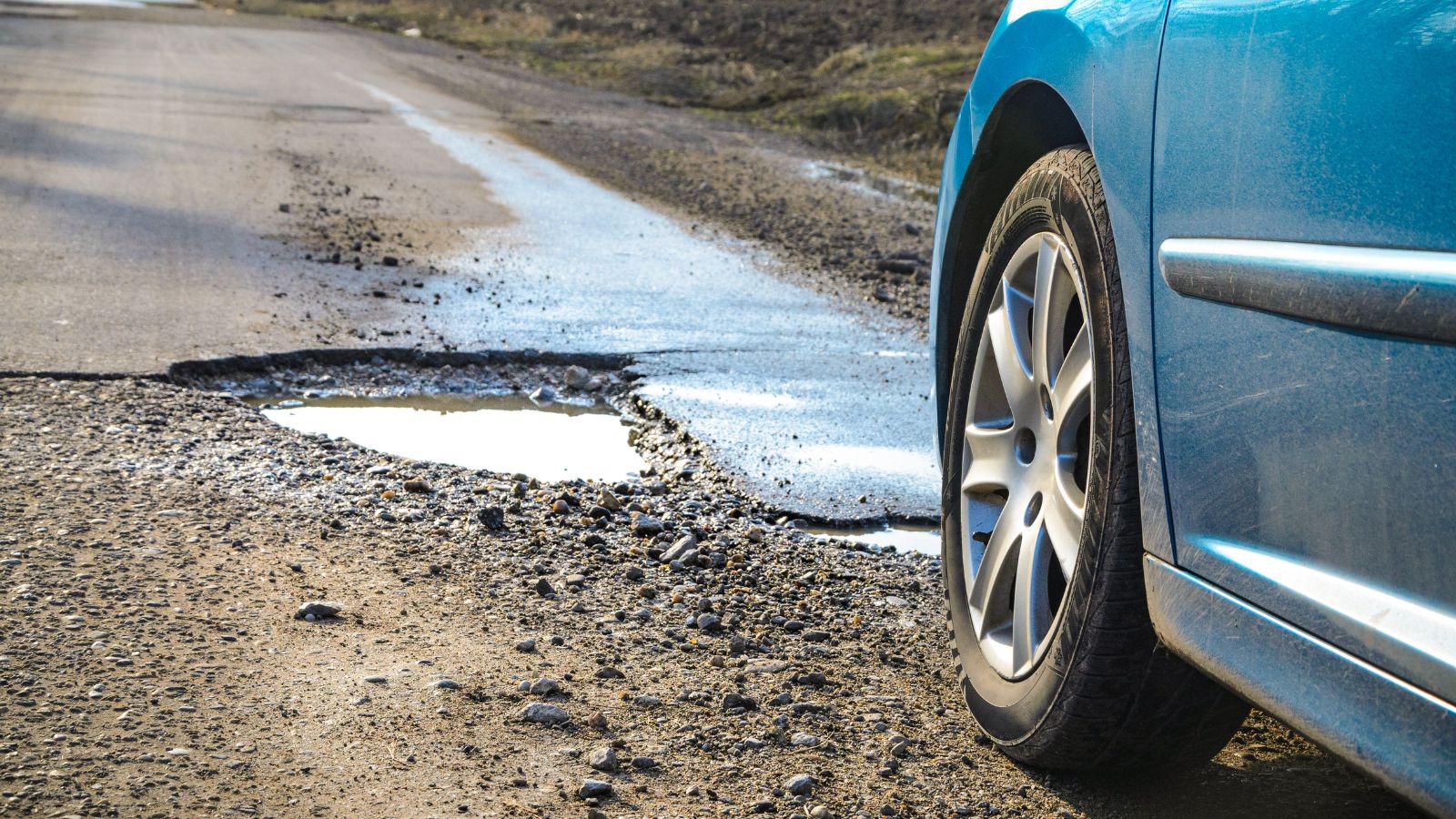
There is a particular kind of spring irritation that comes from hearing a harsh thud under the car and instantly wondering what that one moment will cost. Pothole season does not always create a catastrophic bill, but it creates enough moderate ones to wreck a budget. Bent rims, damaged tires, alignments, worn suspension parts, and mystery vibrations are all common spring surprises. What makes them especially frustrating is that the repairs rarely feel like neglect. They feel like penalties for simply driving through a Canadian winter and its aftermath.
This is where refunds vanish in chunks. Not on a dream purchase, but on something like a tire replacement and an alignment that suddenly could not wait. The financial pain is sharper because these repairs are usually urgent. Drivers still need the vehicle for work, school, and family logistics, so the bill gets paid before there is much time to reorganize the rest of the month. A season that looks cheerful from the outside can be mechanically expensive, and many households end up spending spring money just to get back to normal.
Auto insurance renewals that keep moving higher

Gas is the visible car expense, but insurance is the quieter one that can do just as much damage over a year. Renewal season has a way of feeling personal because the bill shows up as if it reflects the driver alone, when in reality it is also shaped by repair costs, theft trends, claims severity, and broader insurer pricing pressures. Many Canadians are discovering that even without a major collision or a dramatic change in driving habits, the premium can still move higher than expected. That makes the increase feel both familiar and hard to predict.
What complicates matters is that insurance never arrives by itself. It lands alongside fuel, maintenance, tire work, registration-related costs, and sometimes a decision about whether an older car is still worth keeping. A refund can easily get absorbed by the annual or semi-annual premium before the household has a chance to direct the money somewhere more satisfying. It is one of those expenses that does not deliver any visible upgrade or pleasure. It just preserves the ability to keep driving, which makes the hit feel even more thankless.
Rent that still outruns the sense of relief

The rental market has become one of the strangest parts of the affordability story. Headlines may suggest that asking rents are softening in some places, but that does not automatically translate into relief for people already paying high monthly amounts. For many tenants, spring still feels expensive because the actual rent leaving the bank account remains elevated, and moving to chase a lower asking rent often comes with costs of its own. First and last month’s rent, truck rentals, utility setup, time off work, and the simple risk of entering a tight market all make “just move” sound easier than it is.
That is why refunds often end up serving as rent support even when people do not describe it that way. The money covers a gap, cushions a payment-heavy month, or replaces savings that rent has been steadily eating into. Even in a market showing signs of cooling at the margins, affordability can still feel punishing in practice. Spring does not magically reset a lease signed at a high number, and many renters are living in that contradiction: the market may be softening, but their monthly reality still feels hard.
Mortgage renewals that rewrite the household budget

For homeowners renewing this year, spring can bring a more serious type of cost shock. Unlike a grocery bill or a tank of gas, a mortgage renewal can alter the structure of the entire household budget for years, not weeks. The issue is especially sharp for borrowers who locked in during the ultra-low-rate era and are now confronting a much different financing world. Even when the payment jump is survivable, it still changes behaviour. Extra savings disappear, optional spending gets trimmed, and the tax refund that once felt flexible suddenly has an obvious destination.
The emotional side matters here too. Many borrowers did not do anything reckless. They bought within the rules, passed the stress test, and still find themselves staring at a payment that feels like a different chapter of life. Spring becomes the season of recalibration rather than relief. Some households will adapt by stretching amortization, reducing prepayments, or delaying repairs and vacations. Others will simply absorb the increase and feel poorer every month. Either way, the refund loses its ability to feel like a bonus when the lender has effectively claimed it first.
Property-tax notices that arrive before summer

Homeowners often talk about property taxes as a background cost, but spring is when they stop feeling abstract and start feeling immediate. The first instalments or interim bills begin landing in many cities just as outdoor expenses, travel bookings, and vehicle costs are heating up. That timing matters. A tax increase that sounds manageable when discussed in a budget meeting feels different when it shows up beside all the other seasonal charges. The pain is less about one bill in isolation and more about how municipal costs now compete with every other spring priority.
There is also a broader affordability point hiding here. Even in cities that keep property-tax increases modest, other local charges can still rise, from utility fees to education levies to special line items on the bill. That means homeowners can experience spring as a series of official notices rather than a fresh start. A refund that seemed large enough to cover a project, a short trip, or a dent in household debt can instead get redirected into keeping current on obligations that arrive with very little emotional upside.
Home insurance and spring weather-proofing

Spring used to signal cleanup. Increasingly, it also signals risk management. As wildfire and flood concerns enter the season earlier, home insurance becomes harder to treat as a passive bill. Premiums rise, deductibles matter more, and homeowners start hearing more about sump pumps, backwater valves, defensible space, fire-resistant materials, and emergency-readiness upgrades. None of this is glamorous spending. It is protective spending, which makes it easy to postpone until a premium notice or a weather warning reframes the choice in harsher terms.
That is why this category is becoming such a meaningful refund destination. Even small resilience projects can add up, especially for households already juggling mortgage, utilities, and property taxes. The insurance bill itself may be higher, and then the homeowner feels pressure to spend more in order to reduce future risk. In other words, spring can generate both the cost and the response to the cost. A season once associated with opening windows and tidying the yard now carries a more expensive subtext: prepare the property for weather that no longer feels exceptional.
Cottage, RV, and outdoor season startup costs

Warm weather brings a powerful Canadian instinct to get outside, head north, open the trailer, prep the boat, or dust off the RV. It also brings a surprisingly expensive startup phase. Fuel, batteries, towing gear, propane, maintenance supplies, marina costs, campground bookings, and small accessories can create a steady stream of charges before the first proper weekend trip even happens. Because these purchases often feel seasonal and joyful, they are less likely to be scrutinized one by one. That is precisely why they can devour a refund so effectively.
The trap is that outdoor-season spending rarely stays contained. One fix exposes another. One low-stock drawer at the cottage turns into a grocery haul, a hardware-store stop, and a fuel bill on the same day. Recreation, in other words, begins to look a lot like operations. For households that see spring as the moment to reopen a beloved routine, the costs may be worth it emotionally. Financially, though, the season can feel like a soft launch into summer spending before summer has officially begun.
19 Things Canadians Don’t Realize the CRA Can See About Their Online Income

Earning money online feels simple and informal for many Canadians. Freelancing, selling products, and digital services often start as side projects. The problem appears at tax time. Many people underestimate how much information the CRA can access. Online platforms, banks, and payment processors create detailed records automatically. These records do not disappear once money hits an account. Small gaps in reporting add up quickly.
Here are 19 things Canadians don’t realize the CRA can see about their online income.
This Options Discord Chat is The Real Deal
While the internet is scoured with trading chat rooms, many of which even charge upwards of thousands of dollars to join, this smaller options trading discord chatroom is the real deal and actually providing valuable trade setups, education, and community without the noise and spam of the larger more expensive rooms. With a incredibly low-cost monthly fee, Options Trading Club (click here to see their reviews) requires an application to join ensuring that every member is dedicated and serious about taking their trading to the next level. If you are looking for a change in your trading strategies, then click here to apply for a membership.