
35,000+ smart investors are already getting financial news, market signals, and macro shifts in the economy that could impact their money next with our FREE weekly newsletter. Get ahead of what the crowd finds out too late. Click Here to Subscribe for FREE.
June has a way of making ordinary spending feel harmless until the long weekends, road trips, patio meals, utility bills, and family activities all arrive at once. For many Canadian households, the month is a financial hinge between spring routines and the higher-cost rhythm of summer.
These 18 June money moves focus on practical decisions that can reduce pressure before expenses stack up. From groceries and gas to benefit payments, tax deadlines, credit cards, travel documents, and cooling costs, each step is designed to help households spot leaks early, redirect cash, and enter summer with fewer costly surprises.
Rebuild the Grocery Plan Before Summer Eating Changes
18 June Money Moves Canadians Should Make Before Summer Gets Expensive
- Rebuild the Grocery Plan Before Summer Eating Changes
- Price Out Road Trips Before Filling the Tank
- Check Tire Pressure and Maintenance Before Fuel Costs Climb
- Build a Cooling-Cost Buffer Before the First Heat Wave
- Mark June Benefit Dates Before Spending the Money Twice
- Handle Self-Employed Tax Filing Before Summer Distractions Take Over
- Pay Down Expensive Credit Card Balances Before Vacation Charges Begin
- Review Car Insurance Before Renting or Road-Tripping
- Check Passports and Travel Documents Before Prices Rise Around the Trip
- Create a Summer Activity Cap Before Kids Are Out of School
- Audit Subscriptions Before Home Entertainment Habits Change
- Move Emergency Savings Away From Everyday Spending
- Compare Interest Rates Before Renewing Savings or Debt Plans
- Plan Currency Exchange Before Cross-Border Spending
- Pre-Buy Summer Essentials Only When the Math Works
- Set a Restaurant and Patio Budget Before Social Spending Speeds Up
- Review Phone and Data Plans Before Travel and Outdoor Use Jump
- Schedule Home and Rental Maintenance Before Emergency Pricing Hits
- 19 Things Canadians Don’t Realize the CRA Can See About Their Online Income

Summer often changes the way households eat. There are more quick dinners, more snacks for kids at home, more barbecue ingredients, and more last-minute trips to the store after work. That can make grocery spending feel unpredictable, especially when food prices are already elevated. Statistics Canada reported that food purchased from stores rose 3.8% year over year in April 2026, while Canada’s Food Price Report 2026 projected overall food prices could rise 4% to 6% for the year.
A useful June move is to rebuild the grocery list around warm-weather habits instead of pretending May’s routine still applies. Families can plan cheaper cookout staples, freeze proteins bought on sale, and keep a running list of items that disappear fastest once school ends. A household that swaps two convenience dinners a week for planned leftovers can often reduce both food waste and impulse spending.
Price Out Road Trips Before Filling the Tank
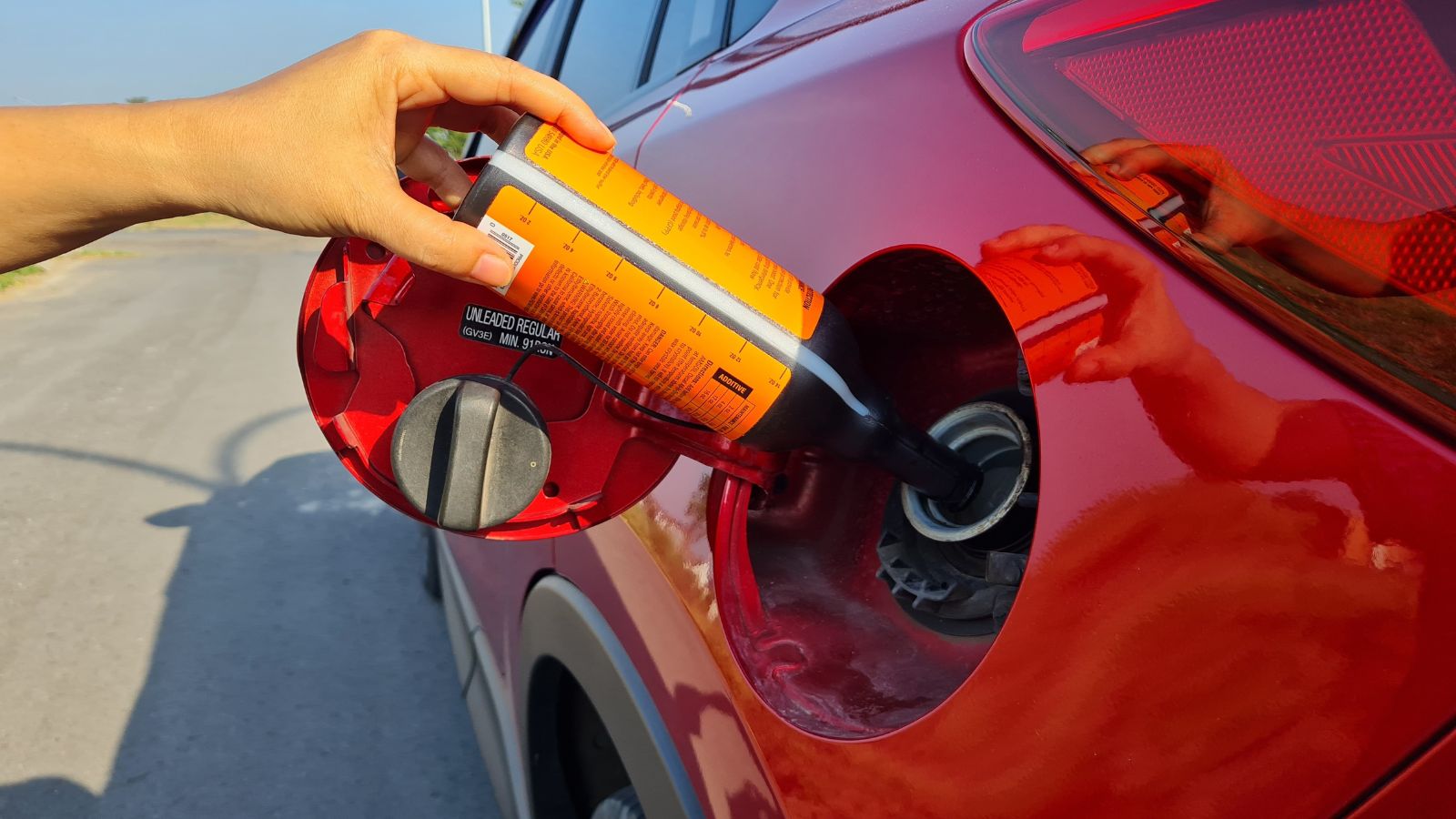
A weekend drive can look affordable until gasoline, snacks, parking, tolls, and one unplanned overnight stop are counted together. In April 2026, Statistics Canada reported transportation prices were up 7.6% year over year, with gasoline a major contributor. That matters in June because summer travel decisions are often made casually: a cottage visit here, a beach day there, a family detour that turns into a full tank.
Before committing to a road trip, Canadians can estimate the round-trip kilometres, expected fuel use, and the cost of meals away from home. A four-hour drive with two vehicles may cost more than one family realizes, especially if the plan includes restaurant stops both ways. Setting a per-trip limit in June helps prevent July and August from becoming a blur of “small” outings that quietly drain the account.
Check Tire Pressure and Maintenance Before Fuel Costs Climb
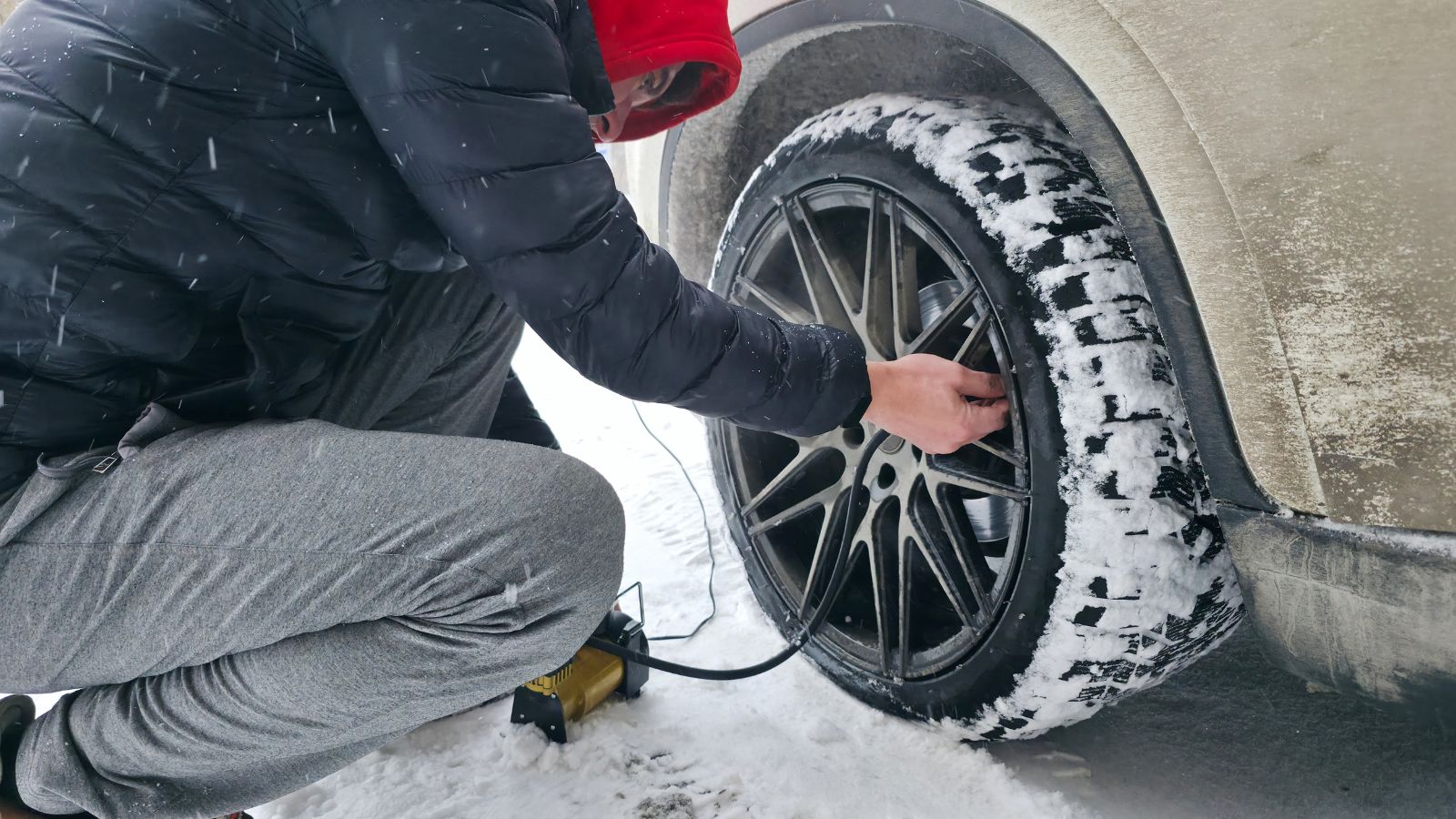
Car maintenance is easy to postpone when nothing sounds wrong. Yet June is exactly when small maintenance issues can become expensive, especially before highway driving begins. CAA guidance emphasizes checking tire wear, using the manufacturer’s recommended tire pressure on the driver’s door sticker, and inspecting the spare tire before summer trips. Proper inflation can help with safety and fuel efficiency, while underinflated tires can raise fuel consumption.
A basic June maintenance check can include tire pressure, wipers, oil level, coolant, lights, and roadside emergency supplies. A parent driving from Mississauga to Muskoka, for example, may not notice a weak battery during short weekday errands, but summer heat and stop-and-go cottage traffic can expose the problem quickly. Spending a small amount early can prevent towing, missed bookings, and emergency repair pricing later.
Build a Cooling-Cost Buffer Before the First Heat Wave

Air conditioning has become a normal part of summer budgeting for many households. Statistics Canada reported that 68% of Canadian households used air conditioning or similar cooling equipment in 2025, up from 64% in 2021. That means June is no longer just a shoulder month for utilities; it can be the beginning of several higher electricity bills, especially in apartments with poor airflow or homes with older systems.
A practical move is to set aside a small cooling buffer before the first long heat wave. Renters can check whether electricity is included, clean portable AC filters, use curtains during peak sun, and avoid running heat-generating appliances at the hottest times. Homeowners can review time-of-use rates where applicable and schedule maintenance before contractors are fully booked. The goal is not discomfort; it is avoiding a surprise bill in August.
Mark June Benefit Dates Before Spending the Money Twice

Government benefit payments can help stabilize a month, but only if they are mapped before the cash is mentally spent. The Canada child benefit is scheduled for June 19, 2026, while some federal and provincial credits have separate payment calendars. The Canada Groceries and Essentials Benefit is listed for July 3, 2026, which means some households may be tempted to bridge the gap with credit in late June.
A June money move is to write down every expected payment date and match each deposit to a specific purpose. For example, a family might direct the June child benefit toward camp fees, transit passes, or grocery restocking rather than letting it disappear into general spending. Treating benefit money as assigned income can prevent the common problem of using one payment to cover three different summer promises.
Handle Self-Employed Tax Filing Before Summer Distractions Take Over

For self-employed Canadians and those with a self-employed spouse or common-law partner, June carries a major tax deadline. The CRA lists June 15 as the filing due date for 2025 returns in those cases, although any balance owing was still due by April 30. That distinction matters because people sometimes assume the later filing deadline also means a later payment deadline, which can lead to interest charges.
June is a good time to file, review instalment requirements, and organize receipts before summer work patterns become irregular. A freelance designer, rideshare driver, contractor, or consultant may have a heavier cash flow in summer but less administrative time. Filing before vacations and family events reduces the risk of late penalties and gives a clearer view of what income is actually available for seasonal spending.
Pay Down Expensive Credit Card Balances Before Vacation Charges Begin
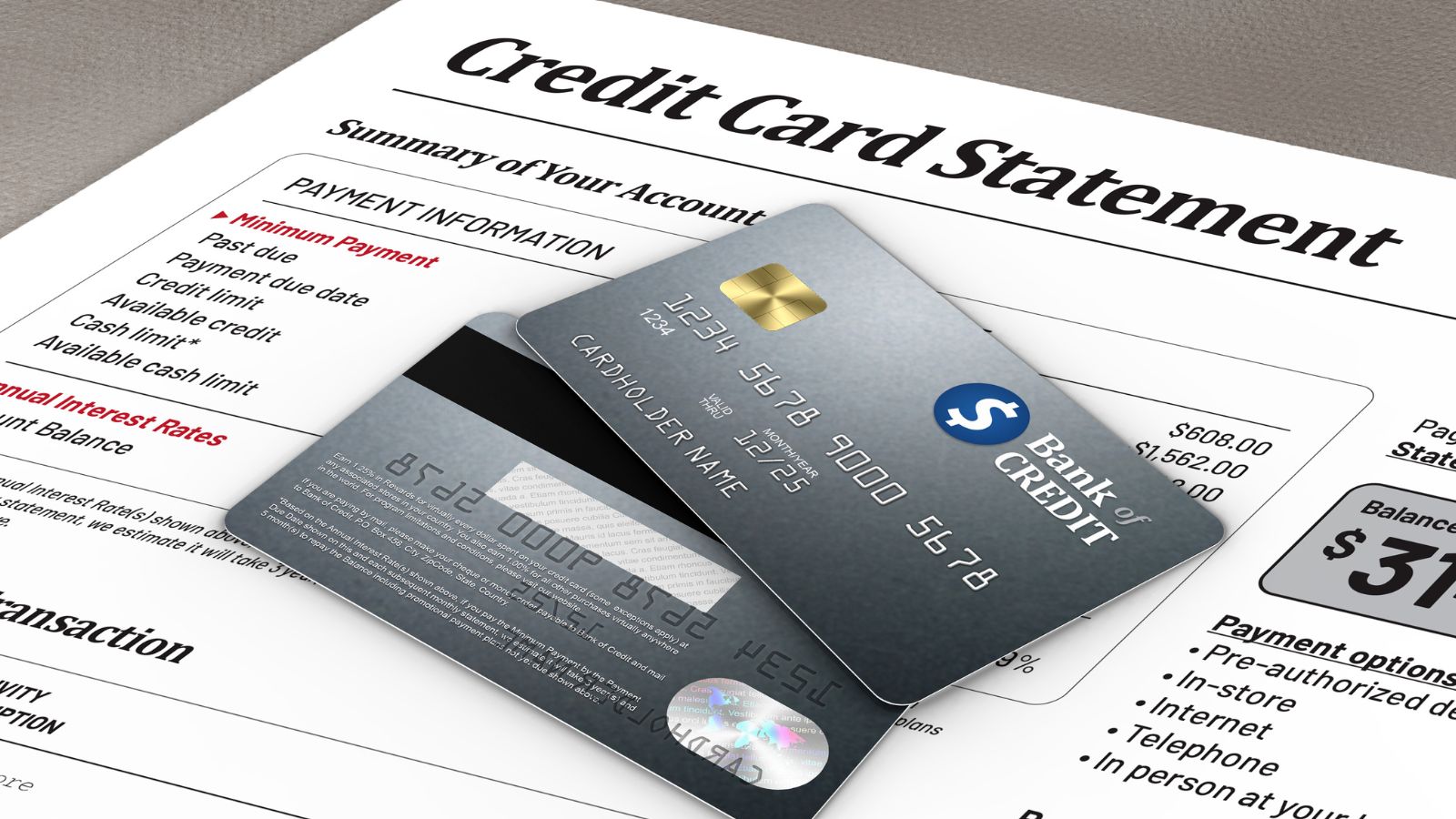
Credit cards can make summer feel manageable until interest starts compounding. The Financial Consumer Agency of Canada explains that cardholders pay interest if they do not pay the balance in full by the due date, and rates may vary by transaction type. Its example notes regular purchase rates around 19% and cash advance rates around 22%, while retail or specialized cards may be higher.
A smart June move is to clear or reduce balances before travel, camp, gas, and entertainment charges begin. Even an extra $200 payment toward a high-interest card can matter more than earning a small amount of rewards on new spending. A household planning a July trip may be better off lowering the existing balance first, then setting a strict vacation card limit that can be paid off within one billing cycle.
Review Car Insurance Before Renting or Road-Tripping

Summer driving often includes borrowed vehicles, rental cars, longer distances, and trips outside normal commuting patterns. Insurance Bureau of Canada guidance says personal auto insurance may or may not cover a rental car, depending on optional coverage. The Financial Consumer Agency of Canada also advises consumers to understand coverage, premiums, deductibles, settlement options, and how claims are handled.
June is the right time to call the insurer or broker before arriving at the rental counter. A driver may already have coverage through an auto policy or credit card, but assumptions can be costly if exclusions apply. Reviewing liability, collision, comprehensive coverage, deductibles, and rental endorsements can prevent paying for duplicate coverage or, worse, declining coverage that was actually needed. This is especially important for long weekends when rental desks are busy.
Check Passports and Travel Documents Before Prices Rise Around the Trip

Travel documents rarely feel urgent until the departure date gets close. The Government of Canada advises travellers not to finalize travel plans until they have their passport and lists service standards that can vary by application method. In 2026, Canada also announced a passport processing guarantee, with normal service standards ranging from 10 to 20 business days plus mailing time depending on where and how the application is submitted.
A June check can prevent expensive fixes later. Families should look at expiry dates, children’s passports, visa requirements, and name-matching details before booking non-refundable flights or hotels. One expired child passport can turn a bargain fare into a costly rebooking problem. Even domestic trips can require identification for flights, hotel check-ins, or car rentals, so document checks belong in the budget conversation, not just the packing list.
Create a Summer Activity Cap Before Kids Are Out of School

Summer can turn into a rolling invoice for families: day camps, sports clinics, pool passes, amusement parks, extra snacks, and transit. The costs rarely arrive at once, which makes them harder to control. A camp deposit in early June may be followed by equipment, sunscreen, lunches, field-trip fees, and a last-minute request from a child who hears where friends are going.
A useful June move is to create a summer activity cap by child or by category. For example, a family might choose one paid camp, one low-cost municipal program, and a weekly free outdoor activity. The cap should include the hidden extras, not just registration fees. Parks, libraries, splash pads, and community events can fill gaps without making the season feel deprived. Boundaries set in June are easier than refusals made under July pressure.
Audit Subscriptions Before Home Entertainment Habits Change

Streaming, fitness apps, meal kits, cloud storage, news plans, and children’s learning apps can quietly survive long after their usefulness fades. The Financial Consumer Agency of Canada offers budgeting tools and consumer education aimed at helping Canadians track spending and manage financial products. Subscription creep becomes more noticeable in summer because households often spend more time outside while still paying for indoor services.
A June audit means checking bank and card statements for recurring charges, then cancelling or pausing anything unlikely to be used during the next three months. A family that pauses two streaming services, downgrades one app, and cancels an unused trial may free up enough for a tank of gas or several picnic lunches. The best test is simple: if nobody can name the last time it was used, it deserves review.
Move Emergency Savings Away From Everyday Spending

Summer is full of predictable fun and unpredictable repairs. A broken phone, a flat tire, a pet emergency, or a cancelled flight can push households toward credit if emergency savings are mixed into the everyday chequing account. The Financial Consumer Agency of Canada says an emergency fund helps people handle unexpected expenses without going into debt or using high-cost borrowing such as payday loans or credit card cash advances.
June is a good month to separate emergency money physically or digitally. Even a small automatic transfer on payday can help if it is placed in an account that is not used for groceries or entertainment. The point is not to build a perfect fund overnight. It is to create friction so a weekend sale, restaurant bill, or impulsive booking does not consume money meant for real emergencies.
Compare Interest Rates Before Renewing Savings or Debt Plans

The Bank of Canada held its policy interest rate at 2.25% on April 29, 2026, and listed June 10, 2026, as the next interest rate announcement date. That makes June a useful moment to review variable-rate debt, savings accounts, lines of credit, and short-term deposits. Even when rates do not move, banks may adjust offers, promotional savings rates, and borrowing terms.
Canadians with cash set aside for taxes, tuition, travel, or emergency savings can compare high-interest savings accounts, redeemable GICs, and chequing account fees before leaving money idle. Borrowers can check whether a line of credit, credit card, or installment loan is carrying the highest rate in the household. The best June move is not guessing where rates are going; it is knowing which balances are earning too little or costing too much.
Plan Currency Exchange Before Cross-Border Spending

Cross-border trips can make prices look deceptively familiar. A hotel listed at $180 U.S., a restaurant bill in U.S. dollars, or outlet shopping with foreign transaction fees can be much more expensive once converted. Reuters reported the Canadian dollar was near an eight-week low against the U.S. dollar in early June 2026, trading around the low-72-U.S.-cent range, underscoring how exchange rates can affect travel budgets.
A June money move is to estimate the Canadian-dollar cost before booking or shopping. Travellers can compare credit card foreign transaction fees, debit withdrawal fees, and exchange rates offered by banks or currency services. A family heading to Buffalo, Seattle, or Maine may find that a “cheap” weekend becomes less compelling after fuel, lodging, meals, and exchange costs are added. Converting the budget early keeps the trip honest.
Pre-Buy Summer Essentials Only When the Math Works

Sunscreen, insect repellent, sandals, sports gear, coolers, swimwear, and patio items all get promoted heavily in June. Buying ahead can save money, but only when it replaces later full-price purchases rather than creating extra consumption. Retail sales data can show strong seasonal movement, but household budgets are affected by what gets bought, stored, forgotten, and bought again.
The best June approach is to check what is already in the house before shopping. Many households have half-used sunscreen, beach towels, camping gear, or reusable water bottles tucked away from last year. A simple “summer bin” inventory can stop duplicate buying. When essentials are truly needed, unit prices and durability matter more than the size of the sale sign. A $20 item used all summer beats a $9 item that breaks after two weekends.
Set a Restaurant and Patio Budget Before Social Spending Speeds Up

Warm weather changes social habits. Patios reopen, friends suggest dinner after work, and families buy takeout after late sports practices. Food away from home can be one of the easiest summer categories to underestimate because it feels social rather than financial. Canada’s Food Price Report 2026 and Statistics Canada’s food data both point to continued pressure on food costs, which affects restaurants as well as grocery aisles.
A June move is to set a restaurant budget that still leaves room for enjoyment. Instead of banning meals out, households can decide on a monthly patio amount, choose lunch over dinner, share appetizers, or reserve restaurant spending for occasions that actually matter. A couple who swaps two spontaneous takeout nights for planned backyard meals may still enjoy summer while keeping the credit card from carrying the season into fall.
Review Phone and Data Plans Before Travel and Outdoor Use Jump

Summer can change mobile use quickly. Navigation, music streaming, hotspot use at cottages, video calls, roaming, and kids watching content in the car can push households beyond normal patterns. A plan that worked in February may be too tight by July, especially if it charges high overage or roaming fees. The problem is often not the base plan but the add-ons people accept after the bill is already high.
June is the time to check data limits, roaming packages, family sharing, device balances, and cancellation terms. A household travelling within Canada may need better data coverage, while one crossing the border may need a temporary roaming package. Calling the provider before travel can sometimes reveal cheaper plans or promotional offers. The goal is to avoid paying premium overage rates for usage that was predictable weeks earlier.
Schedule Home and Rental Maintenance Before Emergency Pricing Hits

Summer maintenance can be expensive when it becomes urgent. Air conditioner repairs, clogged gutters, leaking hoses, pest issues, worn deck boards, and appliance failures often get noticed when people are already busy or hosting guests. Natural Resources Canada’s energy-efficiency programs and guidance emphasize that efficient homes can save money, while Statistics Canada data shows cooling equipment is now common in Canadian households.
A June walkthrough can catch problems before peak demand. Homeowners can inspect filters, vents, windows, outdoor taps, sump pumps, and shaded areas around cooling equipment. Renters can document maintenance issues early and contact landlords before heat waves or long weekends. A small repair request made in June may be easier to resolve than an emergency call during a holiday weekend. Preventive attention is not glamorous, but it protects both comfort and cash flow.
19 Things Canadians Don’t Realize the CRA Can See About Their Online Income

Earning money online feels simple and informal for many Canadians. Freelancing, selling products, and digital services often start as side projects. The problem appears at tax time. Many people underestimate how much information the CRA can access. Online platforms, banks, and payment processors create detailed records automatically. These records do not disappear once money hits an account. Small gaps in reporting add up quickly.
Here are 19 things Canadians don’t realize the CRA can see about their online income.
This Options Discord Chat is The Real Deal
While the internet is scoured with trading chat rooms, many of which even charge upwards of thousands of dollars to join, this smaller options trading discord chatroom is the real deal and actually providing valuable trade setups, education, and community without the noise and spam of the larger more expensive rooms. With a incredibly low-cost monthly fee, Options Trading Club (click here to see their reviews) requires an application to join ensuring that every member is dedicated and serious about taking their trading to the next level. If you are looking for a change in your trading strategies, then click here to apply for a membership.