35,000+ smart investors are already getting financial news, market signals, and macro shifts in the economy that could impact their money next with our FREE weekly newsletter. Get ahead of what the crowd finds out too late. Click Here to Subscribe for FREE.
Many Canadians have noticed grocery packages getting smaller while prices remain the same. This practice, often called shrinkflation, affects a wide range of everyday products. Snacks, cereal, dairy items, and packaged foods may quietly lose weight or volume without clear announcements. As a result, shoppers sometimes pay more without realizing the change. While price increases receive attention, package size reductions can be harder to notice. Smart grocery habits can help shoppers protect their budgets. Comparing unit prices, watching packaging changes, and choosing alternative products all make a difference. Here are 18 grocery store tricks Canadians use to beat shrinkflation.
Check Unit Prices Instead of Package Sizes
18 Grocery Store Tricks Canadians Use to Beat Shrinkflation
- Check Unit Prices Instead of Package Sizes
- Compare Different Package Sizes on the Shelf
- Switch to Store Brand Products When Sizes Shrink
- Buy Larger Bulk Packages When the Unit Price Is Lower
- Pay Attention to Weight Changes on Familiar Products
- Shop at Multiple Canadian Grocery Stores for Better Value
- Use Discount Grocery Chains for Pantry Staples
- Stock Up During Major Grocery Sales
- Freeze Extra Portions When Buying Larger Packs
- Choose Whole Ingredients Instead of Packaged Meals
- Compare Fresh, Frozen, and Canned Options
- Watch for Hidden Price Increases in “New Packaging”
- Track Price Changes Using Grocery Apps or Flyers
- Replace Expensive Items With Lower Cost Alternatives
- Cook From Scratch Instead of Buying Processed Foods
- Buy Seasonal Produce When Prices Drop
- Pay With Cashback or Grocery Rewards Credit Cards
- Review Receipts to Monitor Grocery Spending
- 22 Groceries to Grab Now—Before another Price Shock Hits Canada

Shrinkflation often hides inside familiar packaging. Products may look the same, but the quantity inside decreases. Checking unit prices helps reveal the real cost of each item. Canadian grocery stores usually show unit prices on shelf labels. These labels display the cost per gram, kilogram, or litre. This number helps shoppers compare products more accurately. Two packages may appear similar in price but contain different amounts. Unit pricing makes the better value easier to identify. This habit becomes especially useful when companies reduce product sizes quietly. Many shoppers overlook this small detail while shopping quickly. Canadians who rely on unit prices rather than package size often make smarter purchasing decisions and reduce the impact of shrinkflation on their grocery budgets.
Compare Different Package Sizes on the Shelf

Grocery shelves often display several package sizes of the same product. Smaller packages may appear cheaper at first glance. However, the larger version sometimes offers better value per unit. Taking a moment to compare sizes can reveal these differences. Manufacturers sometimes shrink medium-sized packages while keeping prices similar. Larger family packs may still provide better value in those situations. This comparison helps shoppers avoid paying more for less product. The same strategy works for items such as cereal, snacks, rice, and cooking oil. Looking across the entire shelf helps identify the most economical option. Canadians who regularly compare package sizes often stretch their grocery budgets further without changing the products they buy.
Switch to Store Brand Products When Sizes Shrink
Shrinkflation affects many popular national brands. When package sizes decrease, store brands sometimes remain more consistent. Canadian grocery chains offer their own private-label products. Examples include store brands from major retailers across the country. These items usually cost less than well-known brands. In many cases, the ingredients and quality remain similar. Store brands often avoid heavy marketing costs, which keeps prices lower. When shoppers notice shrinking packages from major brands, switching becomes a practical option. Many households discover they enjoy the store brand version just as much. Canadians who shift toward private-label products often protect their grocery budgets during periods of shrinkflation.
Buy Larger Bulk Packages When the Unit Price Is Lower

Bulk packages can sometimes provide better value when shrinkflation affects smaller items. Larger packages often reduce the price per unit compared with smaller versions. For example, large bags of rice, oats, or flour often cost less per kilogram. This strategy works well for products that store easily at home. Pantry staples with long shelf lives benefit most from bulk purchases. However, shoppers should still check unit prices carefully. Some bulk packages do not actually offer savings. When the price per unit drops, buying larger quantities becomes worthwhile. Canadians who use this method for non-perishable groceries often reduce their long-term grocery costs.
Pay Attention to Weight Changes on Familiar Products
Shrinkflation sometimes happens quietly without clear announcements. Familiar products may look identical on the shelf. However, the weight or volume listed on the package may change slightly. A cereal box that once held 500 grams may now contain 450 grams. The price may remain the same despite the smaller quantity. Checking the weight printed on the label helps reveal these changes. Shoppers who buy certain items regularly may notice the difference quickly. Paying attention to these details helps prevent unnoticed price increases. Canadians who monitor product weights often stay ahead of shrinkflation and adjust their shopping habits accordingly.
Shop at Multiple Canadian Grocery Stores for Better Value

Different grocery stores often price products differently. Some stores offer lower prices for specific categories. Others focus on promotions or bulk discounts. Shopping at more than one store helps identify better deals. Many Canadians visit one store for produce and another for pantry staples. Flyers and online deals can guide these decisions. This approach requires slightly more planning but often saves money. Comparing prices across stores helps reveal where shrinkflation affects products most. Some retailers adjust sizes or pricing faster than others. Canadians who spread their grocery shopping across several stores often find better value throughout the week.
Use Discount Grocery Chains for Pantry Staples

Discount grocery chains in Canada focus on lower prices for everyday foods. These stores usually carry many basic items such as rice, pasta, canned goods, and vegetables. Pantry staples often cost less compared with premium grocery stores. Discount stores may reduce costs through simpler store layouts and fewer services. However, the food selection remains wide enough for most household needs. Buying pantry staples from these stores helps reduce weekly grocery bills. Many shoppers combine discount stores with other retailers for specialty products. Canadians who rely on discount grocery chains for basic items often manage shrinkflation more effectively.
Stock Up During Major Grocery Sales

Sales provide an opportunity to purchase groceries before prices increase. Many stores offer weekly promotions on common household items. When these products reach lower prices, buying extra can help offset the effects of shrinkflation. Stocking up works best for items with longer shelf lives. Pantry staples, canned goods, and frozen foods remain suitable for this strategy. Shoppers should still stay within reasonable quantities. Buying more than needed may lead to waste. Tracking flyer promotions helps identify these opportunities early. Canadians who stock up during sales often pay less overall for items that frequently shrink in size or increase in price.
Freeze Extra Portions When Buying Larger Packs
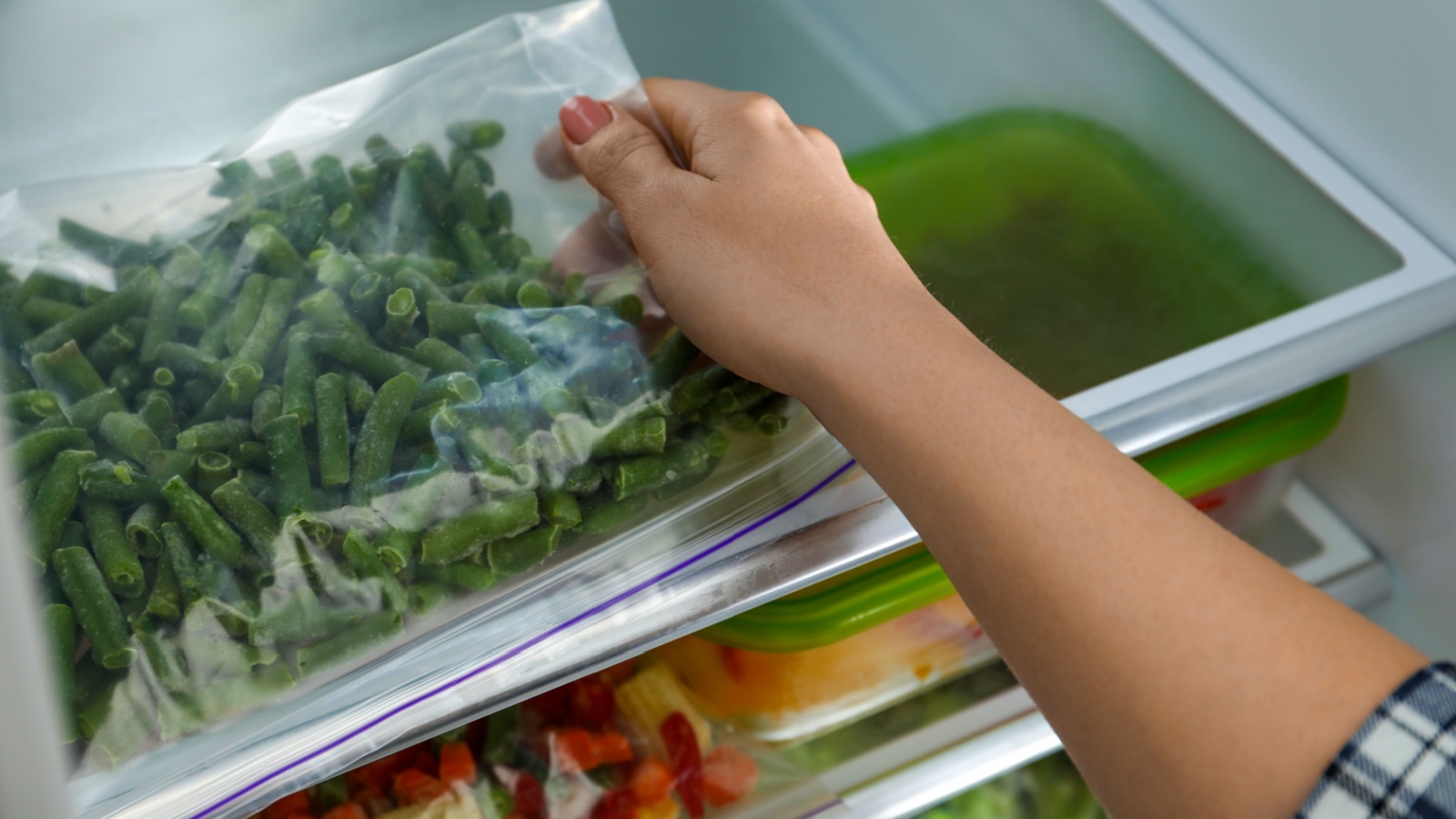
Buying larger packs often lowers the cost per unit, but storing the extra food properly matters. Freezing extra portions helps households keep those savings without wasting food. Many items freeze well, including meat, bread, vegetables, and cooked meals. Dividing the larger pack into smaller portions makes future cooking easier. Freezer bags or sealed containers help protect food quality. Labeling each portion with the date helps track how long it stays fresh. This habit allows shoppers to buy larger packs when prices are good. Instead of rushing to use everything quickly, the food stays available for later meals. Canadians who freeze extra portions often benefit from bulk savings while avoiding food waste.
Choose Whole Ingredients Instead of Packaged Meals
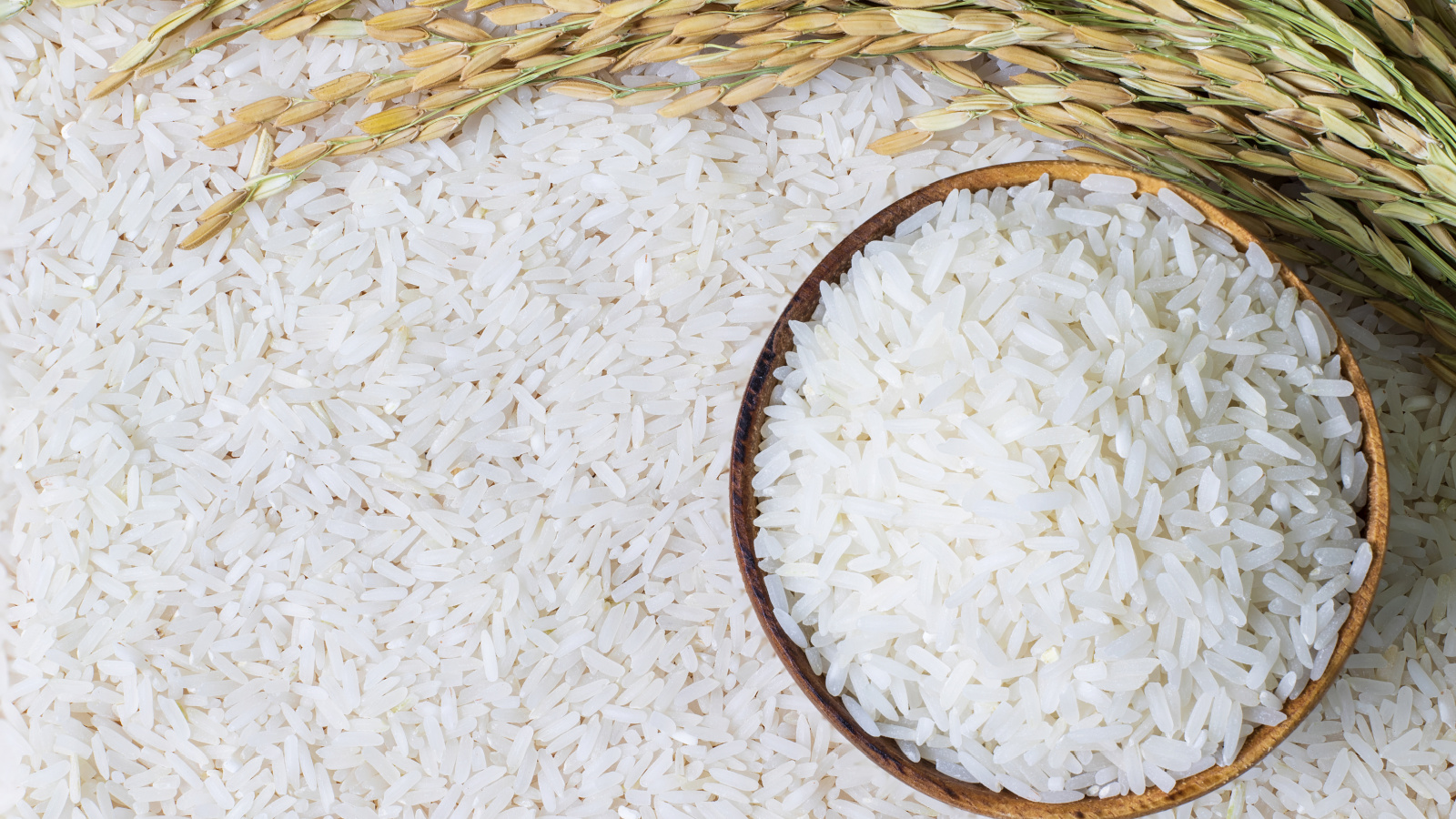
Packaged meals and ready-to-eat foods often cost more than basic ingredients. These products include extra costs for preparation, packaging, and marketing. Whole ingredients such as vegetables, grains, and beans usually provide better value. Preparing meals at home allows households to stretch groceries further. Whole foods also offer more flexibility in cooking. A bag of rice or potatoes can support several different dishes. In contrast, a single packaged meal serves only one purpose. Canadians who rely more on basic ingredients often reduce grocery spending. Cooking with simple foods also helps families control portion sizes and ingredients.
Compare Fresh, Frozen, and Canned Options

The same ingredient can appear in fresh, frozen, or canned forms at the grocery store. Prices often vary between these versions. Fresh produce sometimes costs more when it is out of season. Frozen or canned alternatives may offer better value during those periods. Frozen vegetables usually keep their nutrients because they are preserved quickly after harvest. Canned products often last longer in the pantry. Comparing these options helps shoppers choose the most affordable form. The choice may change throughout the year depending on supply. Canadians who check all versions often save money while still maintaining balanced meals.
Watch for Hidden Price Increases in “New Packaging”
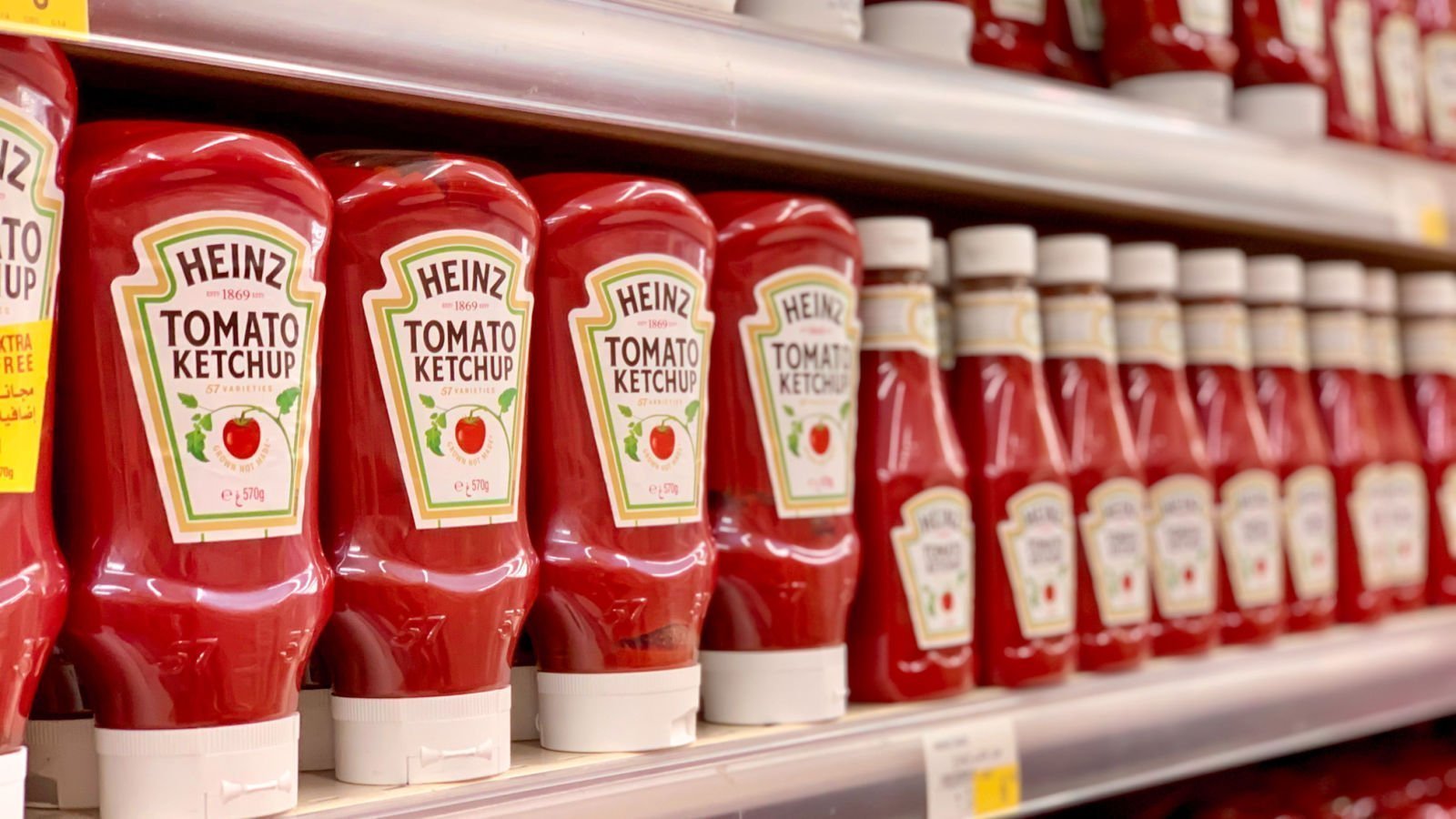
Manufacturers sometimes introduce “new packaging” to attract attention. These changes may look like improvements, but they sometimes hide smaller product sizes. A redesigned box or bag may hold less product than before. The price may remain unchanged despite the reduced quantity. Shoppers who compare weight labels can detect these changes quickly. Looking beyond the design reveals the product’s real value. Companies may quietly reduce product size through packaging updates. Canadians who examine labels carefully often notice these hidden changes before they affect their grocery spending.
Track Price Changes Using Grocery Apps or Flyers

Price tracking helps shoppers recognize when costs increase or decrease. Many Canadian grocery stores publish weekly flyers with current promotions. Digital flyer apps allow shoppers to compare deals across multiple stores. Tracking these promotions helps identify when favorite items reach lower prices. Shoppers may then buy those products before prices rise again. Grocery apps also help monitor price trends over time. This awareness helps detect shrinkflation more quickly. Canadians who regularly check flyers and grocery apps often spot better deals and maintain better control over their grocery budgets.
Replace Expensive Items With Lower Cost Alternatives

Some grocery items increase in price faster than others. When this happens, switching to alternatives helps control spending. For example, beans or lentils can replace some meat dishes. Seasonal vegetables can replace more expensive imported produce. Store brand versions may also replace premium brands. These substitutions often maintain similar nutrition while lowering costs. Many households adjust recipes based on what is currently affordable. This flexible approach helps manage grocery budgets during periods of rising prices. Canadians who remain open to alternatives often continue preparing balanced meals without overspending.
Cook From Scratch Instead of Buying Processed Foods

Processed foods usually include extra costs for packaging and factory preparation. Cooking from scratch removes many of these added expenses. Basic ingredients such as flour, rice, vegetables, and eggs can be used to make many meals. Preparing dishes at home also allows better portion control. Homemade soups, sauces, and baked goods often cost less than packaged versions. The process may take longer, but it usually saves money. Cooking larger batches can also provide leftovers for future meals. Canadians who cook from scratch more often typically reduce grocery costs while maintaining control over ingredients.
Buy Seasonal Produce When Prices Drop

Produce prices vary by season. Fruits and vegetables often cost less during their natural harvest seasons. Canadian markets usually offer lower prices for seasonal produce. Summer months often bring affordable berries, tomatoes, and corn. Autumn brings apples, squash, and root vegetables. Choosing these seasonal foods helps reduce grocery bills. Seasonal produce also tends to taste fresher. Planning meals around these ingredients helps households maintain variety while saving money. Canadians who follow seasonal produce cycles often experience better value and better flavor in their meals.
Pay With Cashback or Grocery Rewards Credit Cards

Some credit cards offer cash back or reward points on grocery purchases. These programs return a small percentage of spending to the cardholder. Over time, these rewards can reduce overall grocery costs. Points may convert into statement credits or grocery discounts. However, the benefit is most effective when balances are paid in full each month. Interest charges can cancel the value of rewards. Using these cards responsibly helps shoppers earn small savings from regular purchases. Canadians who combine reward cards with careful budgeting often stretch their grocery dollars further.
Review Receipts to Monitor Grocery Spending
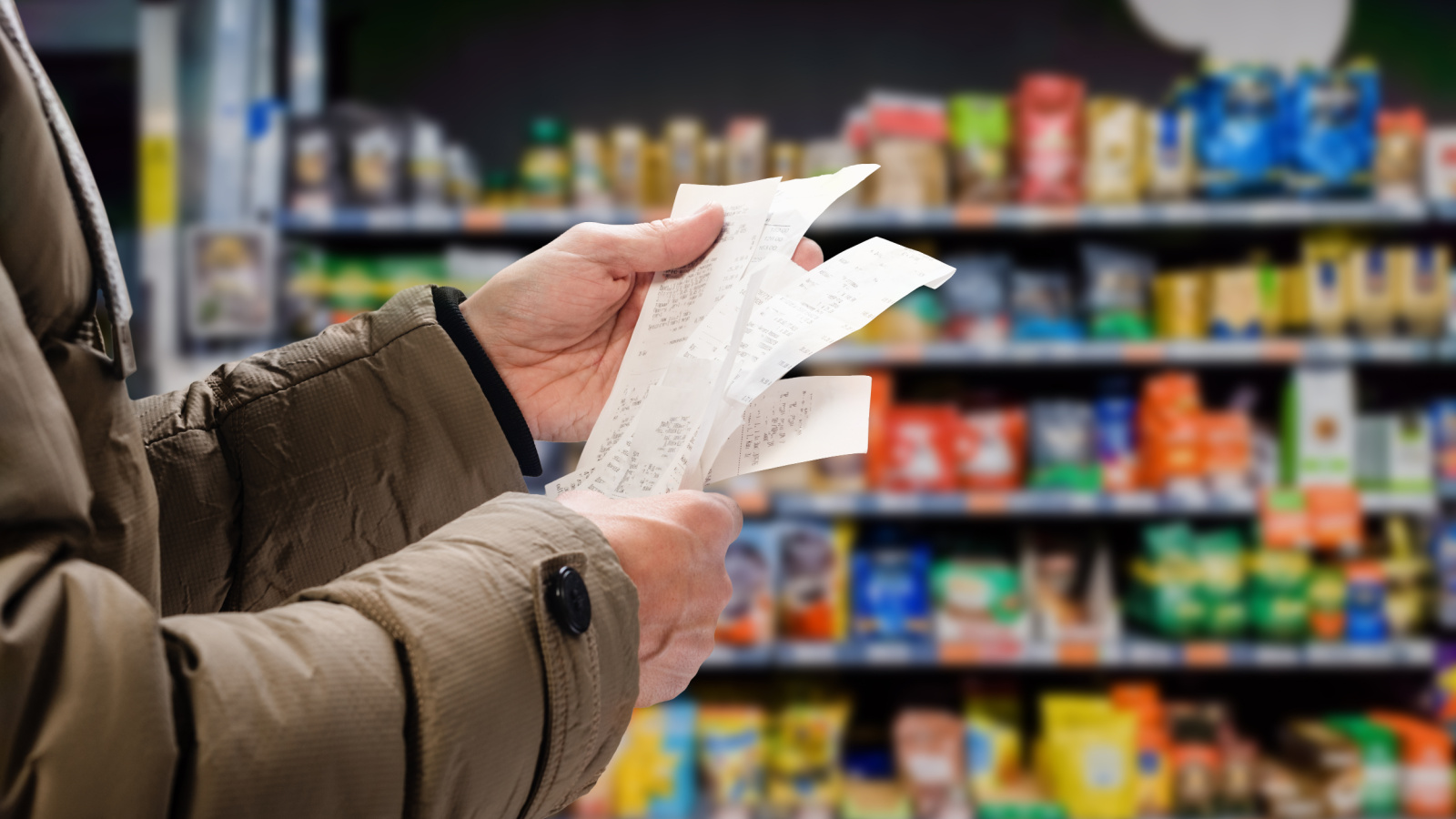
Receipts provide useful information about grocery spending habits. Reviewing them helps shoppers understand where money goes each week. Price increases or shrinkflation may become visible through careful receipt checks. Some shoppers compare receipts with previous purchases to track changes. This habit also helps identify pricing mistakes at checkout. Monitoring receipts allows households to adjust shopping habits when necessary. Grocery spending becomes easier to control when purchases remain visible. Canadians who review receipts regularly often notice patterns that help them make smarter shopping decisions.
22 Groceries to Grab Now—Before another Price Shock Hits Canada

Food prices in Canada have been steadily climbing, and another spike could make your grocery bill feel like a mortgage payment. According to Statistics Canada, food inflation remains about 3.7% higher than last year, with essentials like bread, dairy, and fresh produce leading the surge. Some items are expected to rise even further due to transportation costs, droughts, and import tariffs. Here are 22 groceries to grab now before another price shock hits Canada.
22 Groceries to Grab Now—Before another Price Shock Hits Canada
This Options Discord Chat is The Real Deal
While the internet is scoured with trading chat rooms, many of which even charge upwards of thousands of dollars to join, this smaller options trading discord chatroom is the real deal and actually providing valuable trade setups, education, and community without the noise and spam of the larger more expensive rooms. With a incredibly low-cost monthly fee, Options Trading Club (click here to see their reviews) requires an application to join ensuring that every member is dedicated and serious about taking their trading to the next level. If you are looking for a change in your trading strategies, then click here to apply for a membership.