
35,000+ smart investors are already getting financial news, market signals, and macro shifts in the economy that could impact their money next with our FREE weekly newsletter. Get ahead of what the crowd finds out too late. Click Here to Subscribe for FREE.
Spring often sparks the urge to clean closets and reset routines. It is also a smart time to reset your money habits. Investing does not have to mean watching markets every hour. Most wealth grows quietly through steady systems. When your plan runs in the background, you make fewer emotional choices. You also free up time for work, family, and life. The goal is consistency, not constant tweaking. A few automatic moves can shape your financial future for years. Here are 18 best “Set and Forget” investing habits Canadians can start this spring.
Automate Contributions to Your TFSA
18 Best “Set and Forget” Investing Habits Canadians Can Start This Spring
- Automate Contributions to Your TFSA
- Schedule Monthly RRSP Contributions
- Use Dollar Cost Averaging for New Investments
- Invest Through Low-Cost Index Funds
- Set Up Automatic Dividend Reinvestment
- Rebalance Your Portfolio Once a Year
- Increase Contributions with Every Raise
- Open a RESP for Your Children
- Keep an Automatic Emergency Fund Transfer
- Use Payroll Deduction Investment Plans
- Consolidate Old Investment Accounts
- Set Up Automatic Bill and Debt Payments
- Avoid Checking Your Portfolio Daily
- Choose Broad Diversification Early
- Automate Tax Refund Investing
- Keep Fees Under Regular Review
- Name Your Long-Term Goals Clearly
- Create a Simple Investment Policy Statement
- 22 Groceries to Grab Now—Before another Price Shock Hits Canada

Setting up automatic deposits to your Tax-Free Savings Account builds discipline without daily effort. Choose a fixed amount that leaves room for bills and groceries. Schedule the transfer for the day after payday. That way, the money moves before you can spend it. Even modest sums add up over time. A regular schedule reduces the urge to time the market. You buy during highs and lows without thinking about headlines. Review your contribution room each year. Then adjust the amount if your income changes. Once it runs automatically, your TFSA grows quietly in the background.
Schedule Monthly RRSP Contributions
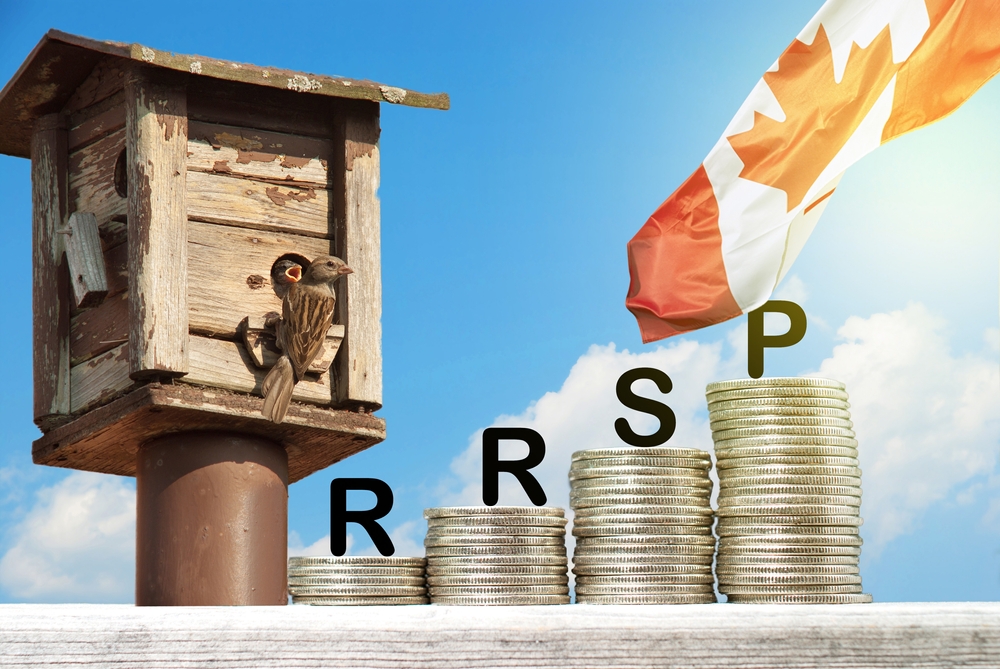
Registered Retirement Savings Plan contributions lower taxable income and build retirement savings. Instead of scrambling at tax time, spread contributions across the year. Monthly deposits feel lighter than one large payment. They also smooth out market swings through regular buying. Contact your bank or brokerage to set up recurring transfers. Pick a date that matches your cash flow. Increase the amount after raises or bonuses. Avoid stopping contributions during short market dips. Retirement investing works best with patience. When your RRSP funding runs on autopilot, you remove stress and last-minute decisions.
Use Dollar Cost Averaging for New Investments

Dollar cost averaging means investing a fixed amount at regular intervals. You buy more shares when prices fall. You buy fewer when prices rise. Over time, this balances your average cost. It also reduces anxiety about picking the perfect entry point. Set up automatic purchases through your brokerage account. Choose weekly or monthly intervals. Stick to the schedule during volatile periods. Avoid pausing because of scary headlines. Markets move in cycles. A steady plan keeps you participating without overthinking. This habit turns market noise into background sound instead of daily drama.
Invest Through Low-Cost Index Funds

Low-cost index funds track broad market indexes. They aim to mirror performance rather than beat it. Fees stay lower than those of many actively managed funds. Over decades, lower fees can mean thousands saved. Choose funds that match your risk comfort and timeline. Many Canadian investors use all-in-one asset allocation funds. These combine stocks and bonds in one product. Once purchased, they need little attention. You avoid constant stock picking and trading. Revisit your choice once a year. Otherwise, let the fund follow the market while you focus elsewhere.
Set Up Automatic Dividend Reinvestment

Many companies pay dividends to shareholders. Instead of taking the cash, you can reinvest it automatically. This is often called a dividend reinvestment plan. Your brokerage usually offers this option for free. Each payment buys more shares without extra action from you. Over time, those extra shares can generate their own dividends. Compounding works quietly but steadily. You avoid the temptation to spend small payouts. Review your holdings once a year to confirm they still fit your goals. Otherwise, let dividends roll back into your investments without manual transfers.
Rebalance Your Portfolio Once a Year
Over time, some investments grow faster than others. Your original asset mix can drift. A portfolio that started balanced may lean heavily toward stocks. Schedule a single annual review date. Compare your current allocation to your target. Sell small portions of overweight assets. Add to the underweight areas. Keep the changes measured and calm. Avoid reacting to short-term market swings. A yearly rebalance keeps risk in check without constant monitoring. Mark the date on your calendar each spring. Outside that window, leave your portfolio alone and let it work.
Increase Contributions with Every Raise

When your income rises, lifestyle spending often rises too. Instead, divert part of each raise to investments. Even a small percentage makes a difference over decades. Update your automatic transfers as soon as your pay changes. You will adjust quickly to the new take-home amount. This approach prevents money from disappearing into daily expenses. It also speeds up long-term growth without dramatic sacrifice. Review your budget annually to spot room for increases. Let each career step quietly strengthen your financial base without adding stress.
Open a RESP for Your Children
If you have children, a Registered Education Savings Plan offers long-term benefits. The federal government adds grants to eligible contributions. Setting up automatic deposits makes saving easier. Even small monthly amounts qualify for matching grants. Choose diversified investments suited for your child’s age. As they grow older, they shift gradually toward lower-risk options. Avoid trying to guess market peaks and valleys. A steady approach works best over many years. Review the account annually for contribution limits. With automation in place, education savings progress without repeated decisions.
Keep an Automatic Emergency Fund Transfer

Investing works best when you avoid withdrawing during market drops. An emergency fund protects you from that pressure. Set up automatic transfers to a high-interest savings account. Aim for three to six months of basic expenses. Build it gradually if needed. Once funded, keep contributions small but steady. This cushion lets your investments stay untouched during job changes or repairs. It also reduces reliance on credit cards. Review the balance once a year. Otherwise, let the transfers run quietly in the background.
Use Payroll Deduction Investment Plans

Some employers offer payroll deduction investment programs. Contributions come directly from your paycheck. You never see the money in your chequing account. This makes saving feel painless. Many plans include group RRSPs or pension programs. Some employers also match contributions. Take full advantage of any match offered. That match is part of your total compensation. Increase your deduction percentage over time if possible. Avoid stopping contributions during market swings. Payroll investing builds consistency with almost no ongoing effort from you.
Consolidate Old Investment Accounts
Many Canadians hold scattered accounts from past jobs or banks. Multiple statements can create confusion. Consolidating accounts simplifies tracking and rebalancing. Transfer assets into one brokerage when possible. Check for transfer fees and tax implications first. A single platform reduces paperwork and forgotten investments. It also makes automatic contributions easier to manage. Review your holdings after consolidation. Remove overlapping funds that track similar markets. Once organized, you spend less time checking different accounts. Your investments operate in a cleaner, more manageable system.
Set Up Automatic Bill and Debt Payments

High-interest debt can quietly erode investment gains. Automate at least the minimum payment on all debts. If possible, schedule extra payments toward the highest interest balance. Align payment dates with your pay schedule. This reduces late fees and missed payments. Lower debt frees up more room for investing later. Review balances every few months to track progress. When a debt is paid off, redirect that payment to investments. This keeps your financial system moving forward without extra decisions each month.
Avoid Checking Your Portfolio Daily
Constantly checking investment balances can trigger emotional reactions. Markets rise and fall regularly. Daily swings rarely matter for long-term goals. Set a rule to review your portfolio quarterly or annually. Remove investing apps from your home screen if needed. Less visibility reduces impulsive trading. Trust the systems you have already set. If news headlines feel alarming, pause before making changes. Most long-term investors benefit from patience. A little distance protects you from short-term panic and keeps your strategy intact.
Choose Broad Diversification Early

Diversification spreads risk across sectors and regions. Instead of picking a few stocks, own many. Broad index funds make this simple. They hold companies from Canada, the United States, and global markets. Bonds can also add stability to your mix. Decide your allocation based on age and comfort with risk. Once set, avoid frequent adjustments. Markets rotate leadership over time. Diversification means you do not need to predict winners. A well-spread portfolio can ride out different economic cycles with fewer shocks.
Automate Tax Refund Investing
Tax refunds often disappear into short-term spending. Instead, plan to invest them. Set up an automatic transfer from your chequing account to your investment account. Schedule it as soon as the refund arrives. You can direct it to your TFSA or RRSP. Treat the refund as part of your annual investment plan. This habit prevents impulse purchases. It also boosts contributions without touching regular income. Review contribution limits beforehand. With one scheduled move each year, your refund strengthens your financial future.
Keep Fees Under Regular Review

Investment fees reduce returns over time. Even small percentages matter across decades. Review management expense ratios once a year. Compare them with similar low-cost options. Avoid switching funds too frequently. Focus on long-term cost differences rather than short-term performance. If you work with an advisor, understand how they are paid. Transparent fees help you make informed decisions. After reviewing, leave your plan alone for the year. A simple annual check keeps costs reasonable without constant comparison shopping.
Name Your Long-Term Goals Clearly

Clear goals support steady investing. Write down what you are saving for. It could be retirement, a home, or financial independence. Assign approximate timelines to each goal. Match investments to those timelines. Longer horizons can tolerate more market swings. Shorter goals may need safer assets. Review goals once a year in the spring. Adjust amounts if your situation changes. Keeping goals visible reduces the urge to chase trends. When your purpose is clear, staying consistent feels easier.
Create a Simple Investment Policy Statement

An investment policy statement sounds formal, but can be short. Write down your target allocation and contribution schedule. Note how often you will rebalance. Include rules about not reacting to headlines. Keep it to one page. Store it with your financial documents. When markets feel uncertain, reread your plan. It acts as a personal reminder of why you started. Update it only after careful thought, not emotion. This written guide keeps your strategy steady year after year.
22 Groceries to Grab Now—Before another Price Shock Hits Canada

Food prices in Canada have been steadily climbing, and another spike could make your grocery bill feel like a mortgage payment. According to Statistics Canada, food inflation remains about 3.7% higher than last year, with essentials like bread, dairy, and fresh produce leading the surge. Some items are expected to rise even further due to transportation costs, droughts, and import tariffs. Here are 22 groceries to grab now before another price shock hits Canada.
22 Groceries to Grab Now—Before another Price Shock Hits Canada
This Options Discord Chat is The Real Deal
While the internet is scoured with trading chat rooms, many of which even charge upwards of thousands of dollars to join, this smaller options trading discord chatroom is the real deal and actually providing valuable trade setups, education, and community without the noise and spam of the larger more expensive rooms. With a incredibly low-cost monthly fee, Options Trading Club (click here to see their reviews) requires an application to join ensuring that every member is dedicated and serious about taking their trading to the next level. If you are looking for a change in your trading strategies, then click here to apply for a membership.