35,000+ smart investors are already getting financial news, market signals, and macro shifts in the economy that could impact their money next with our FREE weekly newsletter. Get ahead of what the crowd finds out too late. Click Here to Subscribe for FREE.
Rising summer temperatures can change grocery bills in quiet ways long before a cart reaches the checkout. Patio meals, cottage weekends, backyard barbecues, chilled drinks, fresh fruit, and quick-prep dinners all create seasonal demand that stores know how to shape. In Canada, where food prices have already climbed sharply in recent years, summer shopping can feel especially vulnerable to small pricing decisions that add up fast.
These 17 ways show how Canadian grocery stores can make warm-weather shopping more expensive, from front-door displays and smaller package sizes to convenience markups, loyalty pricing, and seasonal impulse zones. The costs are not always obvious, but they often appear exactly where summer shoppers are most likely to stop, grab, and keep moving.
Seasonal Produce Gets Prime Placement Before It Gets Cheaper
17 Ways Canadian Grocery Stores Make Summer Shopping More Expensive
- Seasonal Produce Gets Prime Placement Before It Gets Cheaper
- Barbecue Staples Are Bundled Into Bigger Trips
- Prepared Salads Carry a Convenience Premium
- Smaller Packages Hide Behind Picnic-Friendly Portions
- Cold Drinks Are Positioned as Immediate Relief
- Ice Becomes a High-Margin Last-Minute Add-On
- End-Cap Displays Make Sale Items Feel Broader Than They Are
- Loyalty Prices Create a Two-Tier Summer Cart
- Multi-Buy Deals Encourage Overbuying Before Food Spoils
- Frozen Treats Lean on Nostalgia and Family Pressure
- “Local” Signs Can Blur Value Comparisons
- Ready-to-Cook Grill Kits Replace Cheaper Ingredients
- Snack Aisles Expand Around Road Trips and Day Camps
- Checkout Areas Push Small Seasonal Impulses
- Premium Private Labels Make Store Brands Less Cheap
- Bakery Displays Turn Simple Gatherings Into Dessert Runs
- “Limited-Time” Flavours Reduce Price Discipline
- 19 Things Canadians Don’t Realize the CRA Can See About Their Online Income

Summer produce feels like it should be the budget-friendly part of the grocery run, especially when strawberries, peaches, corn, tomatoes, and leafy greens are in season across parts of Canada. Yet stores often place the most attractive fruit and vegetable displays near the entrance, where colour and freshness create an immediate sense of abundance. A shopper walking in after work may see berries stacked high and assume the price is fair simply because the display feels seasonal.
The issue is timing. Early-season produce can still be expensive if supply is limited, weather has affected crops, or the product is being shipped from farther away before local harvest volumes peak. Stores benefit when shoppers buy based on mood rather than unit price. A family picking up fruit for a long weekend picnic may grab the first clamshell of berries they see, even if a better value is available a few aisles later, in frozen format, or at a competing store.
Barbecue Staples Are Bundled Into Bigger Trips
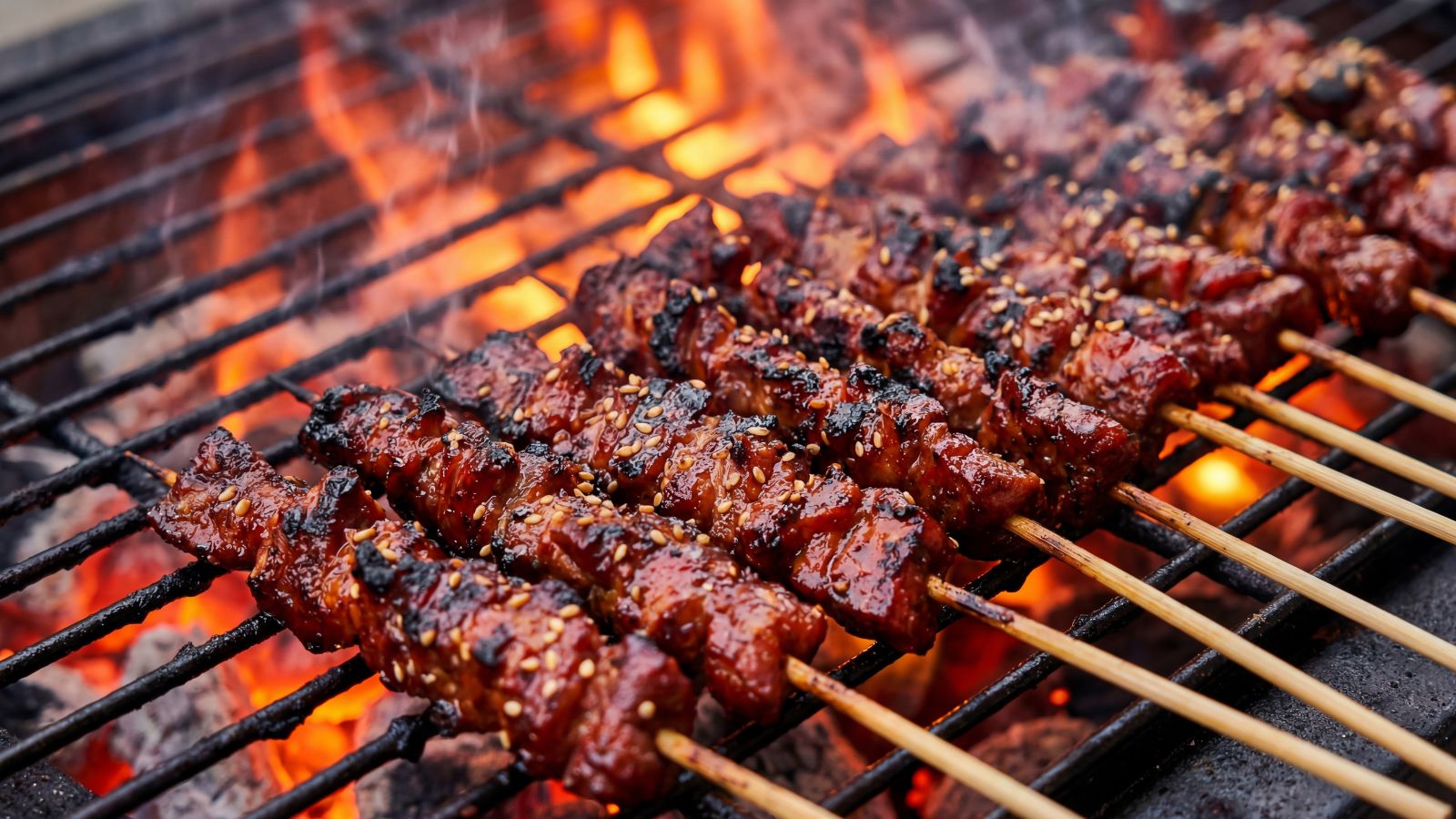
Canadian summer shopping often revolves around grilling, and stores know that burgers, hot dogs, buns, cheese slices, condiments, chips, salads, charcoal, and drinks tend to move together. Instead of treating each item as a separate purchase, grocery layouts often turn barbecue shopping into a themed mission. A shopper intending to buy ground beef can end up leaving with skewers, marinades, disposable plates, and a premium sauce that looked useful beside the meat case.
This is where seasonal convenience becomes expensive. Meat prices can already be sensitive to feed costs, processing, transportation, and demand, and barbecue season adds another layer of pressure. Even when one item is promoted, the surrounding products may not be discounted. A pack of burgers may be on sale, while buns, toppings, prepared salads, and single-use grilling supplies quietly lift the total. The meal still feels simple, but the receipt often tells a different story.
Prepared Salads Carry a Convenience Premium
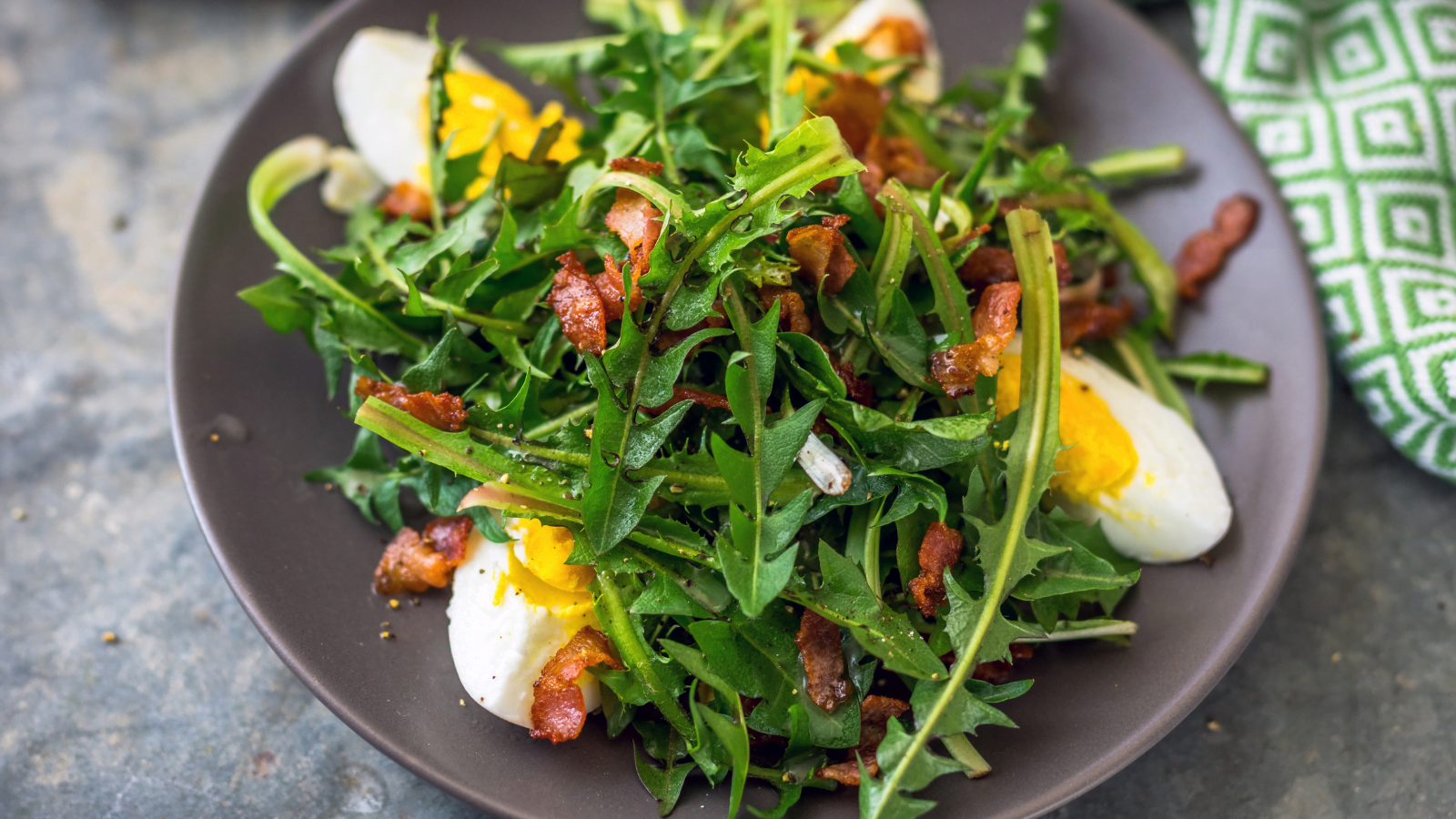
Prepared potato salad, coleslaw, pasta salad, fruit trays, and vegetable platters become especially tempting in summer. They solve a real problem: nobody wants to spend a humid afternoon chopping cabbage or boiling potatoes before a barbecue. Grocery stores use this convenience well, placing chilled prepared foods near deli counters, meat departments, or grab-and-go sections where shoppers are already thinking about quick meals.
The markup can be substantial compared with making the same dish from basic ingredients. A container of prepared pasta salad may cost far more per kilogram than dry pasta, vegetables, and dressing purchased separately. The same pattern often appears with fruit trays, where melon, grapes, and pineapple are cut and arranged at a premium. For time-strapped shoppers, that premium may be worth it, but summer makes the trade-off easier to overlook. The price is not just for food; it is for labour, packaging, display space, and urgency.
Smaller Packages Hide Behind Picnic-Friendly Portions

Summer packaging often looks cheerful, portable, and practical. Snack packs, mini cans, small chip bags, single-serve dips, lunchbox fruit cups, and compact dessert portions all fit picnics, road trips, day camps, and beach bags. The problem is that smaller packages frequently cost more per gram or per millilitre than larger formats, even when the shelf price appears manageable.
This is especially important in Canada because shrinkflation has become a documented grocery issue. When package sizes fall but prices stay similar, shoppers may not notice the difference unless they check unit prices or product weights. In summer, the effect can be masked by convenience: a smaller box of frozen treats or a “party size” bag that is not as large as it looks may still feel appropriate for the occasion. The packaging fits the season, but the value may not fit the budget.
Cold Drinks Are Positioned as Immediate Relief

On hot days, chilled beverages become more than groceries; they feel like relief. Stores often place cold pop, bottled water, iced coffee, sports drinks, and ready-to-drink teas near entrances, checkouts, deli counters, and convenience fridges. These products are easy to justify in the moment, especially during errands with children, after work, or before a drive to the cottage.
The price difference between chilled single drinks and larger multipacks can be dramatic. A single cold bottle may cost as much as several servings purchased in bulk from an aisle display. The shopper is paying for refrigeration, placement, and immediate consumption. Summer strengthens that habit because thirst feels urgent. Even households that normally compare prices may buy two or three cold drinks without thinking, turning a small comfort into a repeated seasonal leak in the grocery budget.
Ice Becomes a High-Margin Last-Minute Add-On

Bags of ice are classic summer add-ons because they are usually bought under time pressure. Someone is hosting, heading to a park, filling a cooler, or trying to keep drinks cold on a long drive. Grocery stores often place ice near exits, outdoor freezers, or checkout-adjacent areas, making it easy to grab after the main shopping is done.
Ice is not expensive in the same way meat or produce is expensive, but it can feel overpriced because the shopper is buying frozen water with limited alternatives at that moment. The convenience matters. A household with freezer space could make ice ahead of time, but many shoppers do not plan that far in advance. Summer gatherings create repeated opportunities for these small purchases. One bag may not matter, but several weekends of coolers, picnics, and backyard parties can make ice a surprisingly regular seasonal expense.
End-Cap Displays Make Sale Items Feel Broader Than They Are
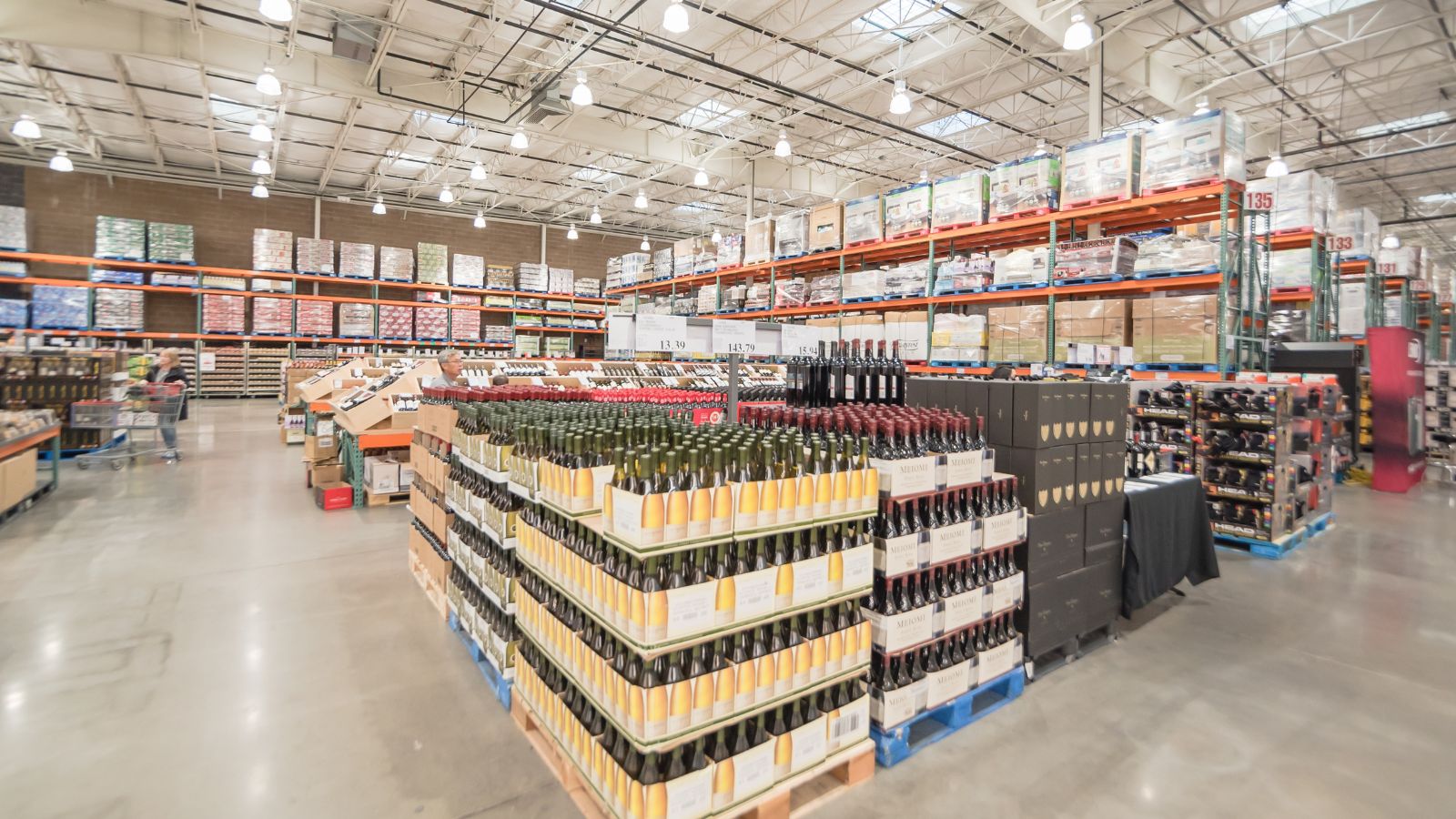
End caps can make a store feel full of deals. During summer, they often feature chips, crackers, pop, barbecue sauces, paper plates, sunscreen-adjacent items, or snack foods tied to entertaining. Because these displays sit at the end of aisles, shoppers may assume the products are among the best values in the store. Sometimes they are. Other times, the display is simply prominent, seasonal, or paid for through supplier arrangements.
The risk is that shoppers stop comparing. A stack of tortilla chips beside salsa may look like a promotion, but the unit price might be higher than another brand in the aisle. A “summer essentials” display can mix discounted products with full-price extras. This works because the display tells a story: the weekend is coming, guests need feeding, and the store has already gathered the solution. The convenience is real, but so is the chance of paying more than necessary.
Loyalty Prices Create a Two-Tier Summer Cart

Loyalty programs can help shoppers save, but they also make grocery pricing harder to read. In many Canadian stores, the boldest price on the shelf may only apply to members or app users. During summer, when promotions focus on grilling, drinks, snacks, frozen desserts, and patio meals, shoppers who miss the loyalty condition may pay noticeably more than expected.
This creates a two-tier cart. One shopper gets the advertised price after scanning a card; another pays the regular price for the same product. The difference may be only a dollar or two per item, but summer baskets are often filled with promotional categories. Families stocking up for a long weekend can lose savings quickly if offers require activation, minimum spending, app clipping, or multi-buy conditions. The deal may be legitimate, but the burden is on the shopper to decode it before checkout.
Multi-Buy Deals Encourage Overbuying Before Food Spoils

“Buy two,” “buy three,” and “mix and match” promotions can be useful for shelf-stable goods, but summer makes them tricky for perishable foods. Berries, salad kits, buns, dips, yogurt, deli meats, and fresh herbs may be promoted in larger quantities than a household can realistically finish. The price per item looks better, but only if everything gets used.
Warm-weather routines can make waste more likely. Plans change, people eat out, food sits in coolers too long, or fresh produce turns quickly in a humid kitchen. A shopper may buy three salad kits because the promotion seems smart, then throw one away before the best-before date. Stores benefit from larger transaction sizes, while households carry the spoilage risk. The more perishable the product, the more important it becomes to treat a multi-buy deal as a commitment, not just a discount.
Frozen Treats Lean on Nostalgia and Family Pressure

Ice cream bars, freezies, popsicles, novelty cones, and frozen desserts carry strong summer associations. Stores often place them in bright freezer displays with packaging aimed at families, children, and gatherings. A parent shopping with kids may face requests before reaching the staples on the list. Even adults can be pulled in by brands remembered from childhood or limited-time flavours that feel tied to the season.
The cost can climb because frozen treats are often sold in smaller counts, premium formats, or novelty packs. A tub of ice cream may offer better value per serving than individually wrapped bars, but the bars are easier for backyard meals, road trips, and visiting children. Summer turns that convenience into a selling point. The emotional pull is part of the pricing power: shoppers are not only buying dessert, but also the idea of an easy, cheerful summer moment.
“Local” Signs Can Blur Value Comparisons
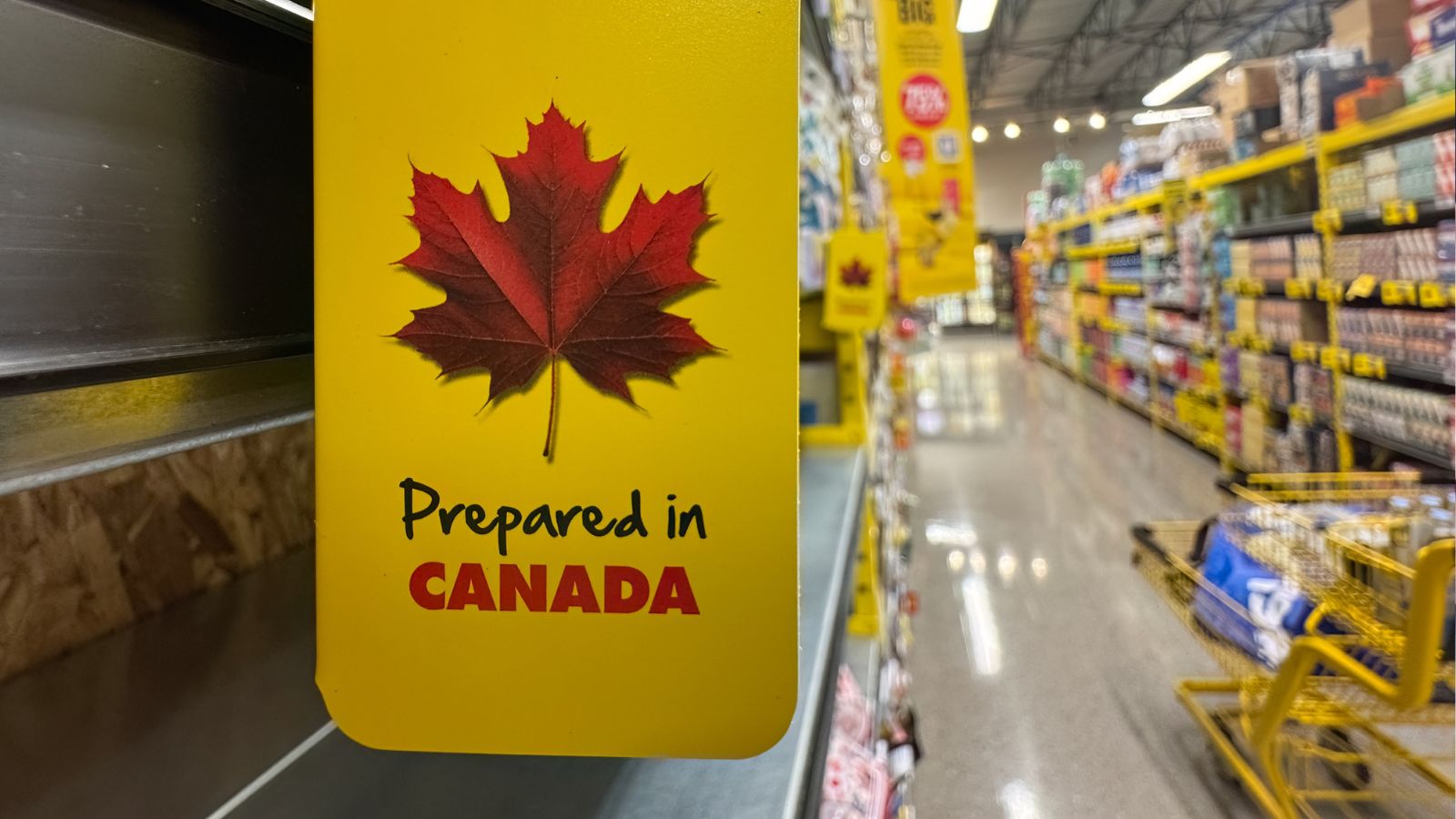
Local produce and Canadian-made products can be worth supporting, especially when freshness, shorter supply chains, or regional farms matter to shoppers. But “local” and “Canadian” signs can also make price comparisons less disciplined. A basket of Ontario peaches, Quebec strawberries, B.C. cherries, or Maritime potatoes may feel like the obvious summer choice, even when the price is meaningfully higher than another option.
The issue is not that local food is overpriced by default. Farming, labour, transport, packaging, and weather risks all affect what producers and retailers charge. The problem is that seasonal pride can become a shortcut in the aisle. Shoppers may stop checking weight, grade, package size, or competing formats. A premium may be reasonable, but it should still be visible. Stores know that local signage creates trust, and trust can make a higher price feel less like a decision.
Ready-to-Cook Grill Kits Replace Cheaper Ingredients

Marinated skewers, stuffed burgers, seasoned chicken, foil-pack vegetables, and ready-to-grill meal kits are built for summer. They save time and reduce the need to buy spices, sauces, or multiple ingredients. For households rushing between work, camp pickups, and evening plans, these options can look like a practical middle ground between cooking from scratch and ordering takeout.
The trade-off is that prepared meat and vegetable kits usually include labour, packaging, seasoning, and merchandising costs. A shopper may pay more per kilogram for chicken that has already been cut and marinated than for plain chicken and a bottle of marinade. The difference becomes less obvious because the kit is presented as a complete meal. It may still be cheaper than restaurant food, but that does not mean it is the lowest-cost grocery choice. Summer convenience often sits in that expensive middle zone.
Snack Aisles Expand Around Road Trips and Day Camps

Summer changes snack shopping. Families need lunchbox items for camps, portable snacks for road trips, and easy foods for parks, beaches, and sports. Grocery stores respond with displays of granola bars, crackers, squeeze pouches, fruit snacks, jerky, trail mix, and individually wrapped baked goods. The message is simple: these items travel well and reduce hassle.
Portability often costs more. Individually wrapped snacks usually carry higher packaging costs and lower quantity per dollar than larger boxes, bulk formats, or homemade alternatives. The pressure is practical, not imaginary. A caregiver packing five days of camp lunches may need nut-free, tidy, shelf-stable items that children will actually eat. Stores understand that reliability has value in summer. The result is a cart filled with products that feel necessary, even when the per-serving price is much higher than less convenient options.
Checkout Areas Push Small Seasonal Impulses
Checkout lanes are designed for last-minute decisions, and summer gives them plenty to work with. Gum, bottled drinks, candy, small sunscreen tubes, lip balm, magazines, mints, and novelty snacks can all become quick add-ons. After navigating a crowded store, a shopper may be less willing to question a small purchase, especially if the item solves a minor problem.
These impulse buys matter because they happen repeatedly. One cold drink, one candy pack, or one small seasonal item may barely register. Over several summer grocery trips, the pattern becomes more expensive. Checkout merchandising works partly because it catches shoppers at the point of lowest resistance: the main decisions are already done, the cart is full, and the total is not yet final. In a season filled with outings and heat-driven cravings, the checkout area becomes one more place where small costs attach themselves to ordinary errands.
Premium Private Labels Make Store Brands Less Cheap

Store brands once had a simple reputation: basic, cheaper, and practical. Many Canadian grocery chains now offer multiple private-label tiers, including premium lines with attractive packaging, specialty flavours, organic claims, and chef-inspired positioning. In summer, these products show up in sauces, dips, sparkling drinks, ice cream, bakery items, frozen appetizers, and prepared sides.
The shift matters because shoppers may still assume private label automatically means better value. A premium store-brand barbecue sauce or gelato may cost less than a national gourmet brand, but more than a basic store-brand version or a sale-priced competitor. The store benefits because private labels can build loyalty and keep shoppers inside one chain’s ecosystem. For consumers, the key is recognizing that “store brand” is no longer one category. Summer displays often showcase the premium end, where the savings may be thinner than expected.
Bakery Displays Turn Simple Gatherings Into Dessert Runs
The bakery section becomes especially persuasive in summer. Pies, cupcakes, cookies, sheet cakes, fruit tarts, brioche buns, and ready-made shortcakes are easy to imagine at barbecues, birthdays, cottage weekends, and potlucks. Stores often place seasonal bakery items near entrances or fresh departments, where the smell and presentation can make them feel like part of the occasion.
Bakery purchases are often emotional and time-saving. A shopper buying burgers and salad may add a pie because it completes the meal. The price can be reasonable compared with a bakery shop, but still much higher than making a simple dessert at home or serving seasonal fruit. The expense grows when bakery items are paired with whipped cream, ice cream, or coffee. Summer entertaining can turn dessert from an afterthought into a regular add-on, especially when the store makes it look effortless.
“Limited-Time” Flavours Reduce Price Discipline

Summer brings limited-time flavours everywhere: lemonade cookies, tropical sparkling water, barbecue chips, berry yogurts, peach desserts, spicy grill sauces, and novelty ice creams. These products create urgency. If a flavour is only available for a short window, shoppers may buy it now rather than wait for a better price. Stores and brands benefit from that fear of missing out.
Limited-time products can also make comparison harder. A familiar item is easy to judge against its usual price, but a seasonal flavour may not have a clear reference point. A shopper may not know whether a specialty drink is expensive because it is new, premium, smaller, or simply not on sale. The product feels like a summer treat rather than a grocery staple, which weakens normal budgeting habits. Occasional treats are part of the season, but limited-time marketing can quietly make the cart less predictable.
19 Things Canadians Don’t Realize the CRA Can See About Their Online Income

Earning money online feels simple and informal for many Canadians. Freelancing, selling products, and digital services often start as side projects. The problem appears at tax time. Many people underestimate how much information the CRA can access. Online platforms, banks, and payment processors create detailed records automatically. These records do not disappear once money hits an account. Small gaps in reporting add up quickly.
Here are 19 things Canadians don’t realize the CRA can see about their online income.
This Options Discord Chat is The Real Deal
While the internet is scoured with trading chat rooms, many of which even charge upwards of thousands of dollars to join, this smaller options trading discord chatroom is the real deal and actually providing valuable trade setups, education, and community without the noise and spam of the larger more expensive rooms. With a incredibly low-cost monthly fee, Options Trading Club (click here to see their reviews) requires an application to join ensuring that every member is dedicated and serious about taking their trading to the next level. If you are looking for a change in your trading strategies, then click here to apply for a membership.