35,000+ smart investors are already getting financial news, market signals, and macro shifts in the economy that could impact their money next with our FREE weekly newsletter. Get ahead of what the crowd finds out too late. Click Here to Subscribe for FREE.
Few budget shocks feel as universal as an ordinary grocery run that suddenly stops feeling ordinary. Foods that once seemed automatic now invite a pause, a substitution, or a quiet decision to leave something behind. In Canada, the 2026 Food Price Report says food prices are expected to rise 4% to 6% this year, with the average family of four projected to spend up to nearly $1,000 more on food than last year.
These 17 staples show why the squeeze still feels real. Some are being pushed around by weather, smaller herds, or global commodity swings. Others reflect a slower and more frustrating shift: everyday basics that have not become impossible to buy, but no longer feel easy to defend as routine purchases.
Ground Beef
17 Grocery Staples That Have Become Shockingly Hard to Justify

Ground beef used to be the dependable compromise between price and comfort. That logic has weakened. Recent BLS data put U.S. city average ground beef at $6.70 per pound in March 2026, up 15.7% from a year earlier. USDA has also reported wholesale beef prices running well above year-ago levels, which helps explain why chili, tacos, burgers, and meat sauce no longer feel like low-stakes dinner plans.
The pressure is not just American. Canada’s Food Price Report said beef prices were still 23% above the five-year average after a sharp run-up, with drought-driven herd contraction helping shrink cattle supplies. When the protein that once anchored affordable family meals starts behaving like a premium ingredient, households stop treating beef as a default and start viewing it as a purchase that has to earn its place in the cart.
Chicken

Chicken has traditionally been the escape hatch when beef gets unreasonable. That is why its loss of easy-value status matters so much. Statistics Canada reported meat prices in Canada were 4.4% higher in March 2026 than a year earlier, and the 2026 Food Price Report warned chicken prices are set to rise substantially as more shoppers shift toward poultry when beef feels too expensive.
In the United States, whole chicken prices have not exploded in the same way as beef, but that does not mean chicken feels cheap. The bigger issue is that it no longer delivers the relief people expect when they trade down. A food that once symbolized thrift now feels more like a defensive compromise: familiar, flexible, still useful, but much less comforting as a budget solution than it used to be.
Bread

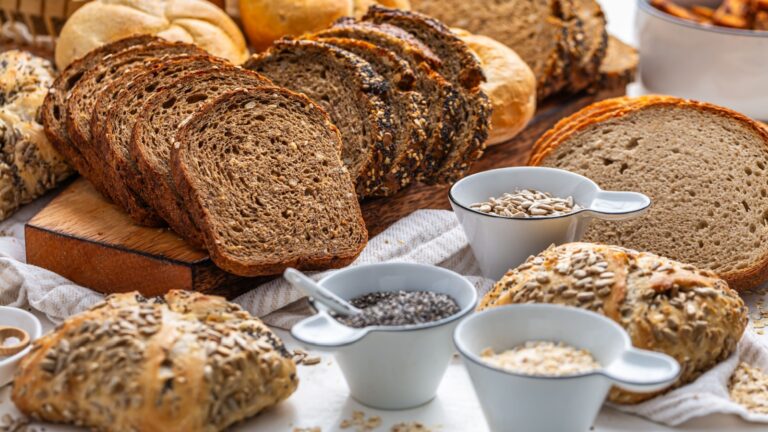
Bread may not create the same dramatic sticker shock as beef or coffee, but its cost matters because it shows up everywhere. It is breakfast, lunch, sides, snacks, sandwiches, toast, and the base layer for plenty of quick dinners. BLS average price data put white bread at $1.808 per pound in March 2026. In March 2006, that same series was $1.040.
Canadian household data tell the same story from another angle. Statistics Canada said average spending on bakery products reached $861 in 2023, up 23.4% from 2021, while bread alone rose 31.0%. A loaf may not look outrageous in isolation, but once a staple gets noticed every single week, it has crossed from background purchase to recurring budget irritant. That is especially true when it gets paired with other staples that have also become more expensive.
Peanut Butter

Peanut butter used to have nearly unbeatable budget credentials. It stored well, added protein, stretched lunches, and made a quick snack feel substantial without much effort. That value case has weakened. In March 2026, BLS reported peanut butter prices were 5.3% higher than a year earlier, even though the broader fats-and-oils category was much calmer.
That is what makes the increase feel more annoying than dramatic. Peanut butter is not a specialty food, so people do not approach it with luxury-item expectations. It is bought for practicality. It lands on toast, in sandwiches, in oatmeal, with bananas, and beside crackers in rushed lunches. When a pantry workhorse built on affordability starts looking like something that should only be bought on sale, the category has clearly drifted away from the comfort zone it once occupied.
Cheese

Cheese has become one of those groceries that quietly wrecks the math of a simple meal. BLS put natural cheddar at $5.97 per pound in March 2026, while processed American cheese averaged $4.783 per pound. Those numbers matter because cheese is rarely treated as an indulgence. It is the hidden multiplier inside sandwiches, pasta bakes, quesadillas, burgers, wraps, and leftover-based lunches.
That is why the category feels heavier than its shelf tag might suggest. It is not simply one item; it is a supporting ingredient woven into ordinary eating. A household can cut back on novelty snacks without much disruption. It is much harder to keep meals familiar once cheese starts feeling expensive. When grilled cheese, taco night, and basic lunchbox meals all depend on a product that no longer feels casual to buy, the category stops reading as a staple and starts feeling like an active budget decision.
Rice
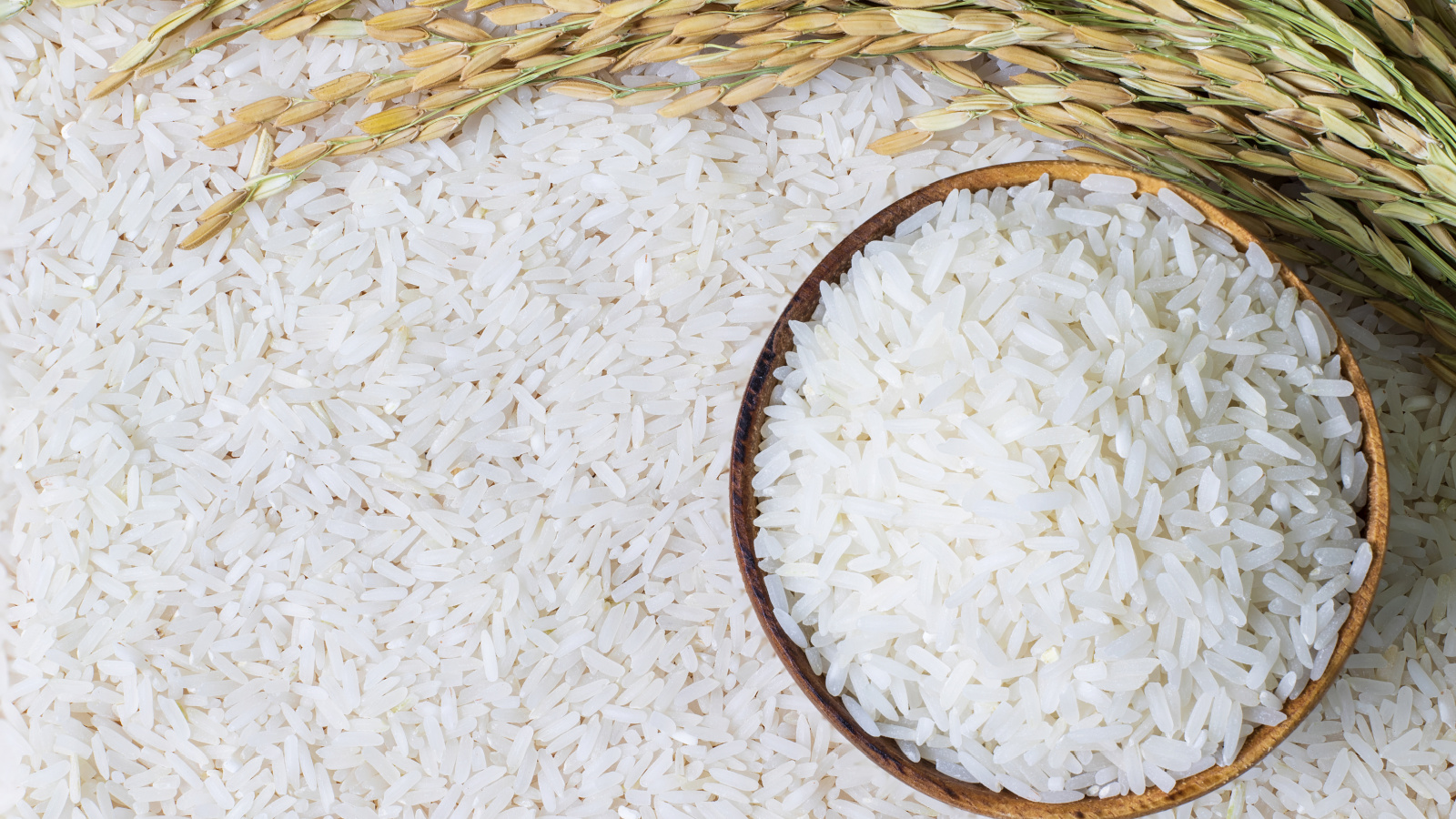
Rice is supposed to be the pantry stabilizer: cheap, filling, and capable of stretching almost anything. That reputation feels less secure than it once did. BLS put long-grain white rice at $1.06 per pound in March 2026. That is not a catastrophic number, but the emotional role of rice matters. It is often the food people reach for when they are already trying to save money elsewhere.
In Canada, Statistics Canada said household spending on rice and rice mixes rose 21.0% from 2021 to 2023. At the same time, FAO expects global rice stocks to reach a new record in 2026, showing how healthy world supply does not always translate into cheap-feeling retail baskets. When one of the classic bulk fillers no longer feels reliably inexpensive, it changes how households build meals around thrift in the first place.
Pasta

Pasta has long been one of the best examples of budget-friendly comfort food. That is why its erosion hits so hard. Statistics Canada said average household spending on pasta products rose 37.7% from 2021 to 2023, while prices for pasta products climbed 35.3% over the same period. BLS still showed spaghetti and macaroni at $1.308 per pound in March 2026, which keeps the category accessible, but not untouched.
The frustration is cumulative. Pasta on its own may still look manageable, but it rarely arrives alone. It usually comes with sauce, cheese, meat, butter, or vegetables that have also become more expensive. That weakens the old promise of a truly cheap dinner. Pasta remains practical, but the category no longer delivers the same psychological relief. It still says “easy meal,” yet it does not always say “cheap meal” with the confidence it once did.
Breakfast Cereal
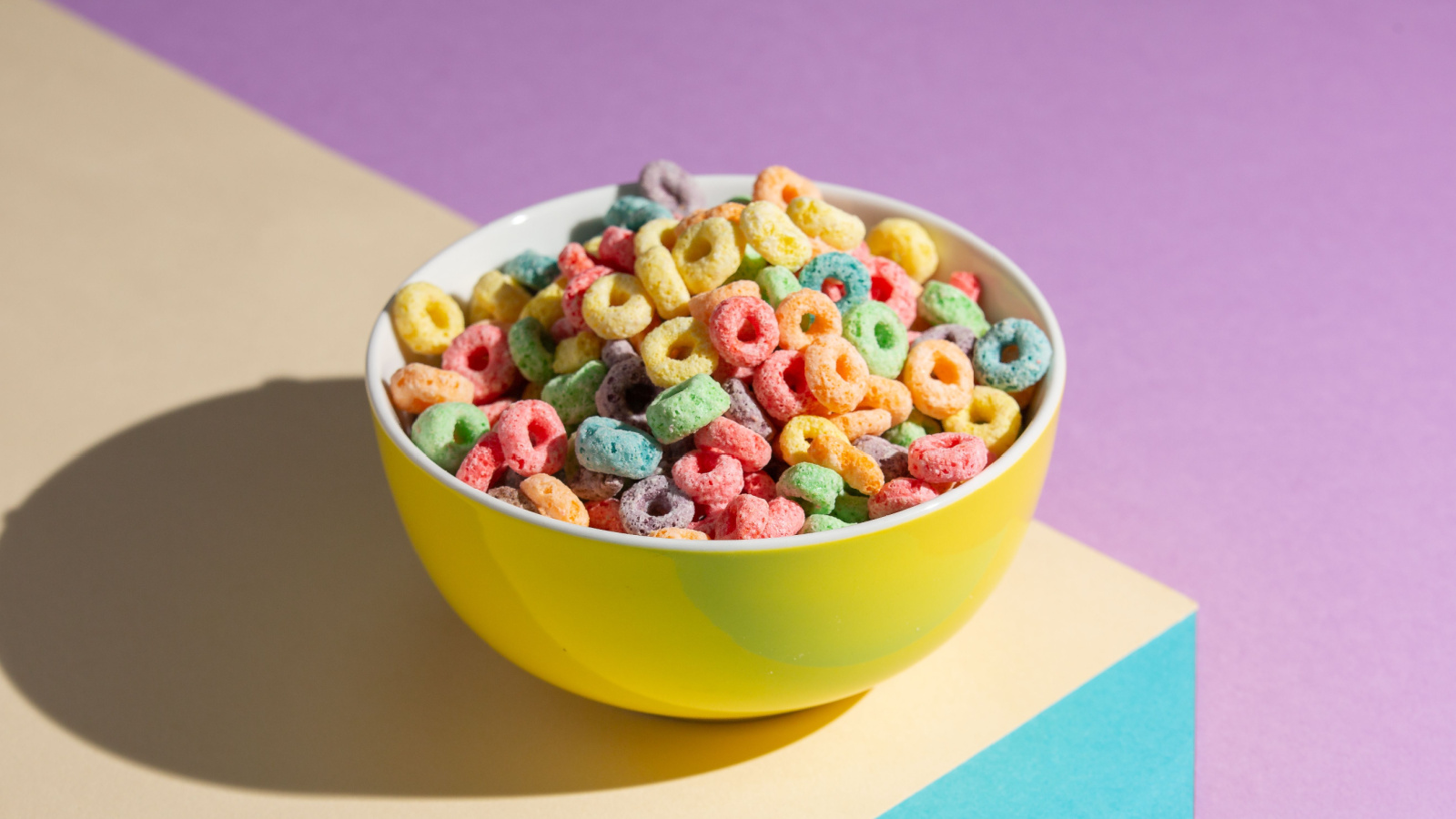
Breakfast cereal has become a symbol of awkward grocery value. It is marketed as ordinary, but it often delivers surprisingly poor cost-per-meal once box size, refill frequency, and actual fullness are considered. BLS reported breakfast cereal prices were 1.2% higher in March 2026 than a year earlier. That is milder than coffee or tomatoes, but cereal has a different problem: many shoppers no longer feel they are getting much substance for the money.
Statistics Canada found spending on breakfast cereal and other grain products reached $298 per household in 2023, up 5.3% from 2021. That helps explain why cereal increasingly feels tolerated rather than trusted. It is not that every box has suddenly become outrageous. It is that the category now competes in a harsher value conversation with toast, eggs, yogurt, and oatmeal. Once cereal starts feeling like a convenience purchase instead of a sensible default, its place in the weekly basket starts to weaken.
Coffee
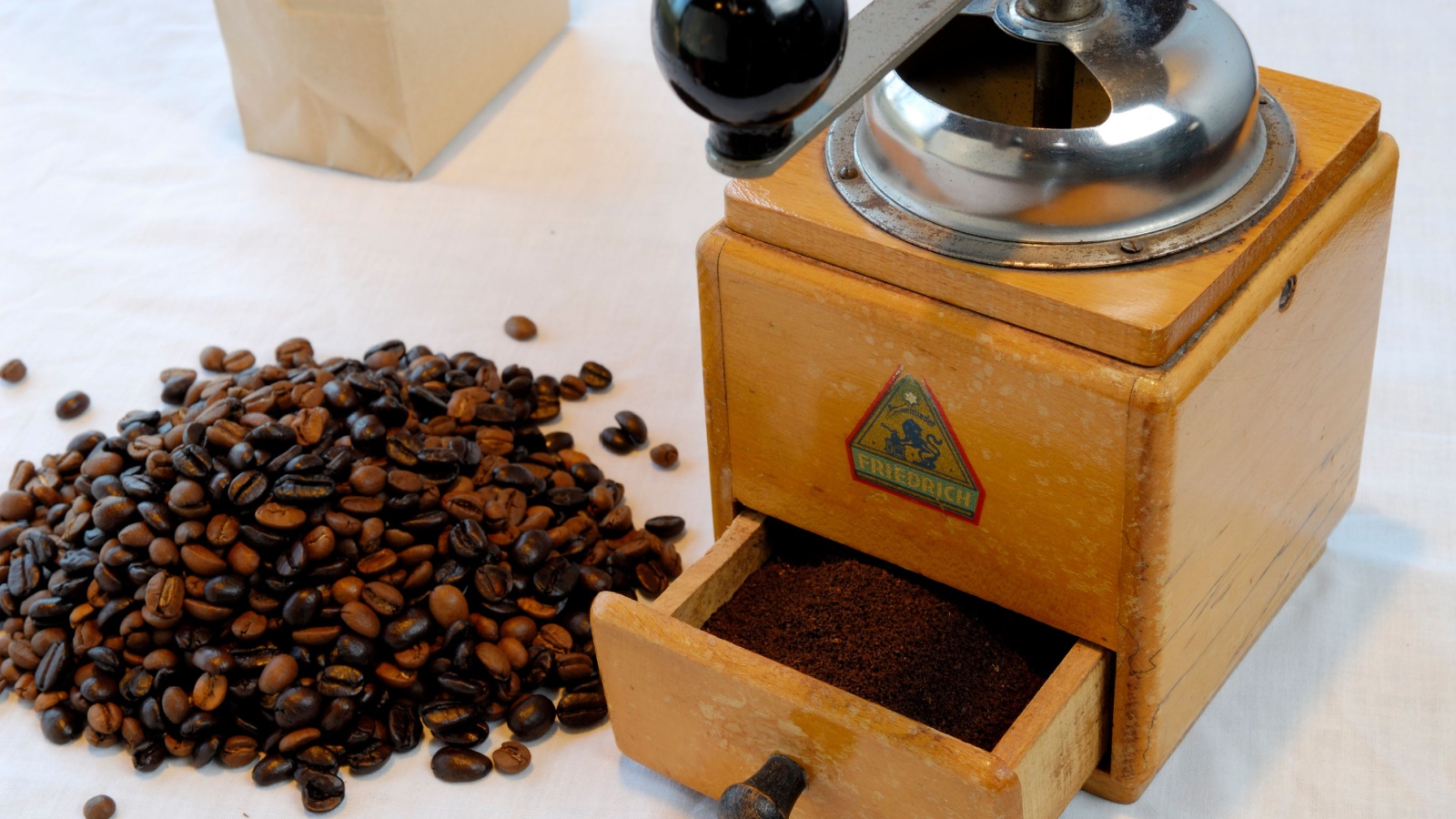
Coffee is one of the clearest examples of a daily staple turning into a budget irritant. BLS put 100% ground roast coffee at $9.608 per pound in March 2026, up 30.1% from a year earlier. At the global level, the International Coffee Organization said its composite indicator price averaged 273.70 U.S. cents per pound in March 2026, showing how persistent raw-material pressure is still feeding through the system.
FAO has also said that a 34.5% jump in higher-value imported food products, notably coffee and cocoa, helped drive the global food import bill higher in 2025. Coffee therefore stops being just a drink story and becomes a routine story. When the bag that powers mornings, remote work, road trips, and small household rituals starts acting like a volatile commodity, people do not simply notice the price. They start reevaluating what counts as a normal everyday indulgence.
Orange Juice

Orange juice has spent years sliding from breakfast default to optional extra. The pricing helps explain why. BLS showed frozen concentrate orange juice at $4.886 per 16 ounces in March 2026, up 9.0% from a year earlier. That is a steep number for a fridge item many households already consider less essential than milk, water, or whole fruit.
Supply pressure remains part of the story. USDA’s January 2026 Florida citrus forecast put all-orange production at 12.0 million boxes, down 2% from the prior season. Lower production and a smaller tree base mean the category still carries strain even when shoppers only see the final shelf price. Orange juice is still familiar and widely liked, but more households now treat it like a nostalgic purchase rather than a routine one.
Olive Oil

Olive oil used to be an easy “pay a little more for quality” choice. Then weather shocks turned it into a real grocery dilemma. FAO said recent drought conditions curtailed output and drove up prices before a 2025/26 recovery began to ease some of the pressure. Even with that recovery, FAO noted wholesale prices remained relatively high in parts of the market, which helps explain why shelf shock lingered.
That longer memory is part of what makes olive oil harder to justify now. The International Olive Council reported that export values had pulled back meaningfully from crisis levels by late 2025, but the market was still being watched closely because the earlier shock had been so extreme. A bottle once treated as the wholesome everyday default for roasting and dressing salads now gets poured more carefully. Once a core cooking fat starts being rationed psychologically, the category has changed.
Chocolate

Chocolate has shifted from harmless add-on to sneaky budget offender. USDA said prices for sugar and sweets in February 2026 were 9.0% higher than a year earlier and noted that much of the increase came from candy and chewing gum, a grouping that includes most chocolate candy. USDA’s 2026 outlook then projected sugar-and-sweets prices could rise 9.8% for the year.
The global commodity backdrop has not helped. FAO said the 2025 global food import bill was pushed higher in part by a 34.5% jump in higher-value products, notably coffee and cocoa. That makes chocolate feel different at checkout. It is still a small pleasure, but it increasingly behaves like a premium snack hidden inside an everyday grocery run. Once the impulse treat starts looking like a calculated purchase, the fun of buying it is already partly gone.
Lettuce

Lettuce is one of the most frustrating grocery purchases because it disappears quickly and offers almost no emotional cushion against higher prices. BLS said lettuce prices were 13.8% higher in March 2026 than a year earlier. On the retail side, romaine reached $3.607 per pound in March 2026, while iceberg came in at $1.719 per pound.
That is a lot of money for something so perishable and often so mild. The category feels especially irritating because it is usually bought with good intentions: more sandwiches at home, more salads, fewer takeout meals. When the ingredient meant to support thrift and healthier eating starts feeling expensive and fragile at the same time, it becomes easier to skip. A staple does not have to be luxurious to feel unjustifiable; sometimes it just has to cost more than its usefulness seems to warrant.
Tomatoes

Tomatoes are a classic example of sticker shock hiding inside ordinary cooking. They brighten sandwiches, fill salads, and sit underneath countless sauces and soups, so the category has outsized influence on how expensive a basket feels. BLS reported tomato prices were 22.6% higher in March 2026 than a year earlier, and field-grown tomatoes averaged $2.255 per pound.
Canadian data reinforce the feeling that this is not just a one-store quirk. Statistics Canada said tomatoes were the highest fresh-vegetable expenditure item in 2023 at $93 per household, and it reported that fresh vegetable prices were 17.1% higher than in 2021. The result is a double frustration: tomatoes are too useful to ignore, yet too volatile to trust as cheap produce. When a BLT ingredient starts acting like a premium item, it changes how people think about the produce aisle as a whole.
Berries

Berries have always carried a slight premium, but they now test the patience of even shoppers who buy them for practical reasons. They go into breakfasts, lunchboxes, smoothies, yogurt bowls, and simple desserts, which makes them feel much closer to staple territory than luxury territory. BLS showed strawberries at $2.582 for 12 ounces in March 2026, up 9.4% from a year earlier.
The broader fruit backdrop helps explain why the category feels persistently tense. Statistics Canada’s March 2026 tracker showed fresh fruit prices were 5.6% higher than a year earlier in Canada. That means berries are part of a wider pattern in which healthy, ready-to-eat produce keeps asking for a little more money and a little more risk. Paying up for fruit would feel easier if it lasted longer. Instead, berries often feel like a purchase that has to be justified twice: once at the shelf and again before they soften.
Fish and Seafood
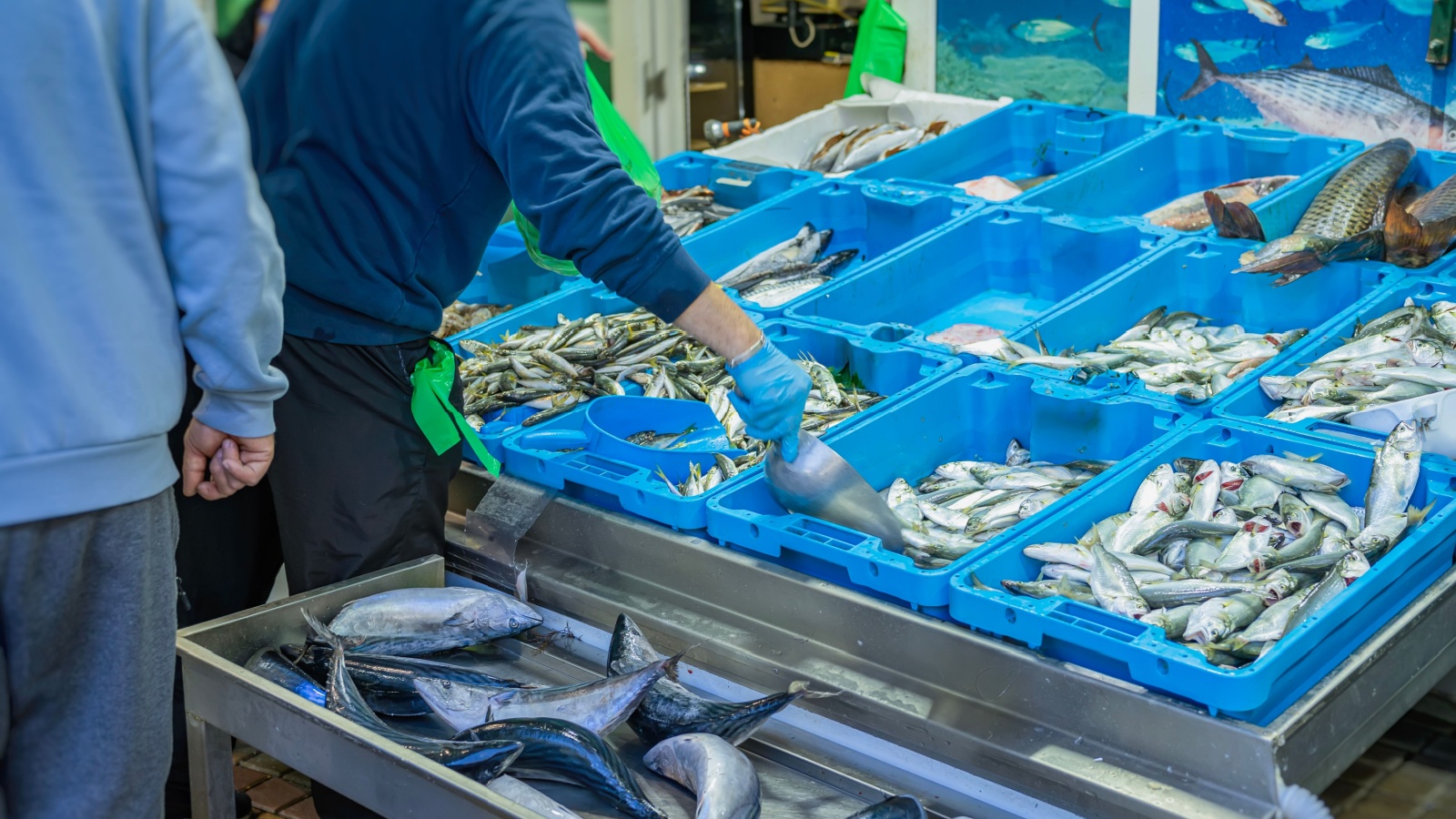
Fish and seafood now sit in an awkward place between health aspiration and budget reality. BLS said fish and seafood prices were 6.0% higher in March 2026 than a year earlier, with frozen fish and seafood up 10.2%. That matters because frozen fillets, canned fish, and simple fresh options are supposed to be the more attainable ways into the category.
Canadian spending data show households have already started reacting. Statistics Canada said average fish and seafood expenditures fell 11.5% from 2021 to 2023, even as Canadians paid 14.6% more for fish over that period. It also noted salmon prices ran as high as $29.10 per kilogram in March 2023. That is what “hard to justify” looks like in practice: not total abandonment, but quiet retreat. People still want fish in the rotation, yet the aisle increasingly feels reserved for sale weeks or brief spells of nutritional ambition.
Bananas

Bananas deserve a place on this list precisely because they are supposed to be the cheap fruit that survives every budget cut. BLS average price data put bananas at $0.657 per pound in March 2026. In March 2006, the same series sat at $0.508. That is not an explosive jump, but it captures something important: even the item many shoppers treat as the baseline for affordable produce has become less forgiving over time.
The category is also still moving in the wrong direction recently. BLS said banana prices were 5.0% higher in March 2026 than a year earlier. On paper, that may sound manageable. In real shopping terms, it feels bigger because bananas are bought almost automatically and paired with other staples like peanut butter, cereal, oatmeal, and smoothies. When the food once trusted as the safe inexpensive option starts losing that status, it signals that the “at least this is still cheap” part of grocery shopping keeps shrinking.
19 Things Canadians Don’t Realize the CRA Can See About Their Online Income

Earning money online feels simple and informal for many Canadians. Freelancing, selling products, and digital services often start as side projects. The problem appears at tax time. Many people underestimate how much information the CRA can access. Online platforms, banks, and payment processors create detailed records automatically. These records do not disappear once money hits an account. Small gaps in reporting add up quickly.
Here are 19 things Canadians don’t realize the CRA can see about their online income.
This Options Discord Chat is The Real Deal
While the internet is scoured with trading chat rooms, many of which even charge upwards of thousands of dollars to join, this smaller options trading discord chatroom is the real deal and actually providing valuable trade setups, education, and community without the noise and spam of the larger more expensive rooms. With a incredibly low-cost monthly fee, Options Trading Club (click here to see their reviews) requires an application to join ensuring that every member is dedicated and serious about taking their trading to the next level. If you are looking for a change in your trading strategies, then click here to apply for a membership.