
35,000+ smart investors are already getting financial news, market signals, and macro shifts in the economy that could impact their money next with our FREE weekly newsletter. Get ahead of what the crowd finds out too late. Click Here to Subscribe for FREE.
Summer makes a Canadian backyard feel like a second living room, but the season often brings more costs than a few bags of charcoal and a flat of flowers. Between watering restrictions, short contractor windows, storm damage, pests, outdoor entertaining, and maintenance that cannot wait until fall, small backyard choices can quietly become recurring expenses.
This piece covers 17 backyard expenses Canadians underestimate every summer, from lawn care and garden supplies to pool upkeep, permits, propane, furniture, and the hidden repair bills that come with using outdoor space more often. Many of these costs seem minor on their own, but together they can turn a simple backyard season into a surprisingly expensive part of the household budget.
Lawn Watering That Shows Up on the Utility Bill
17 Backyard Expenses Canadians Underestimate Every Summer
- Lawn Watering That Shows Up on the Utility Bill
- Garden Supplies That Start Small and Multiply
- Mulch, Soil, Compost, and Fertilizer Top-Ups
- Lawn Mower, Trimmer, and Tool Maintenance
- Patio Furniture That Does Not Survive the Weather
- Deck Cleaning, Staining, and Board Repairs
- Fence, Gate, and Privacy Screen Fixes
- Barbecue Fuel, Cleaning, and Replacement Parts
- Outdoor Lighting and Electrical Add-Ons
- Mosquito, Tick, and Pest Control
- Pool, Hot Tub, and Splash Feature Upkeep
- Fire Pits, Firewood, and Local Compliance
- Shade Solutions for Hotter Afternoons
- Outdoor Entertaining Extras
- Storm Cleanup and Weather Damage
- Irrigation Repairs, Hoses, and Sprinkler Parts
- Permits, Bylaws, and Inspection Surprises
- 19 Things Canadians Don’t Realize the CRA Can See About Their Online Income

A green lawn can look effortless in June, but keeping it that way through July and August often means paying for far more water than expected. Outdoor watering is one of the easiest backyard expenses to underestimate because it does not feel like a purchase at the moment. A sprinkler running for an hour, a hose left on while cleaning patio furniture, or daily watering during a heat wave can all blend into ordinary summer routines until the utility bill arrives.
The cost depends heavily on the municipality, the size of the yard, and whether water is metered. In many Canadian cities, summer demand is high enough that watering rules or restrictions are introduced during dry periods. The hidden cost is not just water; inefficient watering can also mean more mowing, more weeds, and more lawn treatments. A neighbour who waters every evening may think the lawn is being protected, only to end up paying for damp soil problems, fungus, and wasted runoff.
Garden Supplies That Start Small and Multiply

A few bedding plants rarely feel like a budget problem at the garden centre. The total changes once soil, compost, planters, tomato cages, seed packets, hanging baskets, mulch, plant food, and replacement annuals are added to the cart. Canadian households spend meaningful amounts on garden supplies and services, and summer has a way of turning “just one more plant” into a repeated weekend purchase.
The expensive part is often the re-buying. A late frost can damage early purchases in parts of the Prairies and Atlantic Canada. A July heat wave can scorch shallow planters. Rabbits, squirrels, deer, and slugs can turn new growth into a snack overnight. Many households end up buying replacements, repellents, netting, and extra soil after the first attempt fails. What began as a cheerful front-of-store purchase can become a season-long project with several unplanned receipts.
Mulch, Soil, Compost, and Fertilizer Top-Ups

Backyard beds often need more material than they appear to from the patio door. A few bags of mulch may cover only a narrow border, especially when homeowners want the thicker layer recommended for moisture retention and weed control. Soil and compost are similar: raised beds, sunken planters, and patchy lawns can absorb far more volume than expected, turning a casual refresh into several trips with a loaded trunk.
These materials also come with timing pressure. Once summer plants are in place, bare soil dries faster and weeds spread quickly. Families may buy whatever is available at peak-season prices rather than waiting for a sale. Bulk delivery can be cheaper per cubic yard, but delivery fees, minimum orders, and driveway mess can change the math. For many Canadian homeowners, the true cost is not one bag of soil; it is the combined price of topping up every bed, container, and worn patch of lawn.
Lawn Mower, Trimmer, and Tool Maintenance

A lawn mower sitting in the shed can feel like a one-time purchase, but summer exposes every worn blade, dead battery, cracked fuel line, and missing trimmer spool. Statistics Canada data shows that a majority of Canadian households use lawn mowers, while electric and battery-powered models have grown in popularity. That shift can reduce some fuel and maintenance needs, but it can also introduce battery replacement costs that are easy to overlook.
Gas tools bring their own expenses, including fuel, oil, spark plugs, sharpening, and tune-ups. Electric tools may require chargers, extension cords, replacement batteries, or brand-specific accessories. Even simple items such as gloves, pruning shears, leaf bags, safety glasses, and hose attachments add up over a season. The underestimated cost is usually not the mower itself; it is keeping an entire backyard toolkit working when grass growth, weeds, and storm debris arrive all at once.
Patio Furniture That Does Not Survive the Weather

Outdoor furniture is sold as durable, but Canadian summers can be rough on it. UV exposure fades fabric, rain swells untreated wood, wind cracks umbrellas, and damp cushions can develop mildew if they are stored poorly. A patio set that looked like a bargain in May can need replacement cushions, covers, screws, rust treatment, or storage bins by August.
The market for outdoor furniture continues to grow because more households treat patios and decks as functional living space. That often means buying more than a table and chairs. Side tables, loungers, shade umbrellas, outdoor rugs, cushion boxes, and weather covers can make a backyard feel finished, but they also increase the number of items that need cleaning, storage, and replacement. The real cost of patio furniture is not just the purchase price; it is whether it can handle sun, rain, wind, pollen, smoke, and constant use.
Deck Cleaning, Staining, and Board Repairs
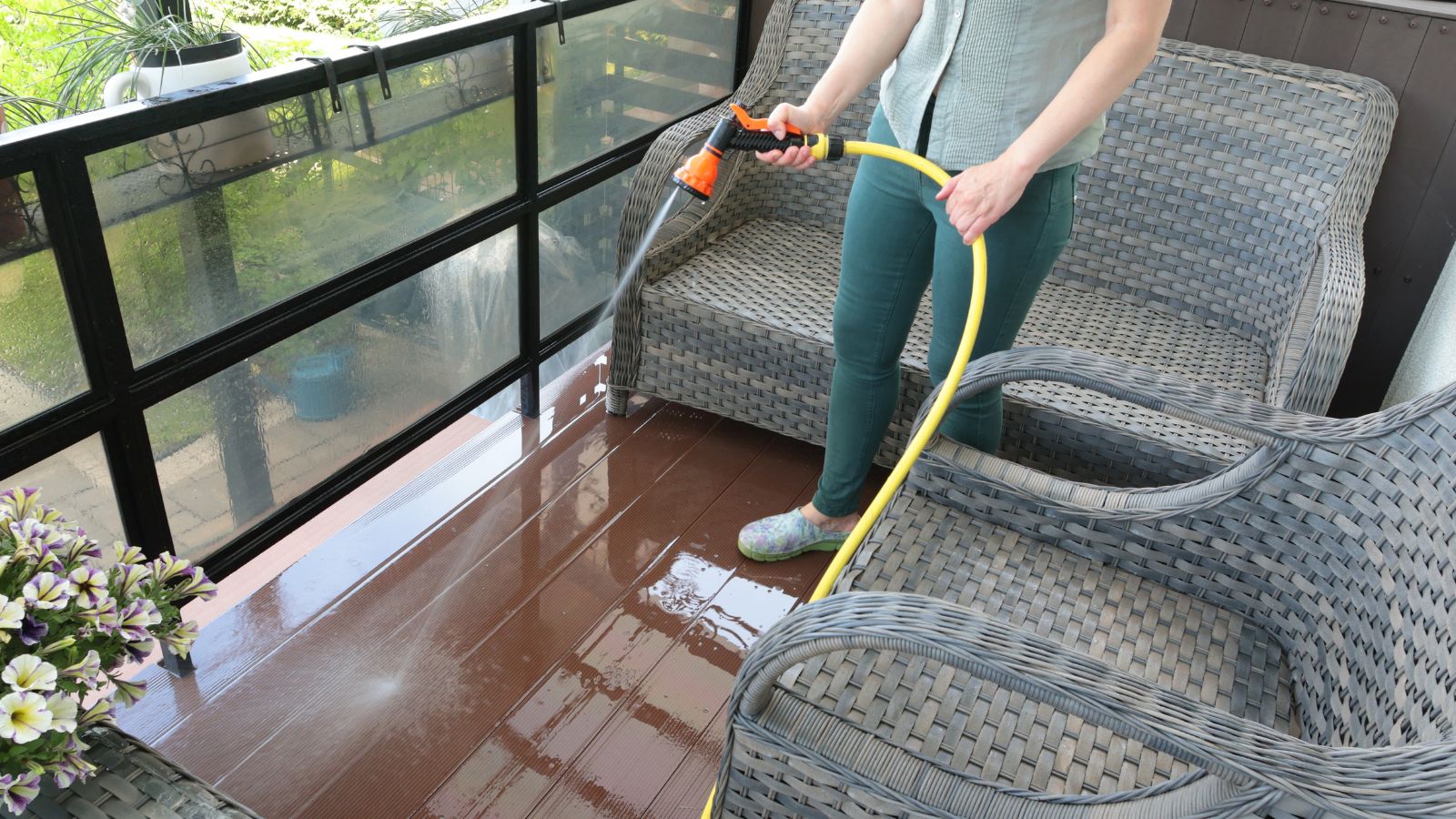
A deck may look solid at the first barbecue of the season, but summer reveals soft boards, loose railings, popped screws, peeling stain, and mildew in shaded corners. Cleaning and staining can seem like a manageable weekend job until homeowners price out cleaner, brushes, rollers, sanding pads, stain, sealant, tarps, and rented equipment. Hiring someone is easier, but summer is also peak season for many exterior contractors.
The expense becomes harder to ignore when safety enters the picture. Railings, stairs, and boards near entrances take heavy use when guests and children move in and out of the yard. Small repairs delayed for too long can become larger structural fixes. A Canadian homeowner who budgets only for burgers and patio lights may suddenly be comparing quotes for board replacement, pressure washing, or a full refinishing job before hosting family on a long weekend.
Fence, Gate, and Privacy Screen Fixes
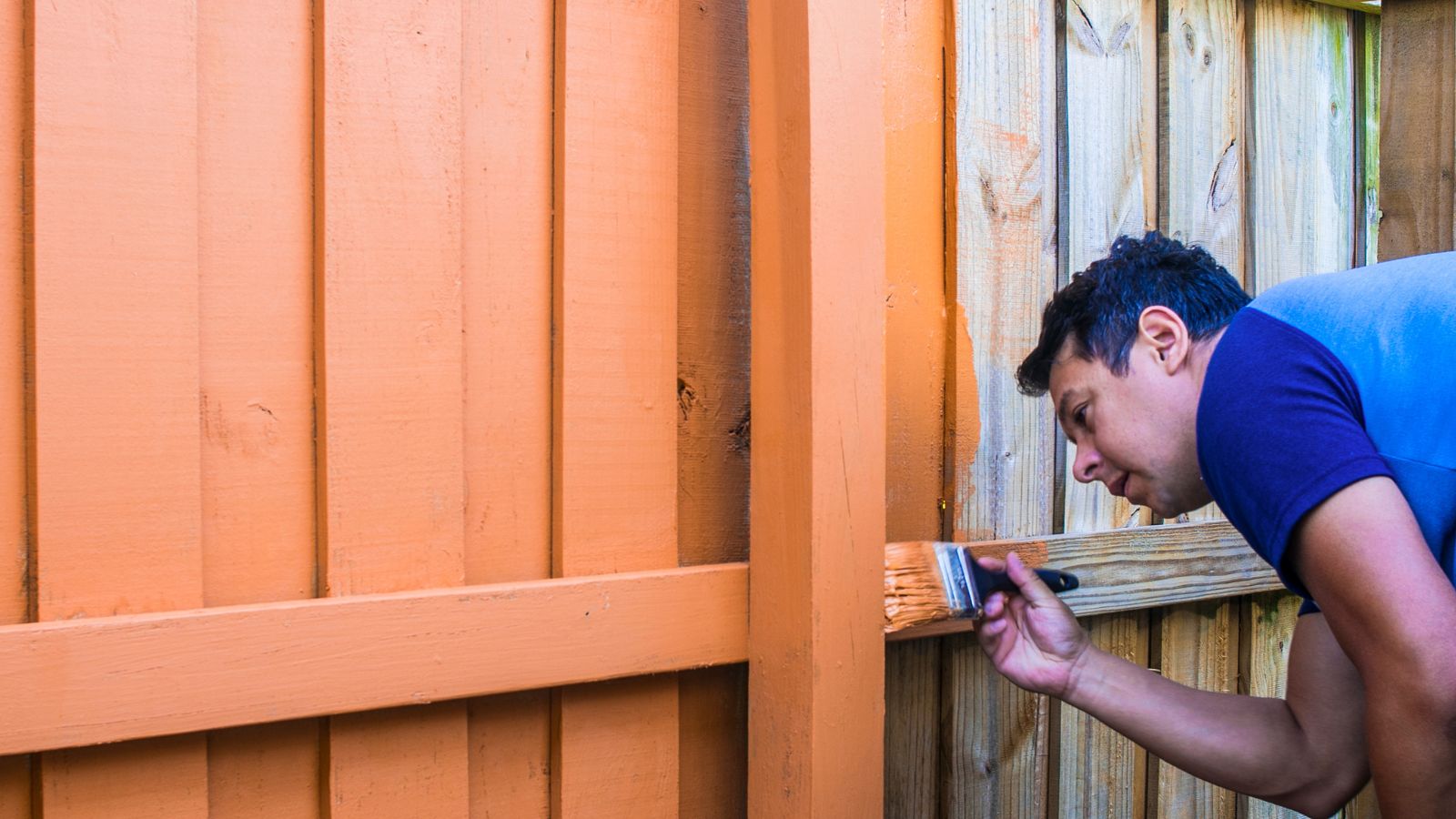
Fences are easy to ignore until summer activity puts them under stress. Gates sag from constant use, posts shift after freeze-thaw cycles, panels loosen in wind, and privacy screens tear during storms. Once pets, children, pools, or close neighbours are involved, fence repairs become less optional. A broken latch that seemed harmless in April can become a safety issue during backyard season.
Costs vary widely depending on material. Wood may need boards, stain, screws, and post repairs. Vinyl and metal can require matching panels that are not always easy to find. Privacy screens, lattice, fast-growing hedges, and pergolas can add more expense when homeowners want shade or separation from nearby properties. In dense neighbourhoods, the underestimated cost is often urgency: people pay more when the fence has to be fixed before a party, a pet escapes, or a pool inspection.
Barbecue Fuel, Cleaning, and Replacement Parts

The barbecue is often treated as a summer constant, but it has a quiet operating budget. Propane tank exchanges or refills, charcoal, wood pellets, grill brushes, drip trays, replacement burners, ignition parts, and covers can turn outdoor cooking into a recurring expense. A family that grills several nights a week may spend far more on fuel and maintenance than expected, especially when hosting becomes frequent.
Safety also has a financial side. Grill fires are strongly associated with gas grills, leaks, grease buildup, heat placed too close to combustibles, and equipment left unattended. That means cleaning and maintenance are not just cosmetic. Replacing a worn hose or cleaning grease trays may feel like a nuisance, but ignoring them can create property damage risk. The cost of backyard cooking is not only the steak or corn on the grill; it is keeping the equipment safe enough to use all summer.
Outdoor Lighting and Electrical Add-Ons
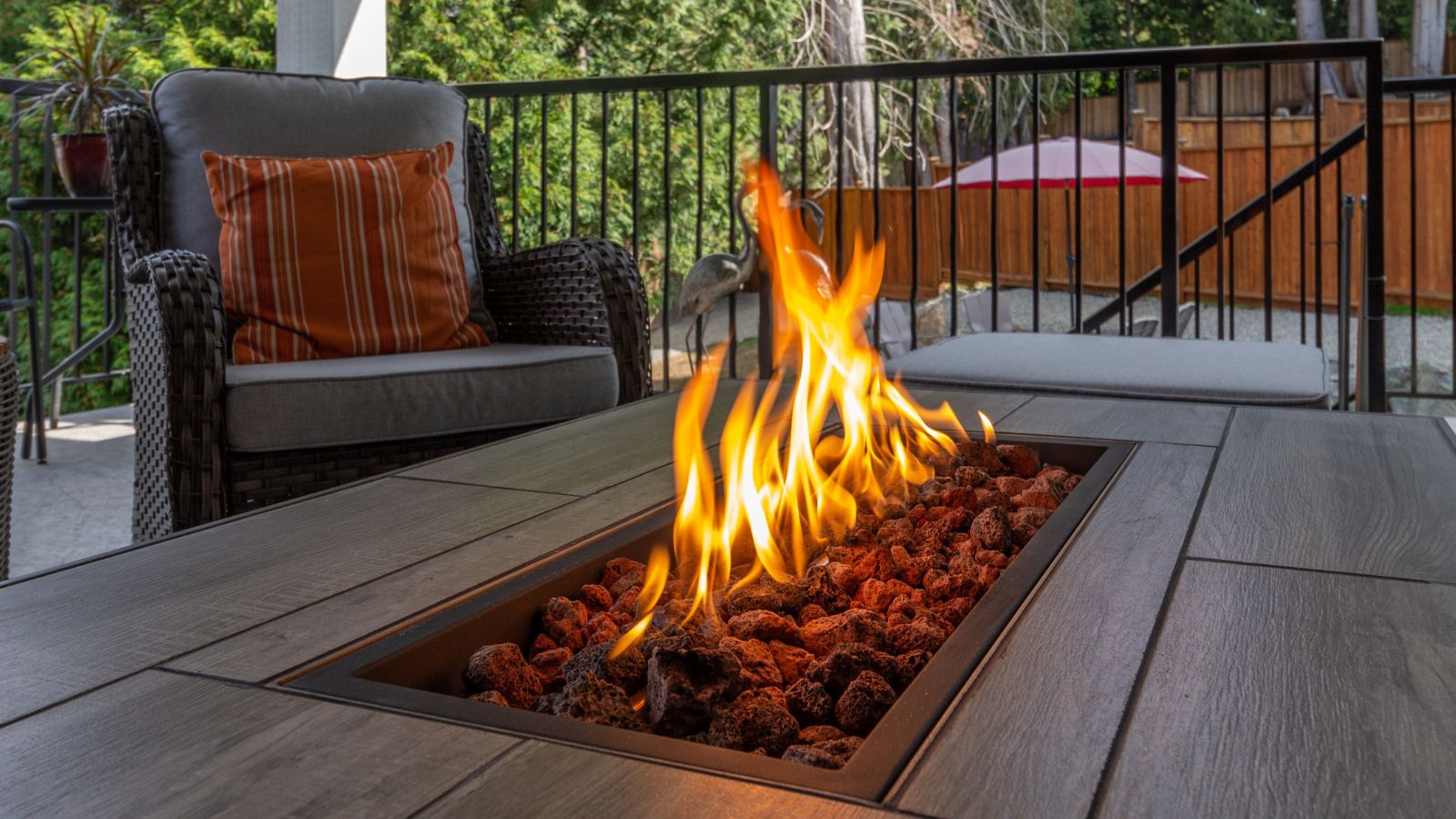
String lights, pathway lights, patio heaters, outdoor speakers, fans, pumps, and bug zappers can make a backyard more usable after sunset, but each one adds either purchase costs, electricity use, batteries, or installation needs. Solar lights reduce wiring needs, but cheaper models often fail after a season or two, especially when batteries degrade or water gets inside the housing.
Electrical work can become expensive quickly when homeowners want outlets near a deck, lighting around a pergola, or power for a pond pump, hot tub, or outdoor kitchen. Extension cords may seem like an easy workaround, but weather exposure and trip hazards create problems. In practice, a simple “let’s add lights” project can turn into timers, weatherproof boxes, GFCI protection, replacement bulbs, and professional electrical labour. The backyard feels more polished, but the cost is rarely limited to the lights themselves.
Mosquito, Tick, and Pest Control

Pests are one of the most frustrating summer expenses because the problem often appears after the yard is already set up for the season. Standing water in saucers, toys, tarps, birdbaths, clogged gutters, and low spots can increase mosquito activity. Ticks are also a concern in many parts of Canada, especially around tall grass, brush, wooded edges, and areas where pets or wildlife pass through.
The spending can range from repellents and citronella products to yard treatments, tick checks for pets, landscaping changes, and professional pest control. Some households buy multiple products before finding anything that works. The human side is familiar: a family invests in outdoor dining, only to head inside after ten minutes because mosquitoes have taken over the deck. Prevention often costs less than reaction, but it still requires supplies, vigilance, and time that many people forget to budget for.
Pool, Hot Tub, and Splash Feature Upkeep

Pools and hot tubs are obvious luxury expenses, but the summer operating costs still catch many households off guard. Chemicals, testing strips, filters, covers, skimmer baskets, pumps, electricity, water top-ups, cleaning tools, and repairs can add up quickly. Even inflatable or above-ground pools may require more spending than expected once ladders, ground pads, covers, water treatment, and storage are included.
There are also permit and safety rules to consider. Several Canadian municipalities require permits or enclosures for pools above certain sizes or depths, and decks around above-ground pools may require building permits. Hot tubs and pools can also affect insurance conversations because of liability risks. The underestimated cost is not only enjoying the water in July; it is maintaining safe water, meeting local rules, managing energy use, and closing or storing equipment before the weather turns.
Fire Pits, Firewood, and Local Compliance

A backyard fire pit sounds inexpensive until the full setup is counted. The pit itself may need a spark screen, heat-resistant base, seating distance, firewood, storage, tools, ash disposal, and sometimes a permit or local approval. Some municipalities restrict open-air burning, especially during dry conditions, poor air quality, or wildfire risk. That can leave homeowners with equipment they cannot always use.
Firewood is another underestimated cost. Seasoned wood is often more expensive than expected, and poor-quality wood can smoke heavily, annoy neighbours, and produce less heat. Gas fire tables add the cost of propane and replacement parts. Insurance and safety matter too, because a fire pit used too close to fences, decks, sheds, trees, or furniture can create damage that may not be treated the same way as a true accident. The cozy glow has a real maintenance and compliance budget behind it.
Shade Solutions for Hotter Afternoons

Many Canadian backyards are sunny for only part of the year, so shade is often an afterthought. Once summer heat arrives, umbrellas, shade sails, pergolas, gazebos, awnings, and privacy trees suddenly look essential. The least expensive options can still need weighted bases, anchors, replacement canopies, tie-downs, or storage space. Wind can turn a cheap umbrella into a one-season purchase.
More permanent shade costs more but may be necessary for patios that face west or yards with little tree cover. A pergola or awning can involve permits, structural concerns, installation labour, and maintenance. Trees provide excellent long-term shade, but they bring planting costs, watering, pruning, and years of waiting. The underestimated cost is comfort: a backyard that is too hot to use often pushes families into buying quick shade solutions at peak-season prices.
Outdoor Entertaining Extras

Hosting outdoors can seem cheaper than going out, but the backyard version of hospitality has its own price tag. Disposable plates, ice, drinks, condiments, propane, extra chairs, citronella candles, coolers, outdoor games, tablecloths, and last-minute food runs can make a casual barbecue cost more than planned. When guests are coming, people often buy convenience rather than comparing prices.
The social pressure is subtle. A family may add a patio umbrella before relatives arrive, replace faded cushions, buy a new cooler, or upgrade lighting because the yard suddenly feels unfinished. Even small gatherings can create waste disposal costs, bottle returns, broken glassware, stained cushions, and extra cleaning supplies. The backyard may be free to enter, but turning it into a comfortable hosting space often requires a stream of purchases that do not appear in the original summer budget.
Storm Cleanup and Weather Damage

Canadian summer weather can change quickly, and backyards often show the damage first. Thunderstorms can snap branches, topple planters, bend umbrellas, scatter patio furniture, clog gutters, and flood low spots. Hail can shred leaves and dent lightweight furniture. Smoke and ash from wildfires can leave outdoor surfaces grimy even when the fire is far away.
Cleanup costs vary from a few yard-waste bags to professional tree work. The surprise is how often damage affects several categories at once: a fallen limb can damage a fence, crush garden beds, break lighting, and require disposal. Homeowners may also discover drainage issues only after heavy rain pools near the patio or foundation. Summer storm cleanup is easy to forget because it is not guaranteed, but when it happens, it usually needs attention immediately.
Irrigation Repairs, Hoses, and Sprinkler Parts
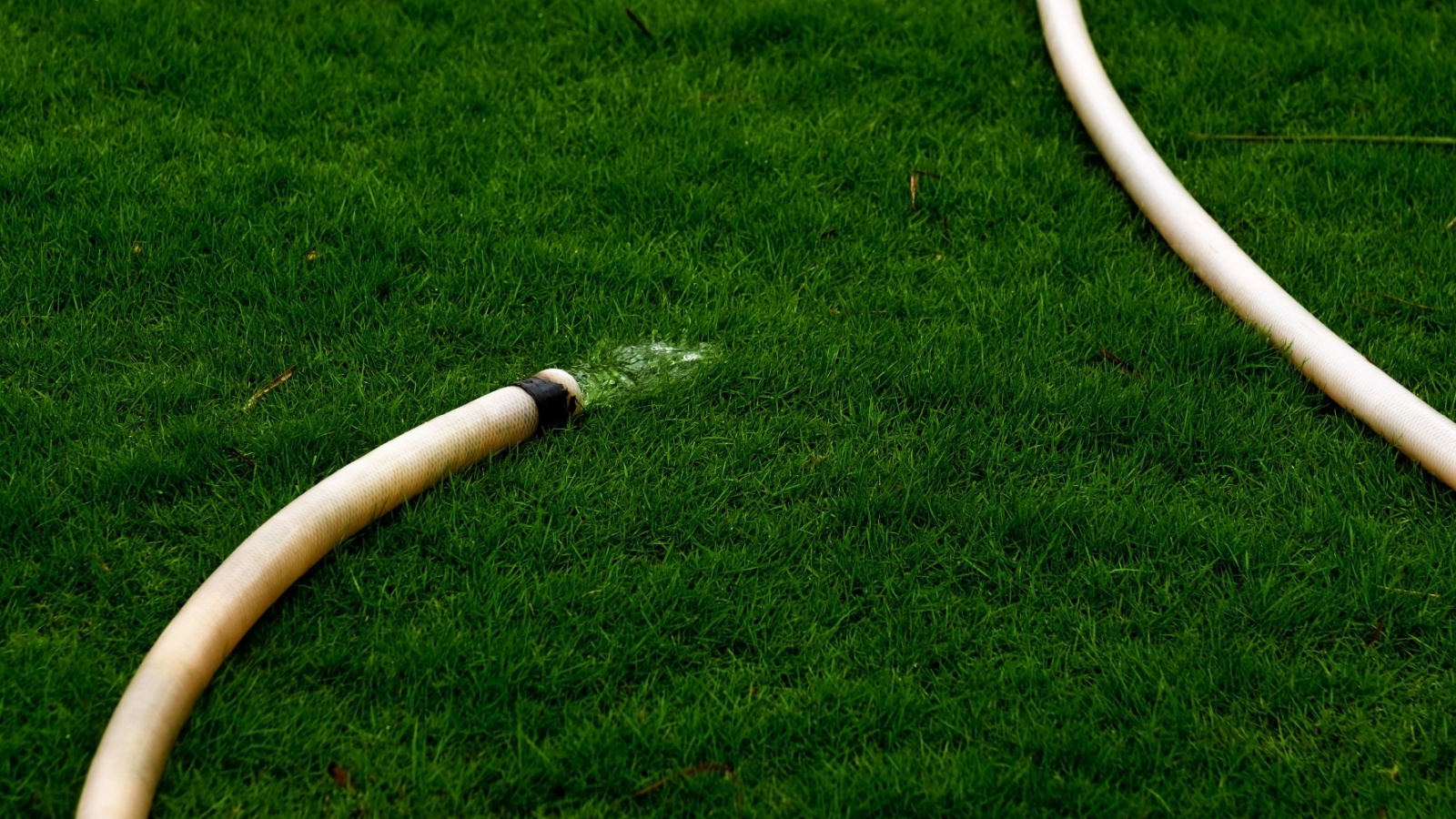
Watering equipment seems inexpensive until leaks, cracked nozzles, kinked hoses, broken timers, and poor sprinkler coverage start wasting water. A basic hose can become a chain of purchases: quick-connect fittings, washers, splitters, reels, spray guns, timers, soaker hoses, and replacement heads. In yards with gardens and lawns, the system often grows piece by piece until it becomes more complicated than expected.
The hidden cost is inefficiency. A sprinkler watering the sidewalk, a hose leaking at the tap, or a timer set too aggressively can increase water use without improving plant health. Smart irrigation tools and rain sensors can help, but they add upfront costs and setup time. Many Canadians underestimate watering equipment because each piece seems minor; by late summer, the pile of connectors, hoses, and replacements can rival the cost of the plants being watered.
Permits, Bylaws, and Inspection Surprises

Backyard projects can look simple online but become more complicated once local rules are involved. Decks, sheds, fences, pools, hot tubs, retaining walls, drainage changes, and accessory buildings may trigger permits, setback rules, lot grading requirements, or inspections. The rules differ by municipality, which is why a project that is acceptable in one city may require paperwork in another.
The underestimated expense is often delay. If work starts without checking rules, homeowners may face redesign costs, permit fees, contractor rescheduling, or the cost of moving a structure. A shed placed too close to a property line or a deck built without required approval can create stress when selling the home or dealing with a complaint. Even modest backyard upgrades should be priced with compliance in mind, because the cheapest version is not always the legal or lasting one.
19 Things Canadians Don’t Realize the CRA Can See About Their Online Income

Earning money online feels simple and informal for many Canadians. Freelancing, selling products, and digital services often start as side projects. The problem appears at tax time. Many people underestimate how much information the CRA can access. Online platforms, banks, and payment processors create detailed records automatically. These records do not disappear once money hits an account. Small gaps in reporting add up quickly.
Here are 19 things Canadians don’t realize the CRA can see about their online income.
This Options Discord Chat is The Real Deal
While the internet is scoured with trading chat rooms, many of which even charge upwards of thousands of dollars to join, this smaller options trading discord chatroom is the real deal and actually providing valuable trade setups, education, and community without the noise and spam of the larger more expensive rooms. With a incredibly low-cost monthly fee, Options Trading Club (click here to see their reviews) requires an application to join ensuring that every member is dedicated and serious about taking their trading to the next level. If you are looking for a change in your trading strategies, then click here to apply for a membership.