
35,000+ smart investors are already getting financial news, market signals, and macro shifts in the economy that could impact their money next with our FREE weekly newsletter. Get ahead of what the crowd finds out too late. Click Here to Subscribe for FREE.
Spring is one of the busiest seasons for used car sales in Canada. Warmer weather, tax refunds, and road trip plans often push buyers into the market at the same time. As demand rises, inventory moves quickly, and prices can climb. This fast pace creates pressure to decide without full evaluation. Many buyers focus on securing a vehicle before someone else does. In that rush, important checks and financial details may be overlooked. Small mistakes during purchase can lead to costly repairs or legal issues later. Here are 16 used car buying mistakes Canadians make in spring when demand jumps.
Skipping a Pre-Purchase Inspection
16 Used Car Buying Mistakes Canadians Make in Spring (Demand Jumps)
- Skipping a Pre-Purchase Inspection
- Not Checking the Vehicle History Report
- Ignoring Winter Damage Signs
- Overlooking Rust Under the Vehicle
- Buying Without Comparing Multiple Listings
- Focusing Only on Monthly Payment Amounts
- Forgetting to Budget for Immediate Repairs
- Not Test Driving on Different Road Types
- Ignoring Tire Condition and Age
- Rushing the Purchase Due to High Demand
- Not Verifying Ownership and Registration Details
- Skipping a Lien Check
- Underestimating Insurance Costs
- Accepting Dealer Add-Ons Without Review
- Failing to Negotiate the Price
- Not Reviewing Warranty Options Carefully
- 22 Groceries to Grab Now—Before another Price Shock Hits Canada

Spring demand often pushes buyers to act quickly. In that rush, many Canadians skip a pre-purchase inspection. A vehicle may look clean on the surface but hide mechanical issues underneath. Independent inspections can reveal brake wear, suspension damage, or fluid leaks. Sellers are not required to point out every concern. Even certified vehicles benefit from third-party evaluation. The inspection cost is small compared to major repair bills later. Skipping this step increases financial risk. High demand does not reduce the importance of verification. Taking time for inspection protects buyers from costly surprises after purchase.
Not Checking the Vehicle History Report

A vehicle history report provides essential background information. Canadians sometimes assume newer vehicles are automatically safe purchases. However, past accidents or insurance claims may not be visible. Reports reveal title status, collision records, and service history. Odometer discrepancies can also appear in documentation. Without reviewing records, buyers rely solely on seller statements. High spring demand can create pressure to skip this step. History reports offer transparency before financial commitment. The cost is minimal compared to the potential hidden issues. Reviewing documentation helps buyers make informed decisions.
Ignoring Winter Damage Signs
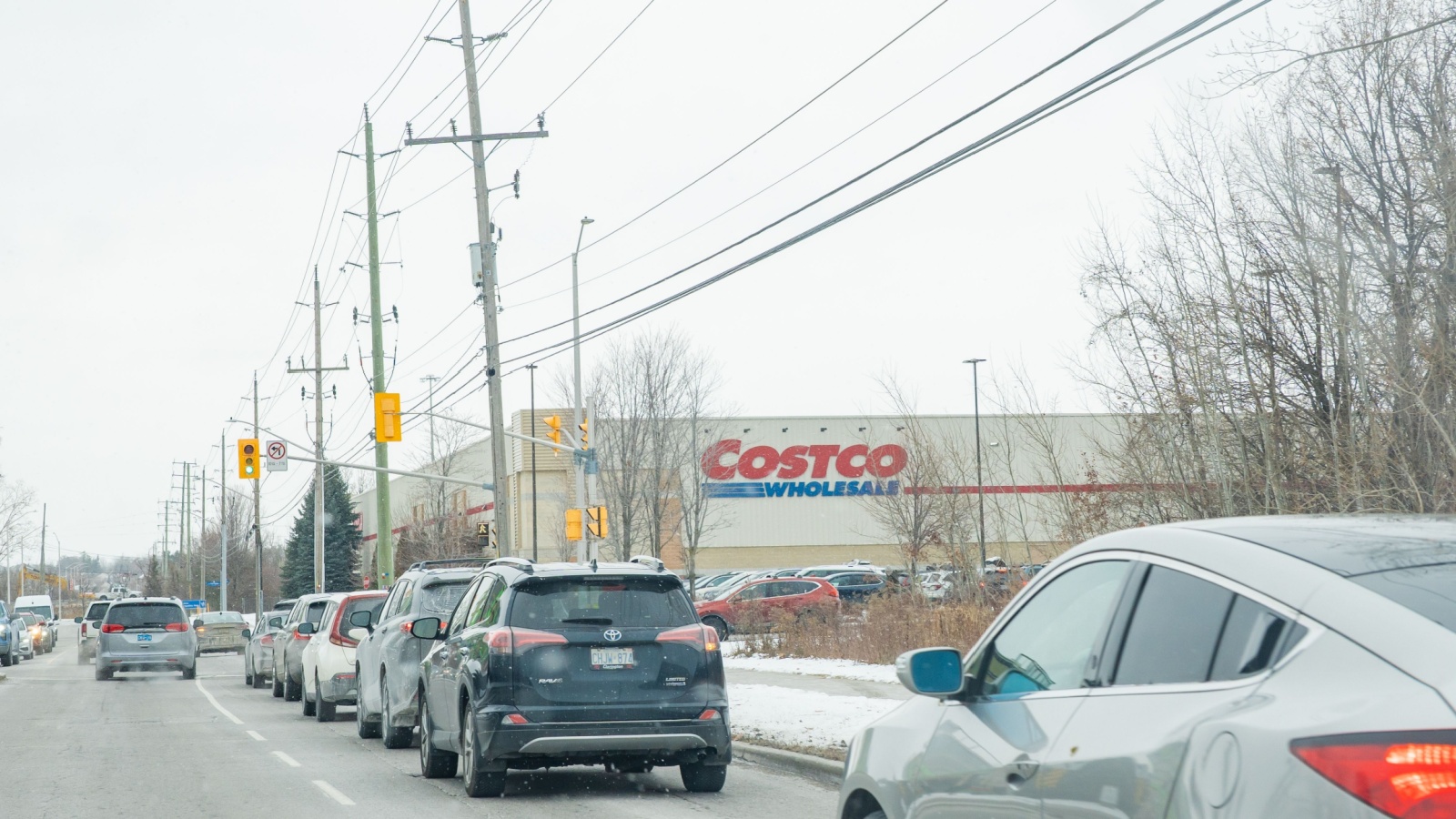
Canadian winters can leave a lasting impact on vehicles. Road salt accelerates corrosion and weakens components. Buyers focusing on appearance may miss subtle winter damage. Brake lines and undercarriage parts are especially vulnerable. Suspension systems may suffer from pothole exposure. Spring sunlight highlights cosmetic flaws but not always structural concerns. Ignoring winter wear increases long-term repair risk. Inspecting thoroughly protects against unexpected maintenance. Seasonal demand should not distract from careful evaluation. Recognizing winter-related damage helps buyers avoid premature mechanical failures.
Overlooking Rust Under the Vehicle
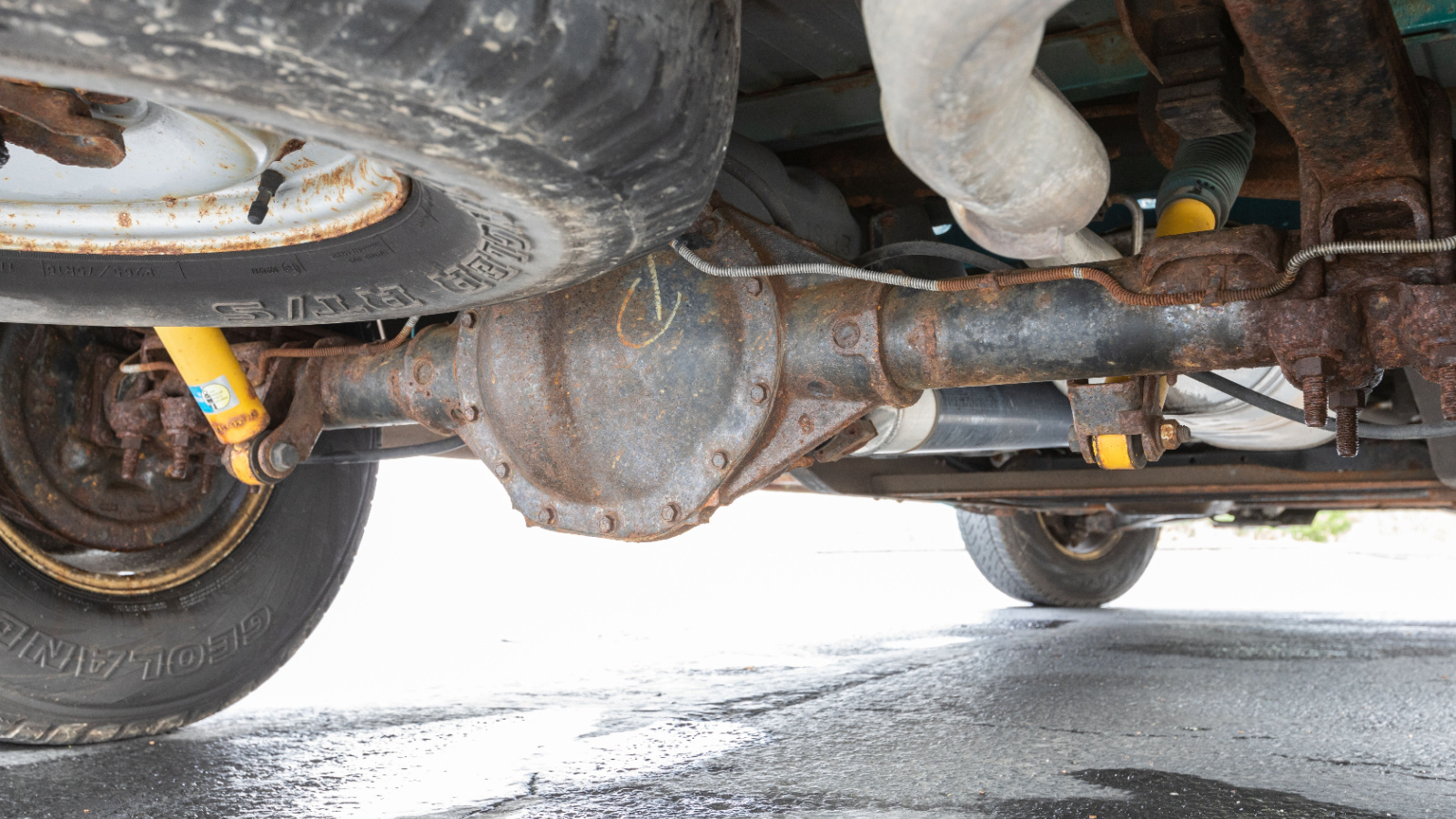
Rust often develops underneath vehicles exposed to salt-treated roads. Buyers frequently inspect paint but neglect undercarriage areas. Surface rust may appear minor, but it can spread quickly. Frame corrosion affects structural integrity and resale value. Canadians in coastal or northern regions face a higher risk. Spring cleaning may temporarily hide rust patches. Lifting the vehicle for inspection provides clearer visibility. Repairing severe corrosion can be expensive. Skipping this check increases financial uncertainty. Careful evaluation beneath the vehicle ensures safer long-term ownership.
Buying Without Comparing Multiple Listings

Spring demand can create urgency among buyers. Some Canadians commit to the first suitable option they find. Without comparing multiple listings, the pricing context is lost. Similar vehicles may vary significantly in mileage or condition. Market research helps identify fair value. Online platforms simplify side-by-side comparisons. Sellers may price higher during peak seasons. Taking time to review alternatives strengthens negotiation position. Rushing reduces leverage in price discussions. Comparing listings leads to better financial outcomes and informed decisions.
Focusing Only on Monthly Payment Amounts

Dealership financing often highlights manageable monthly payments. Canadians sometimes concentrate solely on affordability per month. This approach can hide higher total purchase costs. Extended loan terms increase overall interest paid. Lower monthly payments may stretch repayment periods unnecessarily. Evaluating total loan cost provides a clearer financial understanding. Interest rates and additional fees influence the final expense. Demand during spring may encourage quick financing acceptance. Reviewing contract details prevents long-term financial strain. Looking beyond monthly figures ensures smarter purchasing decisions.
Forgetting to Budget for Immediate Repairs

Used vehicles may require maintenance soon after purchase. Canadians sometimes allocate funds only for the purchase price. Immediate needs, such as tire replacement or fluid changes, add costs. Brake servicing or minor part replacements are common. Ignoring these expenses strains budgets unexpectedly. Sellers rarely include full maintenance coverage. Planning a repair reserve improves financial readiness. Spring purchases often coincide with road trip plans. Ensuring mechanical reliability supports safe travel. Budgeting beyond purchase price protects buyers from early financial pressure.
Not Test Driving on Different Road Types

Short test drives in parking lots reveal limited information. Canadians may skip varied road conditions due to time pressure. Driving on highways exposes engine performance and transmission behaviour. Uneven roads highlight suspension quality and steering response. Braking at different speeds tests safety systems. Listening for unusual sounds helps identify hidden issues. Spring demand should not limit thorough testing. Comprehensive drives provide confidence before purchase. Evaluating handling under realistic conditions prevents regret later. A proper test drive remains essential regardless of seasonal demand.
Ignoring Tire Condition and Age

Tires affect safety, handling, and immediate ownership costs. Many Canadians focus on tread depth but ignore tire age. Rubber hardens over time, even if the tread appears acceptable. Manufacturing dates are printed on the sidewall. Tires older than several years may need replacement soon. Uneven wear can signal alignment or suspension issues. Spring buyers often overlook this detail in busy markets. Replacing four tires can add significant expense. Checking the condition before purchase strengthens the negotiation position. Careful inspection prevents unexpected spending shortly after driving away.
Rushing the Purchase Due to High Demand

Spring demand often creates pressure to decide quickly. Buyers may fear losing a vehicle to another interested party. This urgency can reduce careful evaluation. Canadians sometimes skip comparison or inspection steps when inventory moves fast. Acting without full review increases the risk of regret. Sellers may emphasize limited availability to accelerate decisions. Taking time to confirm details protects financial interests. High demand does not justify incomplete research. Patience often leads to better long-term outcomes. A rushed purchase can result in avoidable repairs or overpayment.
Not Verifying Ownership and Registration Details

Ownership documents confirm the legal right to sell a vehicle. Canadians sometimes assume paperwork is accurate without checking thoroughly. Names on registration must match seller identification. Errors can complicate transfer processes. Expired registration may indicate unresolved issues. Confirming vehicle identification numbers prevents mismatches. Provincial requirements vary slightly, but documentation remains essential. Skipping verification can delay registration or create legal problems. Reviewing paperwork carefully ensures a smooth ownership transfer. Proper documentation protects buyers from administrative complications later.
Skipping a Lien Check

A lien indicates outstanding debt attached to a vehicle. If unpaid, the lender may claim the car even after resale. Canadians occasionally forget to confirm lien status. Sellers are responsible for clearing financing before transfer. Provincial registries provide lien search services. Failing to check exposes buyers to legal and financial risk. Clearing liens before purchase prevents future disputes. Documentation confirming discharge protects ownership rights. This step is especially important in private sales. Conducting a lien check offers security during high-demand markets.
Underestimating Insurance Costs

Insurance premiums vary based on vehicle type and driver profile. Canadians sometimes focus on the purchase price without requesting insurance quotes. Certain models carry higher premiums due to repair costs or theft rates. Newer vehicles may require comprehensive coverage. Budgeting only for financing can create strain later. Obtaining quotes before committing provides clarity. Insurance costs influence total affordability significantly. Spring purchases often coincide with higher travel plans. Factoring premiums into decisions ensures realistic budgeting. Overlooking this step can increase overall ownership expense unexpectedly.
Accepting Dealer Add-Ons Without Review

Dealers may offer extended warranties, protection packages, or service plans. These add-ons increase the final purchase price. Canadians sometimes accept them without full evaluation. Some products duplicate existing coverage. Reviewing terms carefully clarifies the actual value. Add-ons often carry high profit margins for sellers. Negotiating or declining unnecessary extras reduces total cost. High-demand environments may limit time for review. Asking detailed questions protects buyers from overspending. Careful consideration ensures optional services align with real needs.
Failing to Negotiate the Price

Even during strong demand, negotiation remains possible. Canadians sometimes assume listed prices are fixed. Market conditions influence flexibility, but do not eliminate discussion. Researching comparable listings strengthens bargaining position. Minor issues discovered during inspection support price adjustments. Polite negotiation often results in modest savings. Dealers may also adjust fees or include small incentives. Accepting first offers can mean overpaying. Spring demand should not discourage reasonable negotiation. Preparation and confidence improve financial outcomes.
Not Reviewing Warranty Options Carefully

Used vehicles may include limited warranties or none at all. Canadians sometimes misunderstand coverage terms. Dealer warranties may differ from manufacturer programs. Duration and component coverage vary widely. Reading the details clarifies what repairs are included. Extended warranties add cost and require evaluation. Some vehicles may still qualify for remaining factory coverage. Overlooking warranty conditions can lead to unexpected expenses. Reviewing options before purchase supports informed decisions. Understanding protection levels ensures buyers know their financial responsibility after the sale.
22 Groceries to Grab Now—Before another Price Shock Hits Canada

Food prices in Canada have been steadily climbing, and another spike could make your grocery bill feel like a mortgage payment. According to Statistics Canada, food inflation remains about 3.7% higher than last year, with essentials like bread, dairy, and fresh produce leading the surge. Some items are expected to rise even further due to transportation costs, droughts, and import tariffs. Here are 22 groceries to grab now before another price shock hits Canada.
22 Groceries to Grab Now—Before another Price Shock Hits Canada
This Options Discord Chat is The Real Deal
While the internet is scoured with trading chat rooms, many of which even charge upwards of thousands of dollars to join, this smaller options trading discord chatroom is the real deal and actually providing valuable trade setups, education, and community without the noise and spam of the larger more expensive rooms. With a incredibly low-cost monthly fee, Options Trading Club (click here to see their reviews) requires an application to join ensuring that every member is dedicated and serious about taking their trading to the next level. If you are looking for a change in your trading strategies, then click here to apply for a membership.